
New Staff Members and Fellows
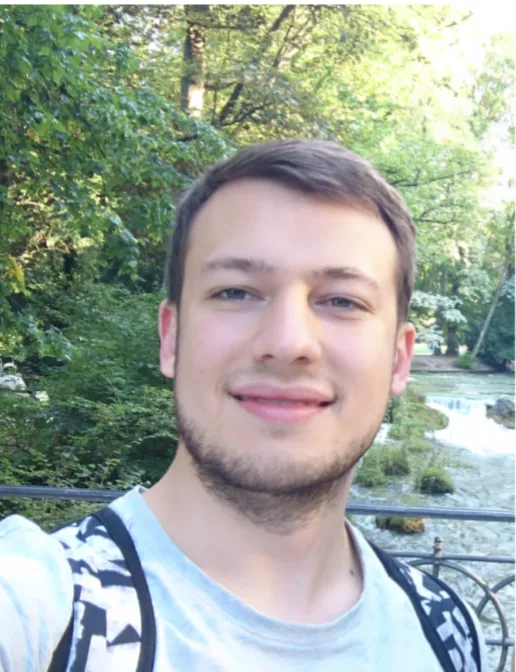
Maximilian Babeluk
Hi, I’m Max. I recently joined the ALICE ITS3 team, where I work on sensor testing, functional verification, and in the future also chip design – particularly on MOSAIX. My main activities include testing and yield assessment across multiple integration levels (wafer probing to system tests), including data analysis and development of test procedures covering firmware and software. Prior to joining CERN, I completed my PhD in Vienna, where I worked on digital design and testing of the OBELIX chip for the Belle II vertex detector upgrade.
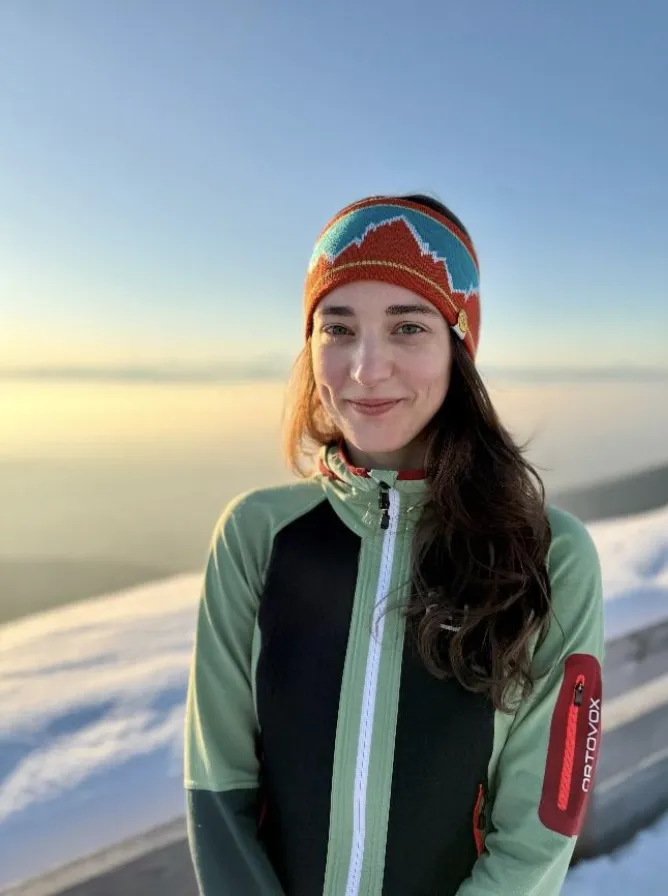
Tea Bodova
Hello, I am Tea, and I joined the EP-ESE group in January as an Electronics Engineer (GRAP), working within an R&D team focused on 3D interconnects and packaging solutions for future detector systems. My work involves developing and evaluating modules using Timepix4 and future Picopix chips, particularly after TSV post-processing. I design and operate test setups, develop firmware, and perform measurements to characterise chip performance. As a result, I spend most of my time in labs, so please don’t look for me in the office. Hopefully, my work will help validate next-generation detector technologies.
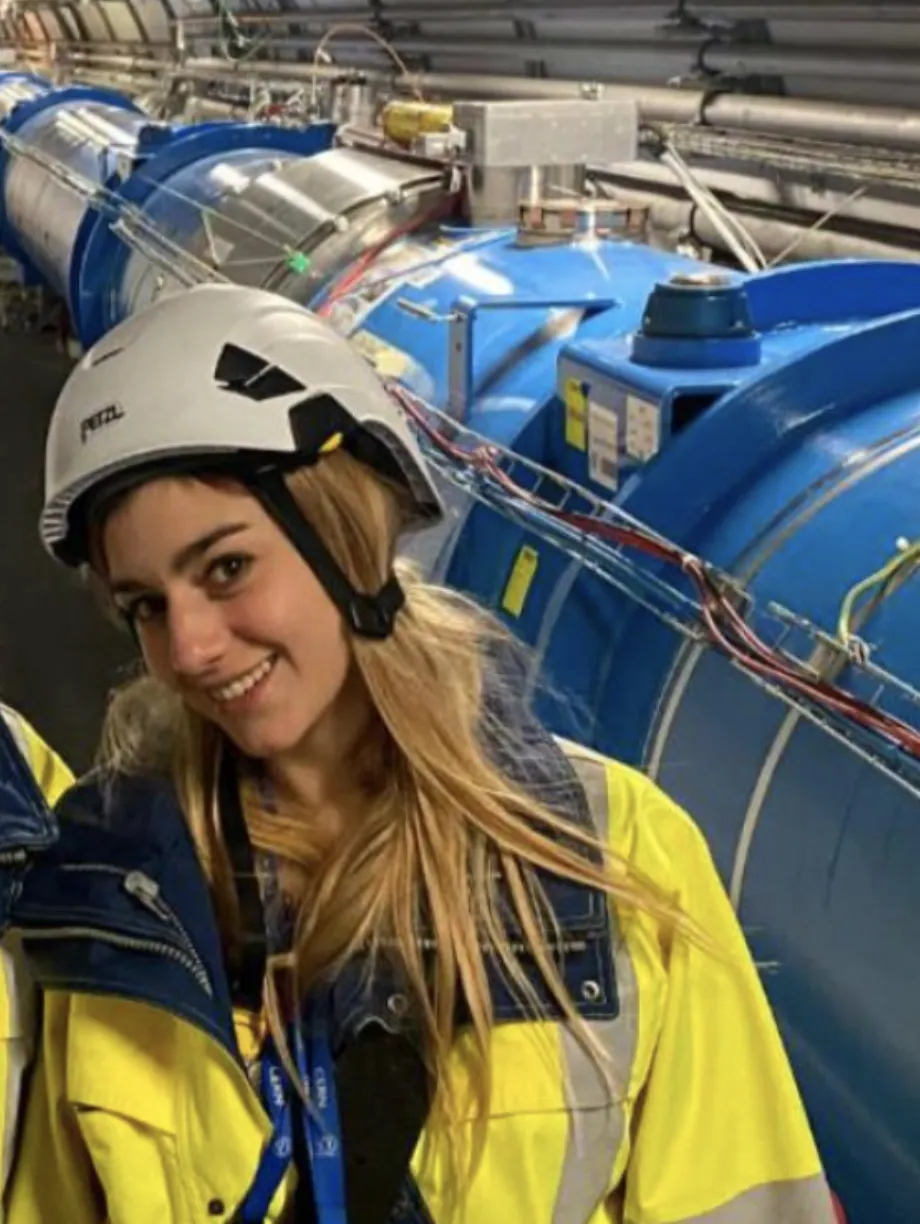
Anna Maria Bromboszcz
My name is Anna Maria Bromboszcz, and I am from Poland. I joined CERN as a student in 2018 within the ATLAS experiment. I later worked with the EP-DT and EN-CV groups, where I gained valuable experience in technical and engineering operations related to the installation, coordination, and design of cooling systems. In January 2026, I had the pleasure of returning to ATLAS as a Cooling Engineer. In this role, I contribute to the coordination, preparation, and execution of LS3, as well as to the operation and optimization of ATLAS cooling systems. I aim to further develop my expertise, share knowledge, and support the continued operation and improvement of the experiment.
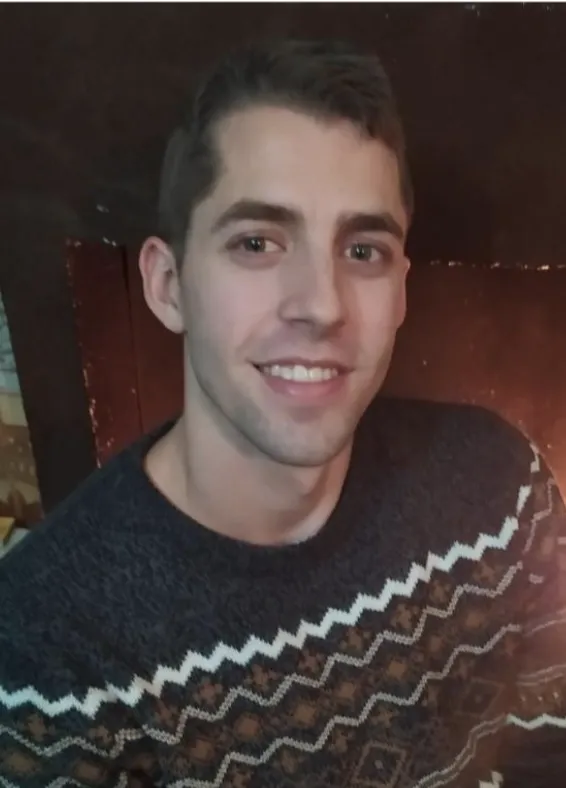
Juan Miguel Carceller
I am a new staff member in the EP-SFT group, working with the Stacks team to provide software stacks for experiments. My responsibilities include responding to stakeholder requests, ensuring the stacks operate correctly, and developing the supporting infrastructure. I also contribute to Key4hep, a turnkey software solution for future colliders such as the FCC, where I develop core software and maintain the software stack that SFT provides.
Arthur Jaries
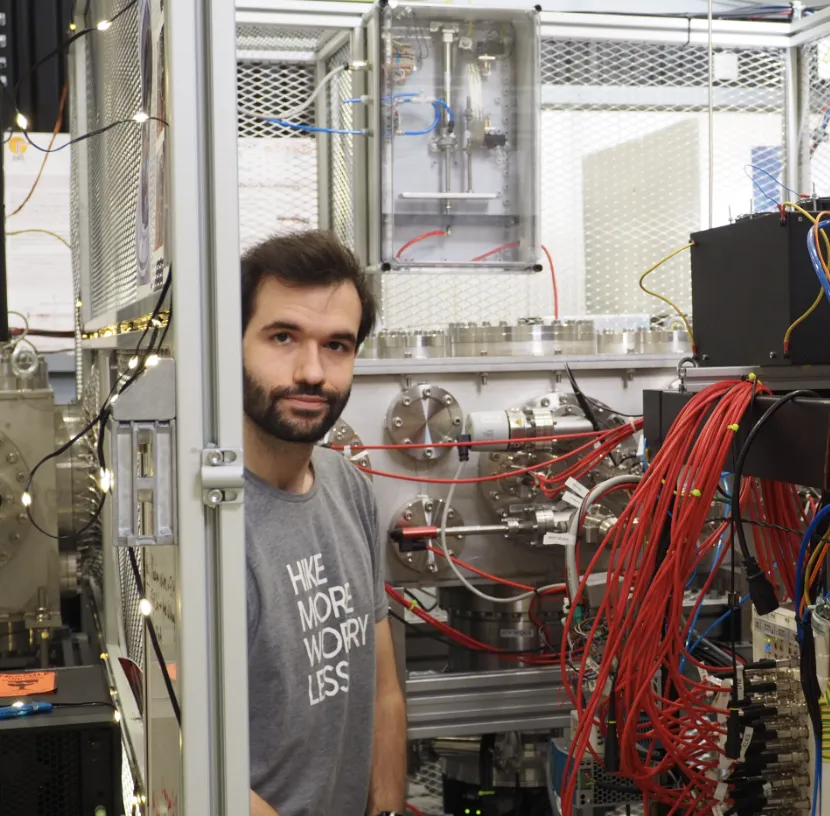
As a new research fellow at the EP department, I joined the teams at ISOLDE and more specifically the ISOLTRAP experiment. There, I use electrostatic and electromagnetic ion traps to perform high-precision mass spectrometry on very exotic nuclei. This allows the determination of their binding energy, relevant for refining the modelling of the evolution of nuclear structure far from stability, and improving our understanding of the astrophysical processes responsible for the origin of the heavy elements in the Universe. With LS3, major technical upgrades are foreseen to push further our sensitivity and the reach of our studies of radioactive species.
Martina Jørgensen
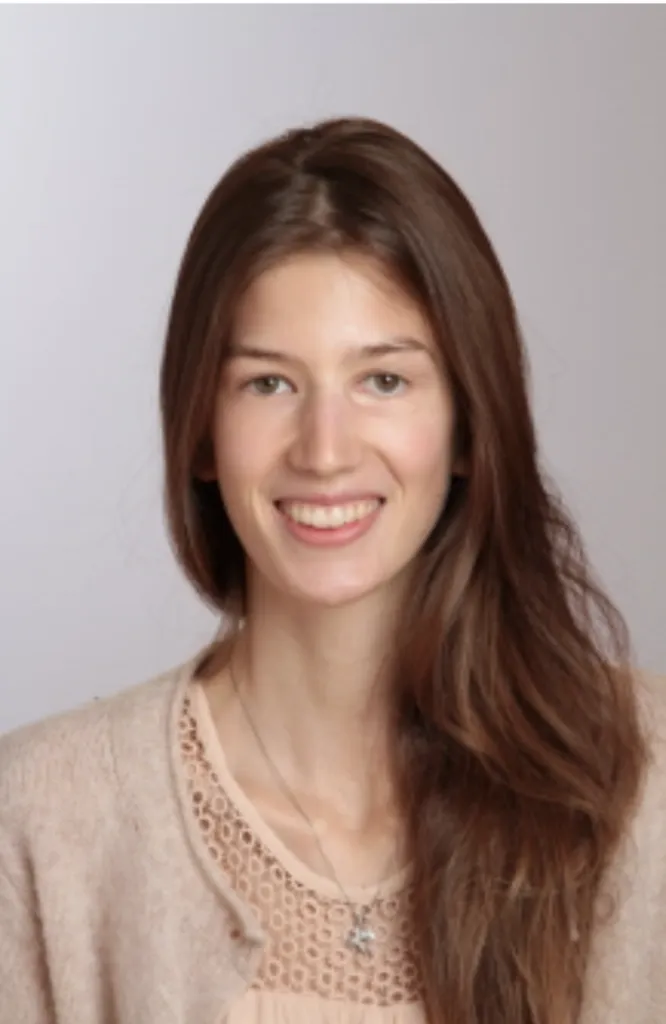
recently joined the NGT team (Work Package 1.3) after completing my PhD in pure mathematics at ETH Zürich under the supervision of Urs Lang. My doctoral research focused on differential and metric geometry, particularly hyperbolicity and non-positively curved spaces. After several years in pure mathematics, I am excited to apply my theoretical background in a more applied research environment in particle physics, a field central to my BSc studies. I am especially interested in deep learning methods in high-energy physics, including transformer models for jet tagging. My work focuses on optimising compression techniques and exploring tensor network approaches for efficient physics-informed machine learning.
Martin Klassen
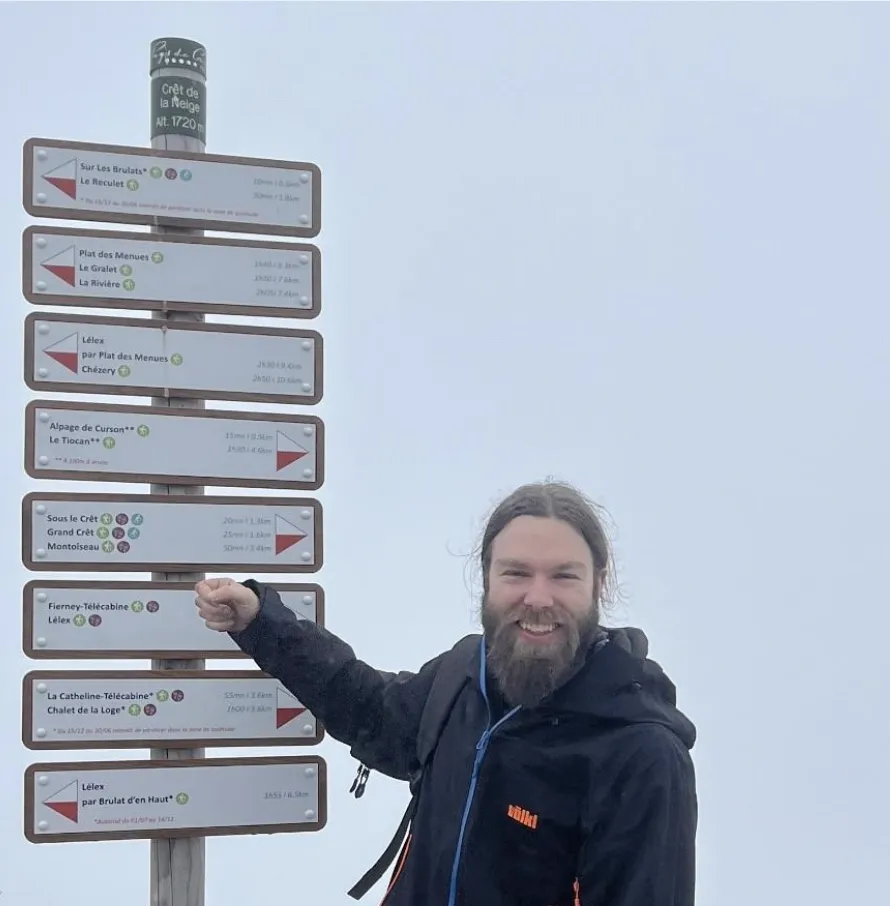
Hey, I am Martin, and I recently joined the EP-ATL-TRG group, working on the ATLAS experiment. I am part of the ATLAS trigger team, focusing on the New Small Wheel muon trigger. My work involves improving the efficiency and robustness of the trigger during the final phase of Run 3 and preparing it for the challenges of Run 4. Before joining CERN, I completed my PhD in Heidelberg and worked as a postdoctoral researcher at Tufts University, focusing on Standard Model precision measurements. I am excited to contribute to the ATLAS trigger system and be part of the ongoing data taking.
Wojtek Krupa
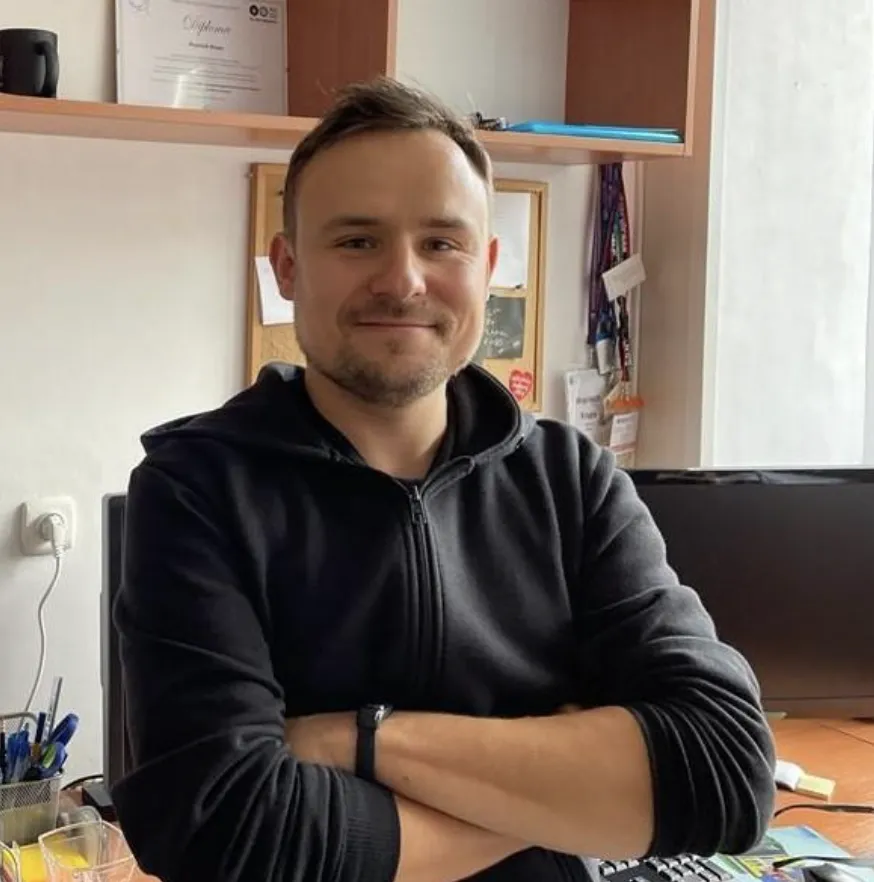
I will be working on the development and optimisation of simulation software for the LHCb experiment, with a focus on the Gauss and Gaussino frameworks. My role includes maintaining and supporting existing software infrastructure, while also integrating modern technologies such as GPU computing and Machine Learning to enhance the performance and accuracy of detector simulations. I collaborate closely with the LHCb Simulation Team, working alongside physicists and software engineers to support ongoing projects and ensure high-quality simulation outcomes.
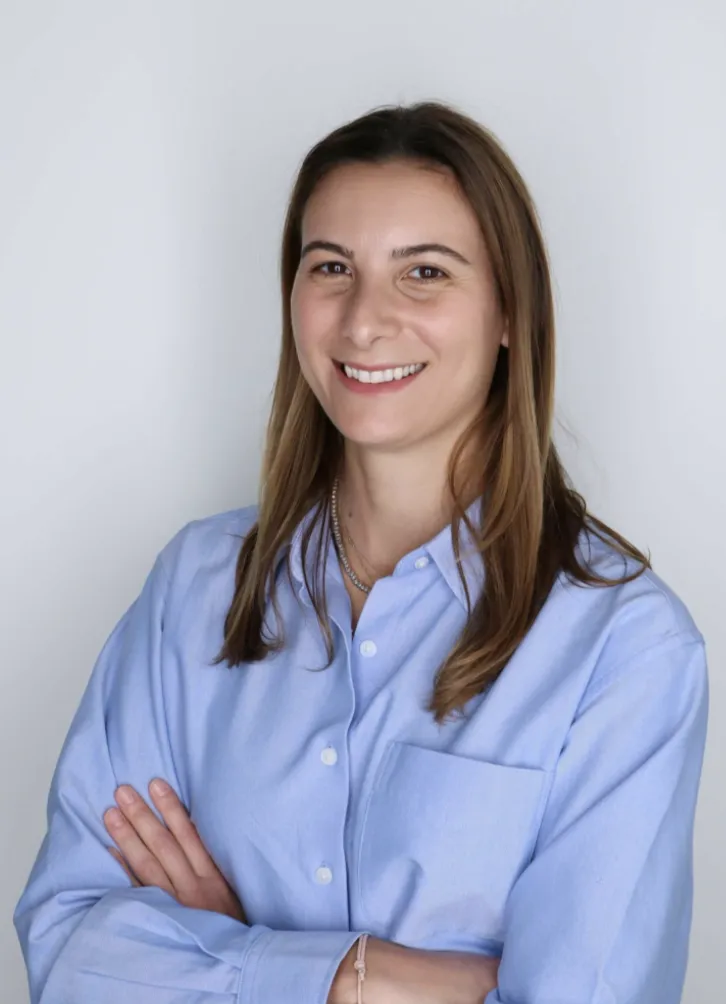
Elisabetta Manca
Hello! I recently joined CERN as a Research Fellow working on the CMS experiment. My expertise is in electroweak precision measurements, and I have been one of the main contributors to the recent CMS W boson mass measurement. My work focuses in particular on the inner tracker and its ultra-precise calibration, as well as on developing innovative analysis techniques to reduce systematic uncertainties. I am also involved in the upgrade of the CMS experiment in preparation for the High-Luminosity LHC, contributing to the development of future detector performance.
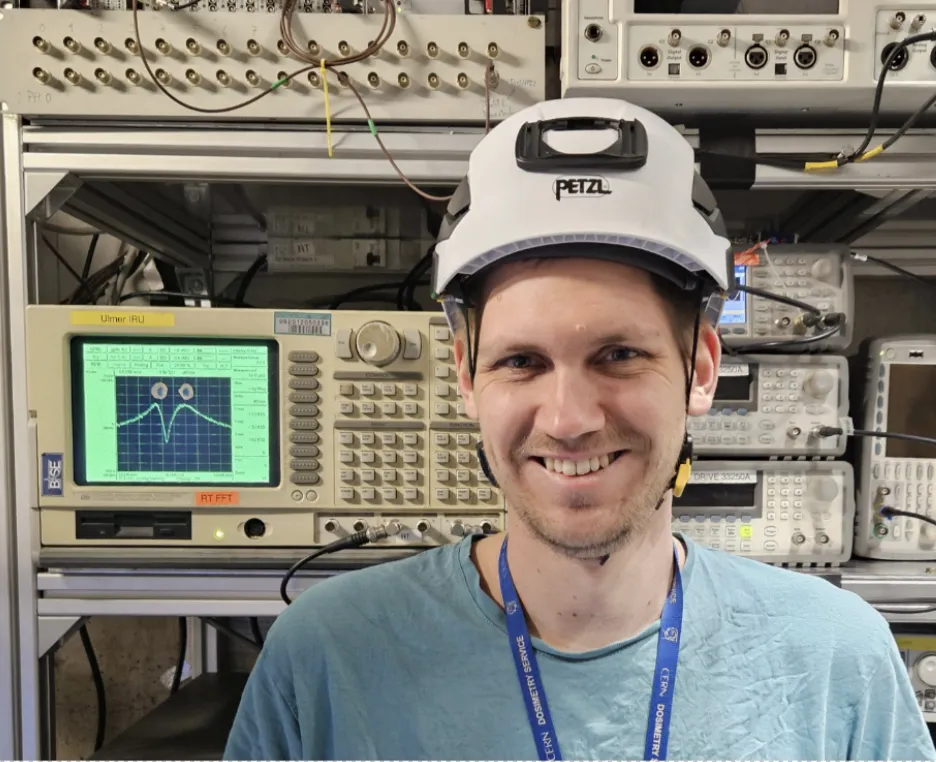
Jonathan Morgner
Since January, I have been a research fellow in the EP department. I work with the BASE collaboration at the Antimatter Factory, where we test the fundamental symmetries of the Standard Model by comparing the properties of antiprotons and protons. I joined as a senior postdoctoral researcher to perform a high-precision measurement of the magnetic moment of a single antiproton.
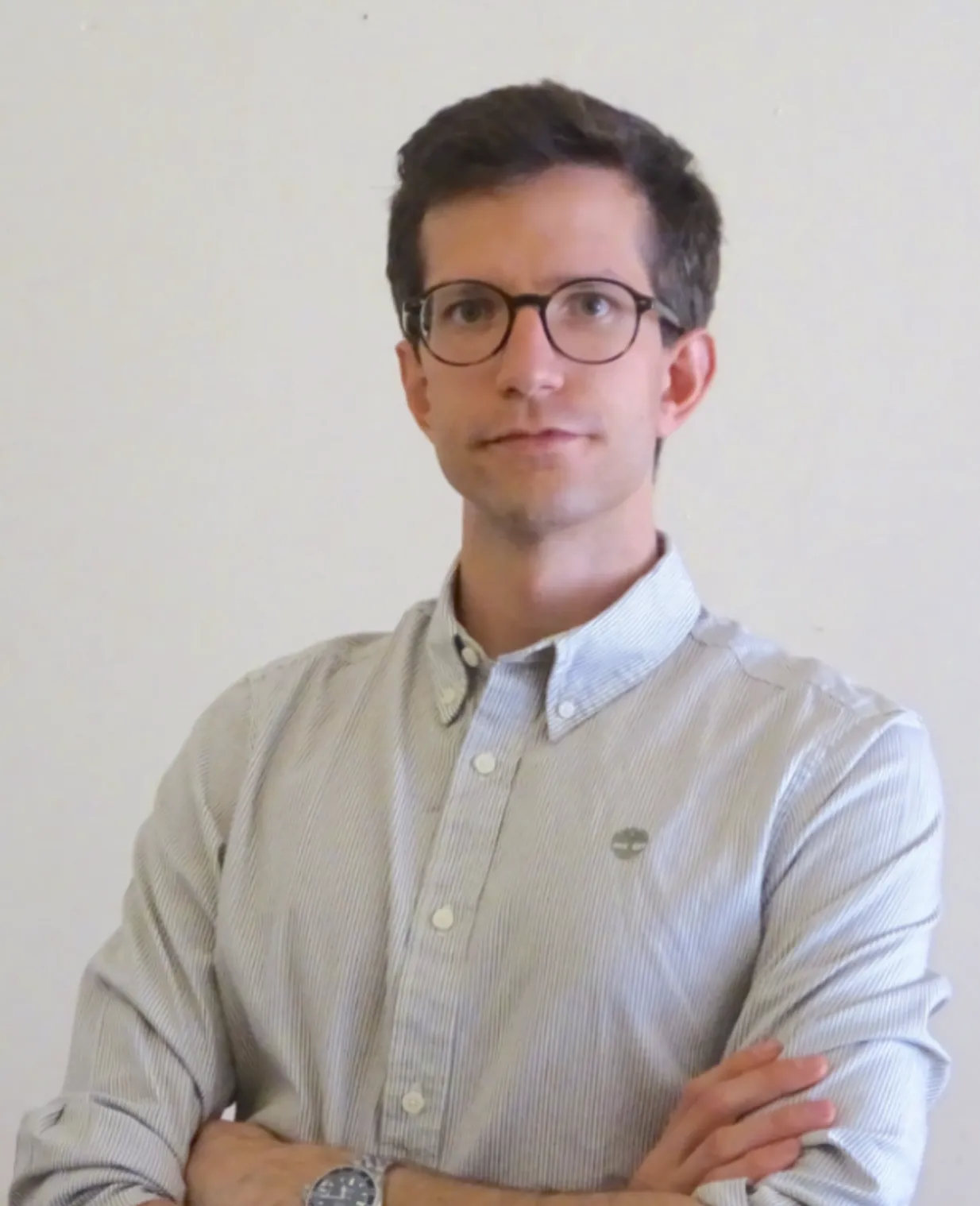
Tommaso Pajero
I am a new Research Physicist within the LHCb collaboration, focusing on measuring CP violation in charmed-hadron decays using Run 3 data to clarify tensions between recent results, theoretical predictions, and approximate SU(3)F symmetry. I also contribute to R&D for the silicon-pixel VELO detector for LHCb Upgrade II, with emphasis on temporal performance and alignment. In parallel, I investigate how the design and performance of the FCC-ee electromagnetic calorimeters affect measurements of fully neutral flavoured-hadron decays, using the branching-fraction determination of D0 -> gamma gamma — challenged by the dominant D0 -> pi0 pi0 background — as benchmark.
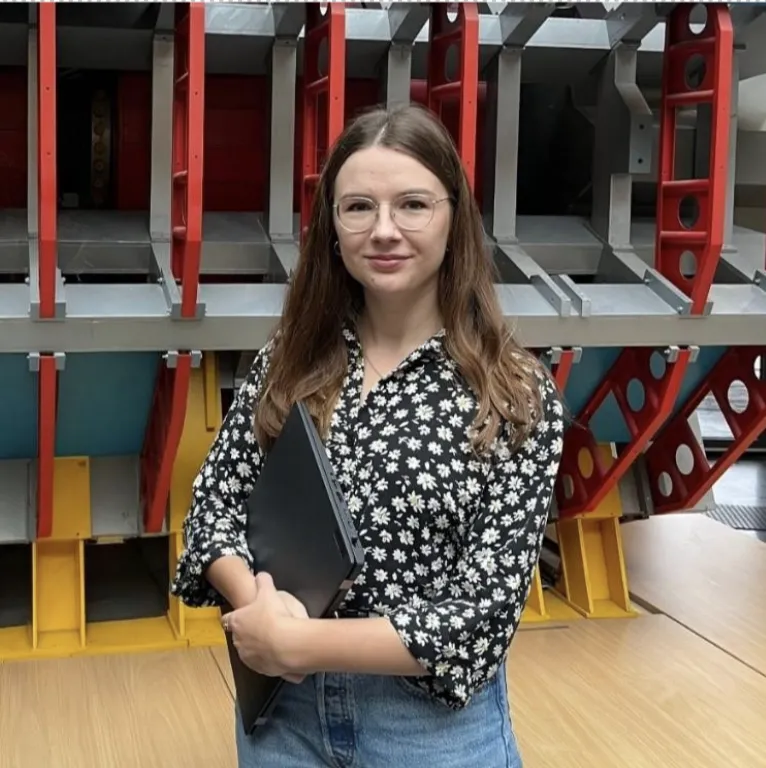
Aleksandra Poreba
Hello! My name is Aleksandra, and I recently joined the EP-ATL-TRG group as a Research Fellow. My background is in high-performance real-time computing, with a focus on hardware accelerators such as GPUs. I will be continuing my research on GPU-accelerated track reconstruction techniques, as well as contributing to the ATLAS Event Filter Core Software and ATLAS Trigger Operations.
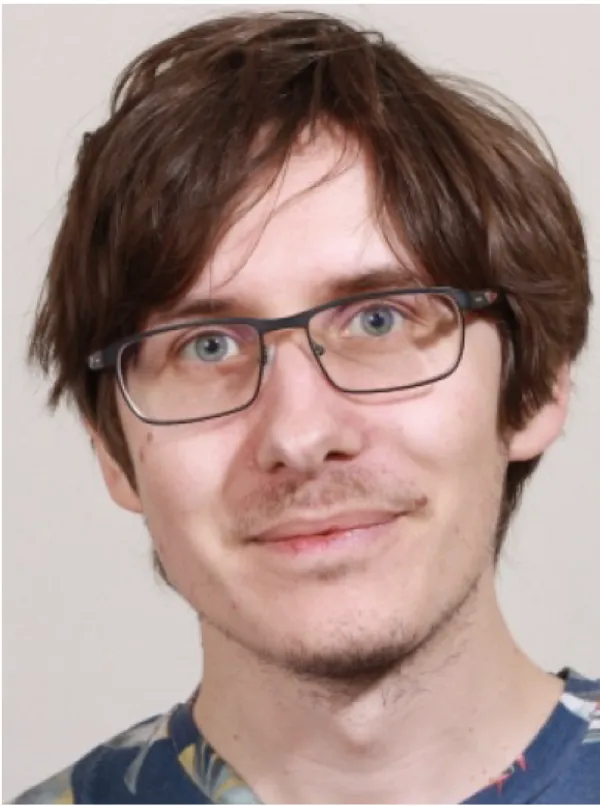
Jonas Roemer
Hello, I’m Jonas! I’m joining the ATLAS Dataflow team to work on the Phase-2 upgrade of our DAQ system. The dataflow software is critical for transferring data from readout computers to the Event Filter farm—where the final “accept” decisions happen—and on to storage. Having previously served as a Fellow for the central readout software and worked on detector DAQ, I’m thrilled to continue evolving our DAQ infrastructure and help bring the Phase-2 upgrade to life.
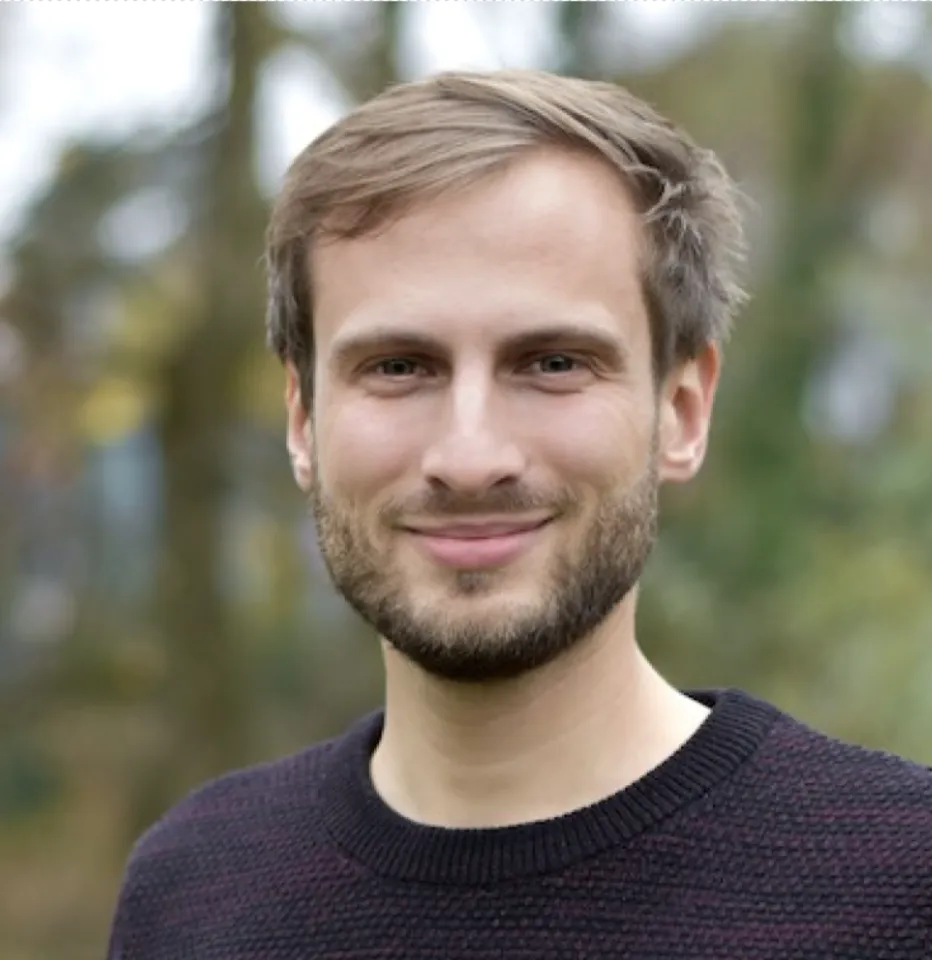
Knut Zoch
Hello! I’m Knut, and I have recently joined CERN as a Research Fellow in the EP Department, after previously working as a postdoc at Harvard University. I now work in the EP-ATL group, CERN’s group dedicated to the ATLAS Collaboration, where my research focuses on precision measurements in high-energy proton–proton collisions, with an emphasis on top-quark production and other Standard Model processes. I am also developing new interests in particle tracking within ATLAS and enjoy applying machine learning techniques to improve event reconstruction. I look forward to collaborating with colleagues across the department!