
Category: Newsletter
-
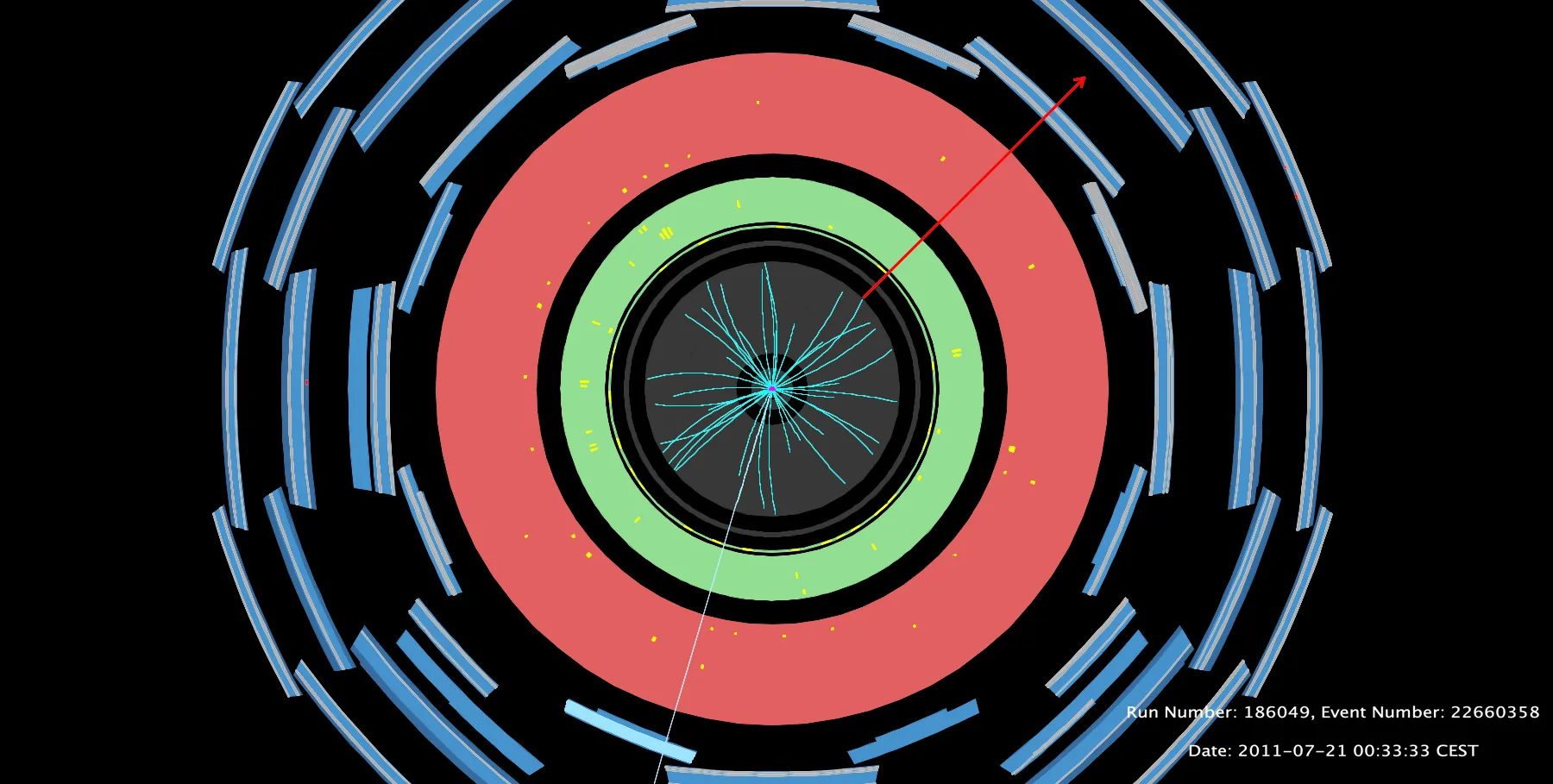
New ATLAS result weighs in on the W boson
New ATLAS result weighs in on the W boson For the past 40 years, the W boson has been making headlines. In the 1980s, the announcement of its discovery helped confirm the theory of the electroweak interaction – a unified description of electromagnetic and weak forces. Today, measurements of its mass (mW) are testing the
-
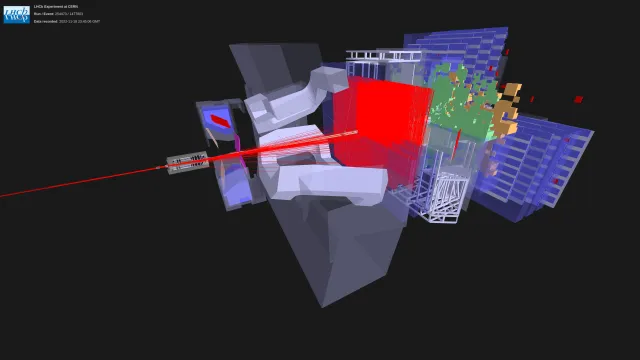
LHCb’s unique approach to real-time data processing
LHCb’s unique approach to real-time data processing The LHCb collaboration is currently enhancing its unique system of data filtering, Real Time Analysis, by installing a 2nd set of Graphics Processing Units (GPUs) in the trigger system. Current technology does not allow all LHC proton-proton collision data to be stored and analyzed. A fast event selection
-
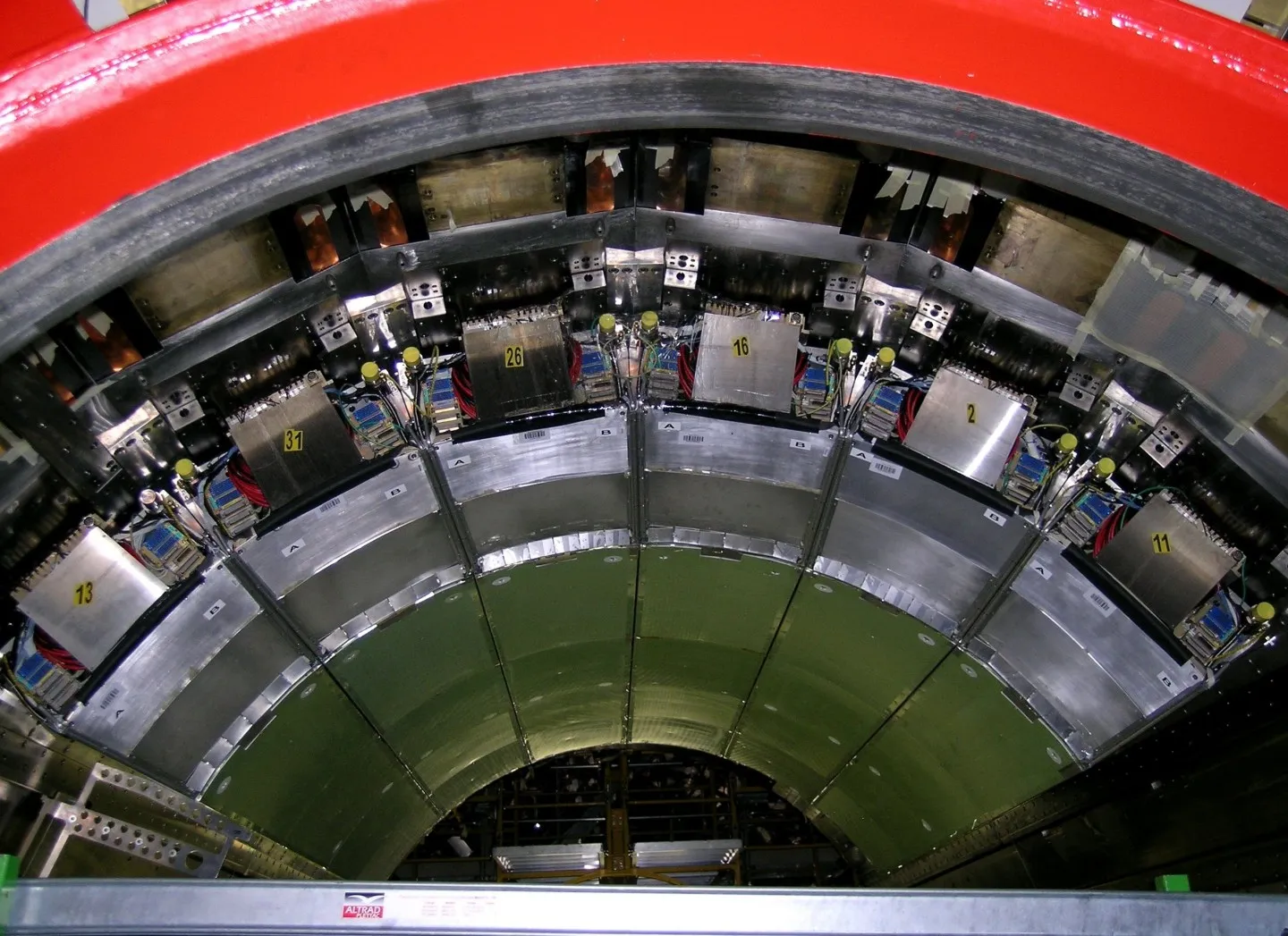
Upgrading the CMS Electromagnetic Calorimeter Readout Electronics for Phase-2
Upgrading the CMS Electromagnetic Calorimeter Readout Electronics for Phase-2 The CMS electromagnetic calorimeter (ECAL) was designed to provide excellent energy resolution for electrons and photons in the challenging, high-radiation environment of the Large Hadron Collider [1]. In particular, the excellent design energy resolution of the CMS ECAL was aimed at the discovery of the Higgs
-
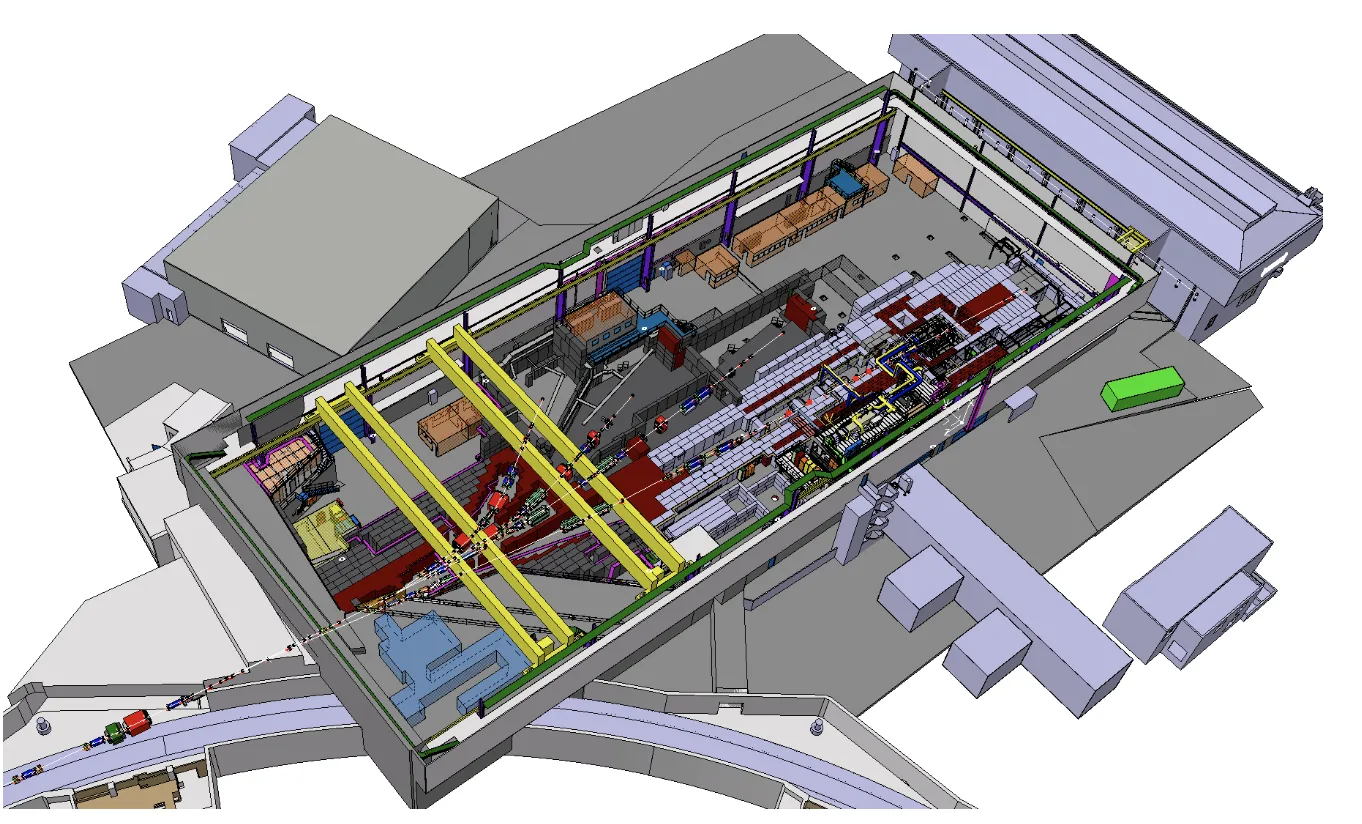
The IRRAD Proton Facility Journey to get new detector systems ready for the Long Shutdown 3
The IRRAD Proton Facility Journey to get new detector systems ready for the Long Shutdown 3 The proton irradiation facility (IRRAD) at the PS East Area was built during the LS1 to cope with the increasing needs for radiation tests of the experimental community working for the HL upgrade of the LHC and beyond. The
-
CERN team maps the sPHENIX Solenoid at BNL
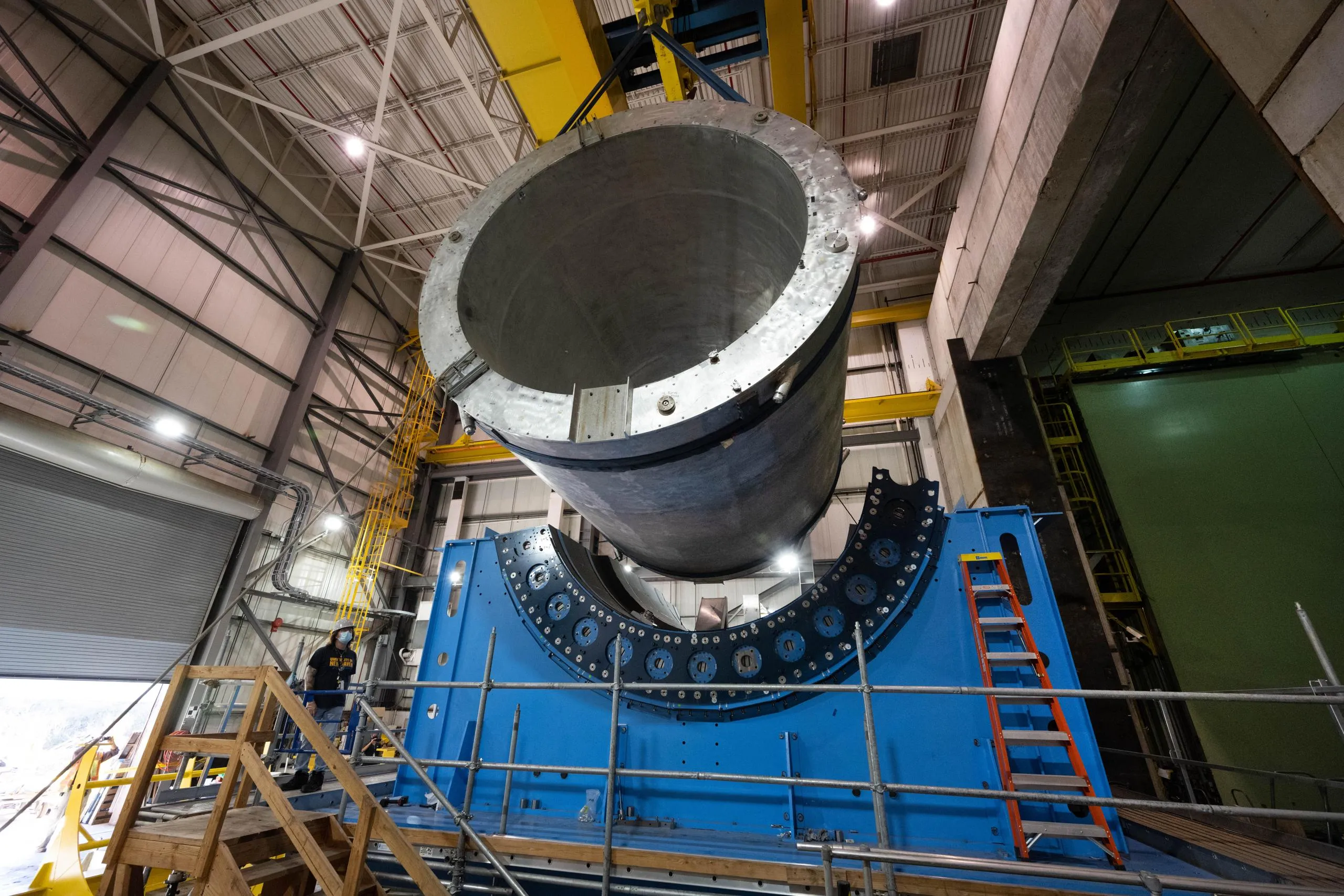
CERN team maps the sPHENIX Solenoid at BNL In November 2022 the magnet service team of the Detector Technology group performed the mapping of the superconducting solenoid in the sPHENIX experiment at BNL (US). The two-week long campaign was the culmination of preparations that started during the most difficult times of the Covid pandemic. The
-
Chronicles of SND@LHC’s first year of data taking
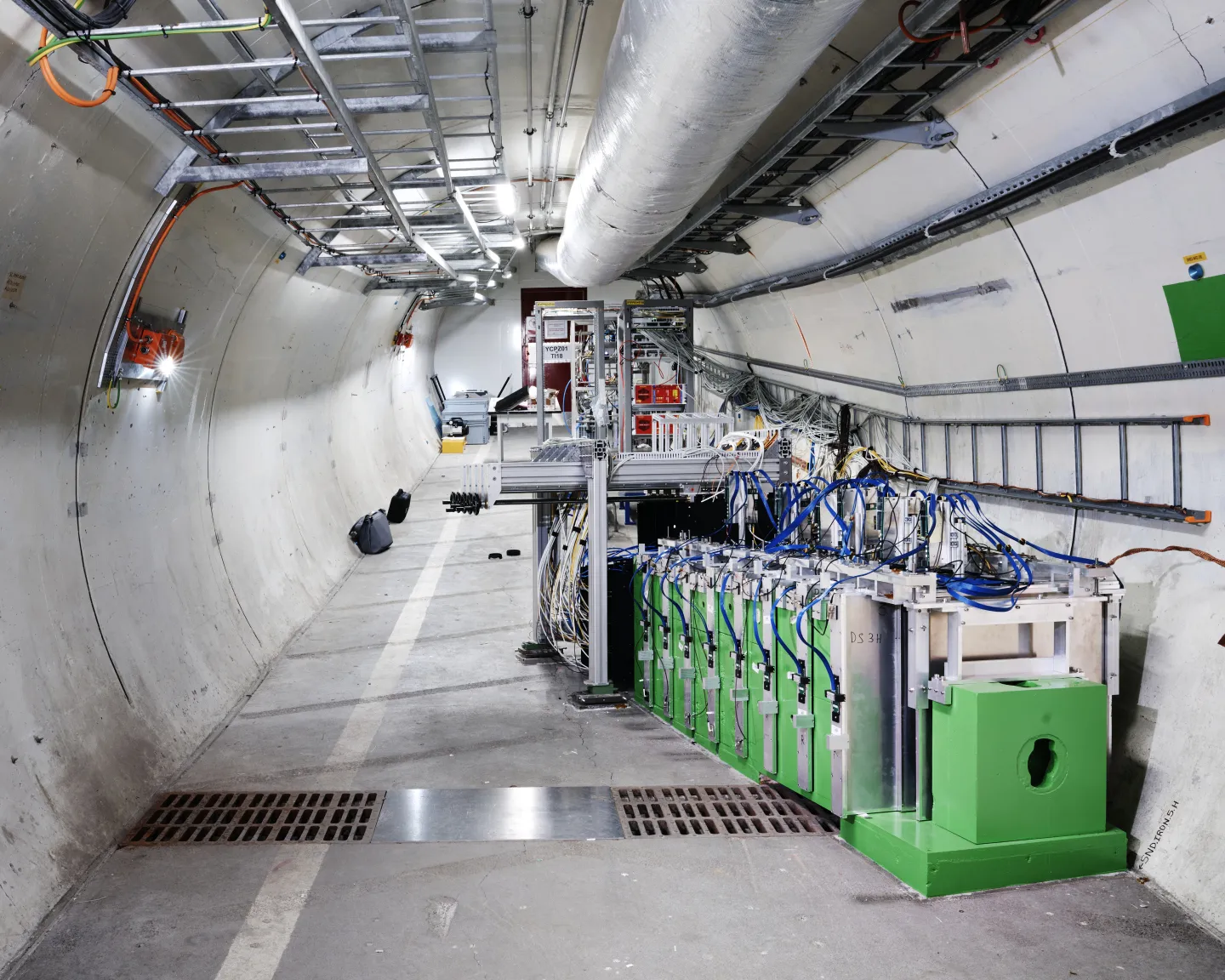
Chronicles of SND@LHC’s first year of data taking The year 2022 saw the culmination of 18 months of intense preparatory work with the SND@LHC Collaboration entering the highly anticipated phase of commissioning with beam and first year of data taking. After the installation of the neutron shield surrounding the target in March 2022, a small
-
Radioactive ion beams at ISOLDE bring the nuclear clock a tick closer
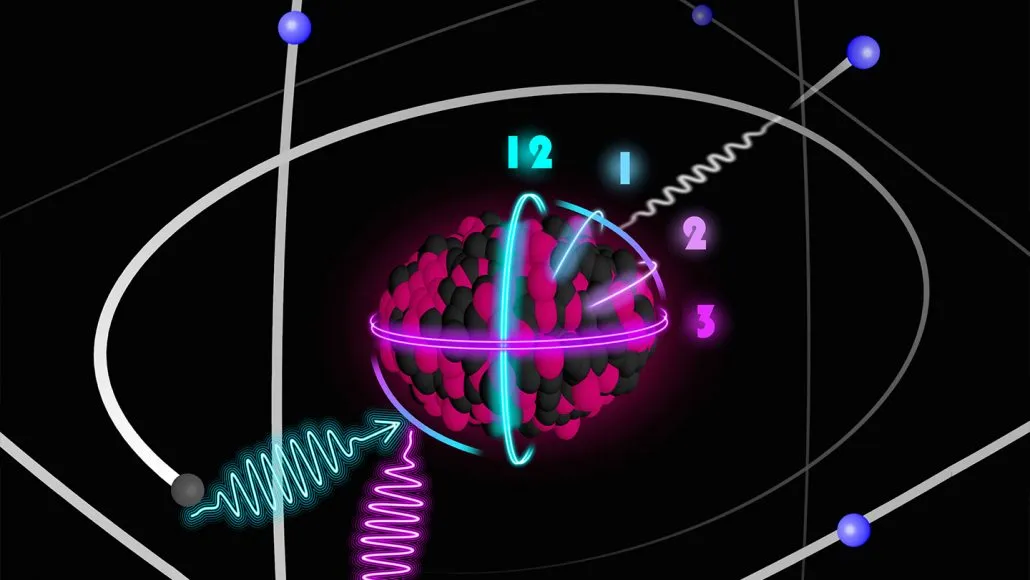
Radioactive ion beams at ISOLDE bring the nuclear clock a tick closer The precise measurement of time and frequencies has always played an important role in the history of science. Since the adoption of the caesium-133 standard as the definition of the second within the Système International (SI) in 1967, a network of atomic clocks
-

HIKE collaboration targets a new era of kaon experiments
HIKE collaboration targets a new era of kaon experiments The recently proposed High Intensity Kaon Experiments (HIKE) project offers a long-term vision for a research programme at CERN, covering experimental searches in the kaon sector that could enable a new generation of searches and indirectly probe new physics beyond the Standard Model. HIKE is intended
-
TOTEM collaboration prepares to explore new territories in forward physics
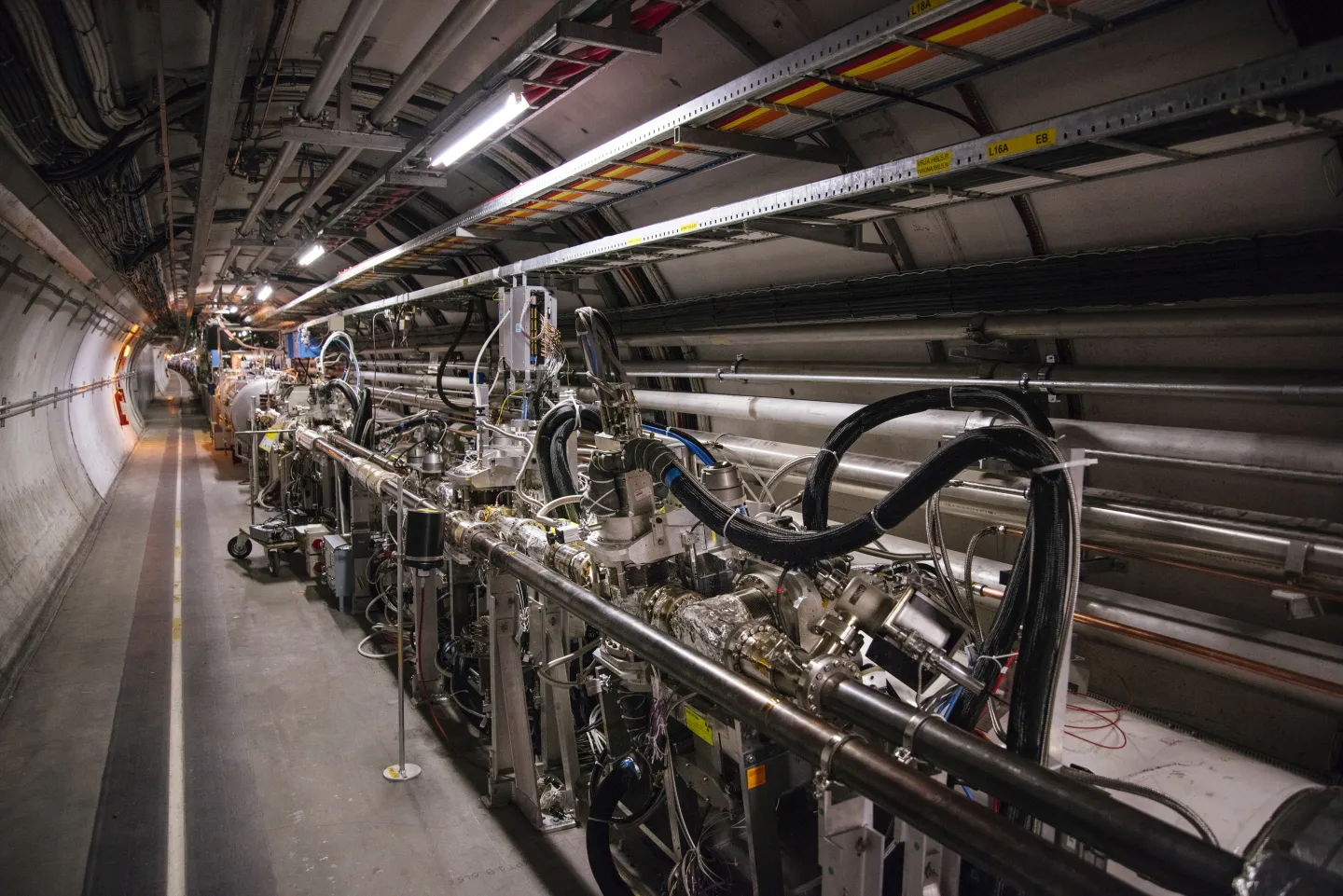
TOTEM collaboration prepares to explore new territories in forward physics A new period of data taking began at the world’s most powerful particle accelerator, the Large Hadron Collider (LHC), after more than three years of upgrade and maintenance work. This presents new opportunities for measurements to the LHC experiments including the smallest experiments at the
-
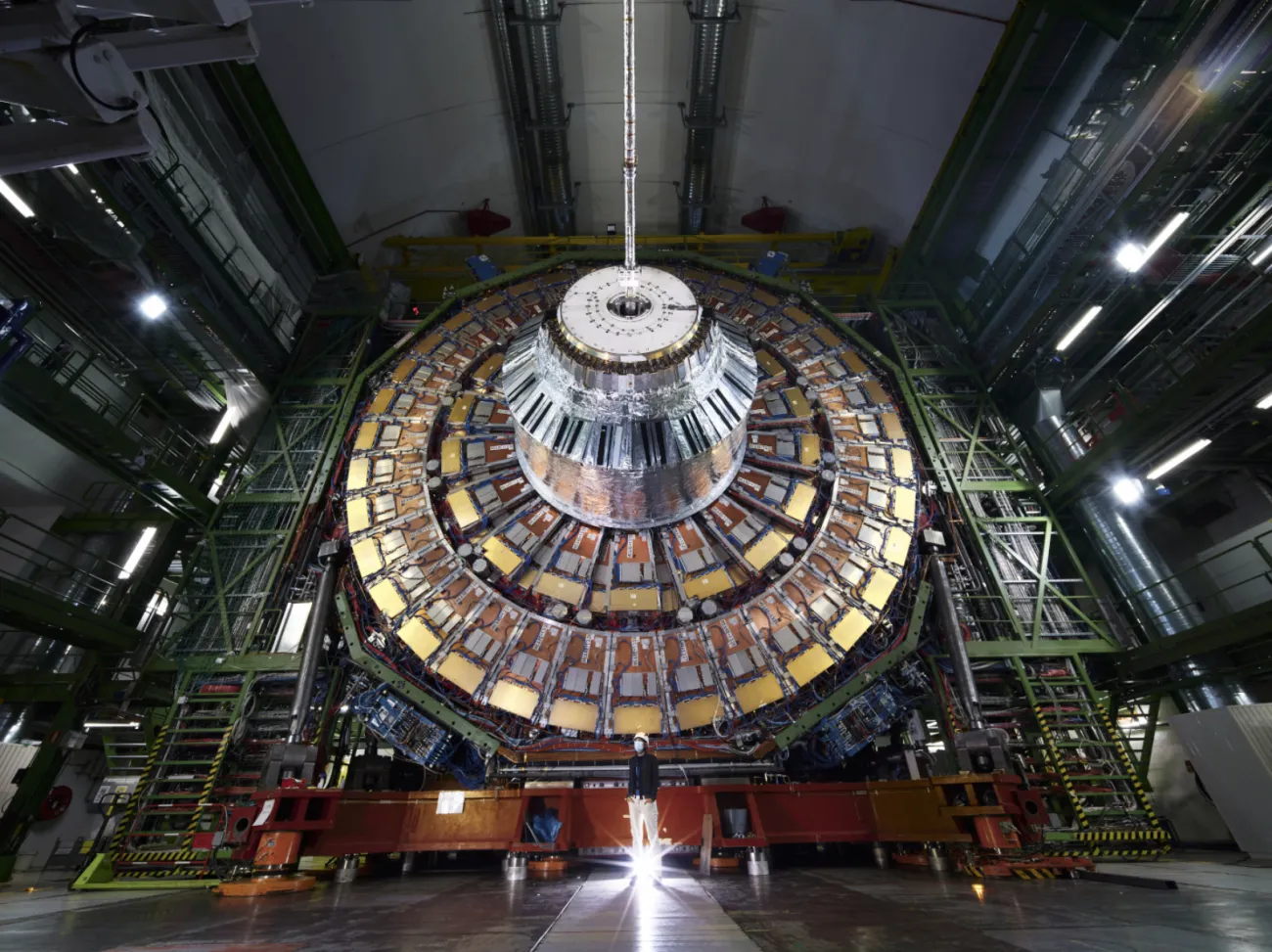
Testing silicon sensors for the CMS Endcap Calorimeter Upgrade
Testing silicon sensors for the CMS Endcap Calorimeter Upgrade Introduction The upcoming upgrade of the LHC to the HL-LHC will pose significant challenges to the detectors due to the enhanced radiation levels and the increase in the number of pile-up interactions. To meet the increased demands, CMS has undertaken an extensive R&D program to upgrade