
Category: Newsletter
-

Latest Results from the AMS on the International Space Station
Latest Results from the AMS on the International Space Station The Alpha Magnetic Spectrometer, AMS, is a particle physics detector operating on the International Space Station (Figure 1) since May 2011 with the aim to address long-standing open questions in fundamental physics, such as the matter-antimatter asymmetry, the nature of dark matter, the existence of
-
Do opposites attract? ALPHA-g prepares to explore antimatter gravity
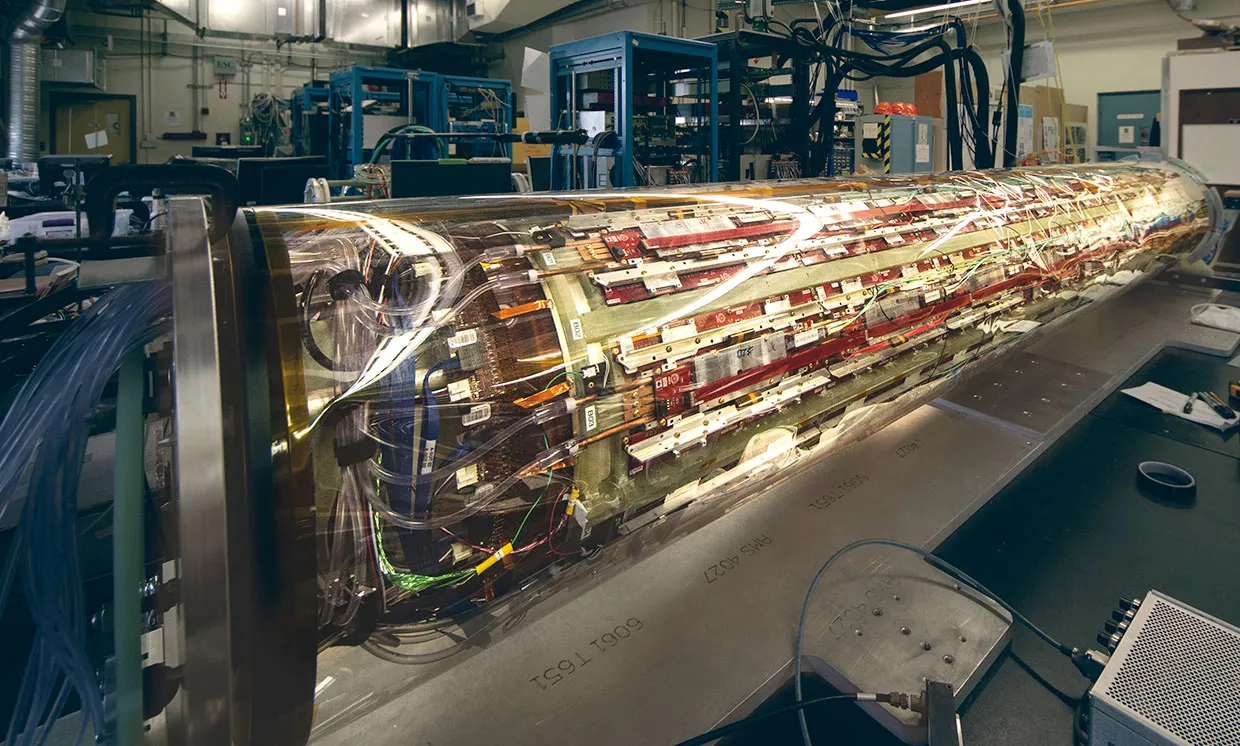
Do opposites attract? ALPHA-g prepares to explore antimatter gravity Stuff falls down. This is the universal experience we all have with the gravitational interaction of matter on Earth. Yet one may still wonder if this holds true in the case of the most elusive stuff you can imagine dropping: antimatter. Might it be the case
-
BabyIAXO submits for publication its Conceptual Design Report
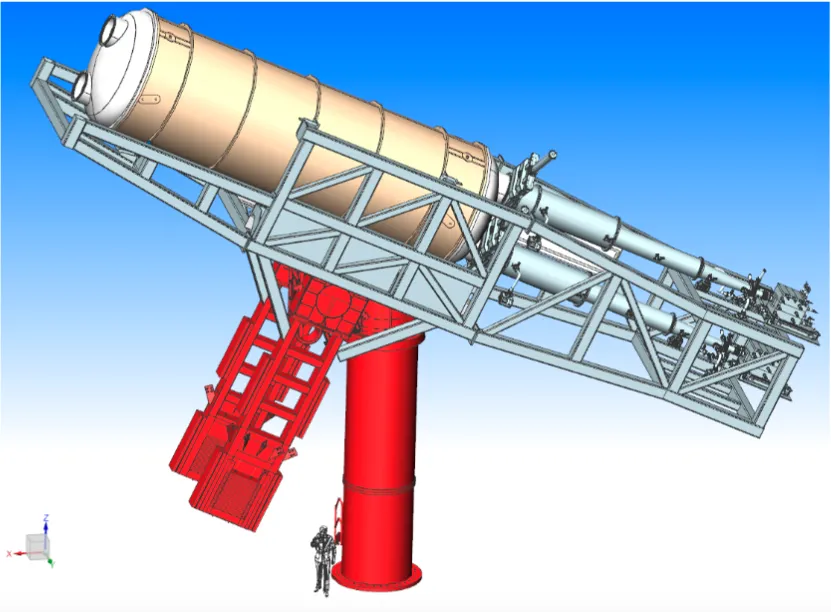
BabyIAXO submits for publication its Conceptual Design Report The International Axion Observatory (IAXO) will search for axions or axion-like particles emitted by the Sun with unprecedented sensitivity. Axions are hypothetical particles that appear in extensions of the Standard Model that include the Peccei-Quinn mechanism [1–4], proposed to solve the “strong-CP problem”, or why the strong
-
Interview with Peter Shor
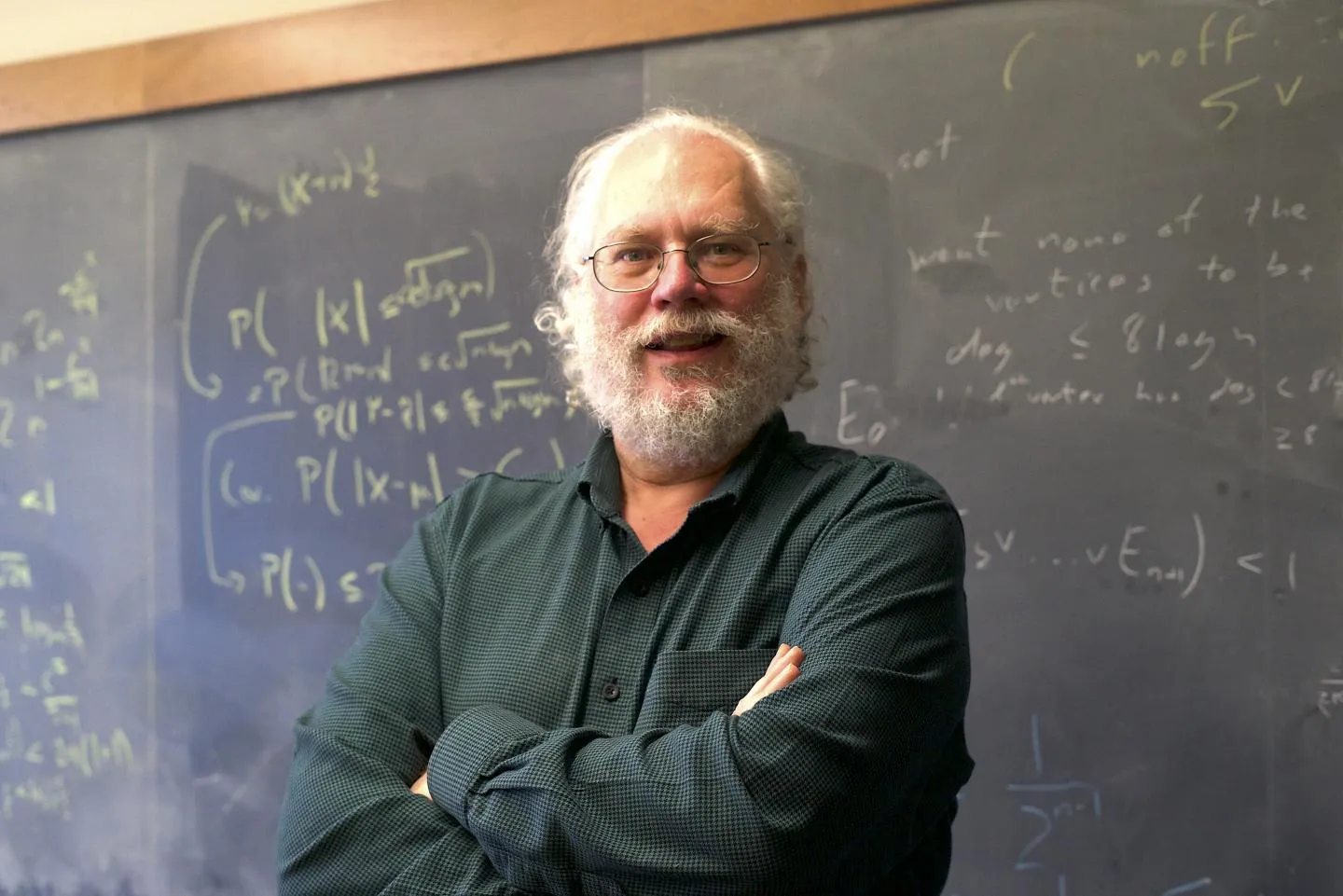
Interview with Peter Shor Peter Shor has carried out pioneering work in combinatorial analysis and the theory of quantum computing. He received worldwide recognition in 1994 when he presented a computational method for “factoring large numbers” which, theoretically, could be used to break many of the existing coding systems. The discovery of Shor’s algorithm along
-
Cornering right-handed neutrinos
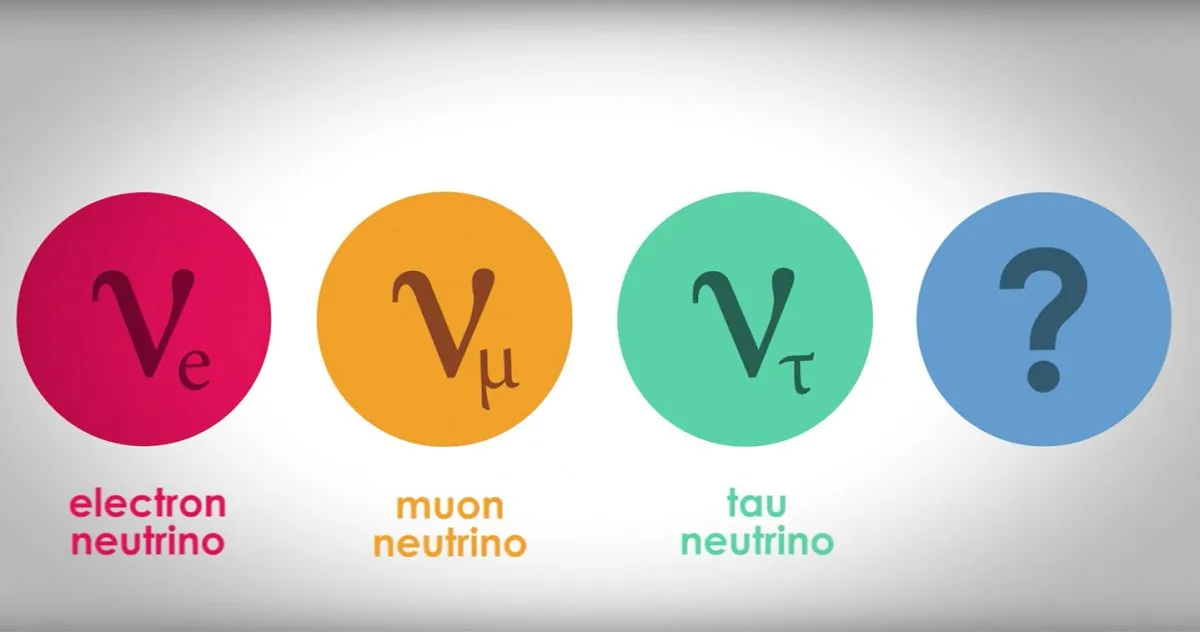
Cornering right-handed neutrinos Right-handed neutrinos: the missing piece of the puzzle? The Standard Model (SM) of particle physics is one of the most successful scientific theories ever developed. Together with the theory of General Relativity it can describe most of the observed phenomena in nature at a fundamental level. However, a number of established experimental
-

Tips for a better virtual experience
Tips for a better virtual experience A year ago, as the first reports of COVID-19 infections started to reach us from China, it was almost certain that none of us really foresaw the impact that the pandemic would have on our lives and on high-energy physics as a field in 2020. As things became more
-
CERN’s new open data policy supports open science
CERN's new open data policy supports open science The four main LHC collaborations (ALICE, ATLAS, CMS and LHCb) have unanimously endorsed a new open data policy for scientific experiments at the Large Hadron Collider (LHC), which was presented to the CERN Council today. The policy commits to publicly releasing so-called level 3 scientific data, the
-

Preparing the future of the Physics Beyond Colliders (PBC) studies
Preparing the future of the Physics Beyond Colliders (PBC) studies The Physics Beyond Colliders (PBC) study [1] was launched in 2016 by the CERN Management to explore the possibilities of exploiting the full potential of CERN's accelerator complex via projects complementary to collider experiments. Following calls to the community, a wealth of ideas including upgrades
-

A word from the EP Department Head – December 2020
A word from the EP Department Head – December 2020 Dear Colleagues in EP, Welcome to this winter edition and final EP newsletter of this year. What a year turns to its end! 2020 is a year we will never forget. Following a smooth start to the year, in March everything turned upside down and
-
Uniting Leptogeneses
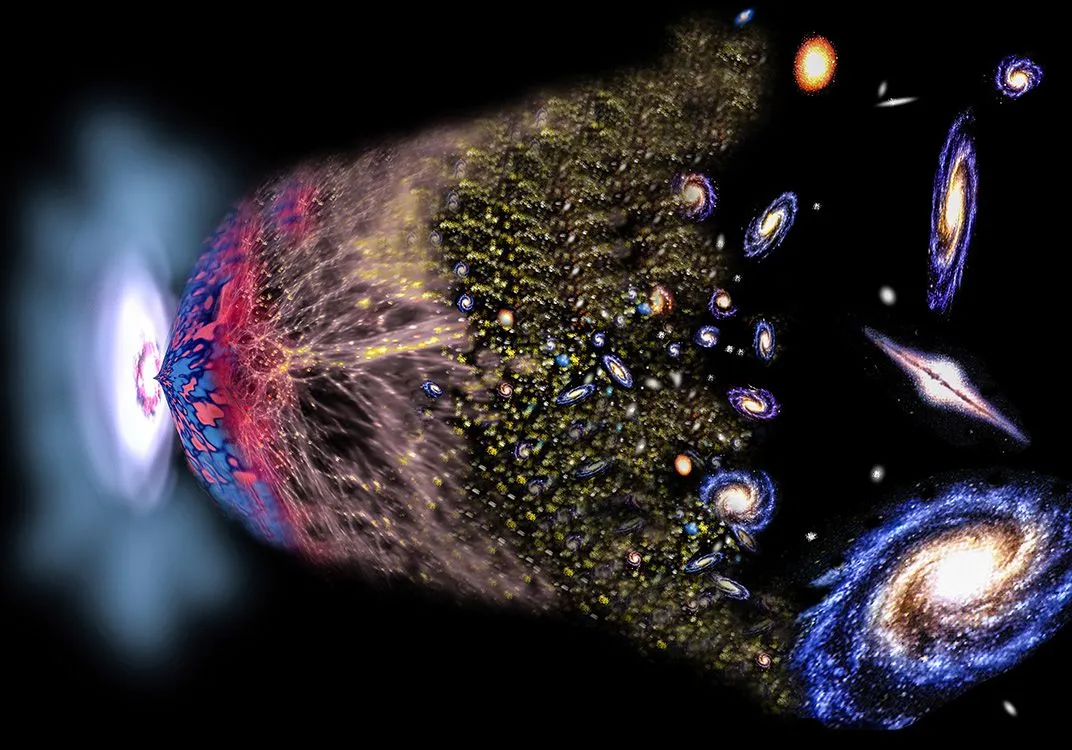
Uniting Leptogeneses With the discovery of the Higgs boson, particle physics has reached an era of unprecedented success. Almost all phenomena in nature can in principle be explained with known particles of the Standard Model (SM). Some puzzles still remain unsolved, like the origin of observed matter-antimatter asymmetry of the Universe (BAU), the existence of