
Category: Newsletter
-
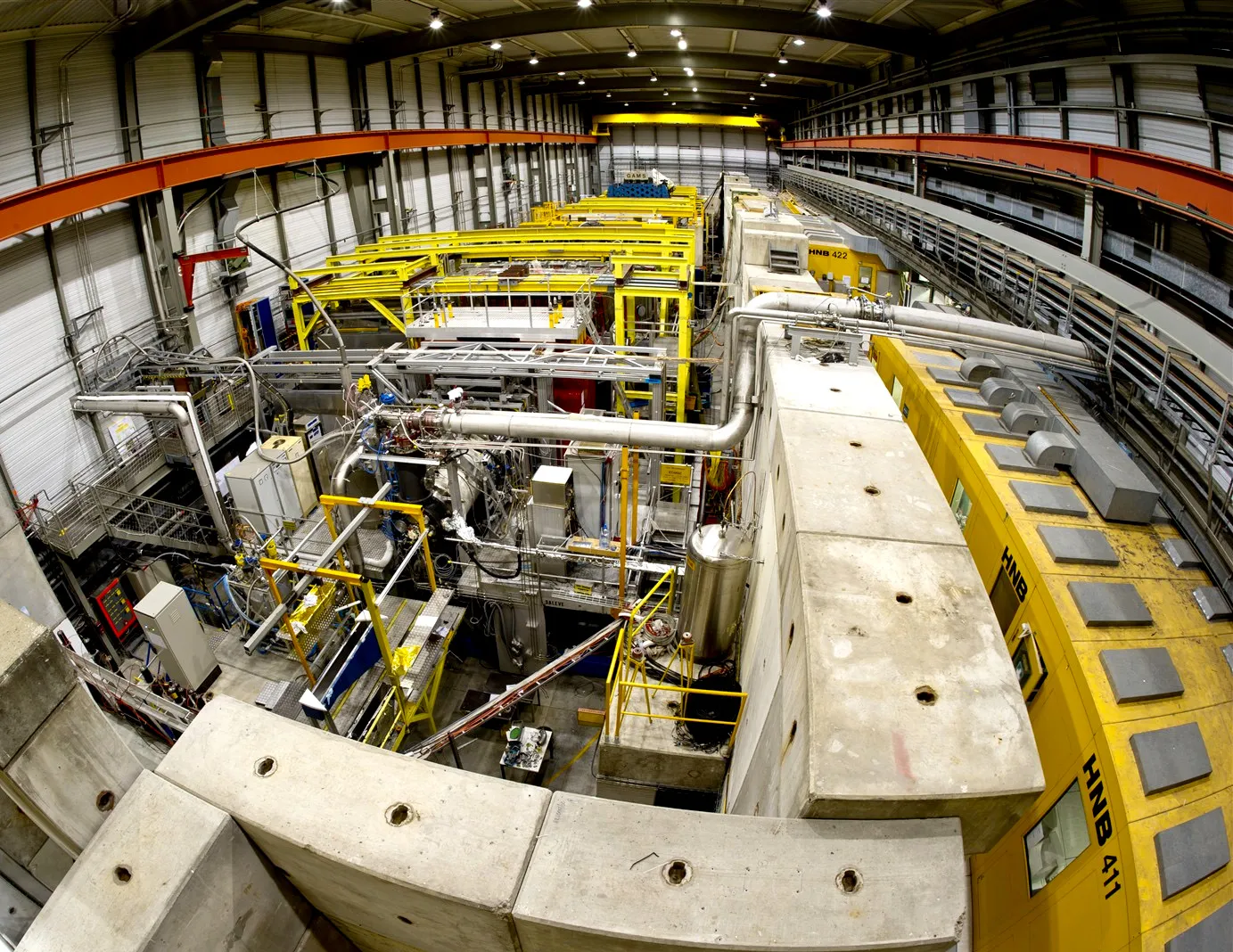
From COMPASS to AMBER: exploring fundamental properties of hadrons
From COMPASS to AMBER: exploring fundamental properties of hadrons The quest to fully understand the internal structure of hadrons, in particular the dynamics as well as the spatial and momentum distributions of their constituents – the partons -, inspired a large community of theoreticians and experimentalists to commit to the continuous development of the underlying
-
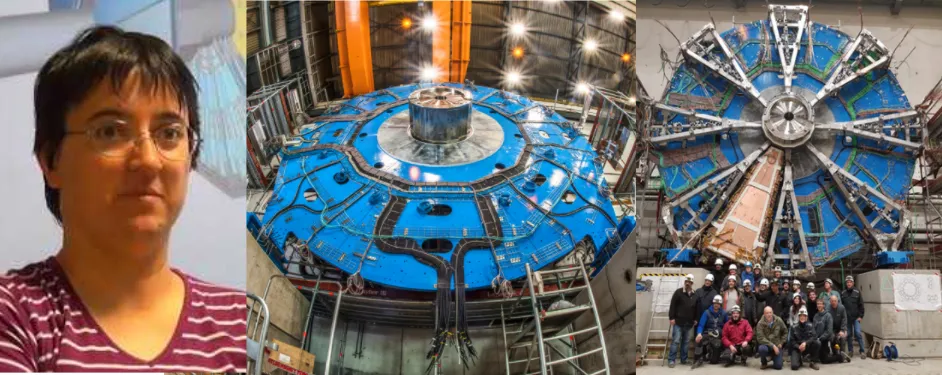
Stephanie Zimmermann (1973 – 2020)
Stephanie Zimmermann (1973 – 2020) We have been deeply saddened to hear about the passing of Stephanie Zimmermann, an outstanding physicist, who has made a long-lasting contributions to the ATLAS experiment. Stephanie was involved in the Muon Detector Control System activities and served as muon run coordinator, ATLAS run coordinator and, from 2013, New Small
-
Hunting for axion-like particles at neutrino detectors
Hunting for axion-like particles at neutrino detectors Although neutrinos were discovered more than 60 years ago, they are the most mysterious particles in the Standard Model (SM). While the present data collected at the neutrino experiments can explain several neutrino properties, there are still at least several unanswered fundamental questions in the neutrino sector that
-
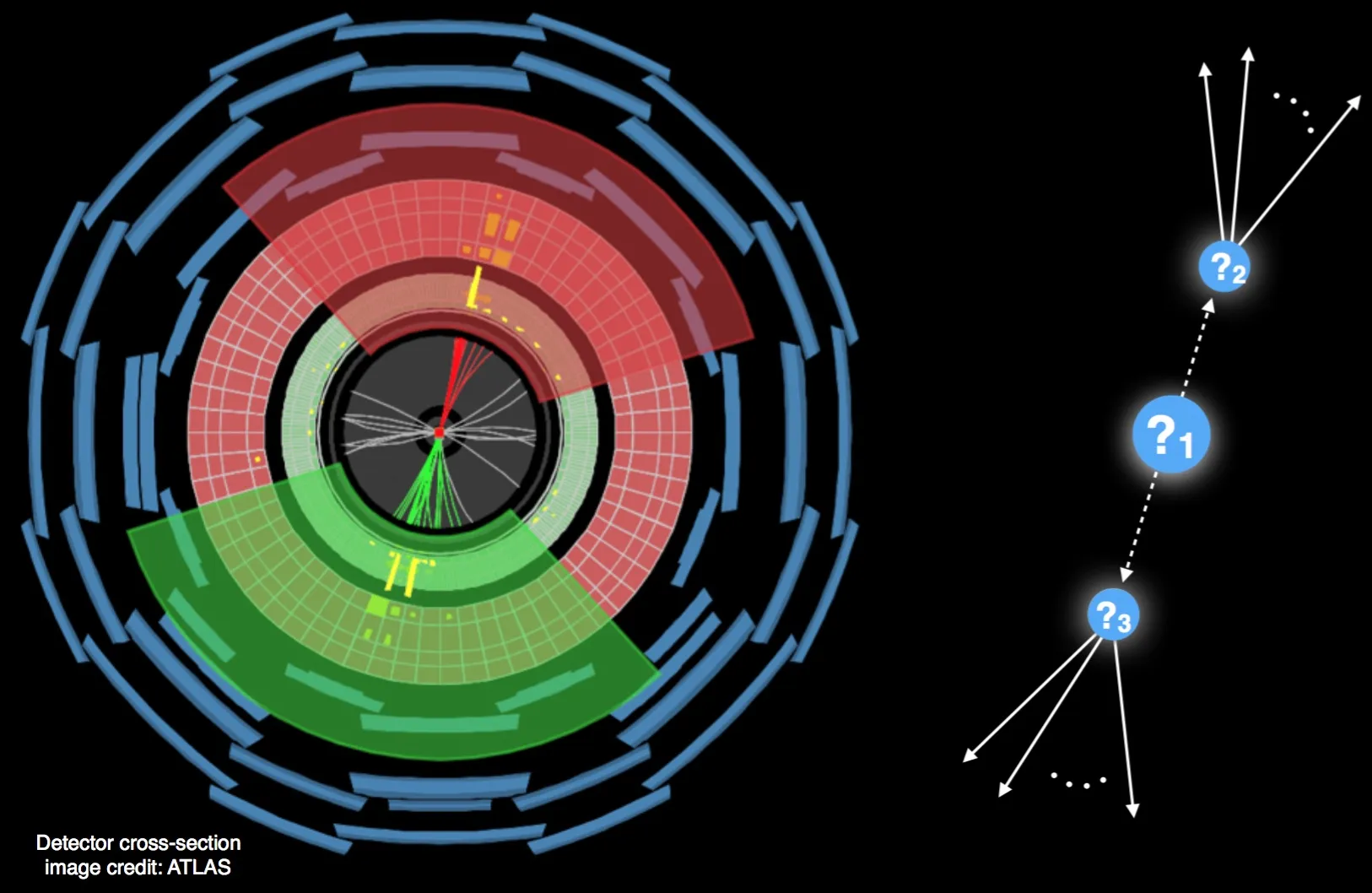
Machine learning ushers in a new paradigm for particle searches at the LHC
Machine learning ushers in a new paradigm for particle searches at the LHC Searching for physics beyond the Standard Model (BSM) is a major part of the research programme at the LHC experiments. Nearly all of these searches pick a signal model that addresses one or more of the experimental (e.g., dark matter) or theoretical
-
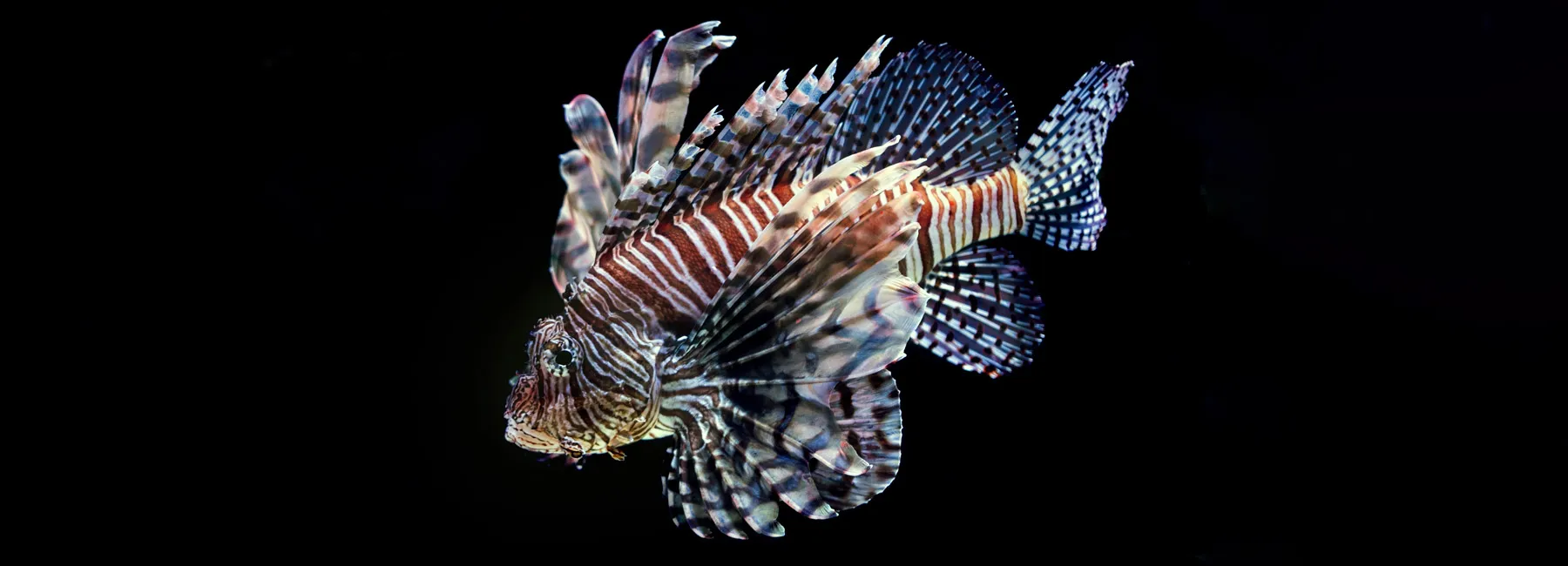
The Curious Cryogenic Fish
The Curious Cryogenic Fish The idea of the Curious Cryogenic Fish dates back to 2017. While observing the complex detectors and instrumentation being assembled for the ProtoDUNE experiments at the CERN Neutrino Platform, I started thinking that it would have been great to have a small robot able to move inside those large cryostats for
-
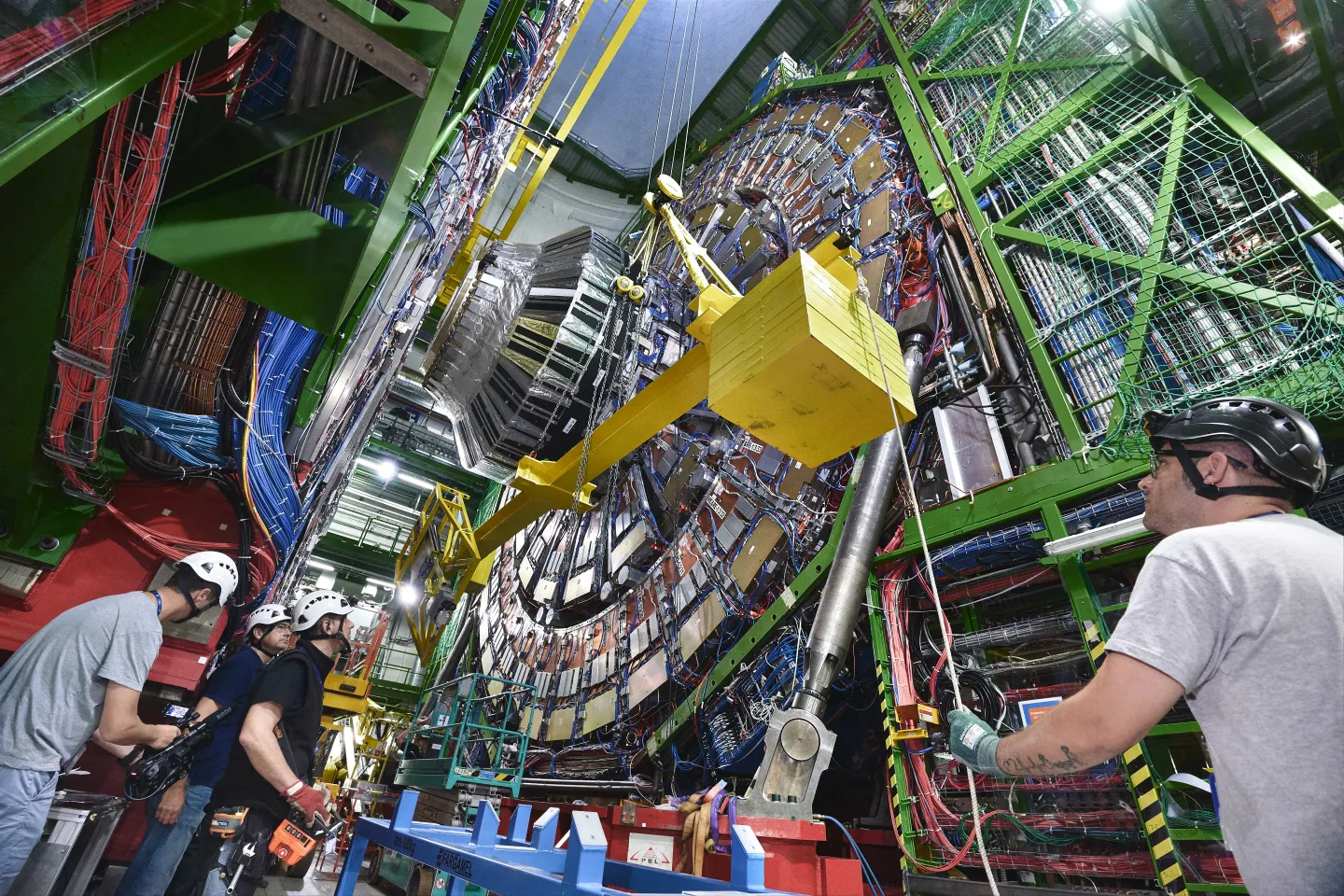
CMS GEMs are changing gear
CMS GEMs are changing gear It can be called the achievement of the year for the CMS Muon GEM group, culminating on a decade-long effort and development of knowhow. The Gas Electron Multiplier (GEM) is a Micro Pattern Gaseous Detector (MPGD) widely used in particle physics. They have been introduced into CMS by the author
-
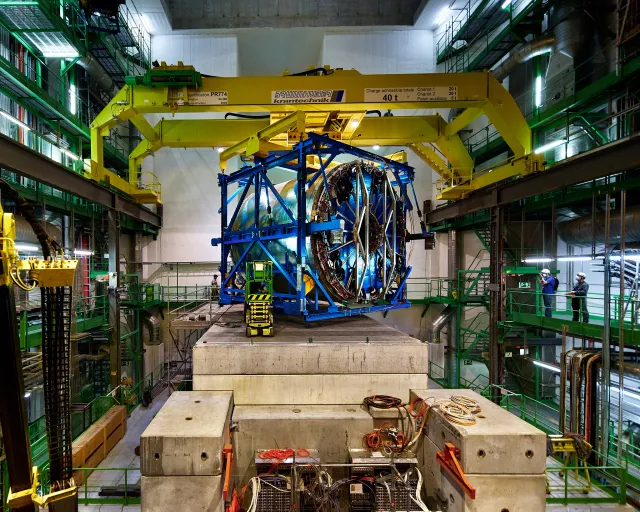
The upgraded ALICE TPC
The upgraded ALICE TPC The ALICE time projection chamber (TPC) is a big, gas-filled cylinder (with a hole in the centre to accommodate the silicon tracker), where the charge produced by ionising radiation is projected onto detectors arranged in the two endplates. Therefore, it is a true 3-dimensional tracking device which also, by recording many
-
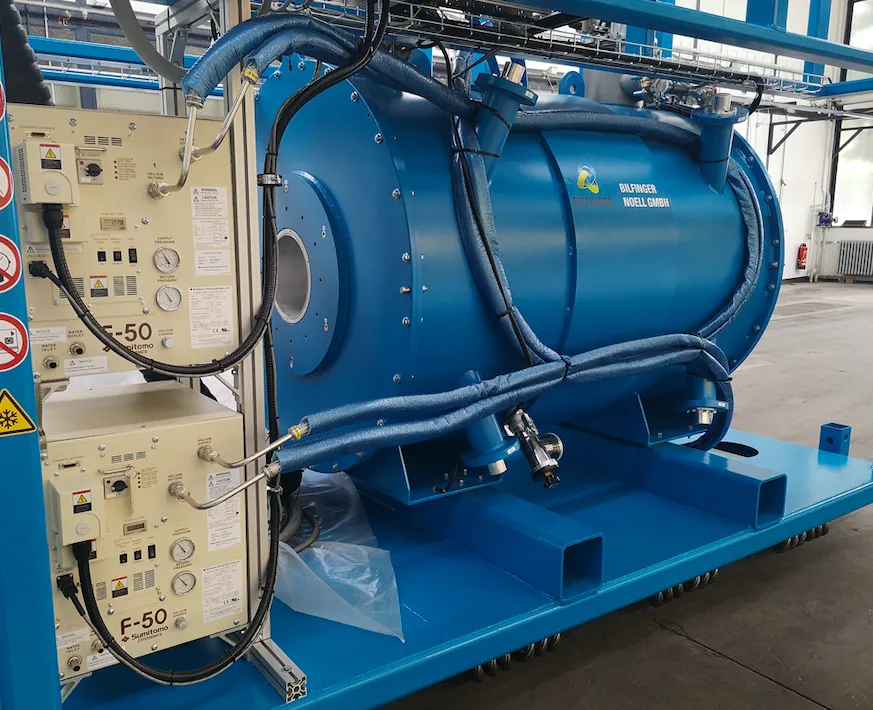
PUMA: antiprotons to probe the surface of radioactive nuclei
PUMA: antiprotons to probe the surface of radioactive nuclei Antiprotons as a probe to study short-lived isotopes remain unexploited despite past pioneering works with stable nuclei. In particular, low-energy antiprotons offer a unique prospect in terms of sensitivity to the neutron and proton densities at the annihilation site, i.e. in the tail of the nuclear
-
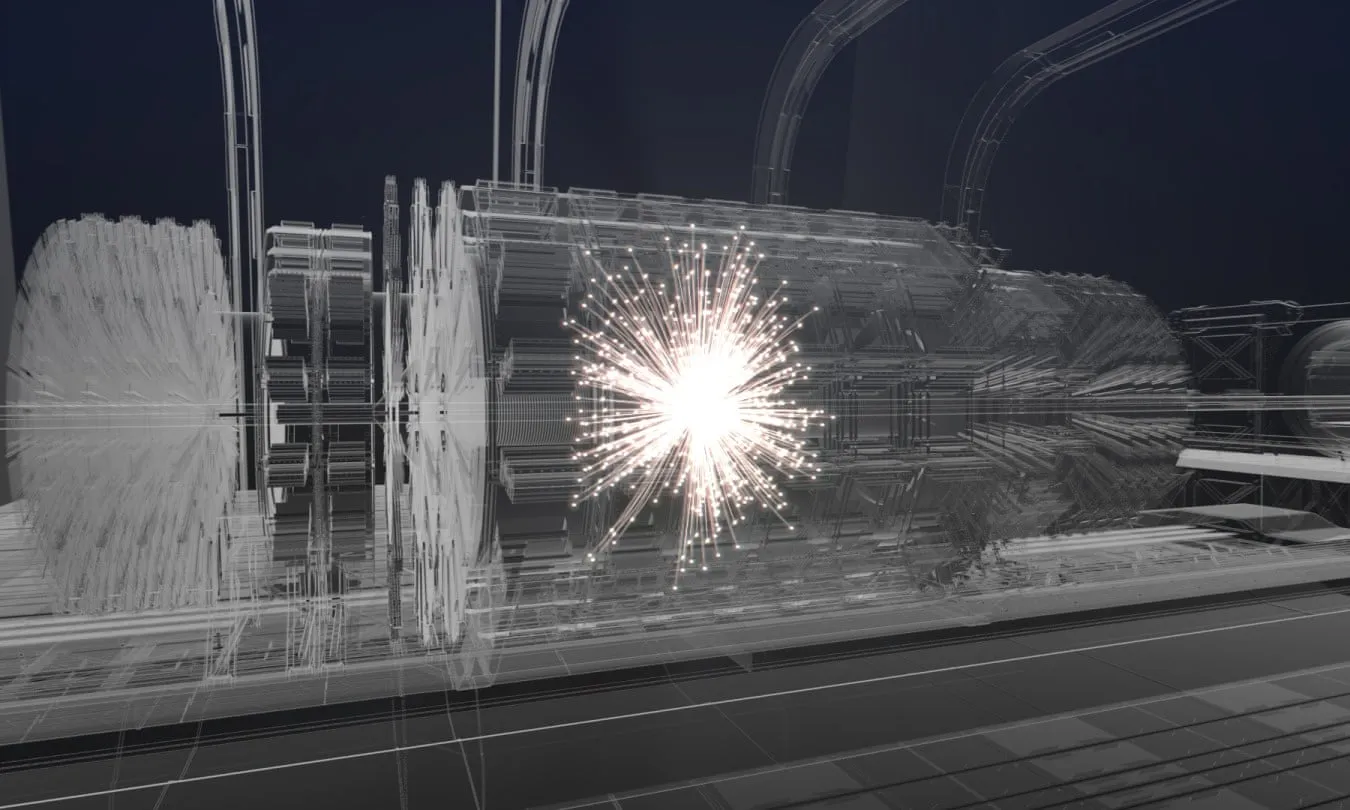
Higgs physics at future colliders
Higgs physics at future colliders In her article, Caterina Vernieri, reviews the potential of proposed future colliders to study the Higgs boson and further explore the electroweak sector beyond the LHC following her presentation on the Higgs 2020 conference. Caterina, is a member of the ATLAS collaboration (previously CMS 2012-2018) and co-convener of the Higgs
-
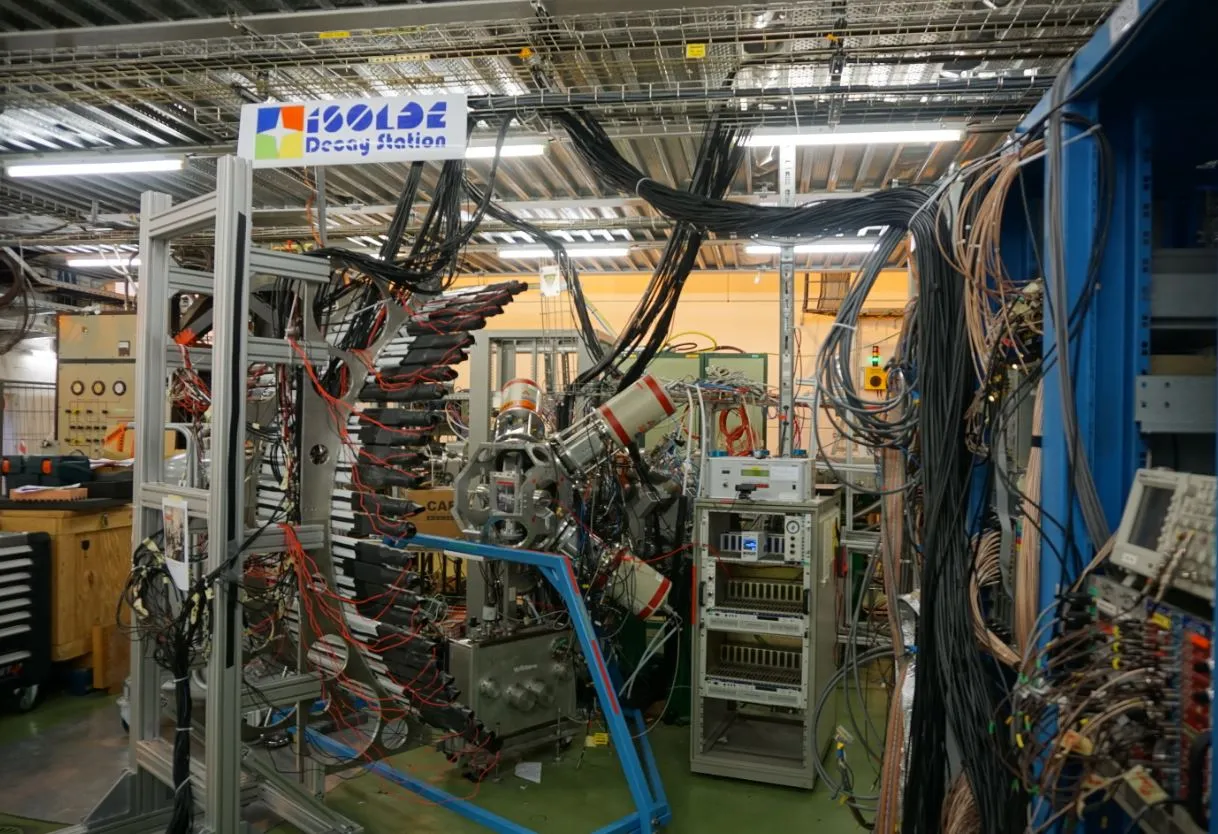
Secrets of beta decay unraveled at ISOLDE
Secrets of beta decay unraveled at ISOLDE Ernest Rutherford, in 1899, separated radioactive emissions into two types: alpha and beta. Becquerel, in 1900, measured the mass-to-charge ratio of beta particles and identified them as electrons. The theory of β decay was developed by Fermi in 1934. However, even now predicting the half-life of beta decaying