
New Staff Members and Fellows
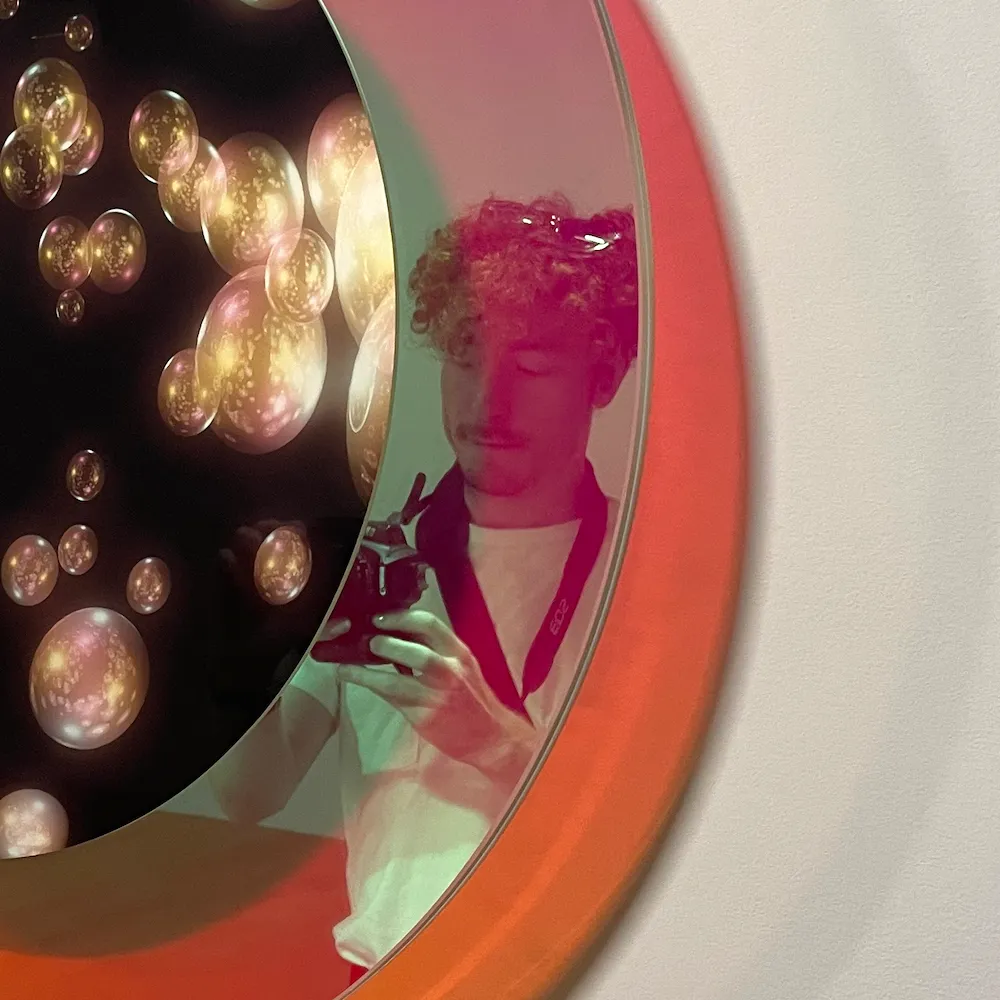
Adrien BLANCHET
Bonjour chers collègues! After 4 years as a CERN user, I am so happy to join the EP-NU group as a Research Fellow. As an experimental neutrinist (neutrino-physicist!) I am thrilled to be part of the DUNE project, which will be one of the leading next generation of neutrino experiment. In addition, I’ll be pursuing my activities on the Japanese neutrino experiment T2K which aims at searching for charge-parity violation in the leptonic sector. As CERN allows the space for us physicists to dream about the future of science, I’m also interested in outreach and connections between arts and science. So please feel free to say hi!
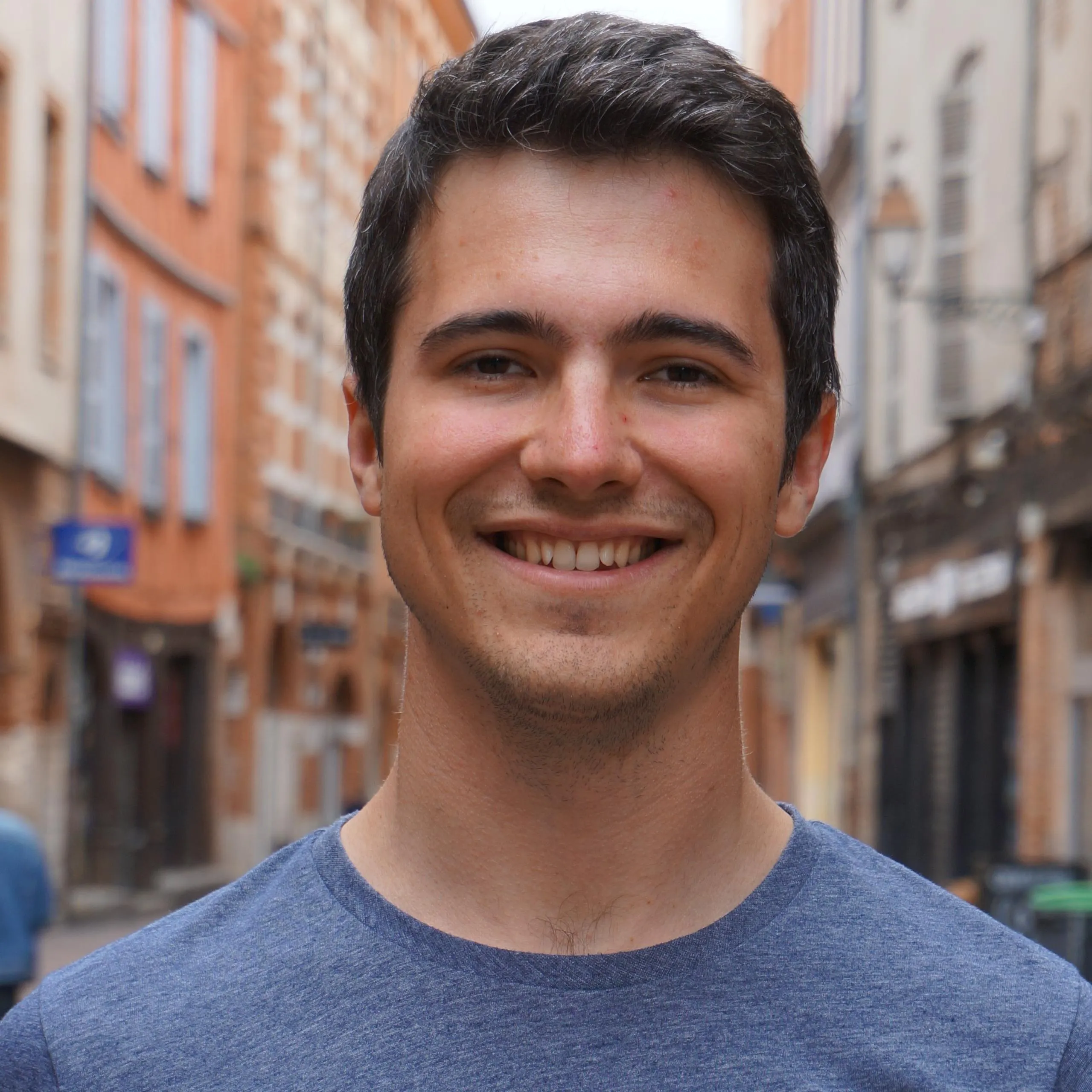
Lukas Breitwieser
Lukas Breitwieser is a computer scientists focusing on high-performance and large-scale computing. Lukas successfully defended his Ph.D. at ETH Zurich under the supervision of Onur Mutlu and Fons Rademakers. Before joining the ROOT team, Lukas was the principal software engineer of BioDynaMo. This interdisciplinary and open-source project brings together simulation experts and computer scientists to develop an agent-based simulation platform that sets new standards in terms of performance and scale. Since its inception in 2015, Lukas has been driving the platform’s major advancements, particularly focusing on building a scalable and modular simulation engine. The Annual Symposium on Principles and Practice of Parallel Programming recognized this work with the Best Artifact Award. In the ROOT team, Lukas is responsible for an R&D project to accelerate physics data analysis on the GPU.
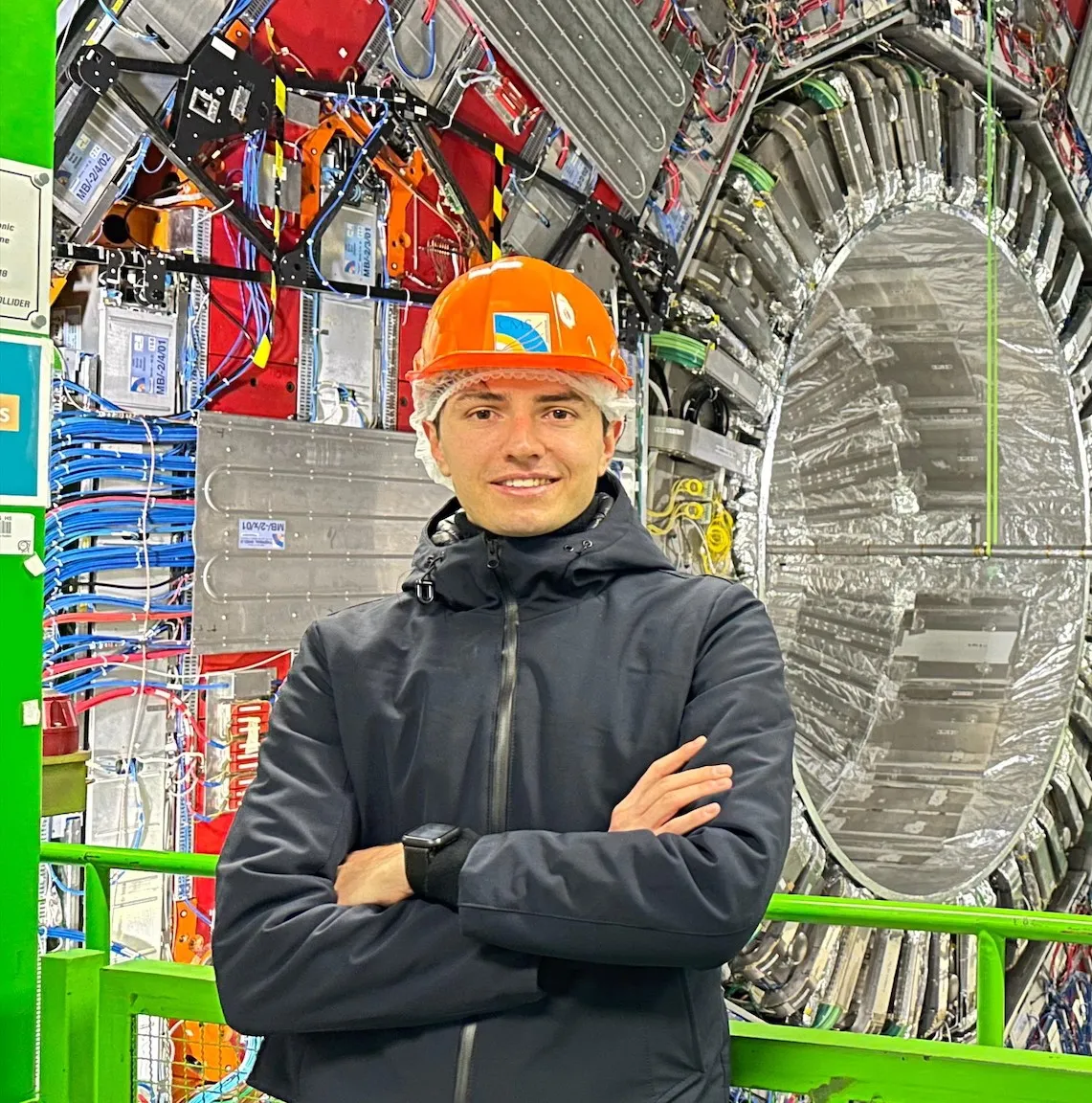
Pier Filippo Cianchetta
My name is Pier Filippo Cianchetta and I am excited to begin my journey as a Graduate at CERN. I hold a degree in Mechanical Engineering from the University of Perugia and during my final year of university, I joined CERN as a Technical Student, focusing on thermal quality control for mechanical structures in the Phase 2 Upgrade of the CMS Tracker. Now, I am thrilled to continue my professional growth here, contributing to the development of the new Tracker and engaging in challenging projects for future upgrades of the CMS Inner Tracker, supporting advancements in cutting-edge particle physics research.
Rodrigo Jose da Silva
Rodrigo Jose da Silva (RJS) has joined CERN as an R&D Mechanical Engineer in the Detector Technologies group (EP-DT). He will work on structural analysis, material selection, and developing advanced structural and thermal composite materials for innovative detector designs within the EP R&D programme for future experiments. He is nearing the completion of his PhD in Materials Science at UFSJ (Brazil), which included a research exchange at the Bristol Composites Institute (ACCIS), University of Bristol (UK). He also holds an MSc and a BSc in Mechanical Engineering from UFSJ, specialising in Materials and Manufacturing Processes. [read more: https://lnk.bio/rjs.phd]
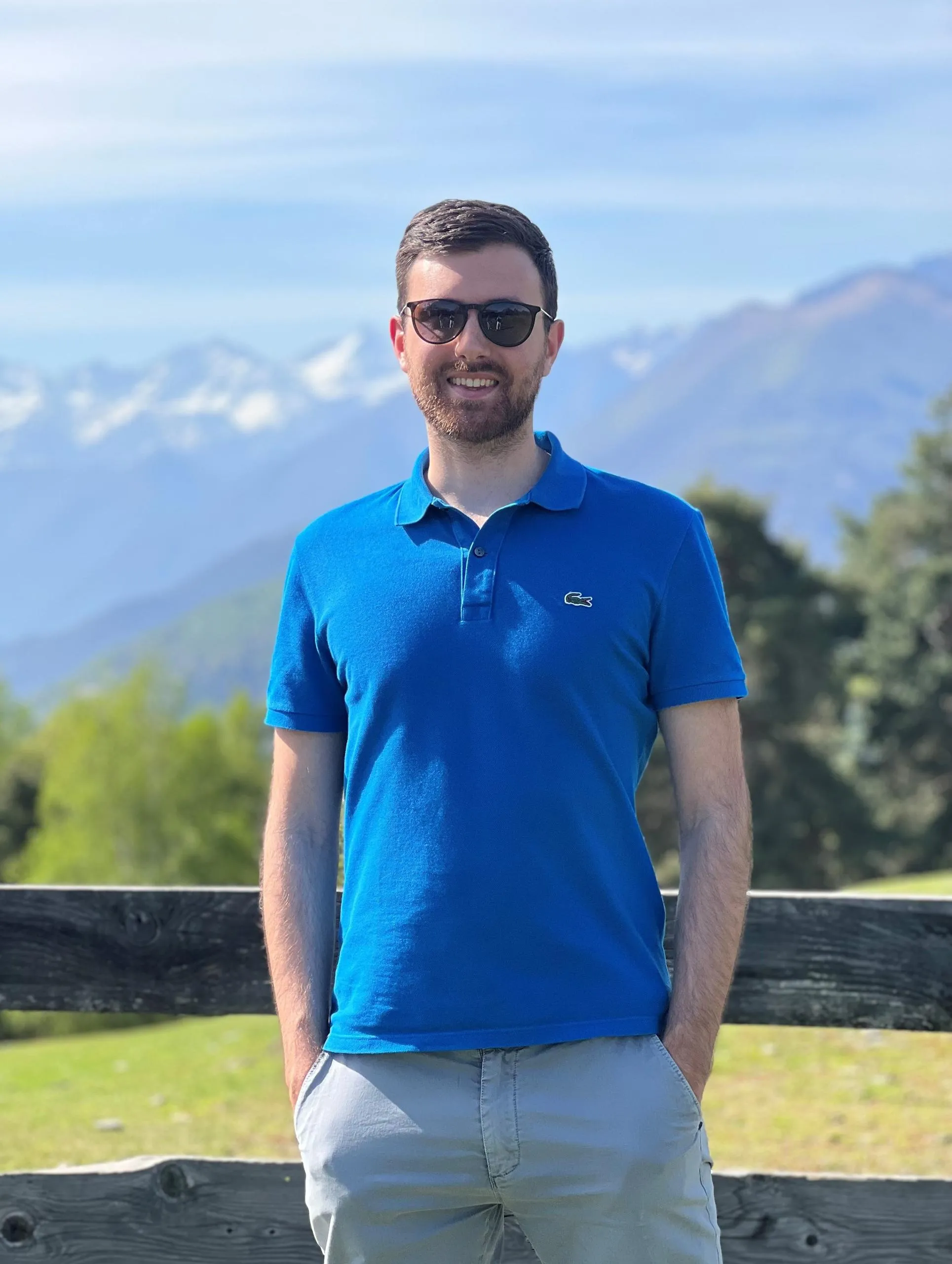
Ludovico De Giulio
Hello everyone, I’m Ludovico and I have recently joined the ATLAS Collaboration as a Planning Engineer within the EP-DAO section. With an engineering background in project management, I’m excited to bring fresh energy to the inspiring environment I’ve encountered so far, supporting my colleagues in achieving our shared goals.
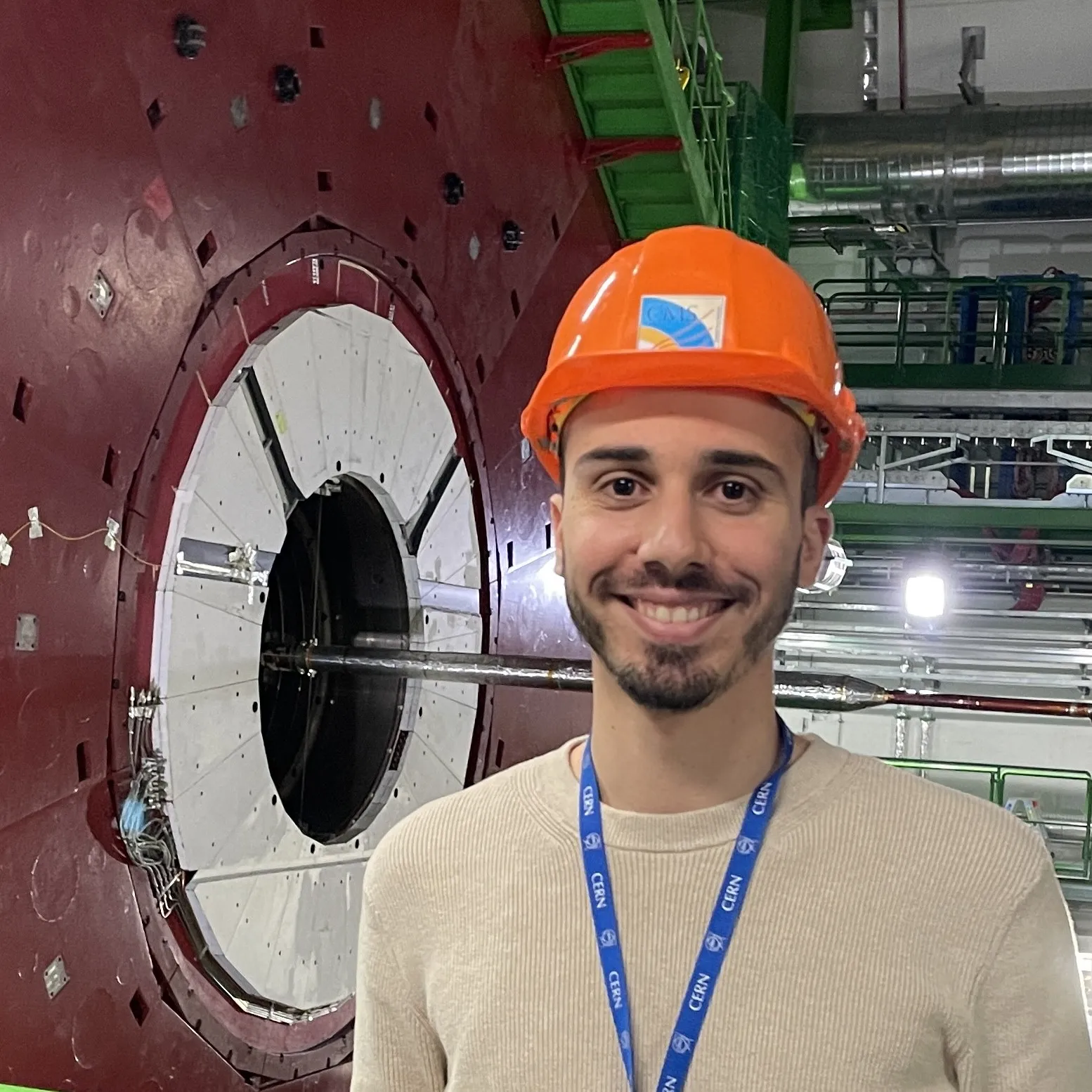
Dimitrios Danopoulos
Hello, my name is Dimitrios, and I recently joined CERN as an Experienced Graduate in the SFT group within the EP department. My work focuses on optimizing machine learning model inference pipelines for the Next Generation Triggers project, specifically in preparation for the High-Luminosity LHC upgrade. I am contributing to the design and development of hardware architectures tailored for ultra-low latency ML applications, enabling real-time processing of data streams from particle collisions. Before joining CERN, I completed my PhD at NTUA in Athens, where I specialized in hardware-software co-design for deep learning applications. I am thrilled to bring my expertise to support cutting-edge research and to collaborate with CERN’s outstanding team!
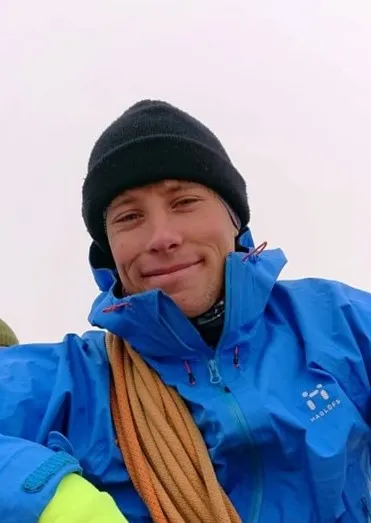
Alexandre Looten
After finishing my PhD in material science and space technologies at EPFL, I joined to the EP-DT Engineering Office as a mechanical engineer. Within the R&D team, my objective will be to design, test and develop full-composite ultra-thin cryostat accommodating both liquid Argon (LAr) calorimeter and superconducting magnet in future FCC experiments. Switching cryostats’ current metallic to composite designs will contribute to significantly lower material budget and enhance the future detectors’ performance.
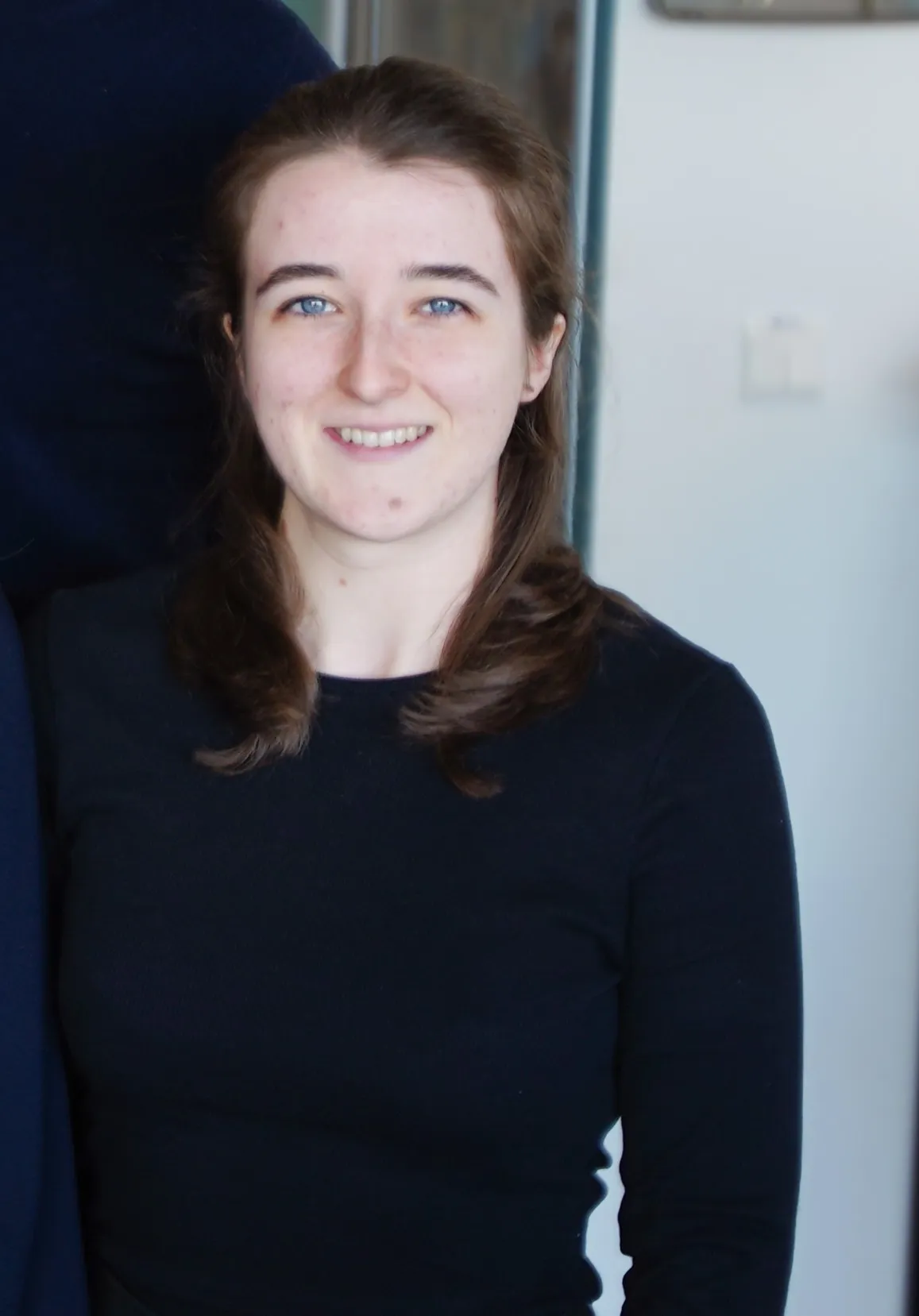
Maureen O’MALLEY-HAMILTON
Having recently made the move from Edinburgh, Scotland, where I completed my degree in French and German, I am very pleased to have joined the ATLAS Secretariat. I look forward to working with my colleagues in the secretariat to provide wide-ranging administrative support to all members of the ATLAS collaboration (5000+!); from duty travel and event organisation to visa application support, and much more.
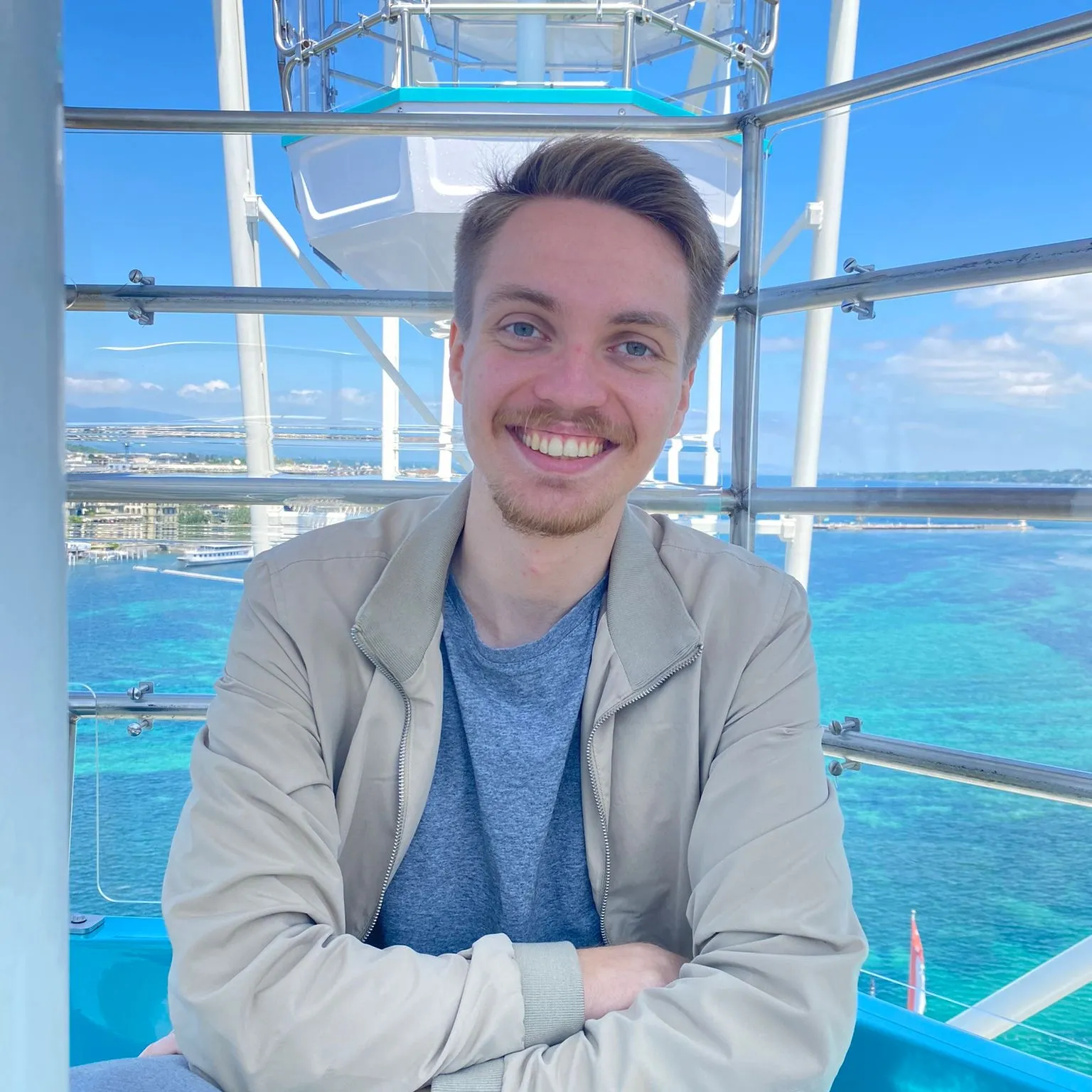
David Peninon Herbaut
Hello, I’m David, a power integrity design engineer from Montpellier, France. I hold a European Master’s degree in Radiation and Its Effects on MicroElectronics and Photonics Technologies (RADMEP), where I developed expertise in this field. I joined the EP-ESE-ME section in March 2024 as an intern and transitioned to a graduate position in November 2024. My current work involves developing a methodology to simulate and automate IR drop-induced jitter at the pre-silicon stage, based on the Cadence software suits. This approach aims to enhance the quality of ASICs power delivery network before taping out.
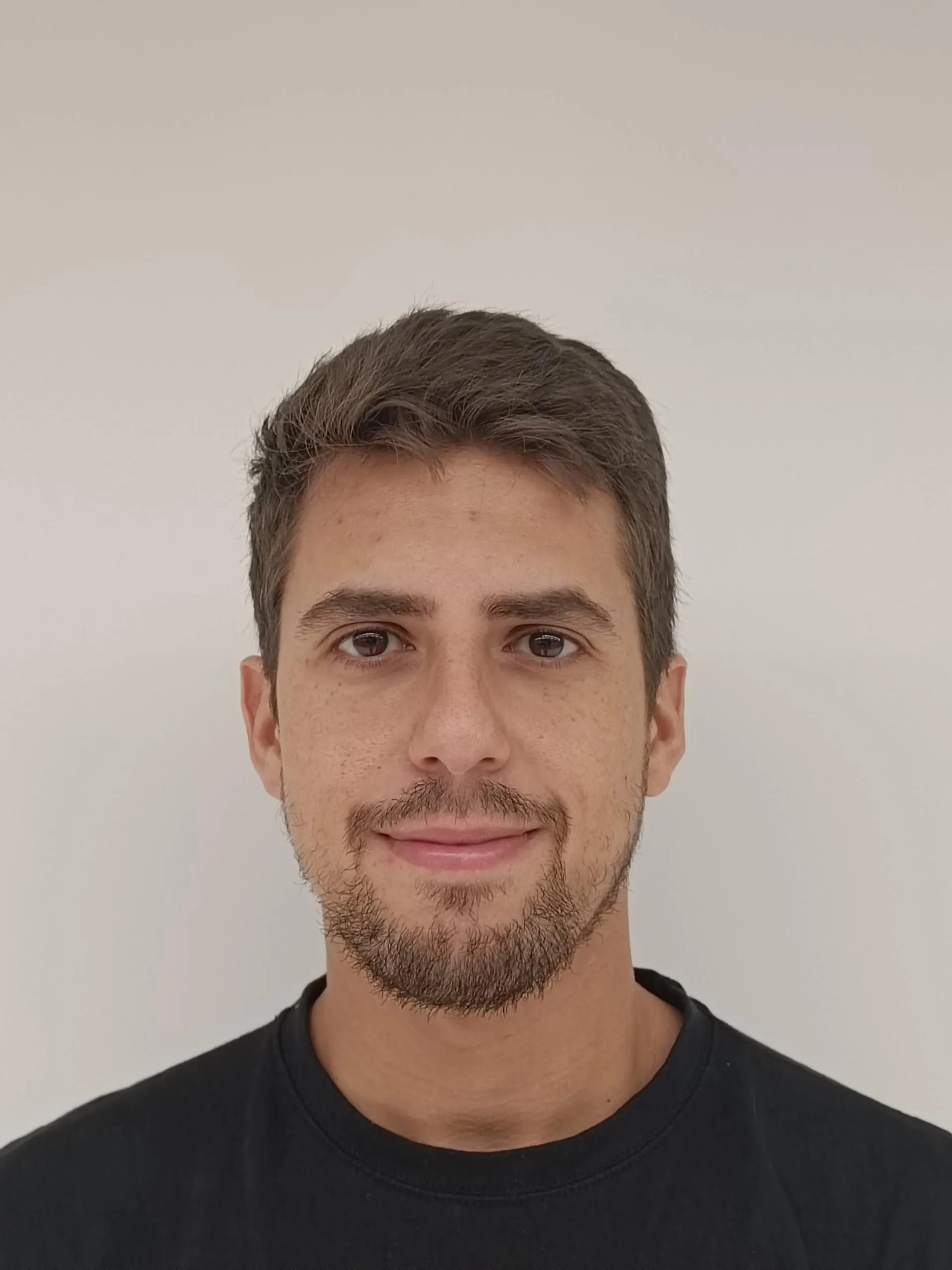
Efrén Rodríguez Rodríguez
I recently joined the VELO group in the EP Department as a fellow. My work focuses on three key projects: simulating and developing 3D column silicon sensors, constructing a Timepix4-based beam telescope, and developing advanced techniques and setups for testing high-energy physics sensors. With a background in nuclear and particle physics, electronics, and data analysis, I am dedicated to advancing sensor technology for high-energy physics experiments. I am particularly interested in collaborating on silicon detector development and exploring timing resolution improvements.
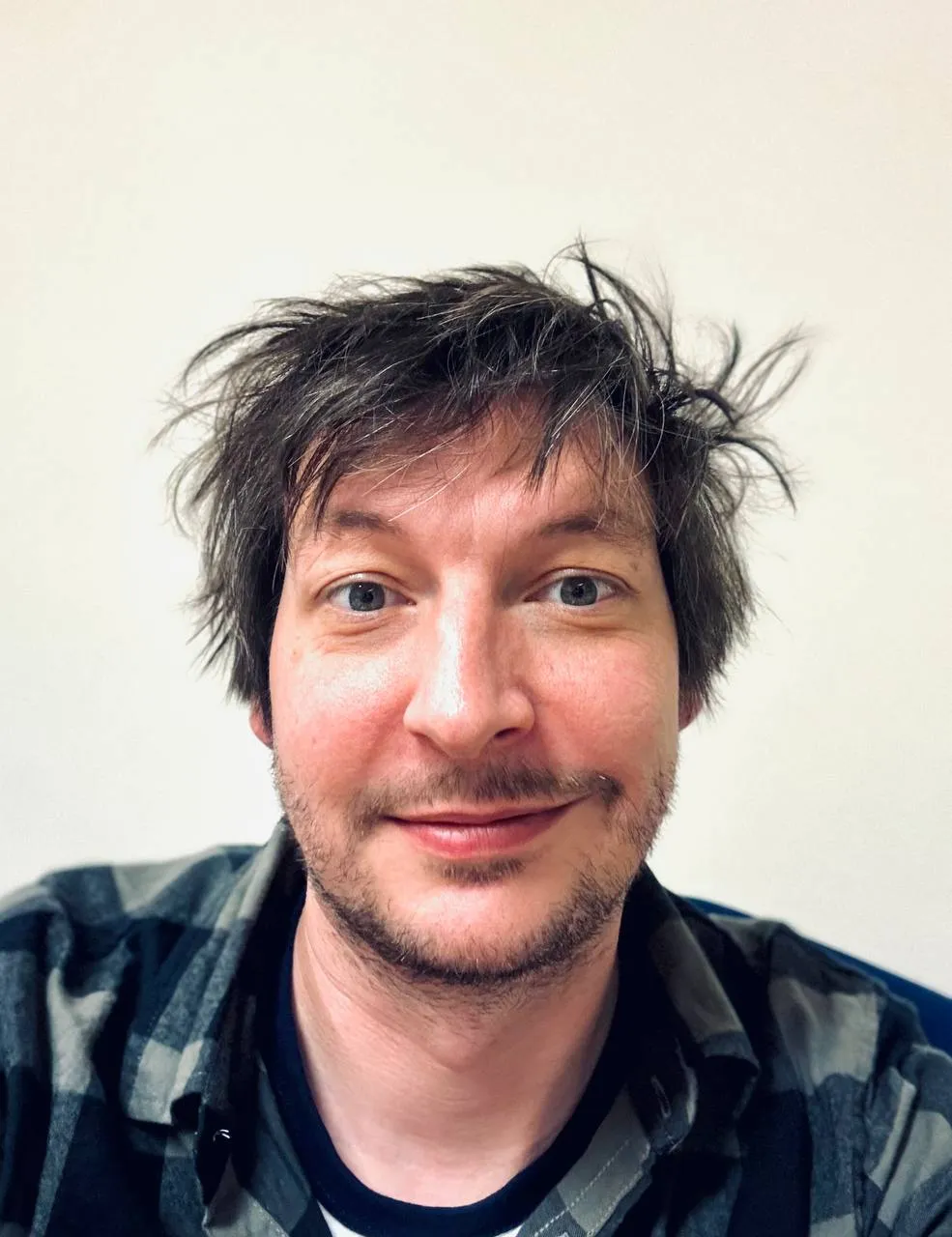
Sebastian Scheid
Hallo! I am Sebastian from Germany. I recently graduated from the Goethe University in Frankfurt with a PhD in Physics. In October, I switched green sauce for cheese fondue and raclette and joined CERN and the ALICE experiment as an experimental research fellow. During my time here, I will work as part of the ALICE physics analysis and performance group and study the primordial soup present at our universe’s birth using penetrating probes such as heavy flavour quarks and electromagnetic radiation.
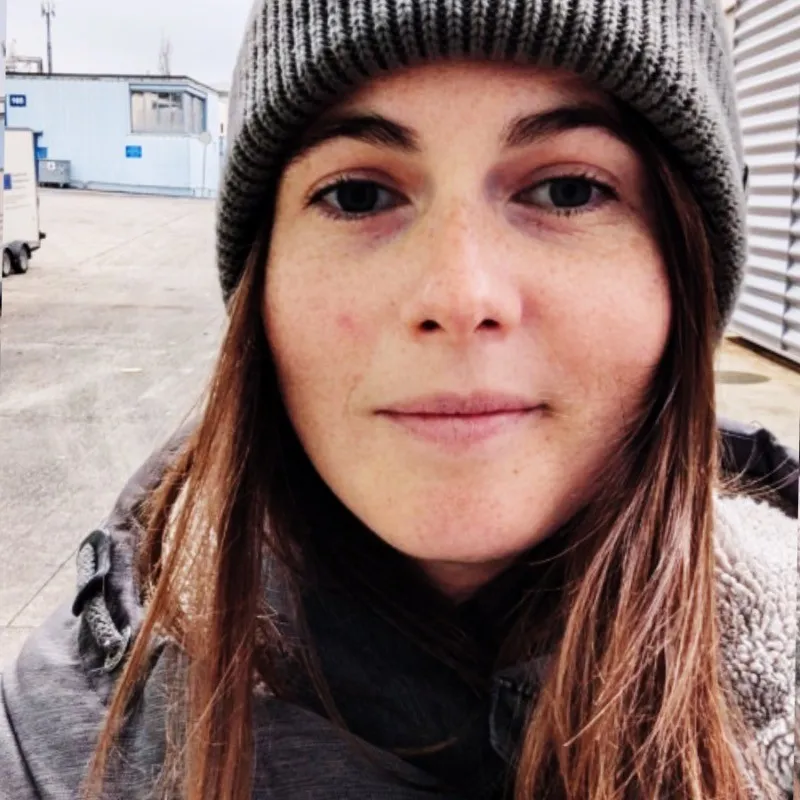
Eva Sommer
I am very happy to start my new Experienced Graduate Contract as Run Coordinator at the CLOUD experiment. I came to CERN in March 2021 with the Austrian CERN Doctoral student program and have been working at CLOUD ever since. In my role as full-time run coordinator, I will organize our annual measurement campaigns, working closely with all member institutes of CLOUD, as well as various CERN teams to ensure our facility is ready and in its best state. I am thrilled to have the opportunity to stay with this amazing experiment and continue advancing atmospheric science at CERN.
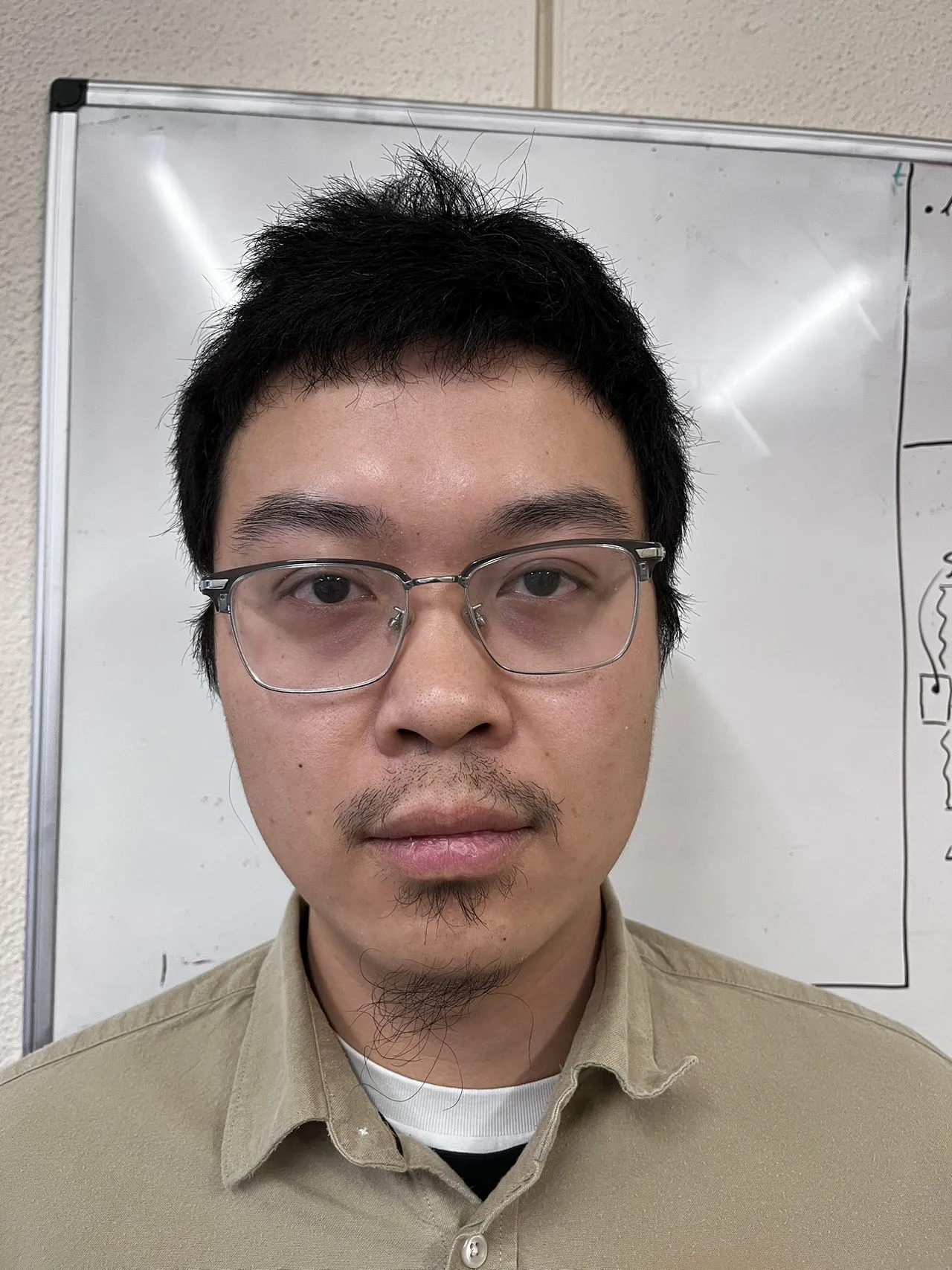
Mengzhen WANG
I am an experimental physicist working on the LHCb experiment and have recently joined CERN as a research fellow. My primary research focus is hadron spectroscopy, and I currently serve as a convener of the B Hadrons and Quarkonia Physics Working Group, which hosts a wide range of heavy-flavor spectroscopy and production analyses within LHCb. During my time at CERN, I aim to contribute to LHCb operations in 2025 and 2026 to help enhance data quality. I aim to utilize the newly collected and upcoming Run 3 data to deliver physics results, particularly in the study of exotic hadrons.
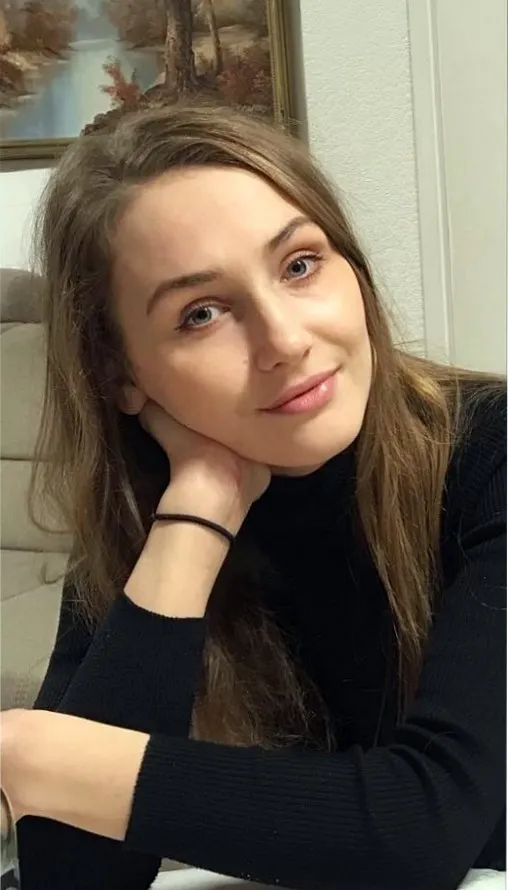
Klaudia Wawrowska
Hi, I’m an Applied Physics Fellow working on data selection within the DUNE data acquisition system, specifically the trigger system. My role involves designing and testing streaming algorithms which efficiently filter and process massive data streams. DUNE is expected to collect terabytes of data every second, so developing a steadfast system to reduce data rates by a factor of ∼10,000, while preserving key physics events for offline analyses is critical.