
New Staff Members and Fellows (Spring 2025)
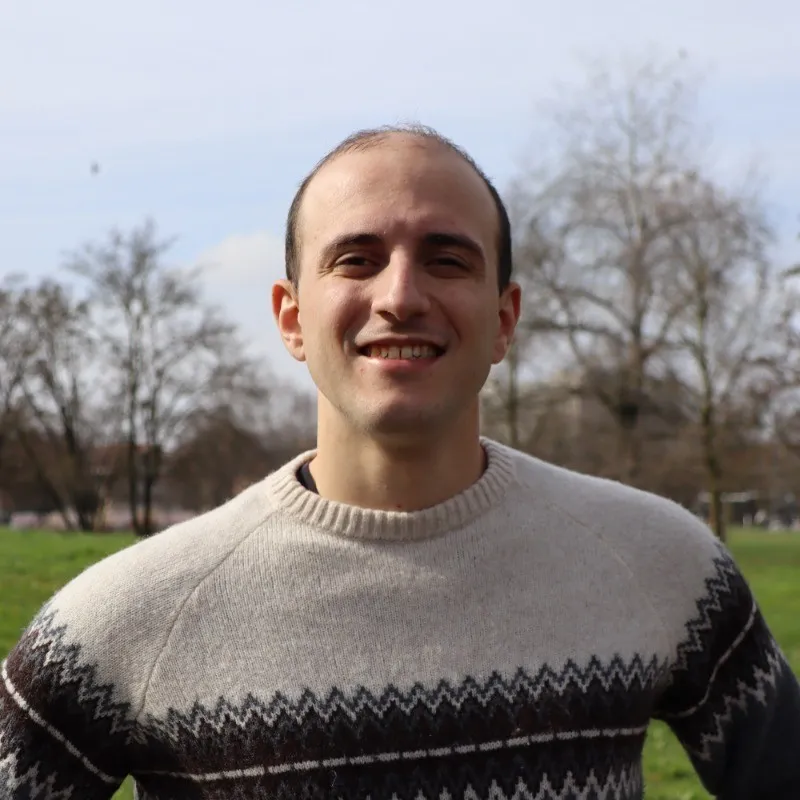
Rocco Ardino
Ciao! I’m an applied physicist from southern Italy working on the Compact Muon Solenoid (CMS) experiment. After earning a PhD in physics from the University of Padua and as part of the CERN Doctoral Student Programme, I have joined the EP department as a fellow. My work is based in the EP-CMD group, where I contribute to the upgrade of the CMS Data Acquisition and Level-1 trigger Data Scouting for the HL-LHC. My focus is on firmware design for FPGA readout boards and the development of the online software to operate these systems.
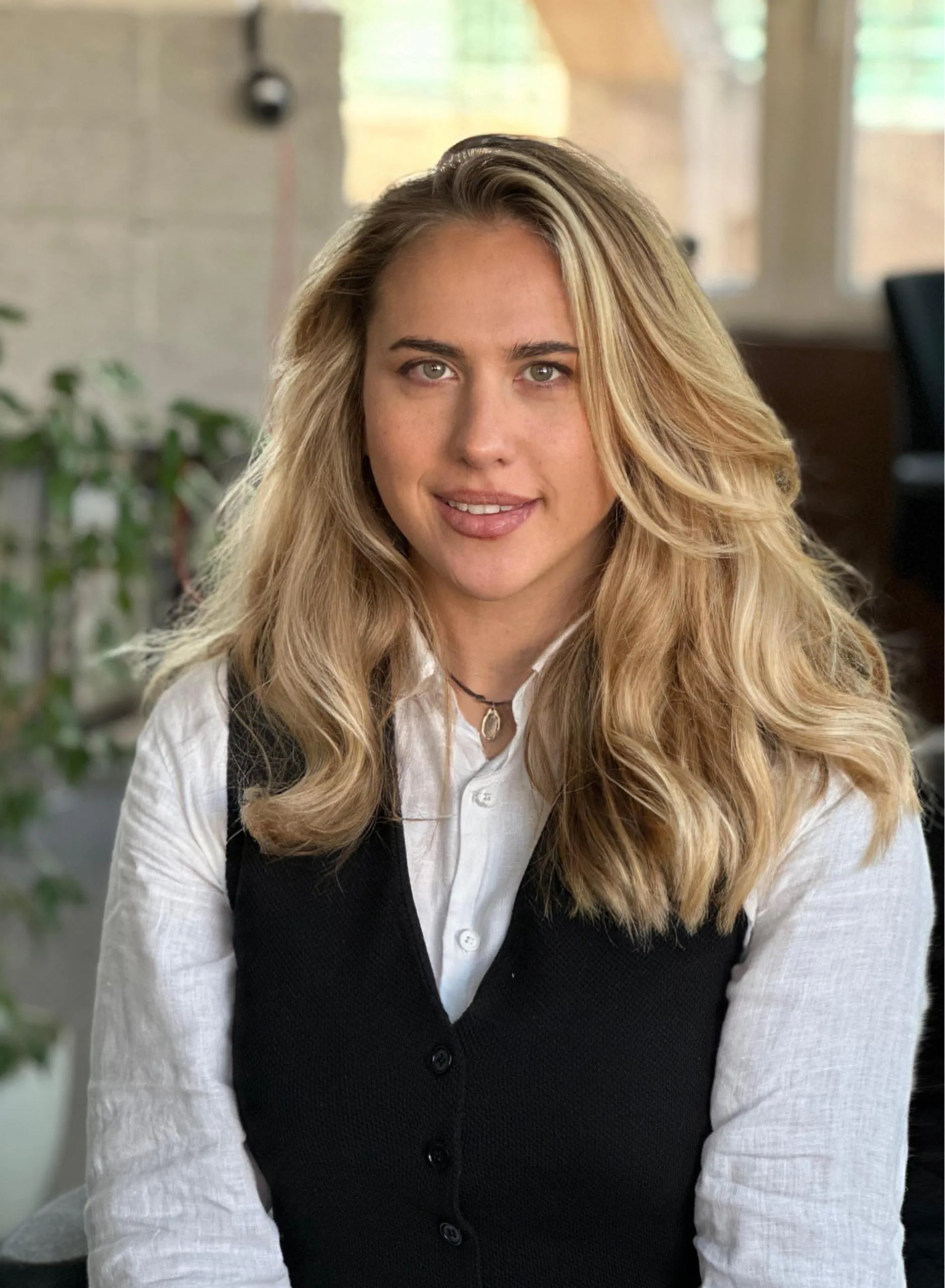
Anna Barbut
My name is Anna, and I’m the new secretary in the EP department. I’ll be supporting several developing experiments, including the SHiP collaboration, SND@LHC and EP-FCC, as well as working with the DRD experiments and the DT group alongside Véronique Wedlake. Although this is my first time at CERN, I’ve lived in the Geneva area for over five years and have always worked in international environments. Prior to joining CERN, I was part of the ICRC. I speak English, French, Russian, and Ukrainian, and I’m happy to offer secretarial support for travel arrangements, room bookings, new member registrations, and more. Outside of work, I’m planning to join the CERN yoga and dance clubs. I’m also always up for nature outings and skiing! Looking forward to working with many of you soon!
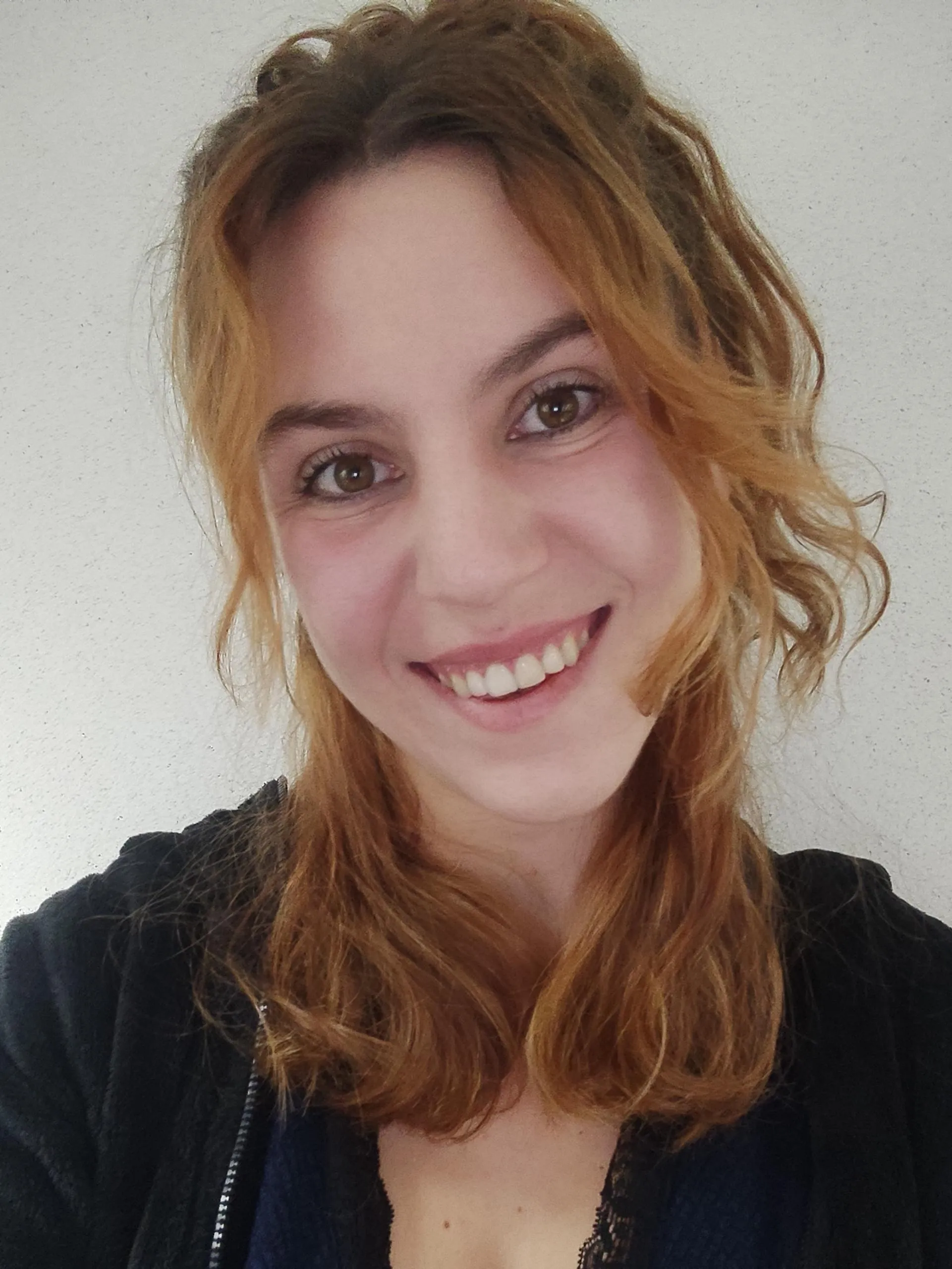
Vasiliki Batsari
Hello! I’m Vicky from Greece, and I recently joined CERN as an Origin Fellow on the NGT WP4.2 project, working as an IT Scientific Educator. With an integrated master’s degree in Electrical and Computer Engineering and a minor in Psychology, I aim to combine both fields in my work. My role focuses on identifying educational gaps within the CERN community and developing tailored programs, such as seminars, hackathons, and 1- or 2-week advanced schools, to bridge those gaps. I also work on creating software tools to enhance the educational experience at CERN.
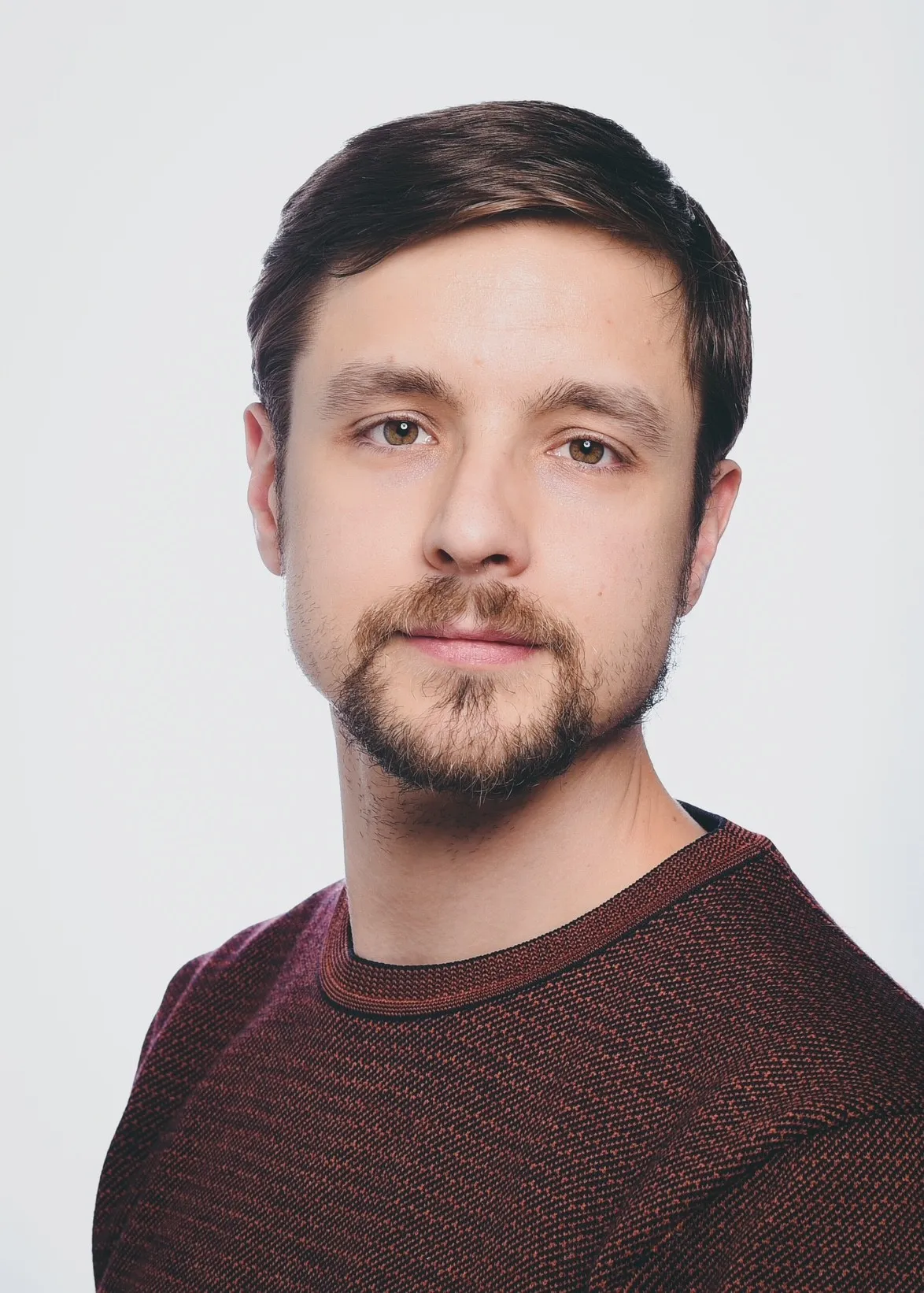
Patrick Connor
My name is Patrick Connor. I originally studied in Brussels, then stayed more than 10 years in Hamburg where I graduated and did two postdocs. Now, I am glad to join CERN as a Research Fellow to work in the CMG group. I mainly work on jet measurements in the CMS Collaboration with David d’Enterria. In addition to data analysis, I will participate in the CMS Tracker Phase-2 upgrade.
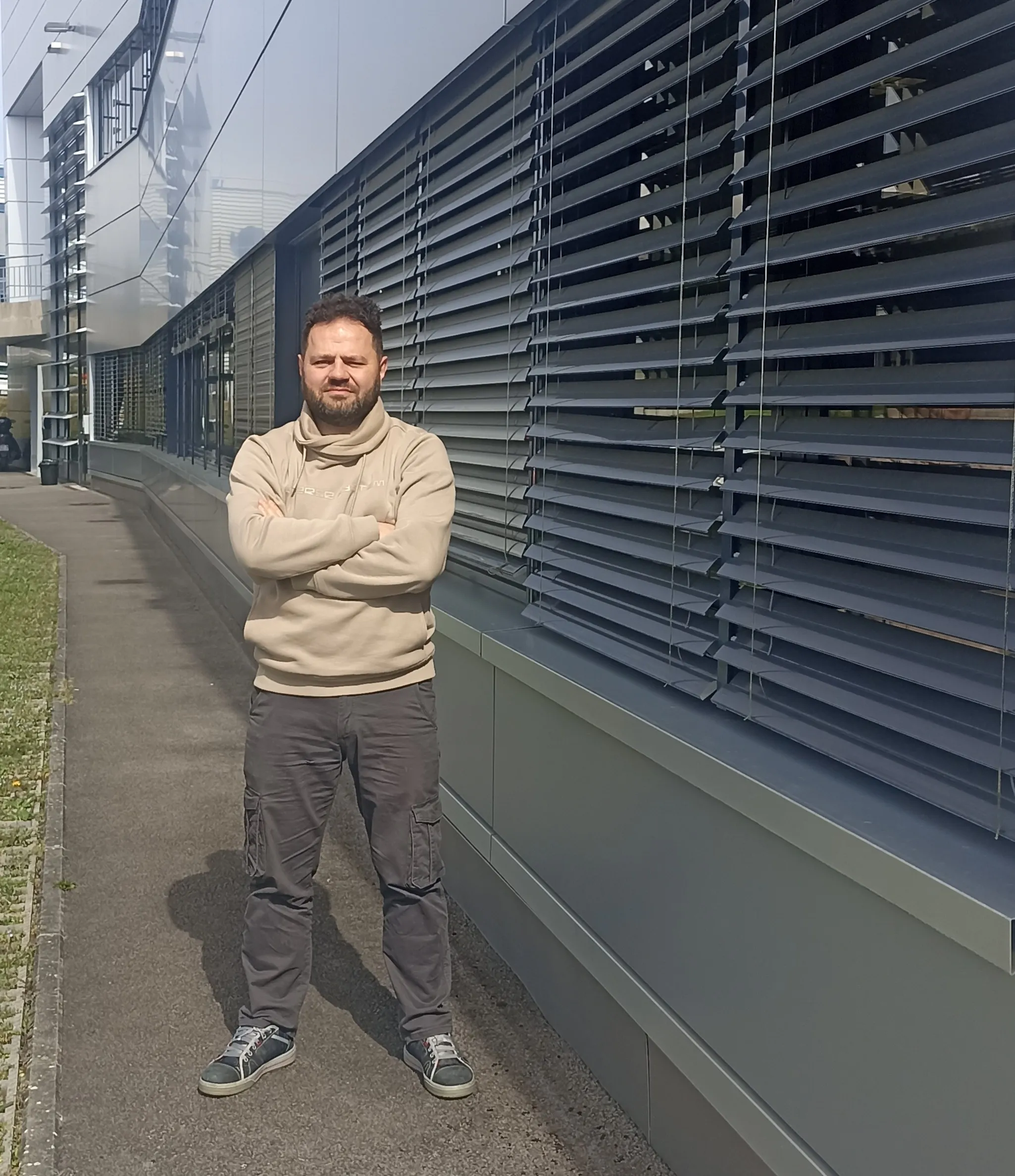
Adam Drozd
Hello, my name is Adam, and I work at Micro Pattern Technologies service, where I oversee production planning and manage several projects. I am involved in the production of µGroove and µRwell gaseous detectors, with read-out components made of aluminium, as well as the encapsulation of silicon chips with copper-clad polyimides. My professional journey includes valuable experience at CERN, where I contributed to the LHC quench protection system, cryogenics for the ATLAS and CMS experiments, and quality assurance and reliability testing in the laboratory. Additionally, I recently completed an MBA. This combination of technical expertise and business insight enables me to deliver optimal solutions for our clients.
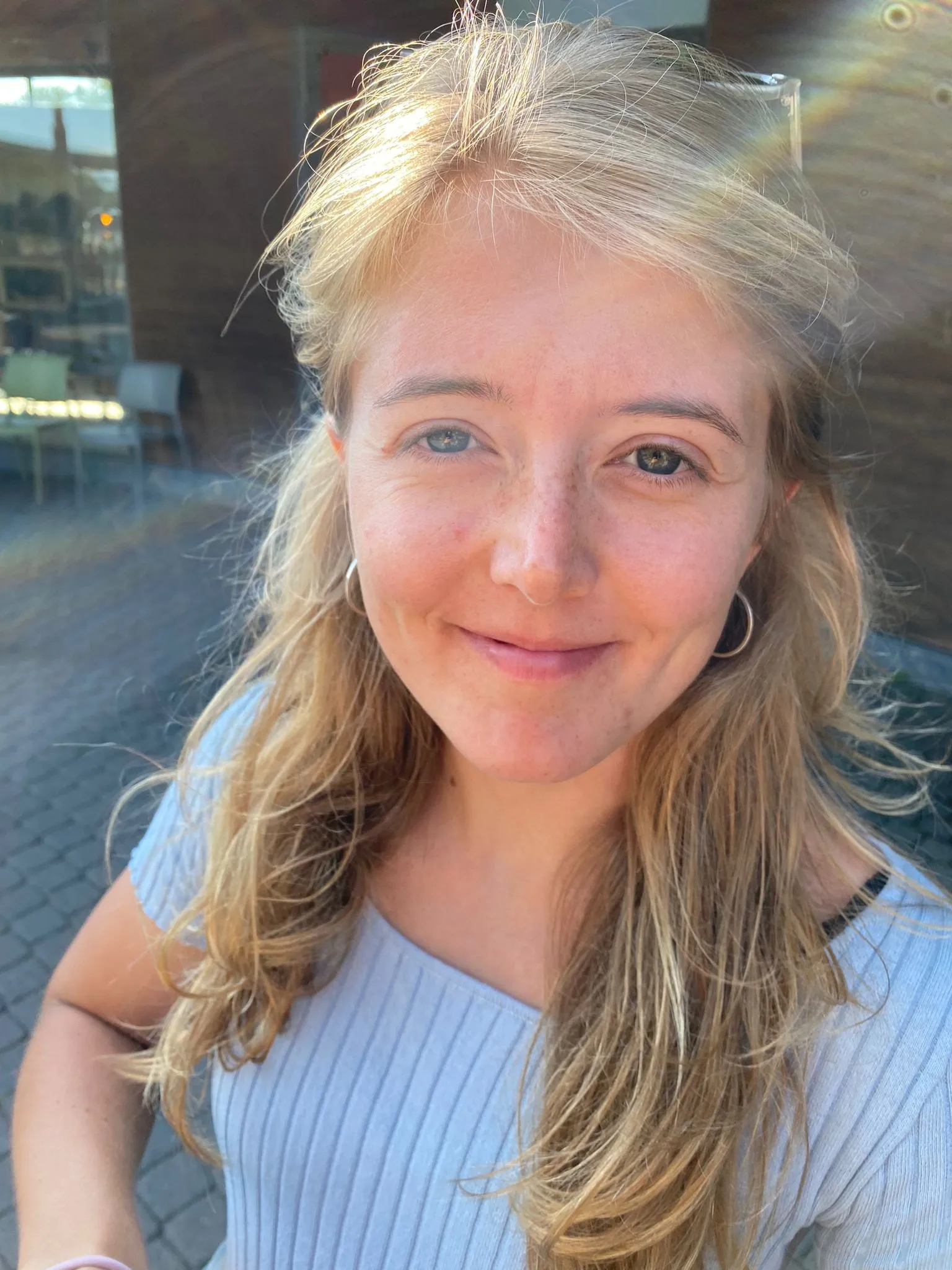
Lena Maria Herrmann
Hi, I’m Lena! After working on ATLAS data analysis during my PhD, I’m now joining the newly formed FCC group to contribute to the future of high energy physics. As a fellow, I’m working on machine learning based “particle flow” — an event reconstruction approach that integrates data from various sub-detectors. With the ongoing development of detector concepts for future facilities, flexible reconstruction algorithms are essential. The perfect opportunity to push the machine learning application to explore alternatives for conventional, fine-tuned methods!
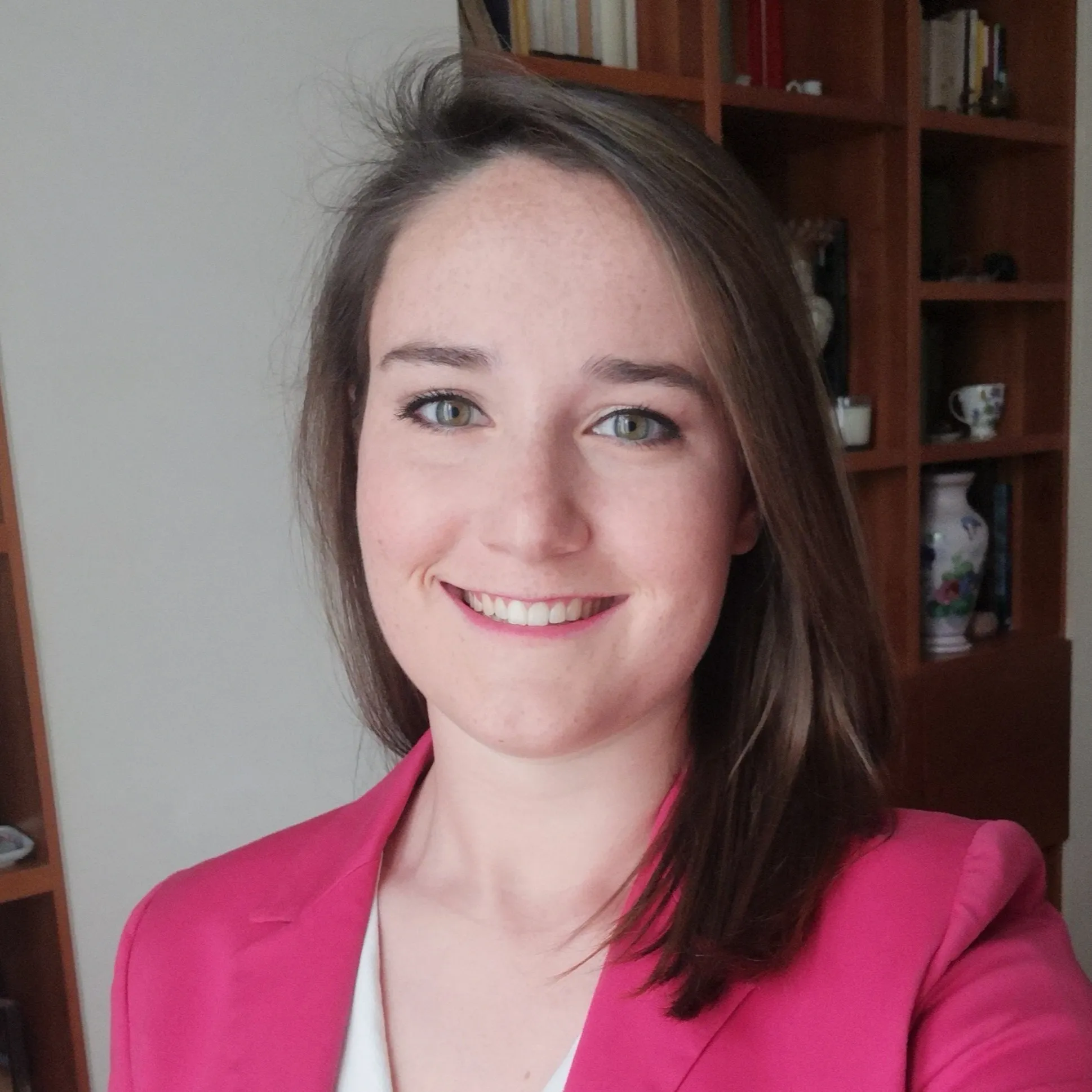
Chiara Lucarelli
I’m excited to start my research fellow with the LHCb collaboration. My work has focused on the fixed-target programme at LHCb, particularly on antimatter production measurements, which can contribute to a better understanding of cosmic ray physics. During my time at CERN, I aim to perform the first production measurement of (anti)deuteron within the LHCb collaboration using Run 2. At the same time, I’m actively involved in the operation of the upgraded fixed-target system, SMOG2, which will enable us to expand our physics reach injecting for the first time also non-noble gases such as hydrogen and deuterium.
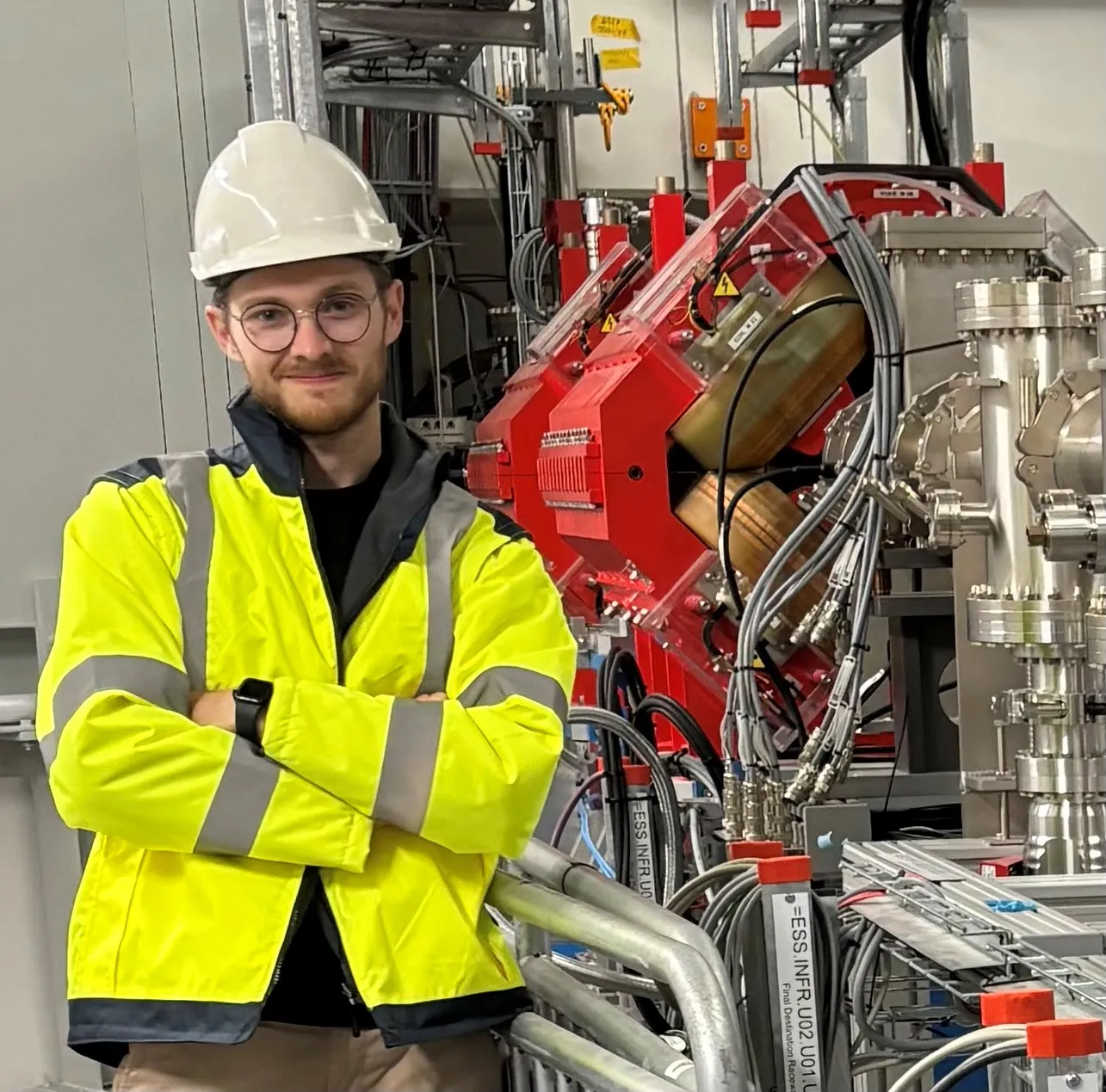
Bartlomiej Adam Markiel
I’m Bartlomiej, a Mechanical Engineer, currently part of CERN’s EP-DT R&D programme, where I am responsible for developing Low-Mass Mechanics and Integrated Cooling solutions for future vertex and tracking detectors. My work focuses on the design, simulation, and optimization of air-cooled detector modules. I hold a Master’s degree in Mechanical Engineering from Cracow University of Technology, Poland. Before joining CERN, I worked at the European Spallation Source (ESS ERIC) in Lund, Sweden, where I was responsible for the design of the Neutron Polarization Project.
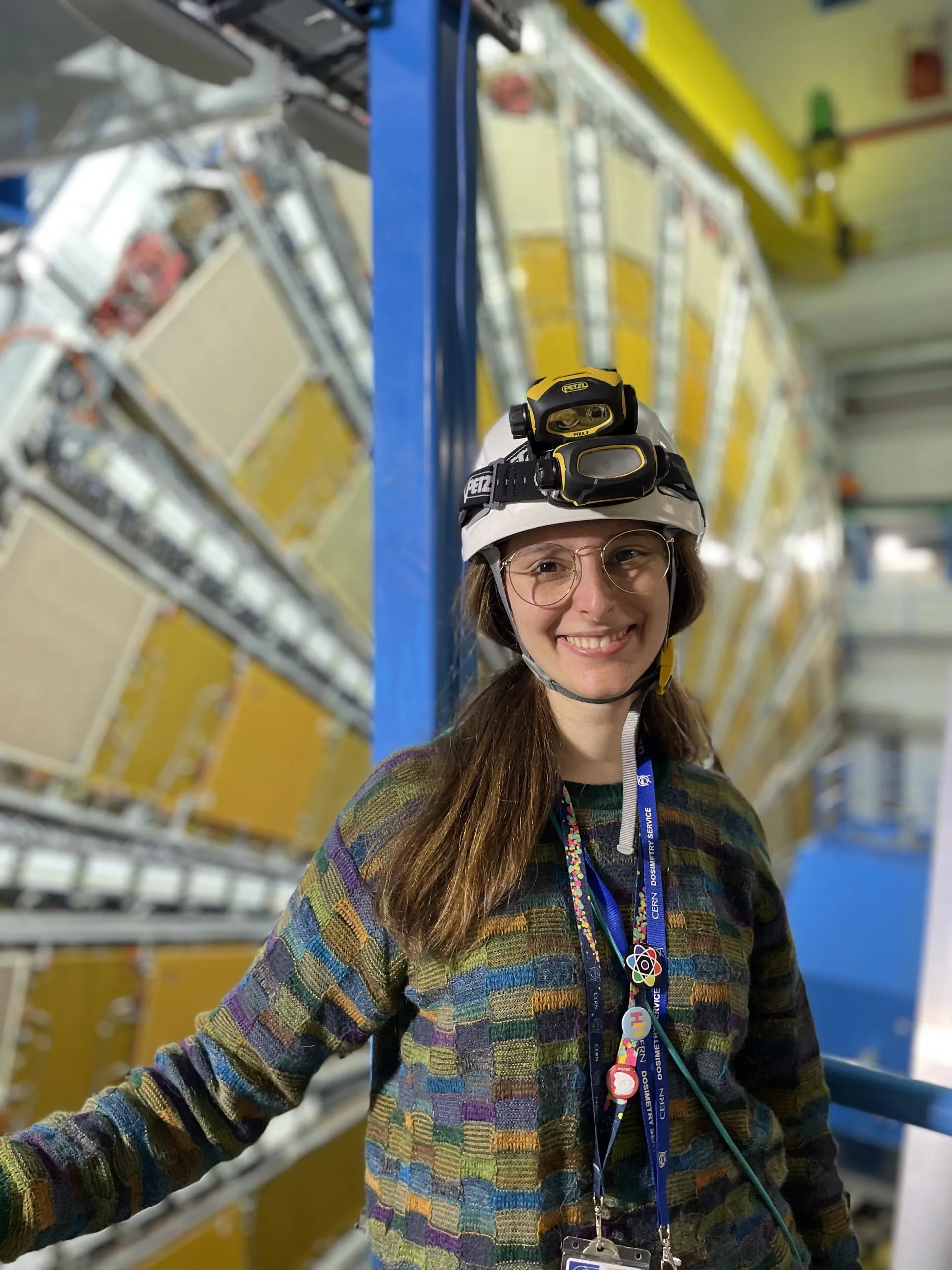
Elena Mazzeo
Hello! My name is Elena, and I am an experimental physicist working mainly on the ATLAS experiment. I first arrived at CERN as a USER in 2023, and after completing my Ph.D. in December 2024, I am excited to join the EP-ADE-CA team at CERN as a research fellow. My work focuses on analyzing data collected by the ATLAS detector during Run 3, with a particular interest in studying how the Higgs boson interacts with other Higgs bosons. I am also exploring ways to improve photon and jet performance in our detector, since these are crucial for boosting the sensitivity of our analyses. Beyond data analysis, I am contributing to the ATLAS upgrade for the High Luminosity LHC phase, specifically working on the new HGTD detector, which will provide timing and luminosity measurements. Looking further ahead, I would be happy to contribute to performance studies for future detectors at the FCC-ee.
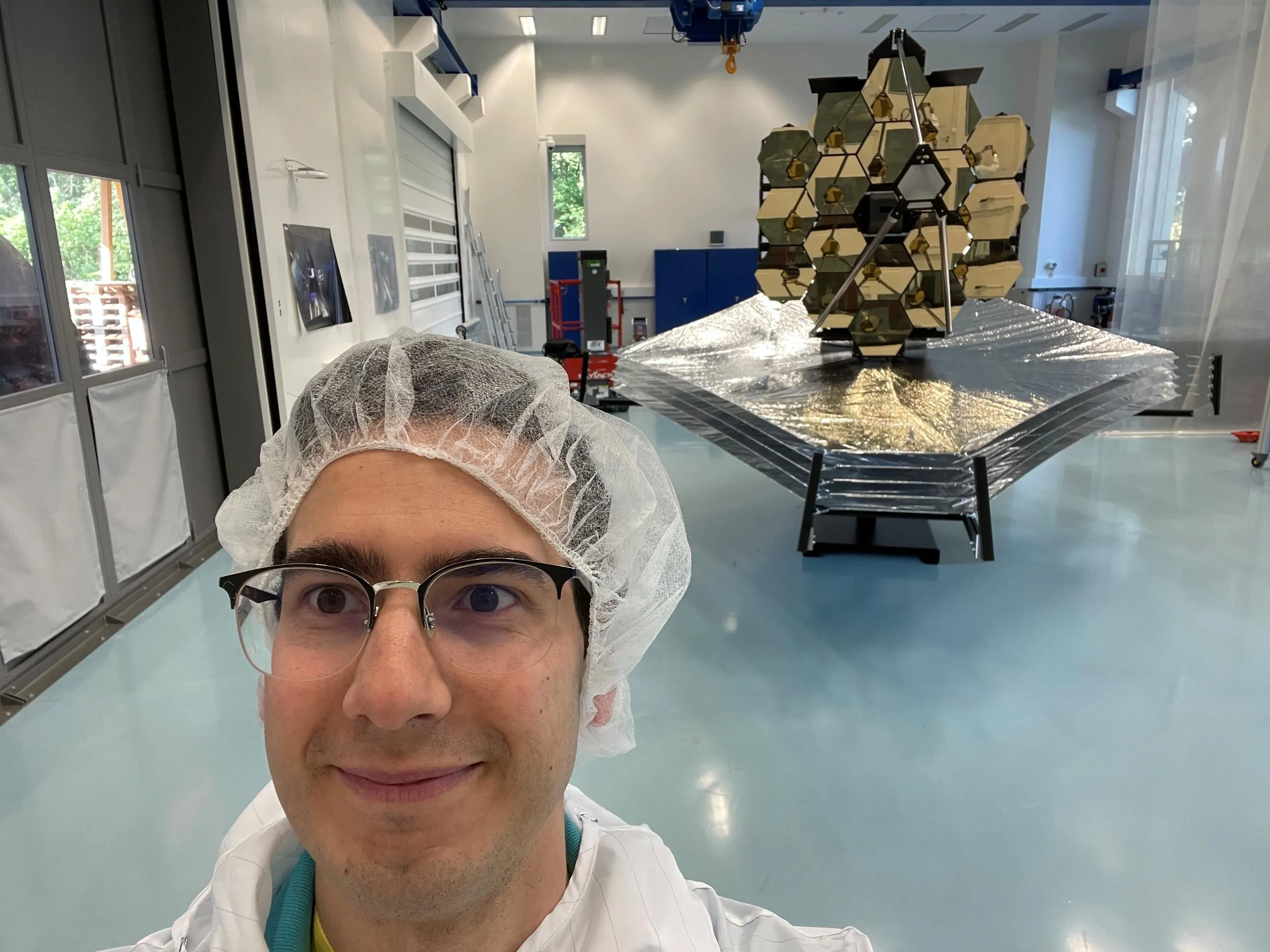
Pablo Santos Diaz
Hello, this is Pablo Santos Diaz, an industrial mechanical engineer specialised in integration, mechanical, thermal and vacuum design. I have just arrived at the SHiP team to define its infrastructure and complete its integration inside ECN3 cavern at the North Area. I arrived at CERN in 2016 and contributed to the HL-LHC project, Beam Dump facility and the SND@LHC detector. In addition, I worked the last two years as calculation specialist in the ANDES project, a ground astronomy instrument to be installed at the Extremely Large Telescope in the Atacama Desert (Chile).
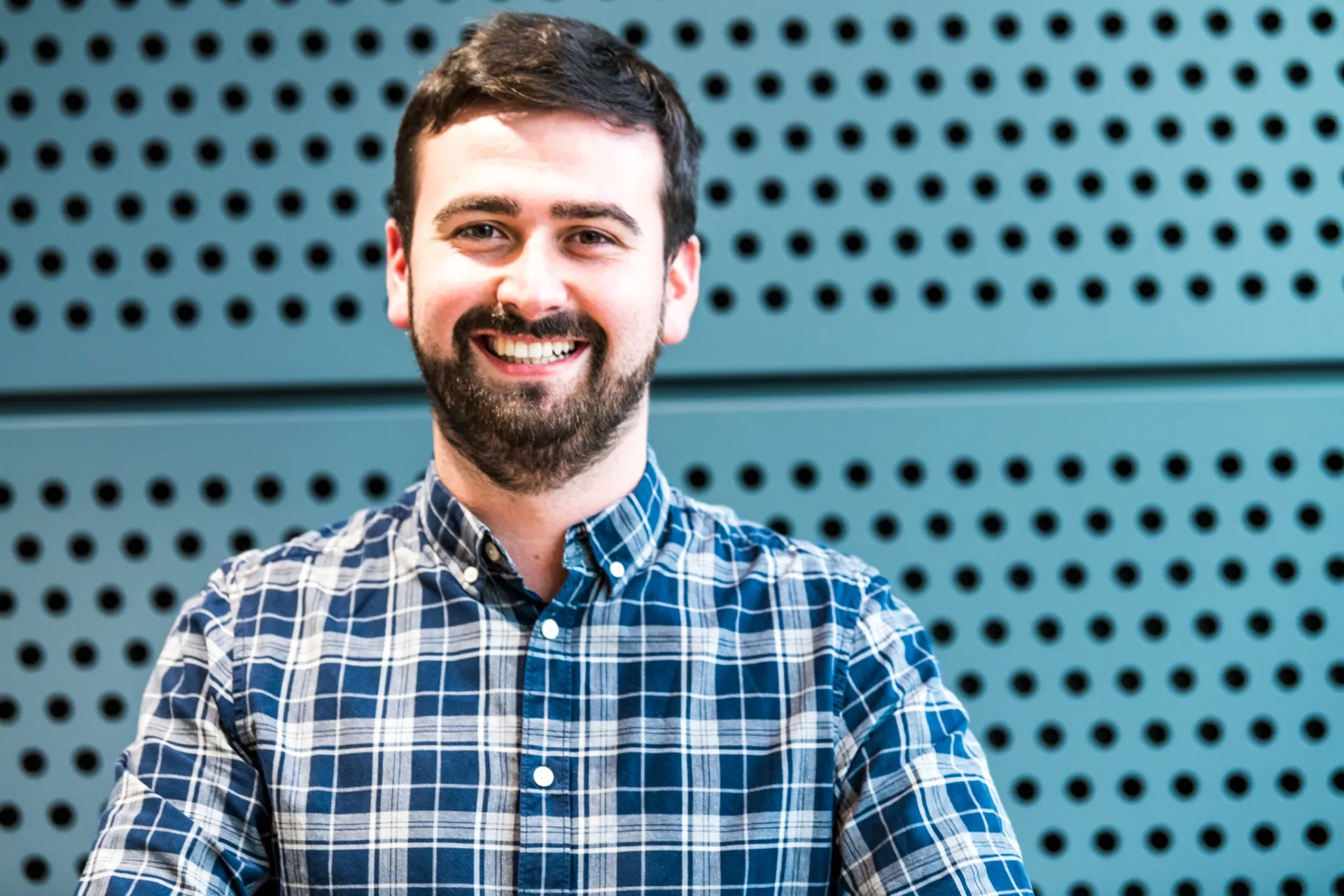
Adam Powell
Hello, I am a Welsh experimental physicist working on the ALPHA experiment as a research fellow and technical coordinator. I have been at CERN for 7 years as a user, joining first as a masters student with Swansea University in 2018. I completed my PhD with the University of Calgary working on the observation of the effect of gravity on antihydrogen. I am now focused on improving the precision of that initial measurement along with microwave spectroscopy of antihydrogen. I am excited to now be a member of EP-SME-AD!
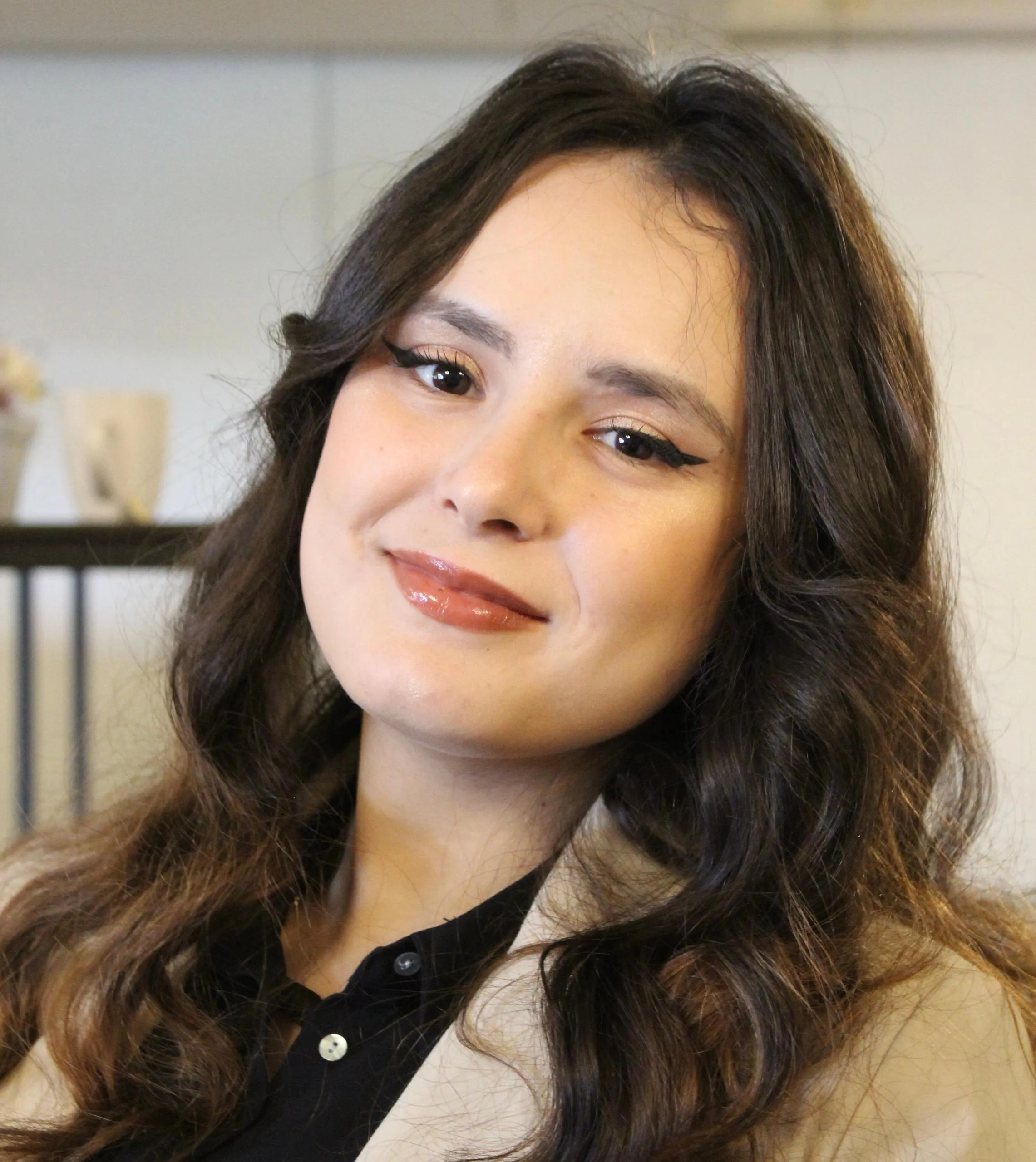
Silia Taider
I graduated with an engineering degree in Software Development and Big Data from CPE Lyon Eng. School. I joined the ROOT team as a summer student in 2023 and continued as a technical student in LHCb for a year before coming back to ROOT as a junior fellow. I am currently working on improving the ergonomics of Python interfaces offered by ROOT statistics and analysis tools such as histograms, graphs or RDataFrames.
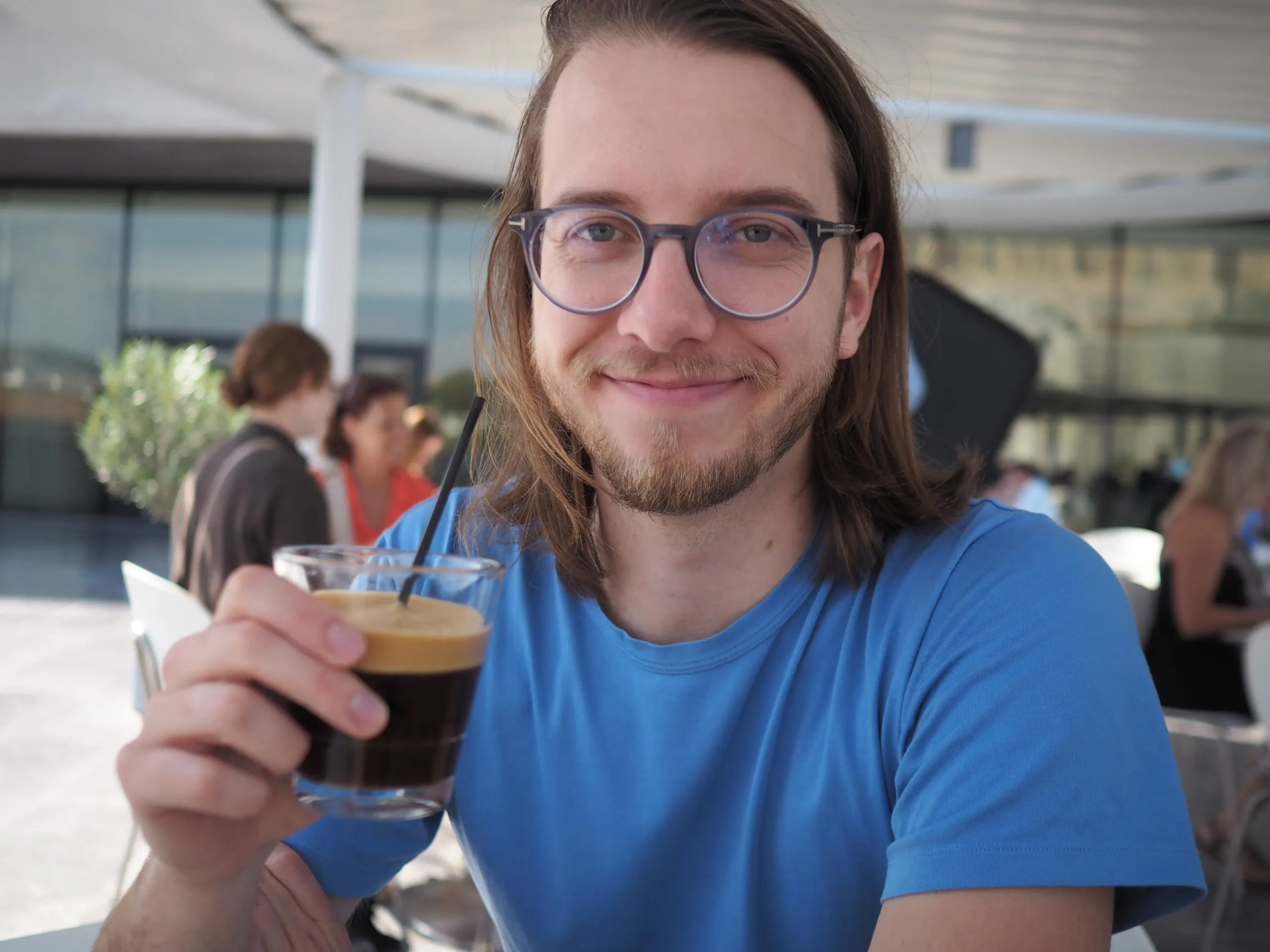
Mitja Vodnik
I’m an FPGA firmware developer and I’m starting as a graduate at the LHCb Online team (EP-LBC-Online). My work will focus on the LS3 enhancements of the LHCb experiment, with half time dedicated to the new RICH detector readout firmware (to support the new FastRICH chip), and the other half to precision tests of the updated timing distribution system. This is a continuation of the work I did in the previous year as a Technical student, when I developed an FPGA-based lpGBT front-end emulator platform. I’m really happy for the opportunity to continue contributing to a project of this magnitude!