
Tag: ATLAS
-
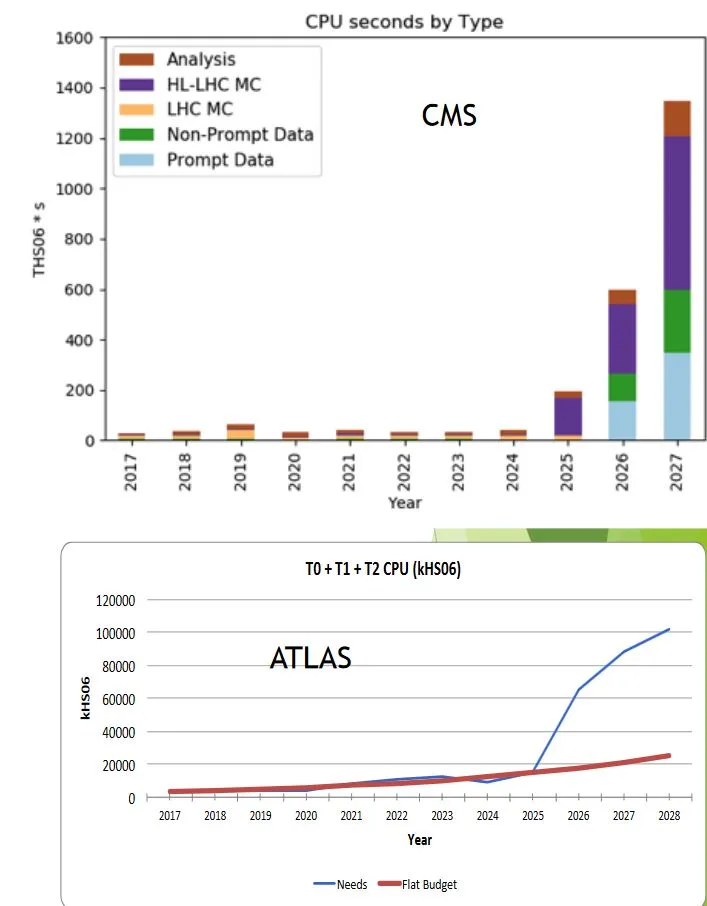
HL-LHC computational challenge for ATLAS and CMS experiments
HL-LHC computational challenge for ATLAS and CMS experiments The two general purpose LHC Experiments, ATLAS [1] and CMS [2], are going to be confronted with challenging experimental conditions at the High Luminosity LHC Run (HL-LHC), starting in 2026. In particular, computing systems will have to cope with greatly increased data samples and data acquisition and
-
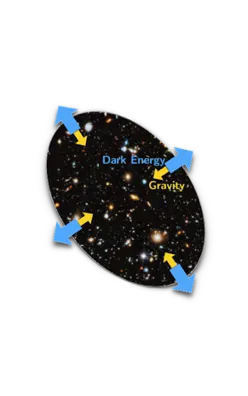
Particle colliders join the quest for dark energy.
Particle colliders join the quest for dark energy. The birth of a new science The beginning of the twentieth century was marked by two of the greatest scientific discoveries: quantum mechanics and the theory of relativity, which became the driving forces behind an array of new scientific breakthroughs and technological leaps. Quantum mechanics led to
-
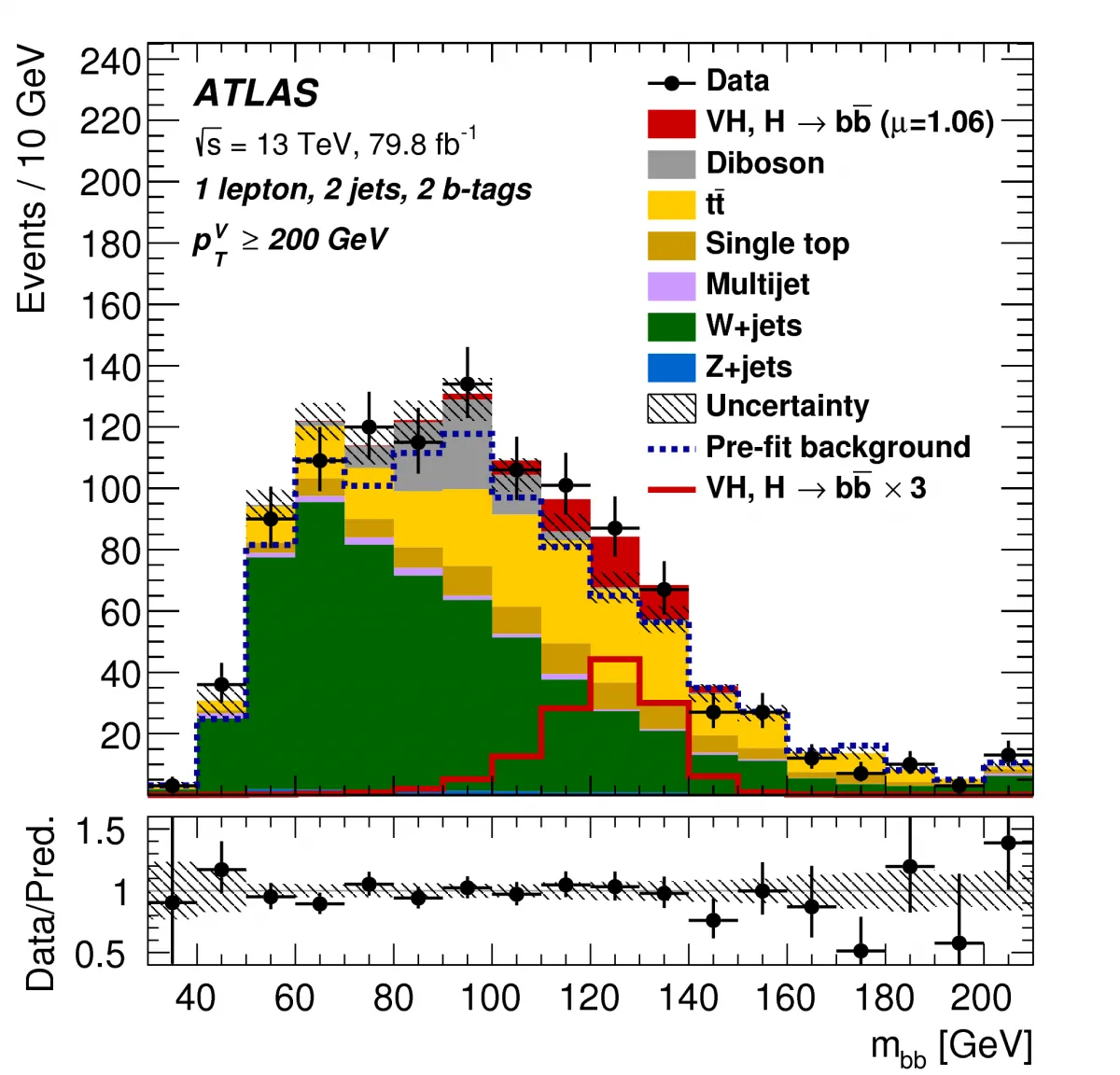
Higgs boson observed decaying to bottom quarks
Higgs boson observed decaying to bottom quarks Last month, the ATLAS and CMS collaborations jointly announced the discovery of the Higgs boson decaying into a matter-antimatter pair of bottom quarks. Previously, the Higgs boson has been observed decaying to photons, tau-leptons, and W and Z bosons. However, these impressive achievements represent only 30 percent of
-
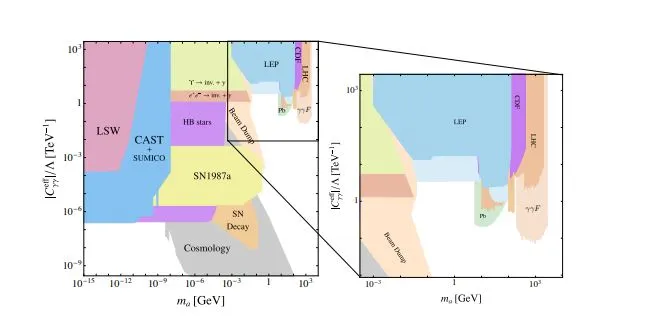
Axion-like particle searches at the LHC
Axion-like particle searches at the LHC The Standard Model (SM) of Particle Physics is plagued by some longstanding conceptual and practical questions, and we have to go beyond the Standard Model to address them. A guiding principle of the Standard Model is that we should expect to see all processes which are consistent with its
-
ATLAS presents a strategy for a general search of new physics
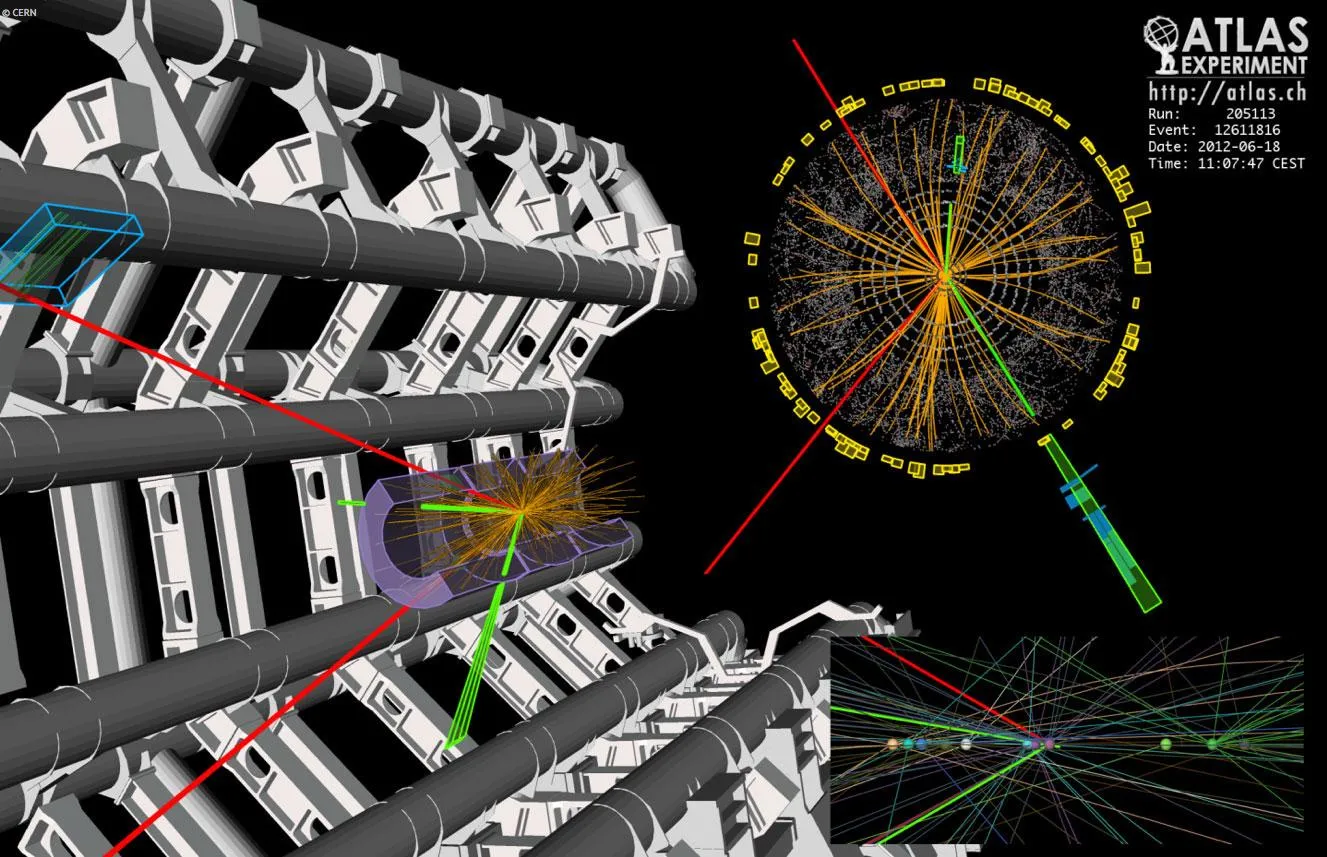
ATLAS presents a strategy for a general search of new physics One of the main goals of the Large Hadron Collider is to look for signals beyond the Standard Model (the other major goal has already been fulfilled with the discovery of the Higgs boson). To this day scientists are still lacking clues. Could it
-
LHC’s upgrade takes shape
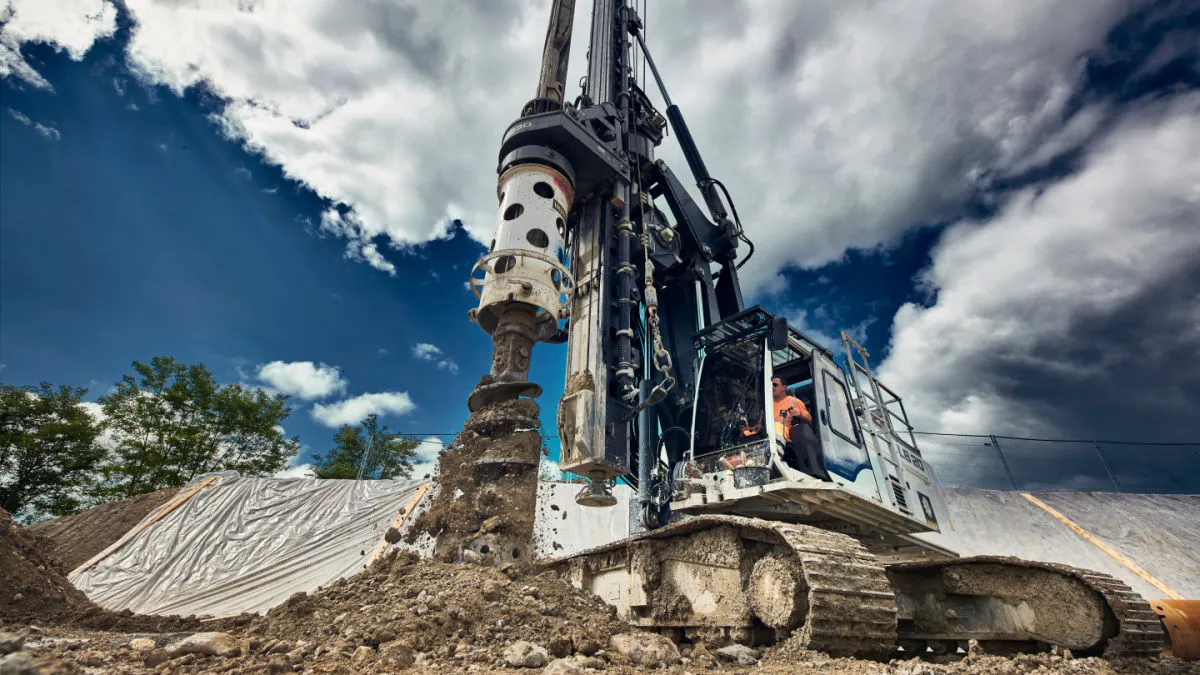
LHC's upgrade takes shape A ground-breaking ceremony was held on the 15th of June, to celebrate the start of civil engineering work for a major upgrade to the LHC . When completed in 2026, the HL-LHC will produce a five to seven times higher rate of proton-proton collisions, providing better statistics and powering new discoveries
-
Precise timing detectors for the LHC experiments
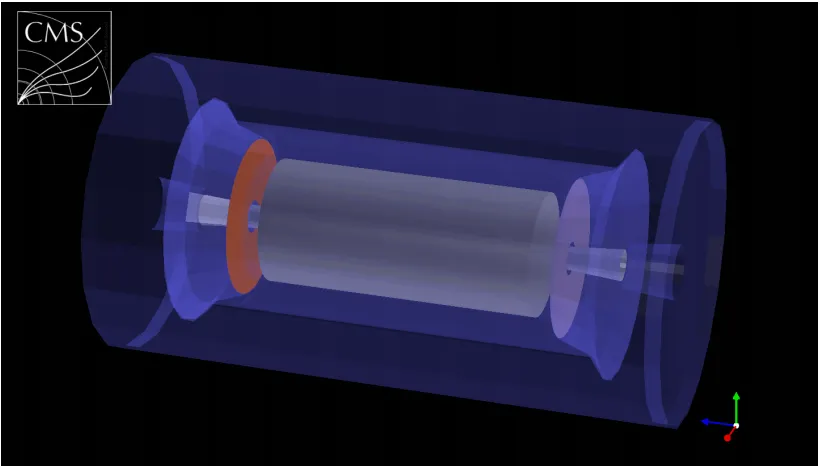
Precise timing detectors for the LHC experiments The ATLAS and CMS experiments physics programme at the HL-LHC will target a very wide range of measurements, including in-depth studies of the Higgs boson properties and direct searches for physics beyond the standard model (BSM). Timing detectors will help improve vertex identification, acceptance extension for isolated objects,
-
Heavy-ion collisions at Quark Matter 2018
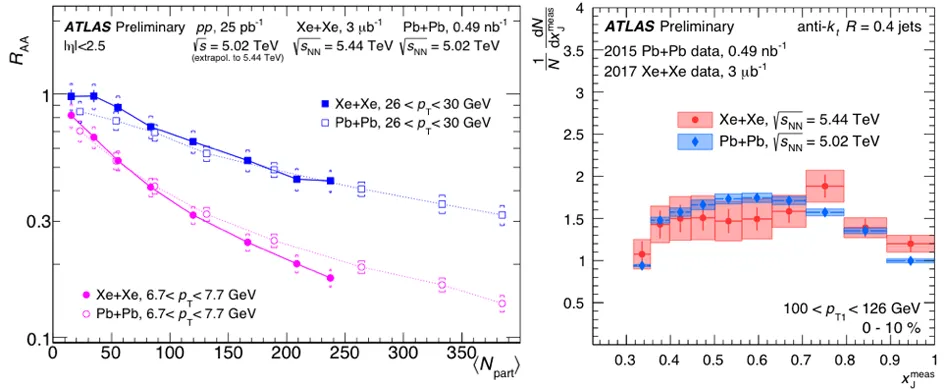
Heavy-ion collisions at Quark Matter 2018 BROKEN IMAGE NOT MOVED (drupal url : https://ep-news.web.cern.ch//content/heavy-ion-collisions-quark-matter-2018) CERN experiments presented their latest results from the study of lead-ion collisions at the annual Quark Matter conference, that was held this year in Venice, Italy. The programme includes a plethora of presentations on a variety of topics, spanning QCD at
-
New season starts for the LHC experiments
New season starts for the LHC experiments The last 2017 proton-proton collisions took place on 28 November and the LHC machine was shut down during the winter period to allow for planned technical interventions while the LHC experiments profit from this period to perform maintenance work on many sub-detectors. Four months later proton beams were
-
Connecting the dots: applying deep learning techniques in HEP
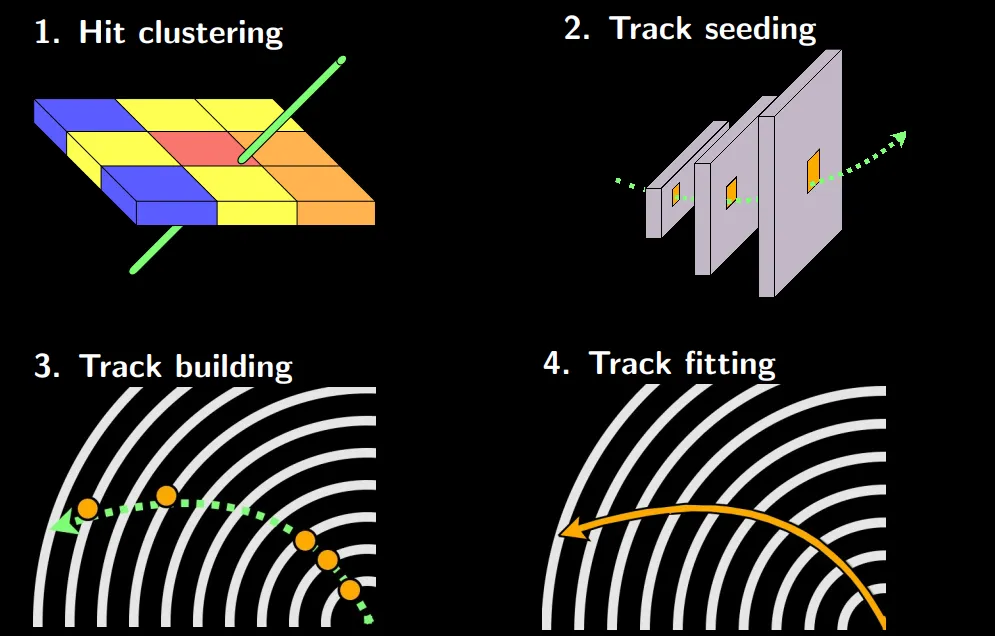
Connecting the dots: applying deep learning techniques in HEP With massive amounts of computational power, machines can now recognize objects and translate speech in real time. Deep-learning software attempts to mimic the activity in layers of neurons in the neocortex, the wrinkly 80 percent of the brain where thinking occurs. The software learns, to recognize