
Tag: antimatter
-

A word from the EP Department Head – Spring 2026
A word from the EP Department Head – Spring 2026 Dear Colleagues, It is my pleasure to share the first 2026 edition of the EP newsletter with you, in my new role as EP Department Head. CERN’s new management took office in January, with a revised structure of Sectors and Departments. In EP, we reorganised
-

A word from the EP Department Head – Spring 2026
A word from the EP Department Head – Spring 2026 Dear Colleagues, It is my pleasure to share the first 2026 edition of the EP newsletter with you, in my new role as EP Department Head. CERN’s new management took office in January, with a revised structure of Sectors and Departments. In EP, we reorganised
-
Moving antimatter beyond the lab
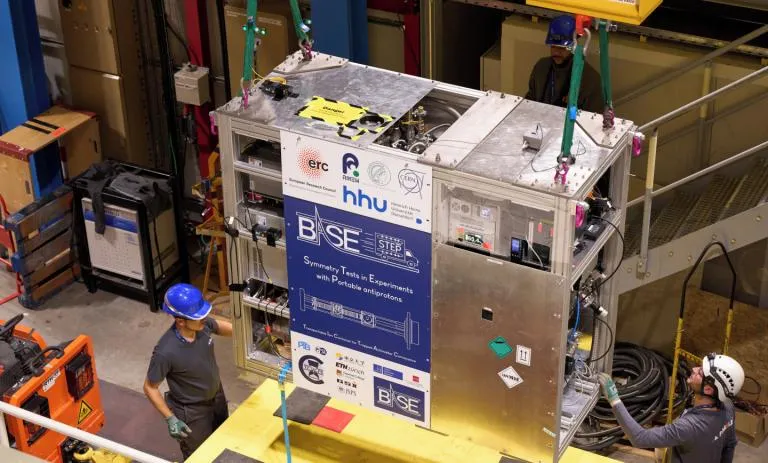
Moving antimatter beyond the lab For decades, antimatter experiments have been bound to a single place: the laboratory in which the particles are produced and trapped. At CERN’s Antimatter Factory, antiprotons are routinely produced, decelerated and confined in Penning traps, where electric and magnetic fields are used to store charged particles for high-precision studies. Yet
-
Sympathetic Cooling Opens a New Era for Antihydrogen at CERN
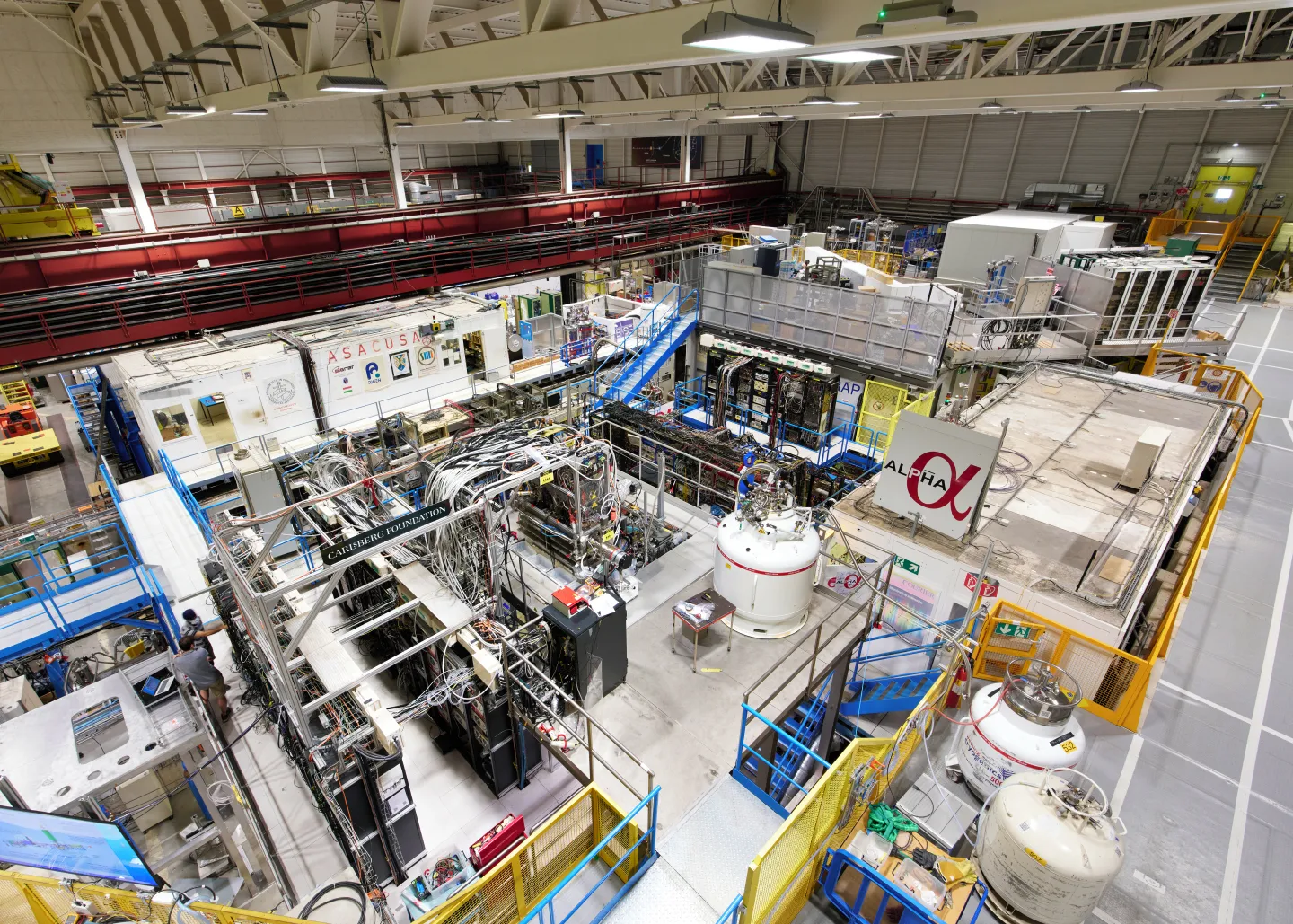
Sympathetic Cooling Opens a New Era for Antihydrogen at CERN A major milestone has been reached at CERN’s Antimatter Factory. Using an innovative technique to cool positrons with laser-cooled beryllium ions, the ALPHA collaboration has increased the rate of antihydrogen production by a factor of eight. The advance, reported in Nature Communications, has transformed the
-
Unlocking the Secrets of Antimatter: A journey through low-energy antimatter studies at CERN
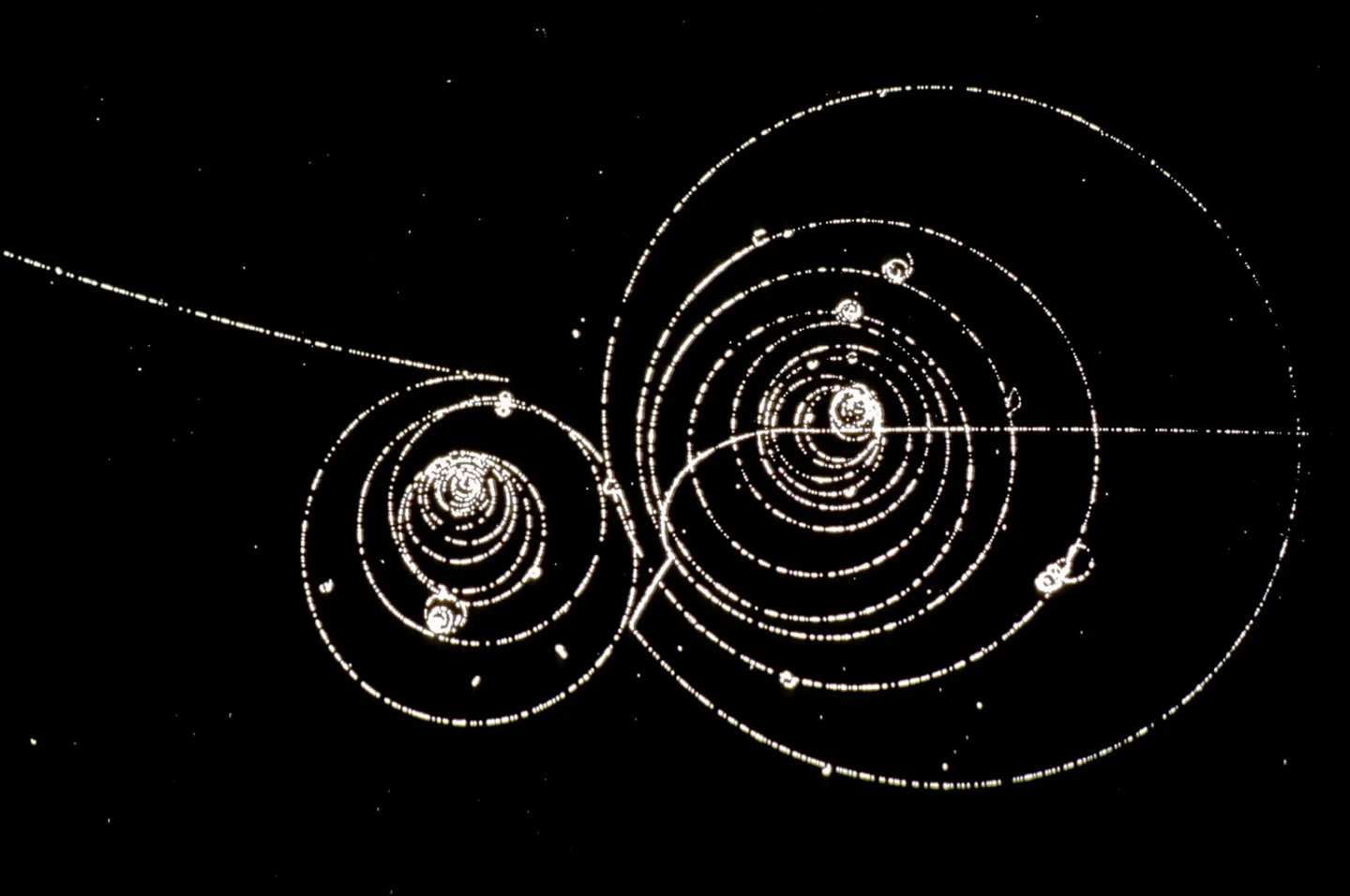
Unlocking the Secrets of Antimatter: A journey through low-energy antimatter studies at CERN The existence of antimatter is a fundamental aspect of our Universe and is predicted by the laws of quantum physics and symmetry principles. However, the theory does not match the experimental observations. According to our models, we would expect to have a
-
New Milestones in direct CP Violation: Observation in Baryons and First Evidence in Beauty Mesons to J/Psi
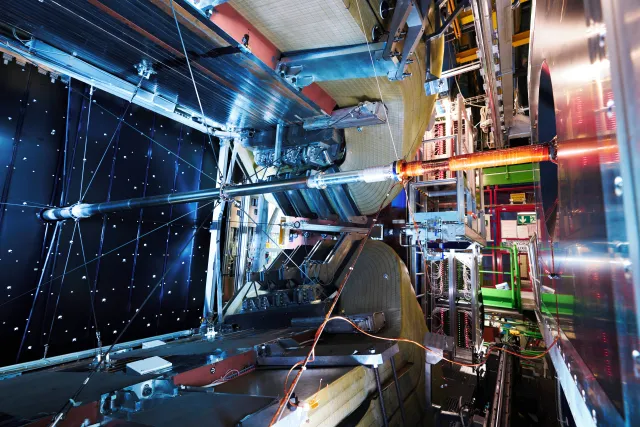
New Milestones in direct CP Violation: Observation in Baryons and First Evidence in Beauty Mesons to J/Psi A Milestone in Understanding the Matter-Antimatter Asymmetry The LHCb collaboration has announced a groundbreaking achievement: the first-ever observation of CP violation in baryon decays. This result, presented at the Rencontres de Moriond EW conference and submitted for publication
-
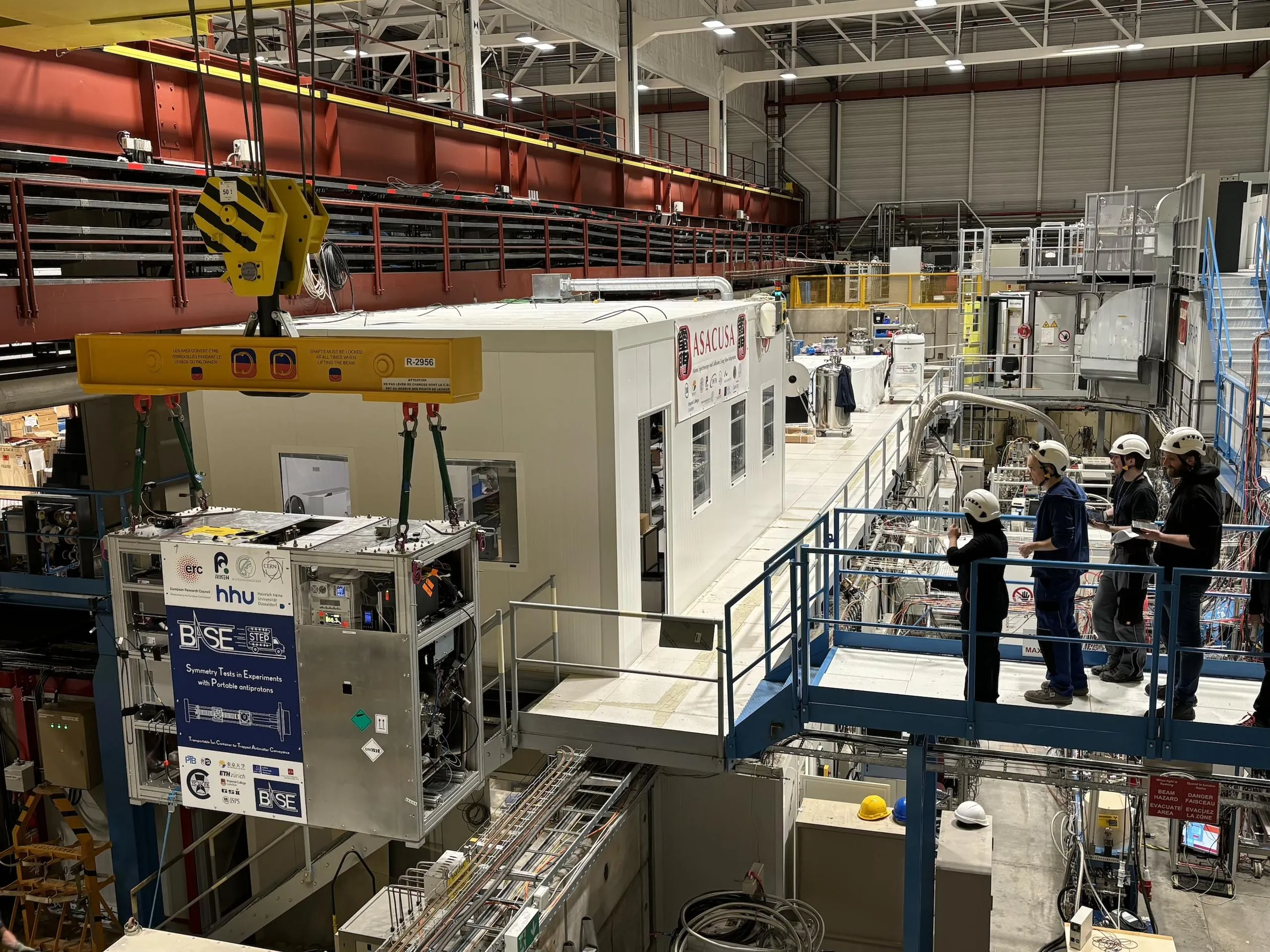
CERN’s BASE-STEP: A Leap Forward in Antimatter Transport
CERN's BASE-STEP: A Leap Forward in Antimatter Transport Antimatter, often portrayed as the elusive counterpart to ordinary matter, has long captivated the scientific community with its potential to unlock some of the universe's most profound mysteries. Yet, one of the most significant challenges in studying antimatter is its inherent instability—it annihilates upon contact with matter,
-
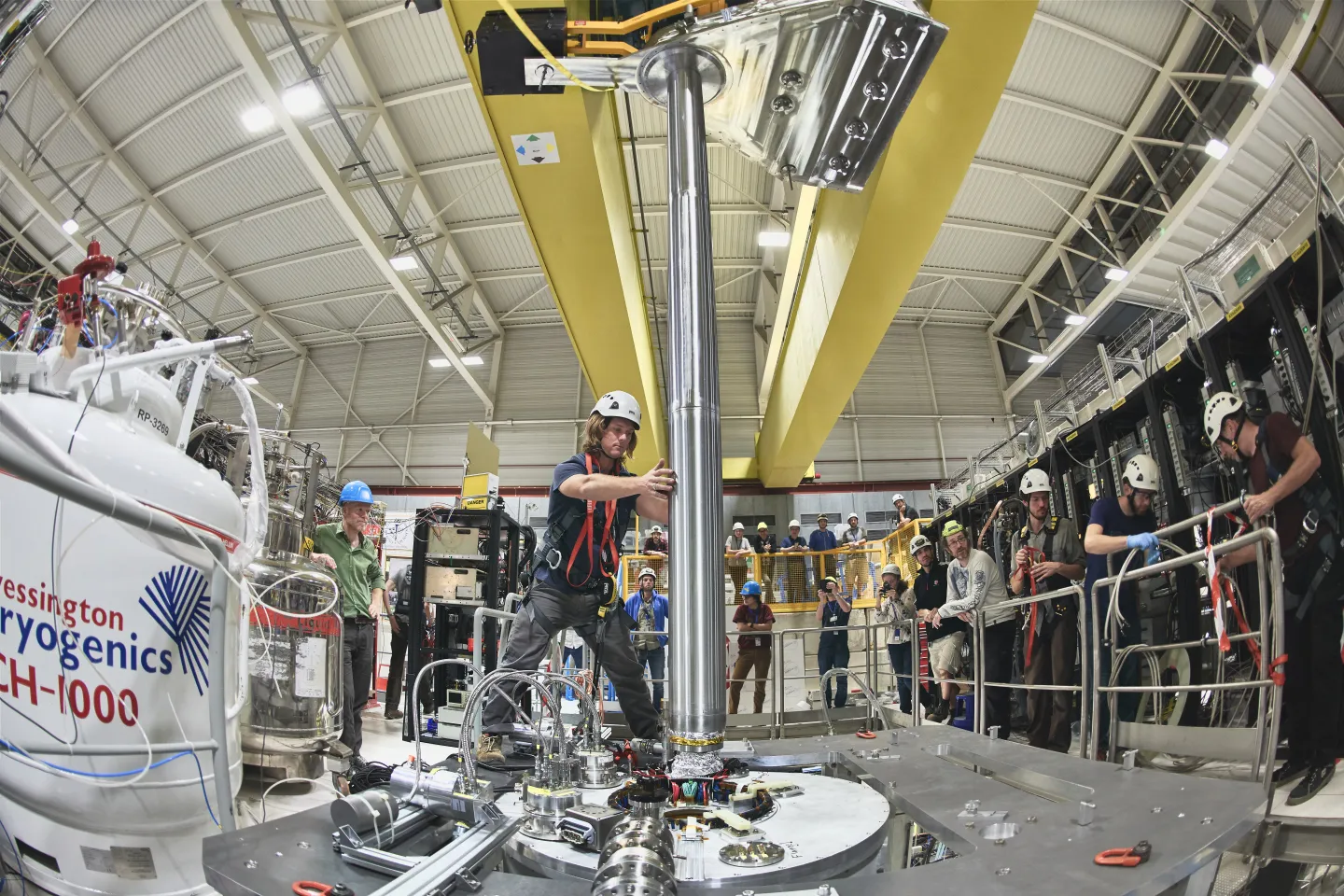
ALPHA experiment at CERN observes the influence of gravity on antimatter.
ALPHA experiment at CERN observes the influence of gravity on antimatter. In a paper published earlier this autumn in Nature, the ALPHA collaboration at CERN’s Antimatter Factory shows that, within the precision of their experiment, atoms of antihydrogen – a positron orbiting an antiproton – fall to Earth in the same way as their matter
-
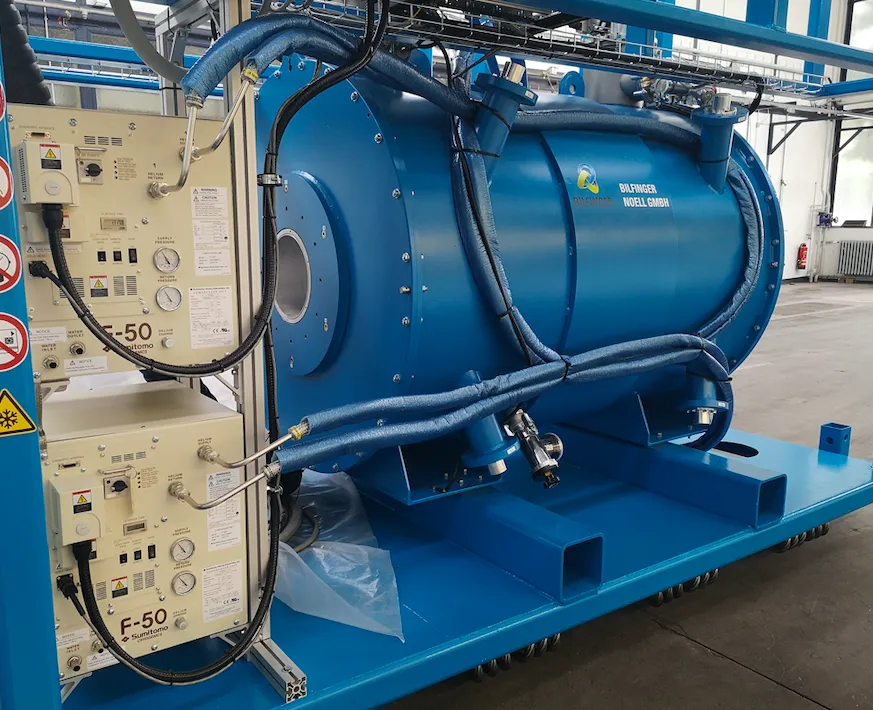
PUMA: antiprotons to probe the surface of radioactive nuclei
PUMA: antiprotons to probe the surface of radioactive nuclei Antiprotons as a probe to study short-lived isotopes remain unexploited despite past pioneering works with stable nuclei. In particular, low-energy antiprotons offer a unique prospect in terms of sensitivity to the neutron and proton densities at the annihilation site, i.e. in the tail of the nuclear
-
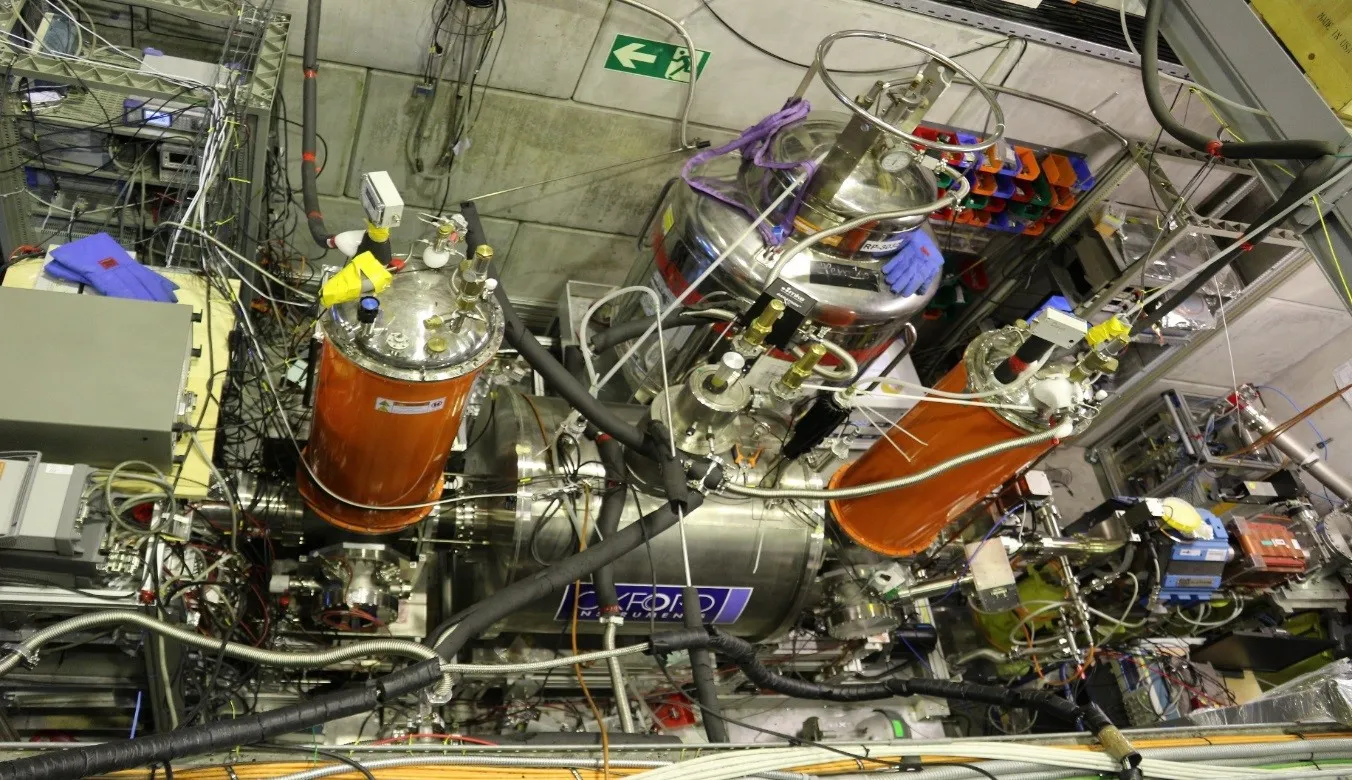
A mobile antiproton reservoir for precision measurements
A mobile antiproton reservoir for precision measurements The BASE collaboration has performed the most precise measurements of the fundamental properties of the antiproton in order to test CPT invariance as fundamental symmetry of the Standard Model [1, 2] and to search for dark matter-antimatter couplings [3]. The course of continuing this journey is set towards