
Tag: BASE
-

New Staff Members and Fellows
New Staff Members and Fellows Maximilian Babeluk Hi, I’m Max. I recently joined the ALICE ITS3 team, where I work on sensor testing, functional verification, and in the future also chip design – particularly on MOSAIX. My main activities include testing and yield assessment across multiple integration levels (wafer probing to system tests), including data
-
Moving antimatter beyond the lab
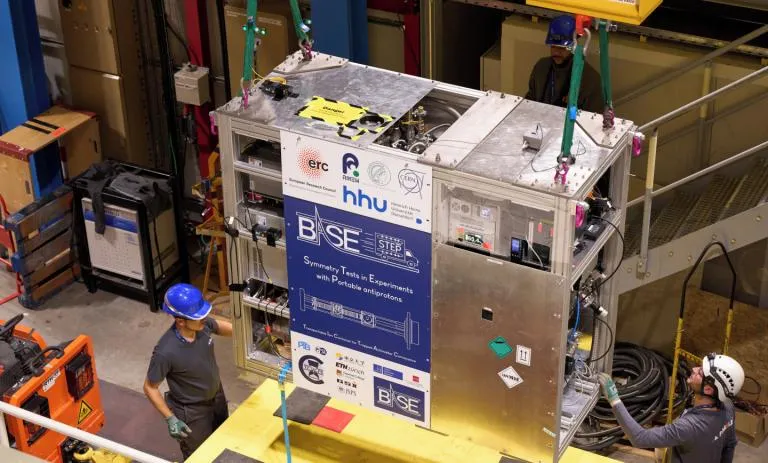
Moving antimatter beyond the lab For decades, antimatter experiments have been bound to a single place: the laboratory in which the particles are produced and trapped. At CERN’s Antimatter Factory, antiprotons are routinely produced, decelerated and confined in Penning traps, where electric and magnetic fields are used to store charged particles for high-precision studies. Yet
-
CERN’s BASE-STEP: A Leap Forward in Antimatter Transport
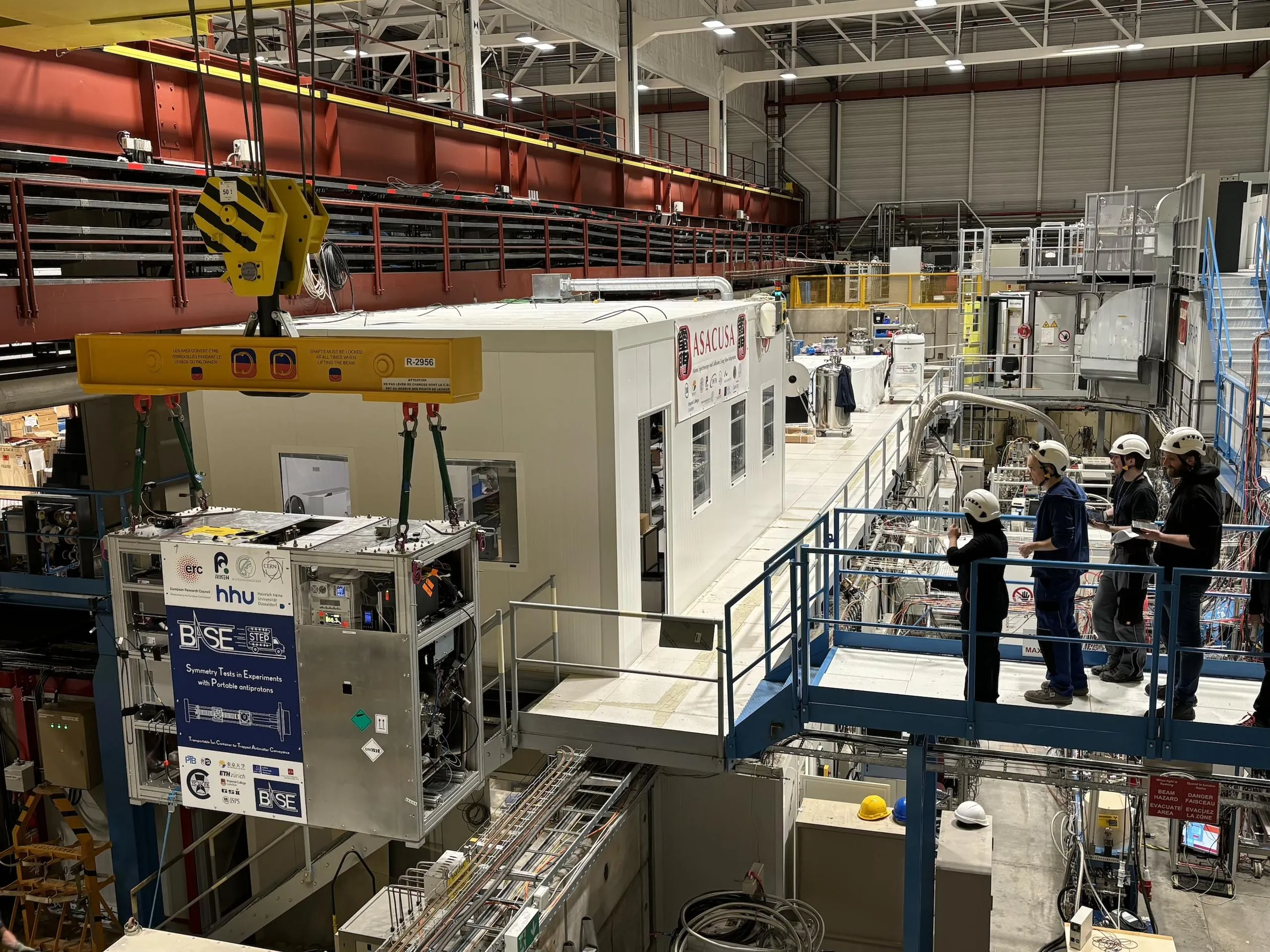
CERN's BASE-STEP: A Leap Forward in Antimatter Transport Antimatter, often portrayed as the elusive counterpart to ordinary matter, has long captivated the scientific community with its potential to unlock some of the universe's most profound mysteries. Yet, one of the most significant challenges in studying antimatter is its inherent instability—it annihilates upon contact with matter,
-
Testing CPT-symmetry and the Weak Equivalence Principle with Proton/Antiproton Clock Comparisons
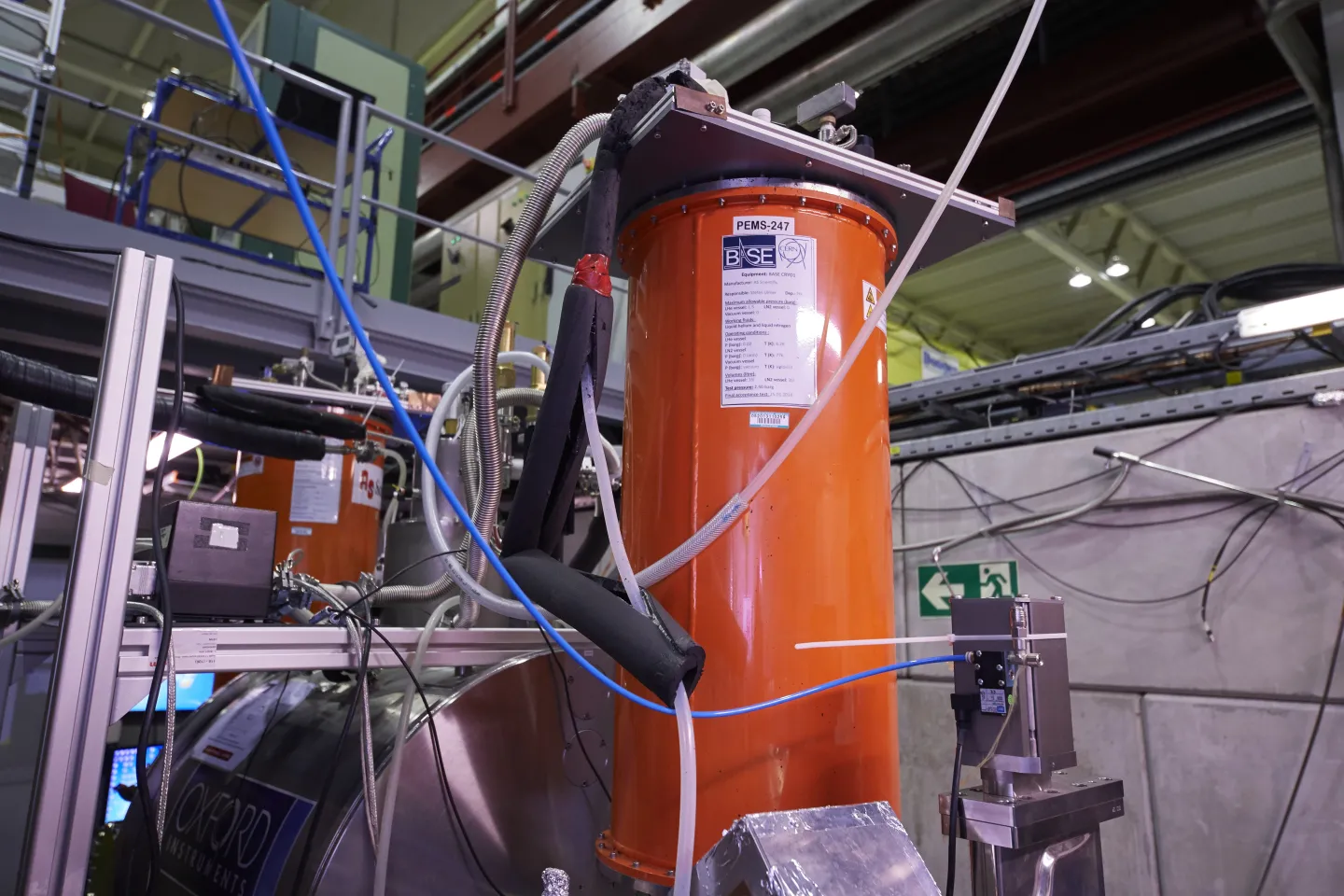
Testing CPT-symmetry and the Weak Equivalence Principle with Proton/Antiproton Clock Comparisons Even though the Standard Model of Particle Physics is incredibly successful and provides extremely accurate predictions for many physical quantities and mechanisms, the model is known to be incomplete. For instance, it fails in explaining the staggering abundance of matter compared to antimatter observed
-
Prestigious Award for Quantum Logic Spectroscopy
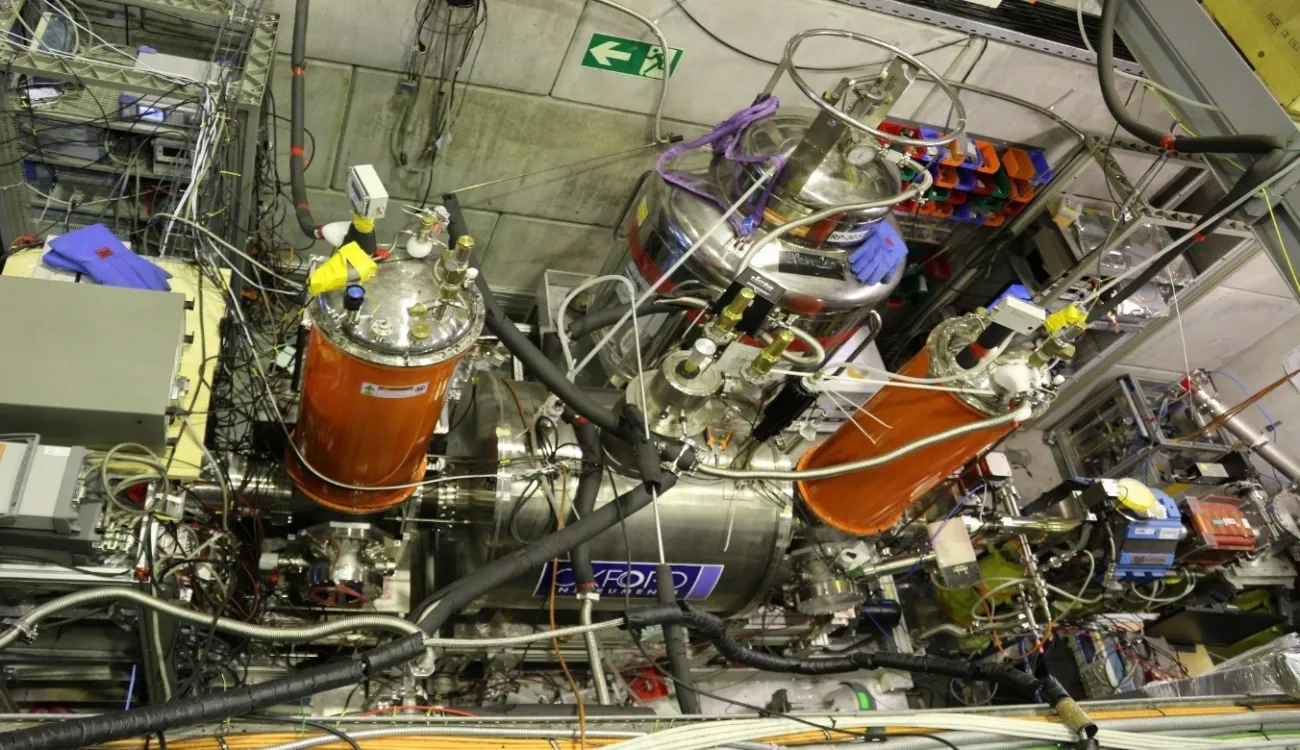
Prestigious Award for Quantum Logic Spectroscopy In October, the prestigious Dissertation Prize of the Section Atoms, Molecules, Quantum Optics and Plasmas (SAMOP) of the German Physical Society was awarded to Peter Micke for his seminal work demonstrating quantum logic spectroscopy on highly charged ions (HCI) [1]. He completed his PhD in Piet O. Schmidt’s group
-
Cooling a particle from a trap away
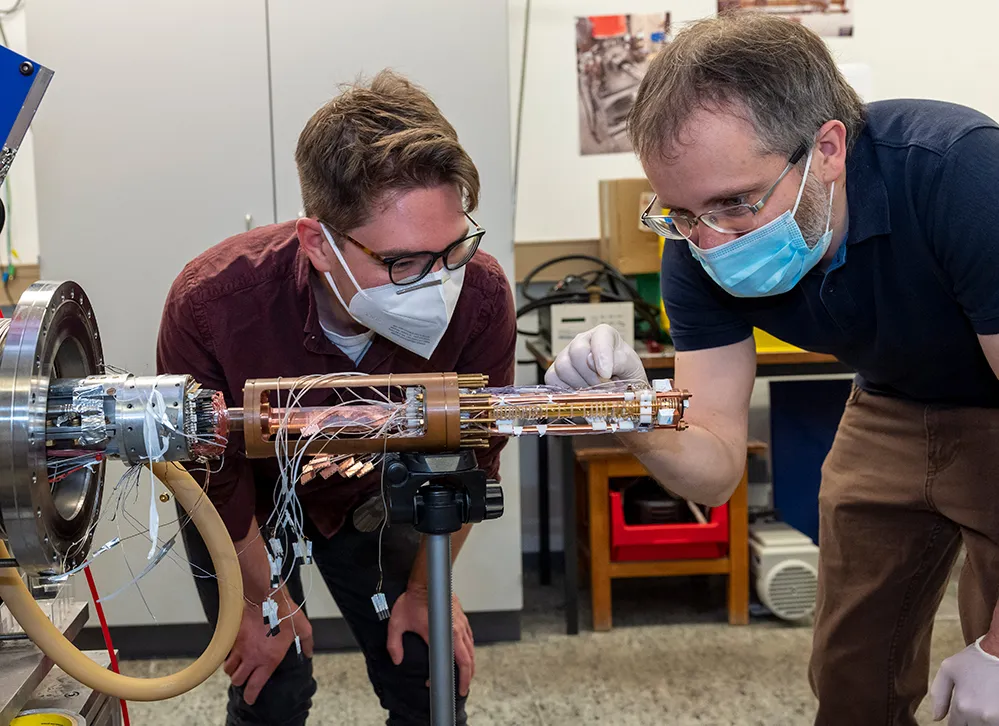
Cooling a particle from a trap away The BASE experiment, located at CERN’s Antiproton Deccelerator (AD) performs some of the most precise measurements with antimatter in the world – namely measuring the magnetic moment and charge-to-mass ratio of a single trapped antiproton. With these measurements, BASE, along with other experiments at the AD, is attempting
-
BASE develops a new technique to detect ultralight dark matter.
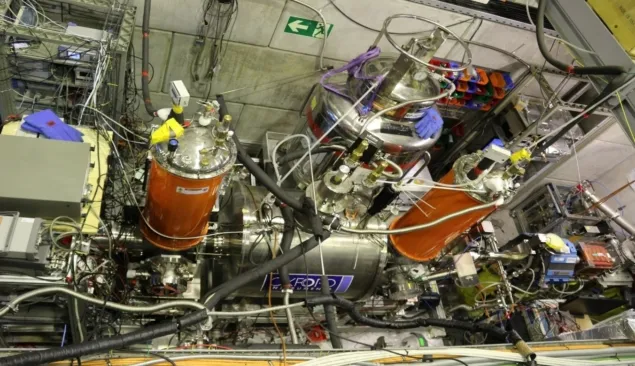
BASE develops a new technique to detect ultralight dark matter. In a recent work published in Physical Review Letters [1], the Baryon Antibaryon Symmetry Experiment (BASE) at CERN has placed new limits on a possible coupling between photons and hypothetical axionlike dark matter particles with masses between 2.7906-2.7914 neV. We evaluated the signals from our
-
A mobile antiproton reservoir for precision measurements
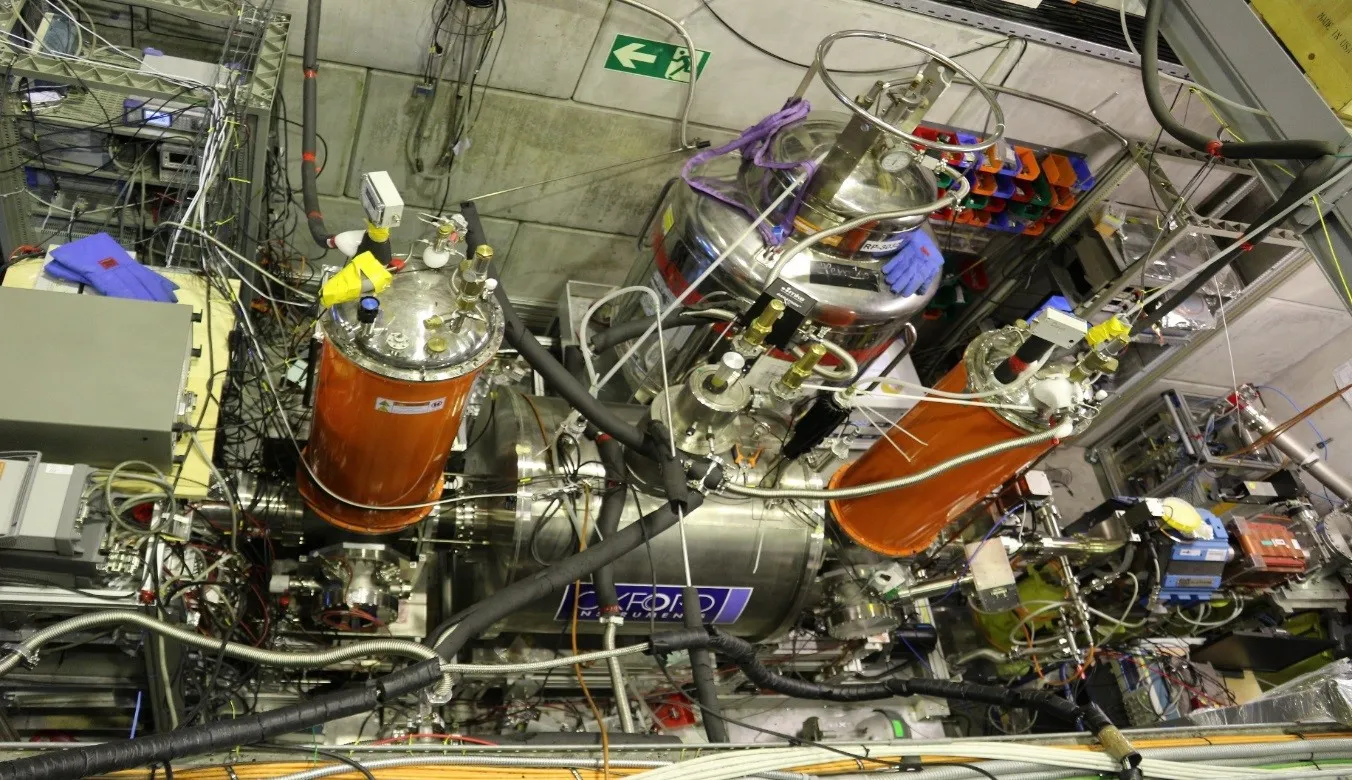
A mobile antiproton reservoir for precision measurements The BASE collaboration has performed the most precise measurements of the fundamental properties of the antiproton in order to test CPT invariance as fundamental symmetry of the Standard Model [1, 2] and to search for dark matter-antimatter couplings [3]. The course of continuing this journey is set towards
-
BASE probes antimatter – dark matter interaction
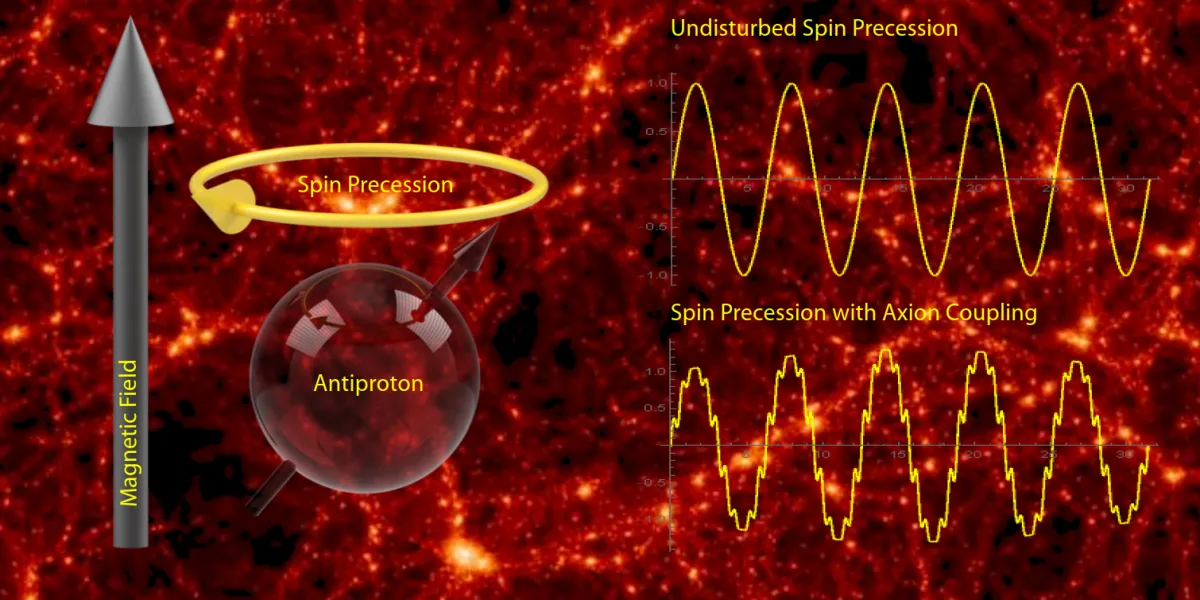
BASE probes antimatter – dark matter interaction In a recent paper, the BASE collaboration presented results from a direct search for interactions of antimatter with dark matter and placed direct constraints on the interaction of ultralight axion-like particles (dark-matter candidates) with antiprotons. Their analysis constrained the value of the axion–antiproton interaction parameter in the range
-
How heavy is the proton?
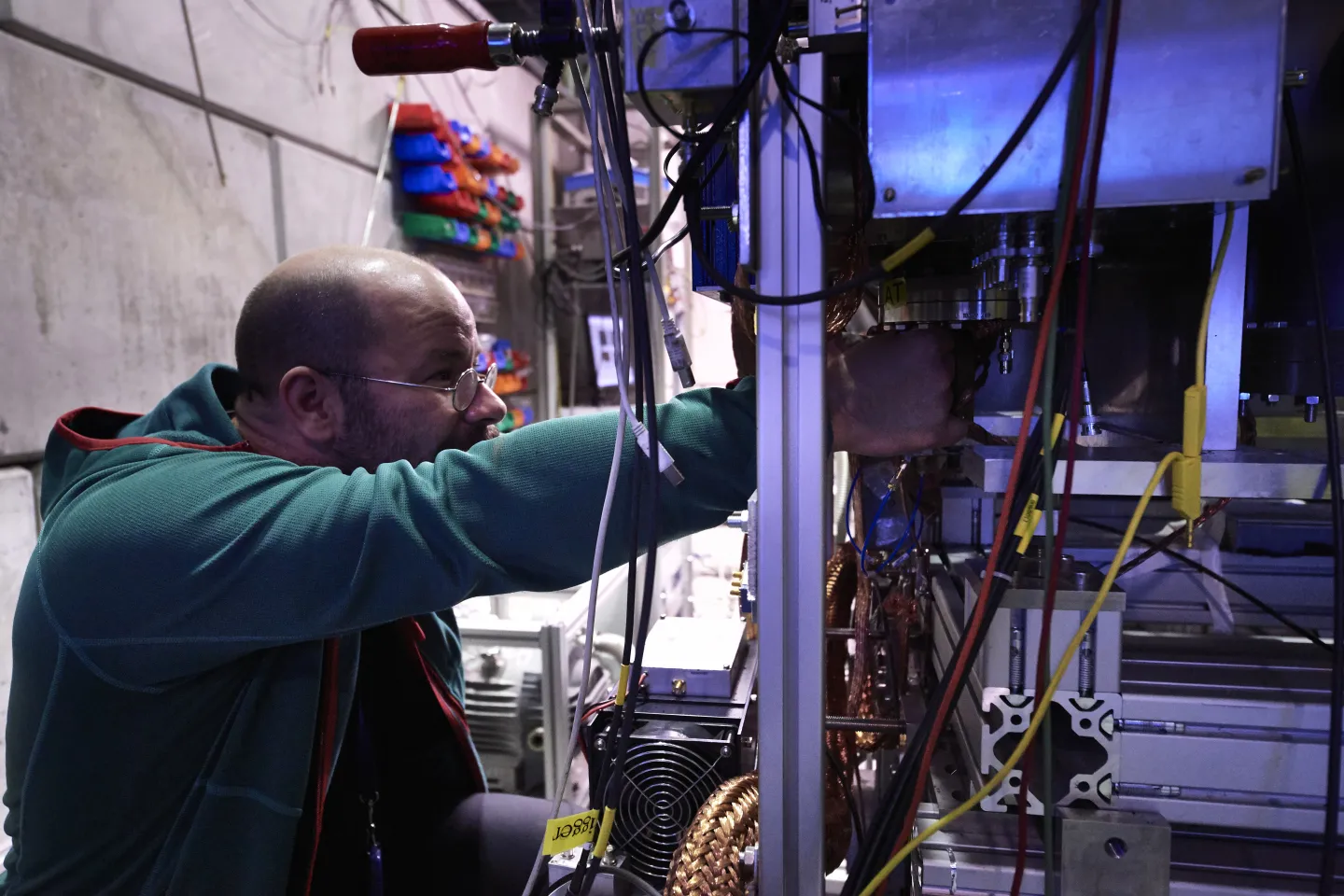
How heavy is the proton? To determine the mass of a single proton more accurately, the group of physicists from the Max Planck Institute for Nuclear Physics in Heidelberg and RIKEN in Japan performed an important high-precision measurement in a greatly advanced Penning trap system. The sensitive single-particle detectors were partly developed by the RIKEN