
Tag: December 2021 – February 2022
-
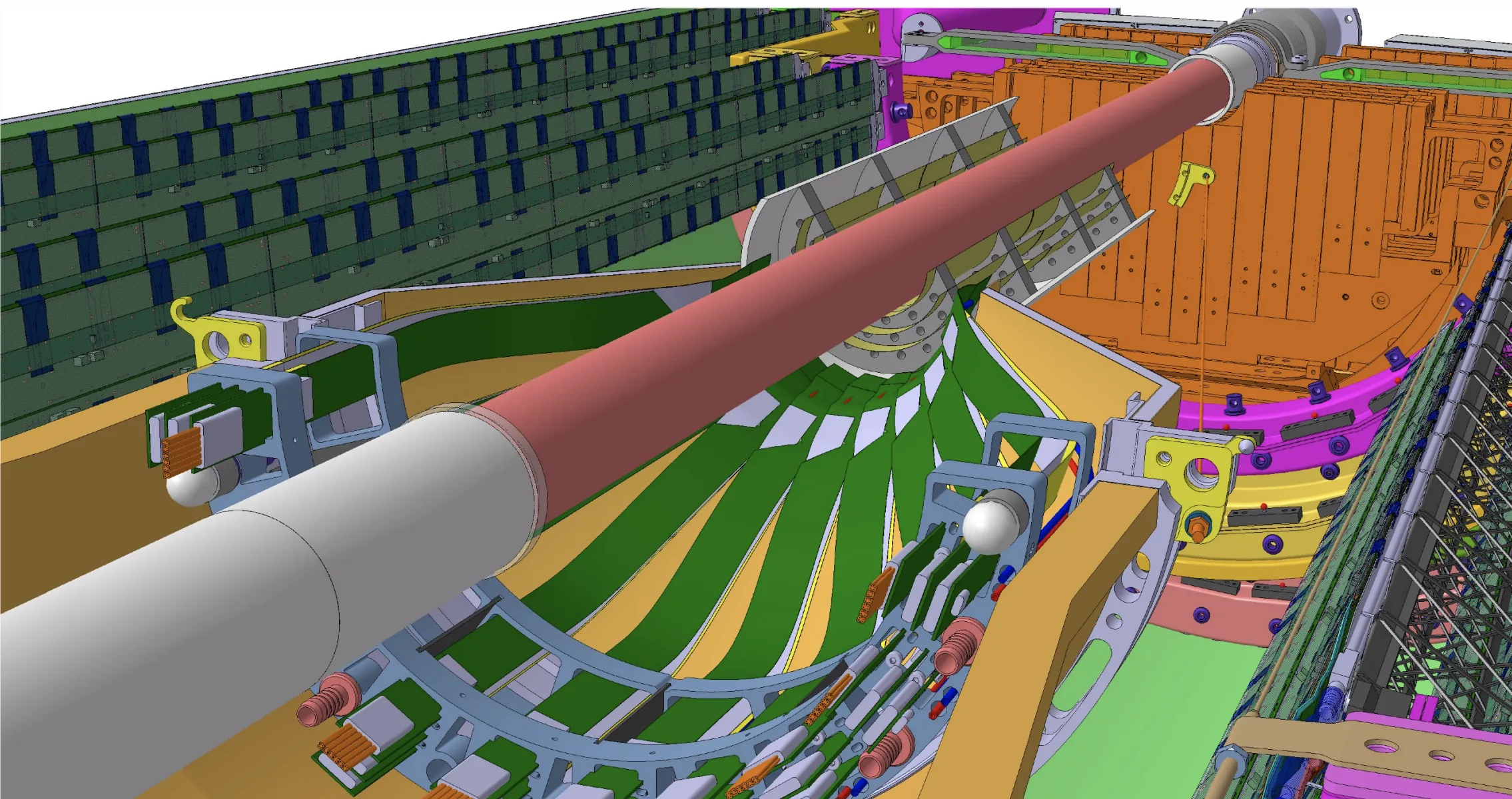
ALICE ITS3 clears major milestone
ALICE ITS3 clears major milestone With the R&D for the first truly cylindrical detectors based on ultra-thin, bent, wafer-scale monolithic silicon sensors, the ALICE collaboration aims at installing new vertex layers (“ITS3”) in LHC Long Shutdown 3. The envisioned setup comprises 6 Monolithic Active Pixel Sensors (MAPS) of more than 20 cm lengths arranged in
-
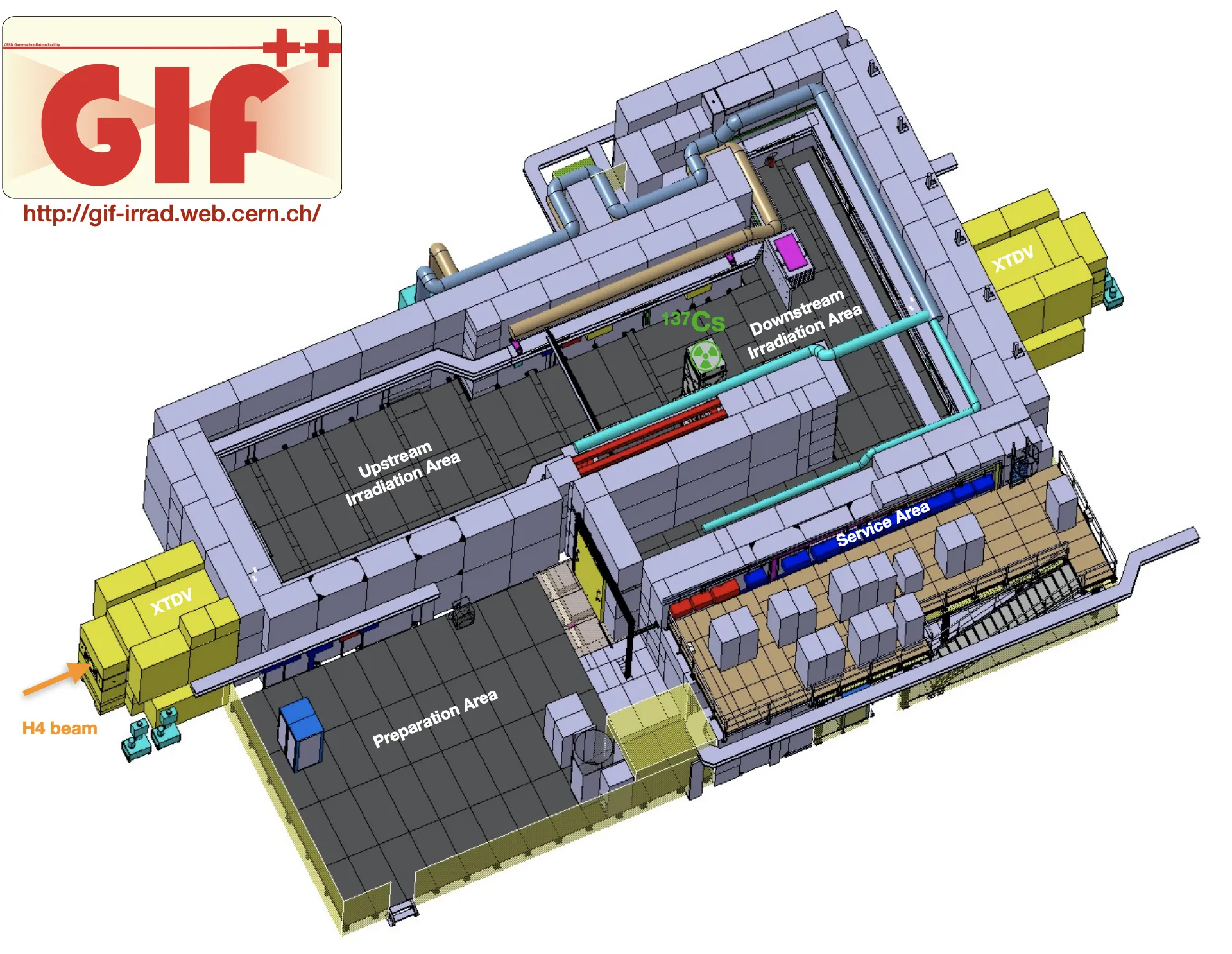
The Gamma Irradiation Facility GIF++ during and beyond Run 3
The Gamma Irradiation Facility GIF++ during and beyond Run 3 The two CERN Irradiation facilities operated by EP-DT – the IRRAD in the PS East Area and the GIF++ in the SPS North Area – deliver essential services to the HEP community, with the focus on validating and optimising detector technologies for the High-Luminosity upgrade
-
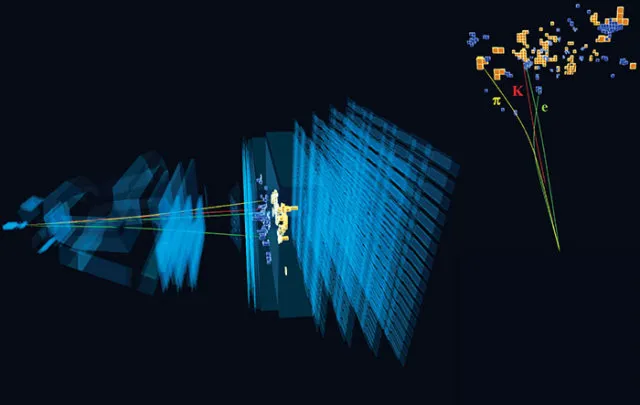
Flavour anomalies tracking attention
Flavour anomalies tracking attention The Flavour Anomaly workshop took place in a successful hybrid format at the main Auditorium at CERN and the virtual world on 20th October. Pass sanitaire and workshop badge in hand, more than 80 participants could attend the event in person, while 500 more followed it by Zoom with lively interaction
-
New prospects for the Physics Beyond Colliders programme
New prospects for the Physics Beyond Colliders programme Particle physics is often equated with high energy collider experiments. However, over recent years it has become increasingly clear that high intensity and high precision experiments offer significant, complementary opportunities to explore physics beyond the Standard Model. CERN’s accelerator complex offers an unprecedented variety of beams and
-
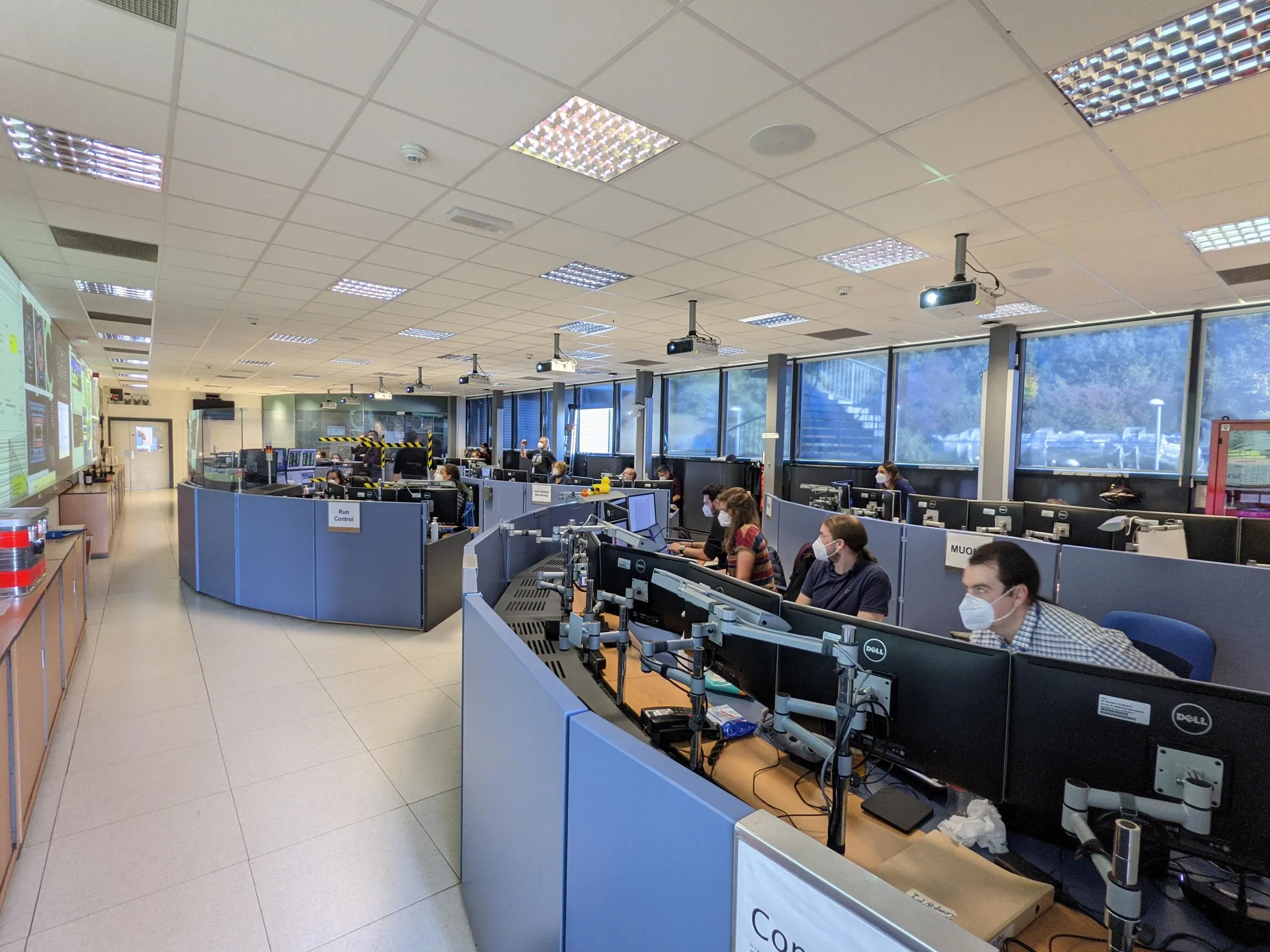
ATLAS prepares for Run 3 as protons are back in the LHC
ATLAS prepares for Run 3 as protons are back in the LHC Since the start of LS2, ATLAS has undergone an intense maintenance and consolidation programme to meet the challenges of Run 3 of the LHC, and fully exploit the available physics opportunities. This includes the installation and commissioning of new detectors and electronics thus
-
PHYSTAT – Systematics Workshop
PHYSTAT – Systematics Workshop The PHYSTAT-Systematics meeting, held remotely in early November, was the latest in a series of PHYSTAT events. Begun in 2000, these were the first Workshops focused on statistical issues in particle physics. They started at CERN, which has hosted 3 further meetings. An important feature of PHYSTAT events is the participation
-
Introducing the “25 by 25” initiative
Introducing the "25 by 25" initiative The principles of diversity and inclusiveness are enshrined in CERN’s Code of Conduct. They have been strategic for CERN as they lie at the heart of excellence while also reflecting the diversity of its Member States. Furthermore, the need to intensify the efforts to meet these principles is reflected
-
Findings of the ECFA Roadmap for R&D on Detector Technologies
Findings of the ECFA Roadmap for R&D on Detector Technologies In two previous newsletter editions (1, 2) the process to develop a Roadmap for R&D on Detector Technologies was reported. As recommended in the European Strategy for Particle Physics Update (EPPSU) (3), ECFA has set up the Detector R&D Panel which has led this process.
-
Medipix3 reaches the clinic
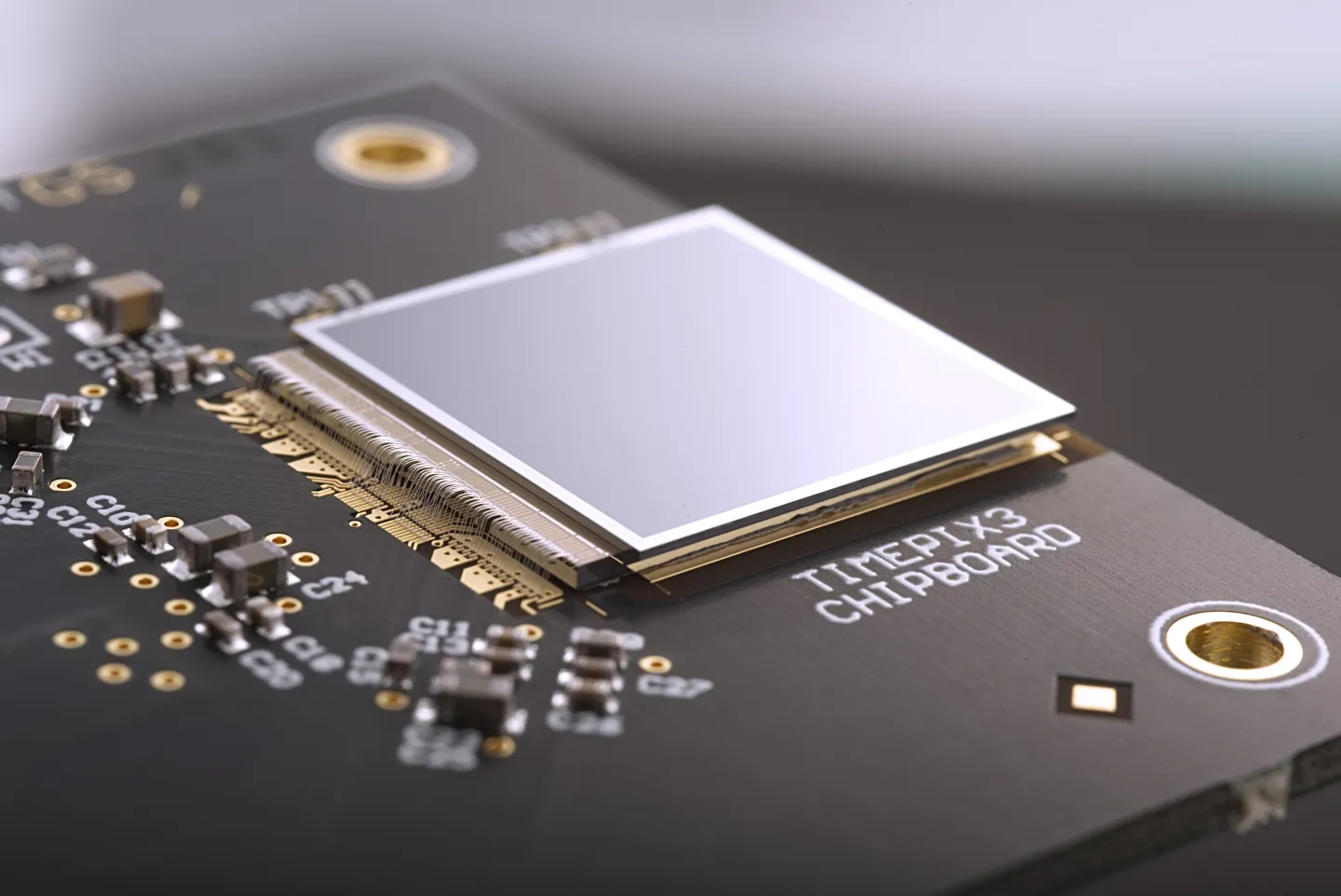
Medipix3 reaches the clinic In early October, the CERN Medipix Team (EP-ESE-ME) visited the newly installed Medipix3-based spectroscopic CT scanner at the Lausanne University Hospital CHUV, Lausanne. The 3D colour X-ray scanner has been developed in New Zealand by MARS Bioimaging, a spin-out company of the University of Canterbury which is a member of the
-
Prestigious Award for Quantum Logic Spectroscopy
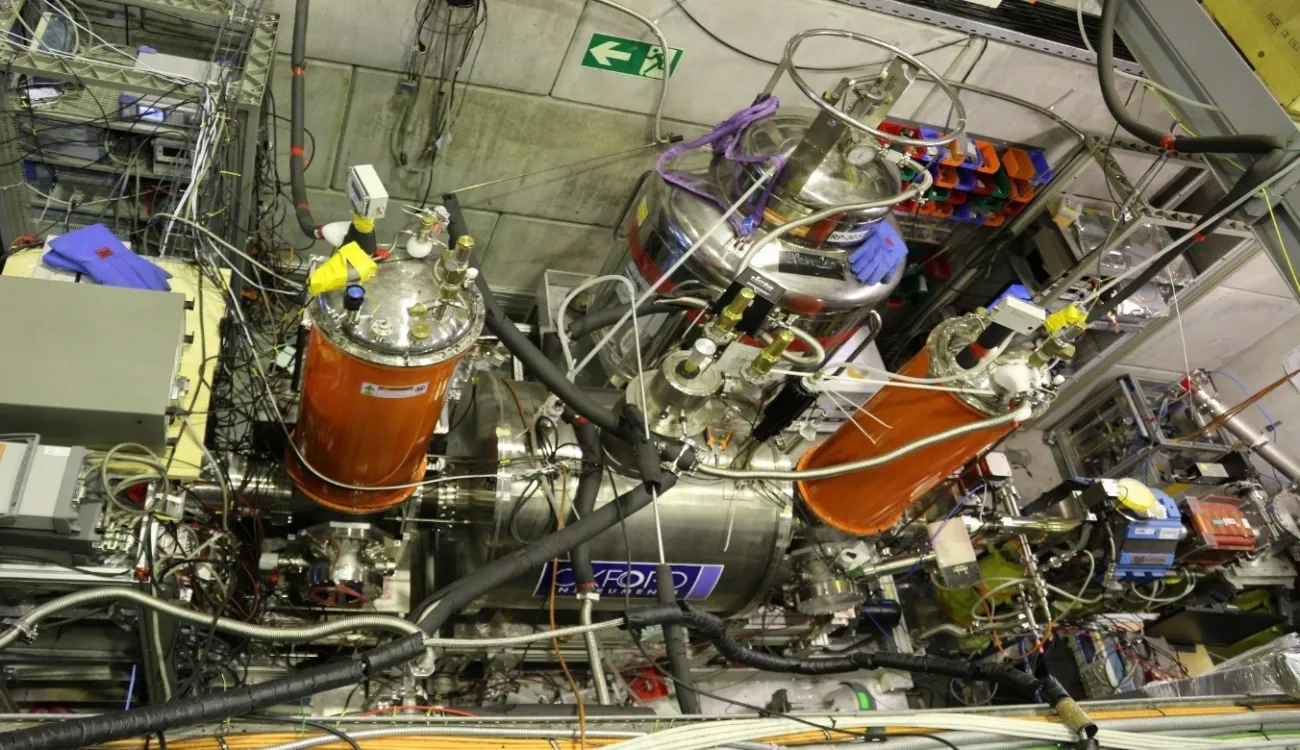
Prestigious Award for Quantum Logic Spectroscopy In October, the prestigious Dissertation Prize of the Section Atoms, Molecules, Quantum Optics and Plasmas (SAMOP) of the German Physical Society was awarded to Peter Micke for his seminal work demonstrating quantum logic spectroscopy on highly charged ions (HCI) [1]. He completed his PhD in Piet O. Schmidt’s group