
Tag: Detector Design
-
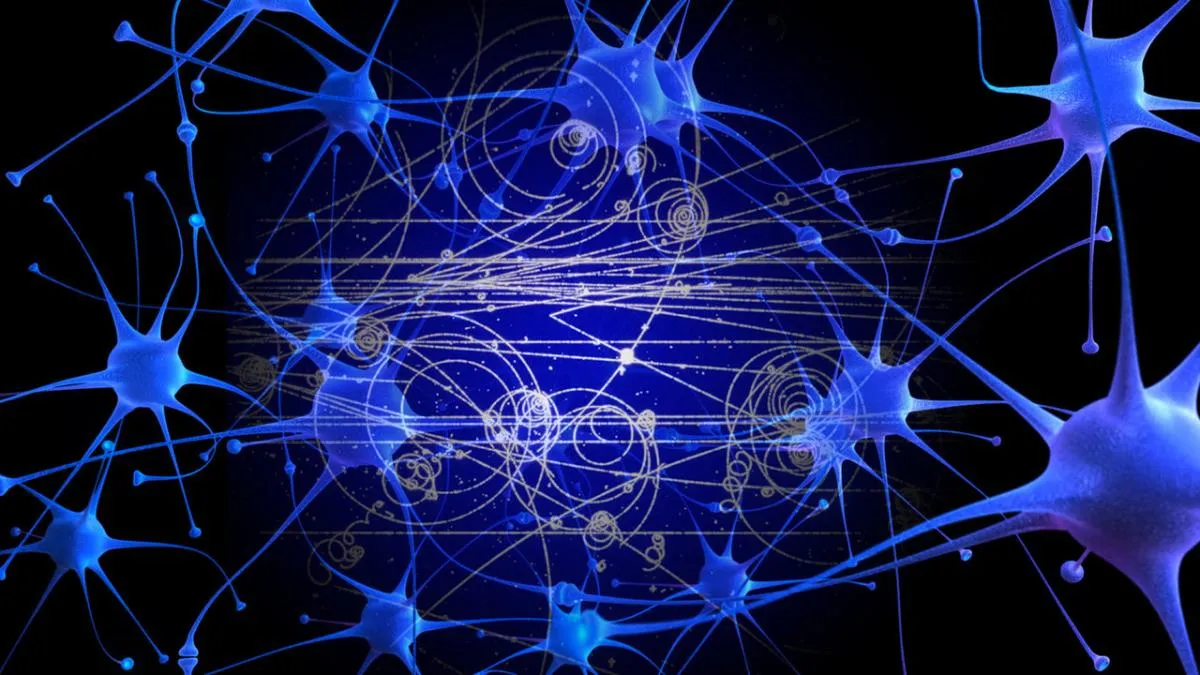
Machine learning for new Detector Technologies
Machine learning for new Detector Technologies I have spent a considerable amount of my time as Master student in Physics in the late 70’s performing a fairly prosaic function that nevertheless required the presence of humans (physics professors, trained technicians and of course students): scanning thousands of BEBC pictures with (occasional) neutrino events, a task
-
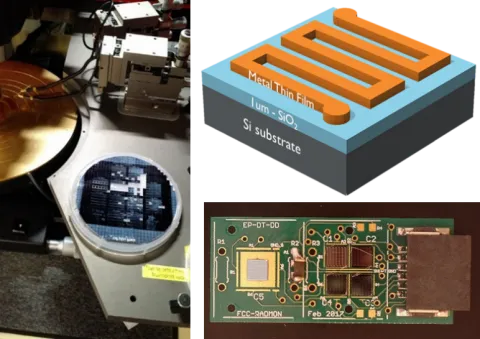
DT group: A year in review
DT group: A year in review In the beginning of June, the EP-DT group has published its Annual Report summarizing its yearly activities and offering an overview of major achievements and future collaborative plans. The Detector Technologies (DT) group comprises expertise in many key domains for advanced detector systems and engages in several detector projects
-
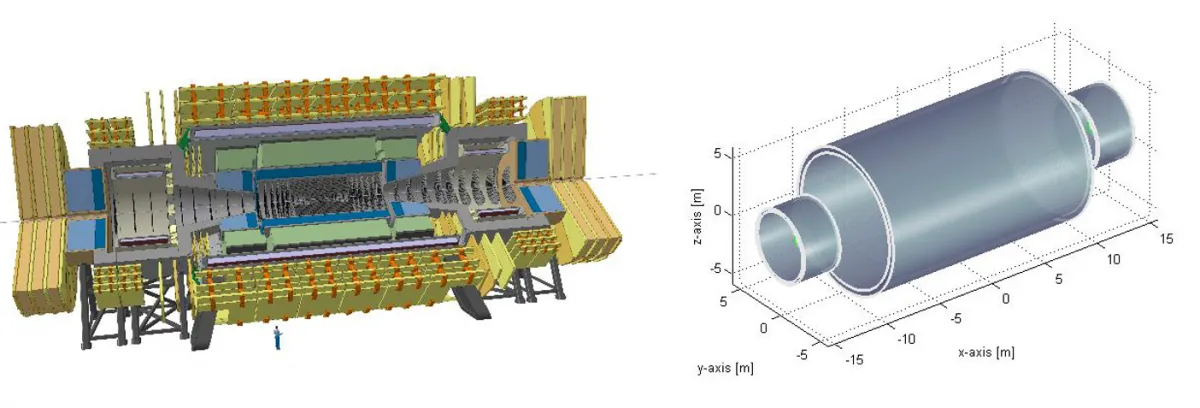
Towards an FCC-hh Detector Magnet System
Towards an FCC-hh Detector Magnet System The Future Circular Collider (FCC) study is well on its way, and will culminate in the publication of the Conceptual Design Report (CDR) early 2019. The most ambitious proposed future machine is a hadron-hadron accelerator (FCC-hh) of 100 km in circumference foreseeing proton-proton collisions at a center of mass
-
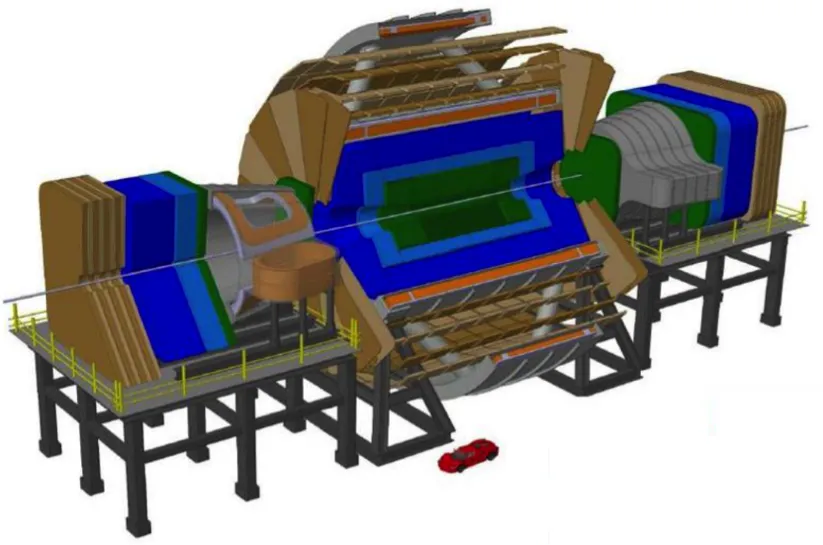
Design of Twin Solenoid & Dipoles Detector Magnet System for the Future Circular Collider
Design of Twin Solenoid & Dipoles Detector Magnet System for the Future Circular Collider The Future Circular Collider study for hadron-hadron collisions/collider (FCC-hh) foresees a collision energy of 100 TeV, which is about 7 times higher than the LHC. For the detectors this means that in order to determine the properties of the particles the