
Tag: high-energy physics
-

The ISOLDE Improvement Programme
The ISOLDE Improvement Programme The ISOLDE Improvement Programme (IIP) brings together a series of upgrades and consolidation activities to maintain and further develop the ISOLDE facility. The programme includes projects addressing the accelerator infrastructure, beam production, and delivery systems, and experimental facilities, with the objective of improving operational flexibility, reliability, and long-term sustainability. Among the
-
Building a Microelectronics Foundation for Tomorrow’s Detectors
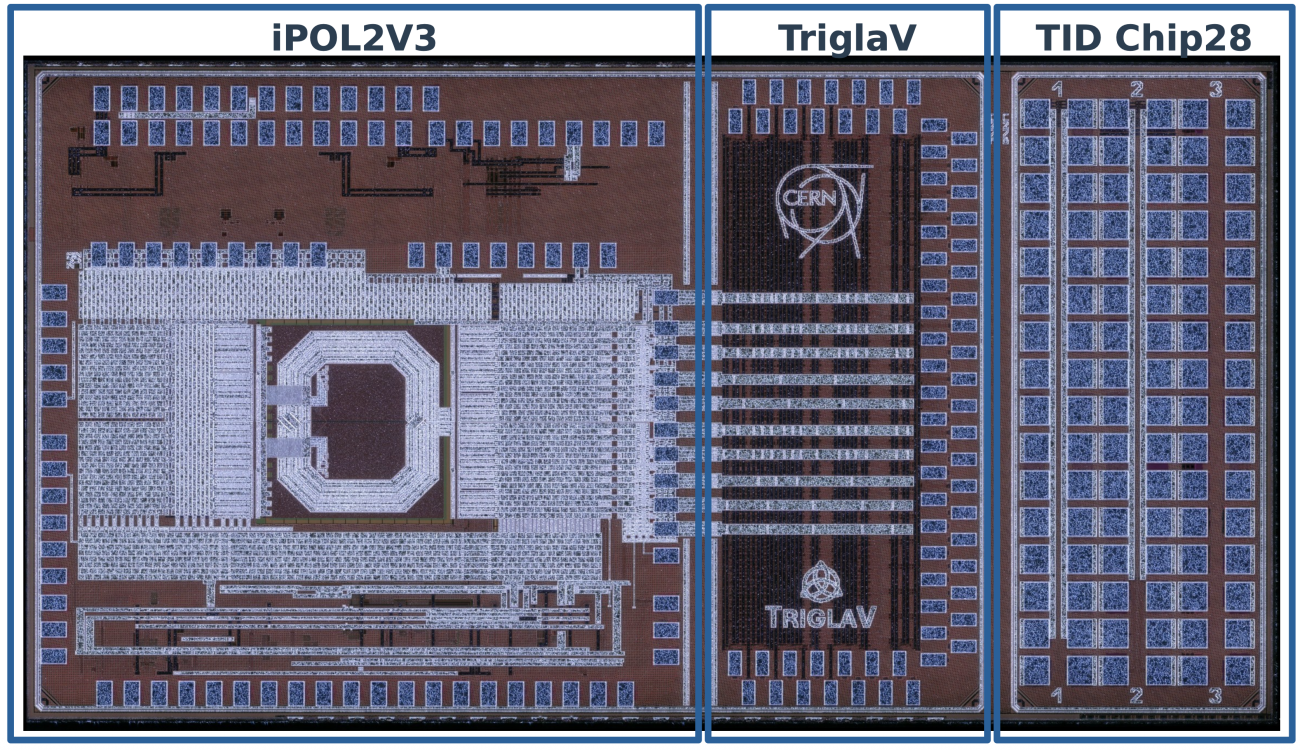
Building a Microelectronics Foundation for Tomorrow’s Detectors The challenge: smarter chips in harsher places Particle physics detectors have always pushed electronics to their limits. The next generation of tracking systems and calorimeters will depend critically on dense, intelligent, low power and radiation-hard microelectronics: front-end ASICs that can survive for decades in harsh environments, having their
-

New Staff Members and Fellows
New Staff Members and Fellows Maximilian Babeluk Hi, I’m Max. I recently joined the ALICE ITS3 team, where I work on sensor testing, functional verification, and in the future also chip design – particularly on MOSAIX. My main activities include testing and yield assessment across multiple integration levels (wafer probing to system tests), including data
-
What is the likelihood function, and how is it used in particle physics?
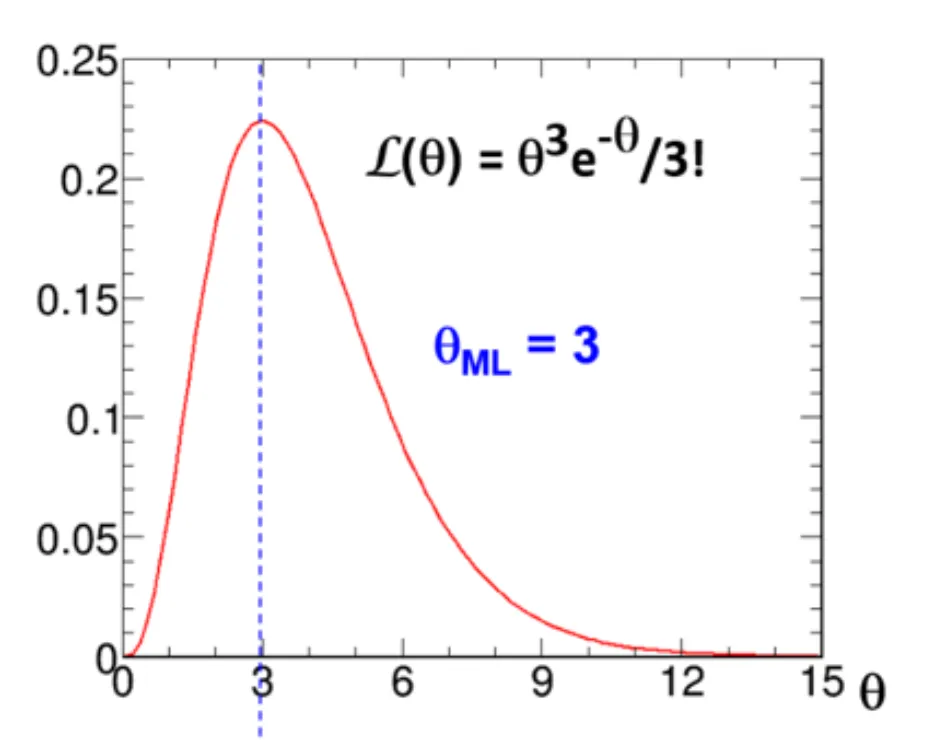
What is the likelihood function, and how is it used in particle physics? In statistical data analysis, “likelihood” is a key concept that is closely related to, but crucially distinct from, the concept of “probability”, which is often a synonym in everyday English. In this article, I first lay some necessary foundations for defining likelihood,