
Tag: HL-LHC
-
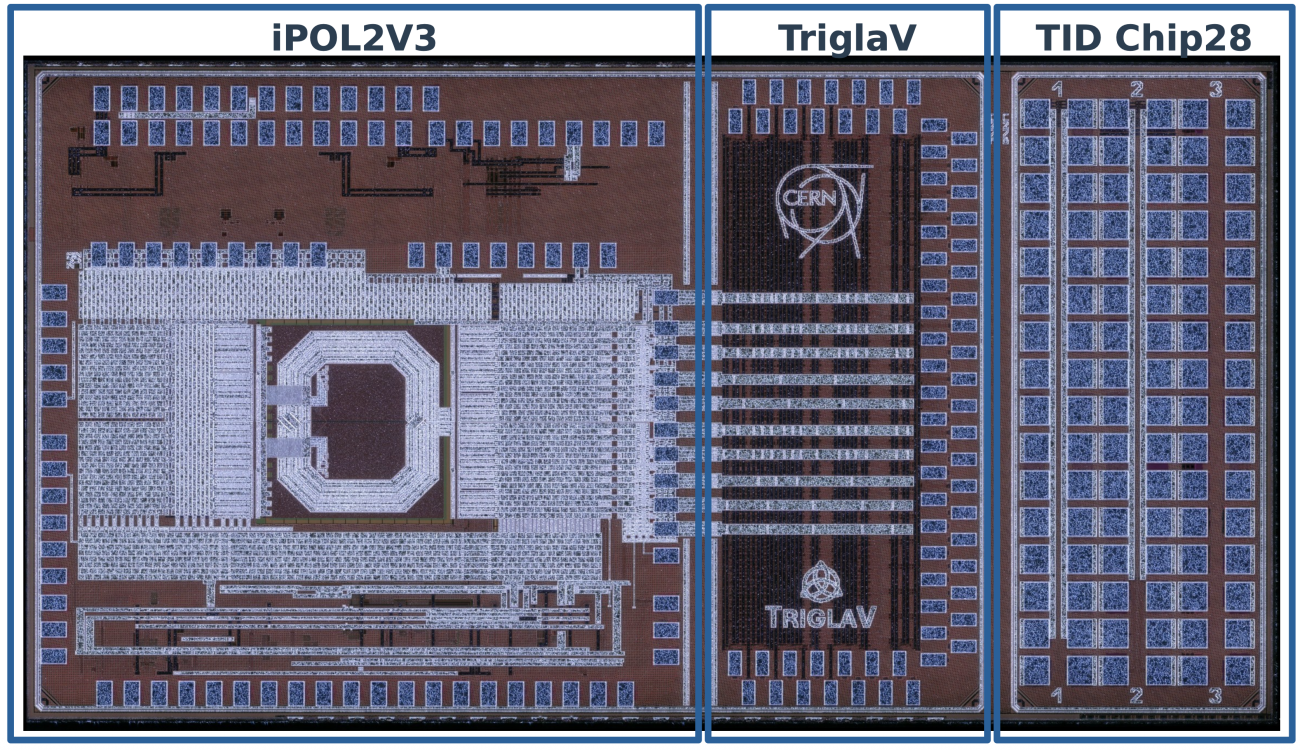
Building a Microelectronics Foundation for Tomorrow’s Detectors
Building a Microelectronics Foundation for Tomorrow’s Detectors The challenge: smarter chips in harsher places Particle physics detectors have always pushed electronics to their limits. The next generation of tracking systems and calorimeters will depend critically on dense, intelligent, low power and radiation-hard microelectronics: front-end ASICs that can survive for decades in harsh environments, having their
-

A word from the EP Department Head – Spring 2026
A word from the EP Department Head – Spring 2026 Dear Colleagues, It is my pleasure to share the first 2026 edition of the EP newsletter with you, in my new role as EP Department Head. CERN’s new management took office in January, with a revised structure of Sectors and Departments. In EP, we reorganised
-

A word from the EP Department Head – Spring 2026
A word from the EP Department Head – Spring 2026 Dear Colleagues, It is my pleasure to share the first 2026 edition of the EP newsletter with you, in my new role as EP Department Head. CERN’s new management took office in January, with a revised structure of Sectors and Departments. In EP, we reorganised
-
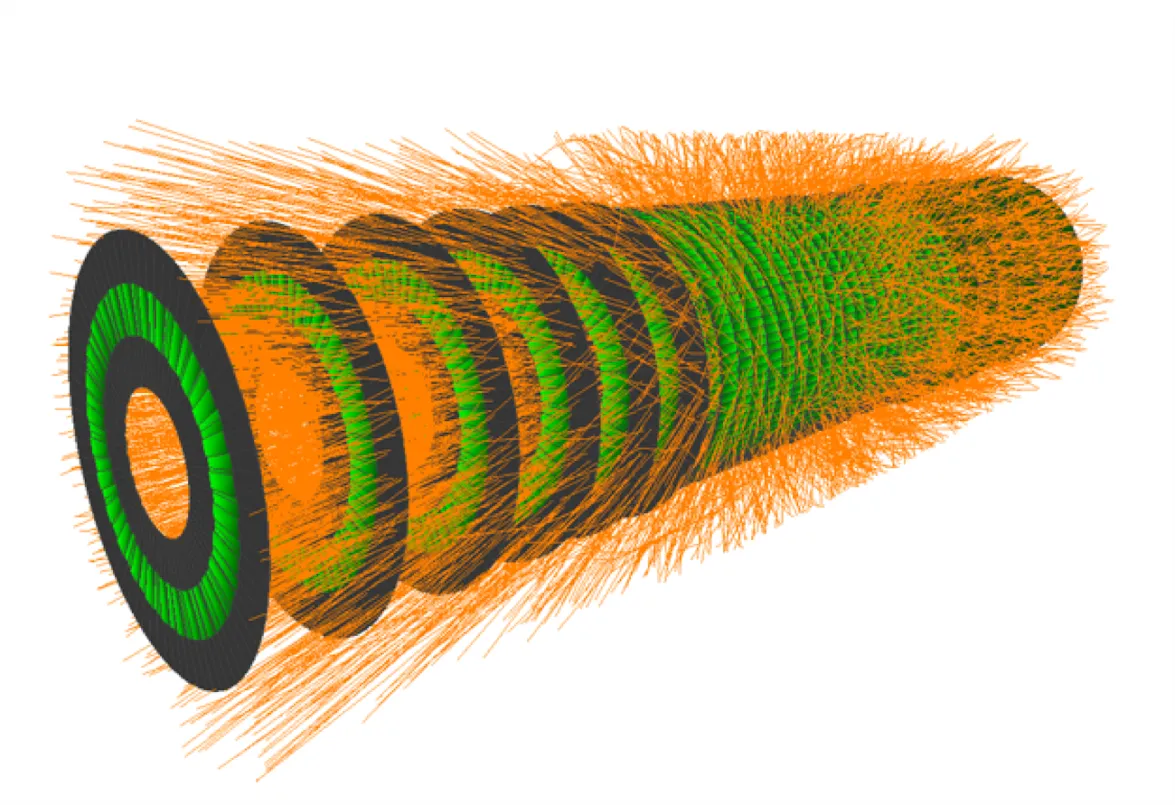
Can AI help us to find tracks?
Can AI help us to find tracks? Data science (DS) and machine learning (ML) are amongst the fastest growing sectors in science and technology, not at least due to their strong rooting in industrial and commercial applications. Global players such as Google, Facebook and Amazon have surpassed HEP in both, computing complexity and data volume.
-
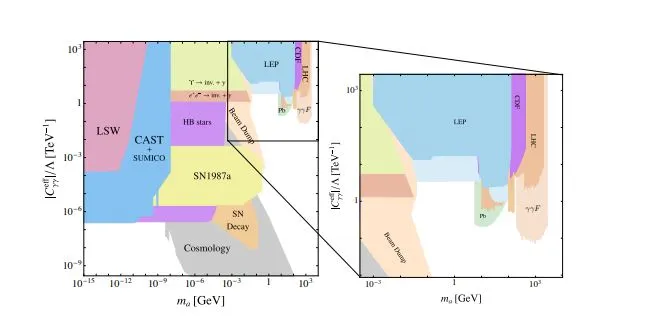
Axion-like particle searches at the LHC
Axion-like particle searches at the LHC The Standard Model (SM) of Particle Physics is plagued by some longstanding conceptual and practical questions, and we have to go beyond the Standard Model to address them. A guiding principle of the Standard Model is that we should expect to see all processes which are consistent with its
-
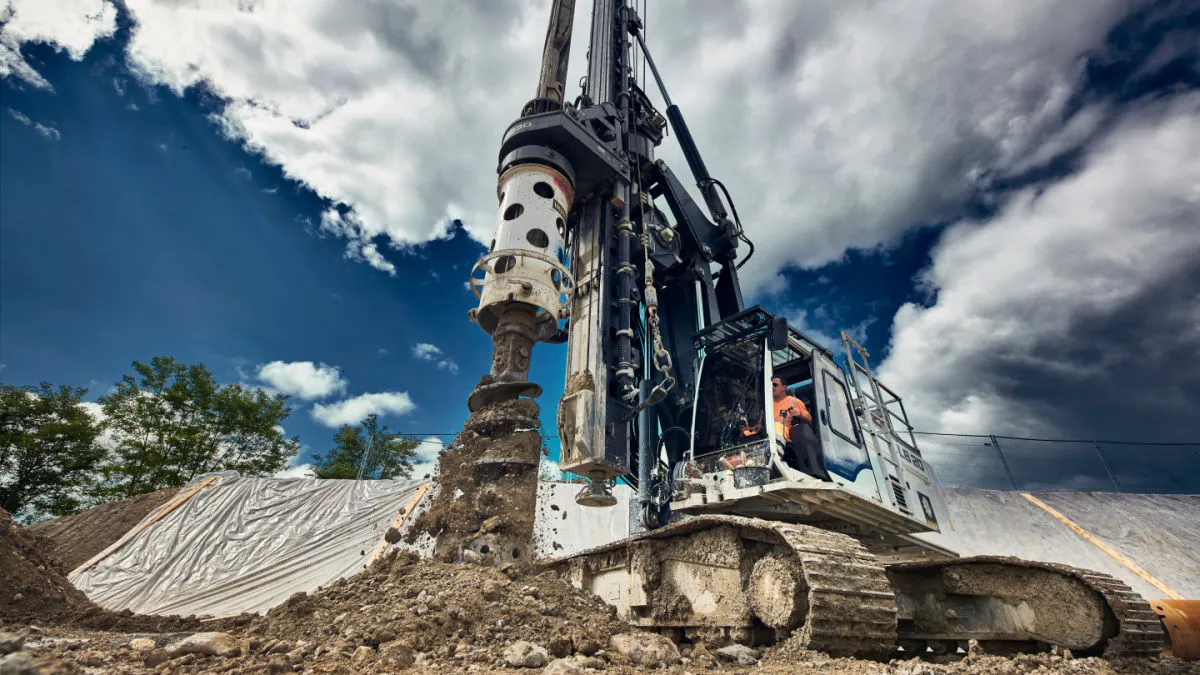
LHC’s upgrade takes shape
LHC's upgrade takes shape A ground-breaking ceremony was held on the 15th of June, to celebrate the start of civil engineering work for a major upgrade to the LHC . When completed in 2026, the HL-LHC will produce a five to seven times higher rate of proton-proton collisions, providing better statistics and powering new discoveries
-

Weighing up the LHC’s future
Weighing up the LHC’s future As the LHC’s 2017 run drew to a close late last year, CERN hosted a workshop addressing future physics opportunities at the flagship collider. The first workshop on the physics of High-Luminosity LHC (HL-LHC) and perspectives at High-Energy LHC (HE-LHC) took place from 30 October to 1 November, attracting around
-
Developing radiation hardness electronics for future detectors
Developing radiation hardness electronics for future detectors Particle colliders generate an extremely large amount of high-energy interactions in order to produce and detect very rare events that can be used to improve our understanding of the underlying physical laws. In doing so, a significant background is generated, which in turn degrades the performance of the
-
The Lifetime Frontier
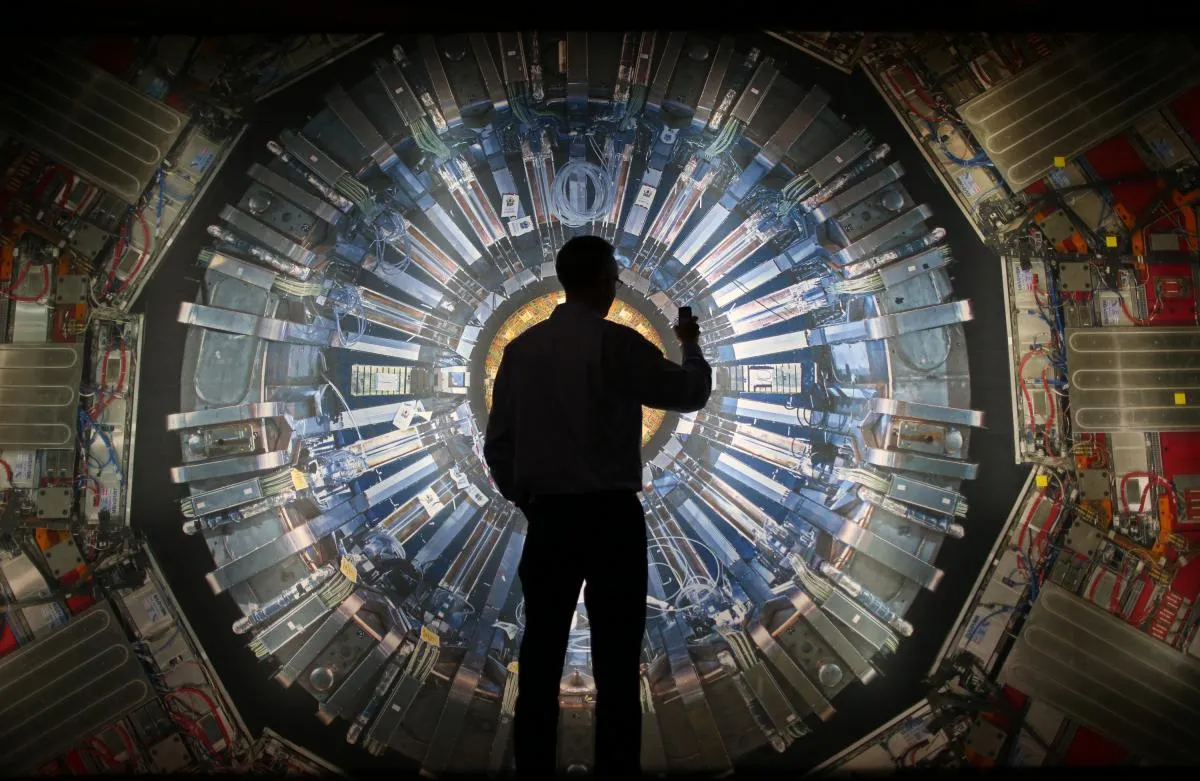
The Lifetime Frontier It bear repeating that there must be physics Beyond the Standard Model (BSM). The triumphant discovery of the 125 GeV Higgs Boson sharpens the Hierarch Problem, with naturalness suggesting new particles at the TeV scale. A multitude of interlocking astrophysical and cosmological observations give us great confidence in the existence of BSM
-
LHC community prepares the High Luminosity Upgrades
LHC community prepares the High Luminosity Upgrades With the approval of the CERN Council in June 2016, the LHC is now moving toward execution of the High Luminosity upgrades. As well, after the first step of approval by scientific committees at the end of 2015, the ATLAS and CMS collaborations were encouraged by the Resource