
Tag: July 2025 – September 2025
-
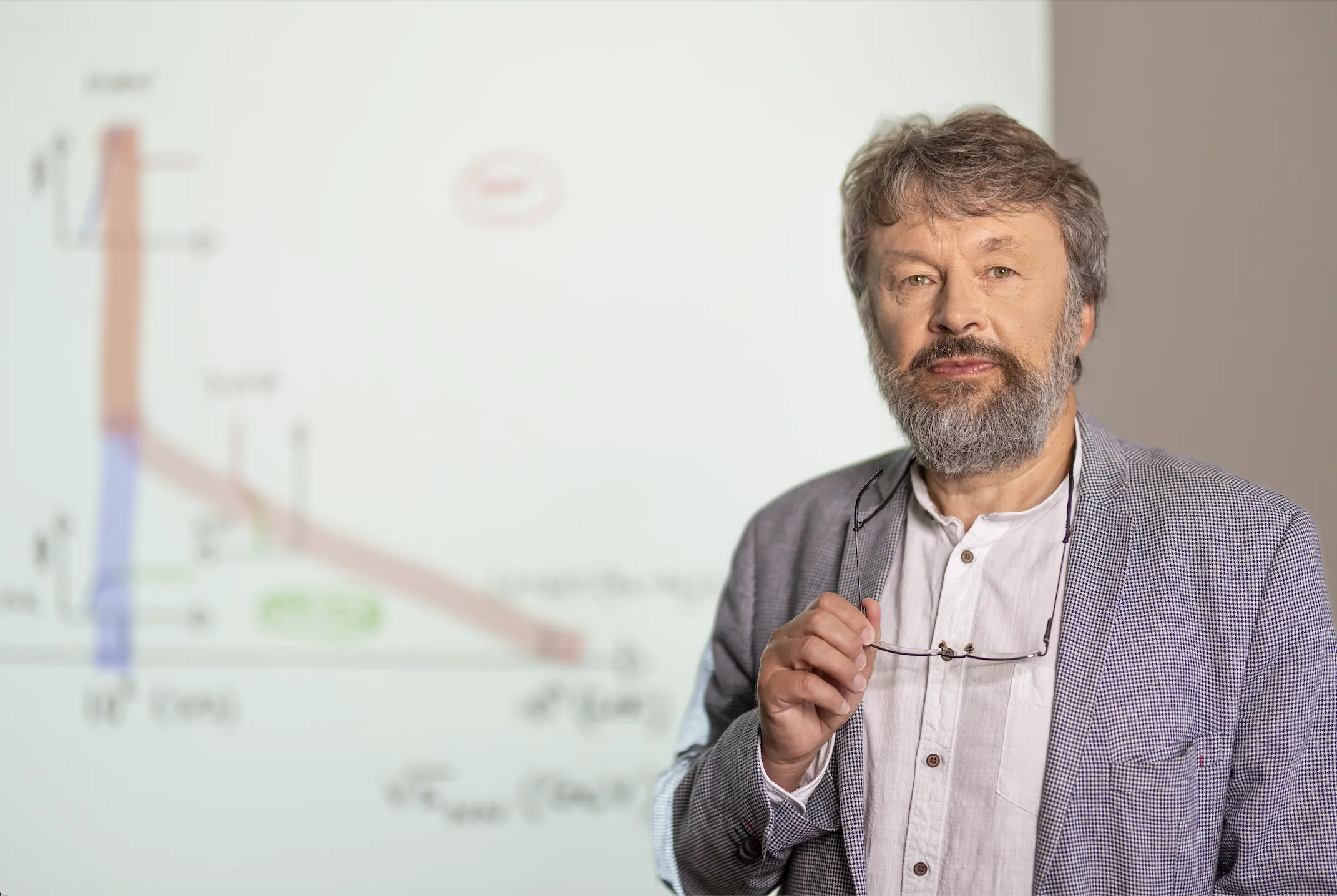
Marek Gazdzicki: Four Decades at the SPS – and Still Surprised by Strong Interactions
Marek Gazdzicki: Four Decades at the SPS – and Still Surprised by Strong Interactions After nearly two decades at the helm of NA61/SHINE, Marek Gazdzicki reflects in this interview on a lifetime at the SPS — from proposing the world’s first two-dimensional scan of nuclear collisions to the unexpected discovery of a large isospin symmetry
-
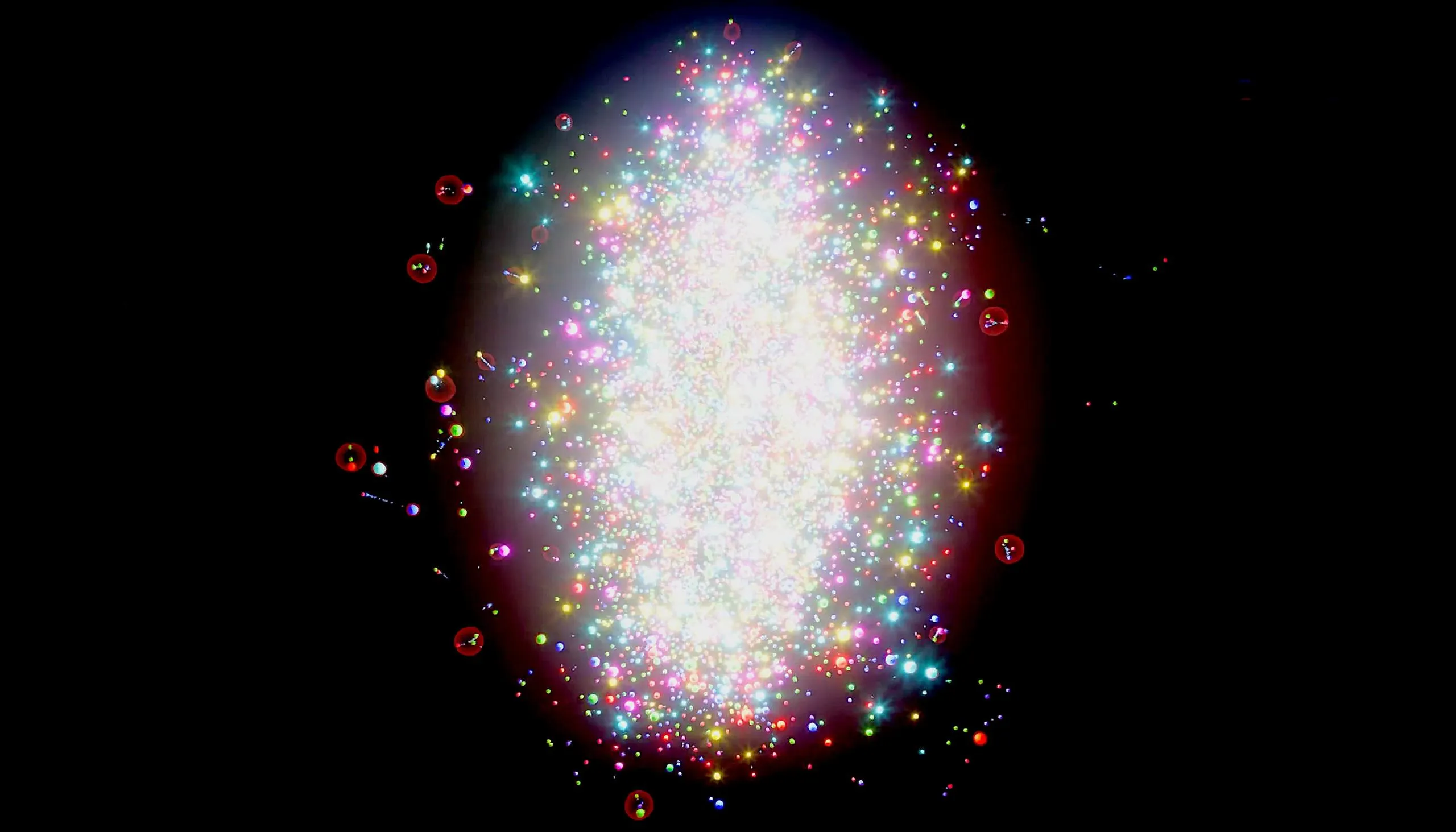
Light ions at the LHC: first results from oxygen–oxygen and neon–neon collisions
Light ions at the LHC: first results from oxygen–oxygen and neon–neon collisions This summer, the Large Hadron Collider (LHC) delivered its first-ever collisions between light ions, opening a new chapter in the study of nuclear structure and the quark–gluon plasma (QGP) – the extreme state of matter that existed in the first instants of the
-
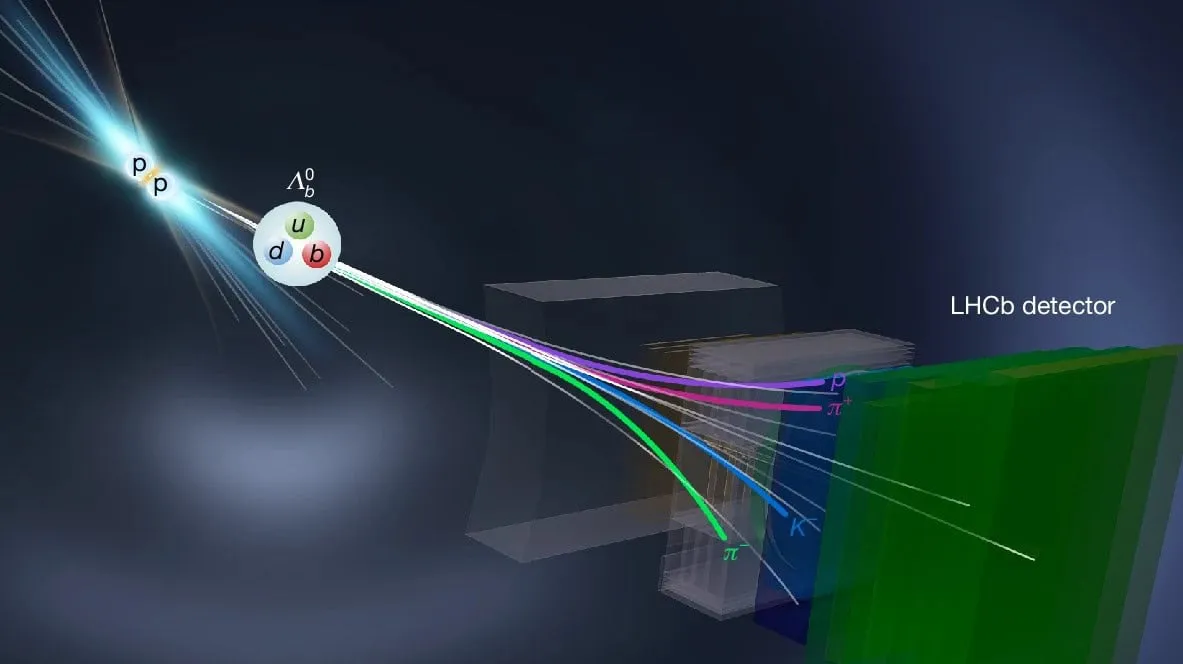
The Asymmetry of the Universe: First Observation of CP Violation in Baryons
The Asymmetry of the Universe: First Observation of CP Violation in Baryons “What is that which always is and has no becoming, and what is that which becomes and never is?” — Plato, Timaeus 27d–28a It may sound like pure philosophy, yet for physicists it speaks to one of the most profound mysteries in physics:
-
Physics Briefing Book Released: A Key Step Toward the 2026 Update of the European Strategy for Particle Physics
Physics Briefing Book Released: A Key Step Toward the 2026 Update of the European Strategy for Particle Physics The Physics Briefing Book, a cornerstone document guiding the 2026 Update of the European Strategy for Particle Physics (ESPP), has been released by the Physics Preparatory Group (PPG) and is now available online. 🔗 Read the Physics
-
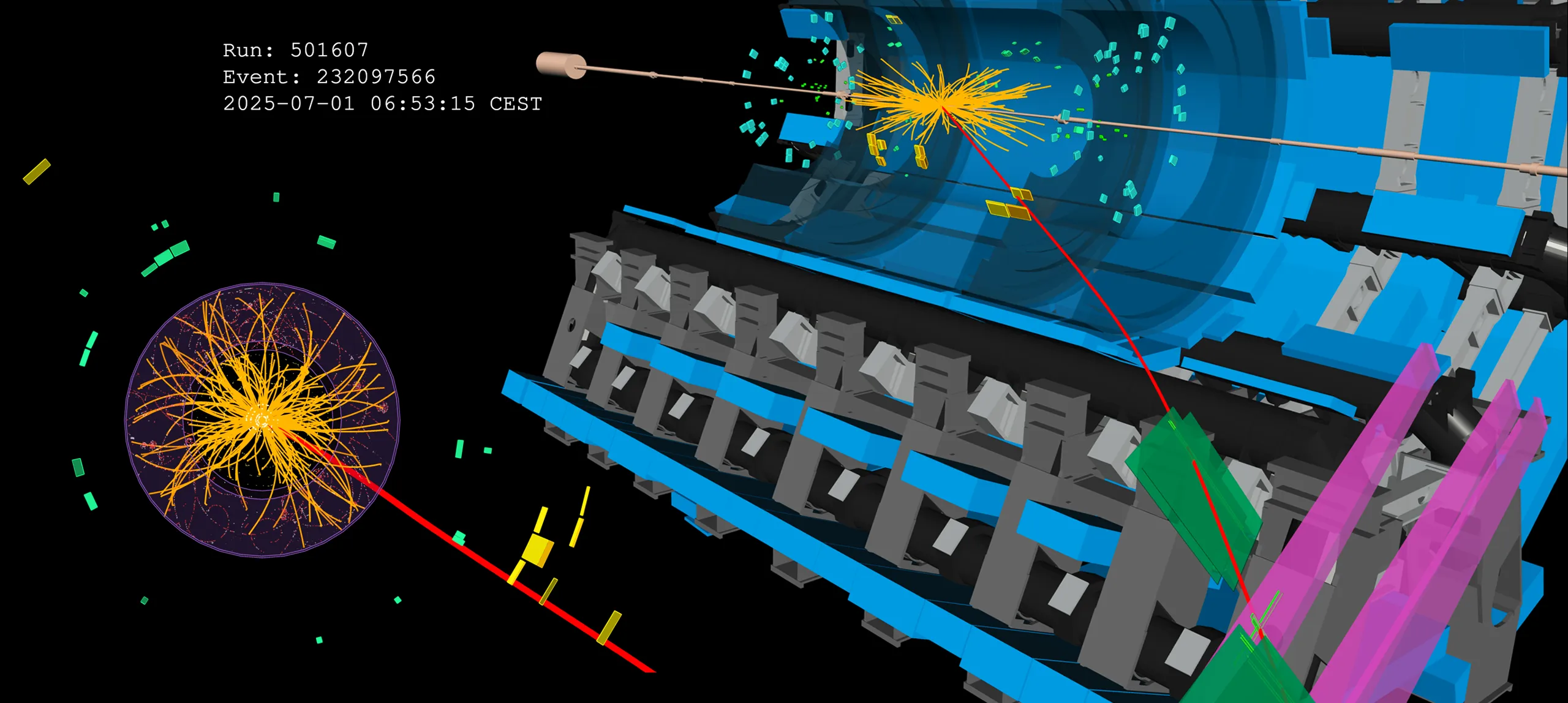
ATLAS explores the quark–gluon plasma with light-ion collisions
ATLAS explores the quark–gluon plasma with light-ion collisions In July 2025, ATLAS recorded the first-ever collisions of light ions at the LHC — oxygen–oxygen (O–O) and neon–neon (Ne–Ne) — marking a new phase in the study of strongly interacting matter. These short, intense runs provided a unique opportunity to explore the transition between conventional hadronic
-
A word from the EP Deputy Department Head – October 2025
A word from the EP Deputy Department Head – October 2025 It is my pleasure to introduce this latest issue of the EP newsletter, full of fascinating articles drawn from the breadth of activities going on in the CERN EP department and beyond. As the weather turns colder and we begin to look towards the
-
New Staff Members and Fellows
New Staff Members and Fellows Roberto Acciarri Hello! I’m Roberto, and I’ve recently joined the CERN EP-NU group as a staff physicist. I’m an experimental physicist with 10+ years of experience in the development, construction, and installation of liquid Argon TPC detectors for various neutrino and test beam experiments. My main contributions will focus on supporting the
-
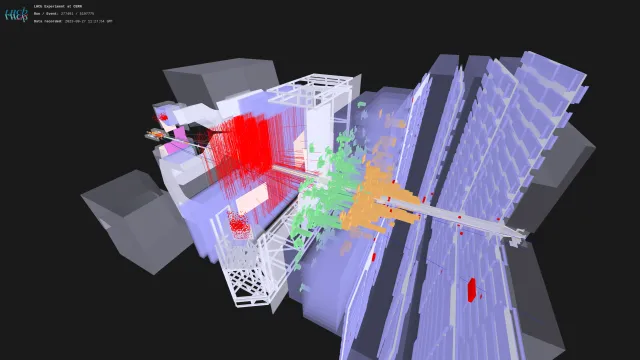
LHCb explores new physics in special light-ion LHC runs
LHCb explores new physics in special light-ion LHC runs The LHC carried out a special run programme early summer. First results were reported by the ALICE, ATLAS, CMS and LHCb experiments at the Initial Stages of High-Energy Nuclear Collisions conference. These results were also presented at a CERN seminar and reported in a CERN news.
-
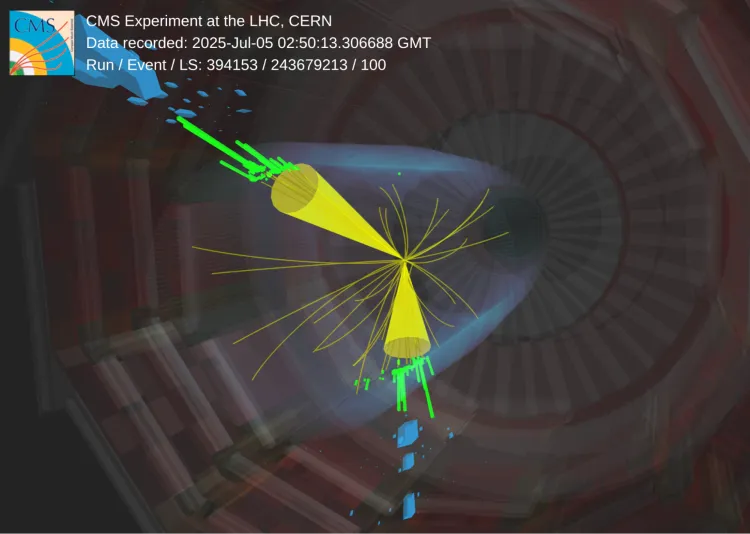
CMS explores light-ion collisions: suppression, scaling, and collectivity
CMS explores light-ion collisions: suppression, scaling, and collectivity The CMS experiment has reported first results from the LHC’s dedicated oxygen–oxygen (O–O) and neon–neon (Ne–Ne) collision run, offering an unprecedented look at quark–gluon plasma (QGP) formation in light-ion systems. These studies address long-standing questions about the minimal conditions required for QGP droplets to form and how
-
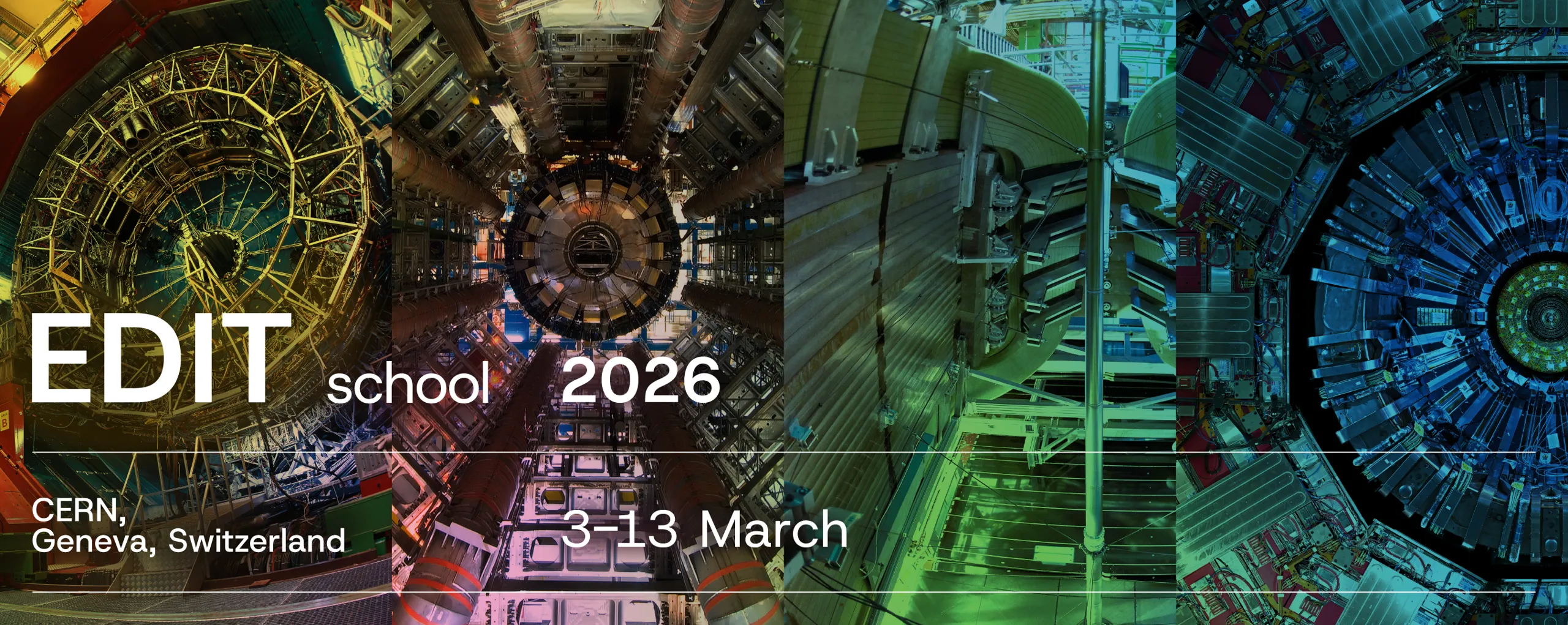
EDIT Instrumentation Schools: Preparing the Next Generation of Detector Experts
EDIT Instrumentation Schools: Preparing the Next Generation of Detector Experts The Excellence in Detector and Instrumentation Technologies (EDIT) Schools are an established series of international training events dedicated to young researchers – graduate students and early-career postdocs – who want to deepen their knowledge of detector technologies and instrumentation for particle physics. Rotating between Europe,