
Tag: June 2023 – August 2023
-

An interview with Michael E. Peskin
An interview with Michael E. Peskin What drove you into particle physics? I grew up in an environment that was keen on science. Both of my parents were doctors. My father was a well-known academic surgeon who held appointments at the University of Pennsylvania, the University of Chicago, UC San Diego, and Yale. My mother
-

A word from the EP Department Head
A word from the EP Department Head While the temperature is rising and the summer has started, we are in the middle of this year’s LHC run and the non-LHC experiments are also taking good data. The machines and the LHC experiments show excellent performance, with problems appearing here and there but quickly being solved.
-
Jet Substructure as a powerful probe of Quantum Chromodynamics
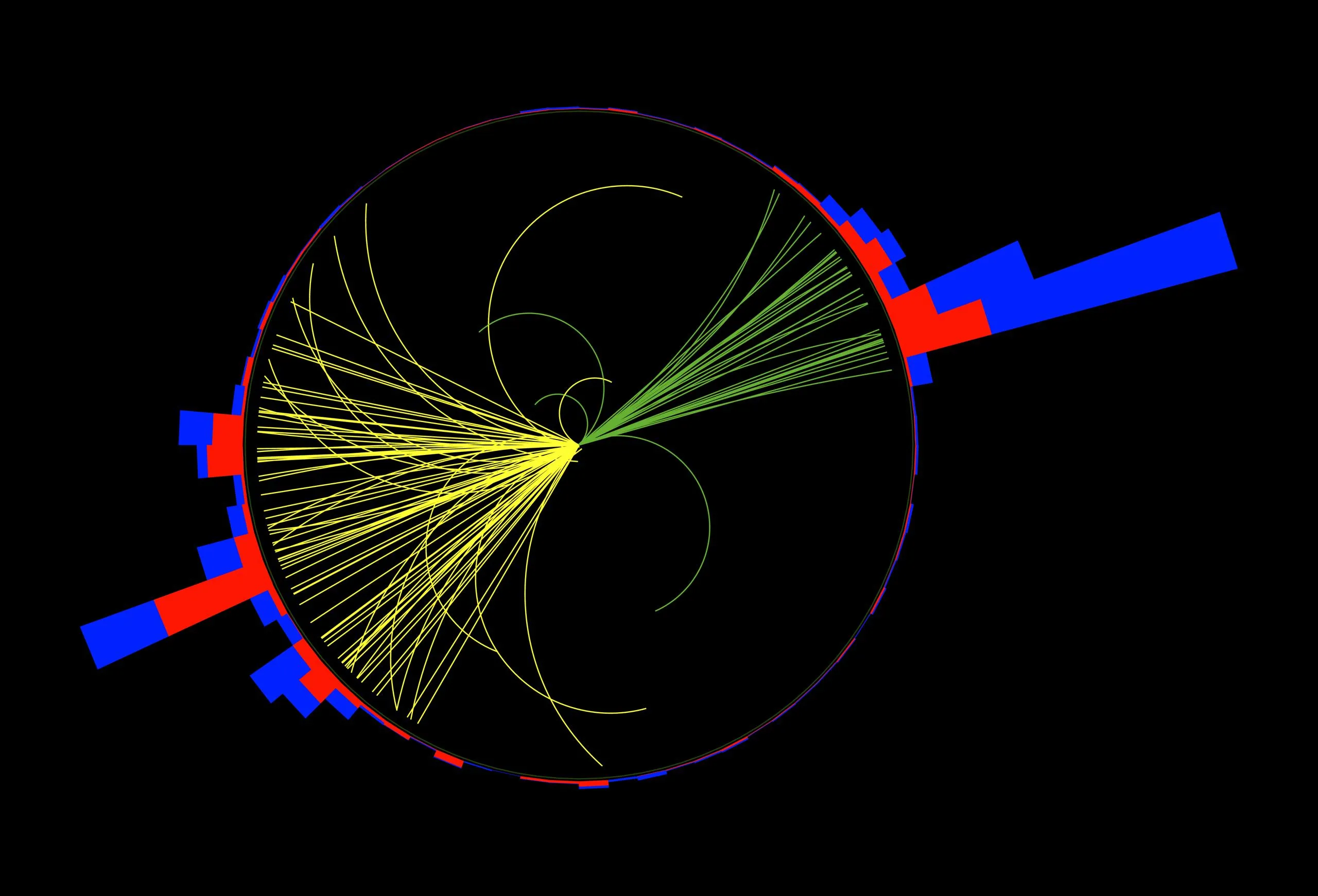
Jet Substructure as a powerful probe of Quantum Chromodynamics Jet substructure (JSS) has emerged as a powerful framework for studying the Standard Model (SM) and provides a key set of tools for probing nature at the highest energy scales accessible by terrestrial experiments. While not an experimental or theoretical consideration of the design of the
-
SHiP collaboration sets course on New Physics
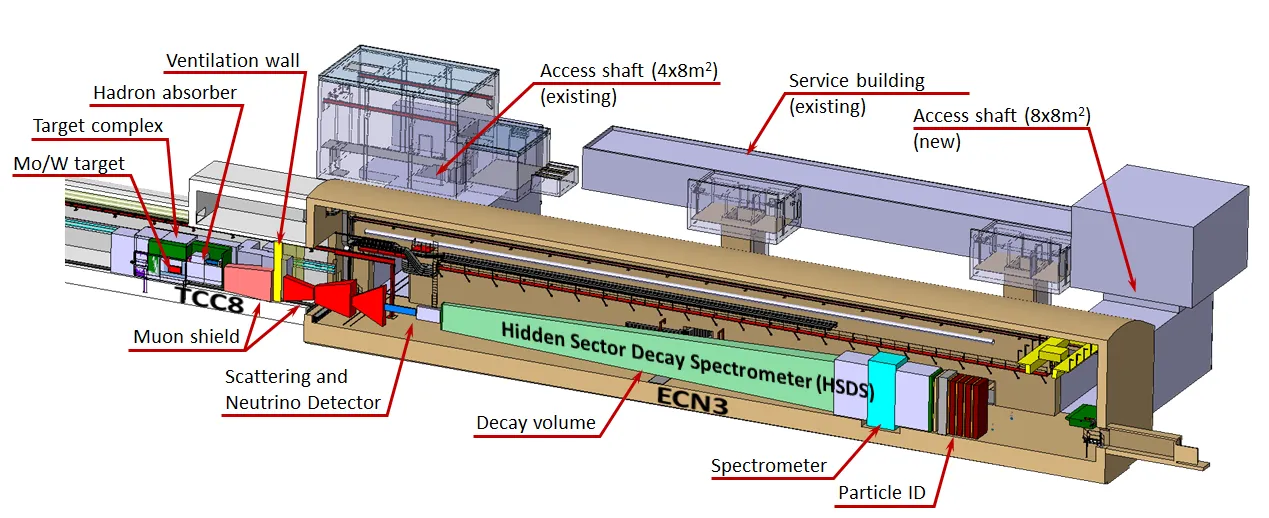
SHiP collaboration sets course on New Physics The Search for Hidden Particles (SHiP) experiment with the associated Beam Dump Facility (BDF), currently under consideration for implementation in the SPS ECN3 beam facility, is designed to perform a generic and exhaustive search for feebly interacting particles (FIPs) in a region of mass and coupling that is
-
ATLAS gears up for Run 3 physics results
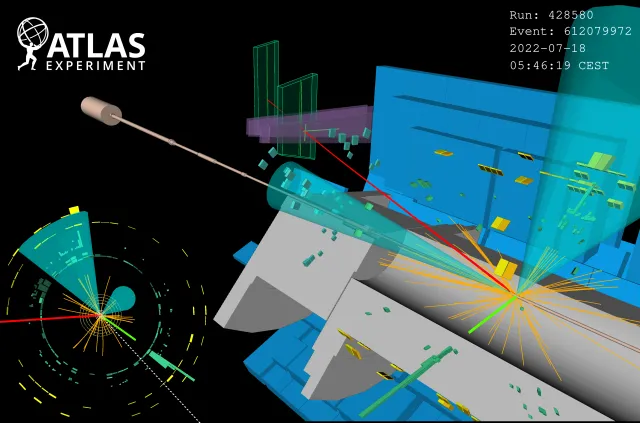
ATLAS gears up for Run 3 physics results Who breaks Electroweak symmetry? It sounds like a simple question and the Standard Model of Particle Physics, the prevailing theory for the last half century, has a simple answer – it’s the Higgs. The Standard Model theory predicts that the Higgs boson and field acts as a
-
LHCb physics looks forward to Run 3
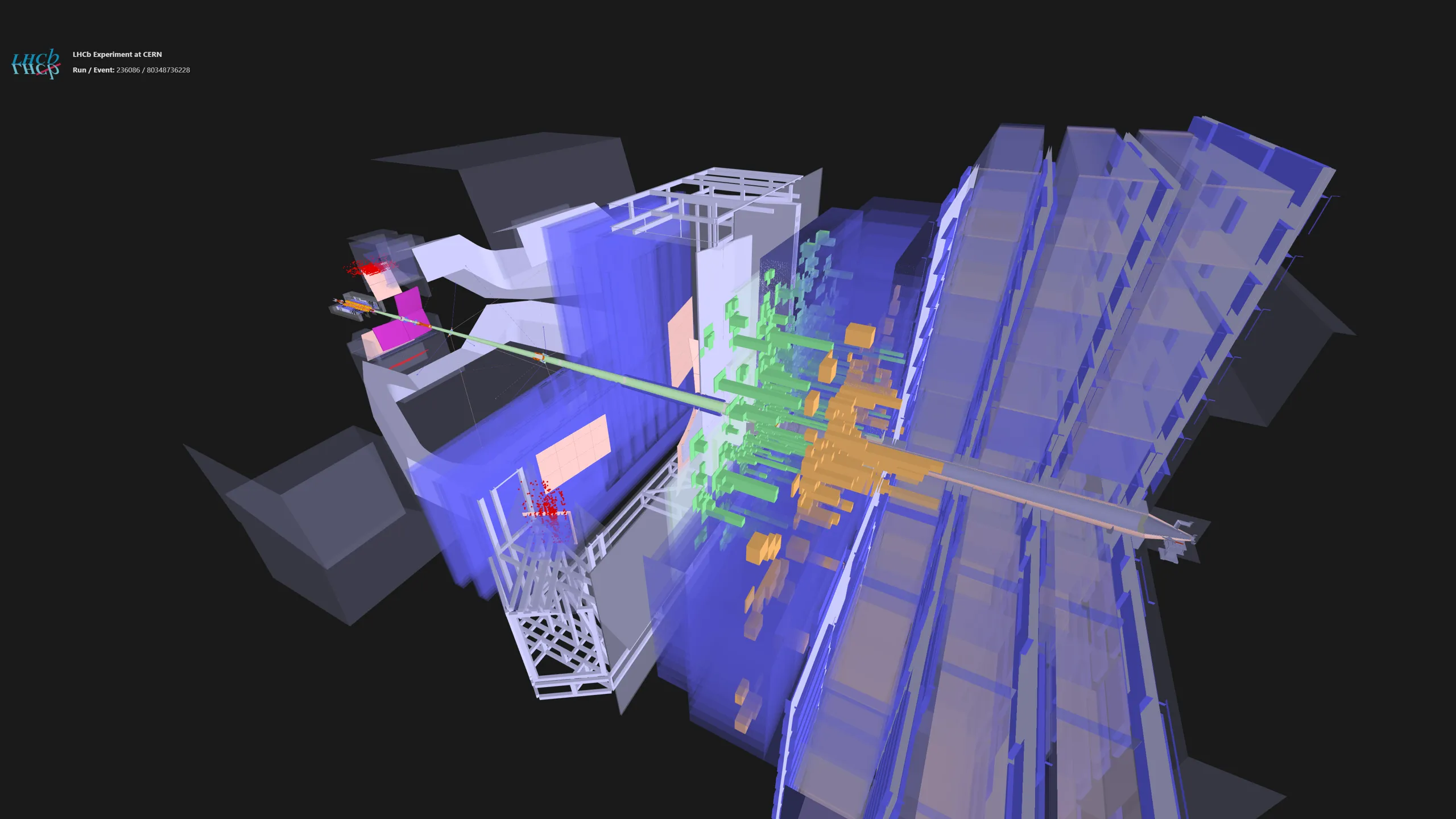
LHCb physics looks forward to Run 3 The first high energy beams of the LHC on July 5th 2022 marked the start of the third Run of the LHC. While still harvesting and exploring in depth the physics of the first two runs, the LHCb experiment has undergone a major upgrade [1]. Ninety percent of
-
Searching for camouflaged dark sectors
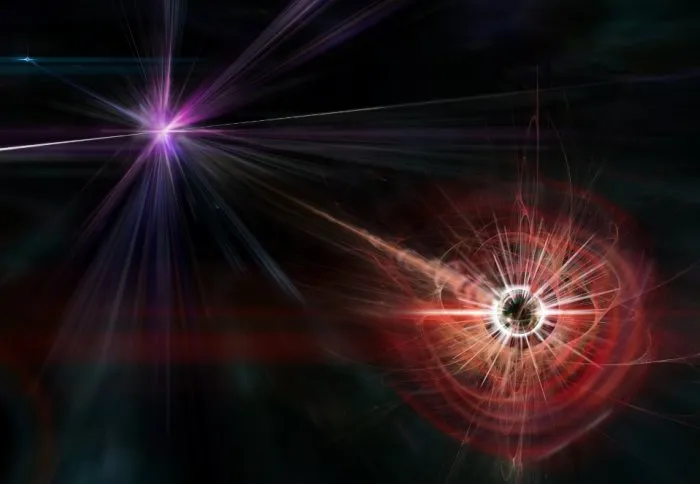
Searching for camouflaged dark sectors The masses of particles are some of the fundamental parameters of nature, and their precise measurement remains a key experimental challenge. However, when propagating through a medium, environmental effects can change the effective mass of a particle, leading to interesting phenomenology. One Standard Model (SM) example of this occurs when
-
Ultralight air-cooled mechanics for ALICE ITS3
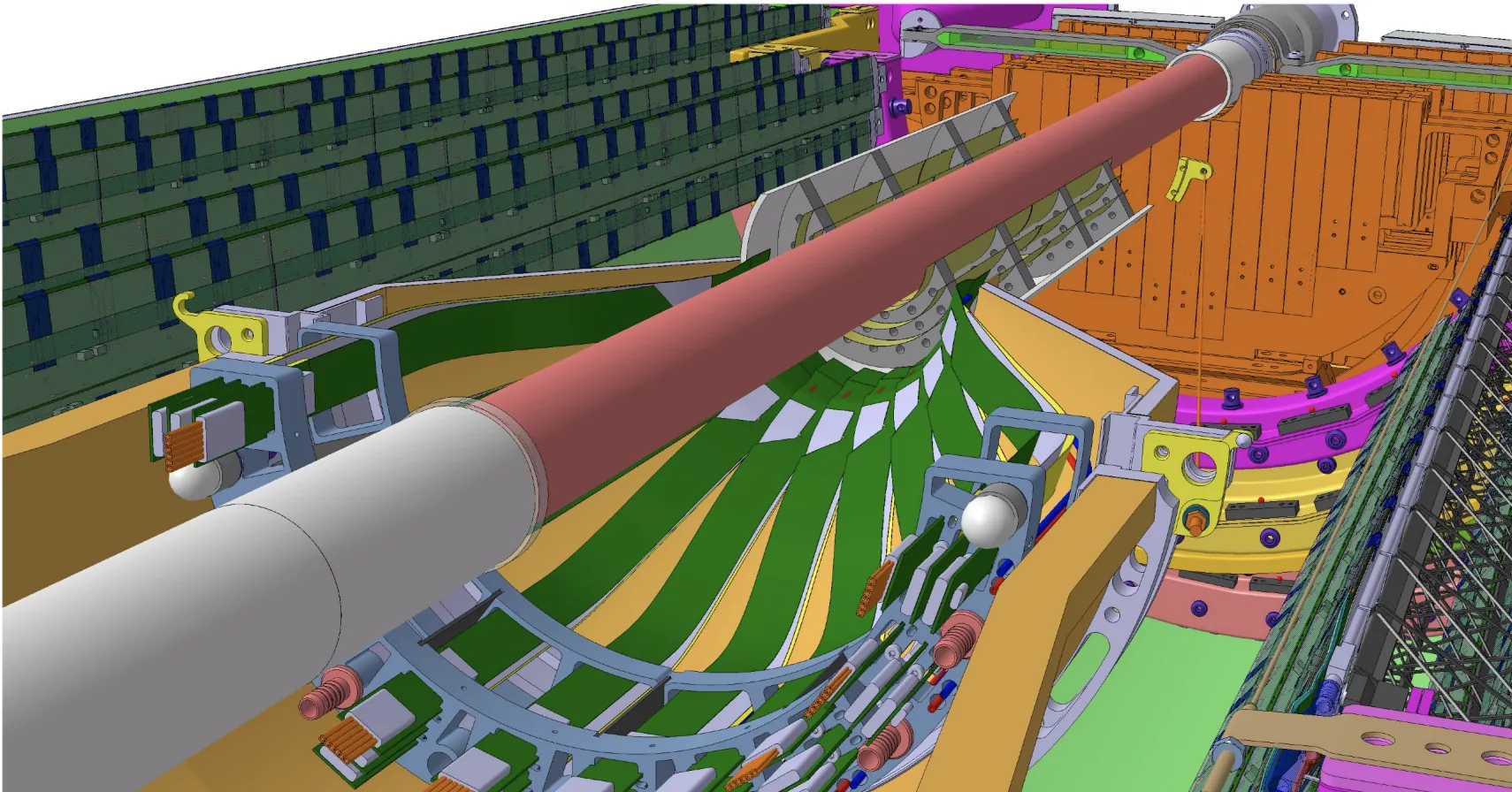
Ultralight air-cooled mechanics for ALICE ITS3 While the new Inner Tracking System detector, ITS2, could finally start its data taking in nominal operation for the RUN3 of LHC, ALICE is already working at replacing the three innermost layers during LS3. The ITS3 (Fig.1) is a new vertex detector, that will significantly increase the performance in
-
Problems and Solutions: The CMS ECAL lessons
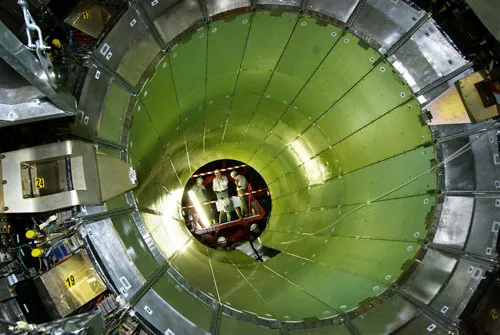
Problems and Solutions: The CMS ECAL lessons The story starts in September 2022 while, during the ECAL Operations meeting our veteran electronics expert, Evgueni Vlassov reported that the voltage in one of the control cards was unstable. He prophetically proposed that the cause might be water in the circuits. A few days later, an alarm
-
ISOLDE lays the ground for CP violation tests with radioactive molecules
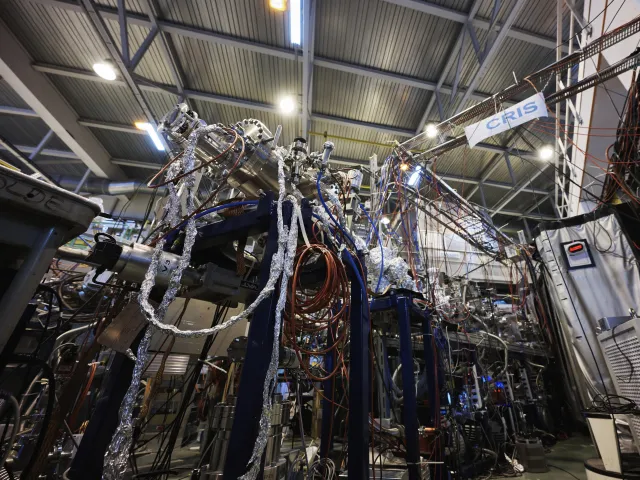
ISOLDE lays the ground for CP violation tests with radioactive molecules All atoms heavier than bismuth, which has 83 protons, are radioactive and their isotopes have short half-lives, with few exceptions. As a result, the study of heavy atoms and their molecular compounds is complicated by the radioactive decay of the nuclei, which presents a