
Tag: Machine Learning
-
New Staff Members and Fellows
New Staff Members and Fellows Maximilian Babeluk Hi, I’m Max. I recently joined the ALICE ITS3 team, where I work on sensor testing, functional verification, and in the future also chip design – particularly on MOSAIX. My main activities include testing and yield assessment across multiple integration levels (wafer probing to system tests), including data
-
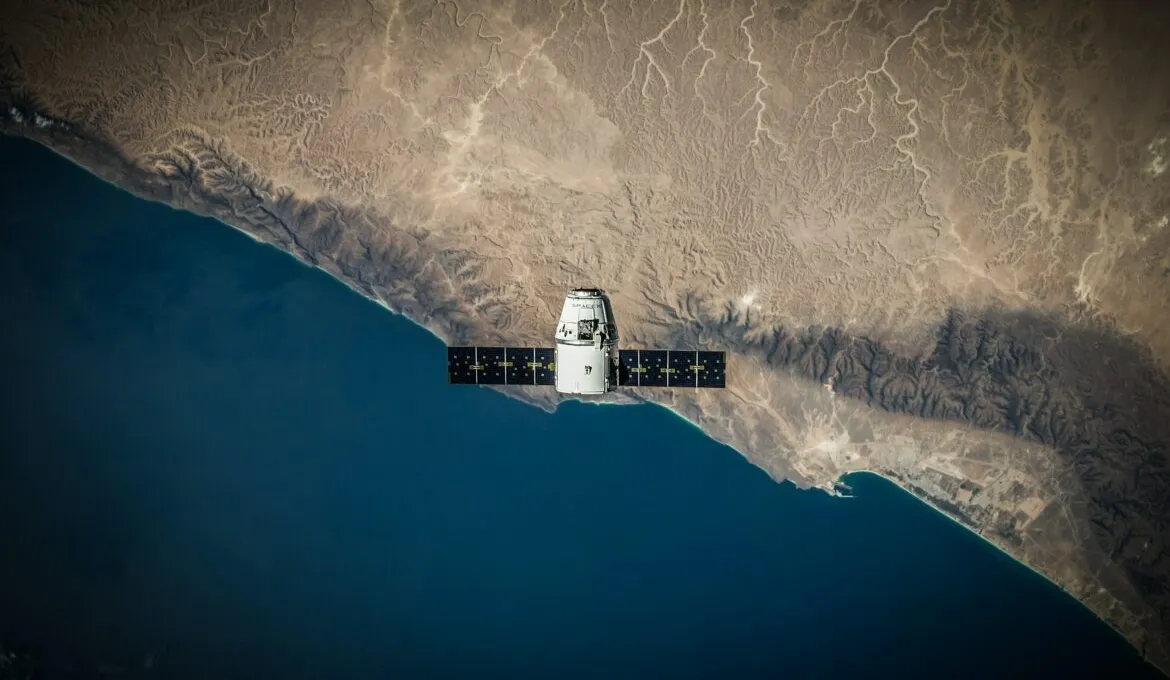
Edge SpAIce: Leveraging CERN’s AI for Real-Time Ocean Plastic Tracking from Space
Edge SpAIce: Leveraging CERN's AI for Real-Time Ocean Plastic Tracking from Space Earth Observation (EO) and particle physics research have more in common than you might think. In both environments, whether capturing fleeting particle collisions or detecting transient traces of ocean plastics, rapid and accurate data analysis is paramount. We are excited to present a
-
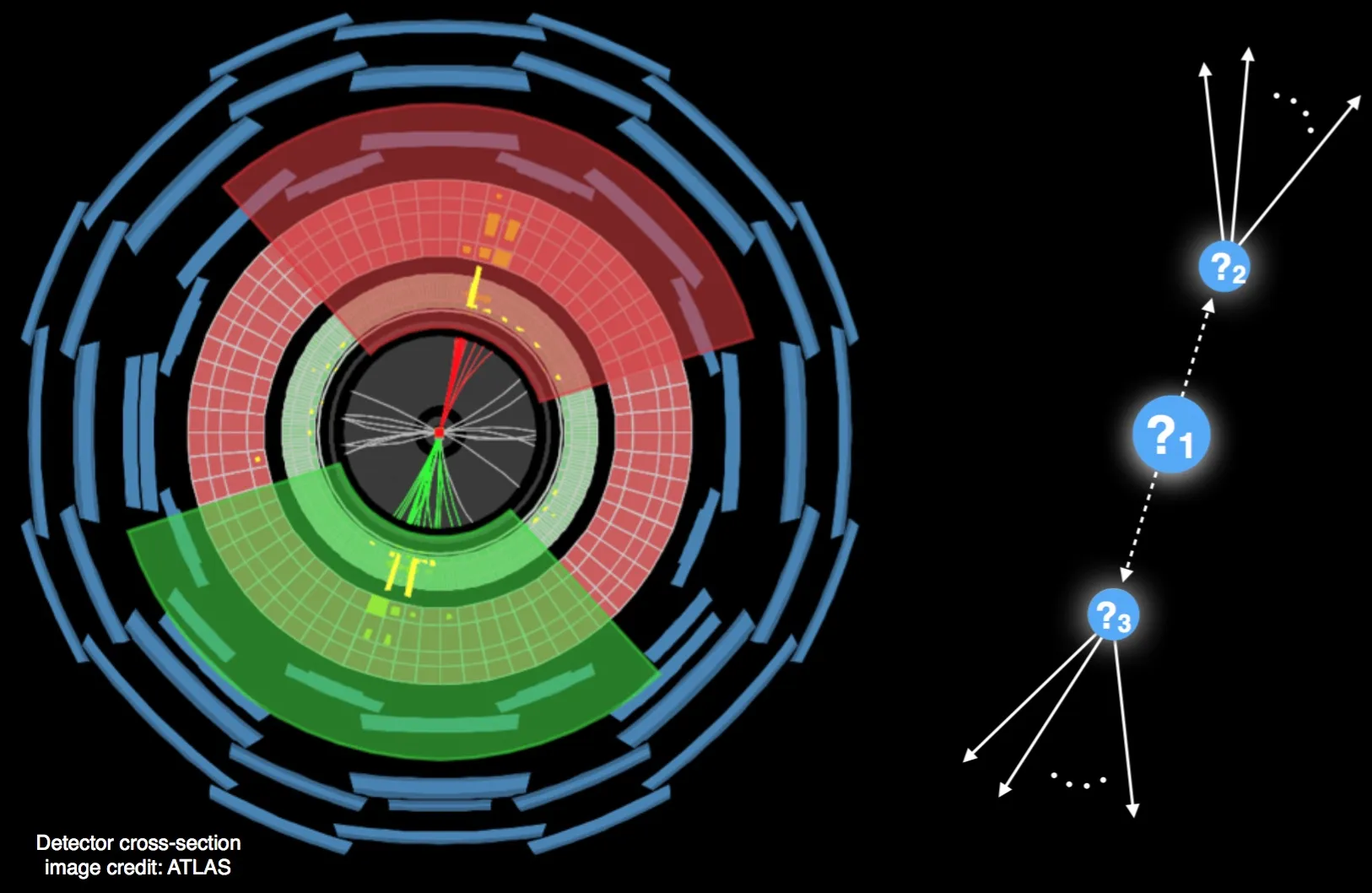
Machine learning ushers in a new paradigm for particle searches at the LHC
Machine learning ushers in a new paradigm for particle searches at the LHC Searching for physics beyond the Standard Model (BSM) is a major part of the research programme at the LHC experiments. Nearly all of these searches pick a signal model that addresses one or more of the experimental (e.g., dark matter) or theoretical
-
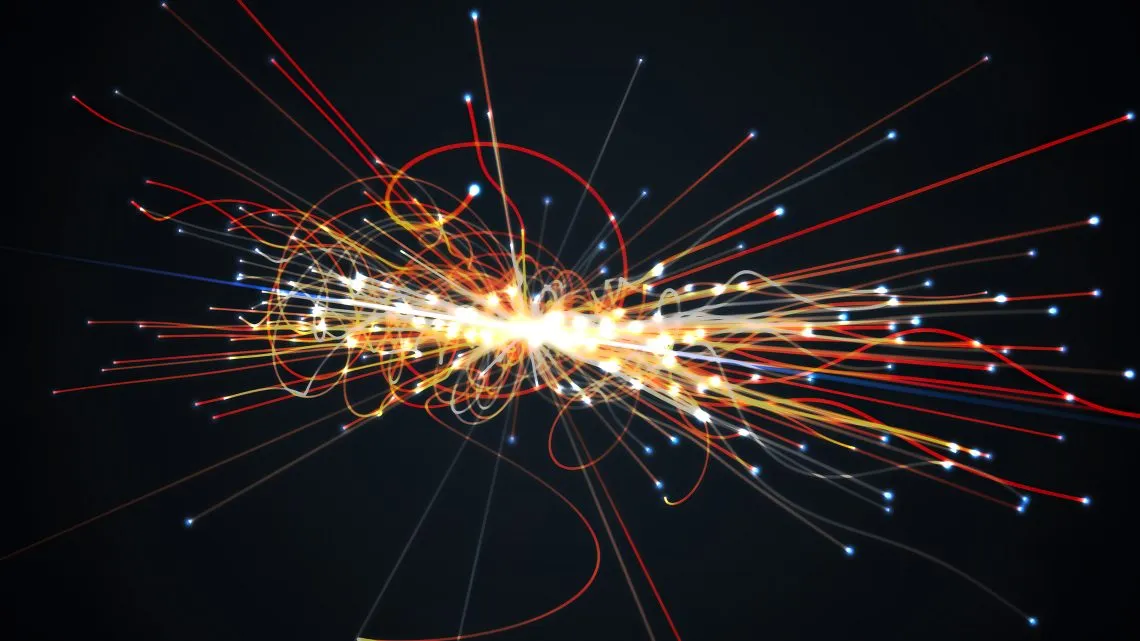
Systematic uncertainties: the new target of Machine Learning for HEP
Systematic uncertainties: the new target of Machine Learning for HEP The accurate measurement of physical constants is one of the main goals of research in subnuclear physics. On one side, it improves our ability to represent physical reality through our theoretical models, which opens the way to more stringent tests of our understanding of Nature;
-
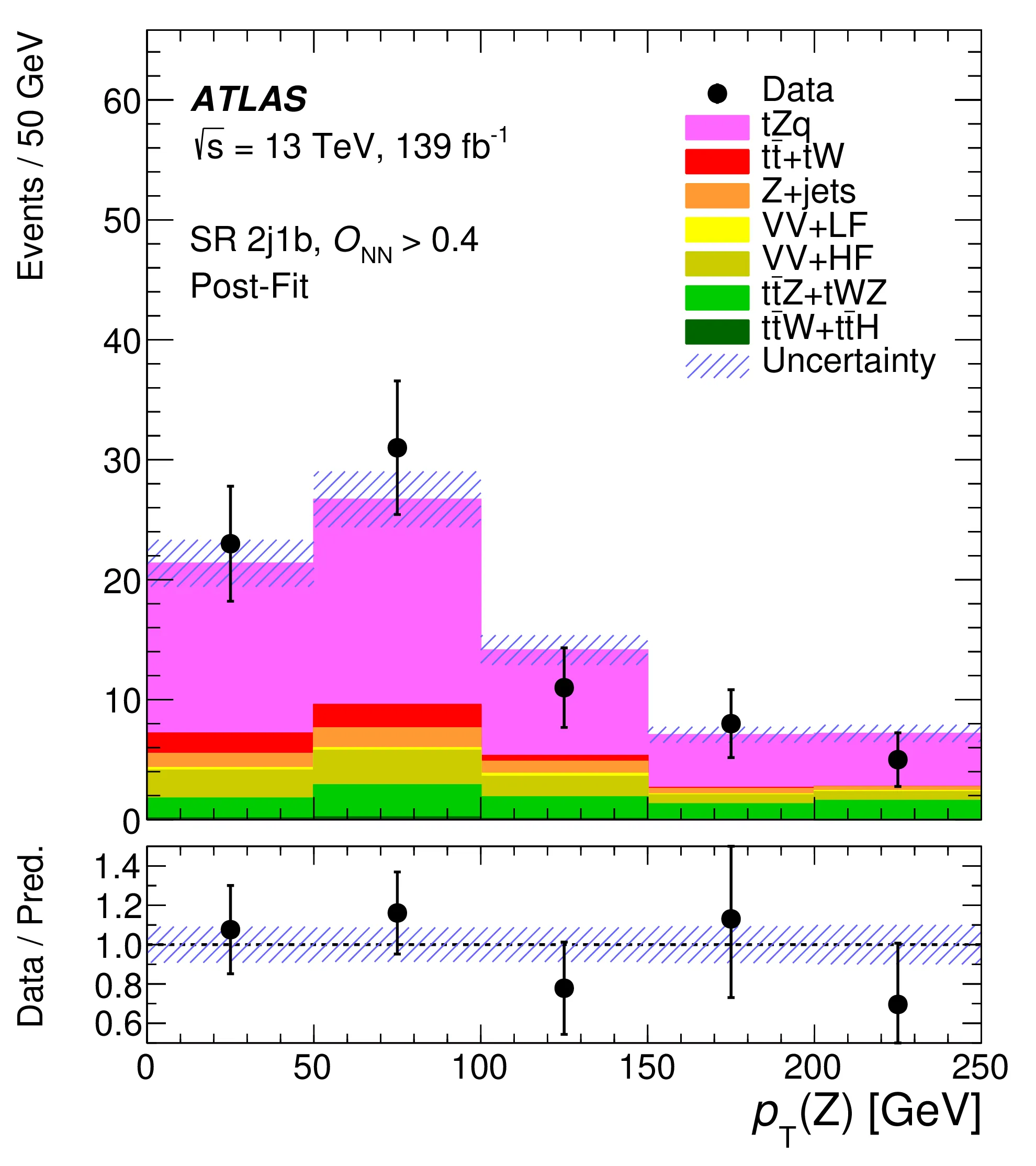
Artificial neural networks shed light on rare SM processes.
Artificial neural networks shed light on rare SM processes. In a new paper released last month, the ATLAS Collaboration reported the observation of a single top quark produced in association with a Z boson (tZq) using the full Run-2 dataset, thereby confirming earlier results by ATLAS and CMS using smaller datasets. As reported in an
-
Machine learning for new Detector Technologies
Machine learning for new Detector Technologies I have spent a considerable amount of my time as Master student in Physics in the late 70’s performing a fairly prosaic function that nevertheless required the presence of humans (physics professors, trained technicians and of course students): scanning thousands of BEBC pictures with (occasional) neutrino events, a task
-
Can AI help us to find tracks?
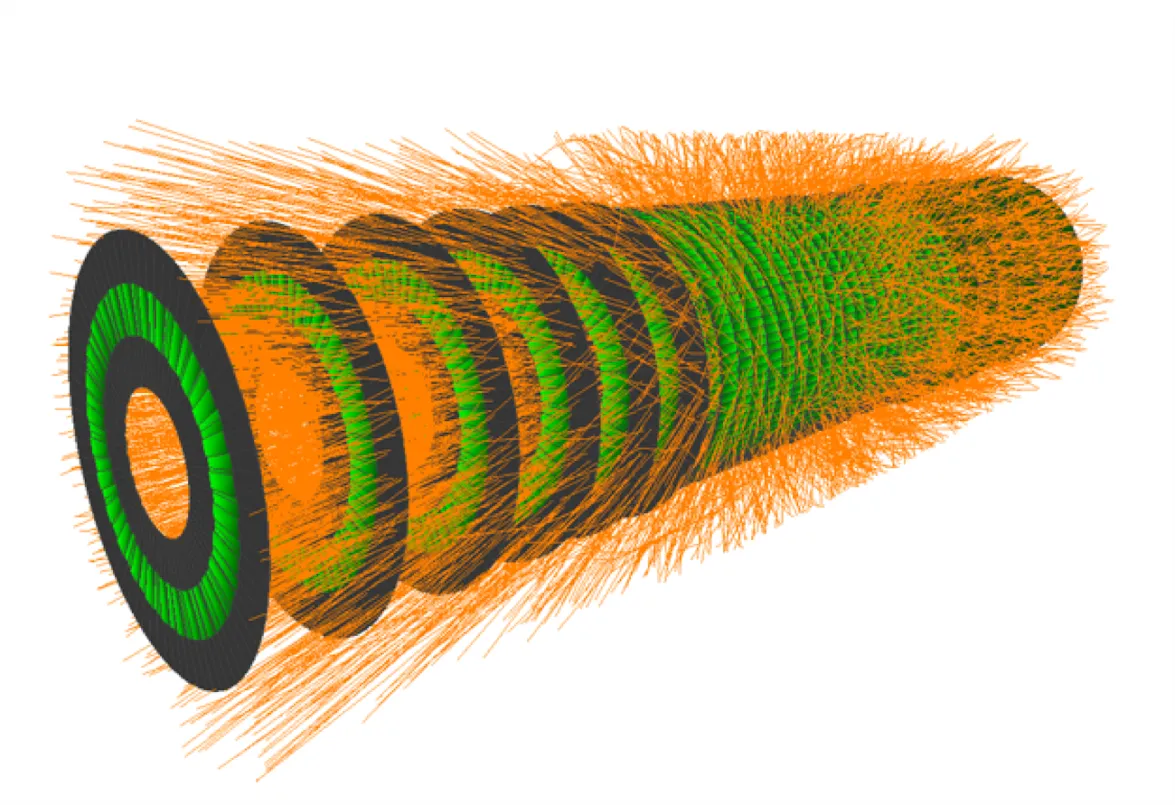
Can AI help us to find tracks? Data science (DS) and machine learning (ML) are amongst the fastest growing sectors in science and technology, not at least due to their strong rooting in industrial and commercial applications. Global players such as Google, Facebook and Amazon have surpassed HEP in both, computing complexity and data volume.