
Tag: March 2022 – May 2022
-
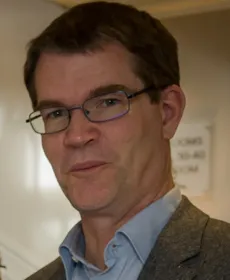
A word from the EP Deputy Department Head – March 2022
A word from the EP Deputy Department Head – March 2022 Dear Colleagues in EP, Welcome to the first edition of the EP newsletter in 2022. Let me take a few words to introduce myself – my name is Richard Hawkings, and I started as one of the two deputy department heads in January, taking
-
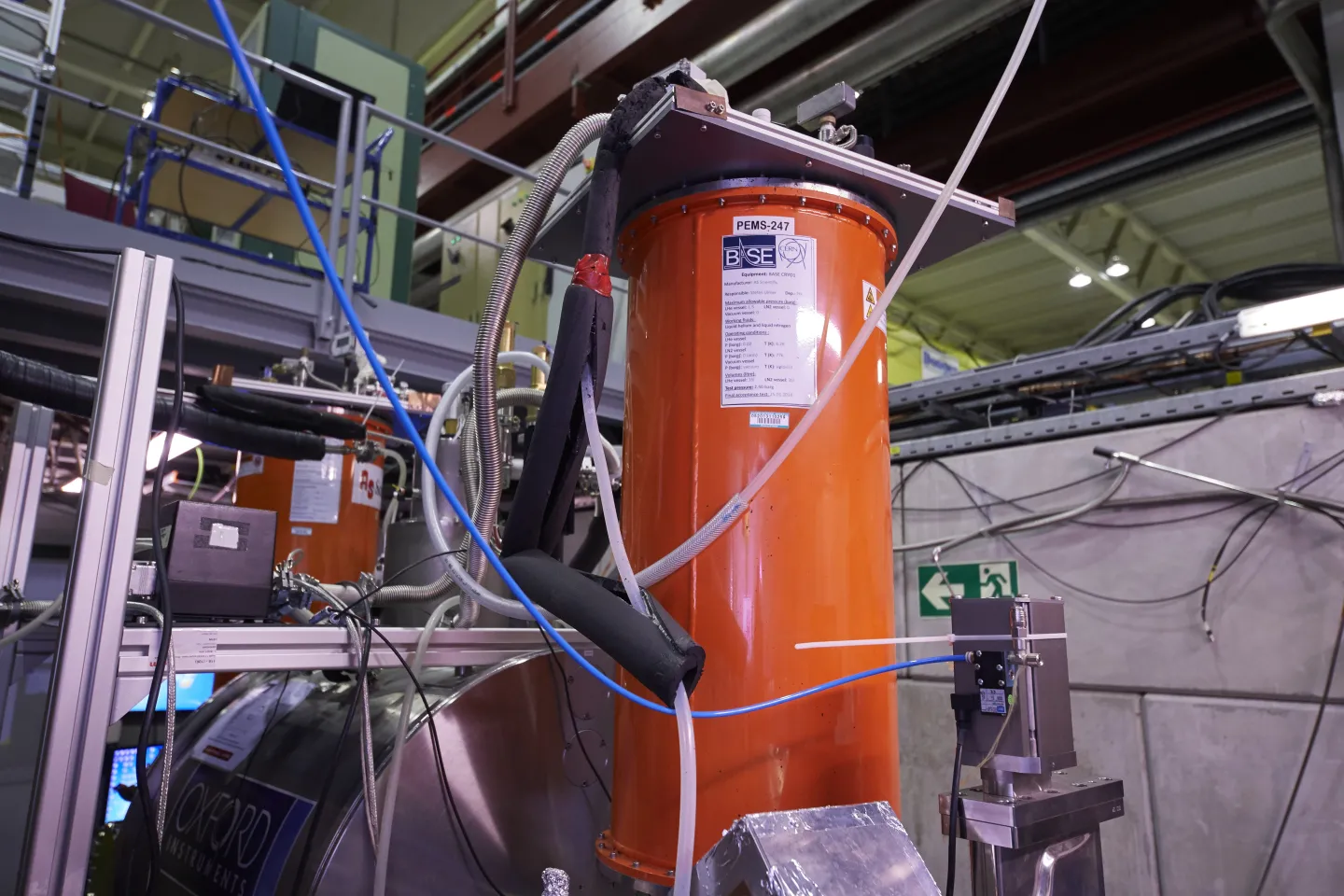
Testing CPT-symmetry and the Weak Equivalence Principle with Proton/Antiproton Clock Comparisons
Testing CPT-symmetry and the Weak Equivalence Principle with Proton/Antiproton Clock Comparisons Even though the Standard Model of Particle Physics is incredibly successful and provides extremely accurate predictions for many physical quantities and mechanisms, the model is known to be incomplete. For instance, it fails in explaining the staggering abundance of matter compared to antimatter observed
-
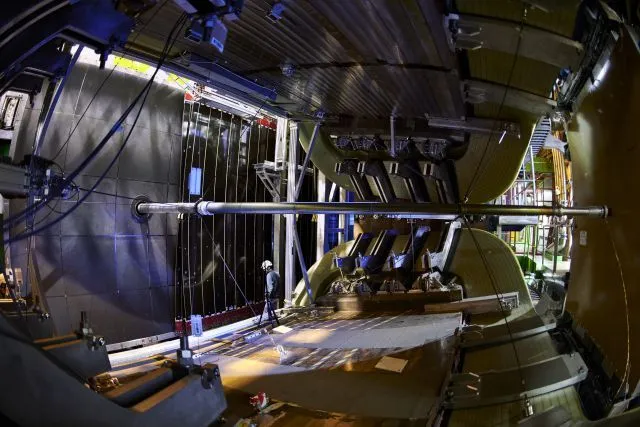
New precise measurements of CP violation and mixing in beauty and charm decays at LHCb
New precise measurements of CP violation and mixing in beauty and charm decays at LHCb In 1928, a young Paul Dirac wrote one of the most spectacular papers of modern physics when he successfully unified two distinct theories, quantum mechanics and special relativity. What arose from his equations was a prediction of a new form
-
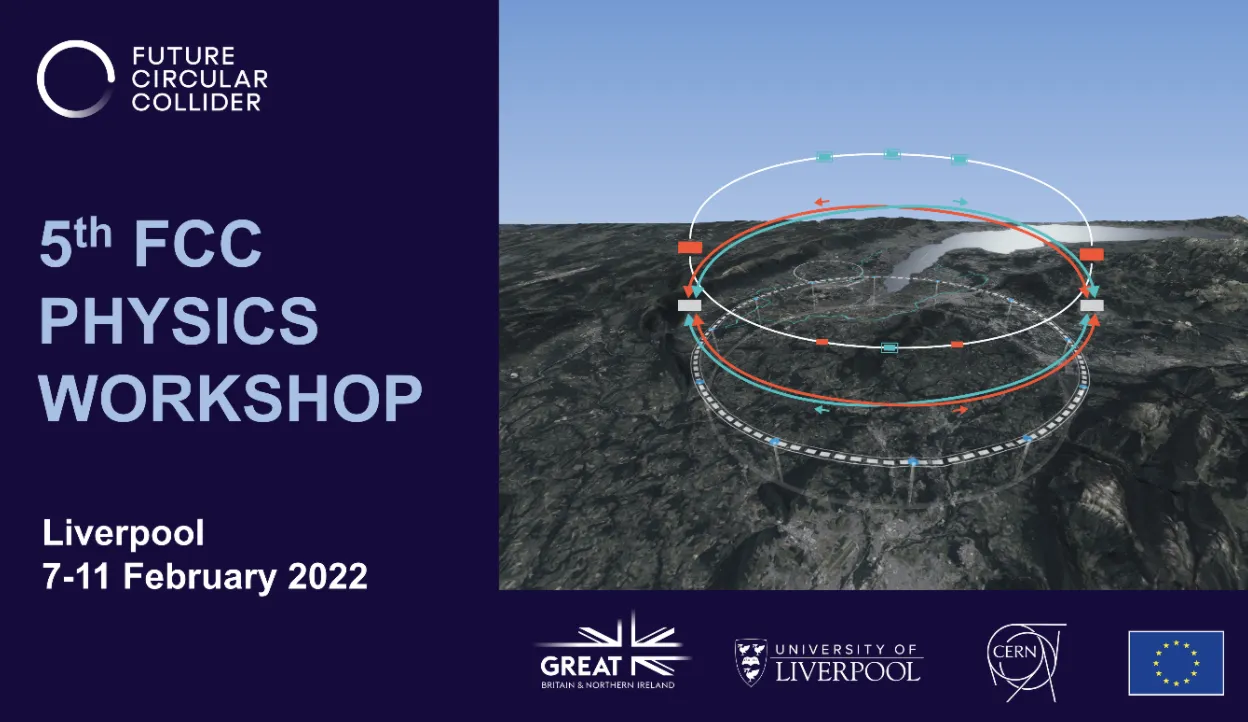
Highlights from the fifth FCC Physics Workshop
Highlights from the fifth FCC Physics Workshop For the first time since the launch of the FCC feasibility study, the FCC physics community gathered to reflect the status and achievements of FCC Physics, Experiments, and Detectors studies and initiate new activities. The fifth FCC Physics Workshop, organised by CERN and the University of Liverpool, took
-
MoEDAL’s Searches for Magnetic Monopoles Produced via The Schwinger Mechanism
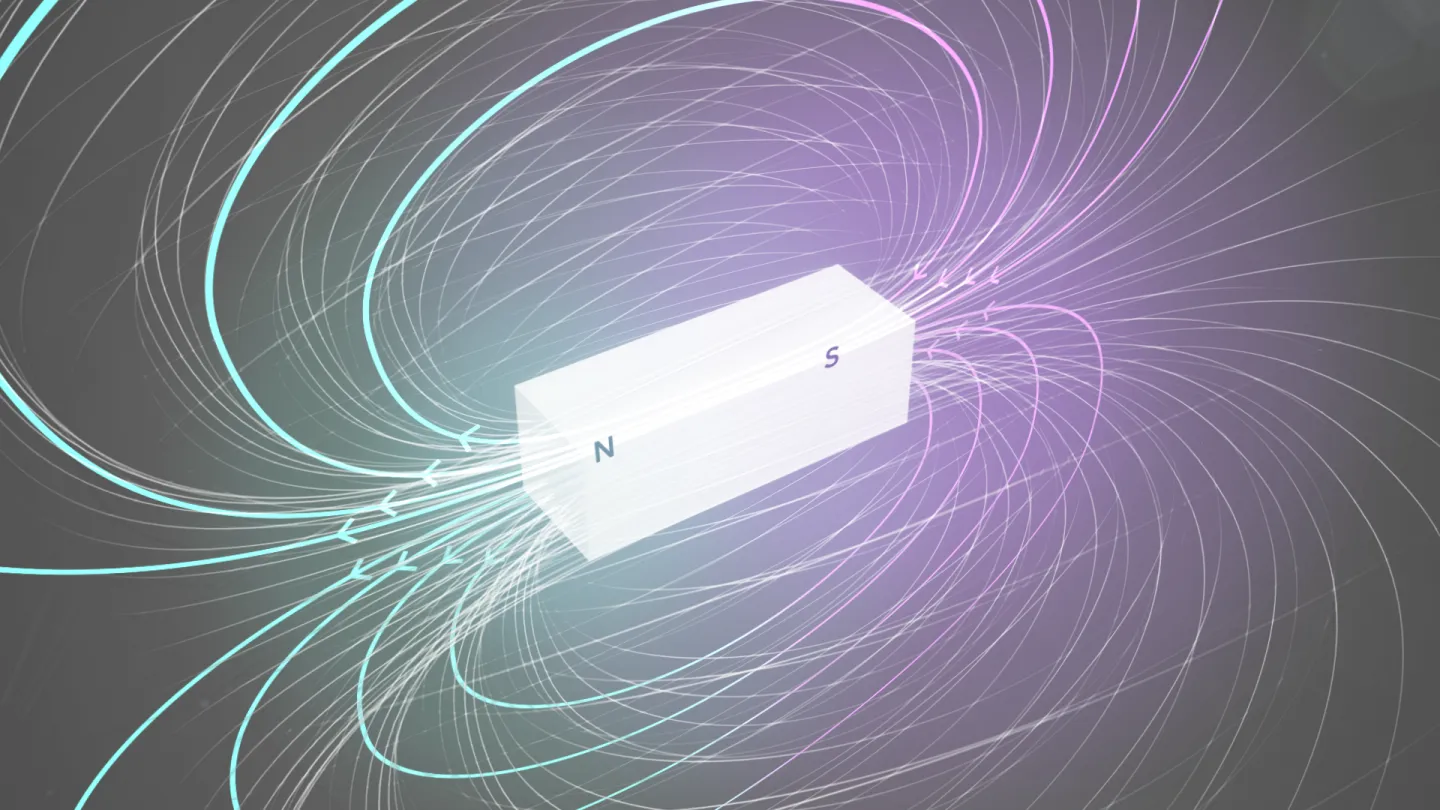
MoEDAL’s Searches for Magnetic Monopoles Produced via The Schwinger Mechanism Magnetic monopoles (MMs) are hypothetical fundamental particles that carry isolated magnetic charge that are arguably the most important particle yet to be discovered. In 1931 Dirac first showed that a MM was compatible with quantum mechanics [1] and that the existence of an MM would
-
Non-resonant searches open new avenues in the hunt for axion-like particles
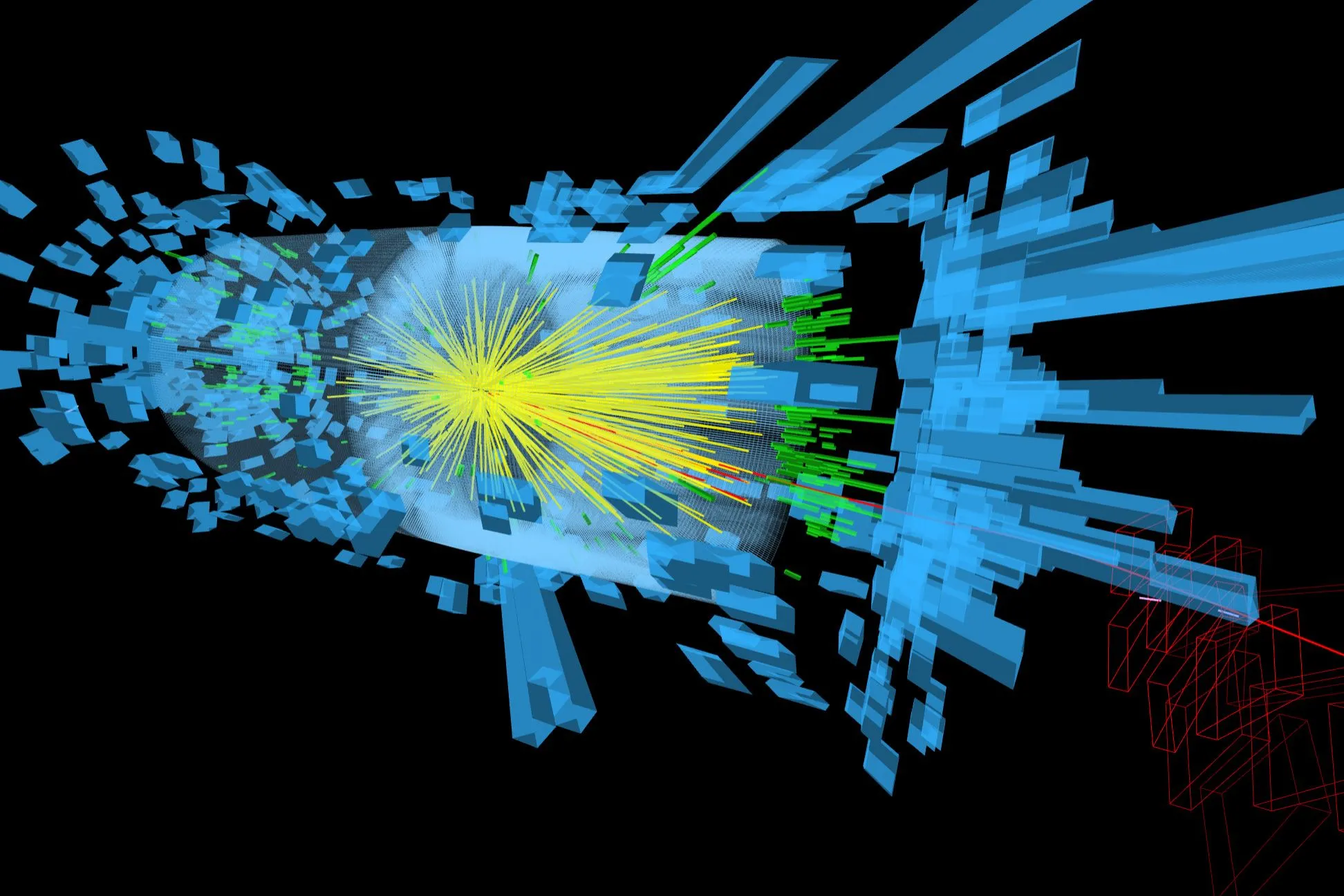
Non-resonant searches open new avenues in the hunt for axion-like particles Axion-like-particles (ALPs) are a vast family of hypothetical particles. They are among the most compelling candidates for physics beyond the Standard Model (SM), because their existence is associated to broken symmetries, which are ubiquitous in theories addressing any of the big open questions, from
-
LHCb VELO: “One down, one to go”
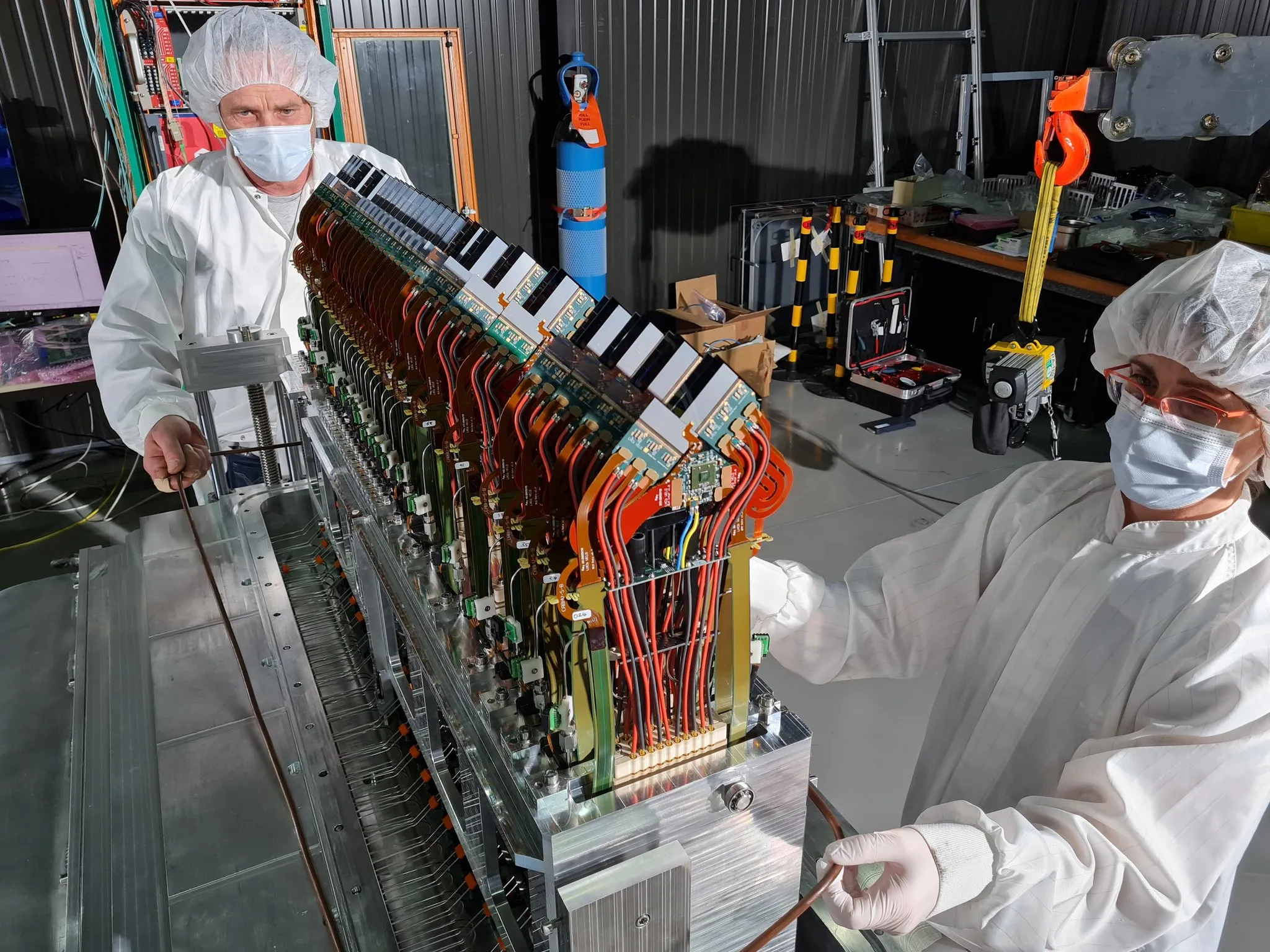
LHCb VELO: “One down, one to go” As the LHC marks the start of the final countdown to Run 3, the LHCb experiment is preparing to commission its new detector. The upgrade will allow the collaboration to pursue its physics programme into the High Luminosity era. LHCb aims to fully exploit a 5-fold increase of
-
64 channel picosecond time resolution instrumentation in 25 milligrams of silicon
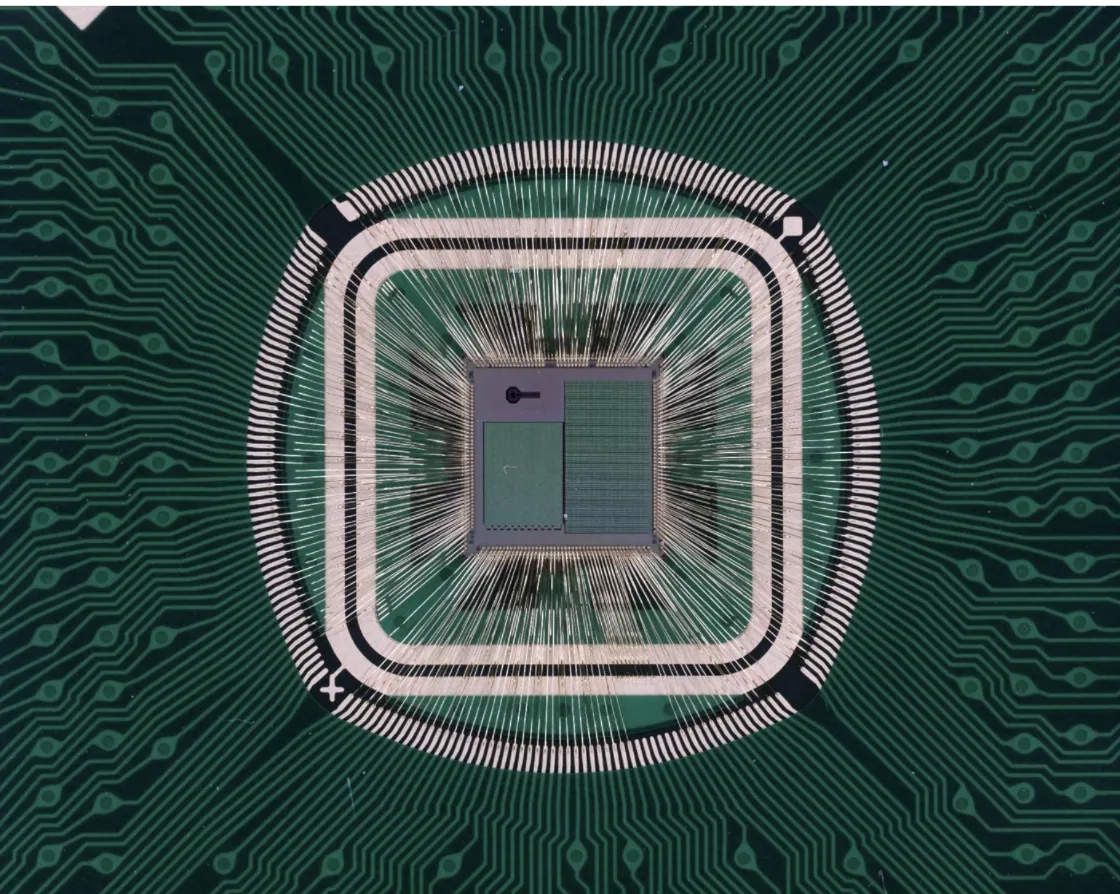
64 channel picosecond time resolution instrumentation in 25 milligrams of silicon The EP-ESE group has finalized the development of a 64 channel picosecond TDC (Time to Digital Converter) ASIC and 20 thousand pieces have been produced. One of the key challenges for future HEP experiments is the development of very high time resolution detectors and
-
Progress towards a new calorimeter concept for the upgrade of CMS
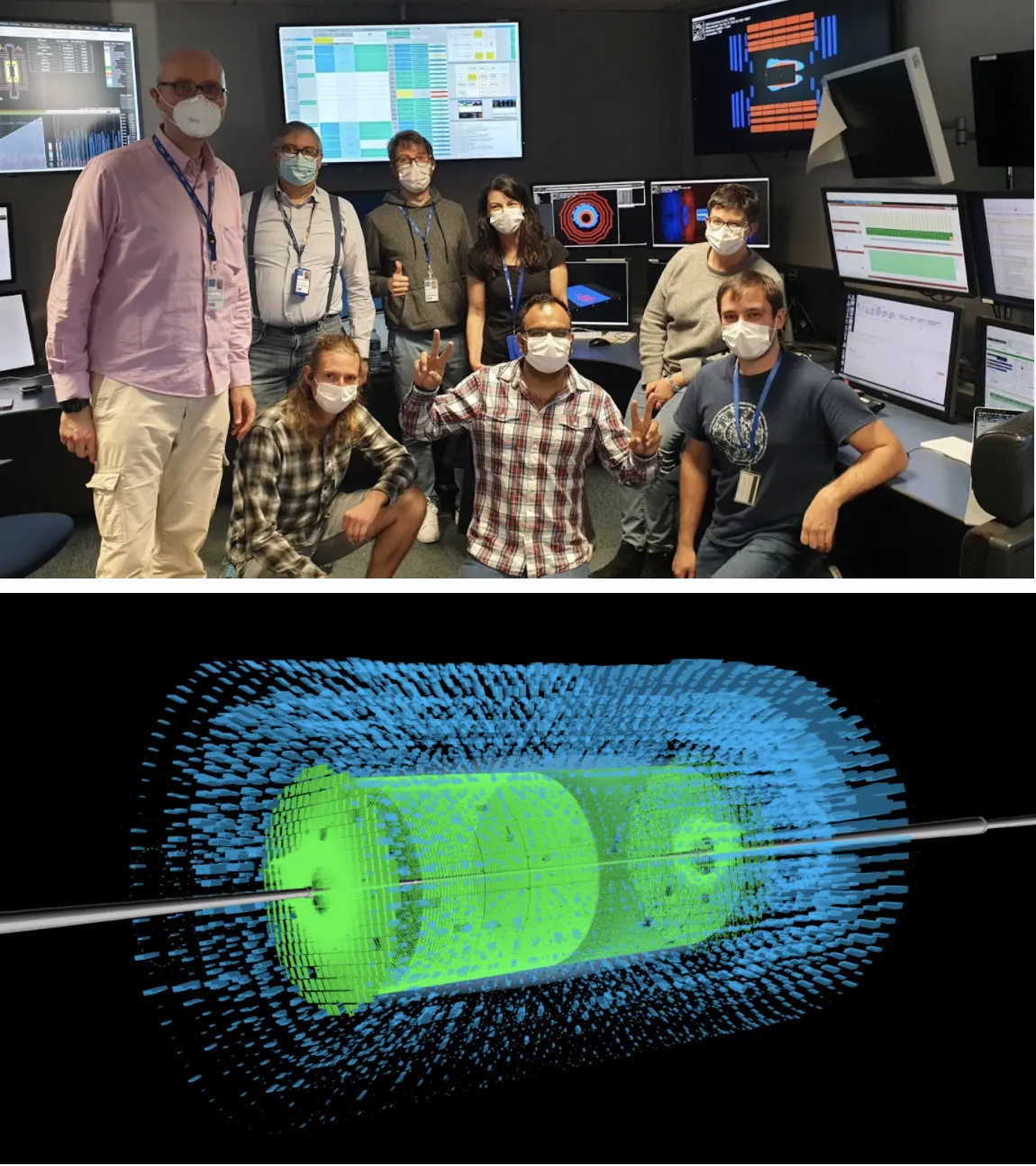
Progress towards a new calorimeter concept for the upgrade of CMS Over two years ago we wondered if a new era for calorimetry was starting [1]. Compelled by the results reported in the Technical Design Report (TDR) of the High Granularity Calorimeter (HGCAL) for the upgrade of the CMS detector in Phase-2 of the LHC
-
DUNE prototype activities at the Neutrino Platform
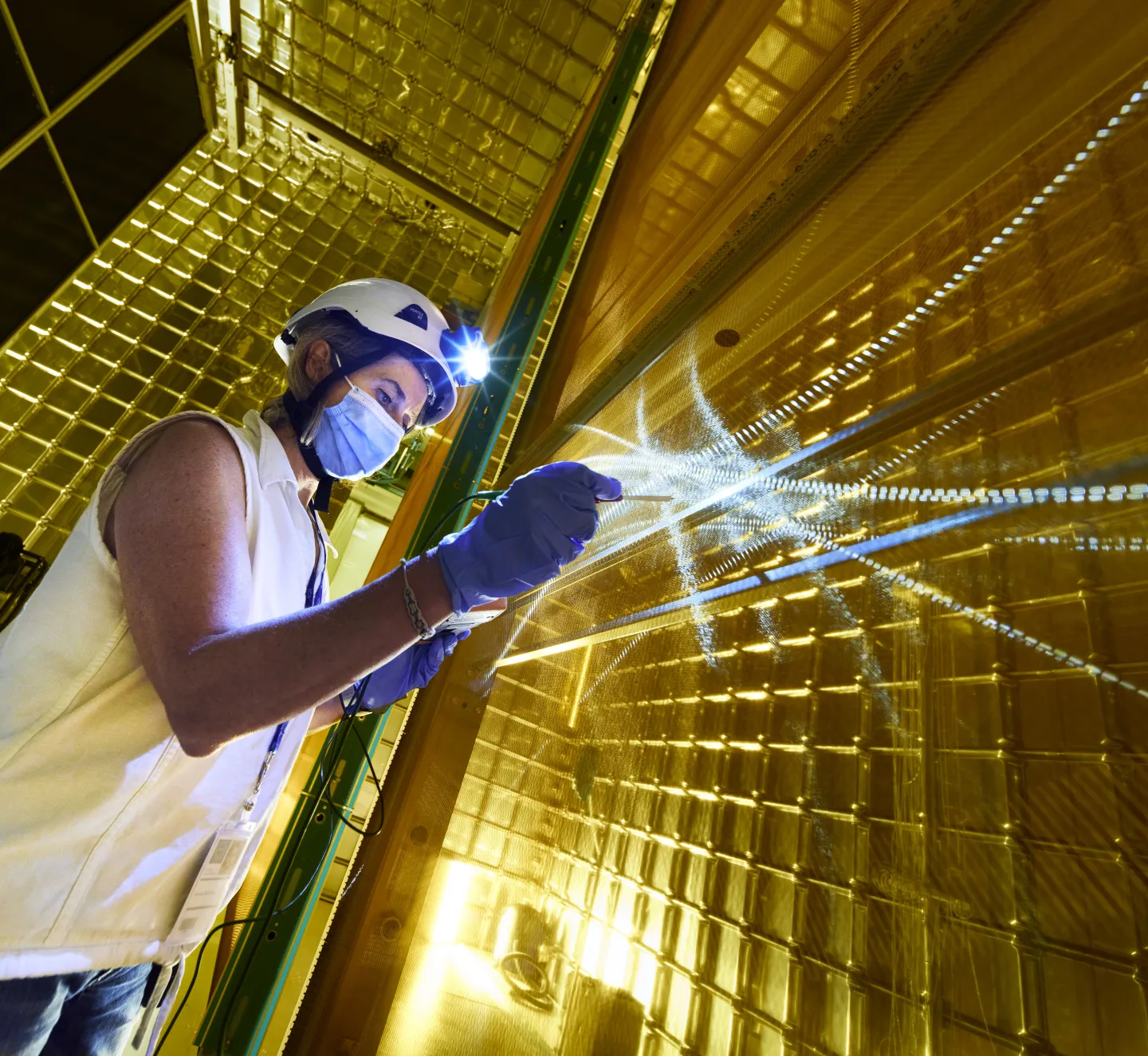
DUNE prototype activities at the Neutrino Platform The Deep Underground Neutrino Experiment (DUNE), now under construction, is a long baseline neutrino experiment with a near detector at Fermilab and far detector at the Sanford Underground Research Facility in South Dakota to observe neutrinos produced by a new beam at Fermilab. DUNE will make precision measurements