
Tag: More stories
-
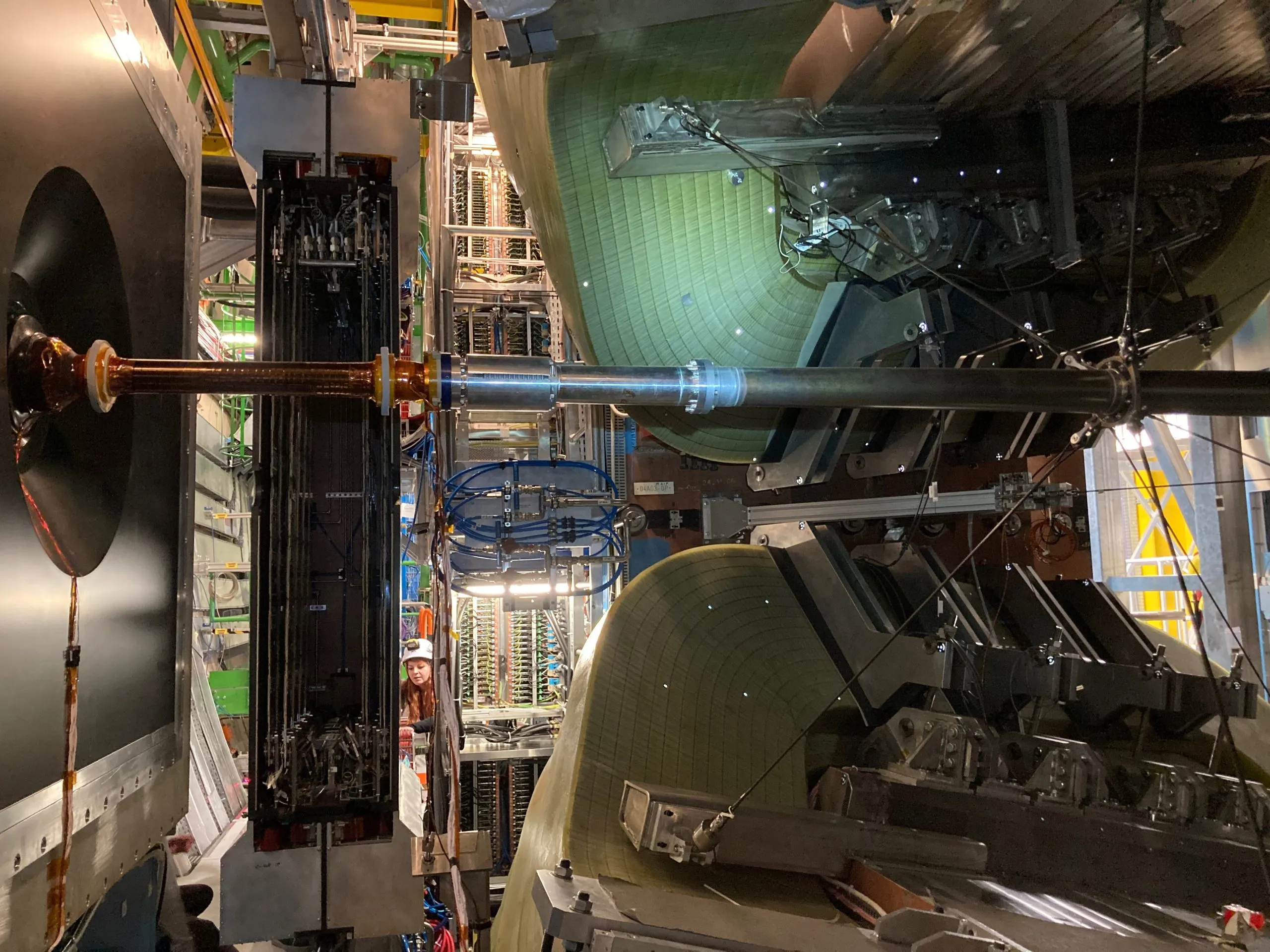
Upstream Tracker closing completes installation of the LHCb Upgrade detector
Upstream Tracker closing completes installation of the LHCb Upgrade detector The UT sub-detector is located in front of the LHCb dipole magnet. The images included in this news were taken during the UT closing process around the LHC beam pipe. The UT plays an essential role in achieving the desired processing speed in the innovative
-
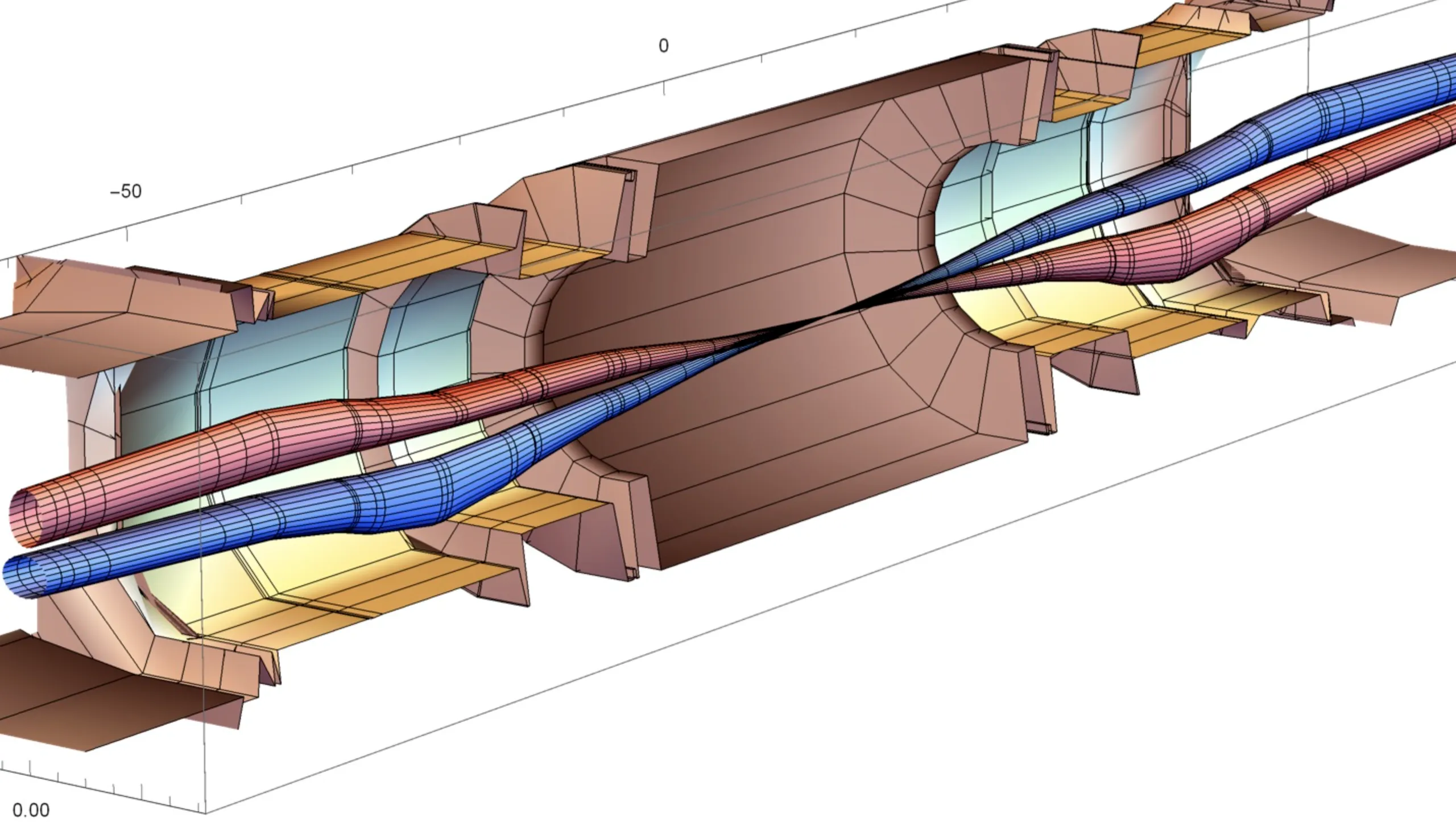
Ending the 2023 LHC run with heavy-ion collisions
Ending the 2023 LHC run with heavy-ion collisions The LHC schedule for 2023 has been revised following the emergence of a leak in mid-July. The decision was to stop the regular proton running this year and focus on the heavy ion physics that was already scheduled for the year-end. This was complemented by relatively brief
-
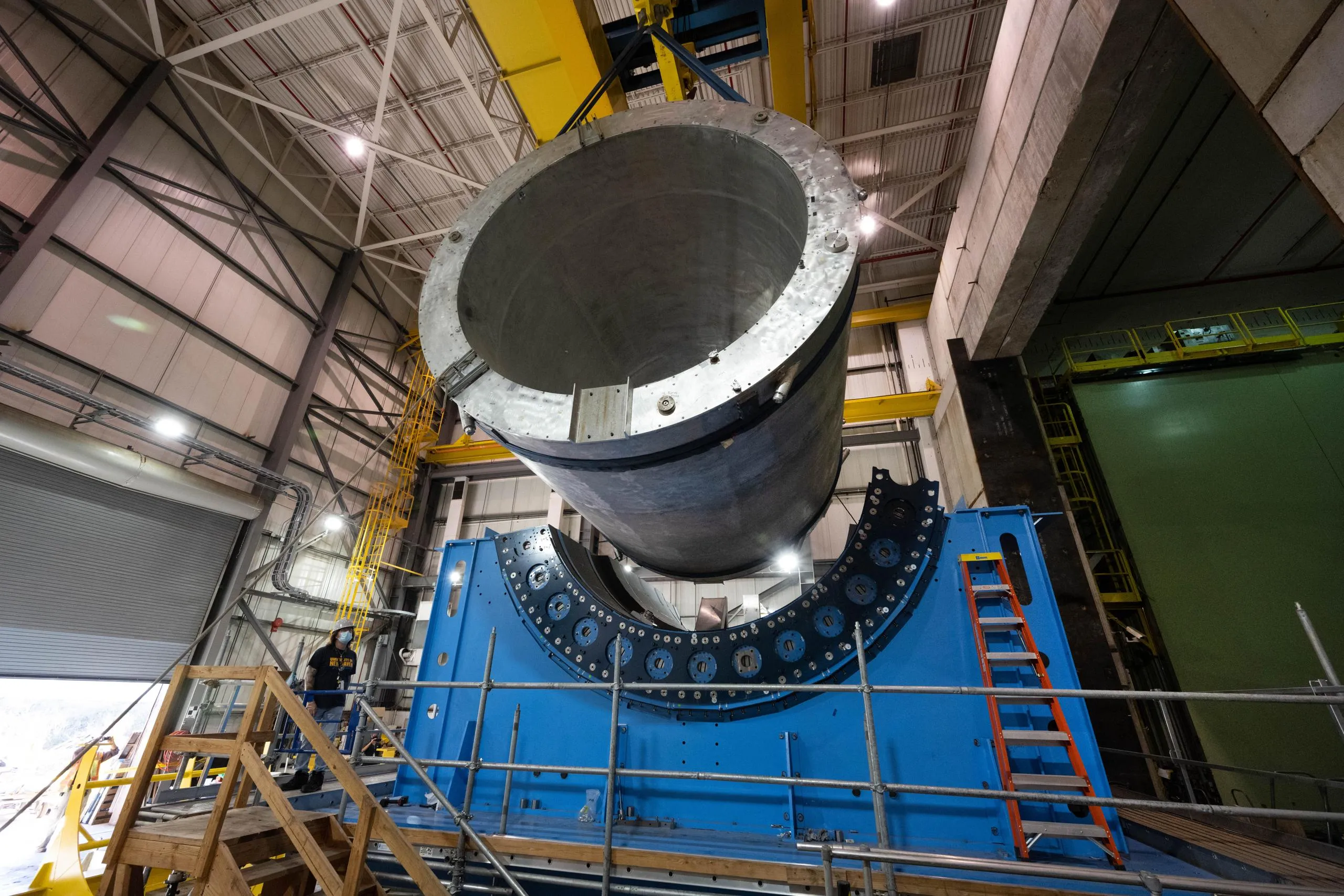
CERN team maps the sPHENIX Solenoid at BNL
CERN team maps the sPHENIX Solenoid at BNL In November 2022 the magnet service team of the Detector Technology group performed the mapping of the superconducting solenoid in the sPHENIX experiment at BNL (US). The two-week long campaign was the culmination of preparations that started during the most difficult times of the Covid pandemic. The
-

Celebrating LGBTQ+ in STEM
Celebrating LGBTQ+ in STEM Over the past years, CERN constantly strives to implement inclusive policies for all, including for personnel who identify as LGBTQ+ and who dream to pursue a career in science, engineering and technology. Moreover, given its prestigious role as a world-leading research institute, CERN has a responsibility to lead and to foster
-
Highlights from the fifth FCC Physics Workshop
Highlights from the fifth FCC Physics Workshop For the first time since the launch of the FCC feasibility study, the FCC physics community gathered to reflect the status and achievements of FCC Physics, Experiments, and Detectors studies and initiate new activities. The fifth FCC Physics Workshop, organised by CERN and the University of Liverpool, took
-
PHYSTAT – Systematics Workshop
PHYSTAT – Systematics Workshop The PHYSTAT-Systematics meeting, held remotely in early November, was the latest in a series of PHYSTAT events. Begun in 2000, these were the first Workshops focused on statistical issues in particle physics. They started at CERN, which has hosted 3 further meetings. An important feature of PHYSTAT events is the participation
-
Introducing the “25 by 25” initiative
Introducing the "25 by 25" initiative The principles of diversity and inclusiveness are enshrined in CERN’s Code of Conduct. They have been strategic for CERN as they lie at the heart of excellence while also reflecting the diversity of its Member States. Furthermore, the need to intensify the efforts to meet these principles is reflected
-
DT group publishes 2020 annual report
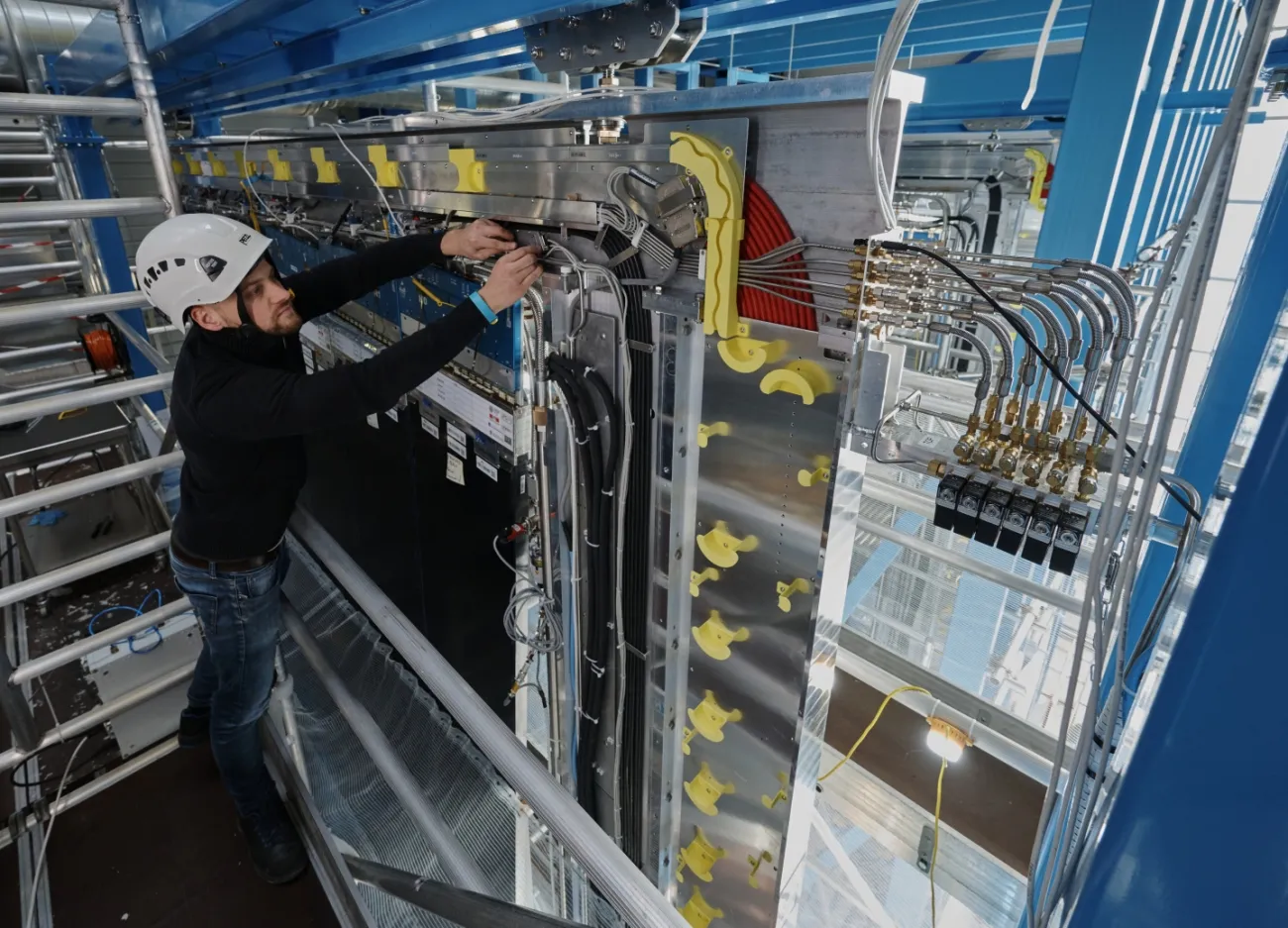
DT group publishes 2020 annual report Last week, CERN's EP-DT group published their annual report for 2020; a detailed accound of the group activities at CERN conducted over the year in collaboration with the LHC and non-LHC experimental groups along with their academic and industrial partners worldwide. These activities are part of the group's mandate
-
Colliding Particles meet Gravitational Waves
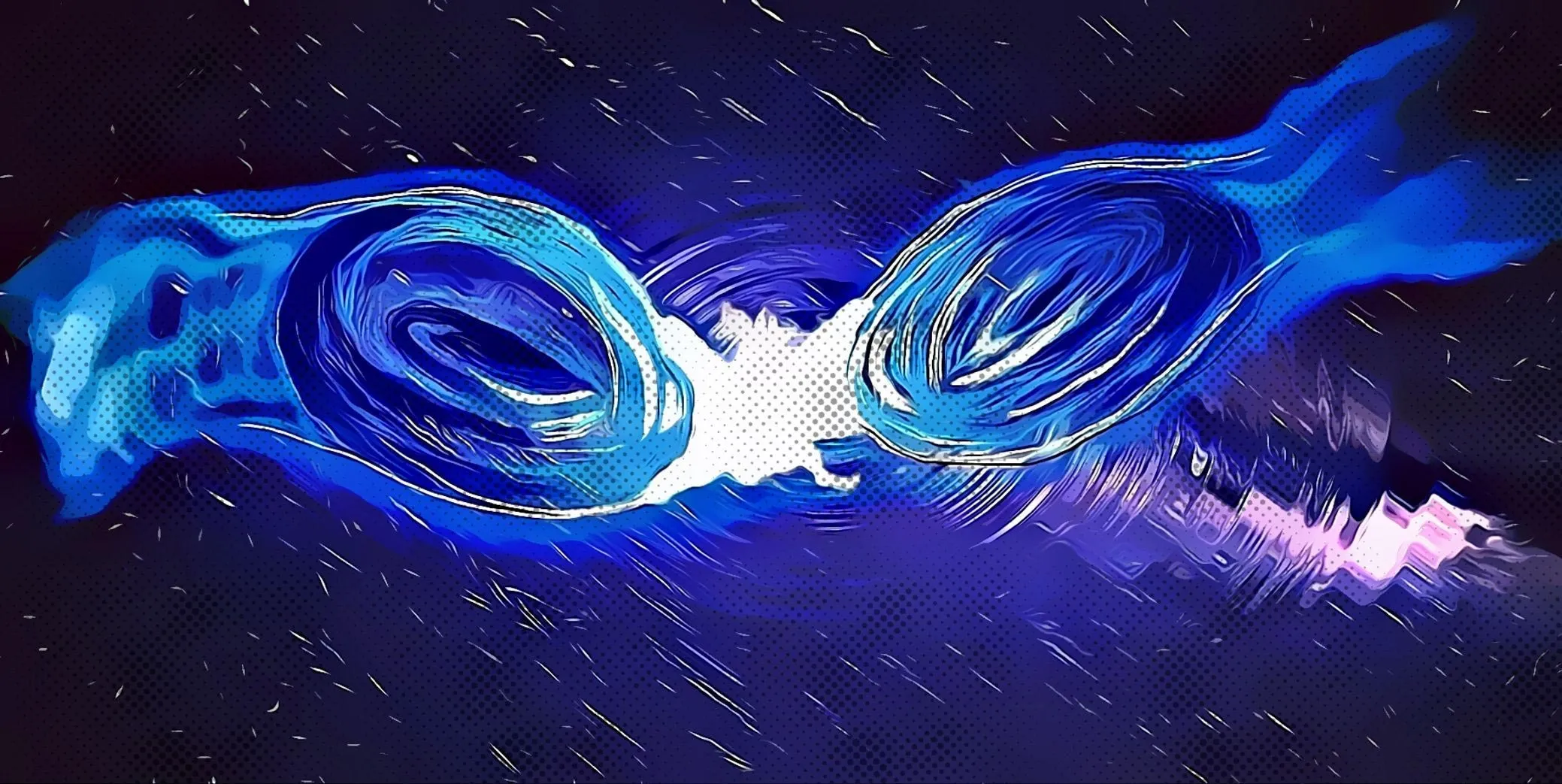
Colliding Particles meet Gravitational Waves Gravitational waves contain crucial information on the structure and on the history of the Universe. They can give us access to unique insights on particle physics at very high energies and astrophysics in extreme regimes. The detection of gravitational waves and the measurement of their properties is arguably one of
-
Joining CERN’s Alumni Network matters
Joining CERN’s Alumni Network matters It has been almost four years since the launch of the CERN Alumni Network in June 2017 as a strategic objective of the CERN management. It is very easy to lose track of most CERN’s members of personnel and associates after they embark on their various career paths – even