
Tag: October-December 2024
-
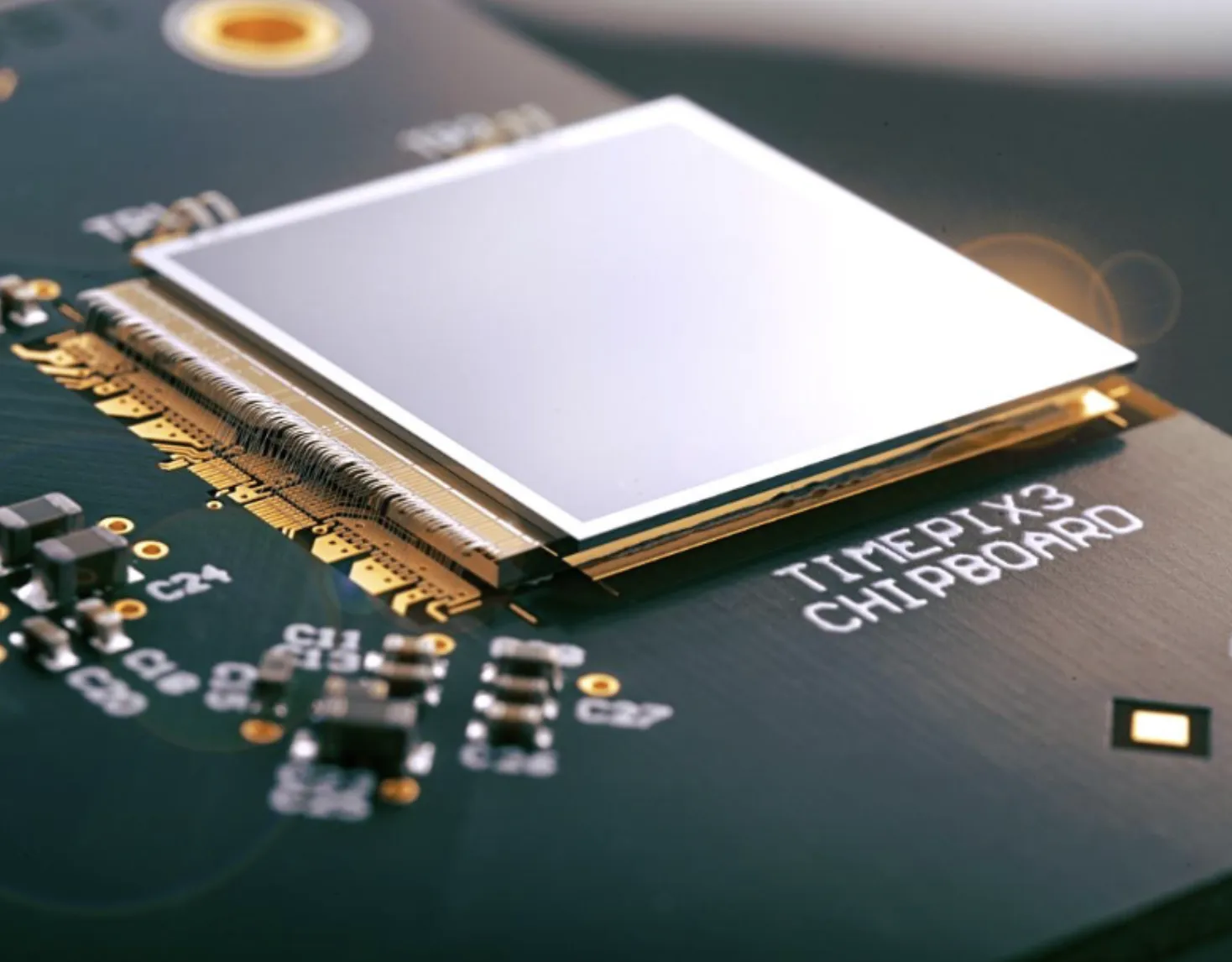
In discussion with Michael Campbell: Unpacking the Medipix/Timepix Revolution
In discussion with Michael Campbell: Unpacking the Medipix/Timepix Revolution The Medipix and Timepix family of hybrid pixel detectors represents one of the most groundbreaking innovations to emerge from CERN’s detector technology. These chips, based on the hybrid pixel technology developed for high-energy physics experiments, have found remarkable applications in diverse fields such as medical imaging,
-
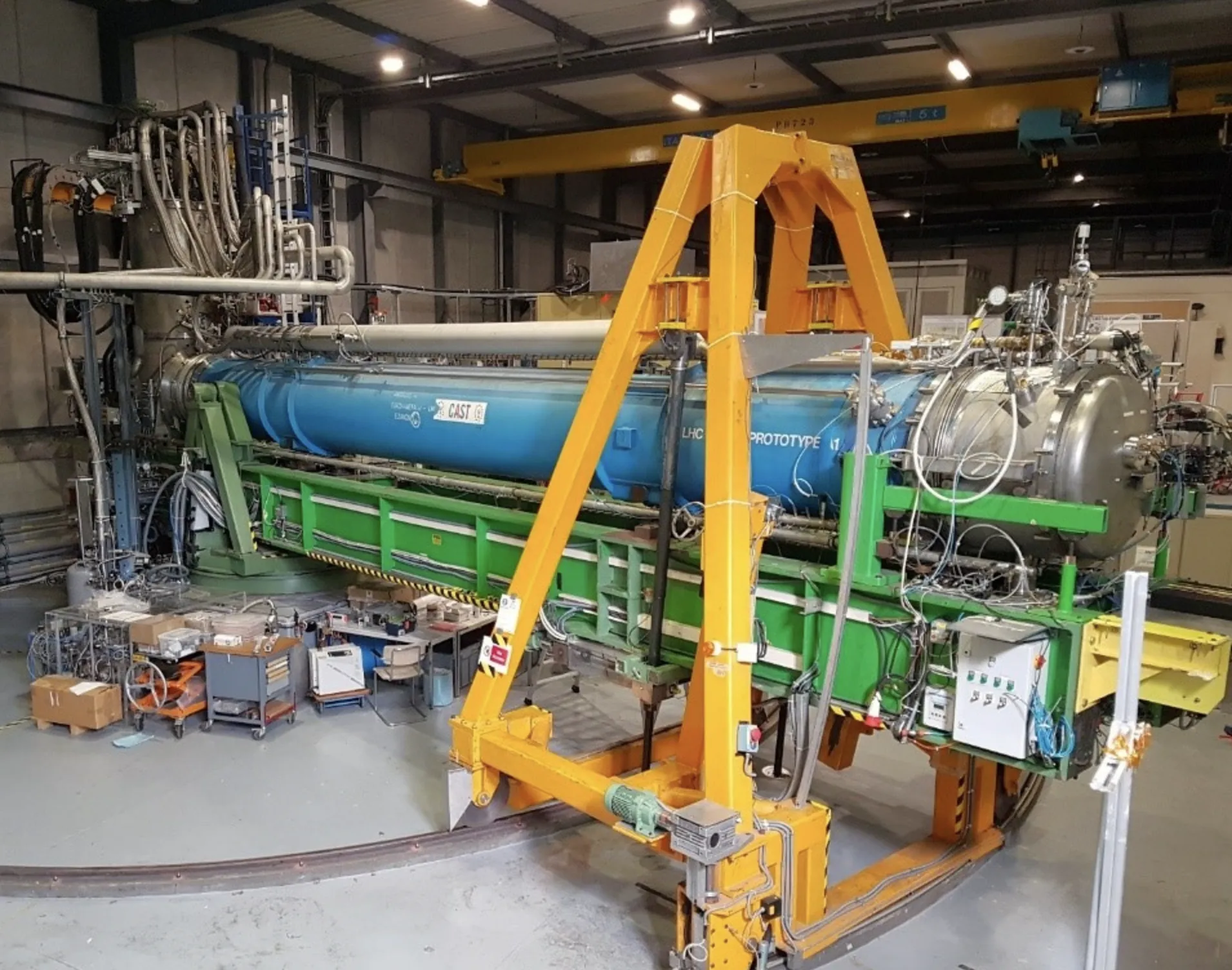
CAST Sets New Benchmarks in the Quest for Axions
CAST Sets New Benchmarks in the Quest for Axions Within the CERN Axion Solar Telescope (CAST) collaboration, scientists from the Center for Astroparticles and High-Energy Physics (CAPA) at the University of Zaragoza led the research that has achieved a significant milestone in the search for axion-like particles (ALPs). Published in Physical Review Letters, their latest
-

Extended Scalar Sectors are considered from all angles at CERN
Extended Scalar Sectors are considered from all angles at CERN It has been more than ten years since the discovery of the first scalar particle at the electroweak scale. This particle was discovered at the LHC in 2012, and it was quickly found to be a scalar that is compatible with the Higgs boson predicted
-
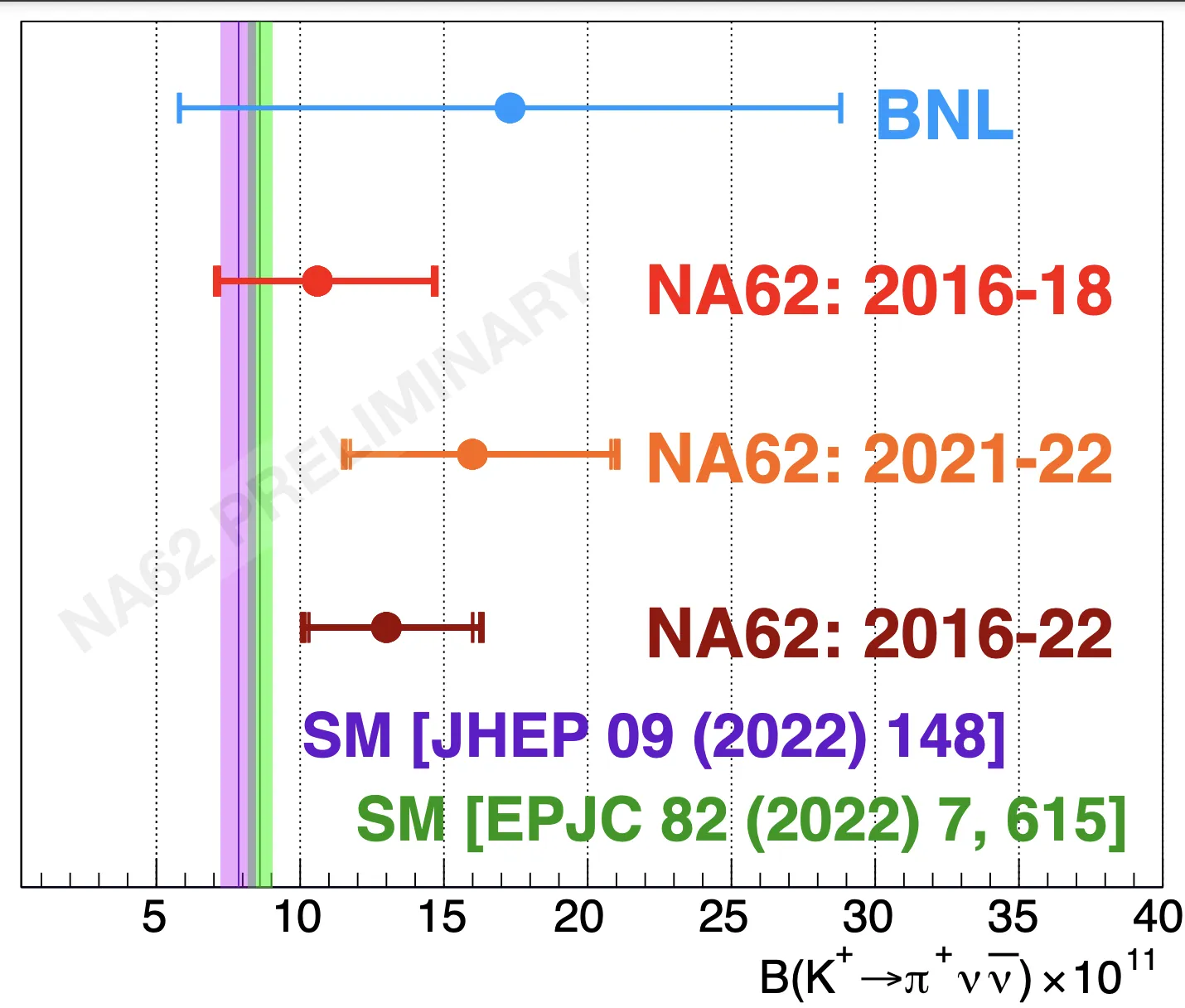
NA62 Observes Ultra-Rare Kaon Decay to Pion and Neutrinos
NA62 Observes Ultra-Rare Kaon Decay to Pion and Neutrinos The NA62 experiment at the CERN north area was built to investigate the ultra-rare K+ → π+νν̄ decay. Measurement of this decay, a golden mode for kaon physics, is considered a key flavour physics objective because it provides both a strong test of the Standard Model
-
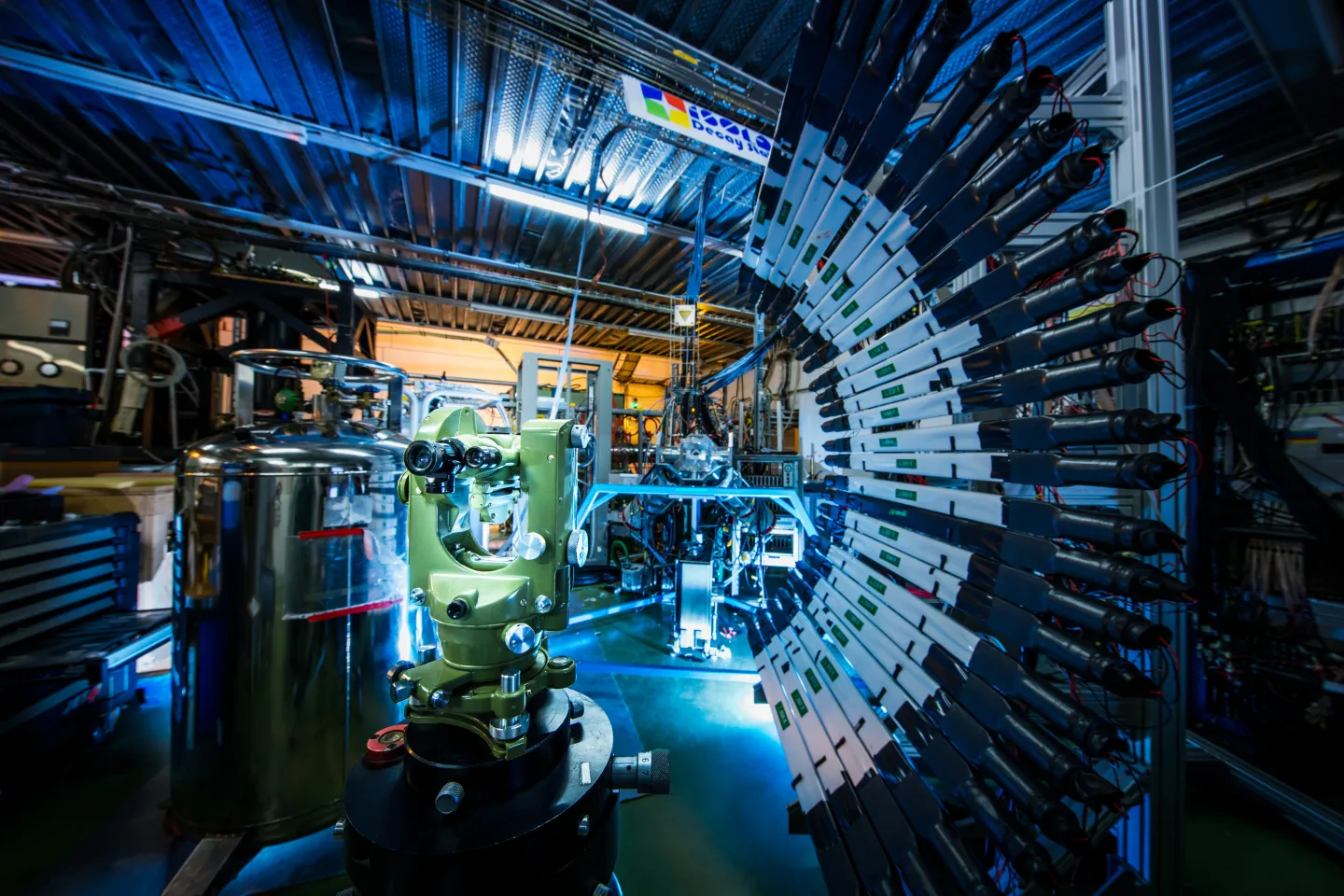
Perturbed angular correlations at ISOLDE
Perturbed angular correlations at ISOLDE Solid state physics and biophysics research has been conducted at ISOLDE-CERN for almost 50 years [JOH2017]. Our role in supporting experimental equipment and manpower has enabled the development of on-site laboratories. This has several advantages, from nuclear physics studies to the applications for society. Being part of the in-house group
-
Development of Radiation Tolerant Silicon Detectors for the LHC and HL-LHC
Development of Radiation Tolerant Silicon Detectors for the LHC and HL-LHC Introduction The potential of semiconductor-based detectors for particle detection in nuclear and high-energy physics (HEP) has been identified as early as 1960. However, it took two more decades of development to transform these detectors into reliable, fully operational systems. Silicon-based tracking detectors made their
-

A word from the EP Deputy Department Head – December 2024
A word from the EP Deputy Department Head – December 2024 Dear Colleagues, It is my pleasure to share the latest edition of the EP newsletter with you. You will notice that this time several articles have a “historical touch” in line with the one-year-long celebrations of CERN’s 70th anniversary that are coming to a