
Tag: Run 3
-

New Staff Members and Fellows
New Staff Members and Fellows Maximilian Babeluk Hi, I’m Max. I recently joined the ALICE ITS3 team, where I work on sensor testing, functional verification, and in the future also chip design – particularly on MOSAIX. My main activities include testing and yield assessment across multiple integration levels (wafer probing to system tests), including data
-
Triggering in ATLAS in Run 3
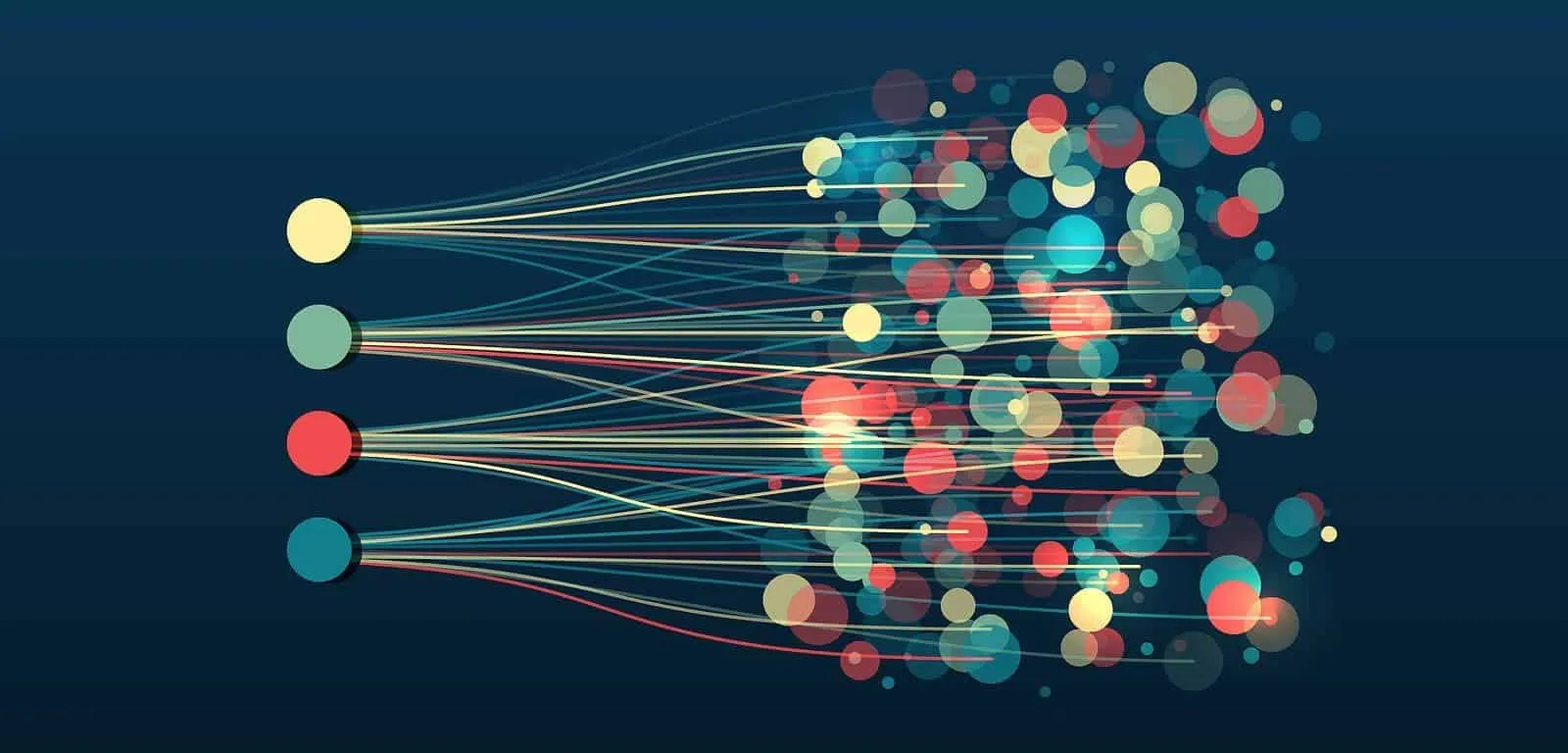
Triggering in ATLAS in Run 3 The ATLAS collaboration recently celebrated its 30th anniversary following the submission of the experiment’s Letter of Intent in 1992 and has accomplished great achievements during these years. However, it is still a young experiment, with only 6% of the total data set acquired to date. During the LHC Long
-
ATLAS faces the challenge of Run 3
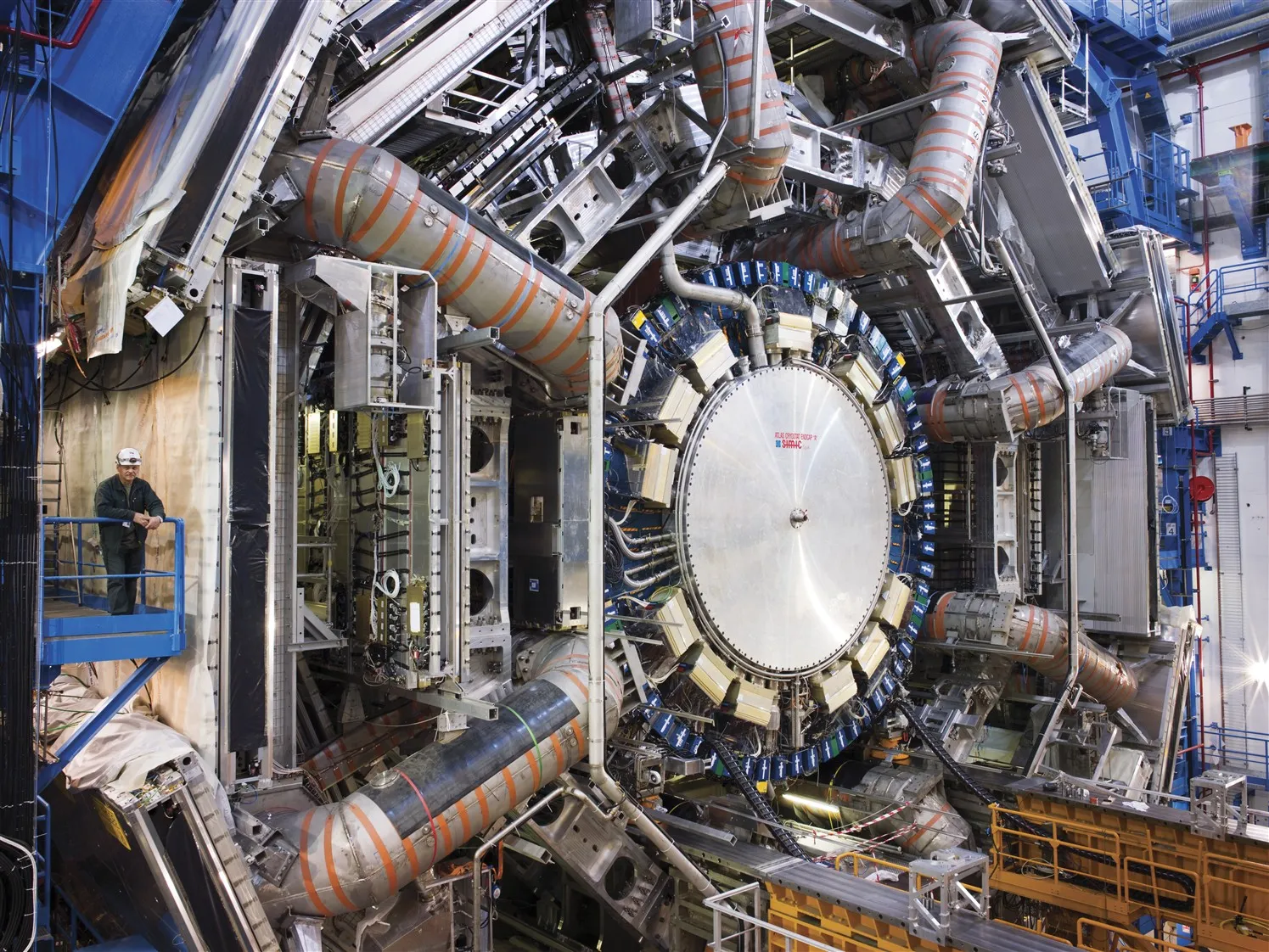
ATLAS faces the challenge of Run 3 The ATLAS experiment is a general-purpose particle detector operating at the LHC. It consists of several concentric layers of particle detectors occupying a cylindrical volume 46m long and 25m in diameter. The innermost detectors reconstruct the trajectories of charged particles produced in the beam collisions with high precision.
-
ALICE gears up towards a rich Run 3 QCD programme
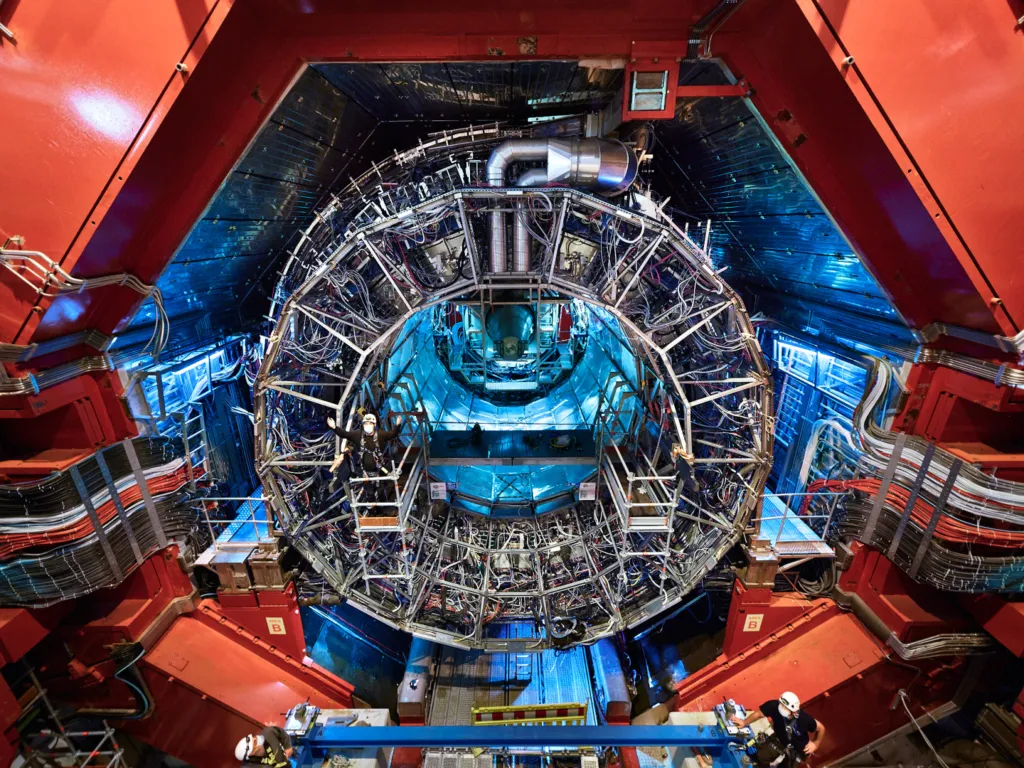
ALICE gears up towards a rich Run 3 QCD programme Quantum Chromodynamics (QCD), the theory of strong interactions, is characterised by a rich phase diagram. The elementary coloured degrees of freedom of the theory, quarks and gluons, under ordinary conditions are confined in colour-neutral hadrons and get free to propagate over distances larger than the
-
CMS experiment prepares for Run 3
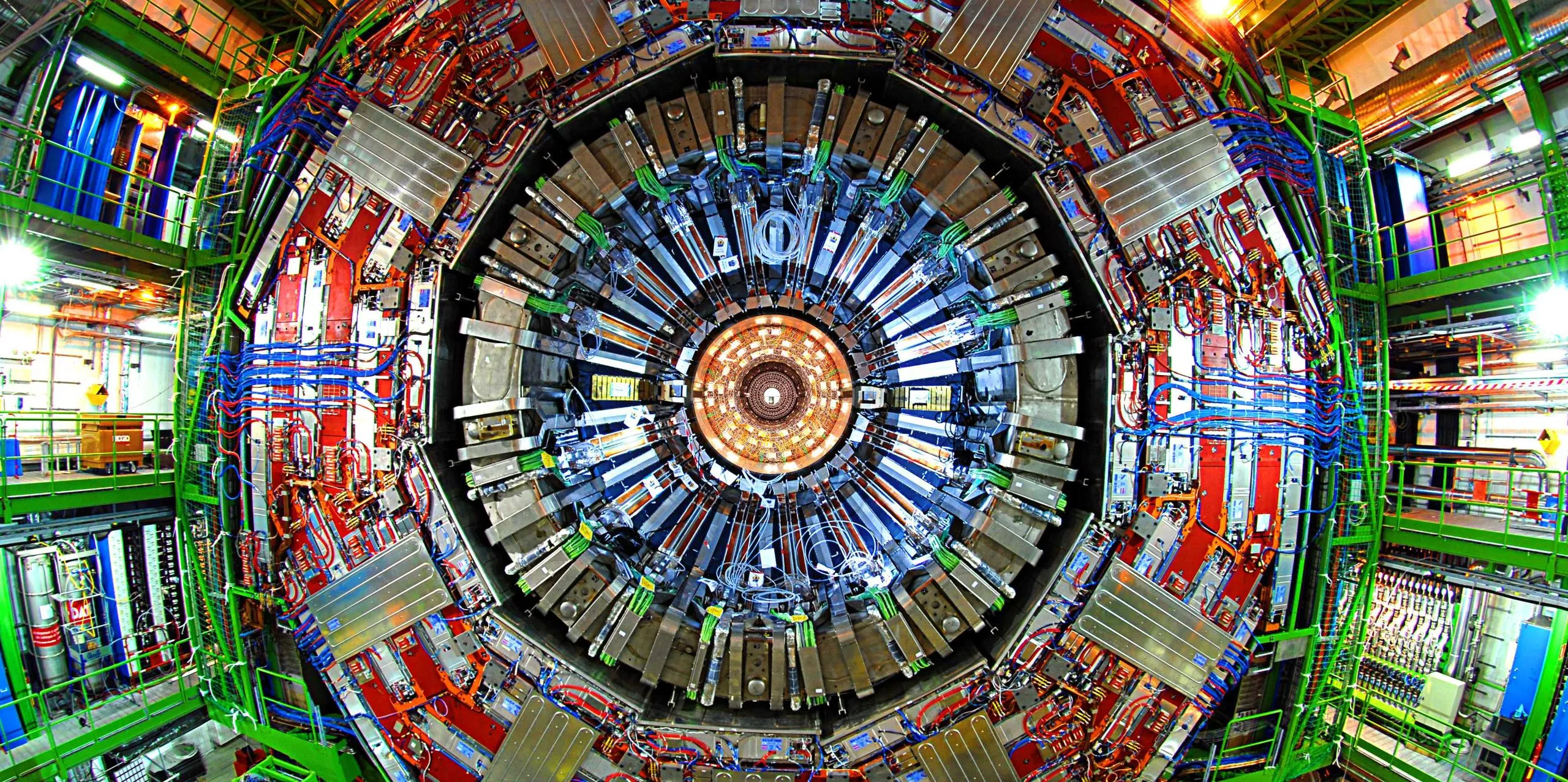
CMS experiment prepares for Run 3 The CMS experiment is one of the four large experiments at the LHC and a detailed description of the detector’s inner and outer layers can be found here. The detector successfully operated with LHC collisions since 2010 leading to the Higgs boson discovery in 2012 by the CMS and
-
LHCb experiment looks forward
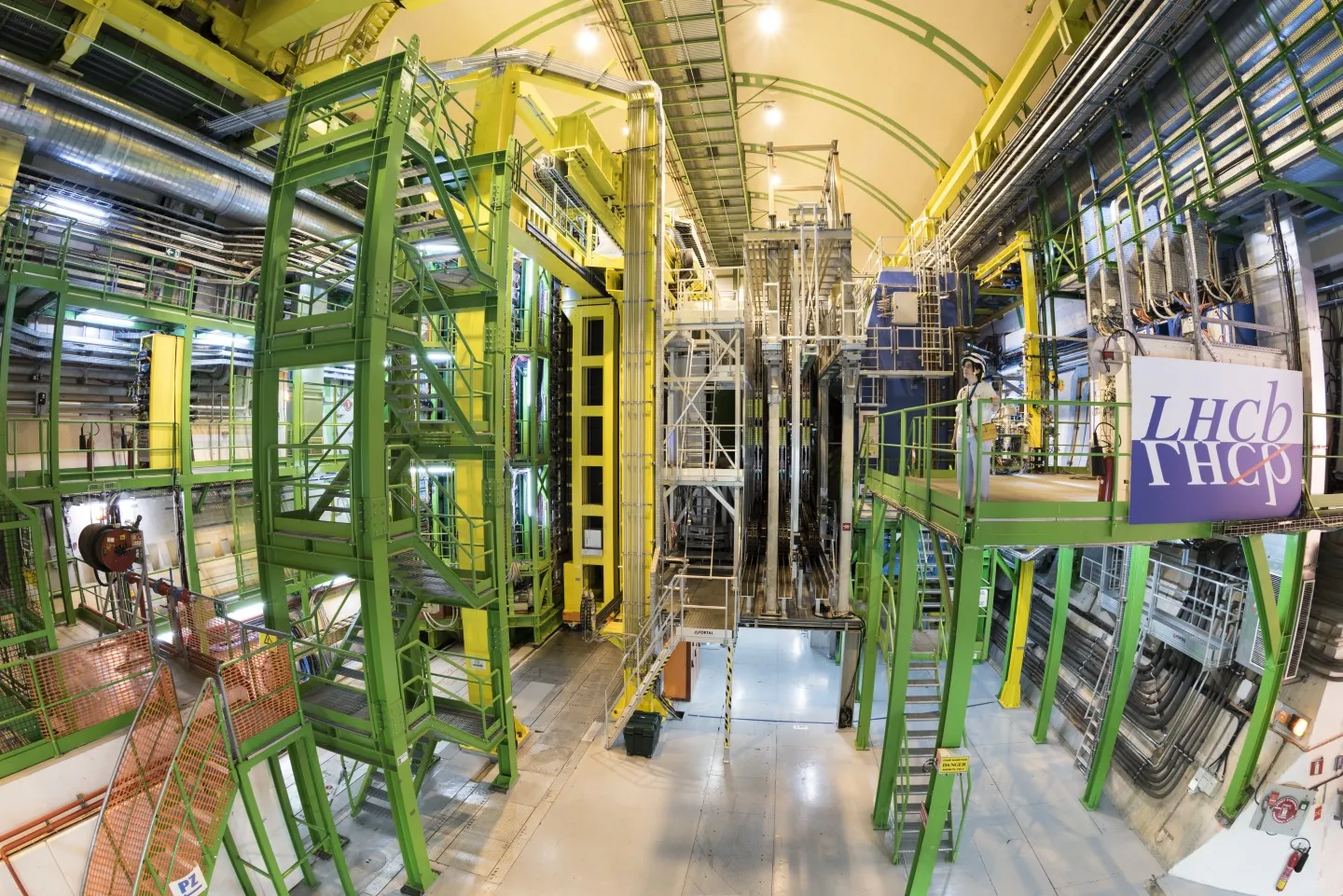
LHCb experiment looks forward The LHCb detector provides unique precision coverage of the forward region at the LHC, enabling world-leading studies of flavour physics and more. The collaboration is currently installing the first major upgrade of the detector. This upgrade will allow proton collisions with an instantaneous luminosity of 2 x 1033 cm-2s-1, an increase
-
LHCb adopts GPUs in Run 3 trigger
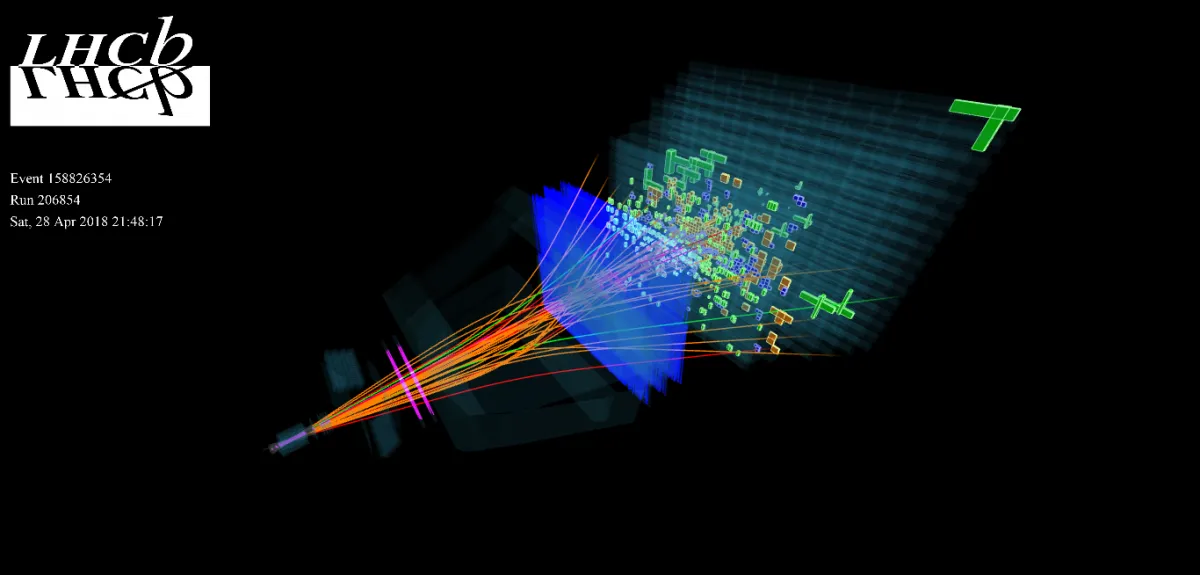
LHCb adopts GPUs in Run 3 trigger The LHCb experiment is currently being upgraded to continue its study of beauty and charm hadrons at a five times higher instantaneous luminosity in LHC Run 3 that is now set to start in 2022. At the increased luminosity, these hadrons are produced so abundantly that selections based