
Tag: September 2022 – November 2022
-
DT group publishes 2021 annual report
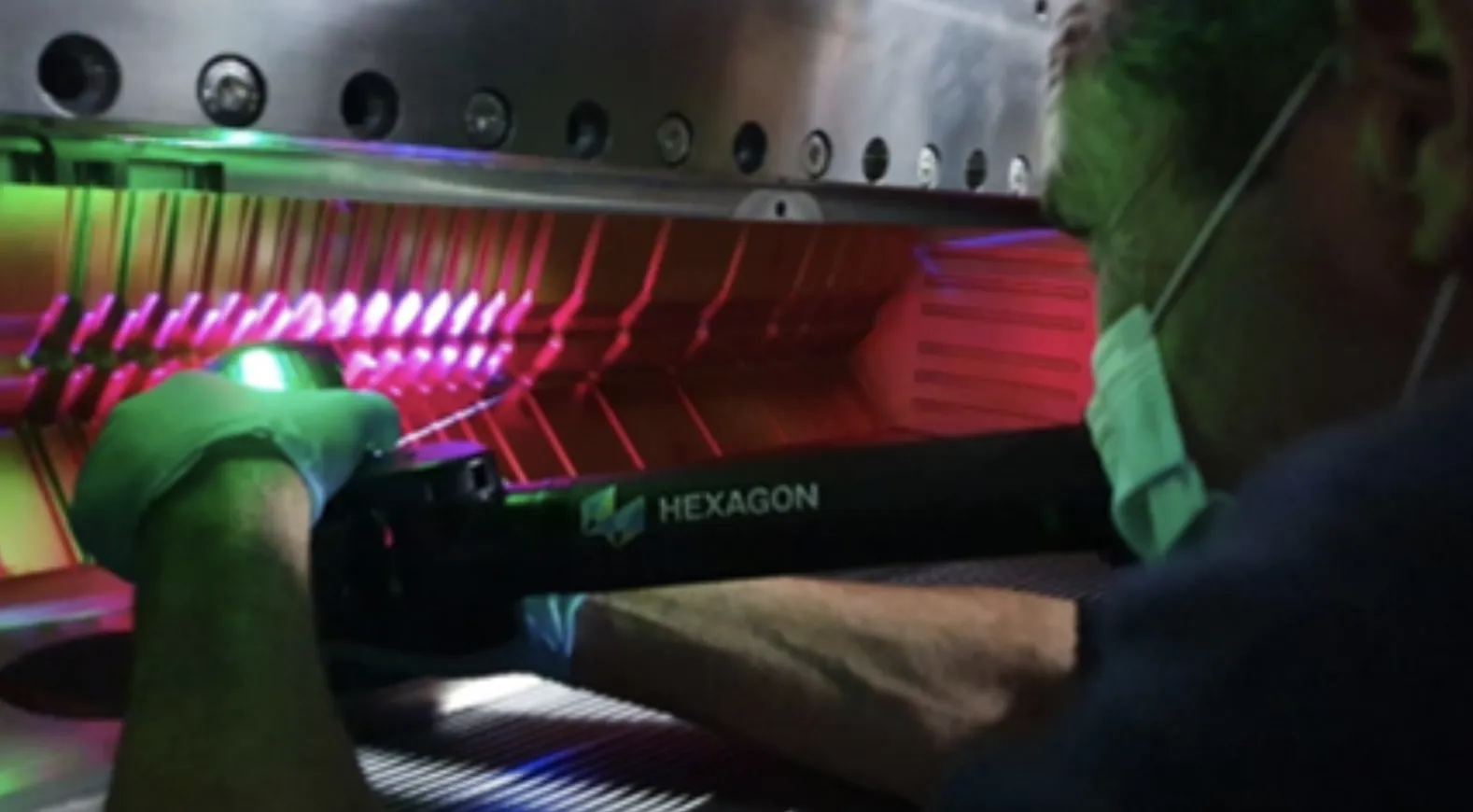
DT group publishes 2021 annual report The mandate of the Detector Technologies (DT) group in the Experimental Physics department covers development, construction, operation and maintenance of particle detectors for CERN experiments. Last year showed great progress on several projects both for the LHC and non-LHC experiments, as detailed in the recent annual report. Moreover, DT
-
Zooming in the EP R&D Days 2022
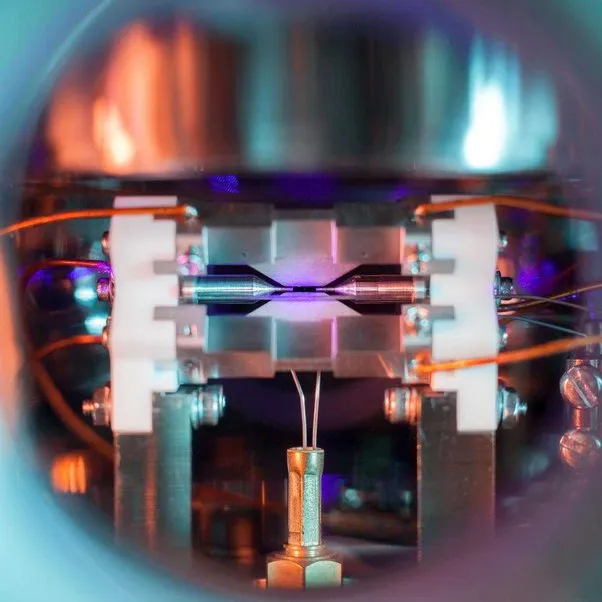
Zooming in the EP R&D Days 2022 The annual EP R&D Days meeting was held on the 20th and 21st of June 2022. The meeting reviewed progress and plans of the 11 work packages as the EP RnD programme reaches its midpoint. In addition, the meeting offered better understanding of the respective needs and potential
-
Enhancing sensitivity of spectroscopic X-ray imaging
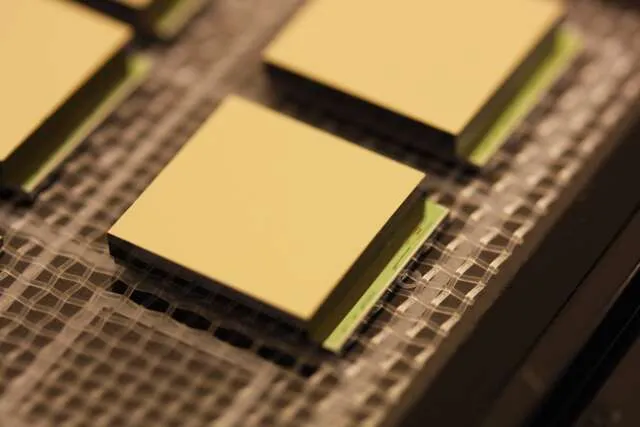
Enhancing sensitivity of spectroscopic X-ray imaging A dedicated workshop on Medical Applications of Spectroscopic X-ray Detectors took place at CERN from 29th August – 1st September. It brought together more than 100 participants from a variety on institutions including prestigious medical schools, major medical equipment suppliers, small and medium sized enterprises as well as universities
-
Wafer-level testing of CMS Outer Tracker ASICs
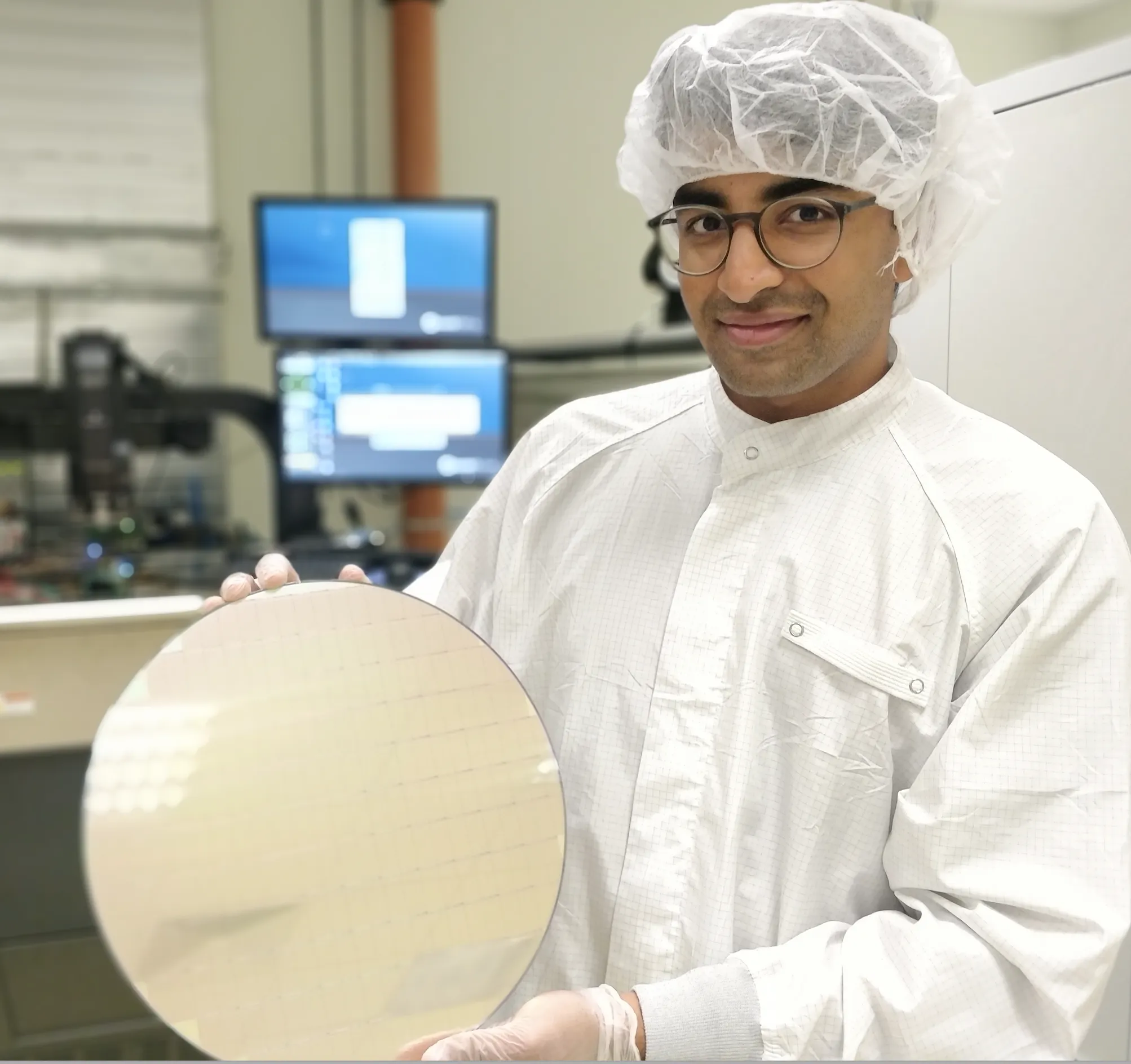
Wafer-level testing of CMS Outer Tracker ASICs The Macro-Pixel ASIC (MPA) and Short-Strip ASIC (SSA) are the new read-out chips used to process particle hit signals of pixel and strip sensors in the upcoming CMS Outer Tracker of the High-Luminosity LHC Upgrade (HL-LHC). The two chips are produced by TSMCs 65nm fabrication process and were
-
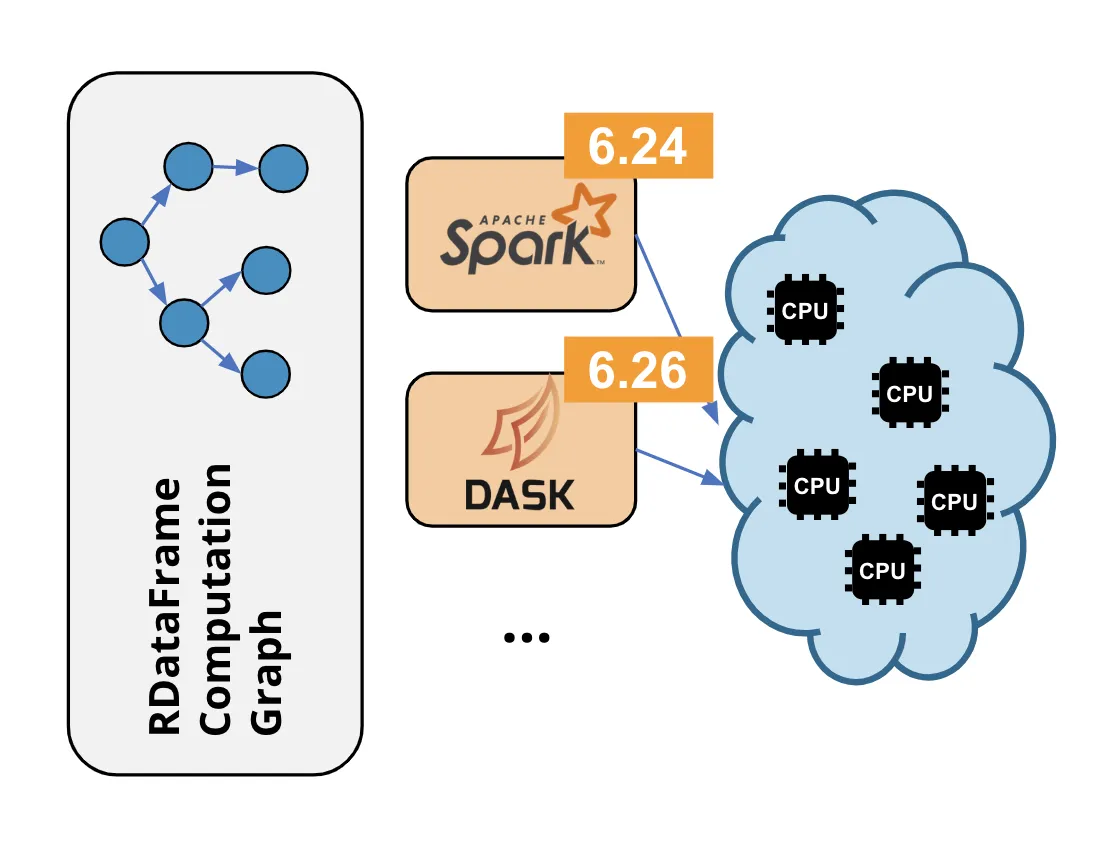
Distributed Analysis with ROOT RDataFrame
Distributed Analysis with ROOT RDataFrame The HL-LHC is foreseen to generate roughly thirty times more data than the LHC has produced so far. Given the available future budget estimations and expected technological evolution [1], software will play a crucial role to cover the performance gap and be able to process the foreseen data volumes. In
-

10 Years of operating the Alpha Magnetic Spectrometer on the International Space Station
10 Years of operating the Alpha Magnetic Spectrometer on the International Space Station AMS, passed the milestone of its first 10 years of continuous operation on the International Space Station. AMS is a particle physics detector designed to measure antiparticles, particles, and nuclei of rigidity (momentum/charge) ranging from the GV to few TV (Figure 1).
-
A timeline of the Higgs boson discovery
A timeline of the Higgs boson discovery The Higgs boson is the final piece of the standard model of particle physics to be observed, following decades of research. In June 2012, the ATLAS and CMS collaborations at CERN announced, that they had discovered a particle with the right properties to be the Higgs boson, which