
Category: Newsletter
-

Editorial – March 2014
Editorial – March 2014 Dear Colleagues, For this issue of the PH Newsletter we have focused on the activities related to the Future Circular Collider, which is being considered as a possible long term future for the laboratory, to follow the LHC. There was a recent kick-off meeting for these studies which was held in
-
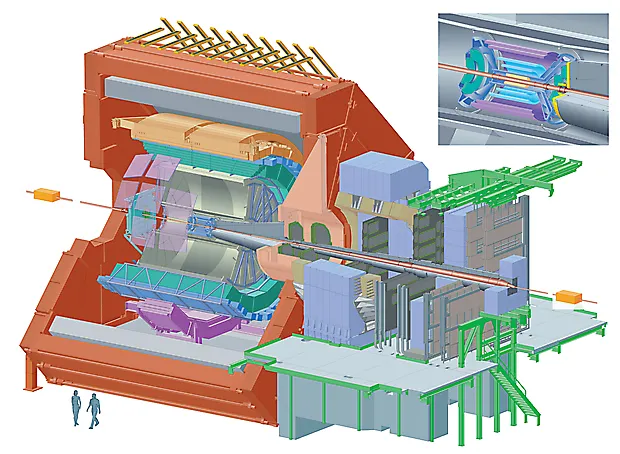
The ALICE Upgrade plans
The ALICE Upgrade plans ALICE, the LHC experiment specifically designed to study the physics of the Quark Gluon Plasma (QGP) and, more generally, of strongly interacting matter at extreme energy densities is planning a major upgrade during the Long Shutdown 2 foreseen to start in 2018. The new ALICE will have significantly enhanced read-out capabilities
-
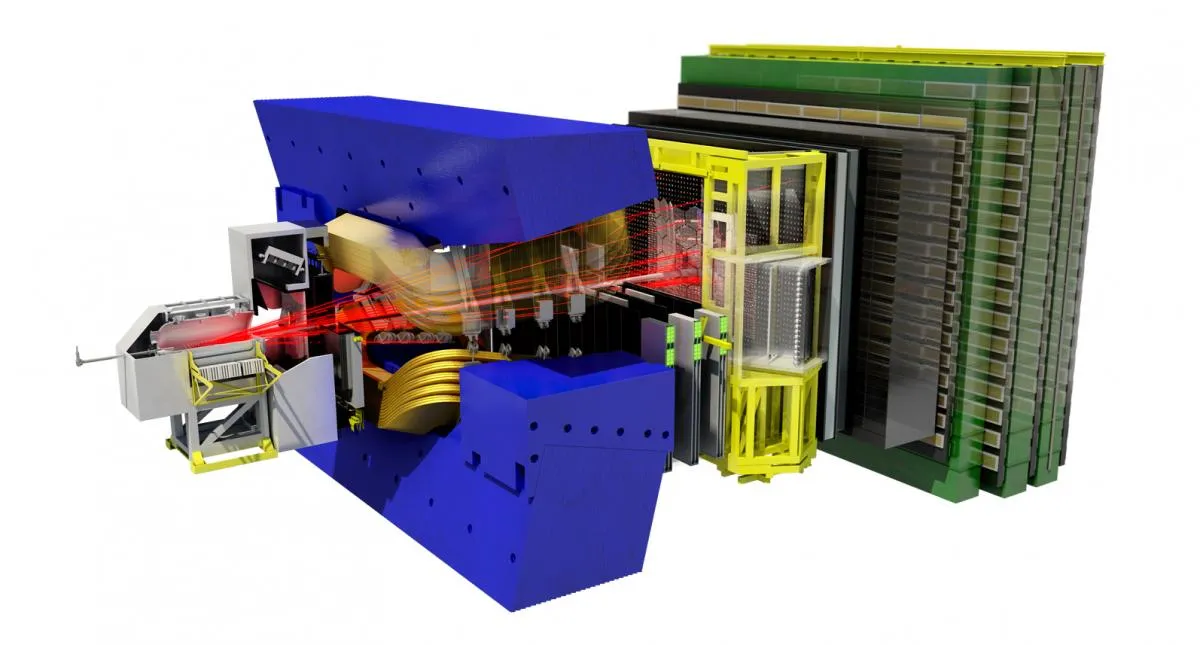
The LHCb Upgrade
The LHCb Upgrade LHCb is a high precision experiment devoted to the search for new physics beyond the Standard Model by studying CP violation and rare decays in the b and c-quark sectors. By searching for deviations from the Standard Model due to virtual contributions of new heavy particles in loop diagrams, LHCb is sensitive
-
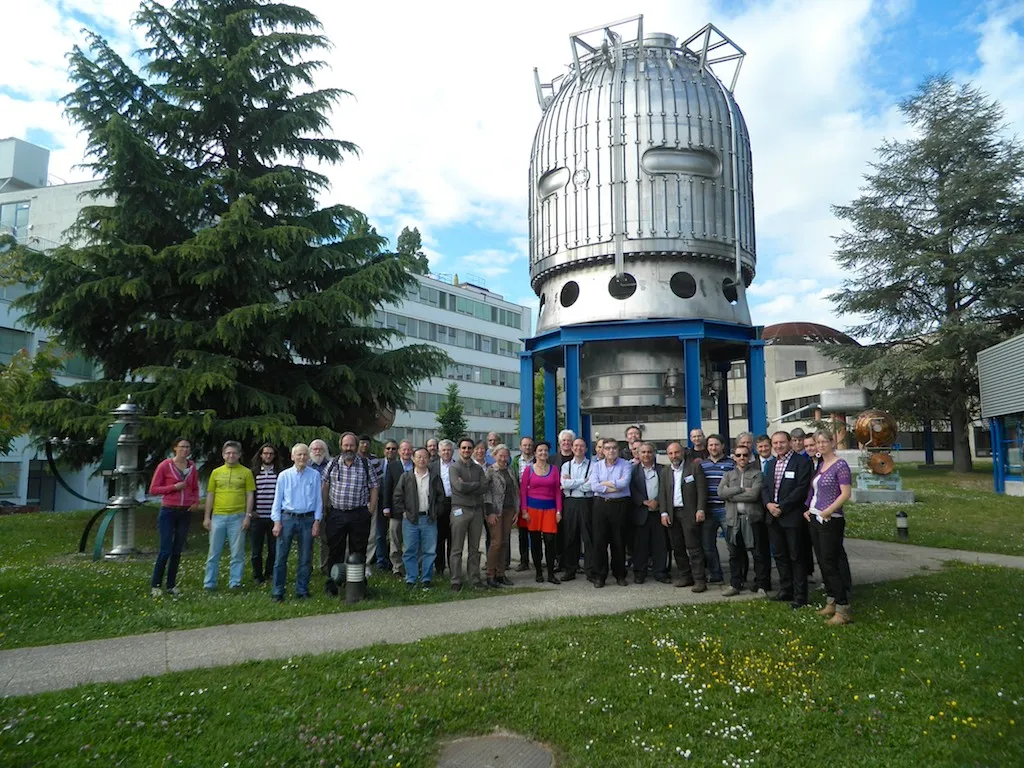
Workshop on “Questioning Fundamental Physical Principles” 2014
Workshop on "Questioning Fundamental Physical Principles" 2014 BROKEN IMAGE NOT MOVED (drupal url : https://ep-news.web.cern.ch//content/workshop-questioning-fundamental-physical-principles-2014) The TH division hosted a workshop on “Questioning Fundamental Physical Principles” on 6-9 May The discovery of the Higgs Boson at the LHC marks the apotheosis of quantum field theory. However, there is no sign of standard Beyond Standard Model
-
LHC experiments look in the future
LHC experiments look in the future The long term schedule for the LHC was established during the fall of 2013, following two important workshops of the experiments and LHC machine. The ECFA High Luminosity LHC workshop in Aix-les-Bains at the beginning of October discussed the long term plans of the LHC experiments including many details
-
PH-DT presents its 2013 annual report
PH-DT presents its 2013 annual report The PH/DT group has published its Annual Report where key activities throughout 2013 are described as well as a wider description of how the group is organized and interacts with the experimental community. The PH Detector Technology (DT) group is involved in the development, construction, qualification and operation of
-
HEP community discusses creation of a Software Foundation
HEP community discusses creation of a Software Foundation A two-day workshop was held at CERN on April 3rd and 4th to discuss a new initiative for establishing a collaboration that would foster the further development of scientific software packages for use in HEP experimental programmes world-wide. The response to the call for participation in this
-
Test Storage Ring at ISOLDE
Test Storage Ring at ISOLDE On Valentine’s day, the lovers of the Test Storage Ring (TSR) at ISOLDE joined expertise in a full day workshop dedicated to study in detail the possible day-one experiments to be done there (see: http://isolde.web.cern.ch/updates/tsrisolde-workshop-14th-february-2014). An anatomy of the proposed experiments and a detailed analysis of the pro and cons
-
Safety Matters in the PH Department
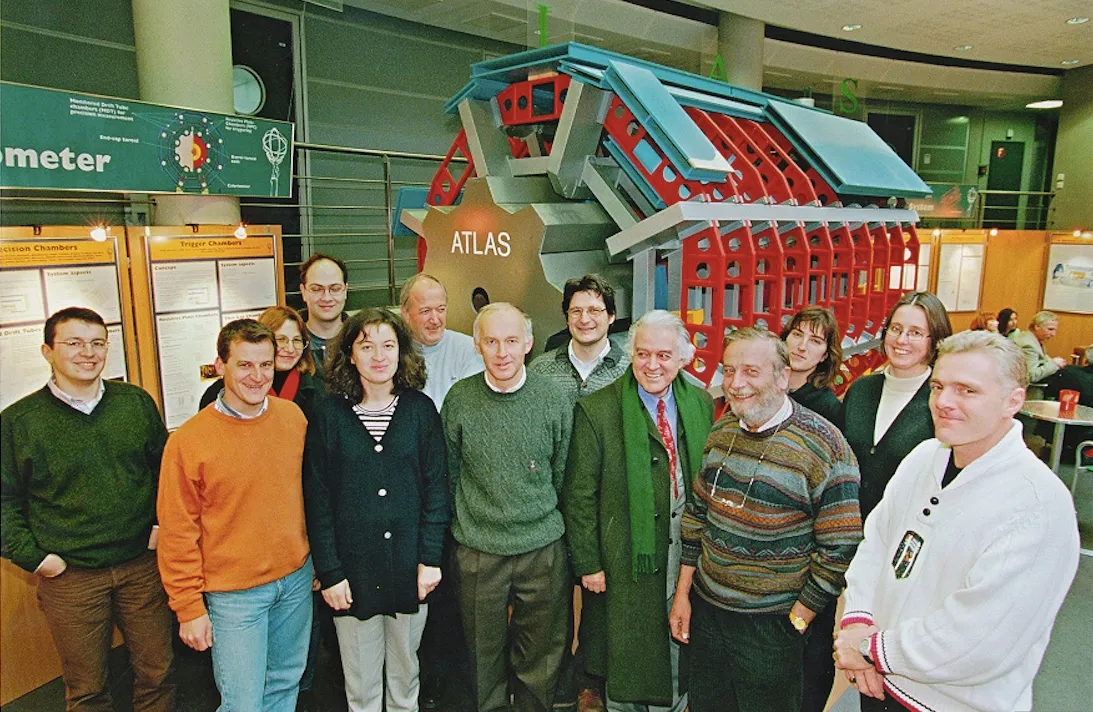
Safety Matters in the PH Department Mark Hatch joined CERN in 1984 as an engineer to work on the cooling and ventilating systems for the LEP project. From this time he became involved in safety related work: the design & installation of ventilation systems for smoke control of the experimental caverns, the pressurization systems for
-
New straw tracker for the NA62 experiment
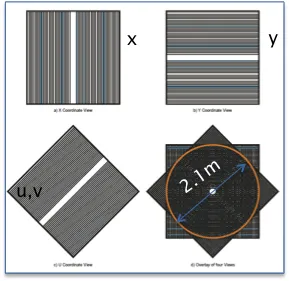
New straw tracker for the NA62 experiment The design of the NA62 straw tracker is driven by the requirement of low multiple scattering and high efficiency over the full acceptance. An ultra-light straw tracker operated in vacuum was chosen for this purpose. Extensive R&D was performed in order to manufacture straws in large quantities using