
Tag: ALICE
-
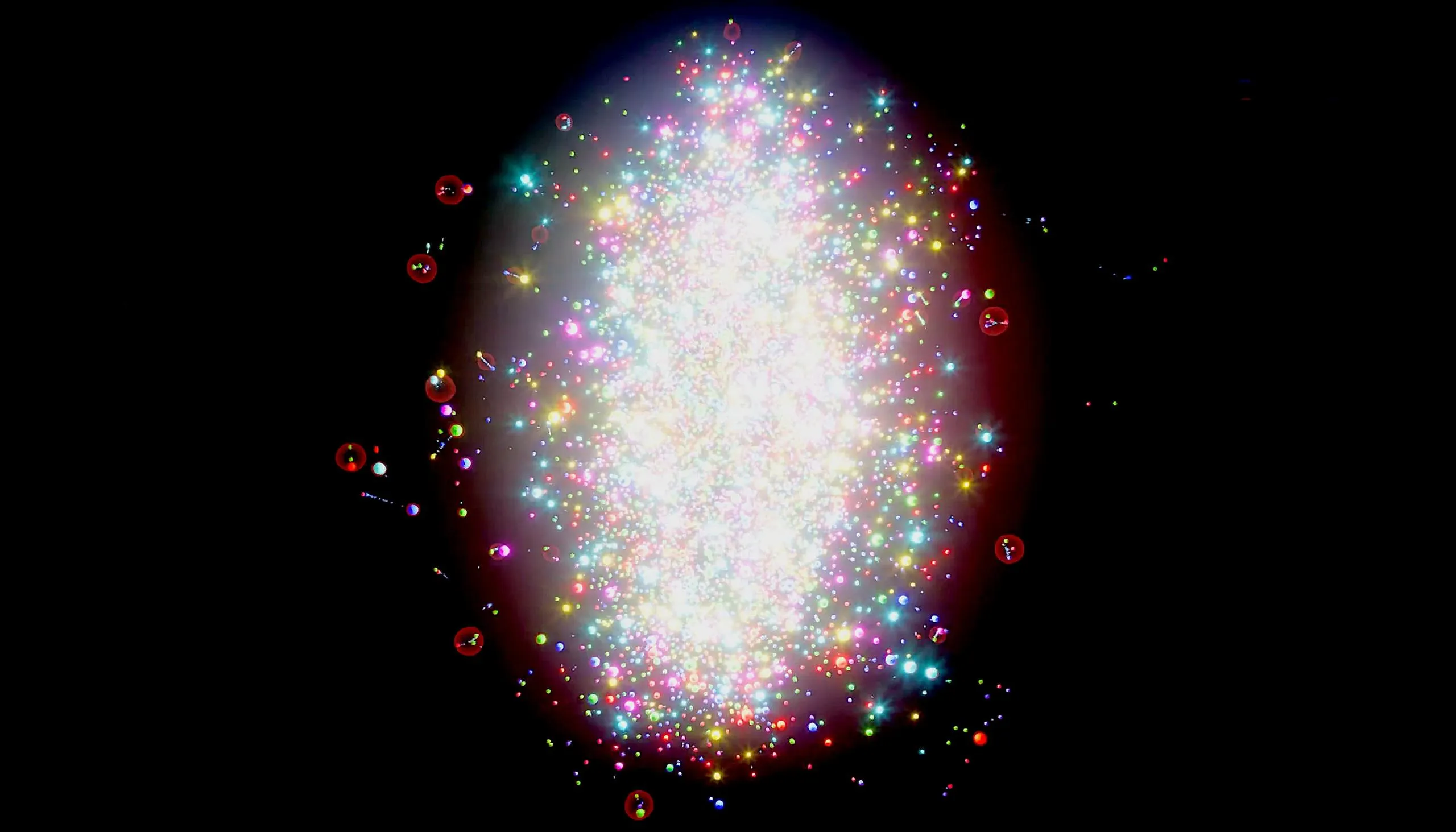
Light ions at the LHC: first results from oxygen–oxygen and neon–neon collisions
Light ions at the LHC: first results from oxygen–oxygen and neon–neon collisions This summer, the Large Hadron Collider (LHC) delivered its first-ever collisions between light ions, opening a new chapter in the study of nuclear structure and the quark–gluon plasma (QGP) – the extreme state of matter that existed in the first instants of the
-
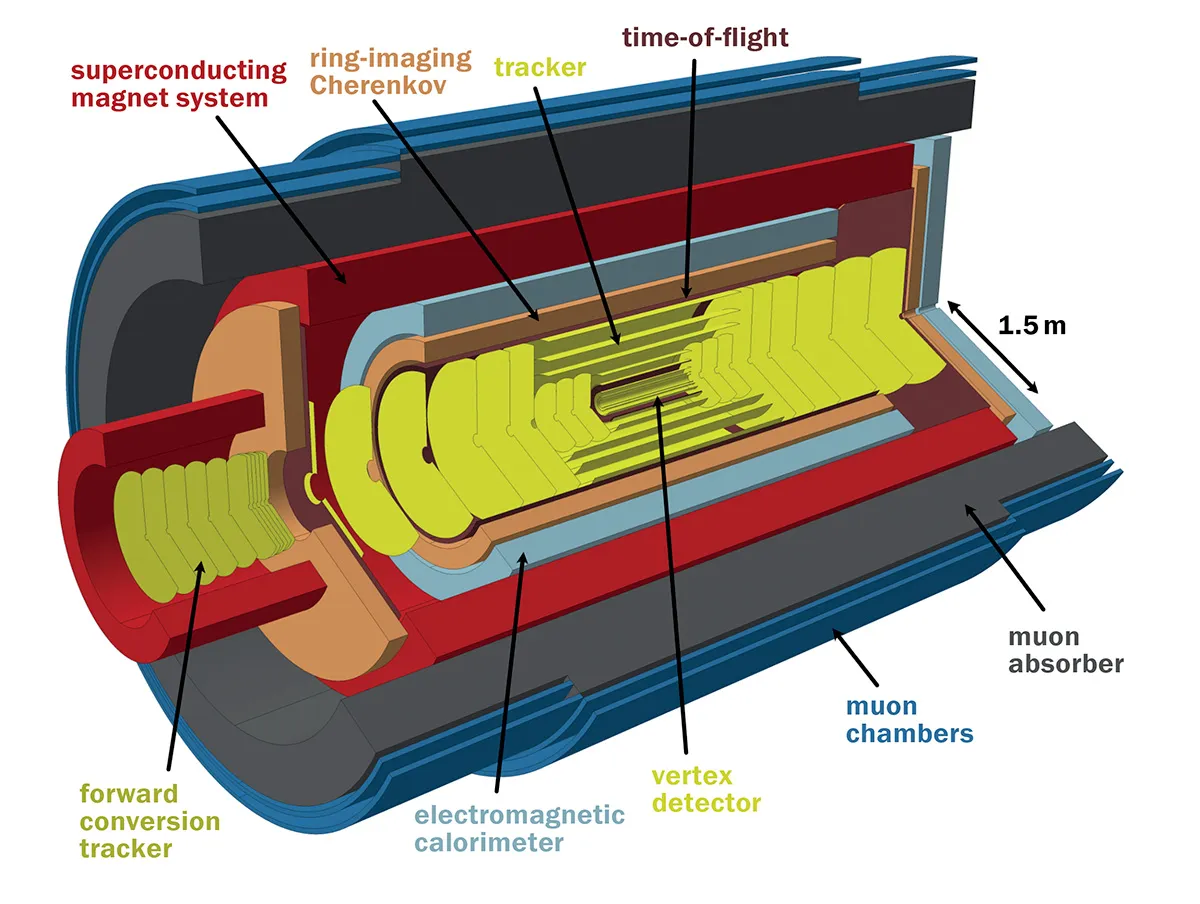
Aerogel RICH detector for the future ALICE 3 PID system at LHC
Aerogel RICH detector for the future ALICE 3 PID system at LHC For the LHC Runs 5, starting in 2036, the ALICE collaboration is proposing a new apparatus, ALICE 3 (CDS record), to further investigate the properties of Quark–Gluon Plasma (QGP) following the physics measurement campaign of LHC Runs 3 and 4. Despite significant progress,
-
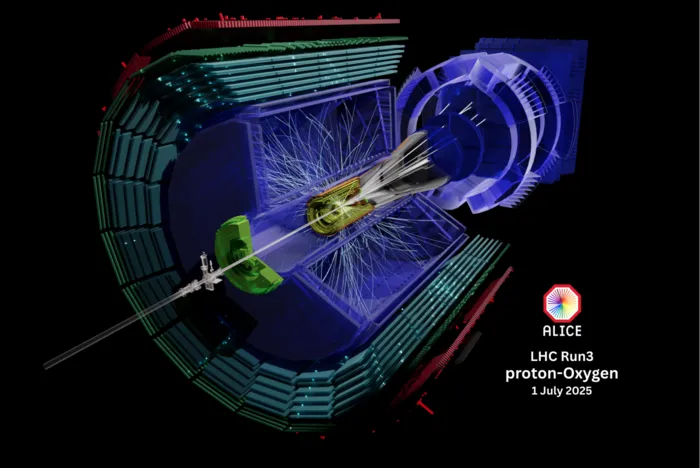
ALICE explores the quark–gluon plasma with light-ion collisions
ALICE explores the quark–gluon plasma with light-ion collisions In July 2025, the ALICE experiment took part in the LHC’s first-ever light-ion campaign, colliding oxygen–oxygen (O–O) and neon–neon (Ne–Ne) nuclei at a centre-of-mass energy of 5.36 TeV per nucleon pair. The short but intense runs offered a rare opportunity to explore the transition between ordinary hadronic
-
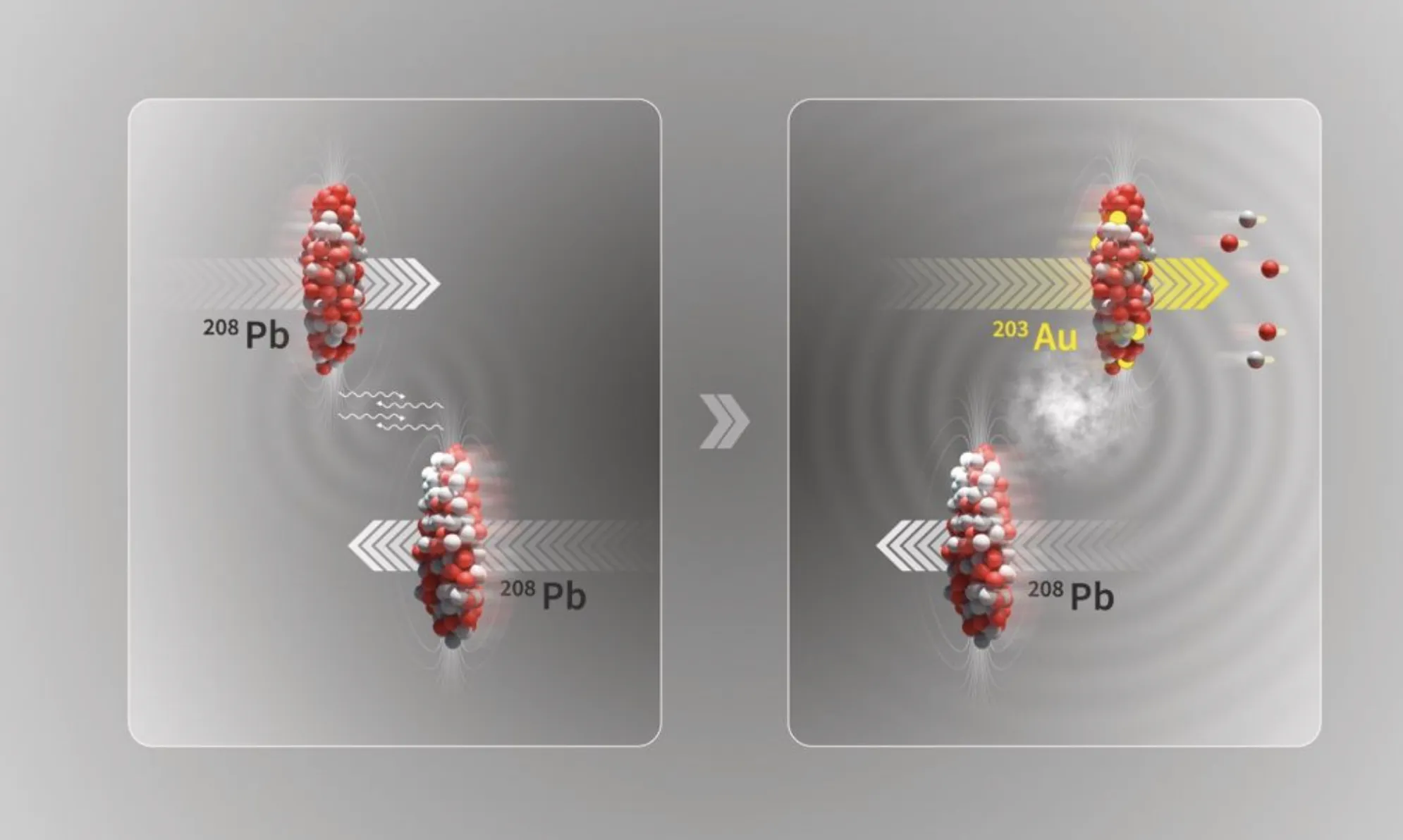
Heavy isotopes production via electromagnetic interactions at the LHC
Heavy isotopes production via electromagnetic interactions at the LHC The ALICE experiment at LHC studies ultra-relativistic heavy-ion collisions to characterize the Quark-Gluon Plasma (QGP) — a state of matter where quarks and gluons are deconfined. This state existed briefly in the early Universe, just a few millionths of a microsecond after the Big Bang. However,
-
Isolated photon measurements in Pb–Pb collisions with ALICE
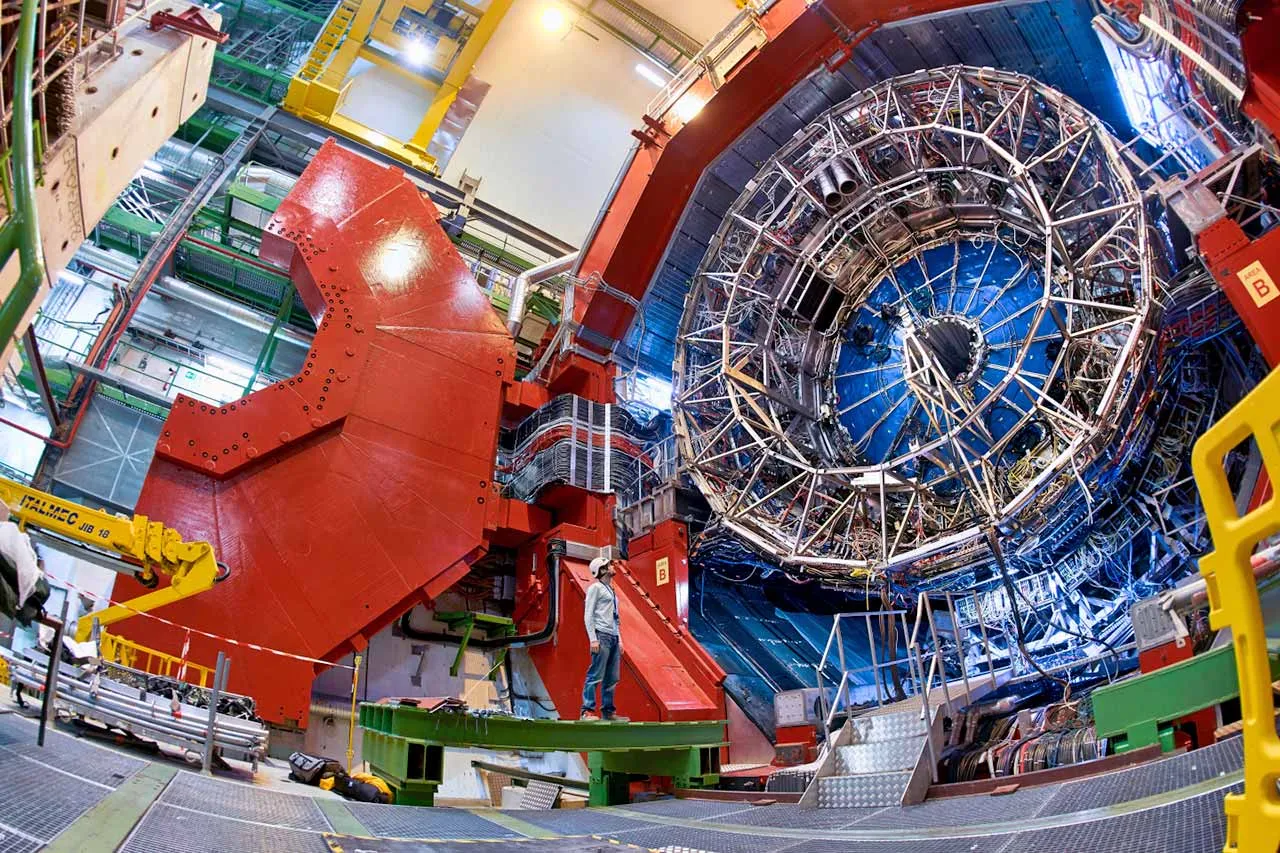
Isolated photon measurements in Pb–Pb collisions with ALICE Heavy-ion collisions (AA) at ultrarelativistic energies at the RHIC and LHC have produced during the last 25 and 15 years, respectively, an extremely hot and dense environment, a strongly interacting coloured medium named “quark-gluon plasma” (QGP), a state of matter where quarks and gluons are not confined
-
Unveiling the Early Universe: The Historical Journey to Discovering the Quark-Gluon Plasma
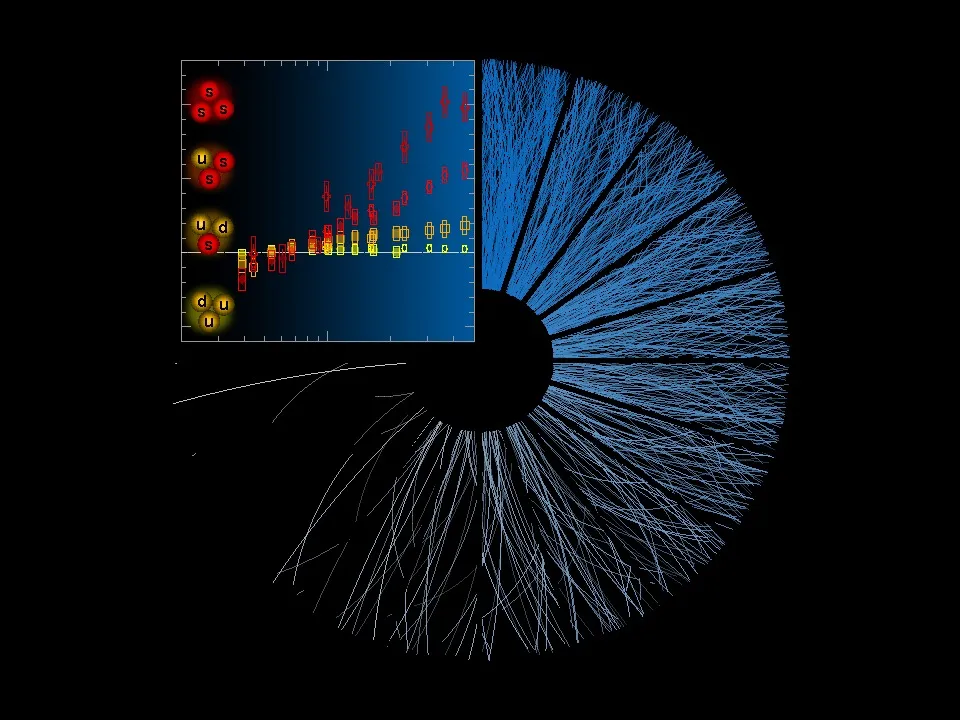
Unveiling the Early Universe: The Historical Journey to Discovering the Quark-Gluon Plasma One of the most fascinating characteristics of particles carrying colour charge, such as quarks and gluons, is their inability to exist as free entities in nature. They are indeed perpetually confined within colour-neutral composite particles known as hadrons. This phenomenon, called colour confinement,
-
LHC Run 3: A Marathon of Progress and Perseverance
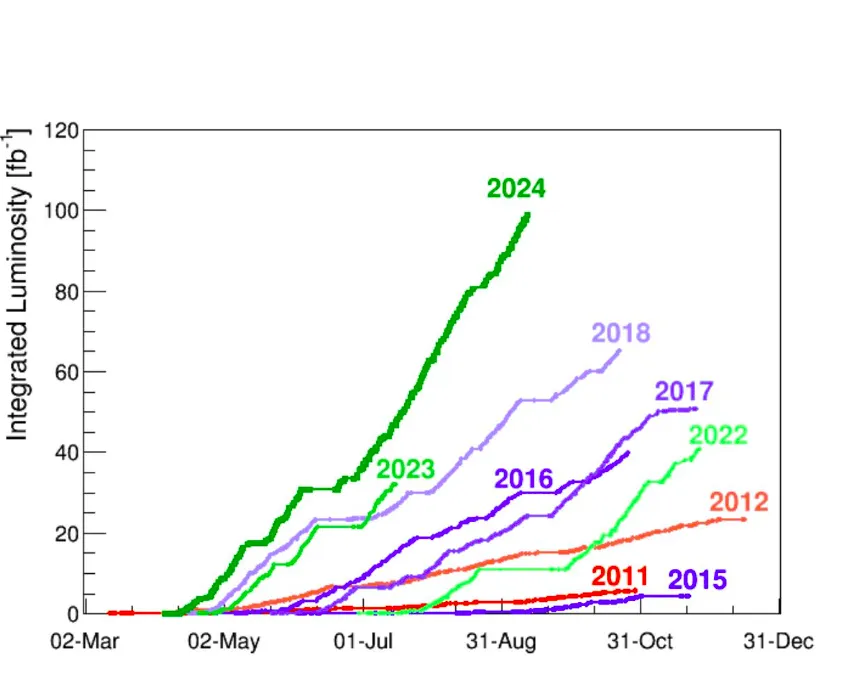
LHC Run 3: A Marathon of Progress and Perseverance Earlier this month, the Large Hadron Collider reached an unprecedented milestone of 100 inverse femtobarns – equivalent to 10 million billion collisions – delivered to the ATLAS and CMS experiments in 2024, with 28 days of proton-proton collisions remaining. This marks a historic first in a
-
From Upgrade to Upsurge: ALICE Experiment Achieves Milestone Luminosity in Run 3
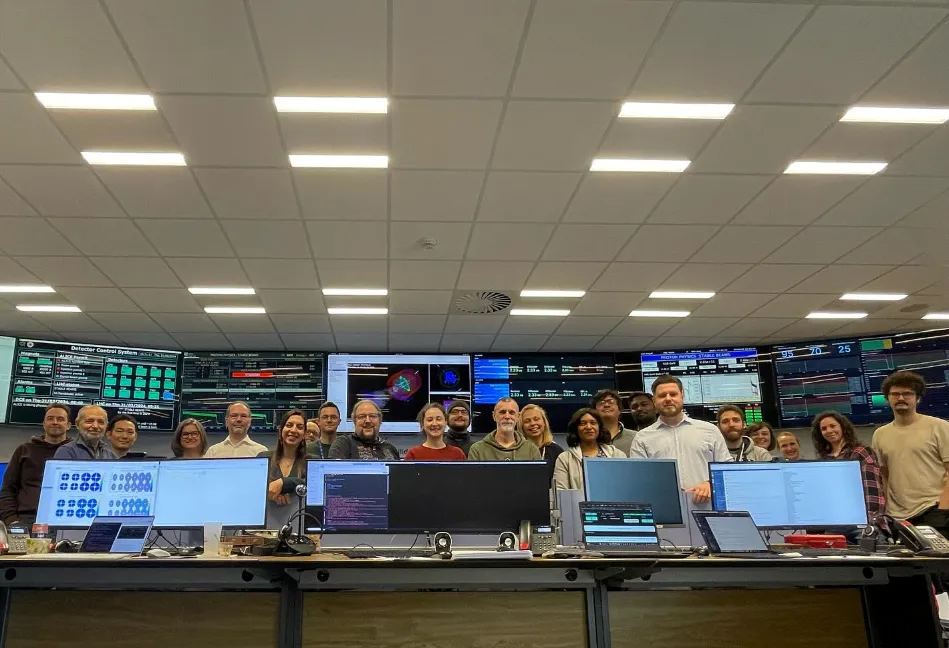
From Upgrade to Upsurge: ALICE Experiment Achieves Milestone Luminosity in Run 3 The ALICE experiment has successfully resumed physics data-taking in RUN 3 following a major upgrade of its detectors and data acquisition system during the LHC Long Shutdown 2 (LS2). While a portion of the delivered luminosity in 2022 was allocated to commissioning the
-
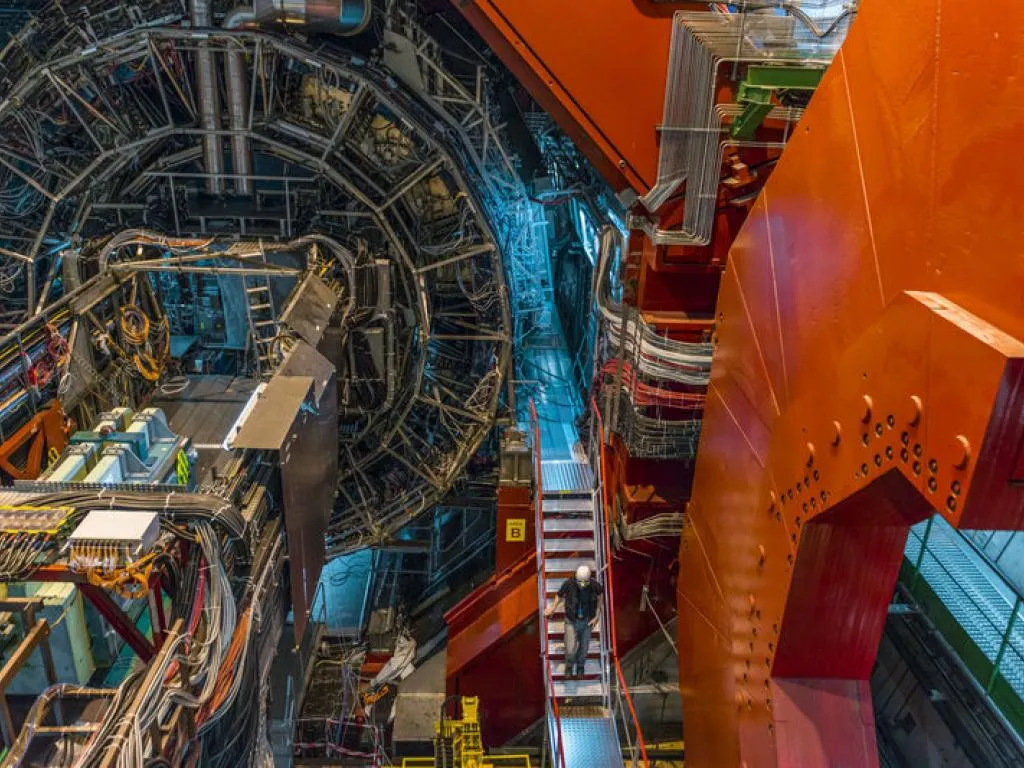
ITS3 and FoCal: Two new subdetectors to extend ALICE’s physics reach
ITS3 and FoCal: Two new subdetectors to extend ALICE’s physics reach The ALICE experiment at the Large Hadron Collider (LHC) is dedicated to studying heavy ion collisions, which recreate the hottest and densest matter ever observed in a lab – the quark-gluon plasma (QGP). By studying this exotic state of matter, scientists aim to understand
-
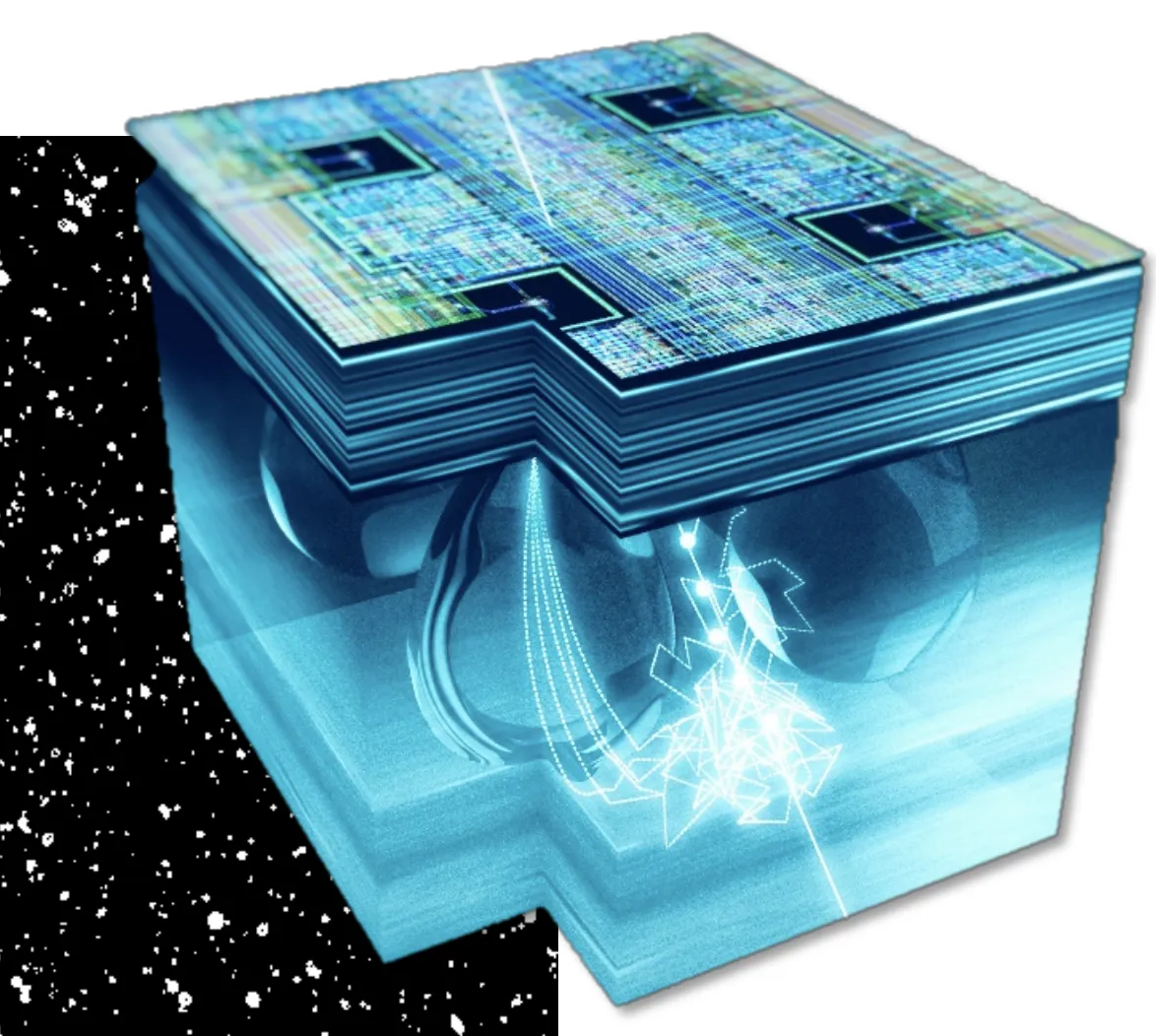
Pushing the boundaries of monolithic CMOS sensor technologies
Pushing the boundaries of monolithic CMOS sensor technologies Silicon solid state detectors have been developed over a long time to address the challenges of particle tracking and vertexing. At the LHC, when the machine reaches its full design regime, it collides proton bunches at a rate of 40 million times per second. To capture these