
Tag: ALICE
-
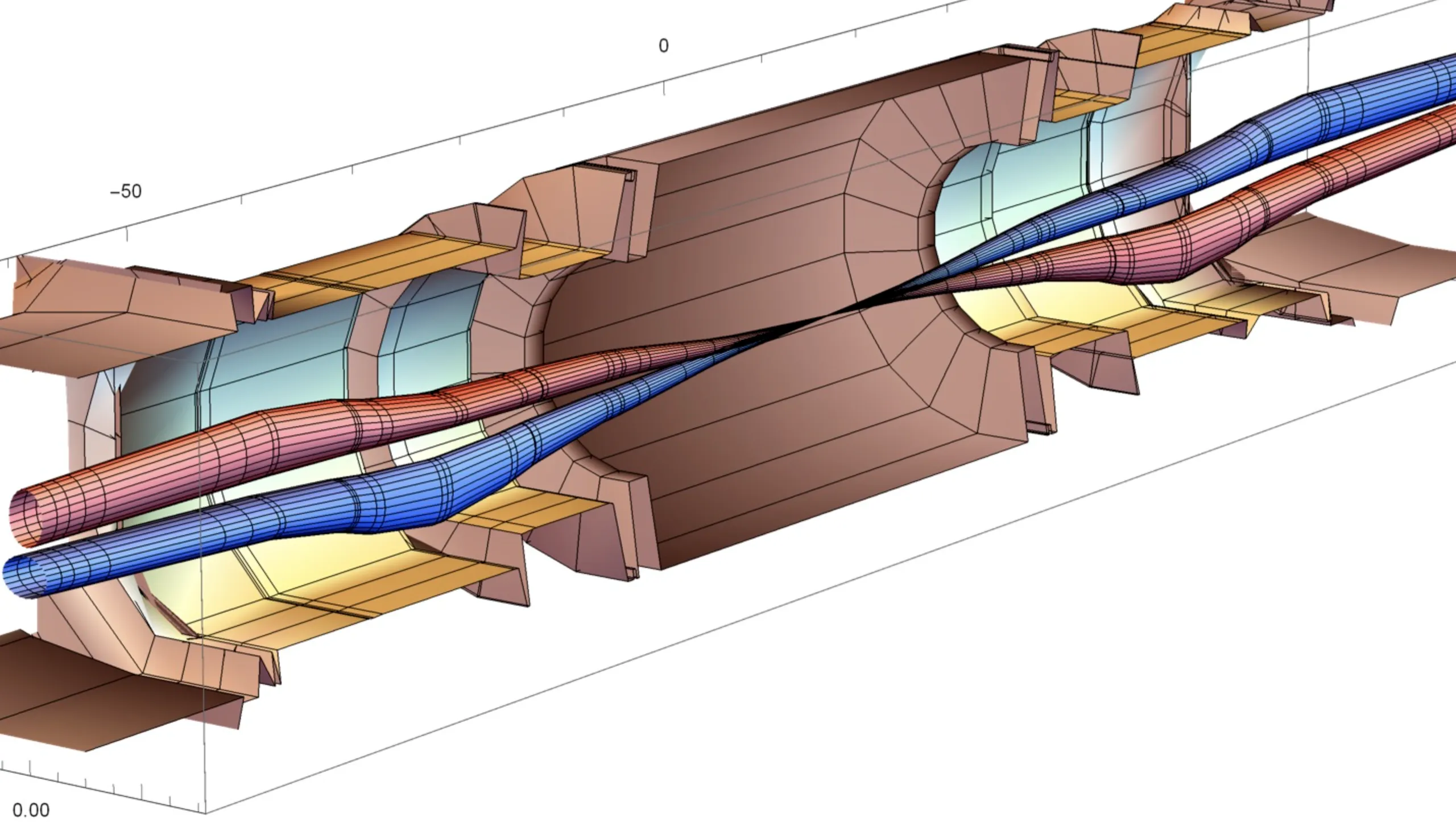
Ending the 2023 LHC run with heavy-ion collisions
Ending the 2023 LHC run with heavy-ion collisions The LHC schedule for 2023 has been revised following the emergence of a leak in mid-July. The decision was to stop the regular proton running this year and focus on the heavy ion physics that was already scheduled for the year-end. This was complemented by relatively brief
-
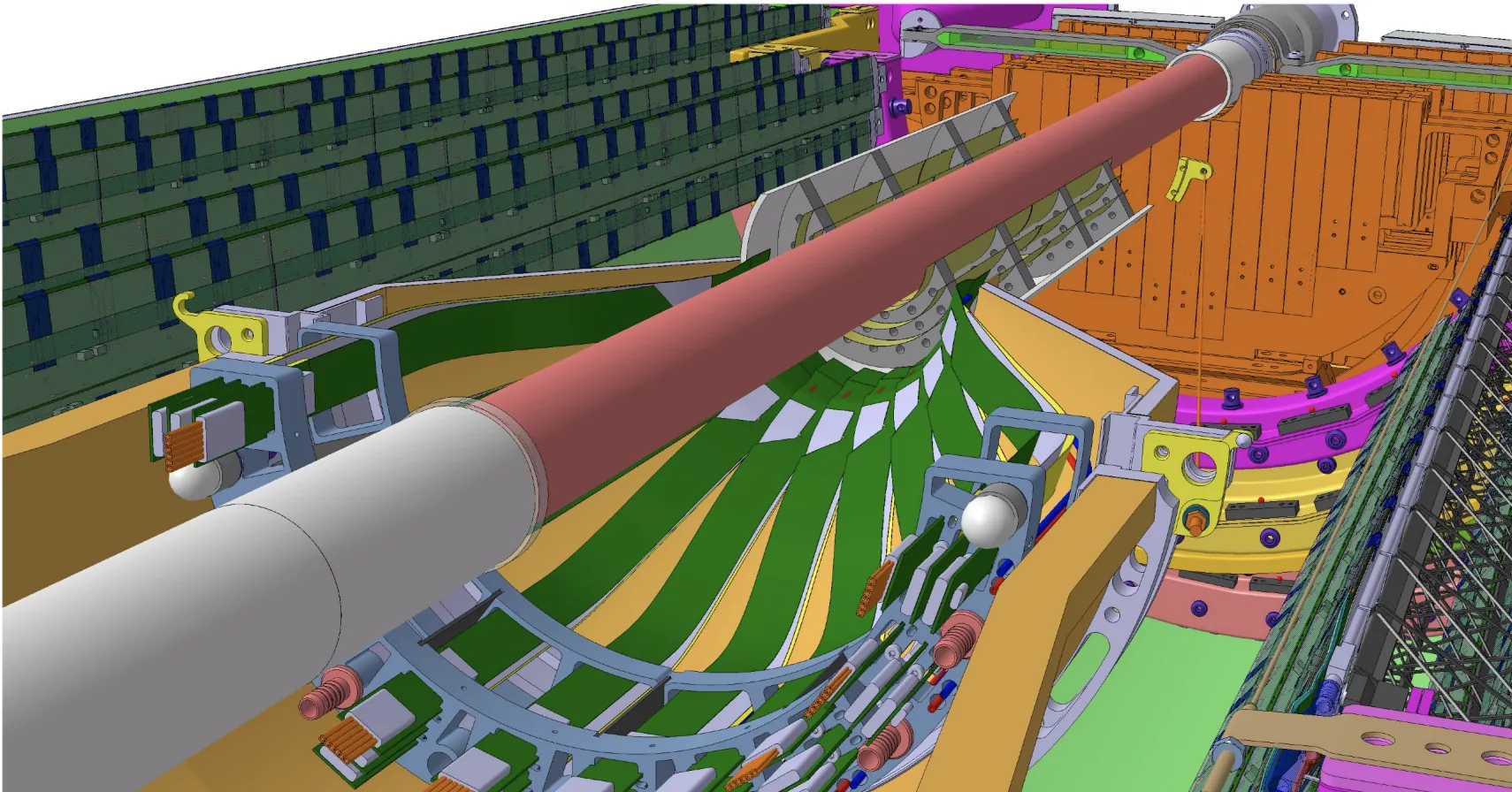
Ultralight air-cooled mechanics for ALICE ITS3
Ultralight air-cooled mechanics for ALICE ITS3 While the new Inner Tracking System detector, ITS2, could finally start its data taking in nominal operation for the RUN3 of LHC, ALICE is already working at replacing the three innermost layers during LS3. The ITS3 (Fig.1) is a new vertex detector, that will significantly increase the performance in
-
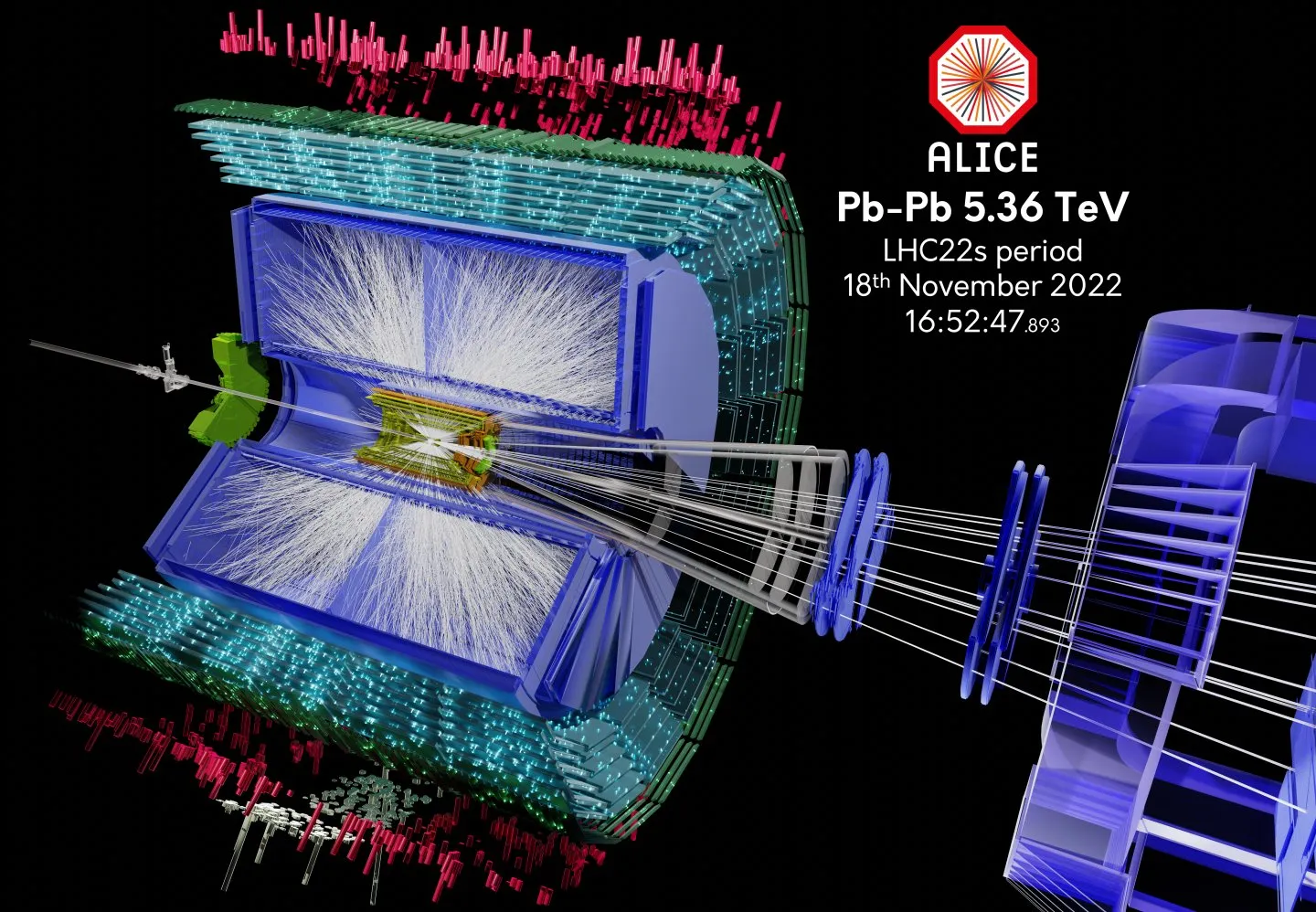
ALICE records first heavy-ion collisions
ALICE records first heavy-ion collisions Following an intense period of upgrades, a totally revamped ALICE experiment statred a very challenging period of commissioning with beam and data-taking during the first year of the LHC Run 3. The ALICE detector has undergone a major upgrade during the LHC long shutdown 2. New Inner Tracking System (ITS2,
-
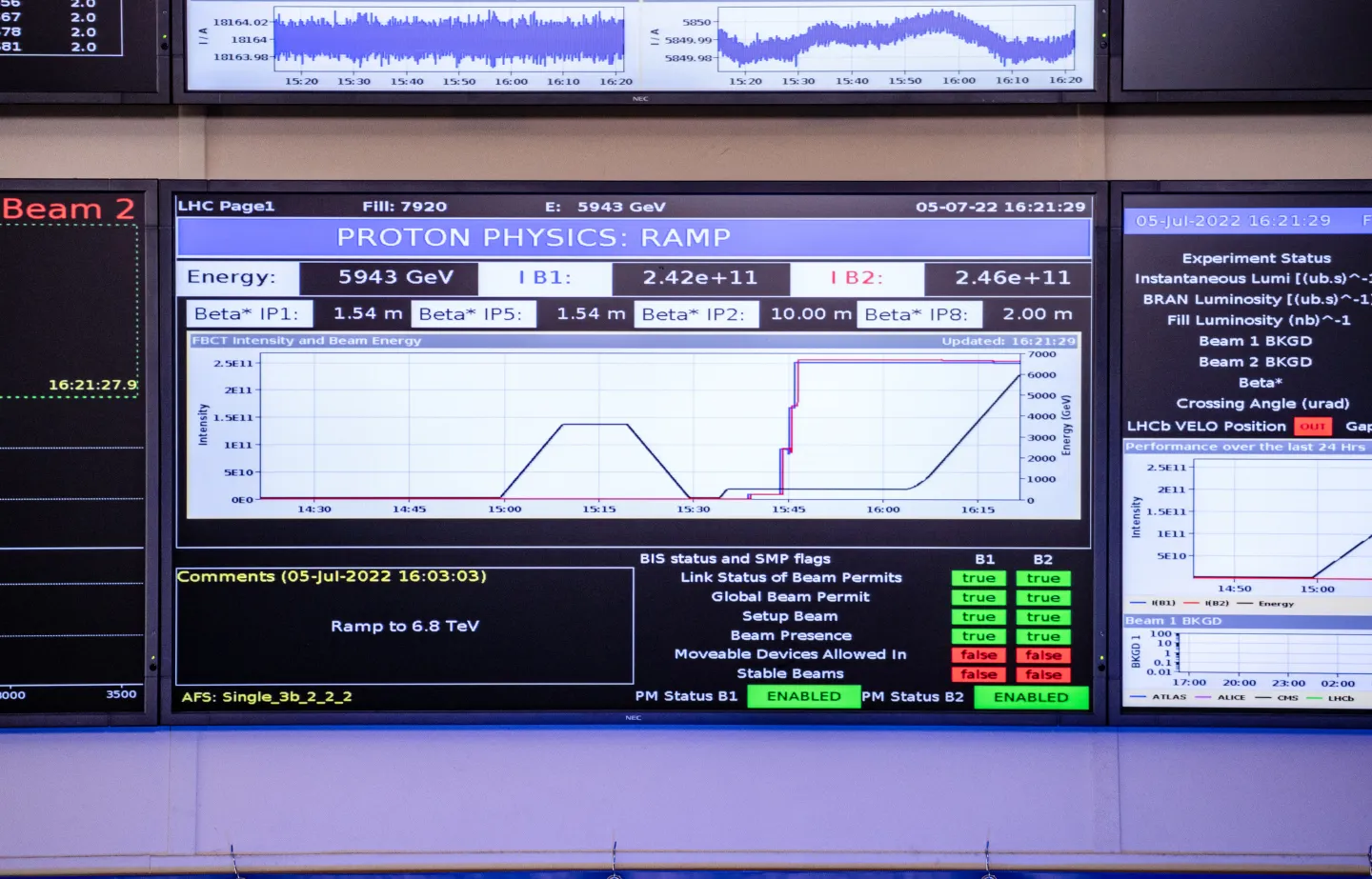
LHC experiments restart
LHC experiments restart The LHC restarted this summer, after a period of upgrades (LS2) and is gearing up to probe new realms of physics during a third run, which will be its most powerful yet. Run 3 of the LHC will feature higher-energy particle beams and higher collision rates, allowing physicists to collect more data
-
ALICE Inner Tracking System is ready for data taking
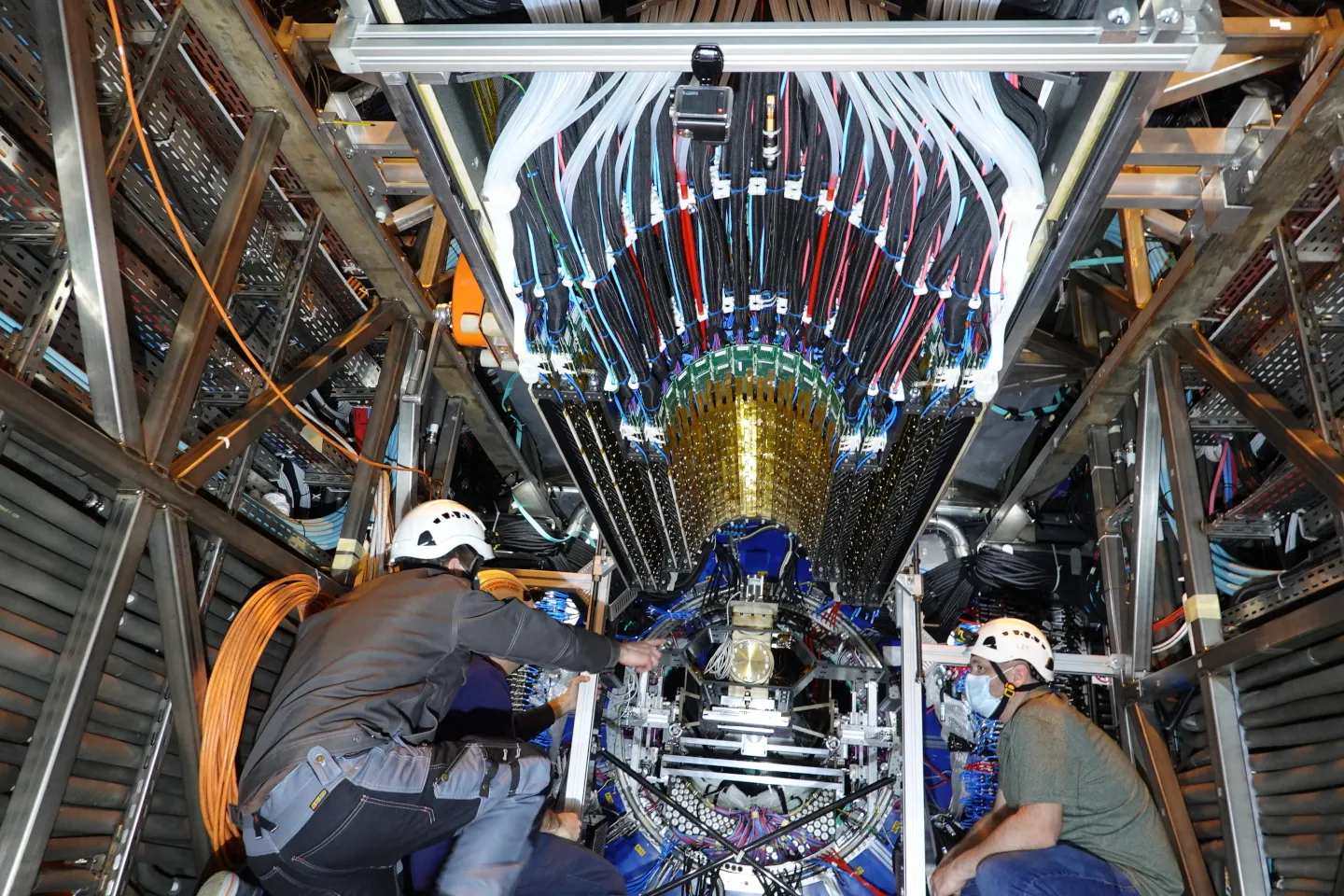
ALICE Inner Tracking System is ready for data taking The new Inner Tracking System (ITS) of the ALICE detector was installed inside the Time Projection Chamber (TPC) in spring 2021. The new ITS consists of 7 layers of monolithic pixel sensors, named ALPIDE, tiled up on linear staves of different lengths as described in (ref
-
Towards a FoCal for the ALICE experiment
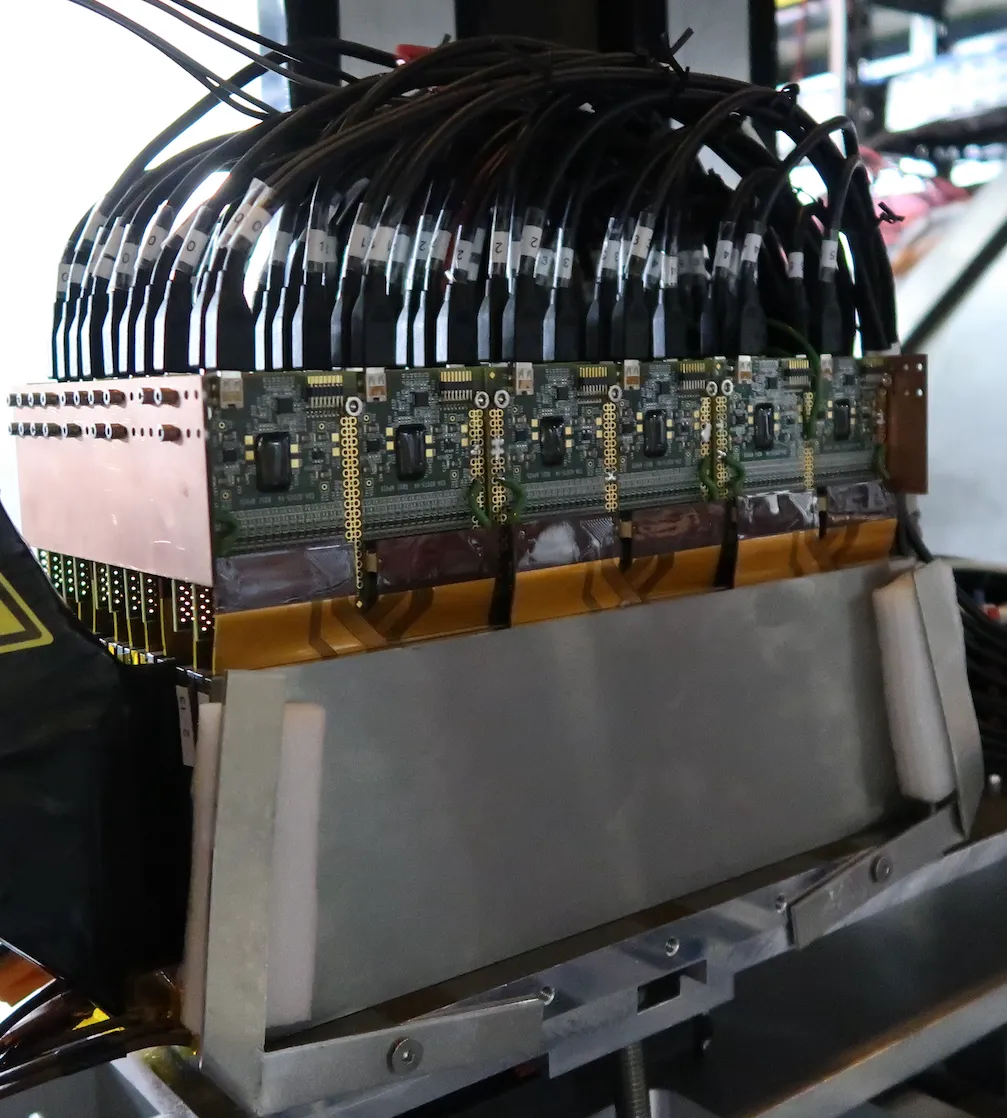
Towards a FoCal for the ALICE experiment A new forward high-resolution calorimeter, called FoCal (Forward Calorimeter) is being planned [1,2] as one of the two upgrade projects for the ALICE experiment that are aiming for installation during the LS3 (2026-2028) for physics data taking in LHC Run-4 (2029-2032). The letter of Intent of FoCal [3]
-
ALICE ITS3 clears major milestone
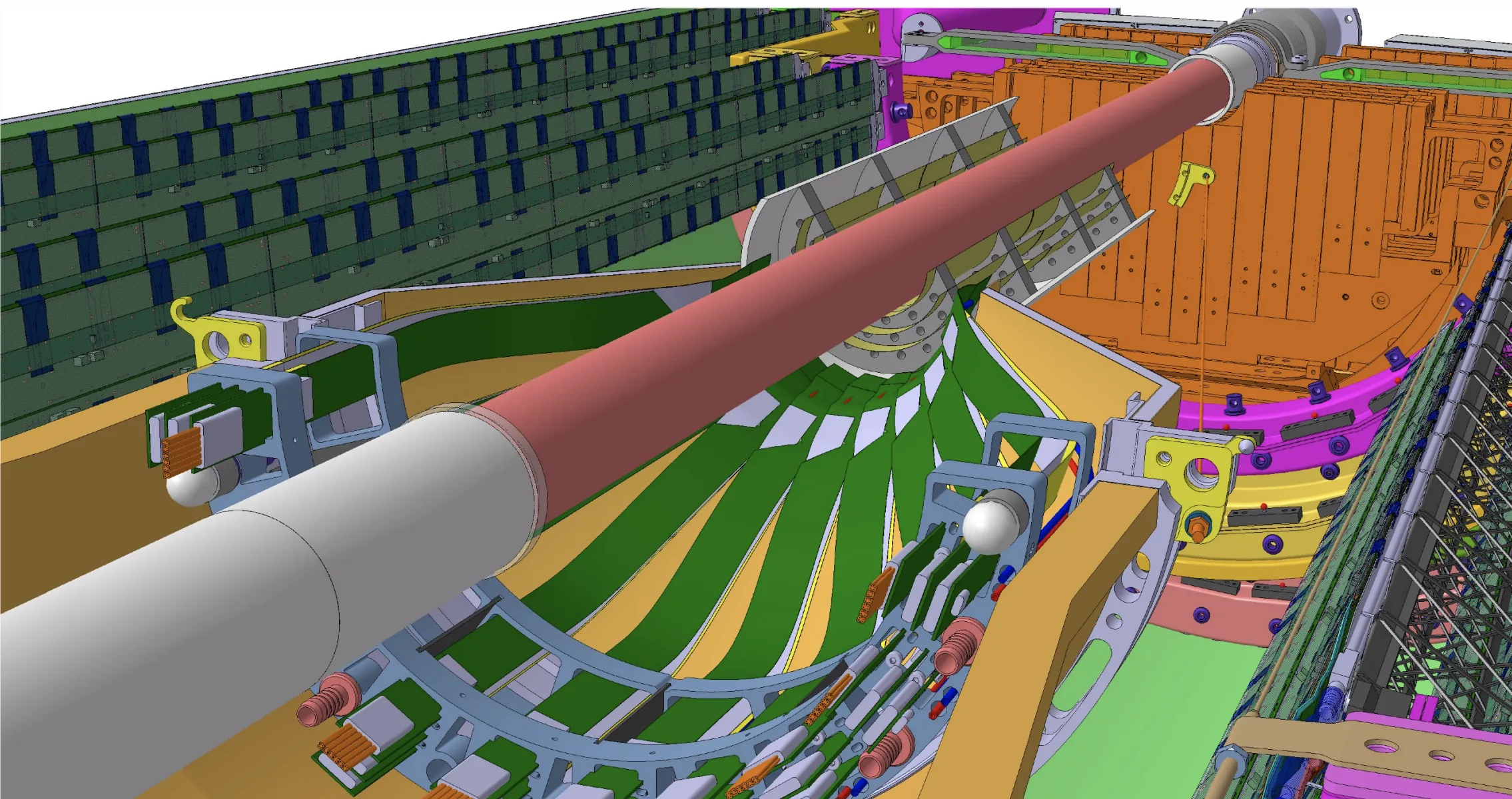
ALICE ITS3 clears major milestone With the R&D for the first truly cylindrical detectors based on ultra-thin, bent, wafer-scale monolithic silicon sensors, the ALICE collaboration aims at installing new vertex layers (“ITS3”) in LHC Long Shutdown 3. The envisioned setup comprises 6 Monolithic Active Pixel Sensors (MAPS) of more than 20 cm lengths arranged in
-
A busy time at the ALICE Control Room as preparations gear up for 2022
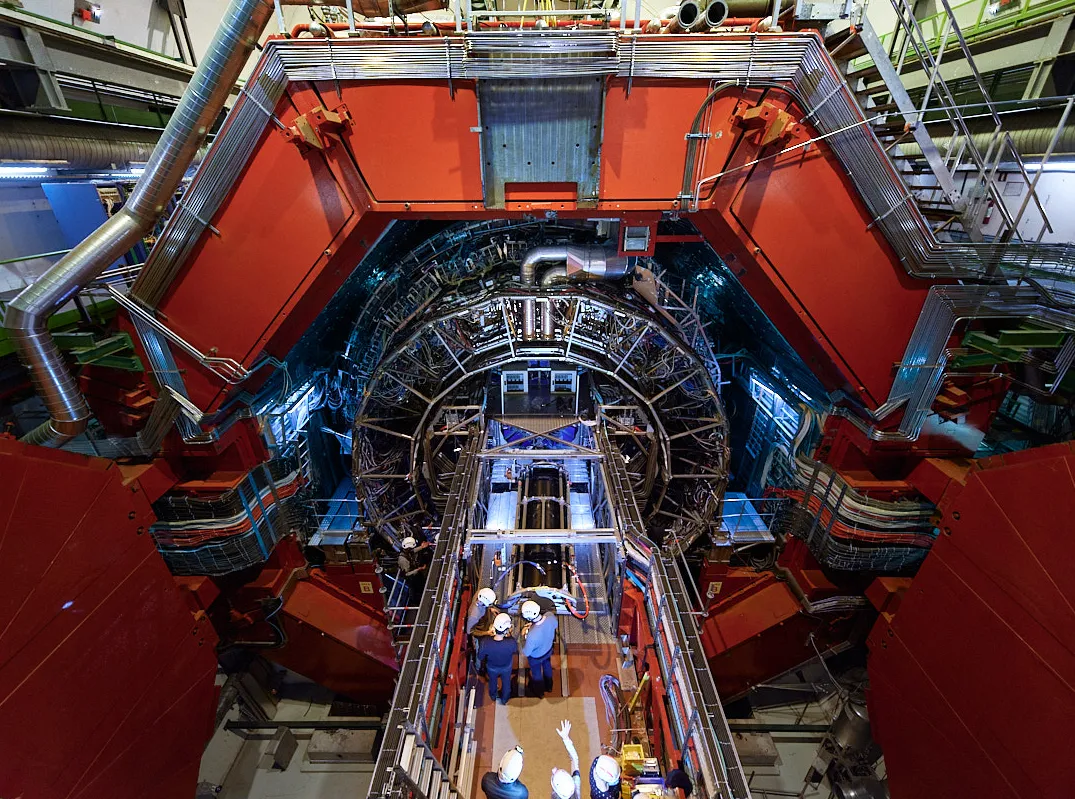
A busy time at the ALICE Control Room as preparations gear up for 2022 After three years of challenging and intense upgrade activities and installation campaigns of LHC Long Shutdown 2 [1], ALICE started global commissioning in July to embark on a new data-taking period. Upgraded detectors and their new readouts were integrated into the
-
The new ALICE Fast Interaction Trigger
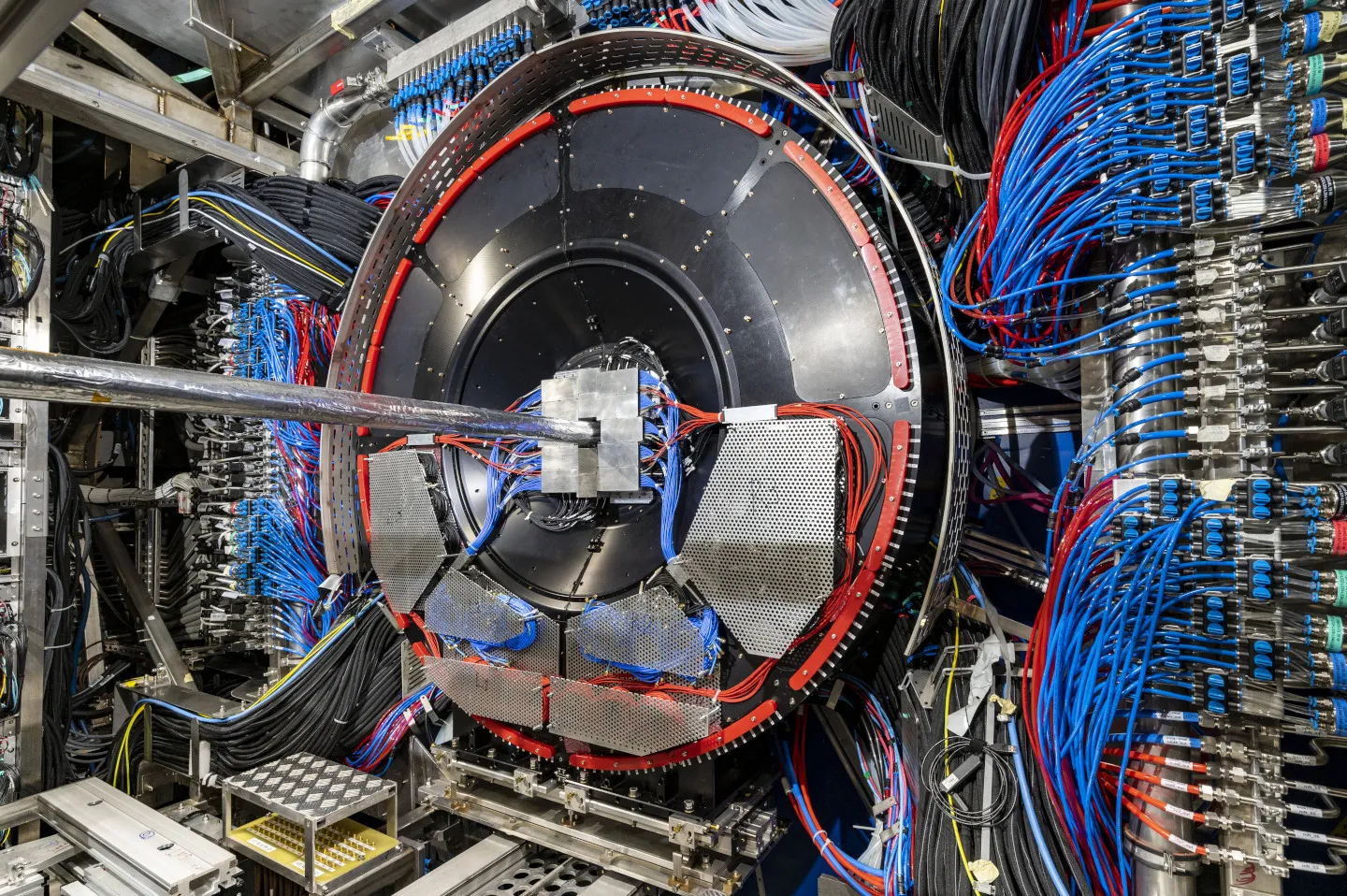
The new ALICE Fast Interaction Trigger To reach Run 3 physics goals, ALICE (A Large Ion Collider Experiment) [1] must collect all minimum-bias data for an interaction rate (i.e., number of collisions each second) of 50 kHz for Pb–Pb and up to 1 MHz for pp collisions. This is two orders of magnitude greater than
-
The commissioning and installation of the new ALICE ITS
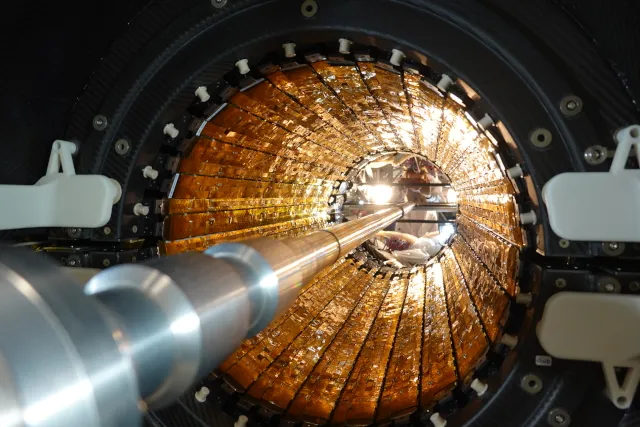
The commissioning and installation of the new ALICE ITS The Inner Tracking System (ITS) is the innermost detector of the ALICE central barrel. It consists of seven cylindrical layers all equipped with Monolithic Active Pixel Sensors (MAPS) named ALPIDE (ALice PIxel DEtector). The ITS allows track ing charged particles of very low transverse momentum at