
Tag: ATLAS
-
Highlights from the 2nd NGT Technical Workshop
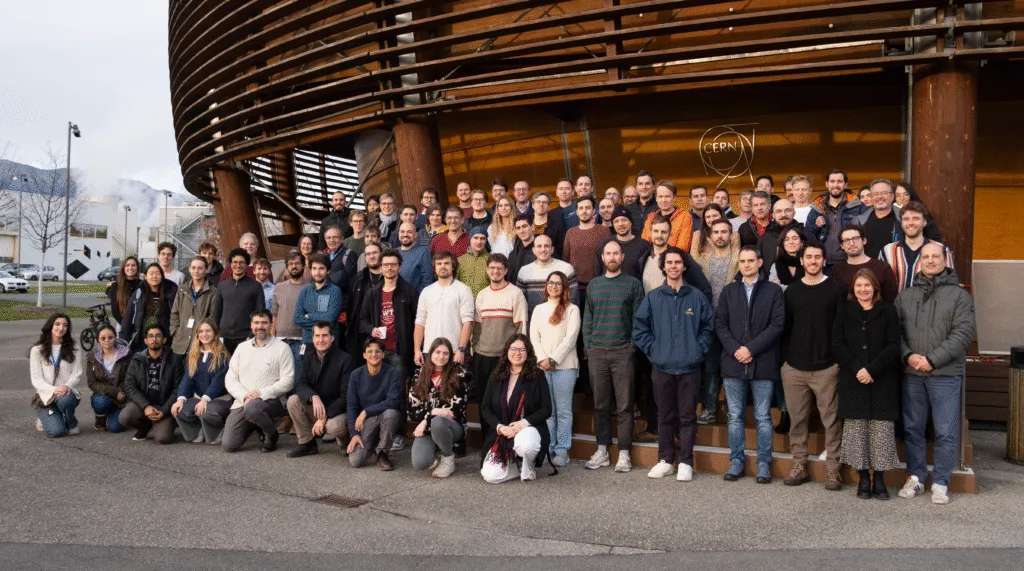
Highlights from the 2nd NGT Technical Workshop Participants of the 2nd Next Generation Triggers Technical Workshop at the Globe of Science and Innovation. Picture: Mariana Velho From 19 to 21 November 2025, the Next Generation Triggers (NGT) project held its 2nd Technical Workshop at CERN’s Globe of Science and Innovation, welcoming more than one hundred
-
Light ions at the LHC: first results from oxygen–oxygen and neon–neon collisions
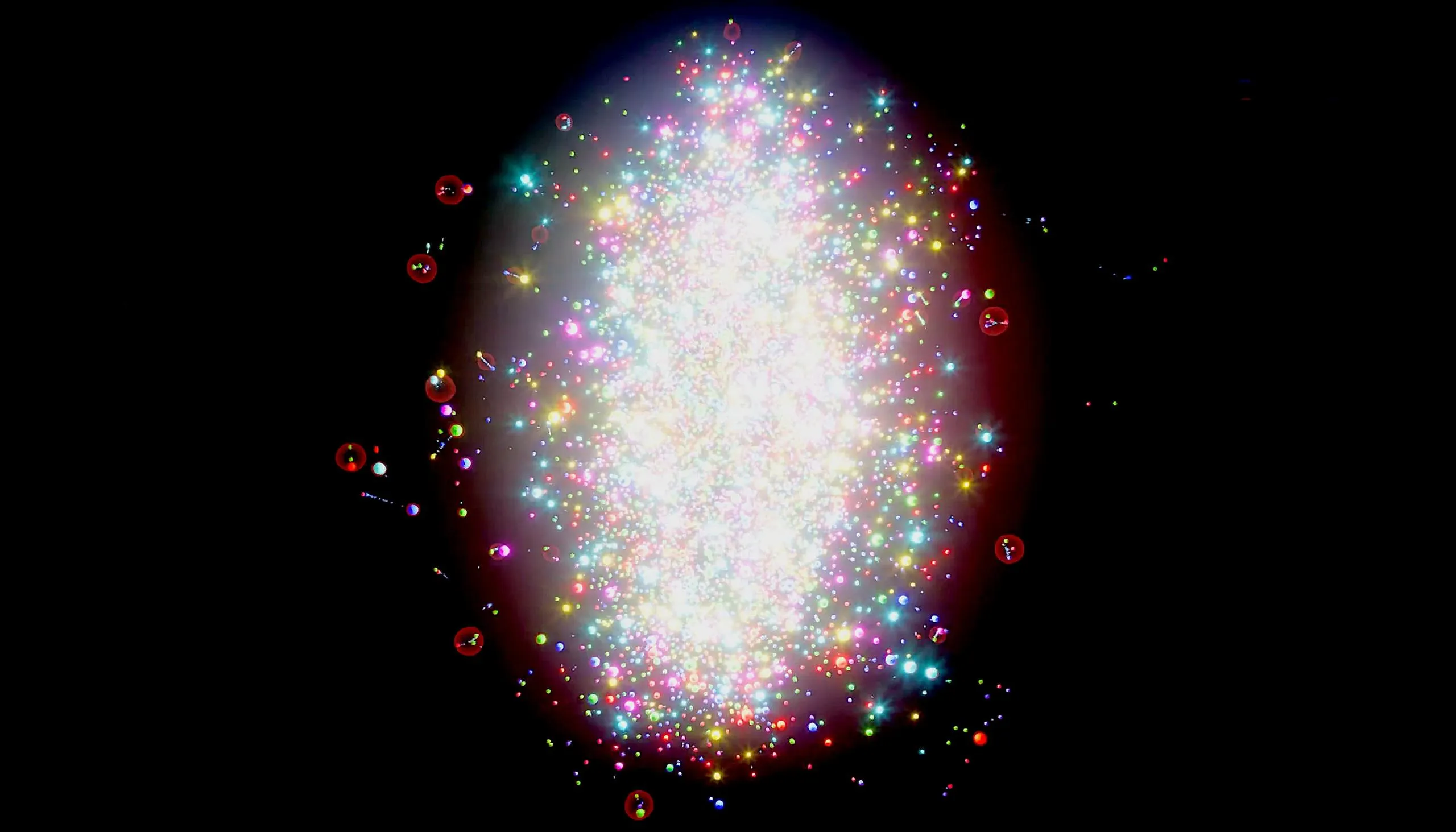
Light ions at the LHC: first results from oxygen–oxygen and neon–neon collisions This summer, the Large Hadron Collider (LHC) delivered its first-ever collisions between light ions, opening a new chapter in the study of nuclear structure and the quark–gluon plasma (QGP) – the extreme state of matter that existed in the first instants of the
-
ATLAS explores the quark–gluon plasma with light-ion collisions
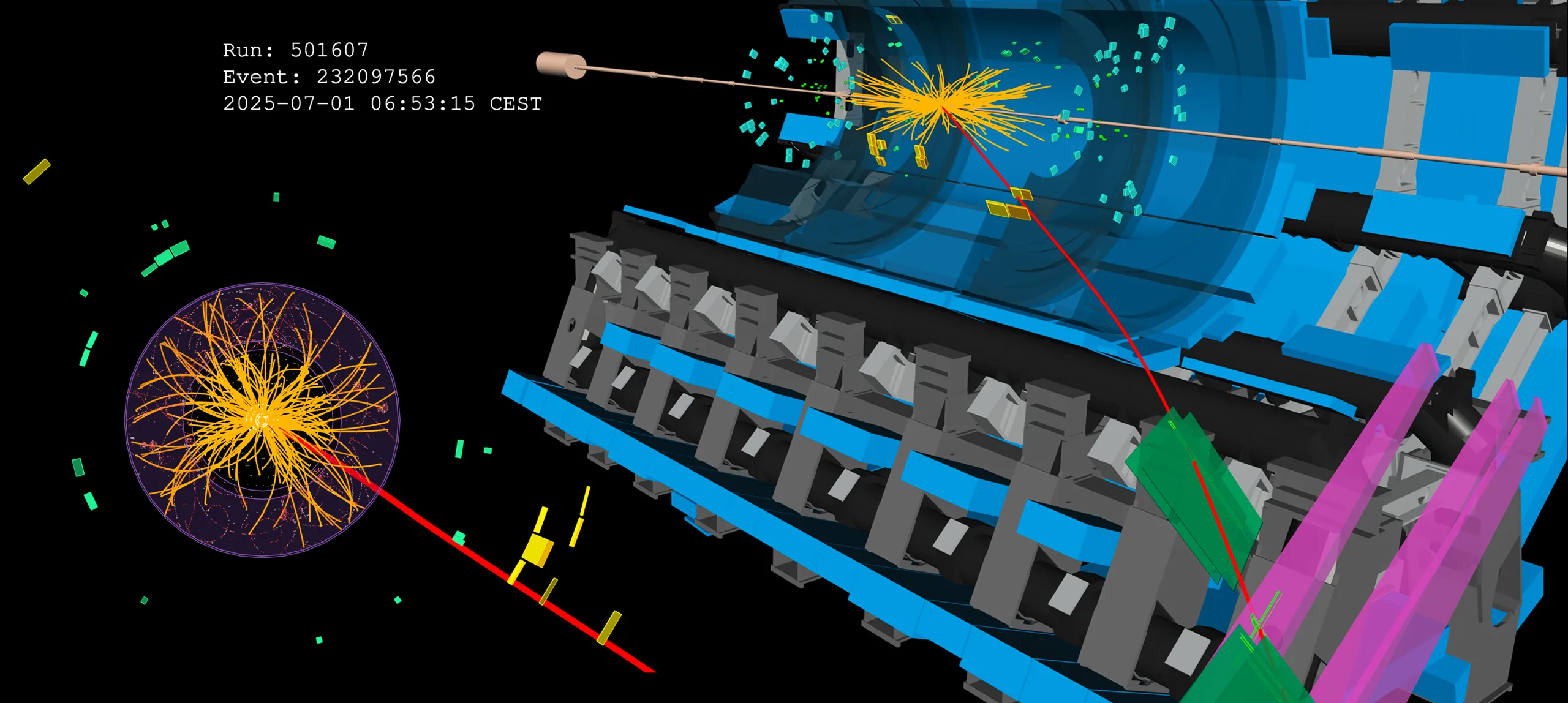
ATLAS explores the quark–gluon plasma with light-ion collisions In July 2025, ATLAS recorded the first-ever collisions of light ions at the LHC — oxygen–oxygen (O–O) and neon–neon (Ne–Ne) — marking a new phase in the study of strongly interacting matter. These short, intense runs provided a unique opportunity to explore the transition between conventional hadronic
-
ATLAS explores the quark–gluon plasma with light-ion collisions
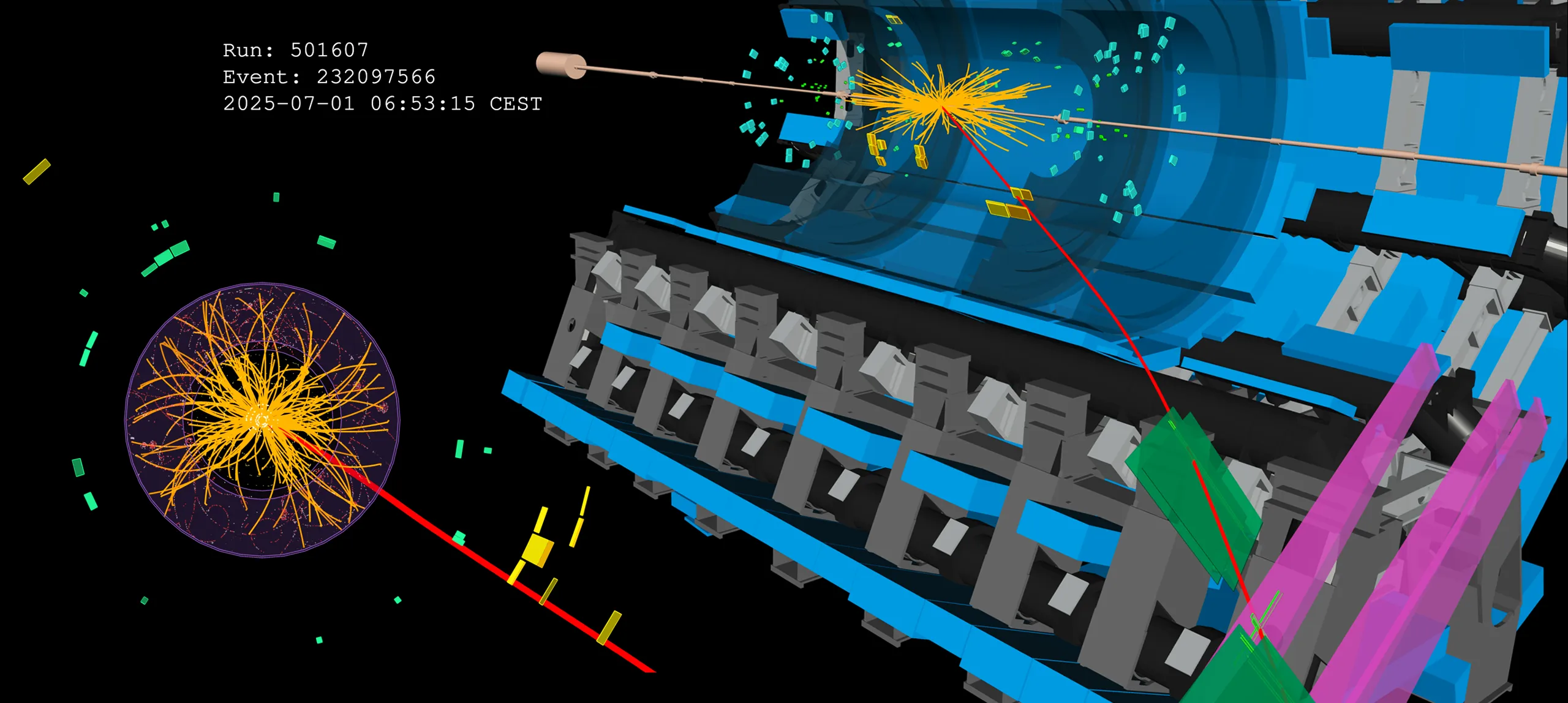
ATLAS explores the quark–gluon plasma with light-ion collisions In July 2025, ATLAS recorded the first-ever collisions of light ions at the LHC — oxygen–oxygen (O–O) and neon–neon (Ne–Ne) — marking a new phase in the study of strongly interacting matter. These short, intense runs provided a unique opportunity to explore the transition between conventional hadronic
-
The ATLAS High Granularity Timing Detector
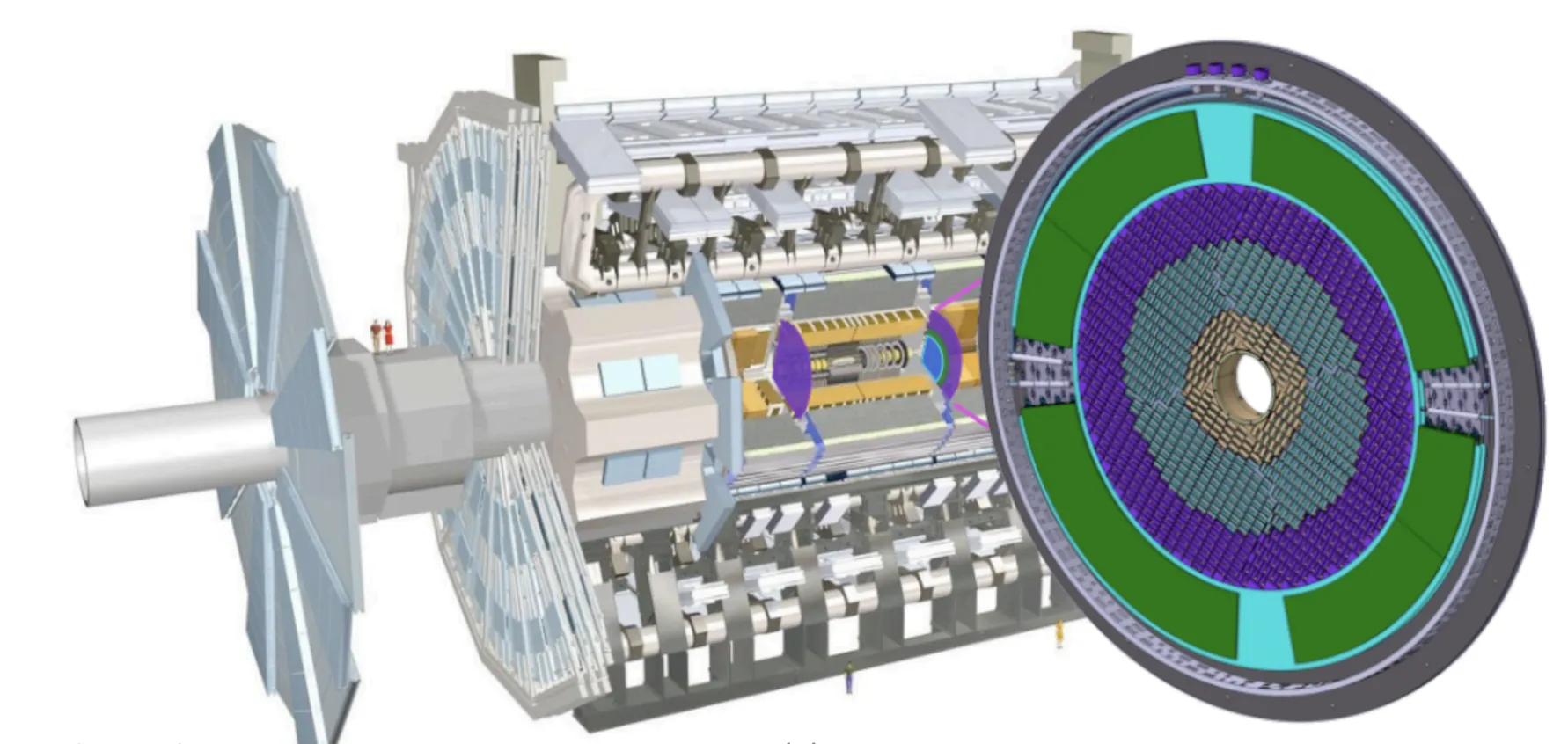
The ATLAS High Granularity Timing Detector Introduction Given the challenging conditions posed by the HL-LHC, ATLAS is currently in the process of constructing a novel precision-timing silicon detector, the High-Granularity Timing Detector (HGTD), which provides a time resolution of 30 to 50 ps for charged particles [ATLAS-TDR-31]. The detector covers a pseudorapidity range of 2.4
-
Bound state, found state – ATLAS ties the knot on top quark pair production at threshold
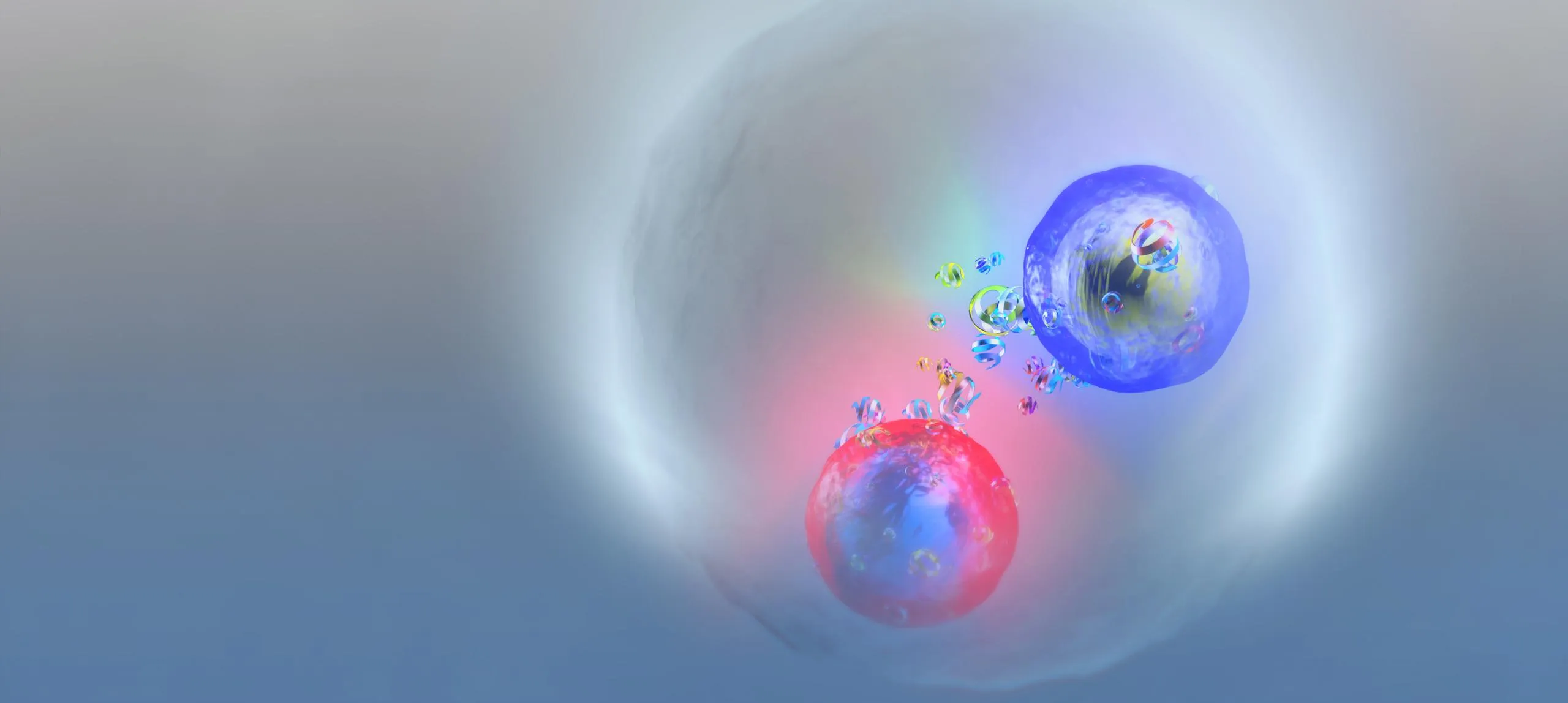
Bound state, found state – ATLAS ties the knot on top quark pair production at threshold Physics at the LHC often advances by pushing into regimes once thought unreachable. One such frontier is the precise study of top-anti-top quark pairs (tt̄) near the production threshold, where subtle quantum effects may leave their imprint. A few
-
Next-Generation CO₂ Cooling Systems Powering the Future of ATLAS and CMS
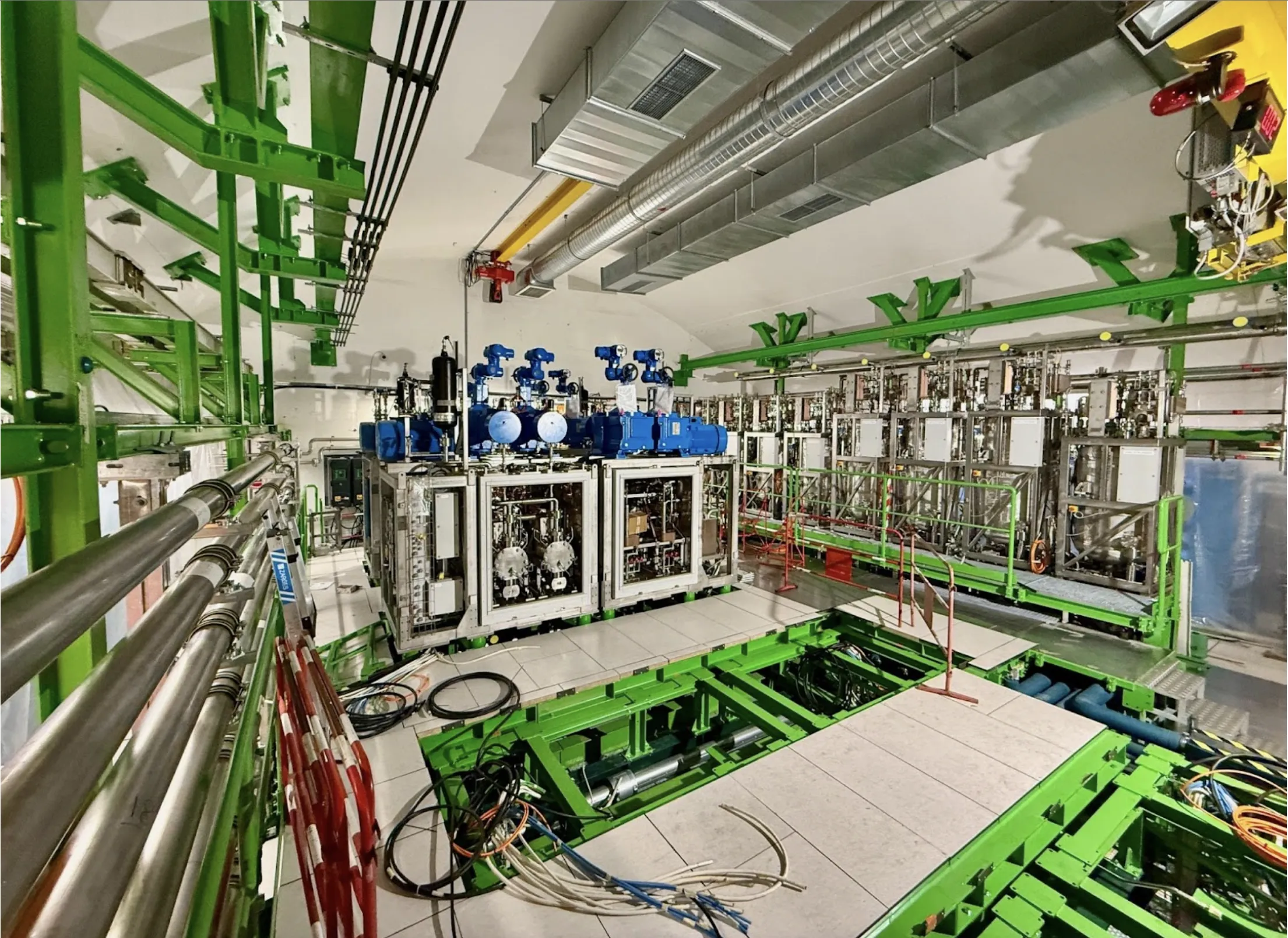
Next-Generation CO₂ Cooling Systems Powering the Future of ATLAS and CMS Four CO2 cooling plants and accumulators in the service cavern of CMS in May 2025. (Photo by Jérôme Daguin) During recent shutdown periods, CERN engineers and technicians — in collaboration with the ATLAS and CMS teams — began installing the first units of next-generation
-
The ATLAS Inner Tracker Integration at CERN
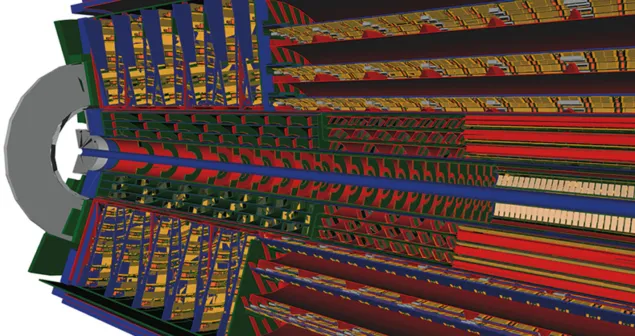
The ATLAS Inner Tracker Integration at CERN Introduction The ATLAS ITk (Inner TracKer) is a new all-silicon tracker that will replace the existing ATLAS Inner Detector (ID) to meet the requirements imposed by the high-radiation and high-hit occupancy environments of the HL-LHC (High-Luminosity LHC). The ITk consists of multiple layers of silicon detectors arranged into
-
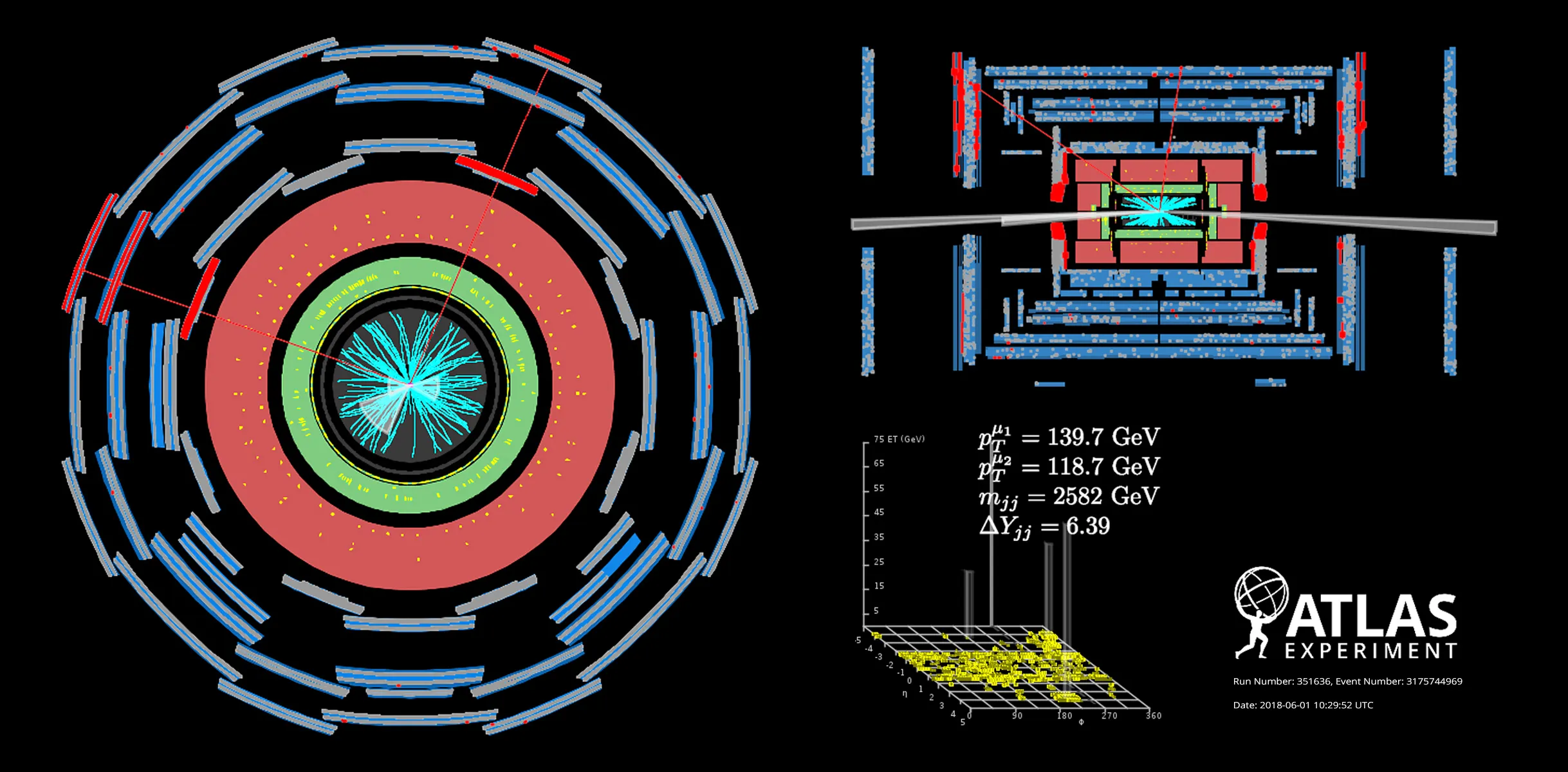
ATLAS Approaching a Breakthrough in Diboson Polarization with Run-3 Data
ATLAS Approaching a Breakthrough in Diboson Polarization with Run-3 Data The study of the polarisation of vector boson scattering (VBS) processes provides a unique test of the Higgs mechanism’s role in taming high-energy electroweak interactions, making it indispensable for fundamental physics for the last decades. As the LHC enters its Run-3 phase, this study is
-
Tracing the Path to Precision: The Historical Evolution of Electroweak Physics at the LHC
Tracing the Path to Precision: The Historical Evolution of Electroweak Physics at the LHC The unification of the electromagnetic and weak-nuclear forces into an electroweak theory was one of the major breakthroughs of 20th century particle physics. In the 1960s, Steven Weinberg, Sheldon Glashow, and Abdus Salam proposed that these two forces, which appear at