
Tag: ATLAS
-
ATLAS hones in on Higgs-Boson Couplings to Heavy Flavour Quarks
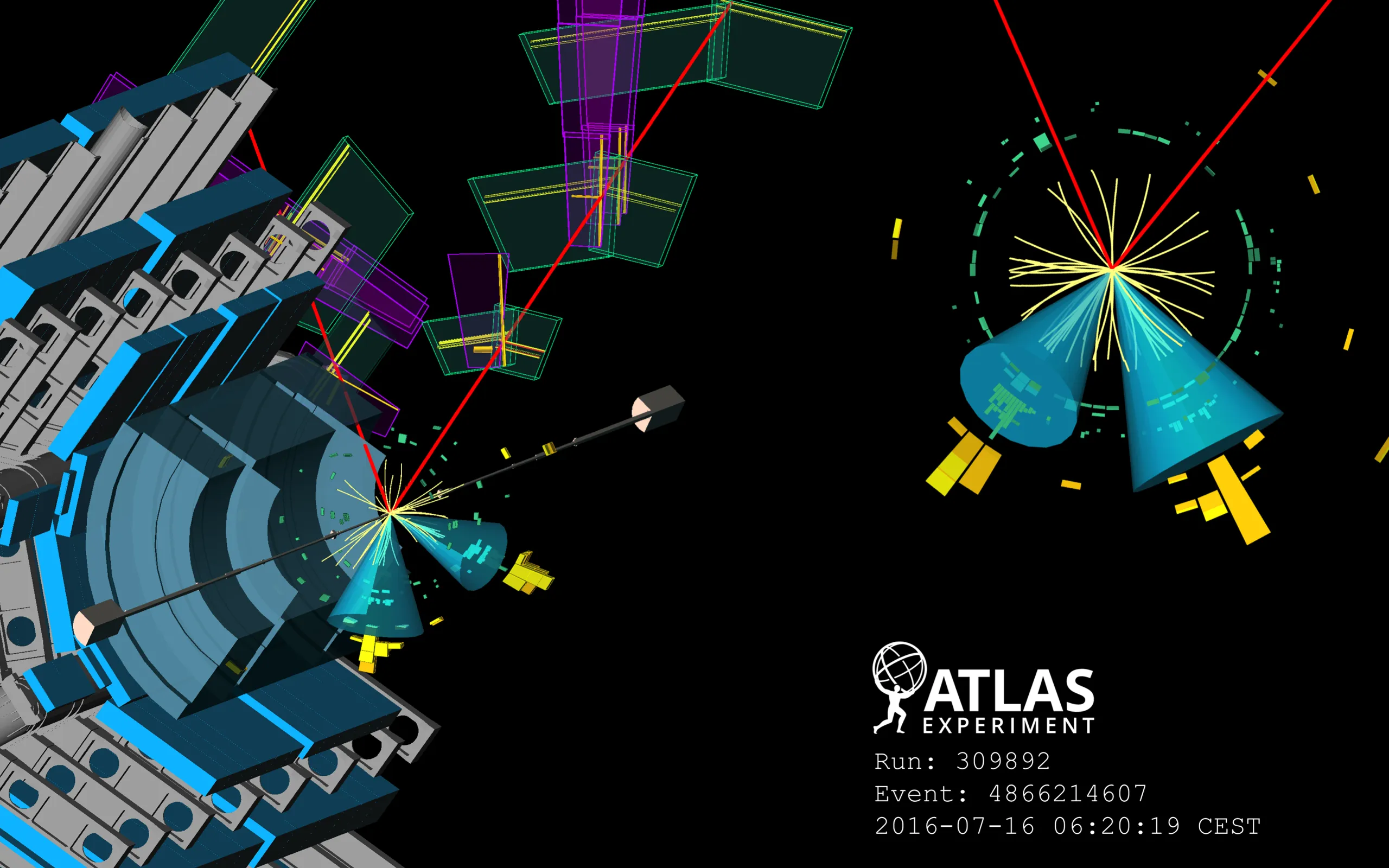
ATLAS hones in on Higgs-Boson Couplings to Heavy Flavour Quarks Candidate event for the ZH → μμ cc process, where a Z boson and a Higgs boson decay to two muons (red tracks) and two charm-tagged jets (blue cones). (Image: ATLAS collaboration) In the summer of 2024, the ATLAS collaboration released two new publications that
-

Extended Scalar Sectors are considered from all angles at CERN
Extended Scalar Sectors are considered from all angles at CERN It has been more than ten years since the discovery of the first scalar particle at the electroweak scale. This particle was discovered at the LHC in 2012, and it was quickly found to be a scalar that is compatible with the Higgs boson predicted
-
LHC Run 3: A Marathon of Progress and Perseverance
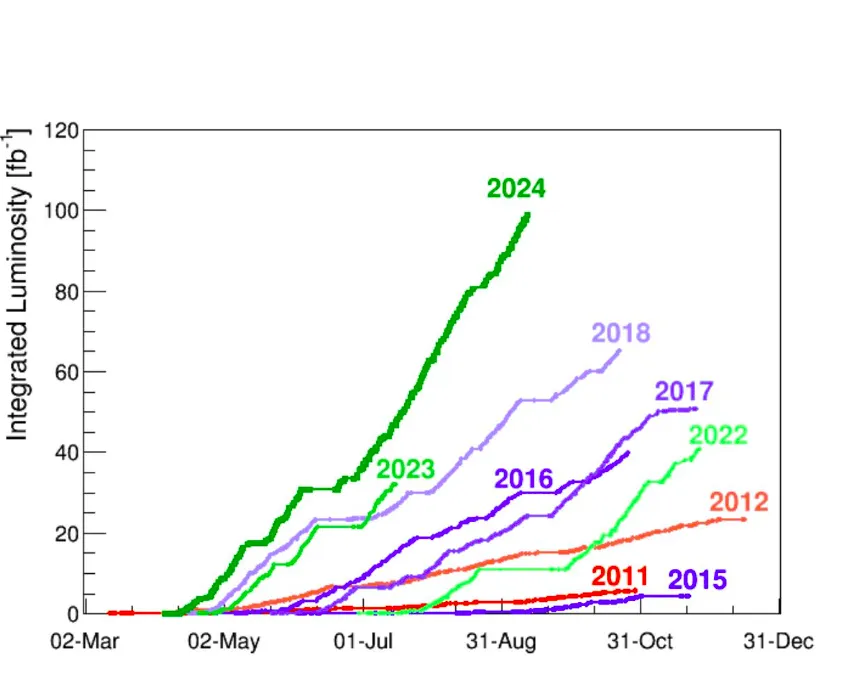
LHC Run 3: A Marathon of Progress and Perseverance Earlier this month, the Large Hadron Collider reached an unprecedented milestone of 100 inverse femtobarns – equivalent to 10 million billion collisions – delivered to the ATLAS and CMS experiments in 2024, with 28 days of proton-proton collisions remaining. This marks a historic first in a
-
ATLAS Operations: Progress and Highlights from 2023/2024
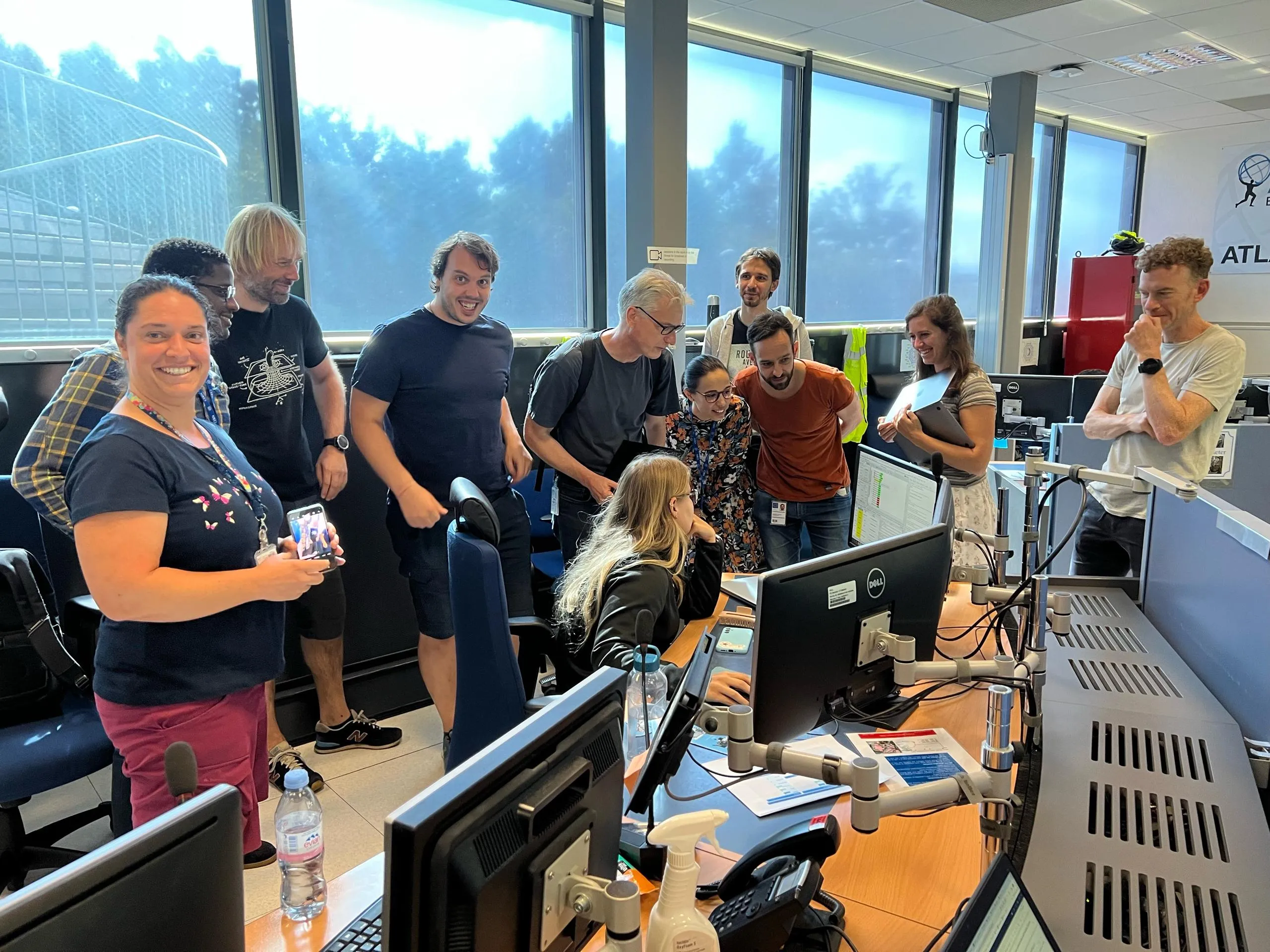
ATLAS Operations: Progress and Highlights from 2023/2024 Great progress has been made in the ATLAS operation since the last EP news article. There we presented the fantastic Phase-I upgrades of the ATLAS detector installed during LS2, described the steps towards their commissioning, and summarized the experience of the first data-taking year of Run 3. What
-
ATLAS releases 2015 and 2016 proton–proton datasets for public research use
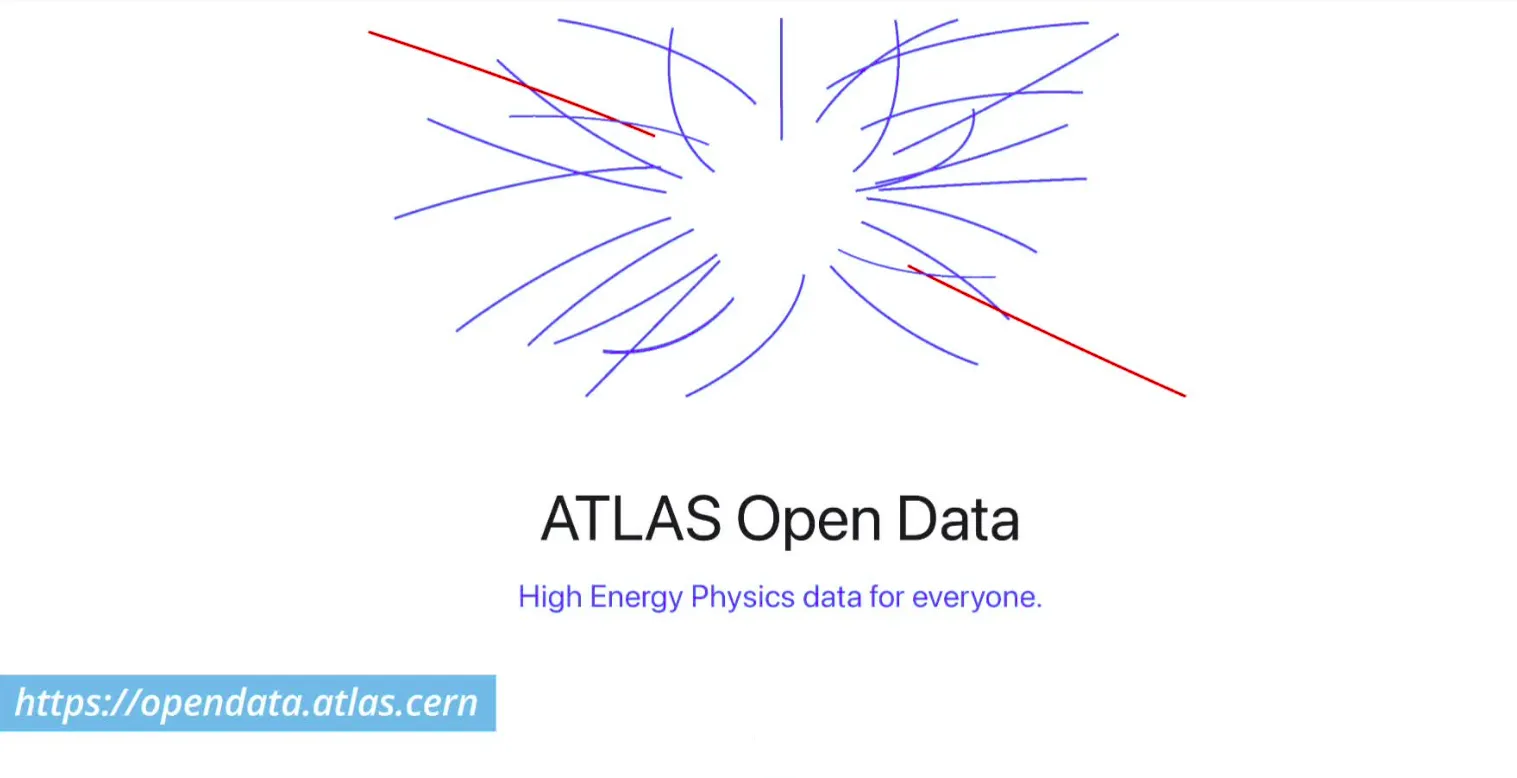
ATLAS releases 2015 and 2016 proton–proton datasets for public research use The ATLAS Collaboration has announced the release of 7 billion proton–proton collision events, alongside 2 billion simulated events, in the collaboration’s first release of open data for scientific research. The open data, available through CERN’s Open Data portal, comprise the entire 2015 and 2016
-
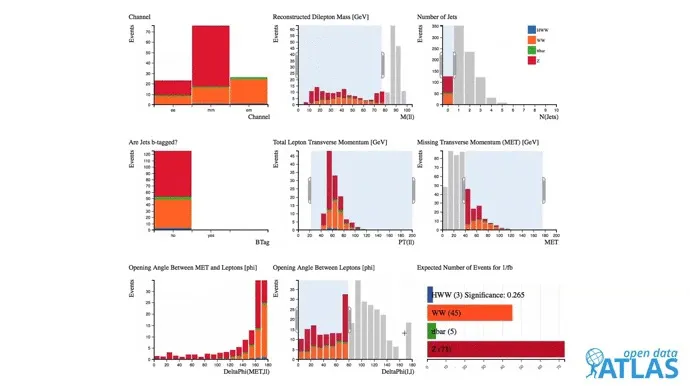
ATLAS Open Data: Ushering in Transparency and Collaboration in Particle Physics Research
ATLAS Open Data: Ushering in Transparency and Collaboration in Particle Physics Research The ATLAS Collaboration at CERN,has been leading efforts to promote transparency and accessibility through its comprehensive open data initiatives. These efforts are designed to benefit researchers, educators, and the public, enhancing both scientific discovery and educational outreach. The sheer volume and complexity of
-
Groundbreaking Observation of Quantum Entanglement in Top Quarks at the LHC
Groundbreaking Observation of Quantum Entanglement in Top Quarks at the LHC Researchers using the ATLAS detector at CERN's Large Hadron Collider (LHC) have achieved a breakthrough: the first observation of quantum entanglement in top quark pairs. This discovery, analyzing proton-proton collisions at incredibly high energies, marks a significant step forward in understanding the quantum world
-
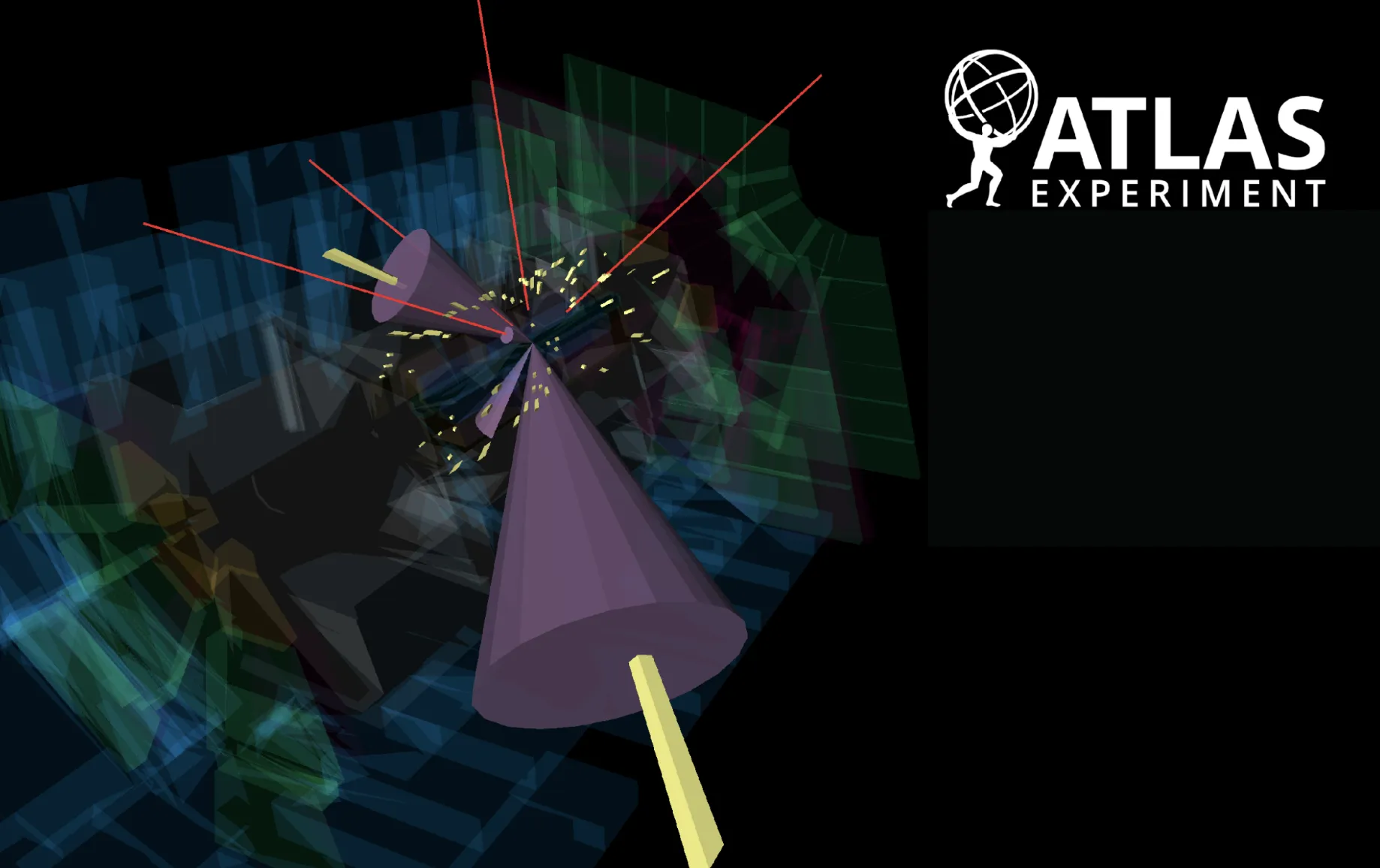
A high-dimensional jet-powered measurement of the strong force
A high-dimensional jet-powered measurement of the strong force Top image: An event display of a high-momentum Z boson event in the ATLAS detector associated with a number of “jets”, which are complex clusters of particles created via interactions mediated by the strong force. Precise measurements of fundamental particles at the Large Hadron Collider (LHC) are
-
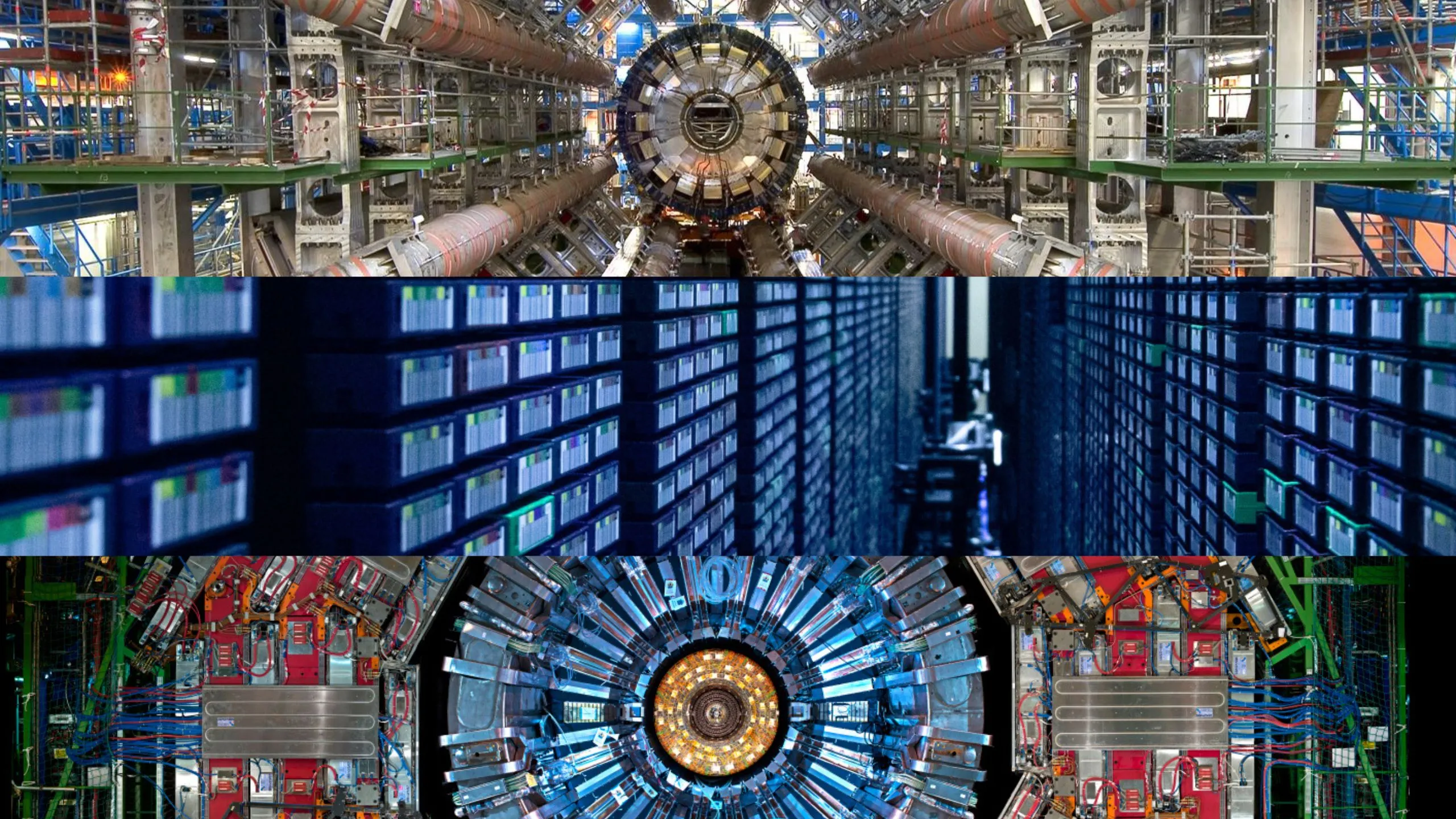
NextGen Triggers: Pioneering R&D for HL-HC Data Acquisition and Event Processing
NextGen Triggers: Pioneering R&D for HL-HC Data Acquisition and Event Processing The High-Luminosity LHC upgrade will provide an unprecedented challenge to the data acquisition and online event processing capabilities of ATLAS and CMS. Both experiments are currently undergoing major upgrades to prepare their detectors to cope with the expected threefold increase in event level pile-up
-
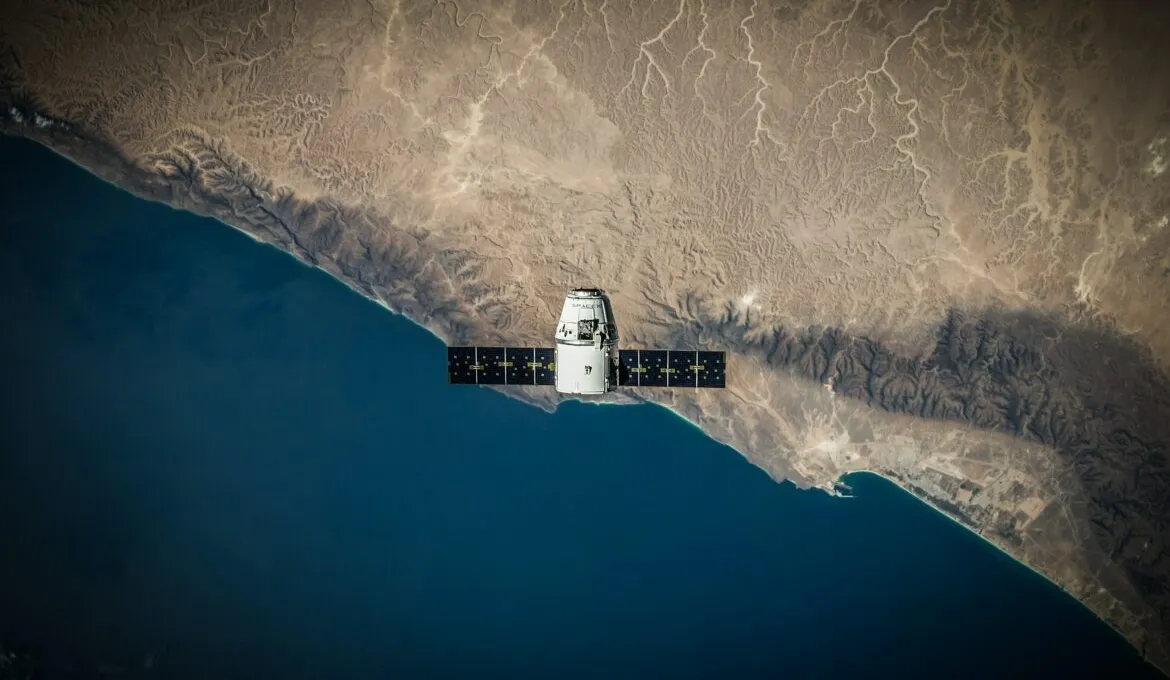
Edge SpAIce: Leveraging CERN’s AI for Real-Time Ocean Plastic Tracking from Space
Edge SpAIce: Leveraging CERN's AI for Real-Time Ocean Plastic Tracking from Space Earth Observation (EO) and particle physics research have more in common than you might think. In both environments, whether capturing fleeting particle collisions or detecting transient traces of ocean plastics, rapid and accurate data analysis is paramount. We are excited to present a