
Tag: ATLAS
-
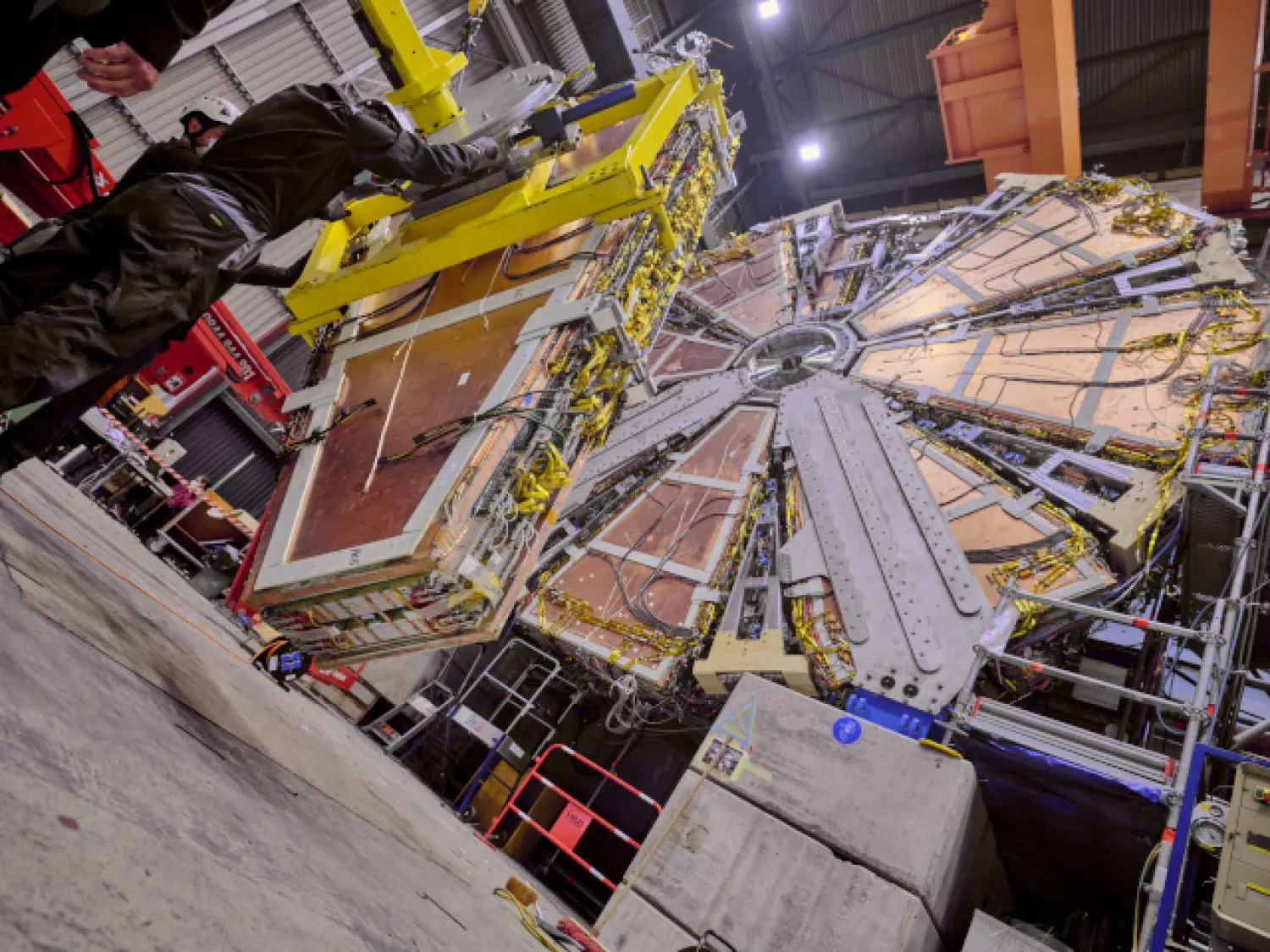
ATLAS New Small Wheel upgrade advances
ATLAS New Small Wheel upgrade advances The ATLAS New Small Wheel (NSW) upgrade is an ambitious project that will allow exploiting the physics opportunities of the HL-LHC. Last November, the second -and final- NSW was installed in the ATLAS detector, marking the successful outcome of nearly ten years of design and development. The completion of
-
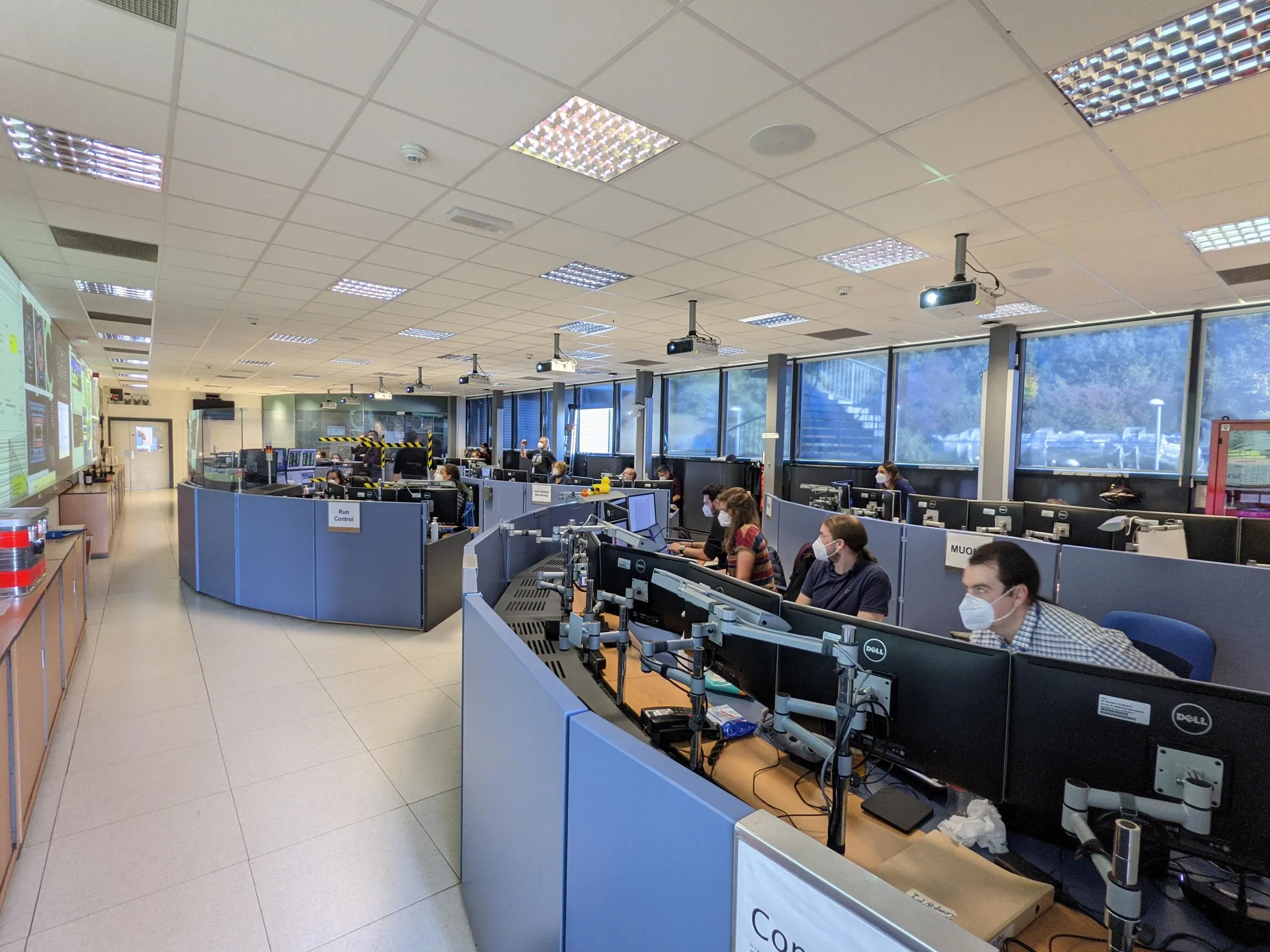
ATLAS prepares for Run 3 as protons are back in the LHC
ATLAS prepares for Run 3 as protons are back in the LHC Since the start of LS2, ATLAS has undergone an intense maintenance and consolidation programme to meet the challenges of Run 3 of the LHC, and fully exploit the available physics opportunities. This includes the installation and commissioning of new detectors and electronics thus
-
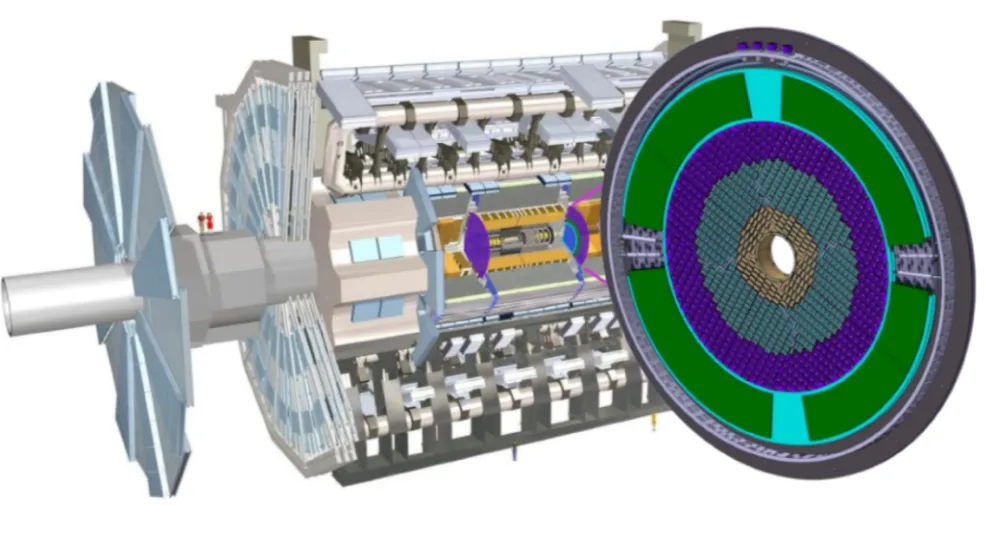
A High-Granularity Timing Detector for the ATLAS Phase-II Upgrade
A High-Granularity Timing Detector for the ATLAS Phase-II Upgrade A High-Granularity Timing Detector (HGTD) using Low Gain Avalanche Diodes (LGAD) silicon sensors is being constructed for the ATLAS phase-II upgrade program as a powerful way to address the challenges of the High-Luminosity LHC program [1]. The goal of the new silicon-based timing detector is to
-
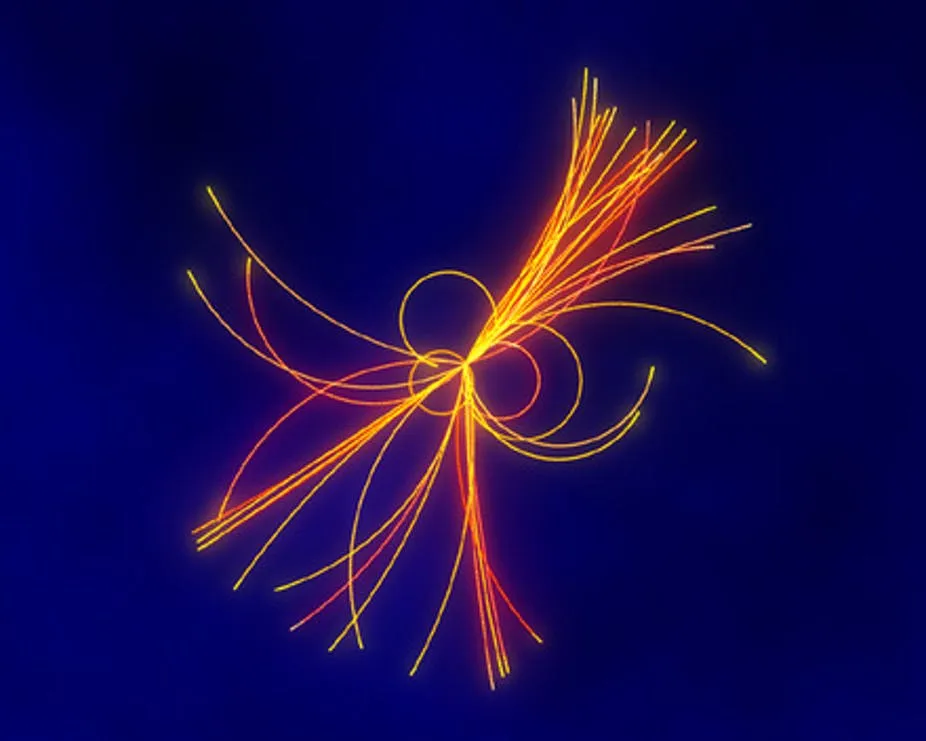
Higgs boson and the quest for new physics
Higgs boson and the quest for new physics The discovery of a new particle in 2012 by the ATLAS and CMS experiments at CERN was just the beginning in understanding the properties of this particle and its potential link to some of the most pressing fundamental questions in modern physics. Following its discovery, the LHC
-
ATLAS New Small Wheel upgrade advances
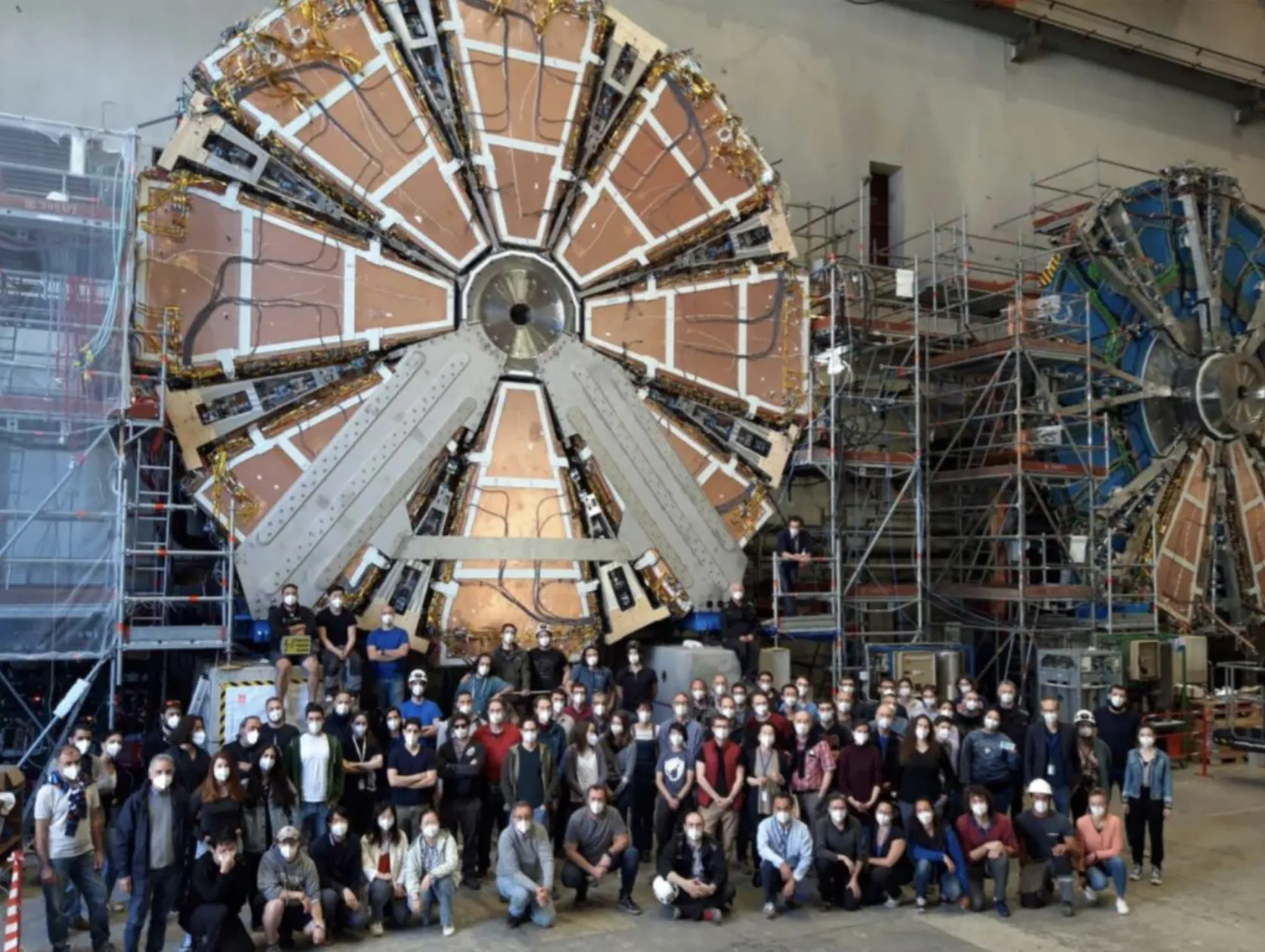
ATLAS New Small Wheel upgrade advances Group photo after the installation of the last sector of NSW-A. On the right is NSW-C with the first three sectors installed at the time. The New Small Wheel (NSW) upgrade is an ambitious project that aims to allow, along with other upgrade projects, to track and record data
-
Mighty magnets for particle detectors
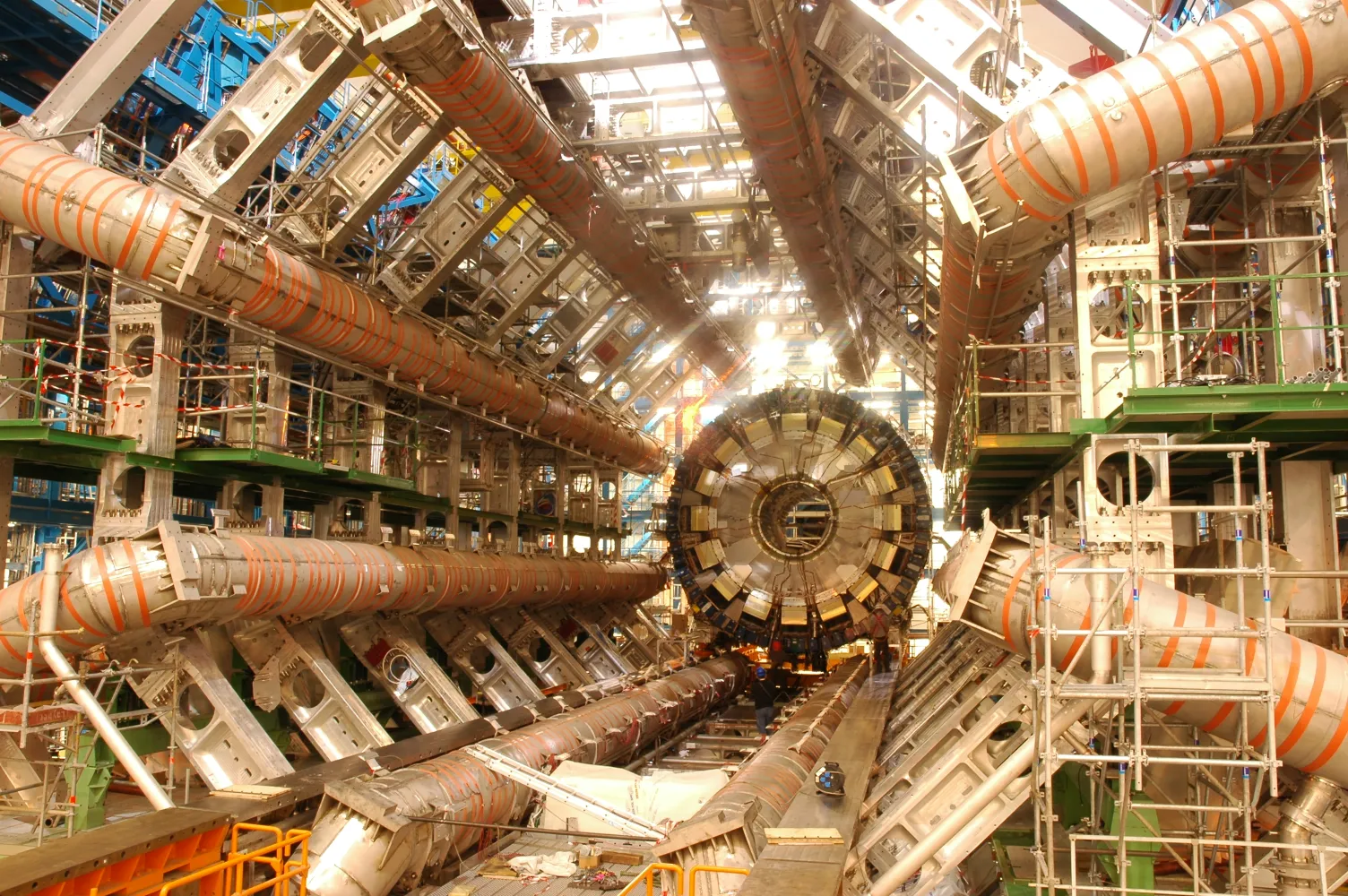
Mighty magnets for particle detectors The ATLAS Magnet Team, part of the EP-ADO-SO section, has the principal responsibility for the maintenance and operation of the ATLAS Superconducting Magnets. This effort is supported by a large number of colleagues, in particular from EP-DT, TE-CRG, EP-ADO, SY-EPC, EN-CV, EN-EL, and the institutes IHEP-Protvino (arranged by TE-MPE) and
-

LHC takes on the SMEFT challenge
LHC takes on the SMEFT challenge The quest for new physics at the LHC is entering a new phase: the experiments are designing new strategies to target potential deviations from the Standard Model (SM) predictions in a systematic way, to complement the traditional “bump hunts” and, potentially, extend their sensitivity to mass regions beyond the
-
ATLAS faces the challenge of Run 3
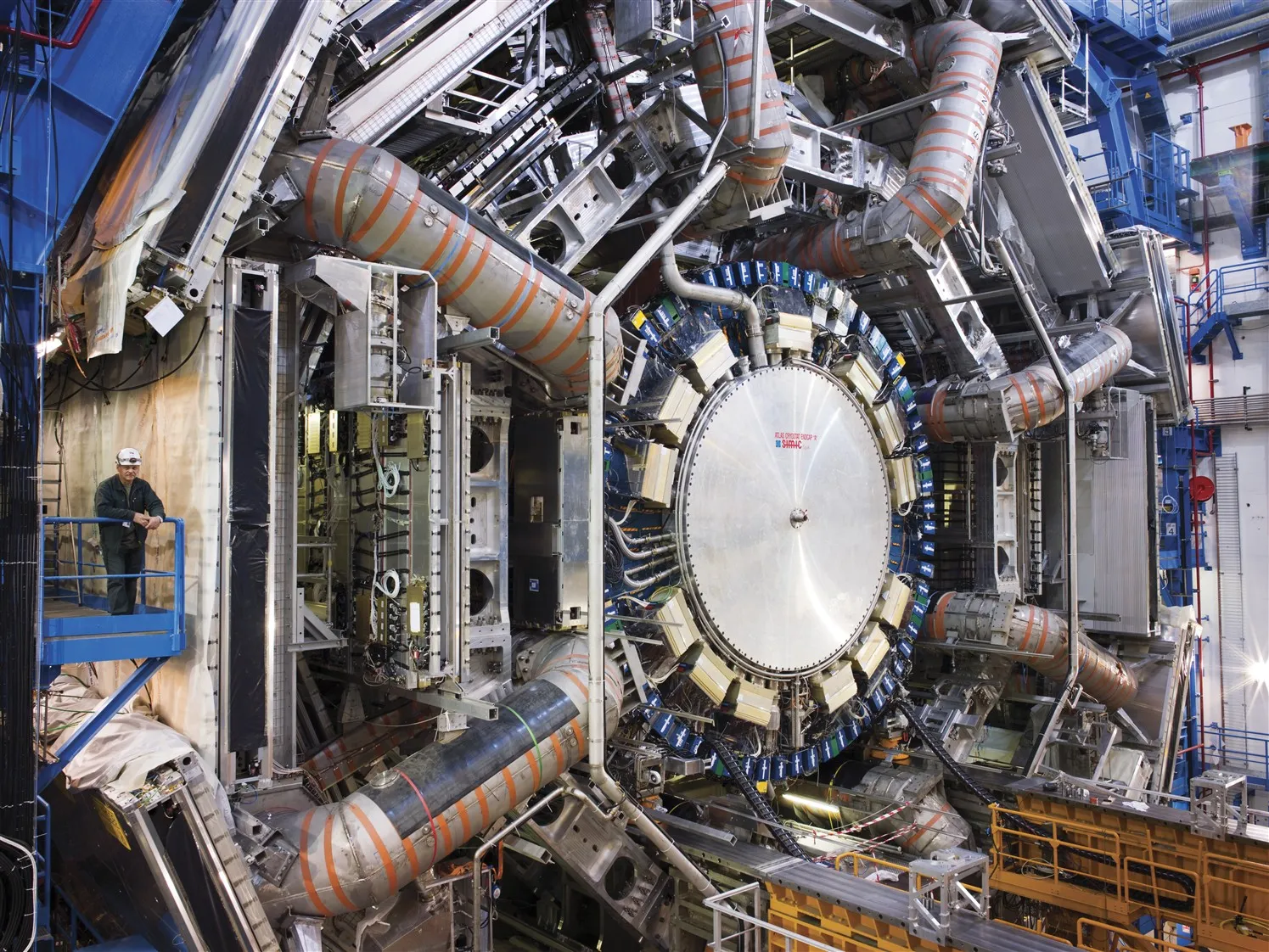
ATLAS faces the challenge of Run 3 The ATLAS experiment is a general-purpose particle detector operating at the LHC. It consists of several concentric layers of particle detectors occupying a cylindrical volume 46m long and 25m in diameter. The innermost detectors reconstruct the trajectories of charged particles produced in the beam collisions with high precision.
-

The likelihood is dead, long live the likelihood
The likelihood is dead, long live the likelihood Among the sciences, particle physics has the luxury of having a well established theoretical basis. Often we focus on the elementary particles and model them mathematically with quantum field theories like the Standard Model. In order to compare with data, we must also model the additional radiation,
-
CERN’s new open data policy supports open science
CERN's new open data policy supports open science The four main LHC collaborations (ALICE, ATLAS, CMS and LHCb) have unanimously endorsed a new open data policy for scientific experiments at the Large Hadron Collider (LHC), which was presented to the CERN Council today. The policy commits to publicly releasing so-called level 3 scientific data, the