
Tag: ATLAS
-
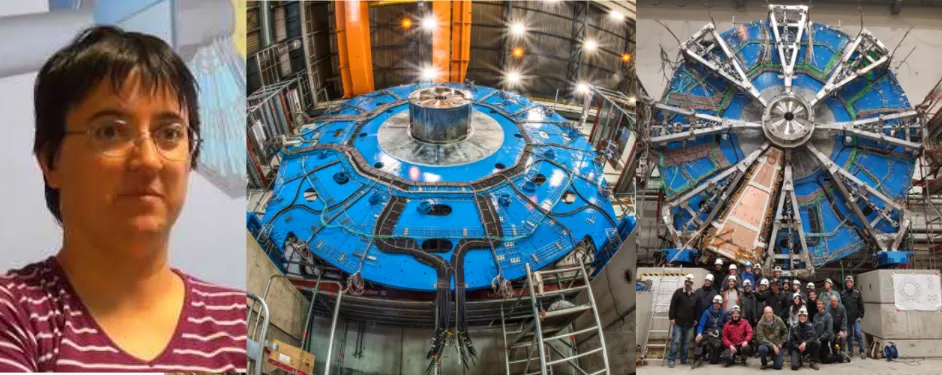
Stephanie Zimmermann (1973 – 2020)
Stephanie Zimmermann (1973 – 2020) We have been deeply saddened to hear about the passing of Stephanie Zimmermann, an outstanding physicist, who has made a long-lasting contributions to the ATLAS experiment. Stephanie was involved in the Muon Detector Control System activities and served as muon run coordinator, ATLAS run coordinator and, from 2013, New Small
-
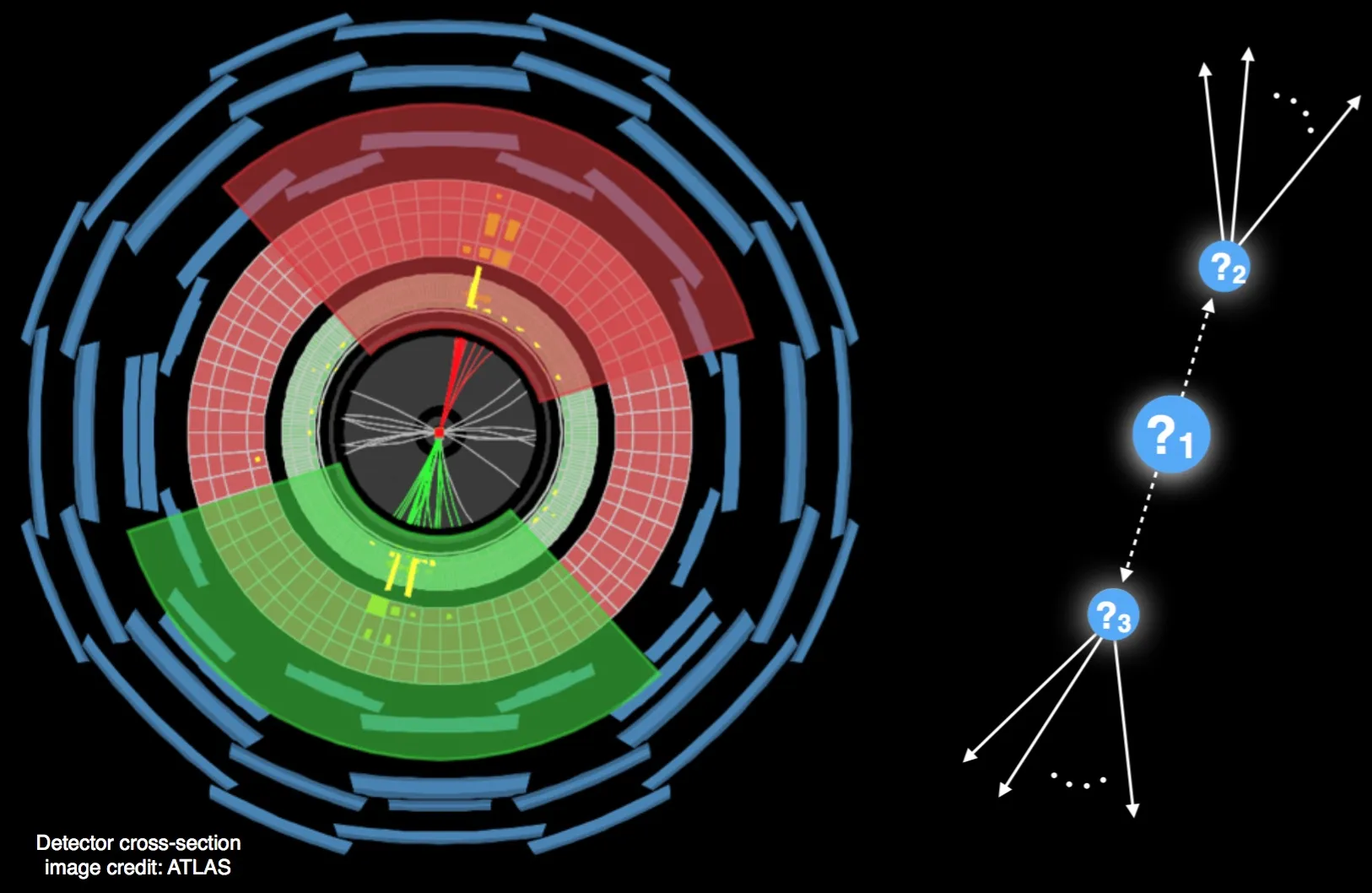
Machine learning ushers in a new paradigm for particle searches at the LHC
Machine learning ushers in a new paradigm for particle searches at the LHC Searching for physics beyond the Standard Model (BSM) is a major part of the research programme at the LHC experiments. Nearly all of these searches pick a signal model that addresses one or more of the experimental (e.g., dark matter) or theoretical
-
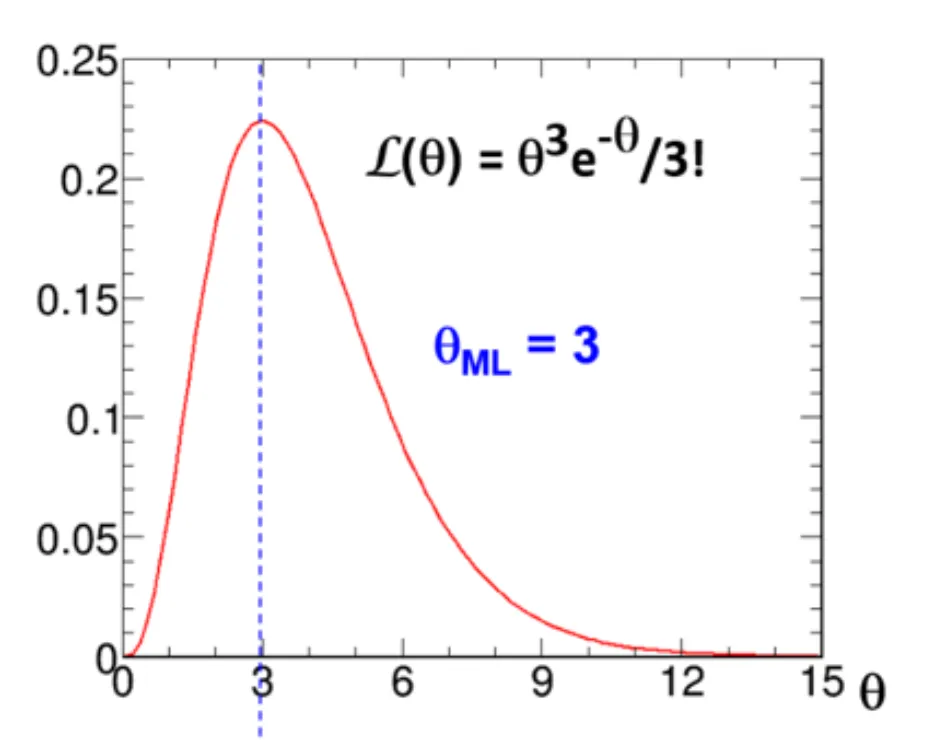
What is the likelihood function, and how is it used in particle physics?
What is the likelihood function, and how is it used in particle physics? In statistical data analysis, “likelihood” is a key concept that is closely related to, but crucially distinct from, the concept of “probability”, which is often a synonym in everyday English. In this article, I first lay some necessary foundations for defining likelihood,
-
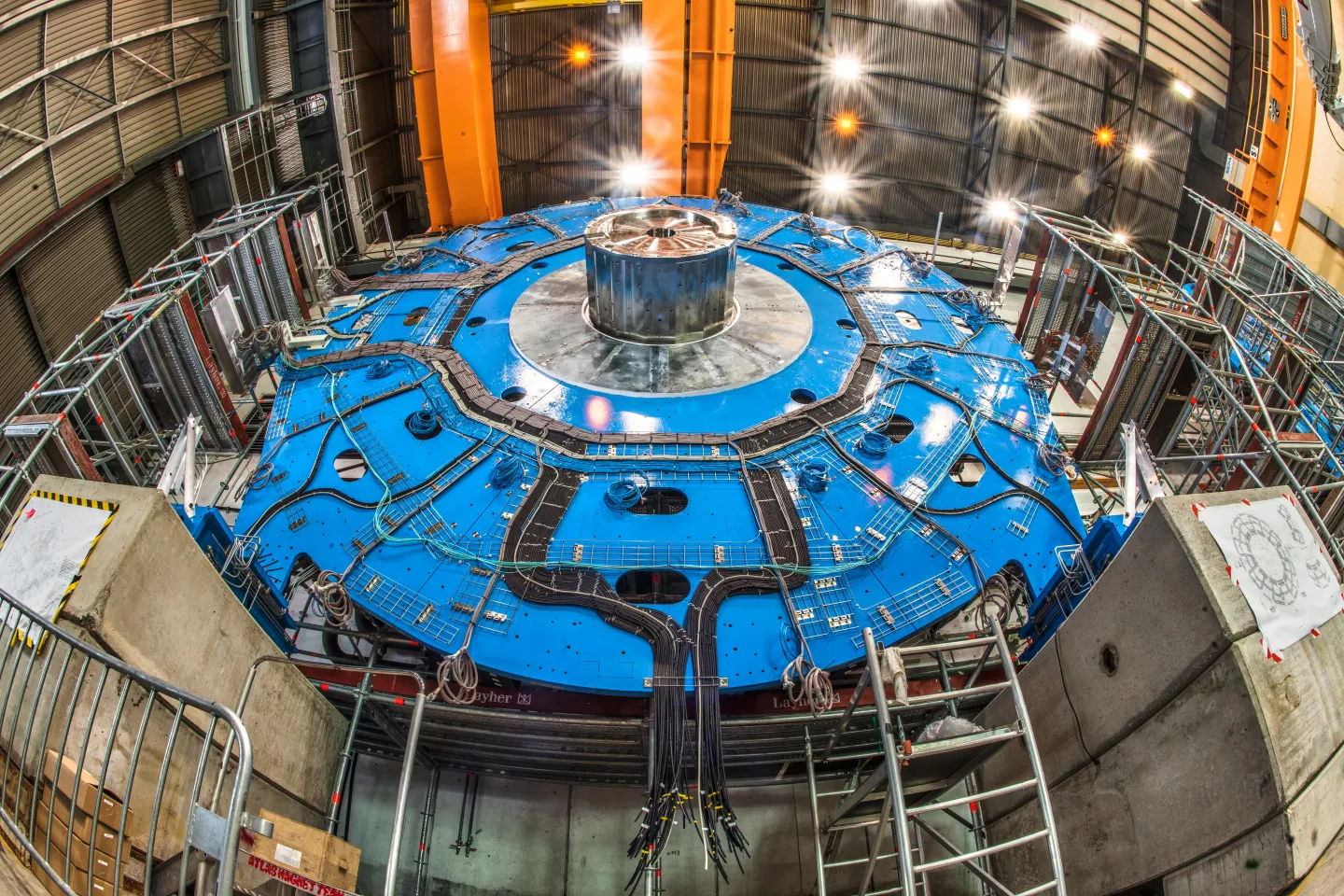
ATLAS New Small Wheel Upgrade – activities resumed after down-time from COVID-19
ATLAS New Small Wheel Upgrade – activities resumed after down-time from COVID-19 As discussed in a previous issue of the EP Newsletter (The ATLAS New Small Upgrade – entering new waters, preparing to install and commission its first sector, October 2019), the New Small Wheel (NSW) Upgrade is the most challenging and complex one of
-
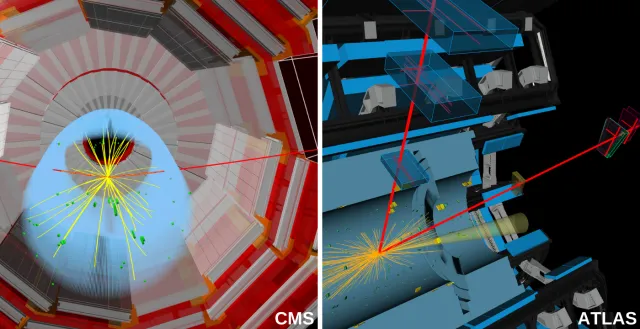
CERN experiments find first evidence for rare Higgs boson decay
CERN experiments find first evidence for rare Higgs boson decay The strength of the interaction between the Higgs field and a particle determines the mass it obtains from the Higgs and it is a mystery why the interaction strength is different for different particles. This puzzle is exacerbated as the leptons, quarks and neutrinos appear
-

How to search for new physics without knowing about it?
How to search for new physics without knowing about it? BSM searches at the LHC increasingly profit from ML techniques since this approach allows more general searches that minimise the probability of missing evidence of new physics. Very recently, the ATLAS collaboration has published a novel approach [1], based on weakly unsupervised ML techniques, to
-
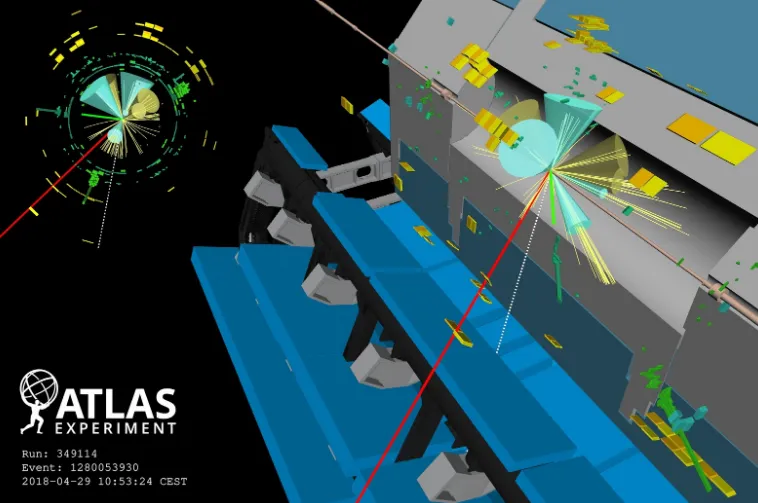
ATLAS results: from precision to rarity
ATLAS results: from precision to rarity Two recent ATLAS results that showcase the full range of the ATLAS physics potential, from precision to rarity, were shown at LHCP and presented at a recent CERN LHC seminar. A test of the universality of τ and μ lepton couplings in W boson decays from tt̅ events [1]
-
ATLAS results: from precision to rarity
ATLAS results: from precision to rarity Two recent ATLAS results that showcase the full range of the ATLAS physics potential, from precision to rarity, were shown at LHCP and presented at a recent CERN LHC seminar. A test of the universality of τ and μ lepton couplings in W boson decays from tt̅ events [1]
-
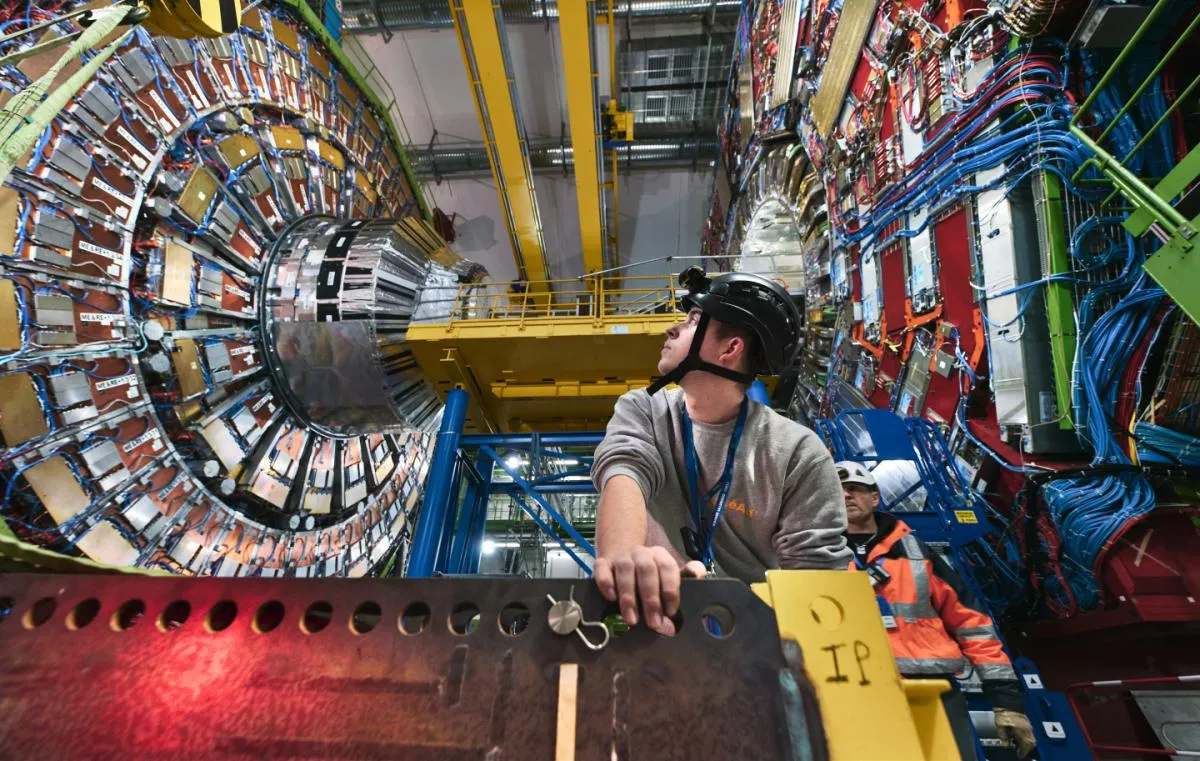
LHC experiments ramp-up activities
LHC experiments ramp-up activities Around the world,research centres, laboratories and universities have closed as a response to the COVID-19 pandemic — forcing an increasing number of researchers to work from home. Researchers teleworking coordinated with colleagues who had to continue working in the lab to ensure continuation of critical activities as well as a smooth
-
How to search for new physics without knowing about it?
How to search for new physics without knowing about it? BSM searches at the LHC increasingly profit from ML techniques since this approach allows more general searches that minimise the probability of missing evidence of new physics. Very recently, the ATLAS collaboration has published a novel approach [1], based on weakly unsupervised ML techniques, to