
Tag: CMS
-
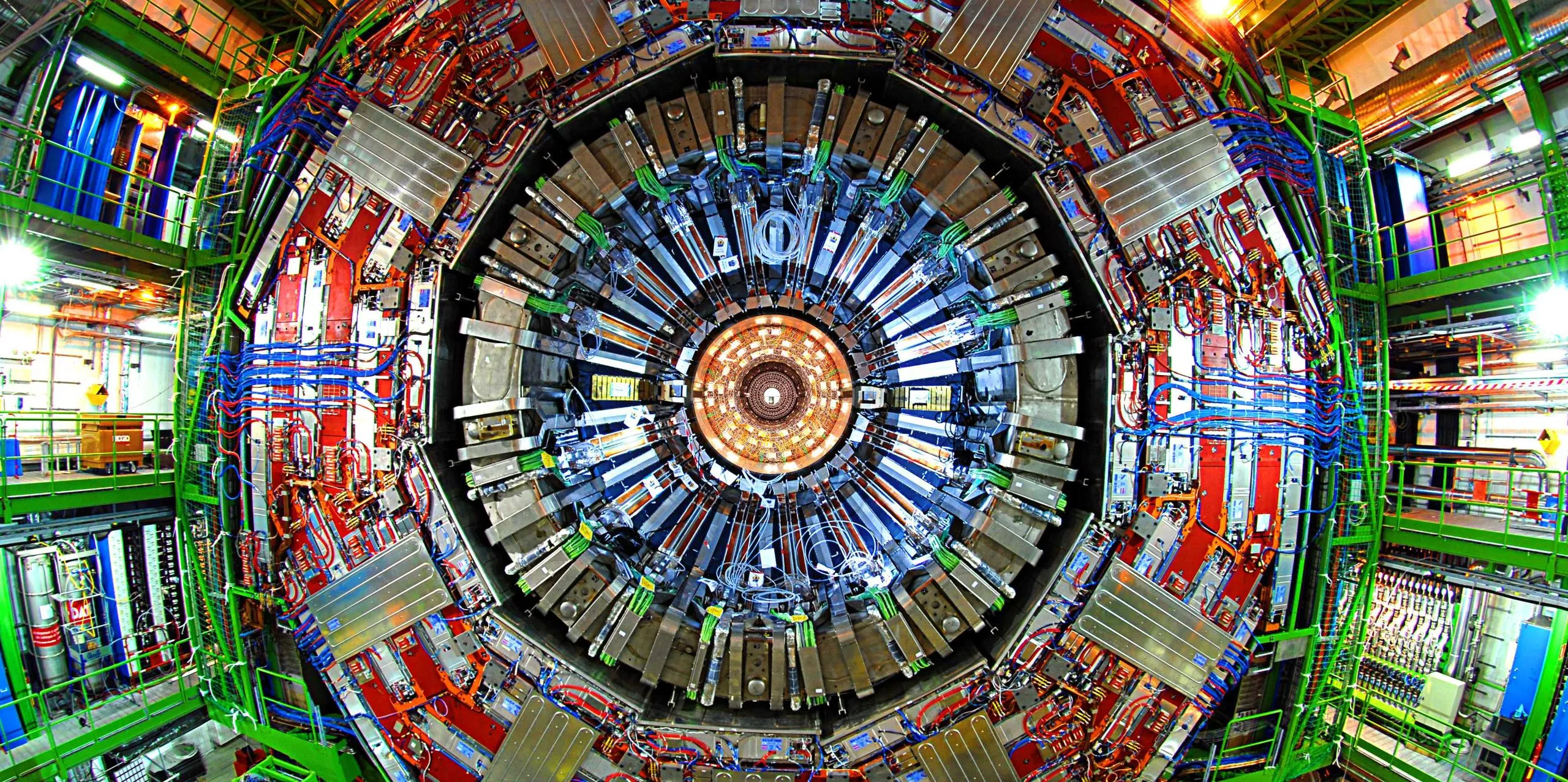
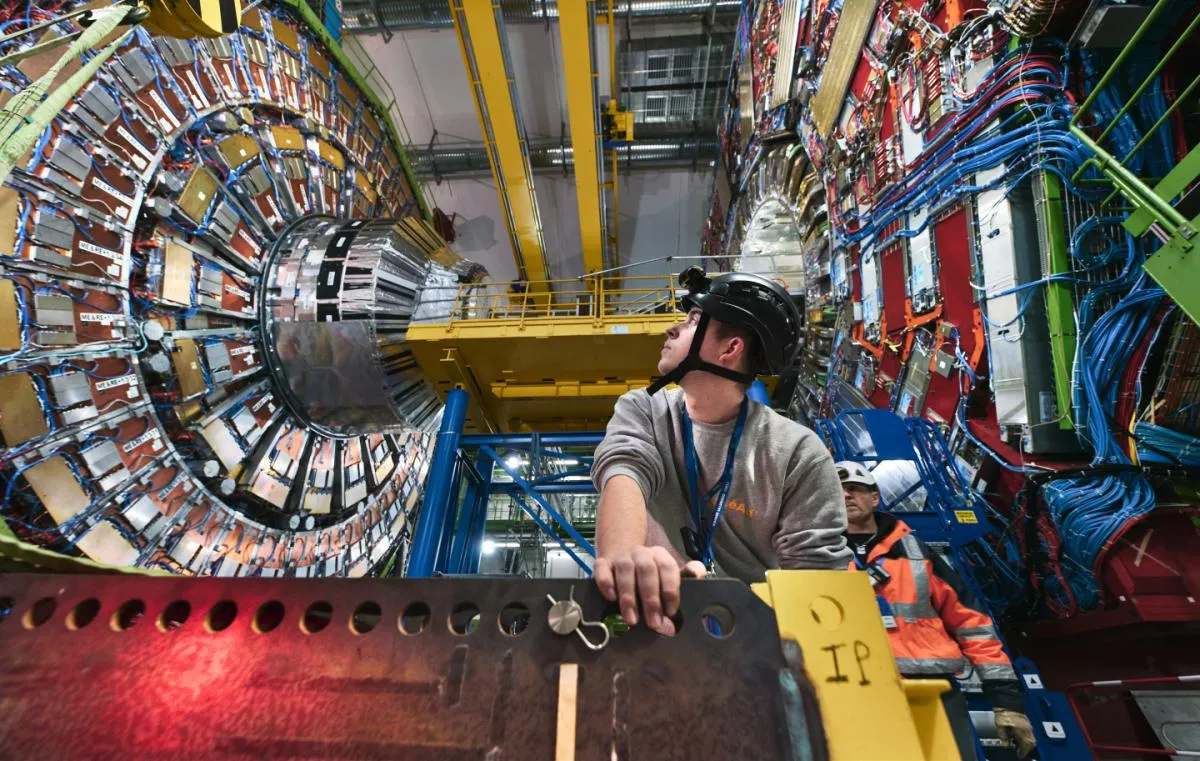
CMS experiment prepares for Run 3
CMS experiment prepares for Run 3 The CMS experiment is one of the four large experiments at the LHC and a detailed description of the detector’s inner and outer layers can be found here. The detector successfully operated with LHC collisions since 2010 leading to the Higgs boson discovery in 2012 by the CMS and
-
The likelihood is dead, long live the likelihood
The likelihood is dead, long live the likelihood Among the sciences, particle physics has the luxury of having a well established theoretical basis. Often we focus on the elementary particles and model them mathematically with quantum field theories like the Standard Model. In order to compare with data, we must also model the additional radiation,
-
CERN’s new open data policy supports open science
CERN's new open data policy supports open science The four main LHC collaborations (ALICE, ATLAS, CMS and LHCb) have unanimously endorsed a new open data policy for scientific experiments at the Large Hadron Collider (LHC), which was presented to the CERN Council today. The policy commits to publicly releasing so-called level 3 scientific data, the
-
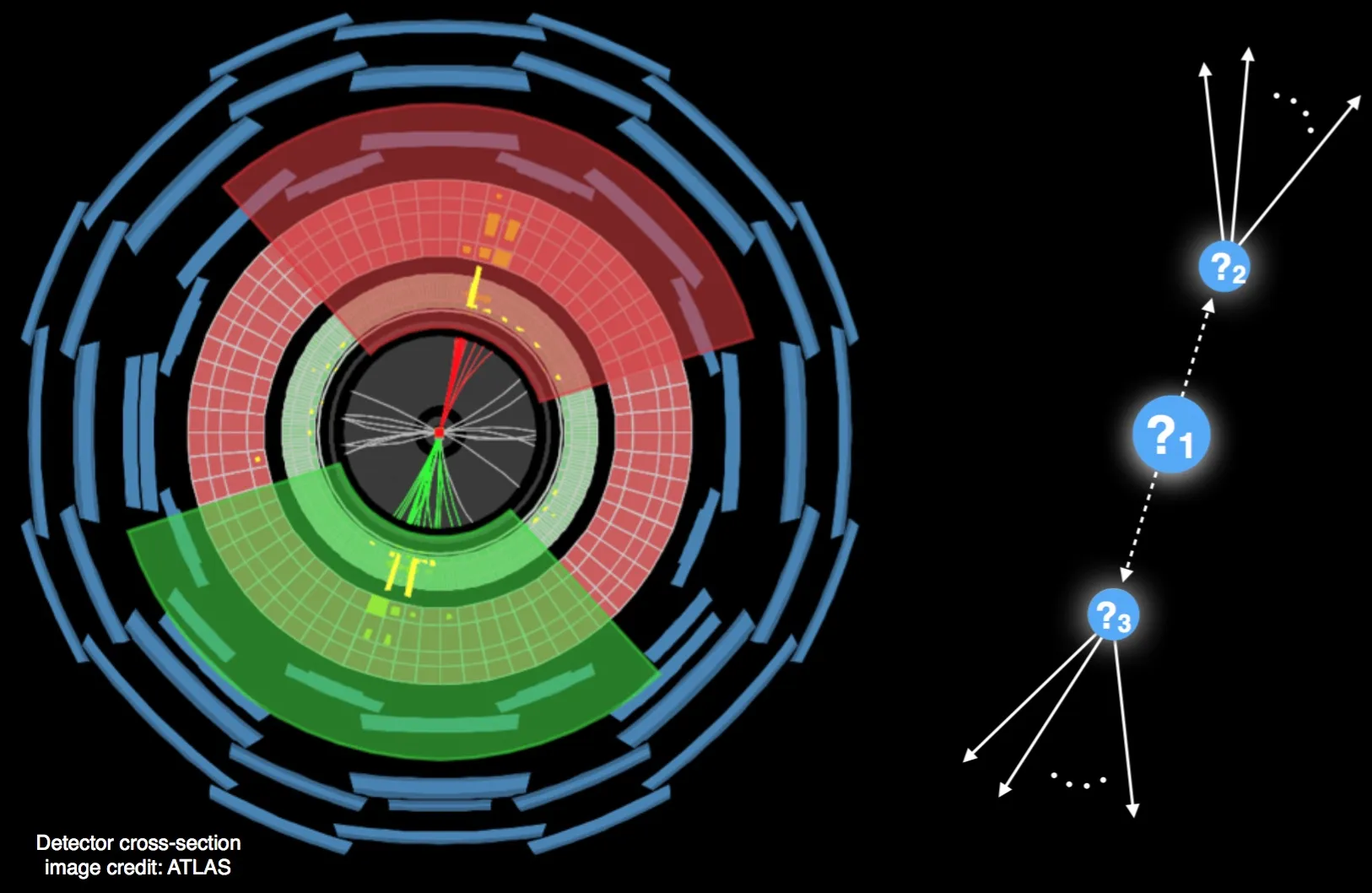
Machine learning ushers in a new paradigm for particle searches at the LHC
Machine learning ushers in a new paradigm for particle searches at the LHC Searching for physics beyond the Standard Model (BSM) is a major part of the research programme at the LHC experiments. Nearly all of these searches pick a signal model that addresses one or more of the experimental (e.g., dark matter) or theoretical
-
CMS GEMs are changing gear
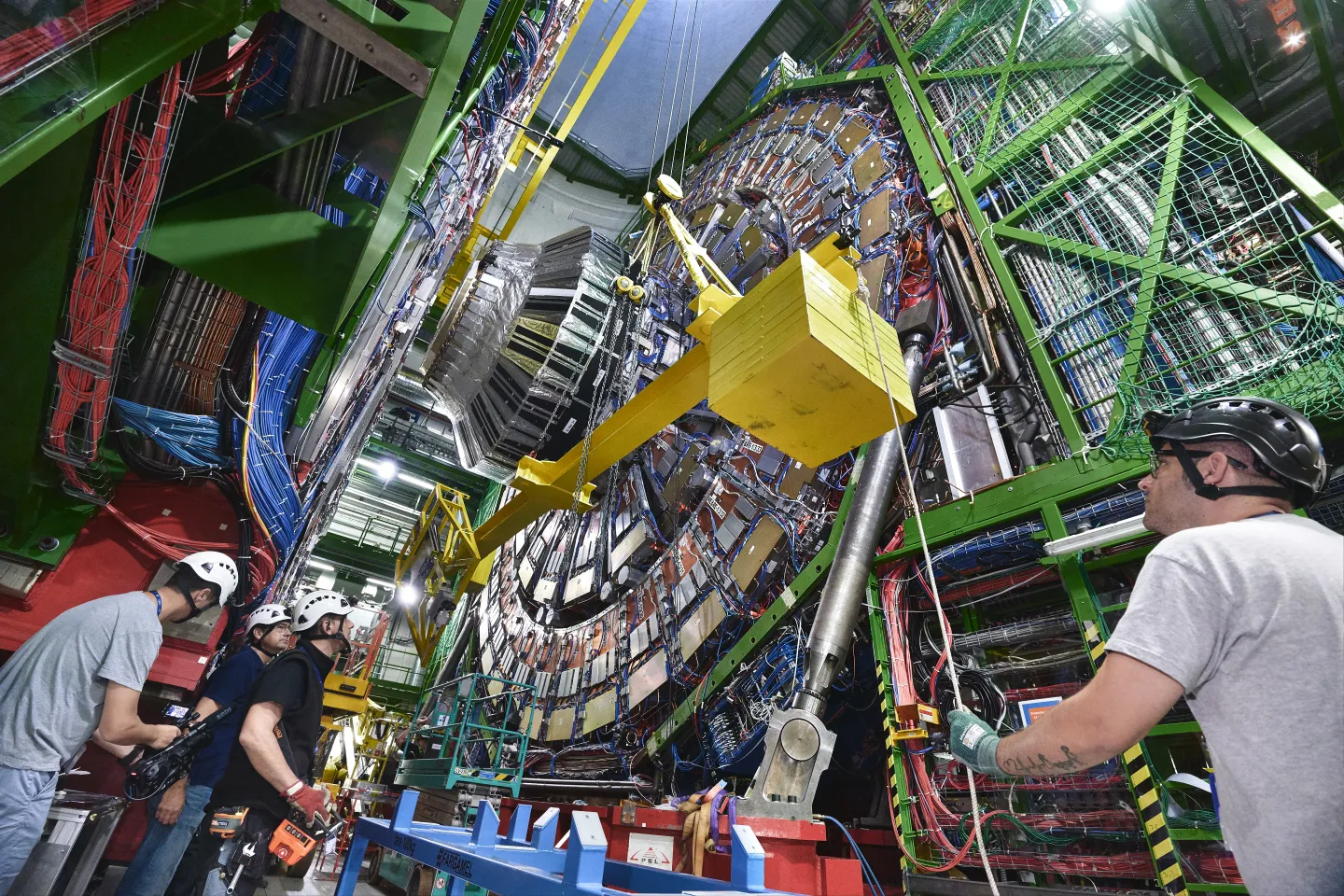
CMS GEMs are changing gear It can be called the achievement of the year for the CMS Muon GEM group, culminating on a decade-long effort and development of knowhow. The Gas Electron Multiplier (GEM) is a Micro Pattern Gaseous Detector (MPGD) widely used in particle physics. They have been introduced into CMS by the author
-
What is the likelihood function, and how is it used in particle physics?
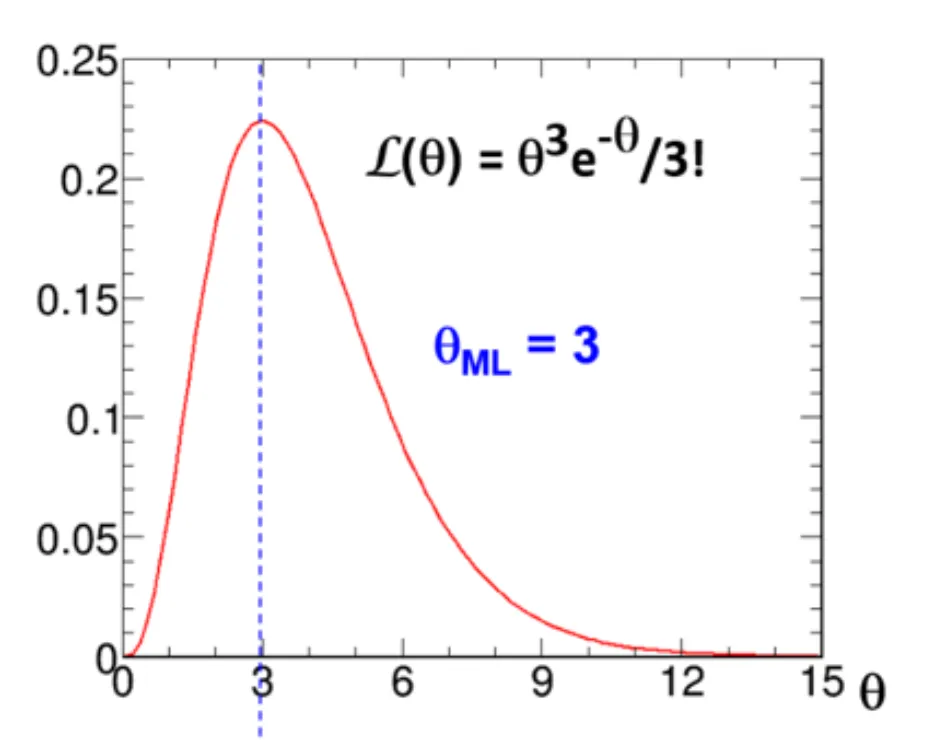
What is the likelihood function, and how is it used in particle physics? In statistical data analysis, “likelihood” is a key concept that is closely related to, but crucially distinct from, the concept of “probability”, which is often a synonym in everyday English. In this article, I first lay some necessary foundations for defining likelihood,
-
CMS restarts and continues working under Covid-19 conditions
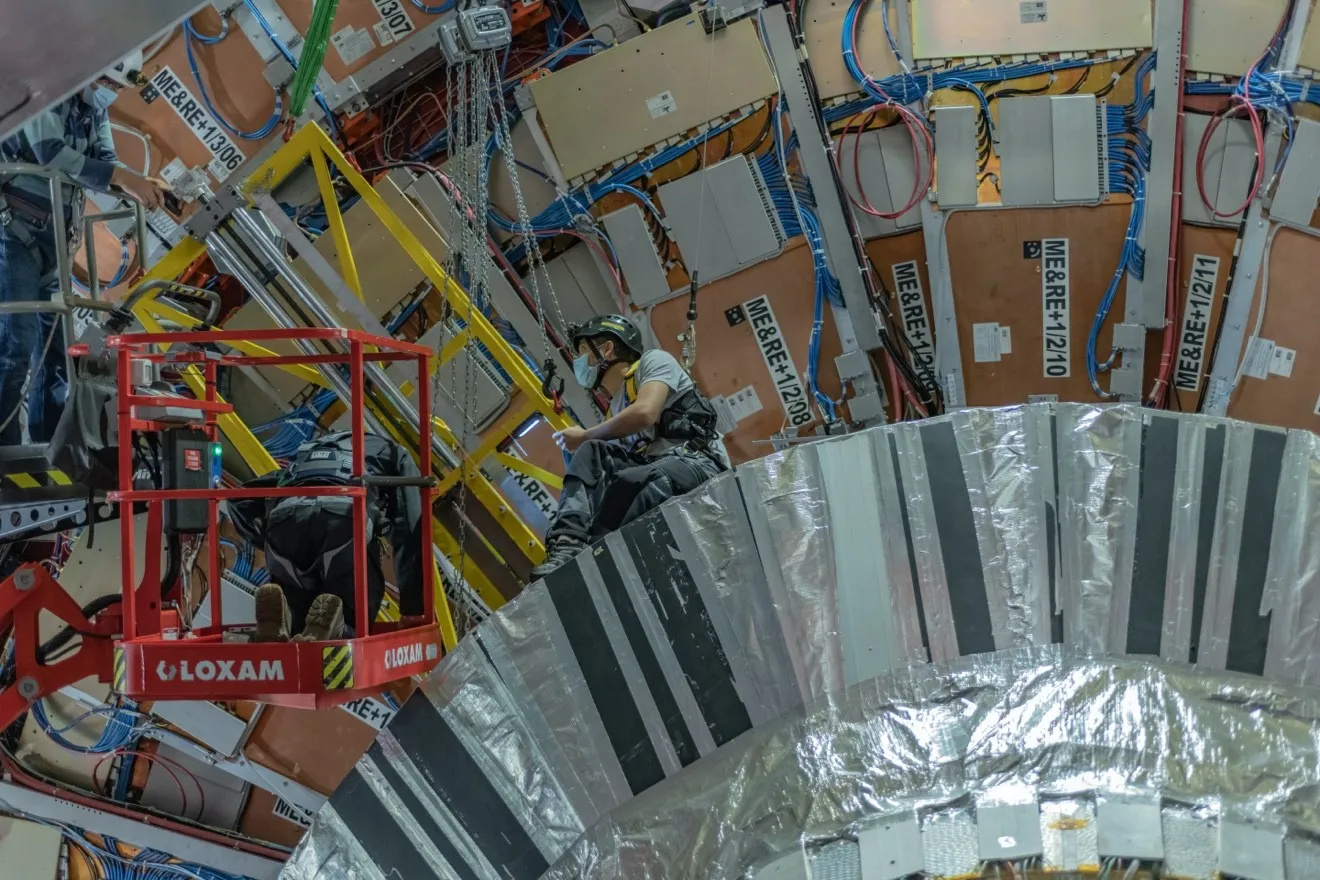
CMS restarts and continues working under Covid-19 conditions One of the major objectives of CMS for LS2 is an early phase-2 electronics upgrade of the Cathode Strip Chambers (CSC), located on all three endcap disks, and the installation of one layer of triple Gas Electron Multiplier Chambers (GEM) on the first endcap disk. This work
-
CERN experiments find first evidence for rare Higgs boson decay
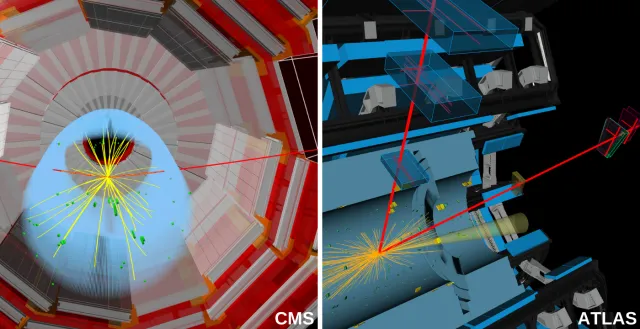
CERN experiments find first evidence for rare Higgs boson decay The strength of the interaction between the Higgs field and a particle determines the mass it obtains from the Higgs and it is a mystery why the interaction strength is different for different particles. This puzzle is exacerbated as the leptons, quarks and neutrinos appear
-

How to search for new physics without knowing about it?
How to search for new physics without knowing about it? BSM searches at the LHC increasingly profit from ML techniques since this approach allows more general searches that minimise the probability of missing evidence of new physics. Very recently, the ATLAS collaboration has published a novel approach [1], based on weakly unsupervised ML techniques, to
-
LHC experiments ramp-up activities
LHC experiments ramp-up activities Around the world,research centres, laboratories and universities have closed as a response to the COVID-19 pandemic — forcing an increasing number of researchers to work from home. Researchers teleworking coordinated with colleagues who had to continue working in the lab to ensure continuation of critical activities as well as a smooth