
Tag: CMS
-
AMVA4NewPhysics legacy in searches for new physics
AMVA4NewPhysics legacy in searches for new physics A couple of months ago, the four-year life cycle of AMVA4NewPhysics, a Horizon2020-funded Marie Skłodowska-Curie Innovative Training Network (ITN), in which CERN participated as one of the member institutions, was completed. With the ultimate objective of searching ways which would improve the measurement and search sensitivity of the
-
Precision timing upgrade of the CMS detector
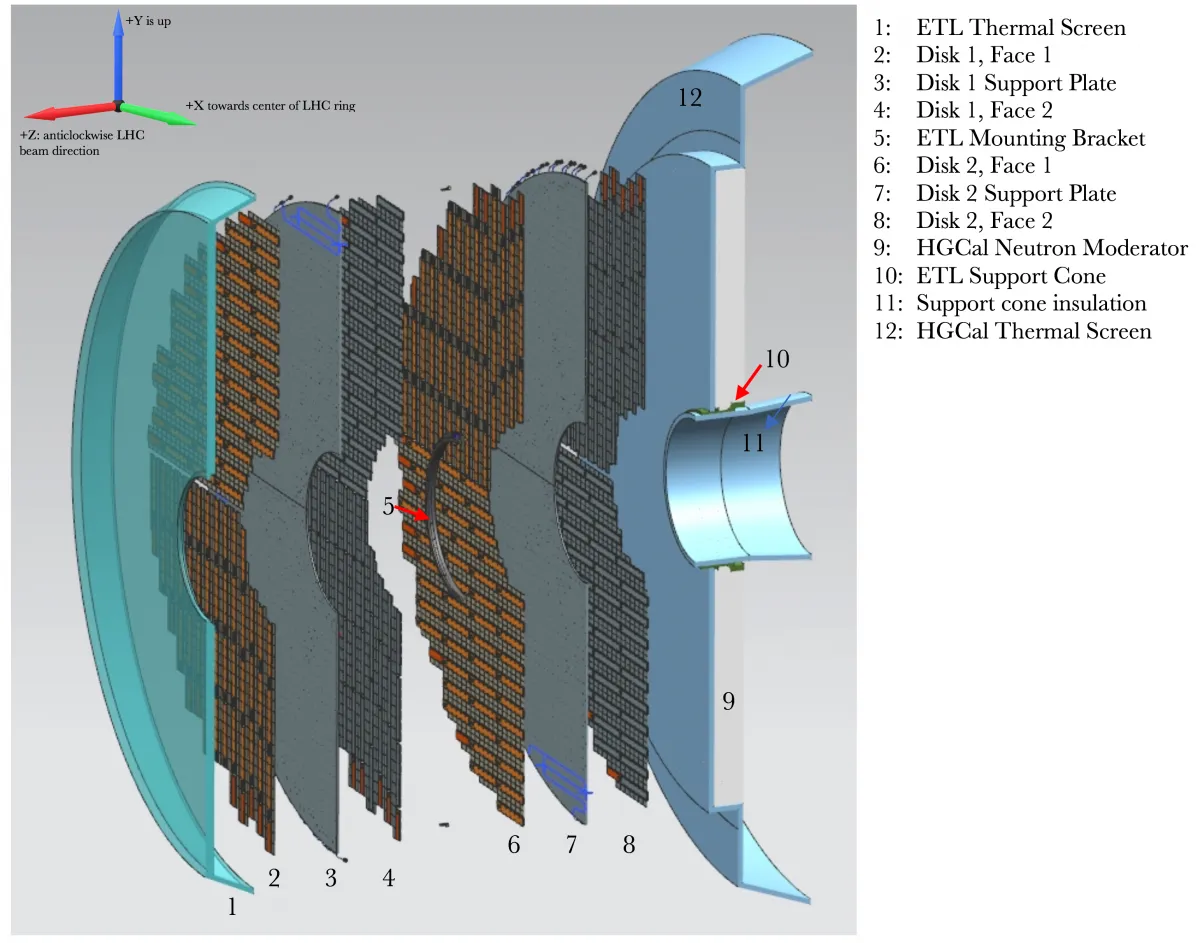
Precision timing upgrade of the CMS detector Soon after 2027, the LHC will enter the high luminosity era, known as HL-LHC. It will begin operations at a stable luminosity of 5.0×1034 cm−2 s−1, resulting in much higher collision rates than currently achievable, but with a pileup of 140 collisions during a bunch crossing. In an
-
Re-discovering the Higgs boson in the Cloud
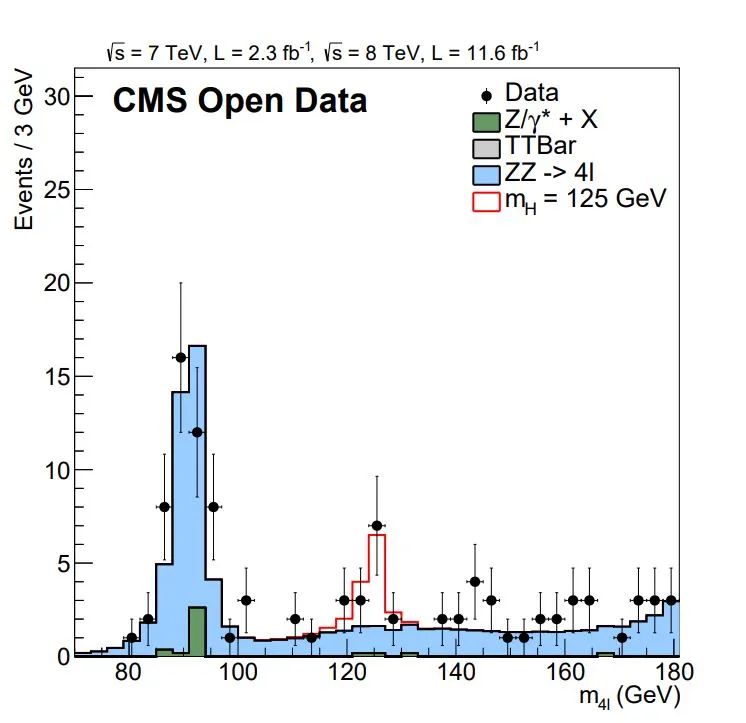
Re-discovering the Higgs boson in the Cloud It’s hard to believe that it has already been more than seven years since the discovery of the Higgs boson. Since then, numerous papers have been published by the ATLAS and CMS collaborations measuring the long-awaited particle’s properties in detail. Have you ever wondered whether one could repeat
-
Exploring the Lifetime Frontier at the LHC and Beyond
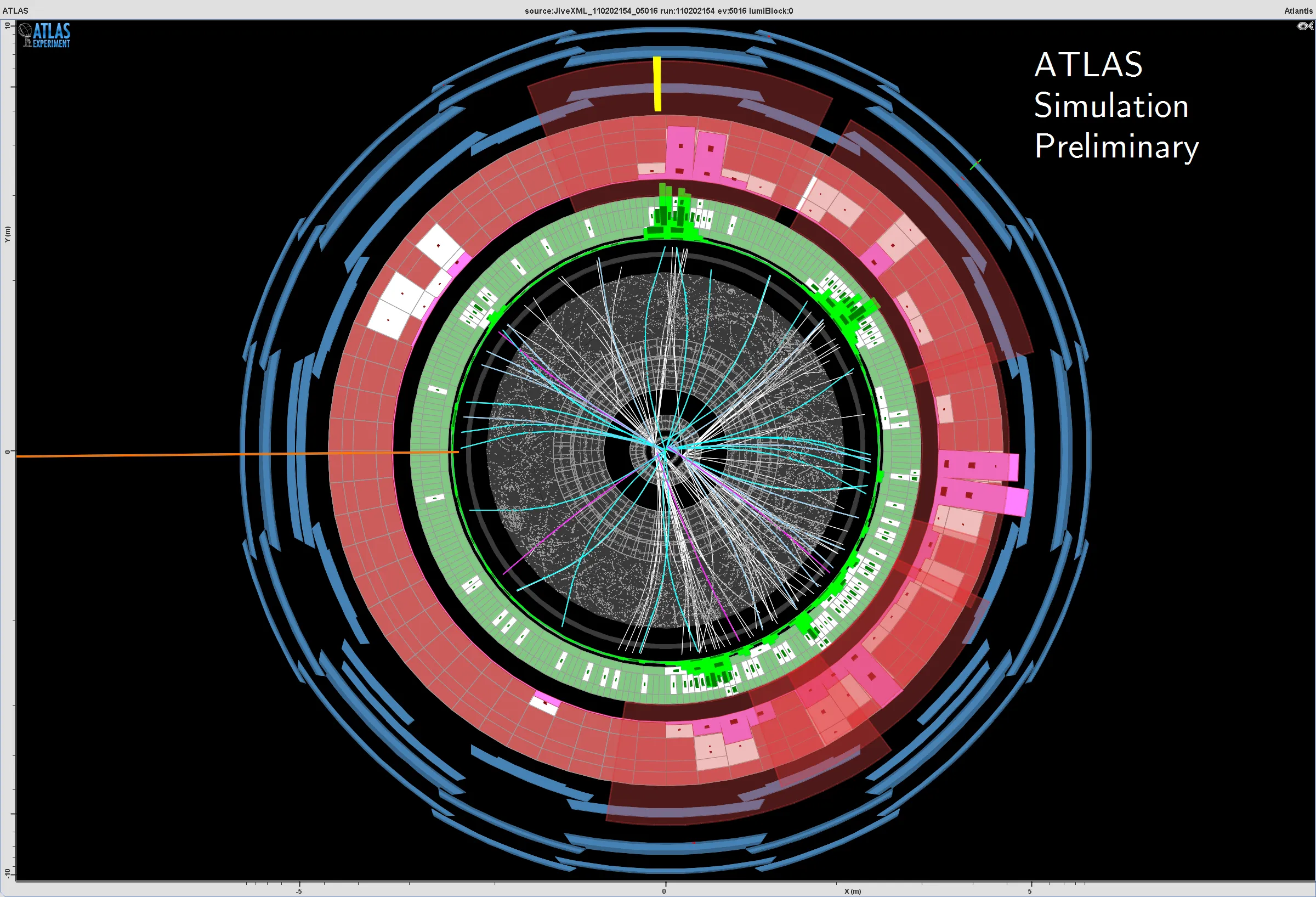
Exploring the Lifetime Frontier at the LHC and Beyond By any reasonable measure, the first ten years of the LHC have been an unmitigated success. But are we exploring everywhere in our data? The overwhelming majority of the searches for particles beyond the Standard Model (BSM) conducted at ATLAS and CMS, for example, assume that
-
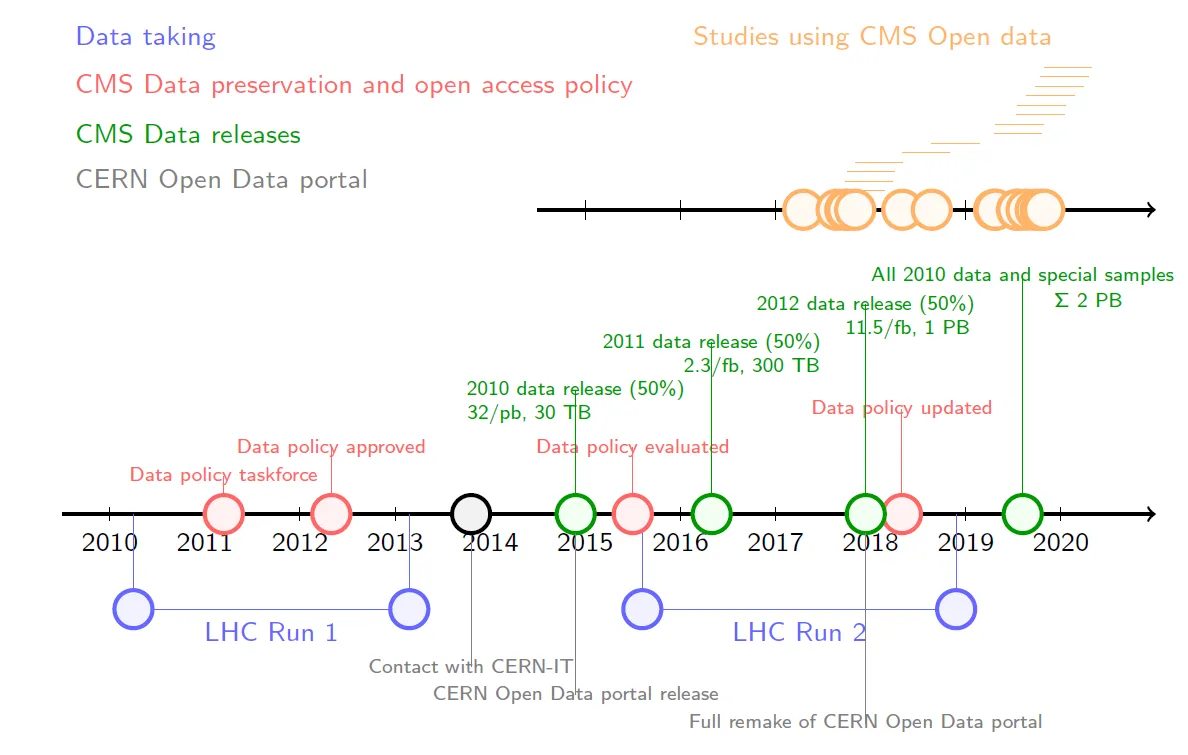
CMS Open data in use
CMS Open data in use “[…] The release of data could create a community of users which may be nurtured through regular events organized by CMS.[…]” This is a phrase in the CMS data preservation, re-use and open access policy, which was first approved seven and a half years ago. Now five years after the
-
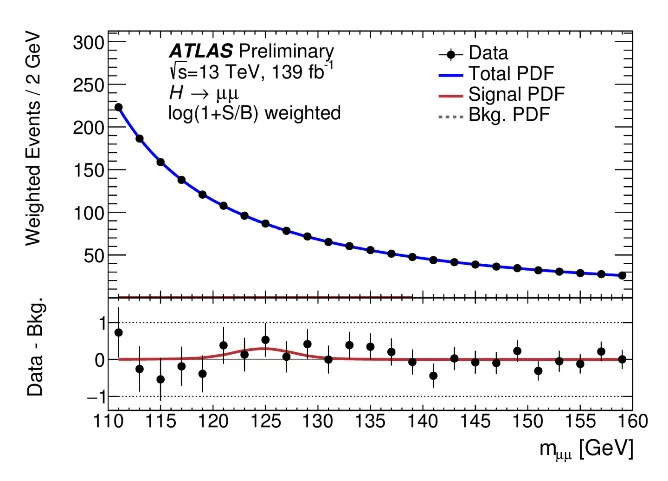
Latest results from the Higgs boson couplings to second-generation fermions
Latest results from the Higgs boson couplings to second-generation fermions The discovery of the Higgs boson completes the Standard Model, a very successful theory describing particles of visible matter and their interactions. However, there are still big missing pieces in our fundamental understanding of matter, while certain experimental phenomena point to the existence of new
-
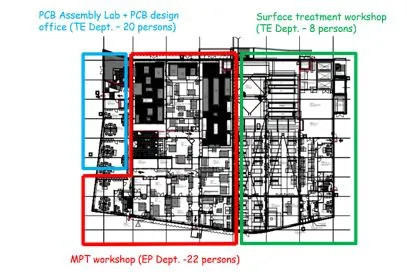
A new home for GEM detectors at CERN
A new home for GEM detectors at CERN Since the beginning of 2019, a new building at CERN is ready to house ongoing R&D activities that will push the performance of detectors to cope with the high performance of the LHC. Building No.107 (replacing the building 102) offers a brand new laboratory with sophisticated equipment,
-
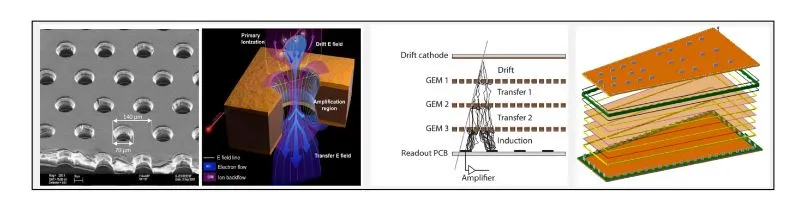
The GEMs of CMS
The GEMs of CMS To prepare for the higher collision energy and luminosity of the subsequent running period of the LHC significant improvements are ongoing in the CMS detector. One of the planned upgrades is the installation of large-area GEM detectors in the forward muon region. Following an extensive R&D program since 2009, Triple GEM
-
The Higgs boson as a probe for new physics
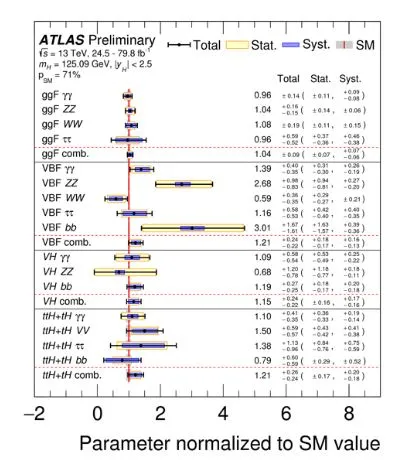
The Higgs boson as a probe for new physics The discovery of the Higgs boson has ushered in a new era of exploration at the Large Hadron Collider (LHC). Persistent tensions in the Standard Model (SM) of particle physics compel us to seek out physics beyond the SM (BSM) at the TeV scale, and the
-
CMS Trigger: Lessons from LHC Run 2
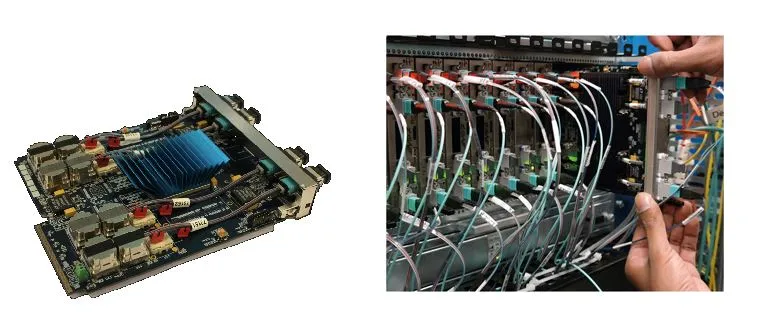
CMS Trigger: Lessons from LHC Run 2 The CMS experiment has a two-level trigger system [1], to reduce the number of events stored from the LHC bunch crossing rate of 40 MHz to around 1 kHz. The first level (the Level-1) uses custom electronics to reduce the rate of events to 100 kHz, and the