
Tag: DT
-
The 3D printed Detector (3DET) Project
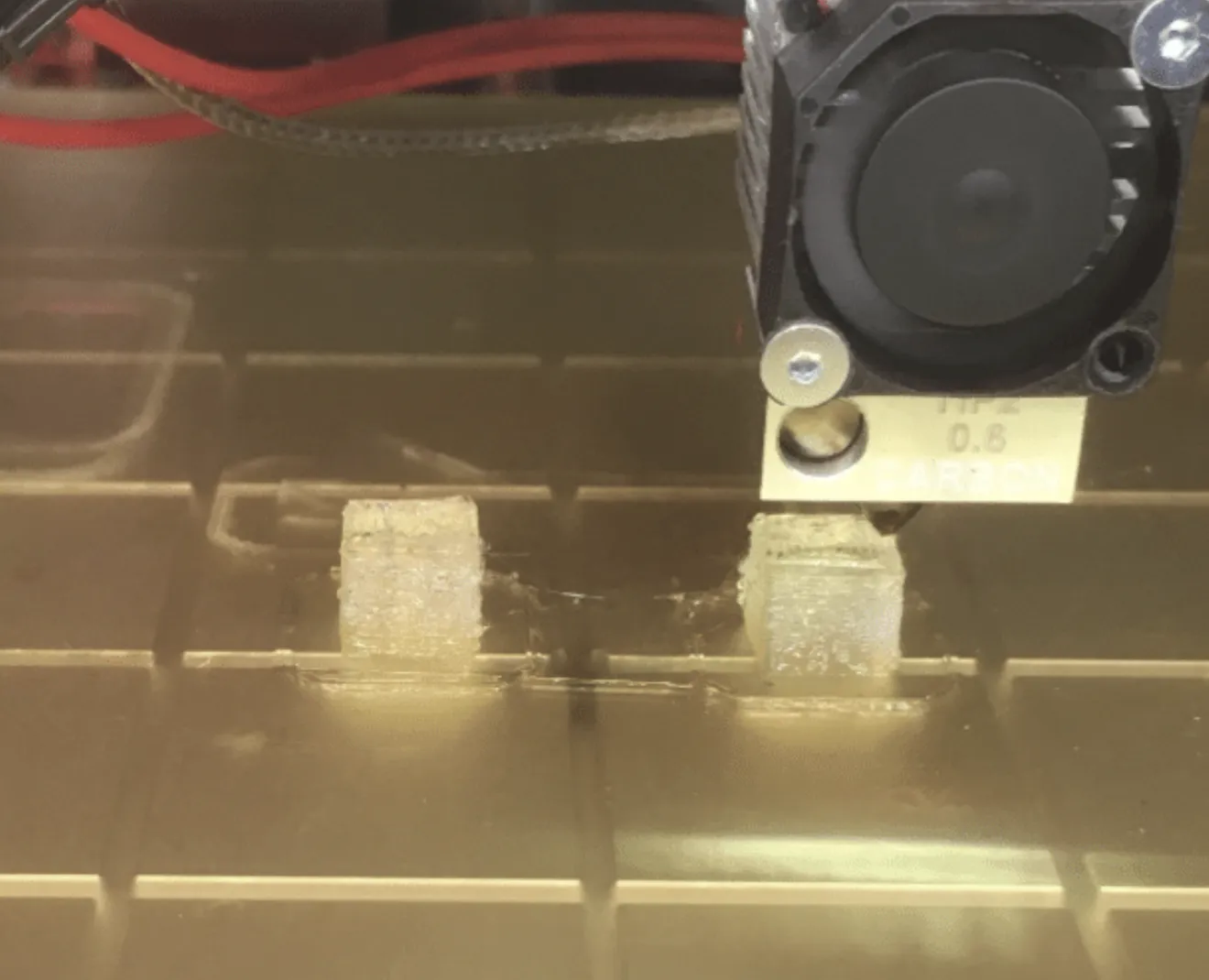
The 3D printed Detector (3DET) Project Plastic scintillator is one of the most used active materials in high-energy physics. The “3D printed Detectors” (3DET) collaboration was formed in 2019 with the goal of investigating and developing additive manufacturing as a new production technique for future scintillator-based particle detectors. The 3DET collaboration includes research institutes and
-
Update on the ECFA Roadmap for R&D on Detector Technologies
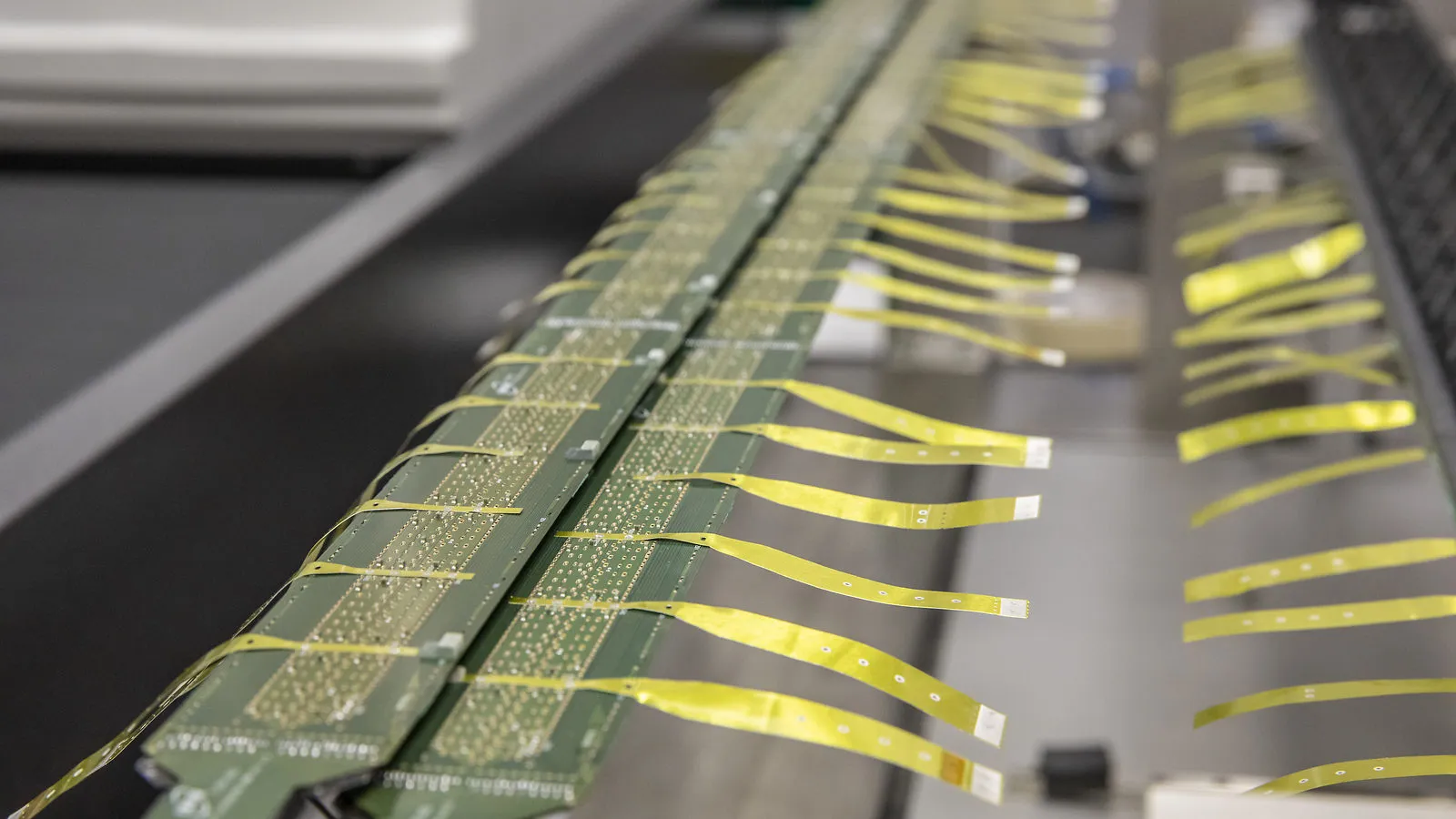
Update on the ECFA Roadmap for R&D on Detector Technologies It was reported in the previous edition of the EP Newsletter (1) that the European Strategy for Particle Physics Update (EPPSU (2) recommended that “Organised by ECFA, a roadmap should be developed by the community to balance the detector R&D efforts in Europe, taking into
-
CERN’s irradiation facilities eye to the future
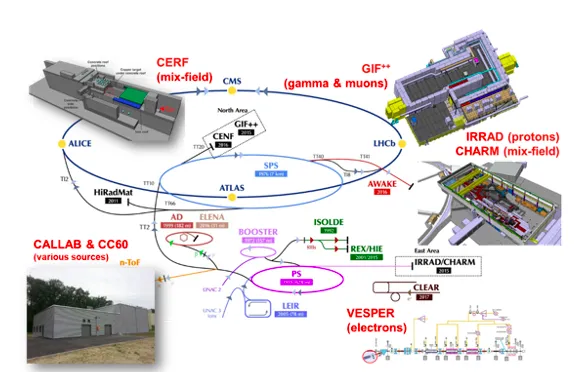
CERN's irradiation facilities eye to the future CERN operates several unique in-house radiation-test facilities and makes use of a broad variety of external facilities to satisfy the needs of users from experiments and equipment groups in the Research and Computing (RCS) and Accelerators and Technology (ATS) sectors. To assess the current facilities and testing needs,
-
Designing gas transport parameters for future HEP experiments
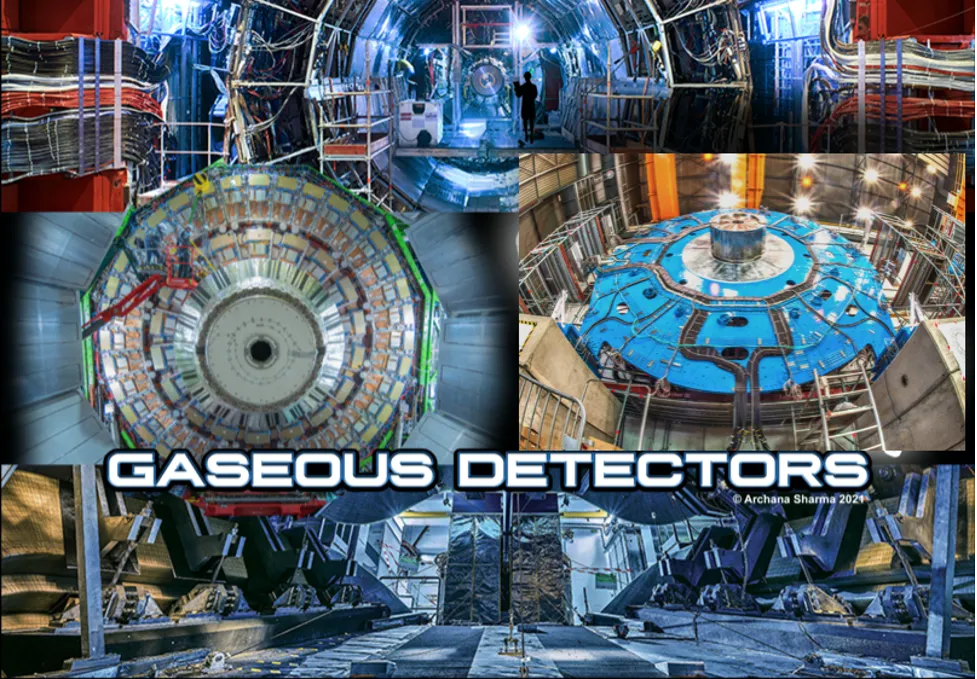
Designing gas transport parameters for future HEP experiments Fig. 1 Large experimental systems at LHC, comprising various gaseous detectors covering thousands of m2, providing tracking and triggering for muons. Given their large areas and cost effectiveness, particle physics experiments rely heavily on the detection of charged and neutral radiation with gaseous detectors. The operational gas
-
Mighty magnets for particle detectors
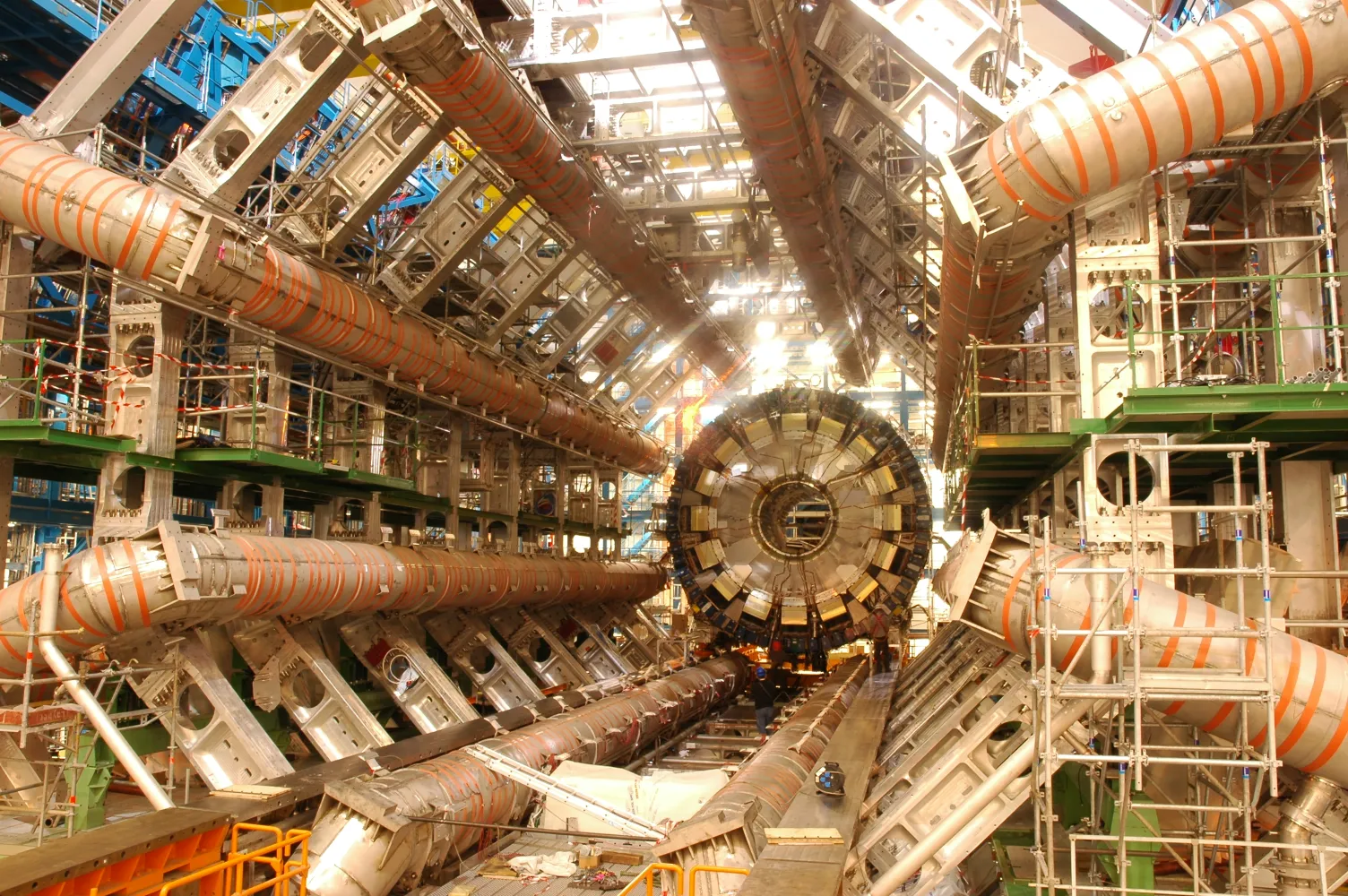
Mighty magnets for particle detectors The ATLAS Magnet Team, part of the EP-ADO-SO section, has the principal responsibility for the maintenance and operation of the ATLAS Superconducting Magnets. This effort is supported by a large number of colleagues, in particular from EP-DT, TE-CRG, EP-ADO, SY-EPC, EN-CV, EN-EL, and the institutes IHEP-Protvino (arranged by TE-MPE) and
-
DT group publishes 2020 annual report
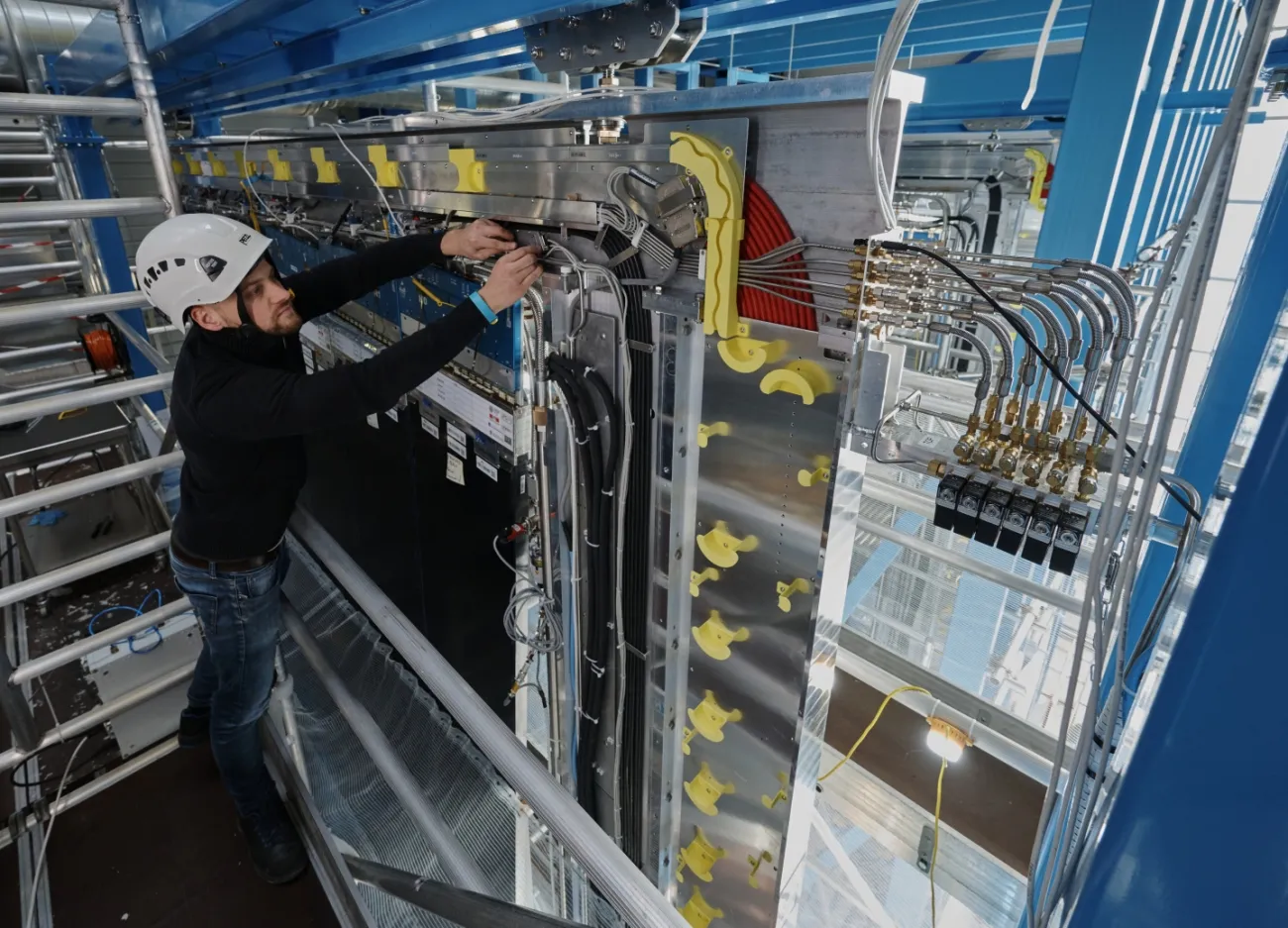
DT group publishes 2020 annual report Last week, CERN's EP-DT group published their annual report for 2020; a detailed accound of the group activities at CERN conducted over the year in collaboration with the LHC and non-LHC experimental groups along with their academic and industrial partners worldwide. These activities are part of the group's mandate
-
The Curious Cryogenic Fish
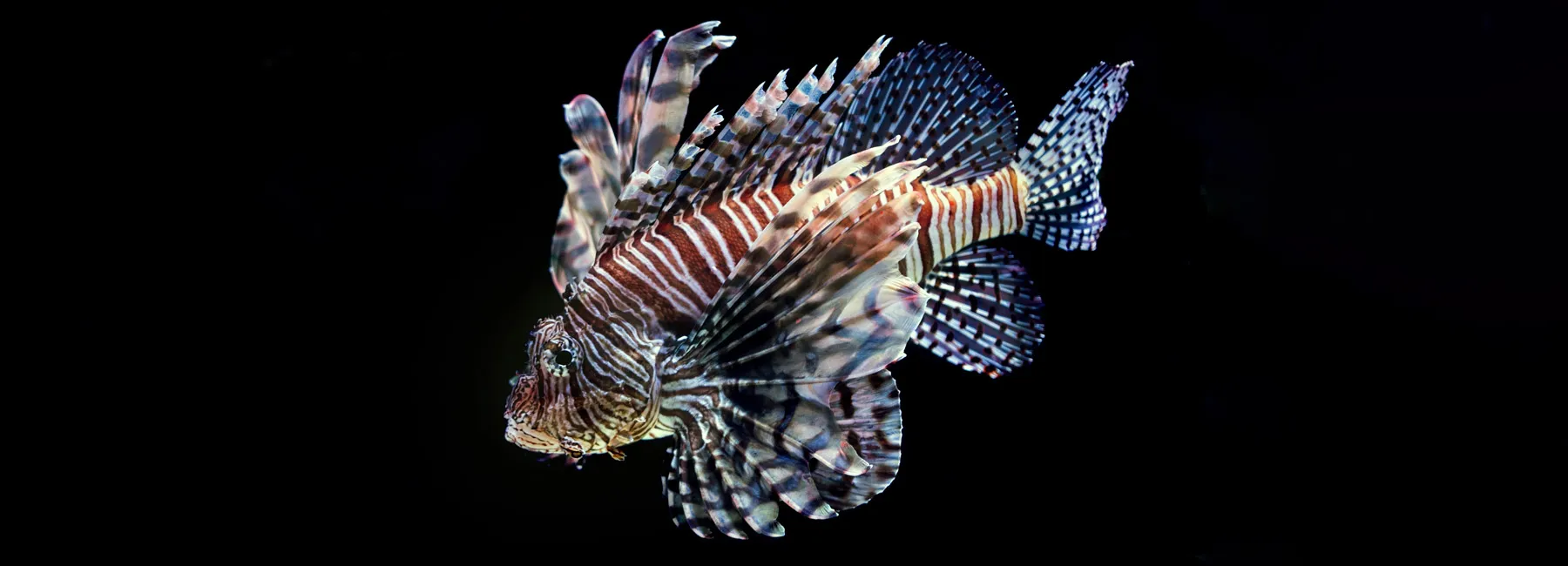
The Curious Cryogenic Fish The idea of the Curious Cryogenic Fish dates back to 2017. While observing the complex detectors and instrumentation being assembled for the ProtoDUNE experiments at the CERN Neutrino Platform, I started thinking that it would have been great to have a small robot able to move inside those large cryostats for
-
DT group publishes annual report
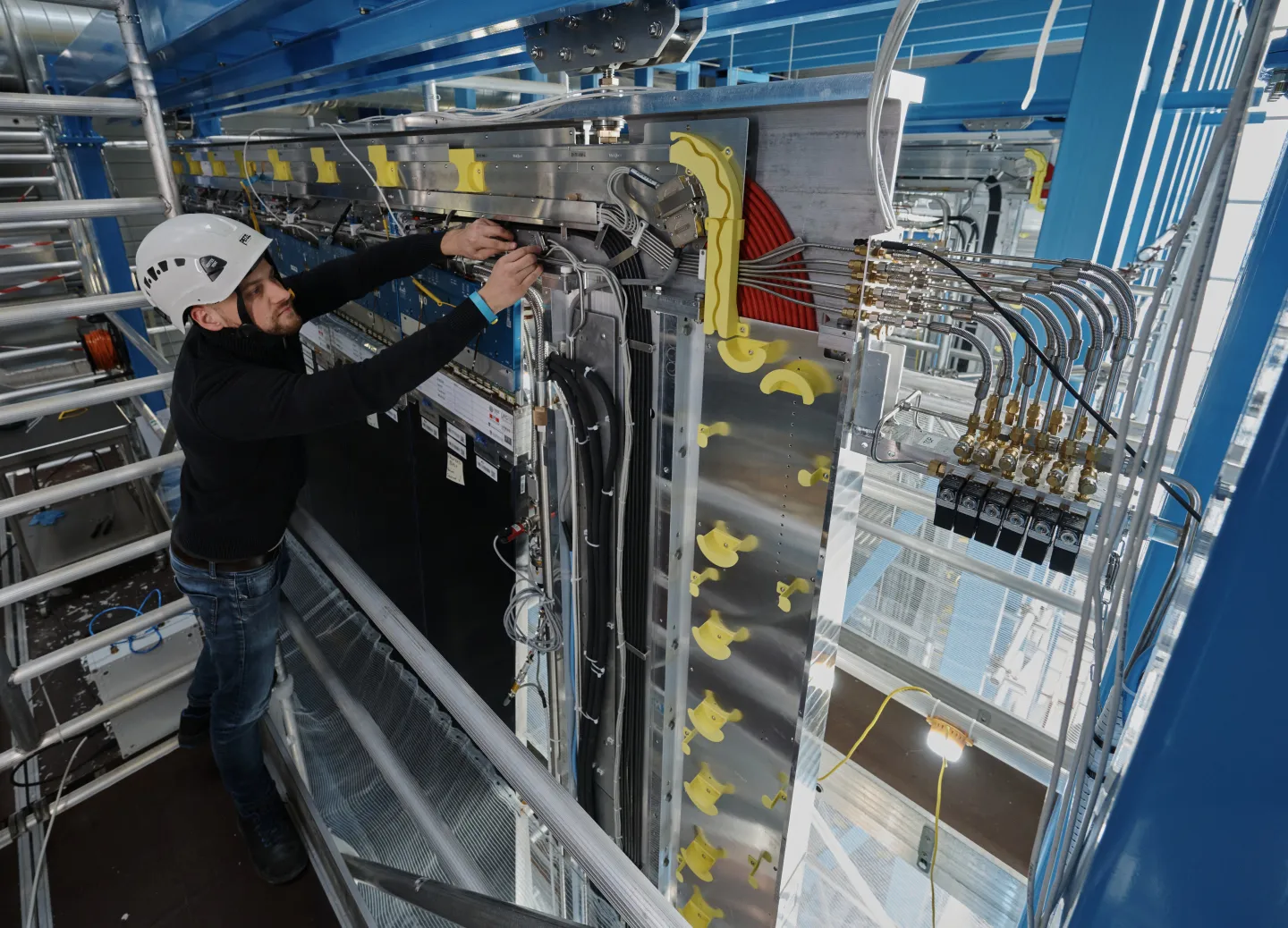
DT group publishes annual report The mandate of the Detector Technologies (DT) group in the Experimental Physics department covers development, construction, operation and maintenance of particle detectors for the experiments at CERN. Recently, the group published its 2019 annual report reporting the progress on several detector projects for LHC and non-LHC experiments, the operating services
-
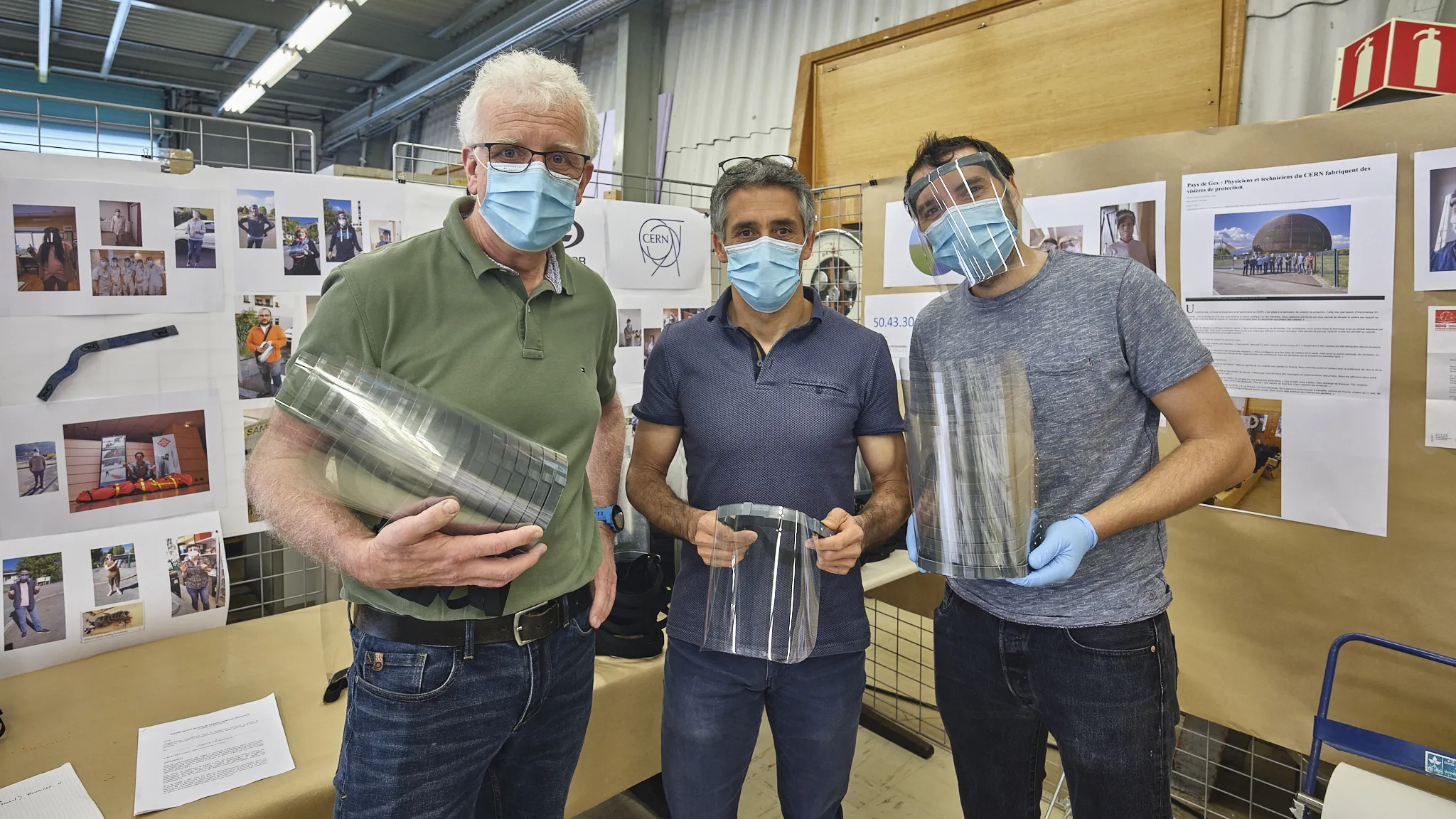
Face-Shield Production in EP-DT
Face-Shield Production in EP-DT With the COVID-19 pandemic, all our lives and routines have changed, at both the personal and professional level. Worklife at CERN has been impacted by an important lockdown, where we all had to face new challenges in terms of work reorganization. Despite all the difficulties however, CERN managed to go well
-
EP launches new R&D programme on Detector Technologies
EP launches new R&D programme on Detector Technologies Progress in fundamental physics calls for pushing the current state-of-the-art for detectors, and developing new technologies that would boost the efficiency while reducing the cost and the environmental impact of future experiments. For future experiment to continue playing their important role in scientific inquiry a solid programme