
Tag: ESE
-
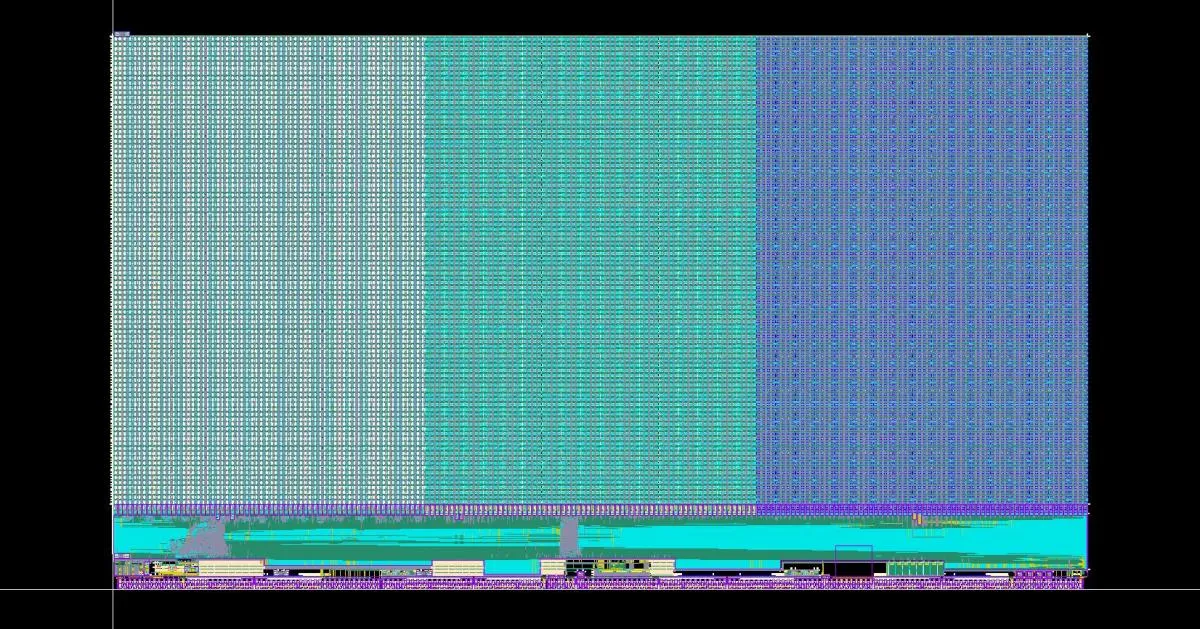
RD53: a large scale demonstrator pixel chip for the phase 2 upgrades of ATLAS and CMS
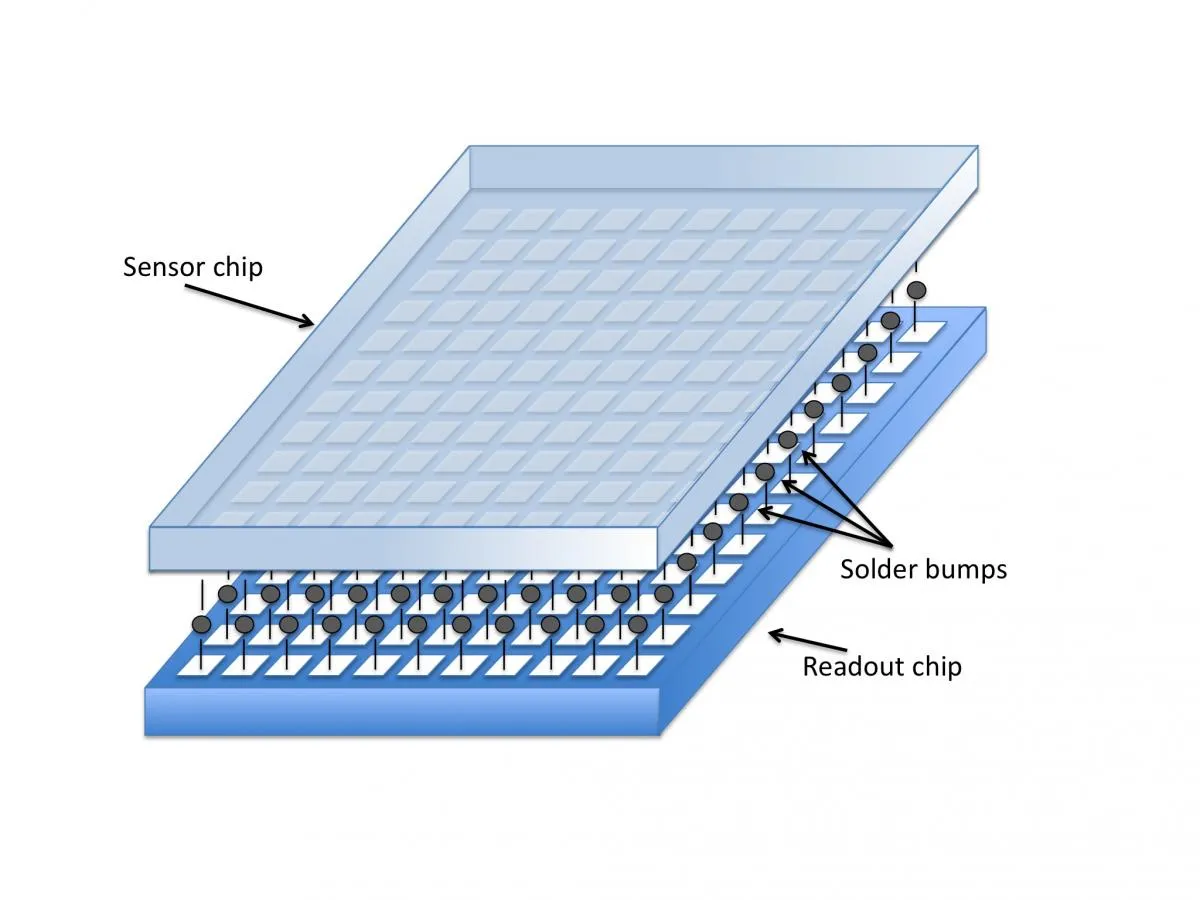
RD53: a large scale demonstrator pixel chip for the phase 2 upgrades of ATLAS and CMS The RD53 collaboration presented the RD53A large scale pixel chip demonstrator in 65nm CMOS technology as a vital milestone to make viable pixel detectors for the ATLAS and CMS phase 2 upgrades. The RD53 collaboration has during the last
-

Developing radiation hardness electronics for future detectors
Developing radiation hardness electronics for future detectors Particle colliders generate an extremely large amount of high-energy interactions in order to produce and detect very rare events that can be used to improve our understanding of the underlying physical laws. In doing so, a significant background is generated, which in turn degrades the performance of the
-
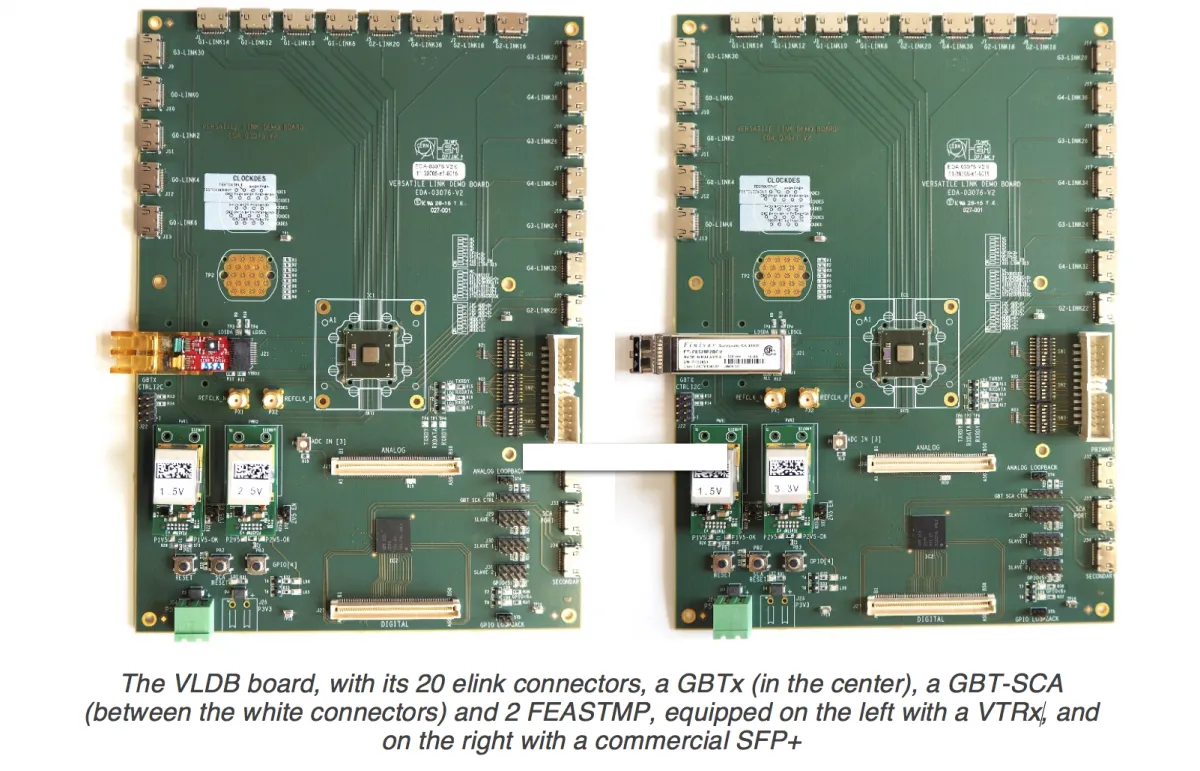
The Versatile Link Demonstrator Board (VLDB): an evaluation kit for the GBT ecosystem
The Versatile Link Demonstrator Board (VLDB): an evaluation kit for the GBT ecosystem One of PH/ESE’s flagship projects is the Radiation Hard Optical Link project for LHC, a common development for all LHC experiments and other interested collaborations. The objective of the project is to supply experiments with a radiation hard, magnetic field tolerant 4.8
-
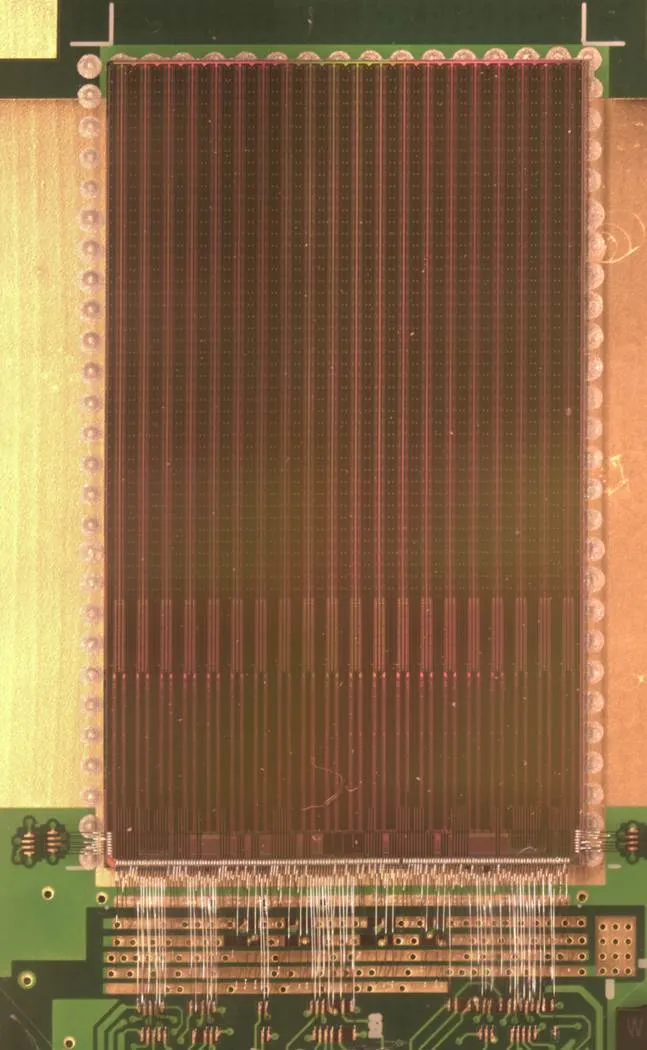
TDCpix: a high rate pixel detector ASIC with built-in ultra-precise stopwatches
TDCpix: a high rate pixel detector ASIC with built-in ultra-precise stopwatches The TDCpix, which stands for Time-to-Digital Converter Pixel ASIC, measures the position and arrival time of incident beam particles in the Gigatracker detector of the NA62 experiment. Its design architecture stems from experience with silicon pixel detectors and time measuring devices gained during the
-
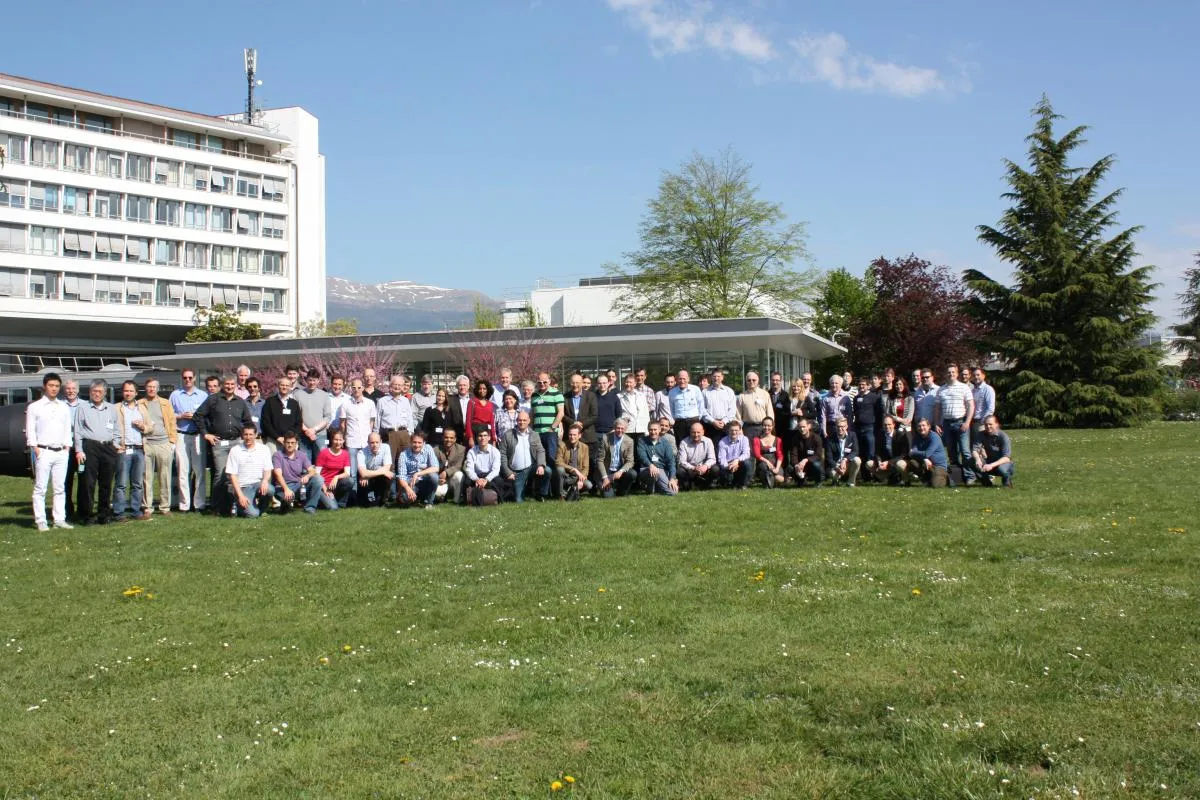
3rd workshop on medical applications of spectroscopic X-‐ray detectors.
3rd workshop on medical applications of spectroscopic X-‐ray detectors. The 3rd workshop on medical applications of spectroscopic X-ray detectors took place at CERN from 20-23 April. There were 113 registered participants of which about 50 were from industry. All of the major medical equipment suppliers active in the spectroscopic Computer Tomography (CT) field (GE, Philips,
-
The new CMS Timing and Control Distribution System
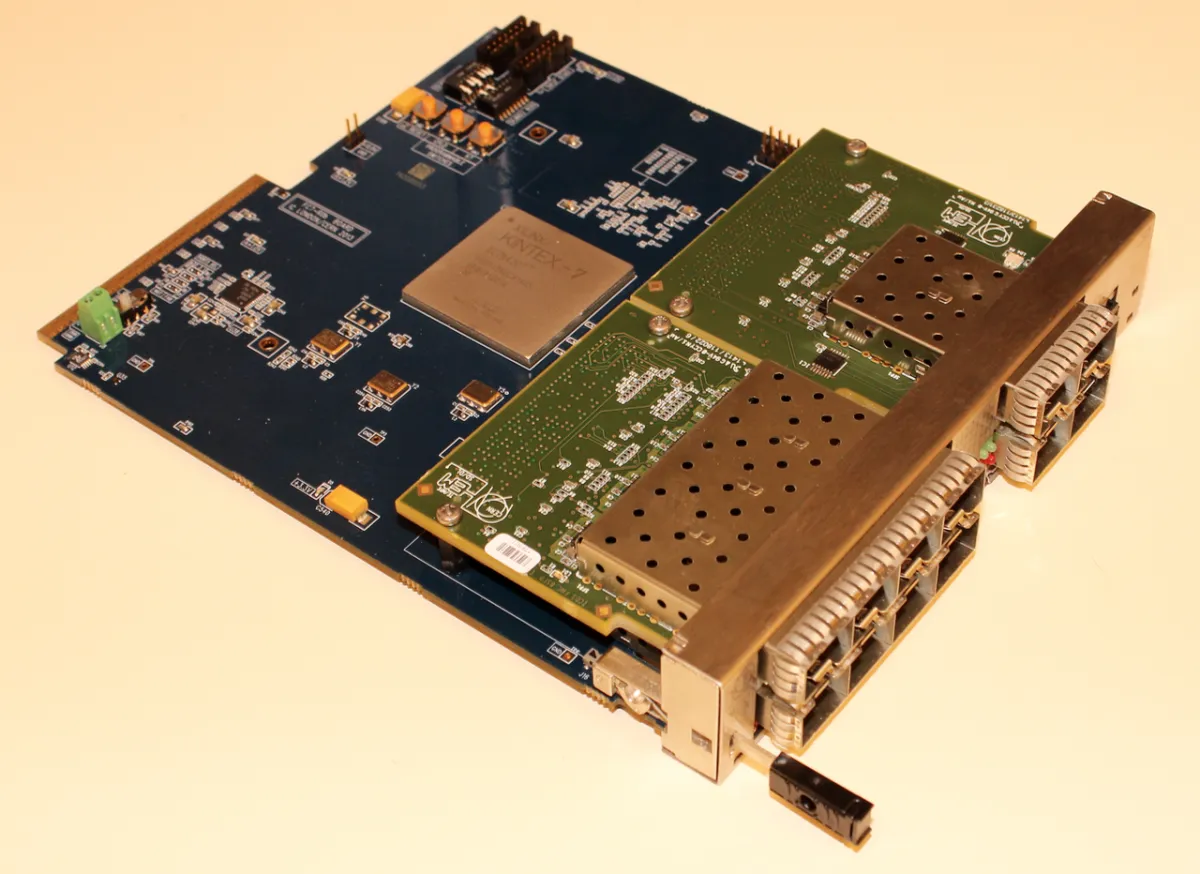
The new CMS Timing and Control Distribution System It is of paramount importance that all parts of an LHC experiment are synchronized to each other and to the passage of particles in the centre of the experiment. The original CMS Timing, Trigger, and Control (TTC) system made this possible during the first period of data-taking
-
LS1 Upgrade of the ATLAS Level-1 Central Trigger Processor
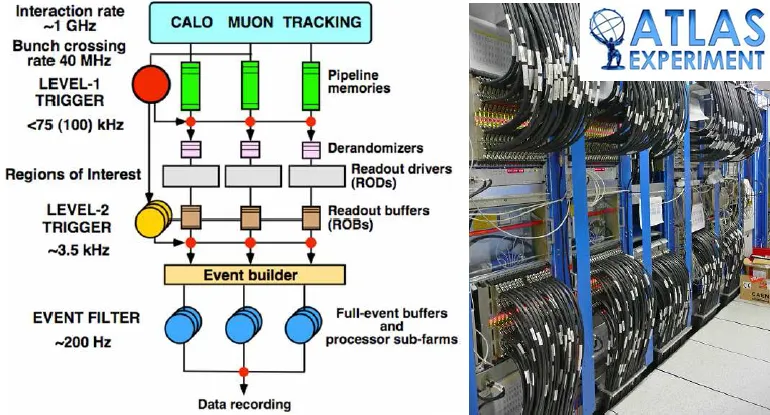
LS1 Upgrade of the ATLAS Level-1 Central Trigger Processor Triggering at the LHC is a challenge: during Run-1 in ATLAS, the task was to select out of the 40 million bunch crossings per second the 1000 events most promising for data analysis. The first of three levels of this selection is the Level-1 trigger system,
-
2014: A busy year for the ESE group
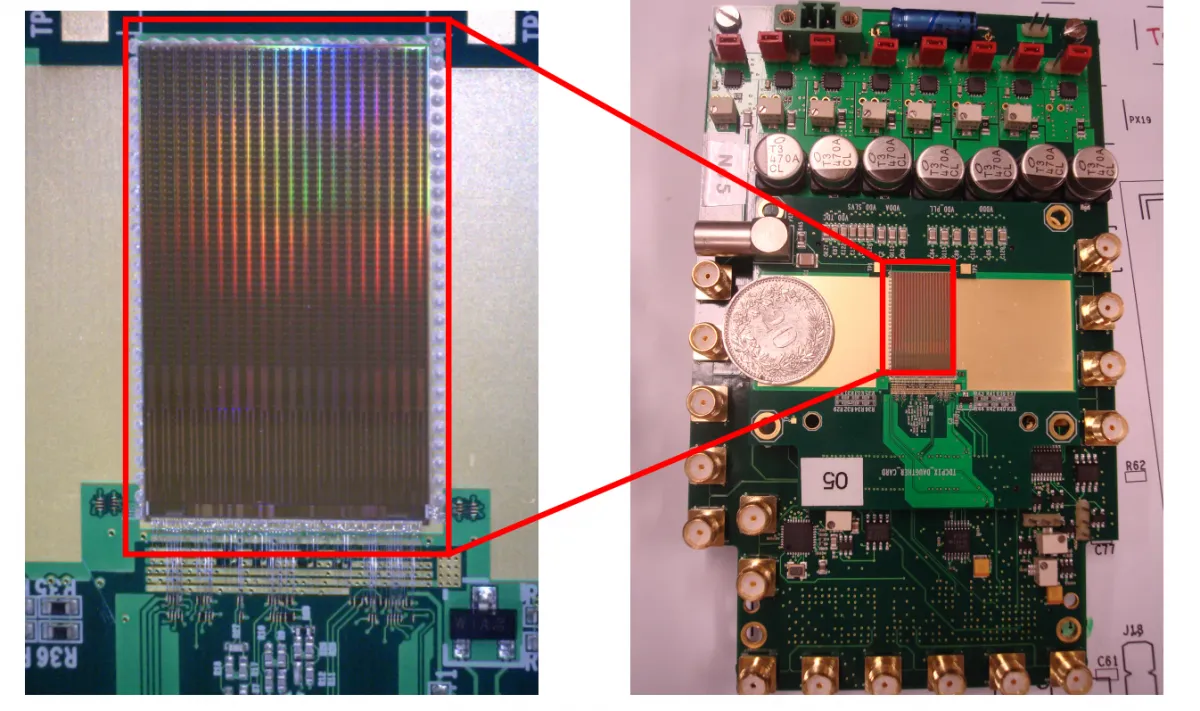
2014: A busy year for the ESE group The PH Electronic Systems for Experiments (ESE) group is involved in the development, construction and qualification of electronics for detector readout systems and for related infrastructure for CERN experiments; it also provides unique infrastructure and expertise for accessing some key technologies such as CMOS processes for chip
-
RD53: Development of pixel readout integrated circuits for extreme rate and radiation.
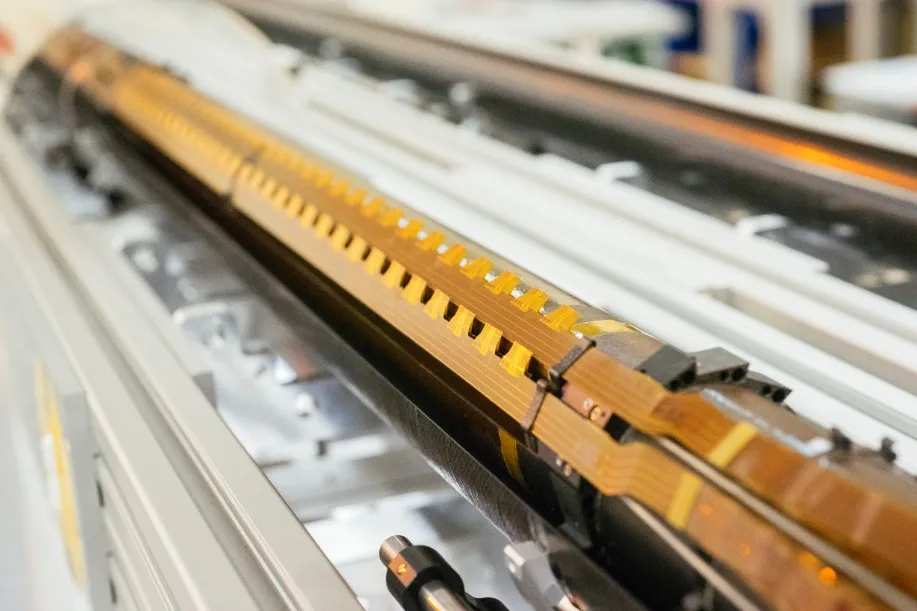
RD53: Development of pixel readout integrated circuits for extreme rate and radiation. In June 2013 the LHCC has endorsed the establishment of a new R&D collaboration, RD53, to address the challenges of making readout integrated circuits for the phase 2 pixel detector upgrades of ATLAS and CMS, as well as long term developments of interest
-
25 years of Microelectronics at CERN: from LAA to the LHC
25 years of Microelectronics at CERN: from LAA to the LHC Last November, the success of the LAA R&D project that led to the development of microelectronics at CERN was celebrated. LAA was a well-defined R&D activity for the study of new detection techniques for the next generation of hadron-colliders that would reach the scale