
Tag: SME
-
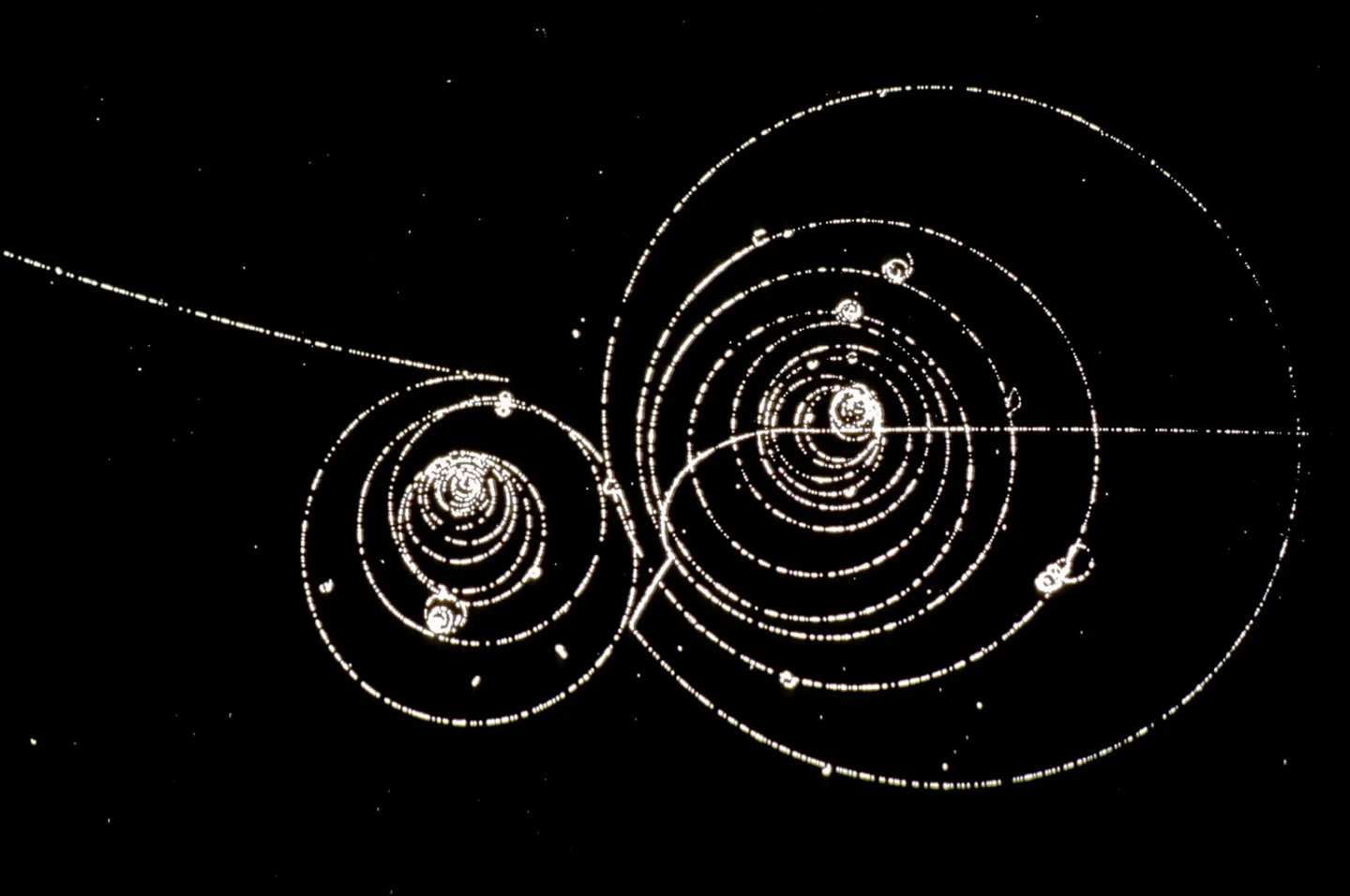
Unlocking the Secrets of Antimatter: A journey through low-energy antimatter studies at CERN
Unlocking the Secrets of Antimatter: A journey through low-energy antimatter studies at CERN The existence of antimatter is a fundamental aspect of our Universe and is predicted by the laws of quantum physics and symmetry principles. However, the theory does not match the experimental observations. According to our models, we would expect to have a
-
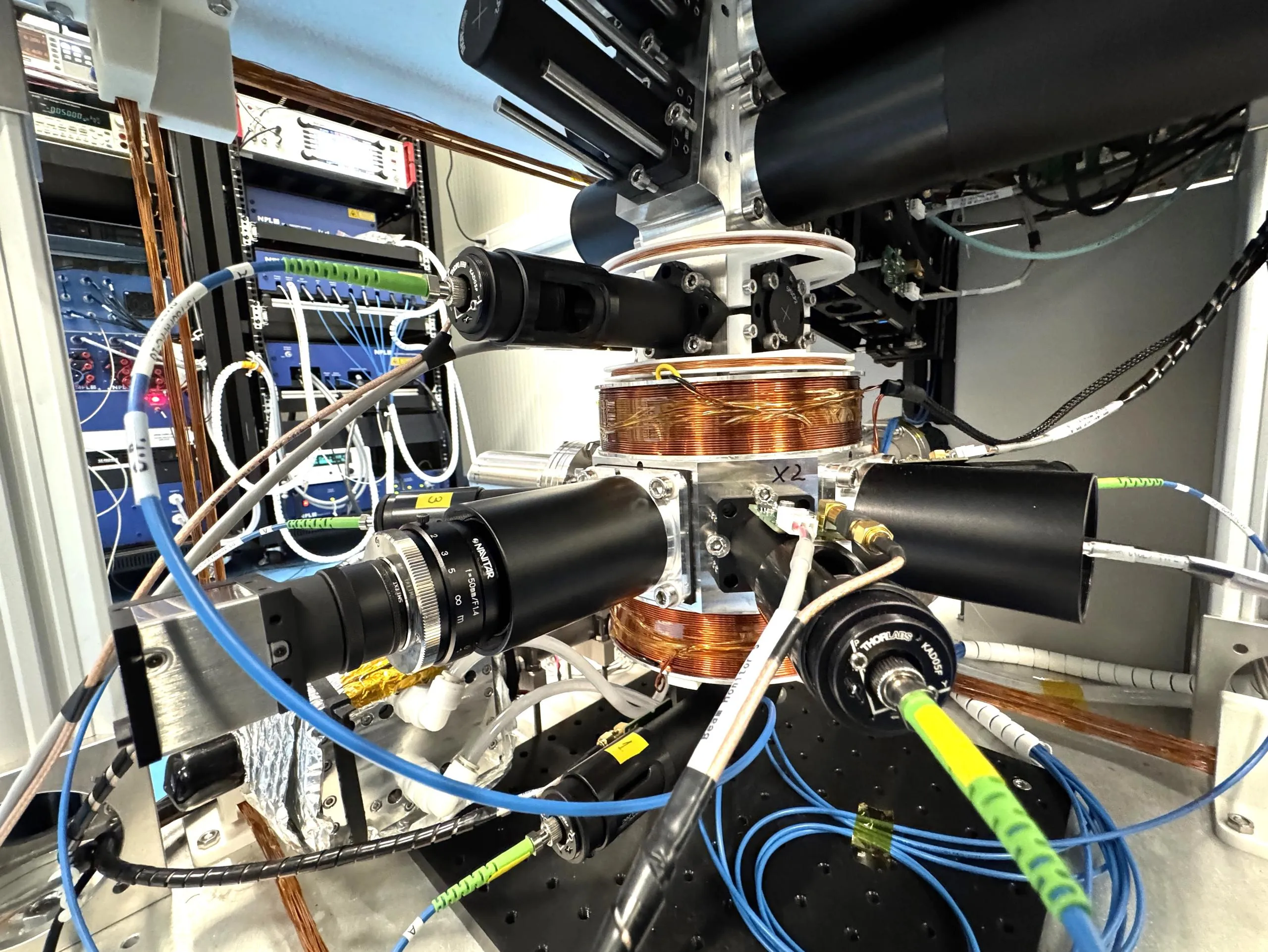
Optical fibre link to assist in ultra-high precision spectroscopy of antihydrogen
Optical fibre link to assist in ultra-high precision spectroscopy of antihydrogen Figure 1: Atoms in this part of the Cs fountain clock are trapped and laser cooled in preparation of their vertical launch. Experiments at CERN’s Antimatter Factory test fundamental principles such as CPT invariance by studying the properties and behaviour of antimatter and comparing
-
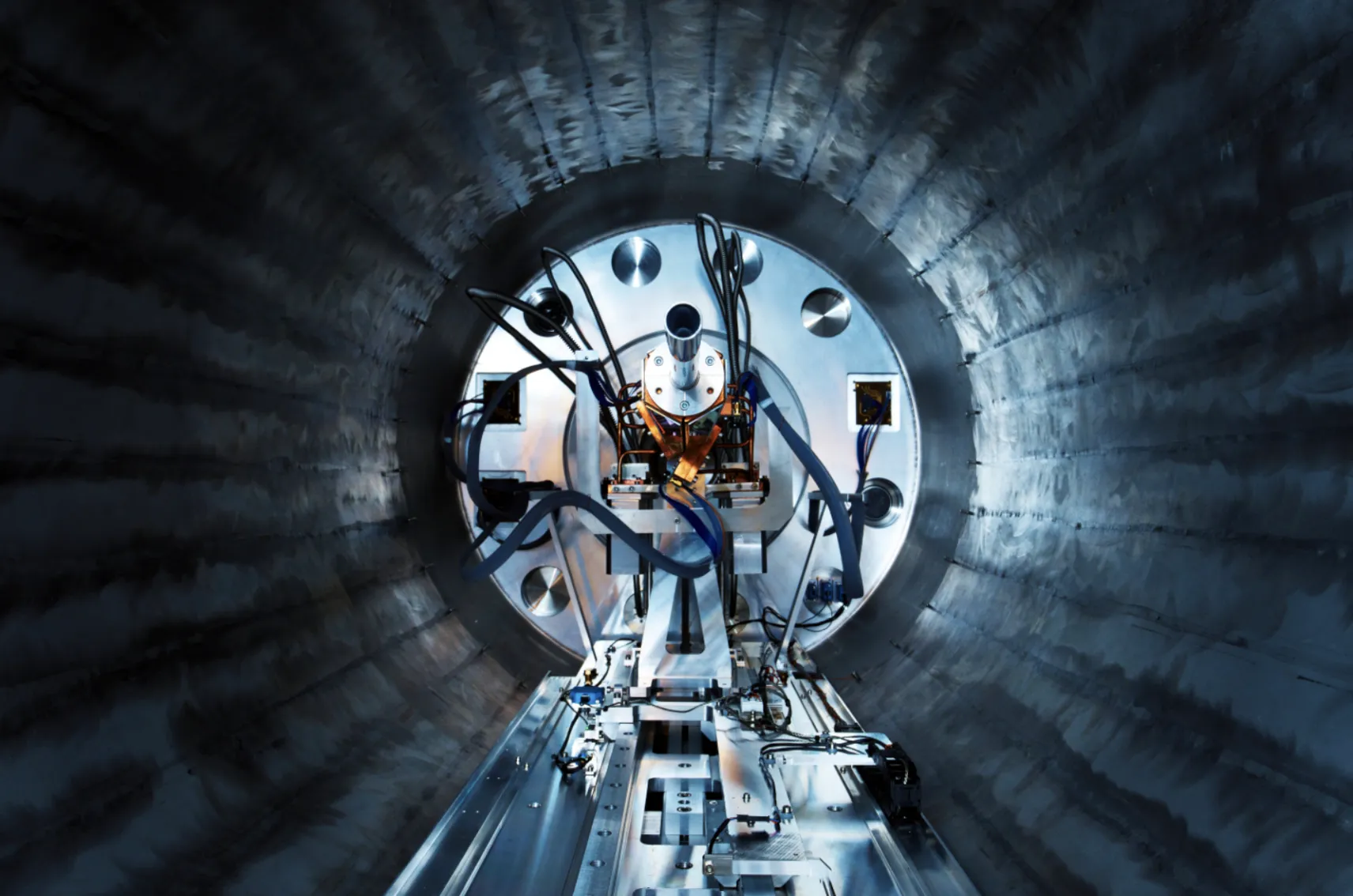
Updates from the ISOLDE Solenoidal Spectrometer
Updates from the ISOLDE Solenoidal Spectrometer The field of nuclear physics is well into its second century. From its initial experiment bombarding a gold foil with alpha particles, experimental techniques have become more sophisticated to keep pace with the technology and innovation that has allowed more detailed probes of the nucleus. Of particular interest to
-
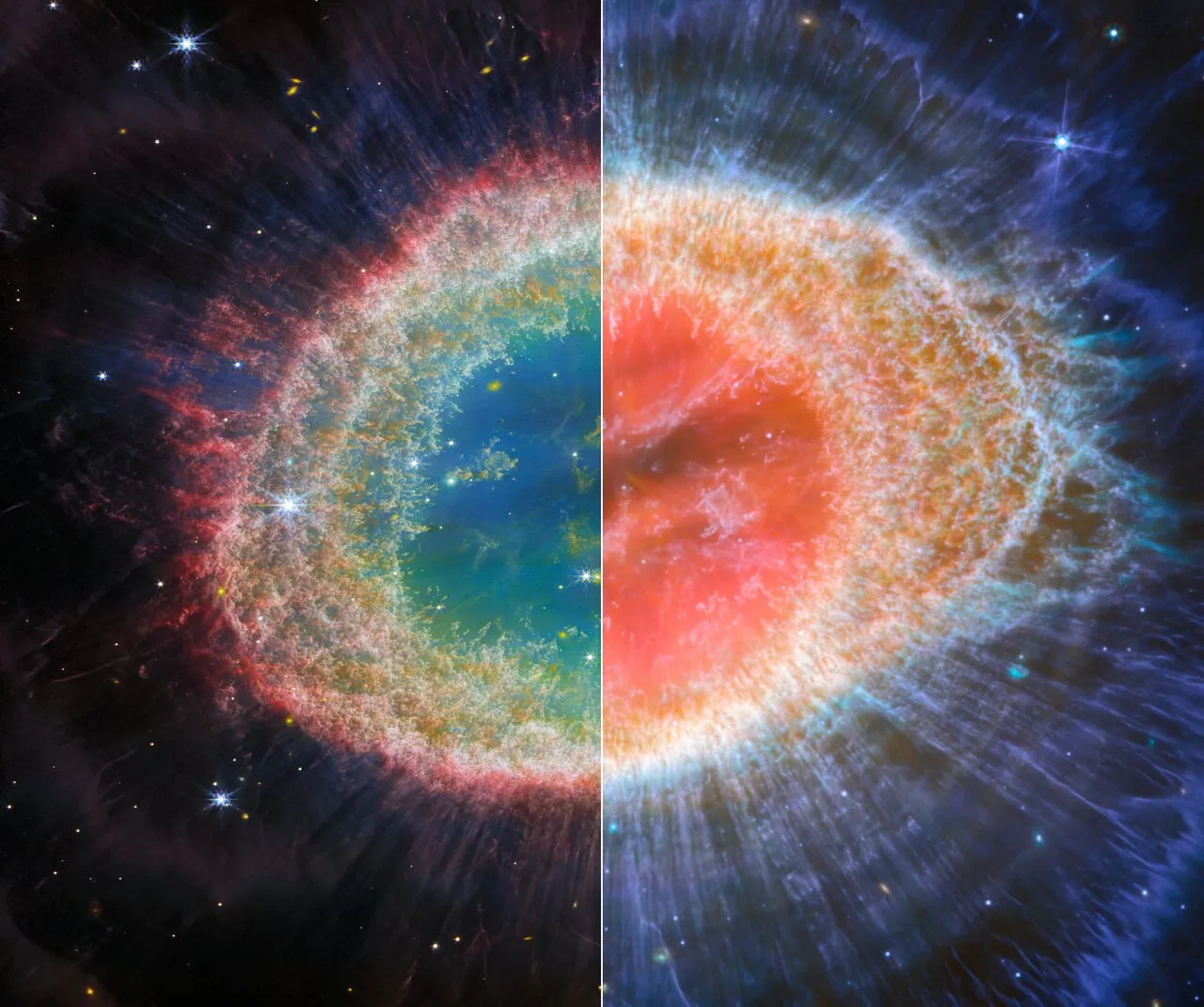
The origin of Lead and the s-process branching points
The origin of Lead and the s-process branching points Lead is an abundant element of the solar system and is particularly abundant on the Earth’s crust (Figure 1). The origin of three of its four stable isotopes (206Pb, 207Pb, and 208Pb) can be partially traced back to the decay of uranium and thorium (radiogenic origin)
-
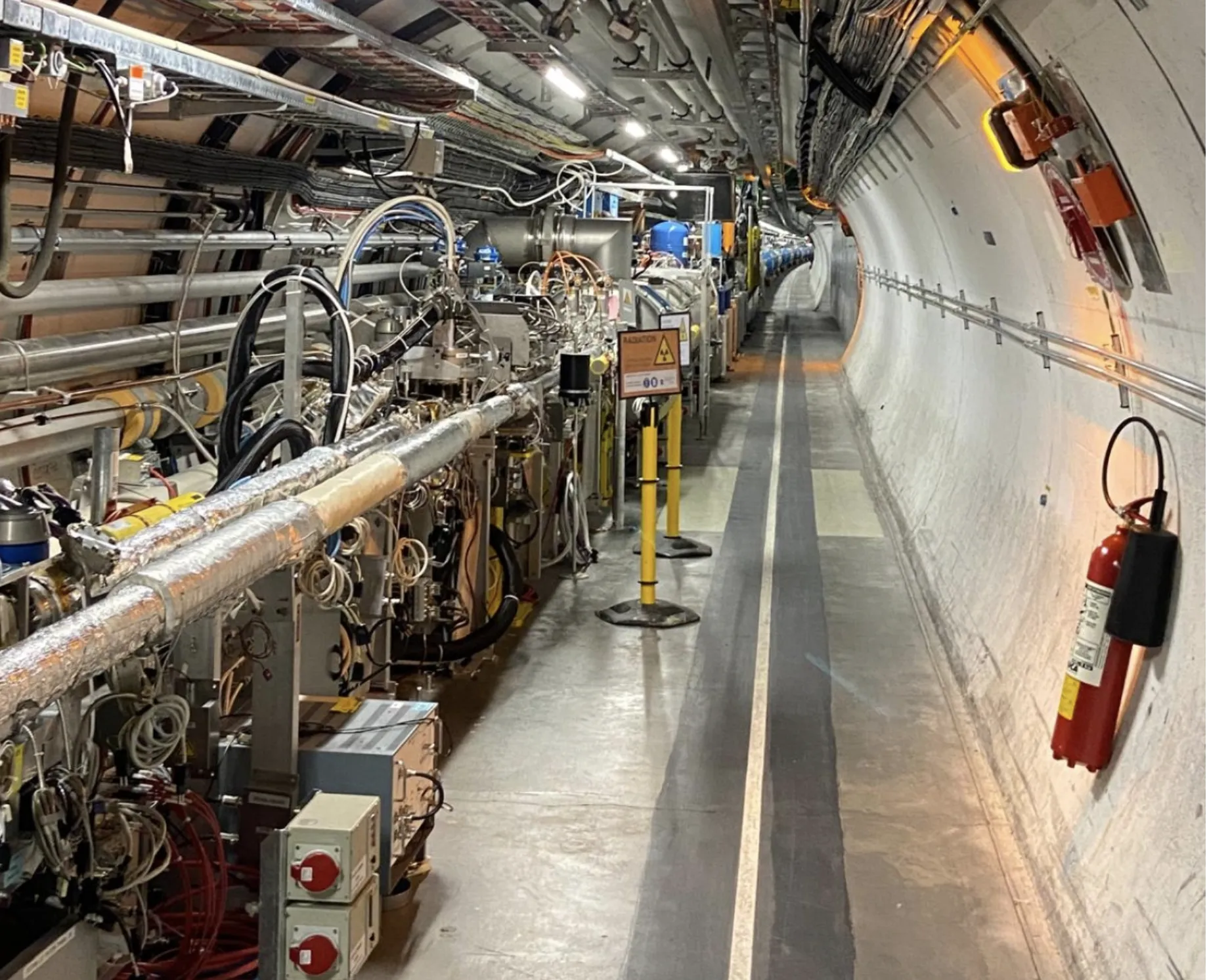
The TOTEM experiment: a pioneering journey into proton-proton interactions and forward physics.
The TOTEM experiment: a pioneering journey into proton-proton interactions and forward physics. The TOTEM experiment is designed to explore the proton interactions when they survive intact after the collisions. With this goal, special detectors have been placed far from the interaction points to detect a small angular deflection, due to elastic and inelastic interactions. This
-
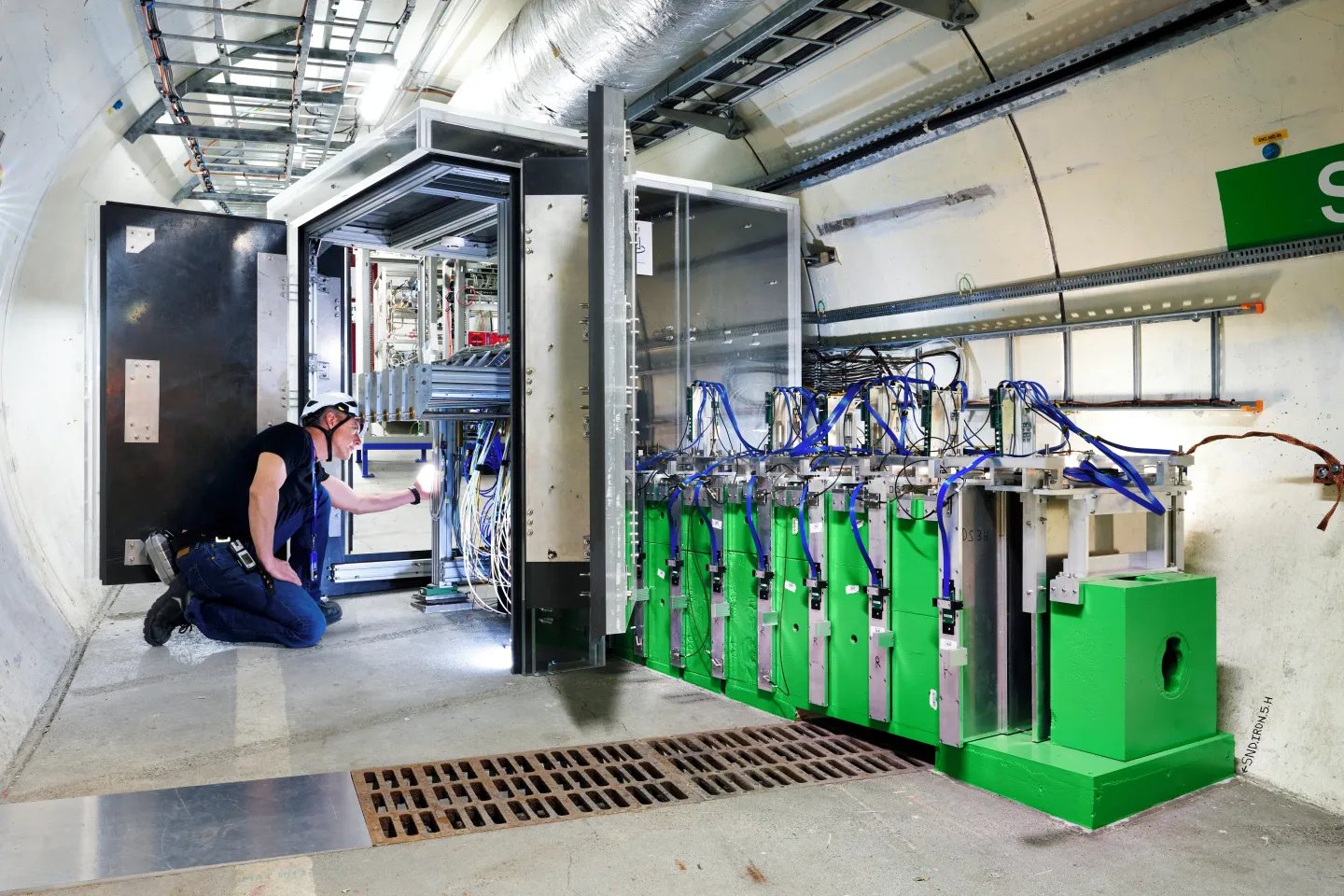
SND@LHC Experiment: hunting for high-energy neutrinos and preparing for the HL run
SND@LHC Experiment: hunting for high-energy neutrinos and preparing for the HL run Using the Large Hadron Collider as a neutrino source is the goal of the SND@LHC experiment. High-energy neutrinos, from a few hundred GeV to a few TeV, have never been studied. Moreover, neutrinos, particularly electron and tau species, in the SND pseudo-rapidity region
-

The 2024 n_TOF run: Highlights and perspectives
The 2024 n_TOF run: Highlights and perspectives Thanks to the excellent beam conditions provided by the PS staff, combined with the efficiency of research groups participating in the n_TOF Collaboration, an intense experimental program has been performed during the 252 days of measurements of the 2024 data-taking campaign at n_TOF. The facility will approach 2026
-
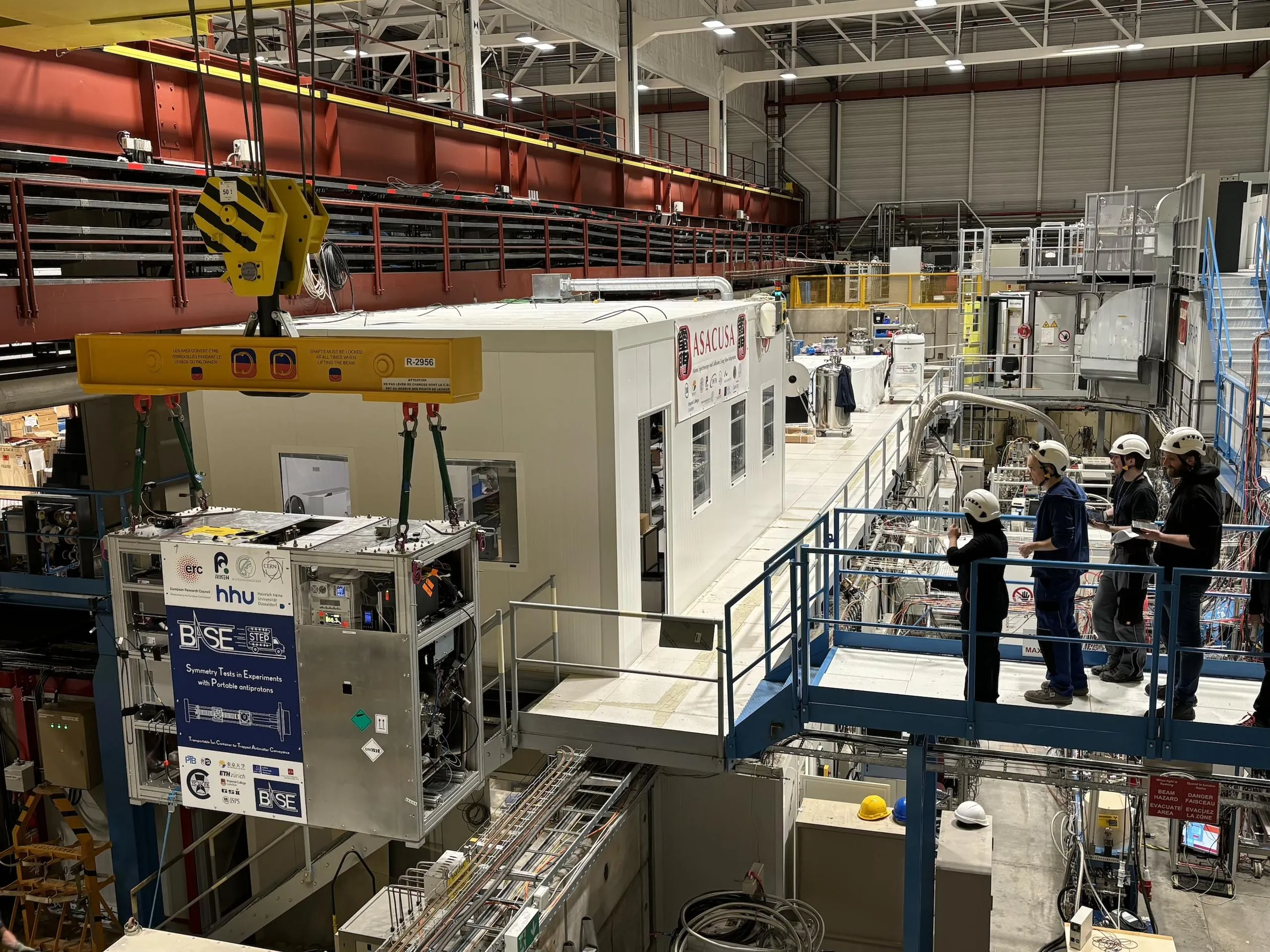
CERN’s BASE-STEP: A Leap Forward in Antimatter Transport
CERN's BASE-STEP: A Leap Forward in Antimatter Transport Antimatter, often portrayed as the elusive counterpart to ordinary matter, has long captivated the scientific community with its potential to unlock some of the universe's most profound mysteries. Yet, one of the most significant challenges in studying antimatter is its inherent instability—it annihilates upon contact with matter,
-
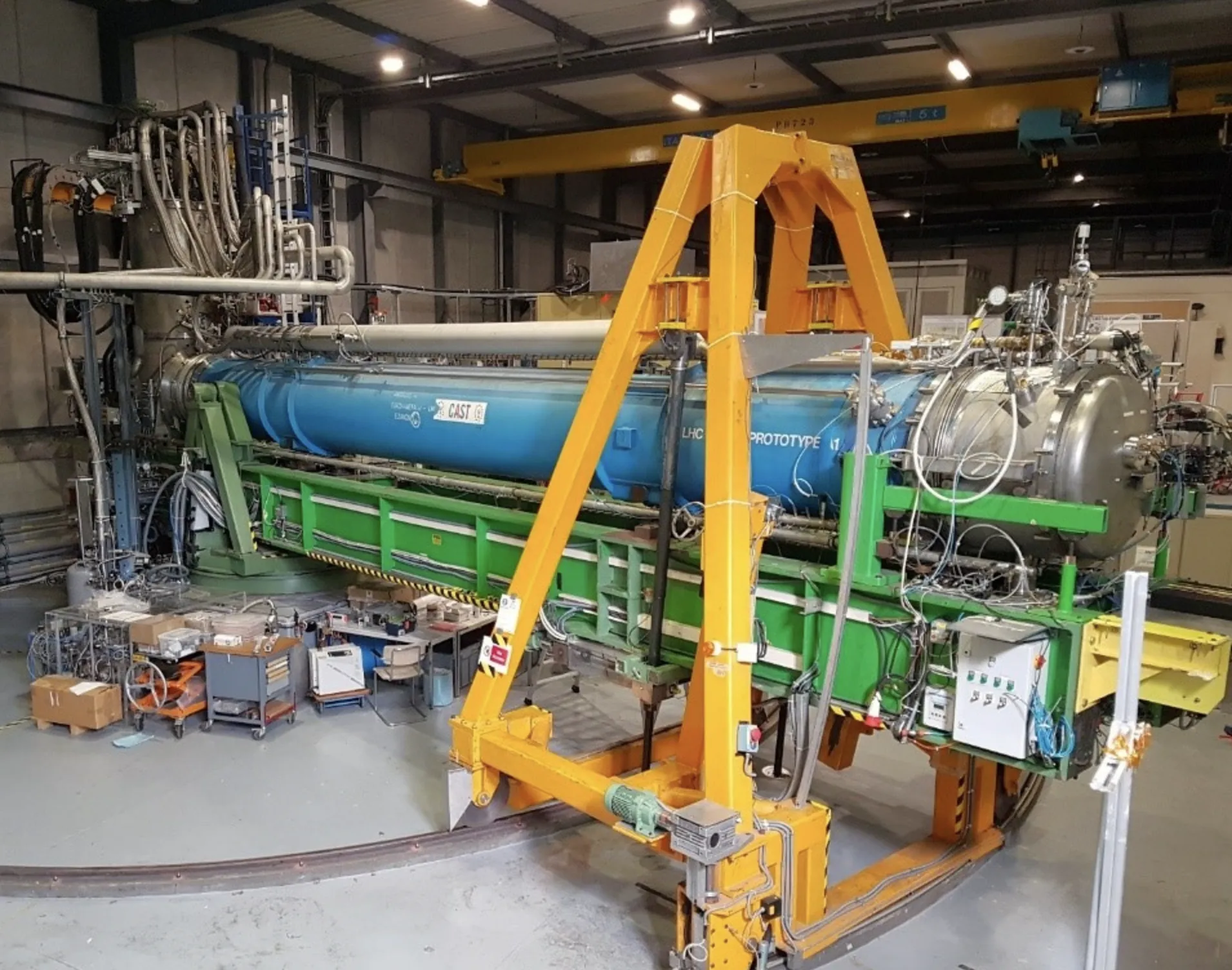
CAST Sets New Benchmarks in the Quest for Axions
CAST Sets New Benchmarks in the Quest for Axions Within the CERN Axion Solar Telescope (CAST) collaboration, scientists from the Center for Astroparticles and High-Energy Physics (CAPA) at the University of Zaragoza led the research that has achieved a significant milestone in the search for axion-like particles (ALPs). Published in Physical Review Letters, their latest
-
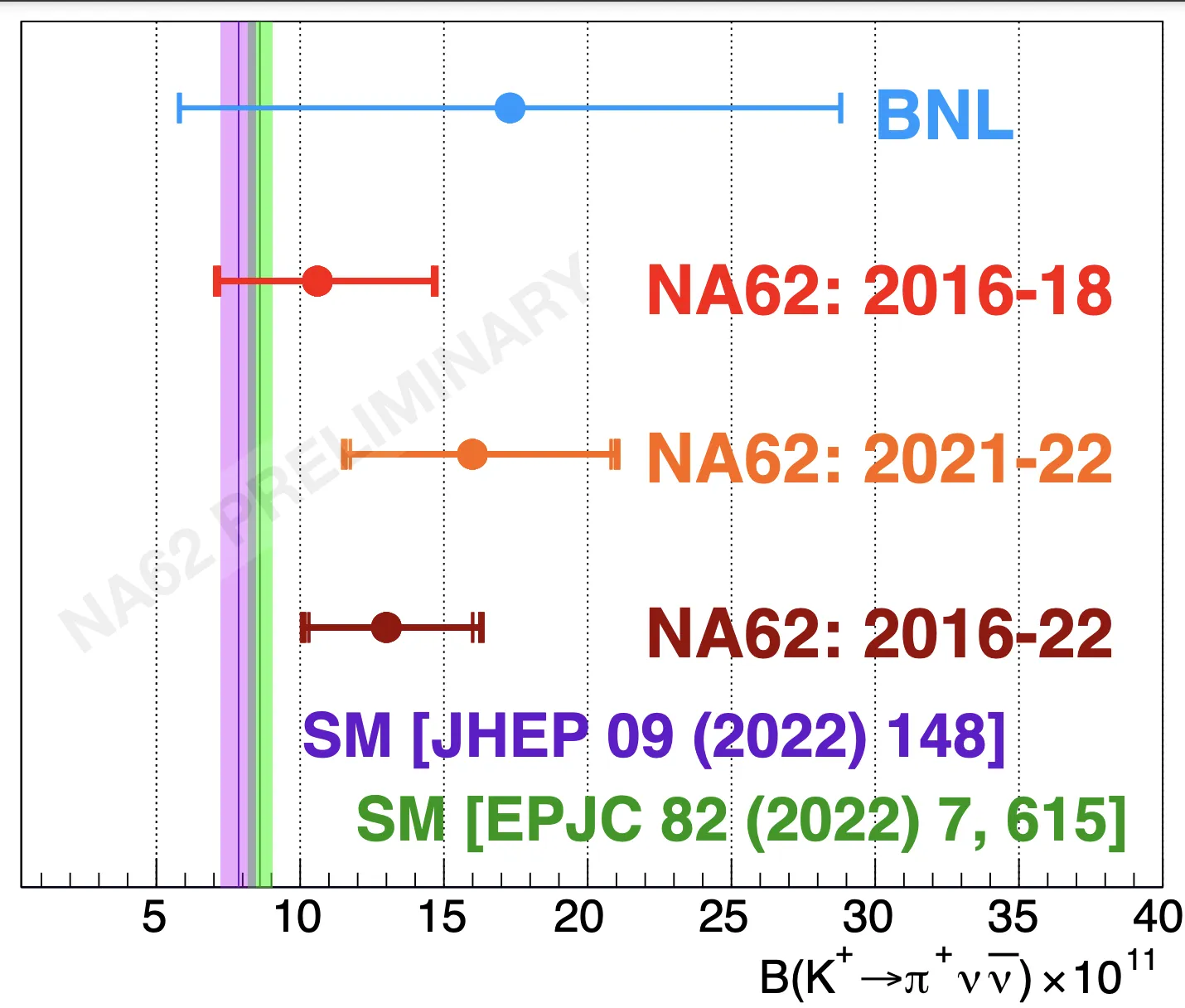
NA62 Observes Ultra-Rare Kaon Decay to Pion and Neutrinos
NA62 Observes Ultra-Rare Kaon Decay to Pion and Neutrinos The NA62 experiment at the CERN north area was built to investigate the ultra-rare K+ → π+νν̄ decay. Measurement of this decay, a golden mode for kaon physics, is considered a key flavour physics objective because it provides both a strong test of the Standard Model