
Tag: SME
-
Perturbed angular correlations at ISOLDE
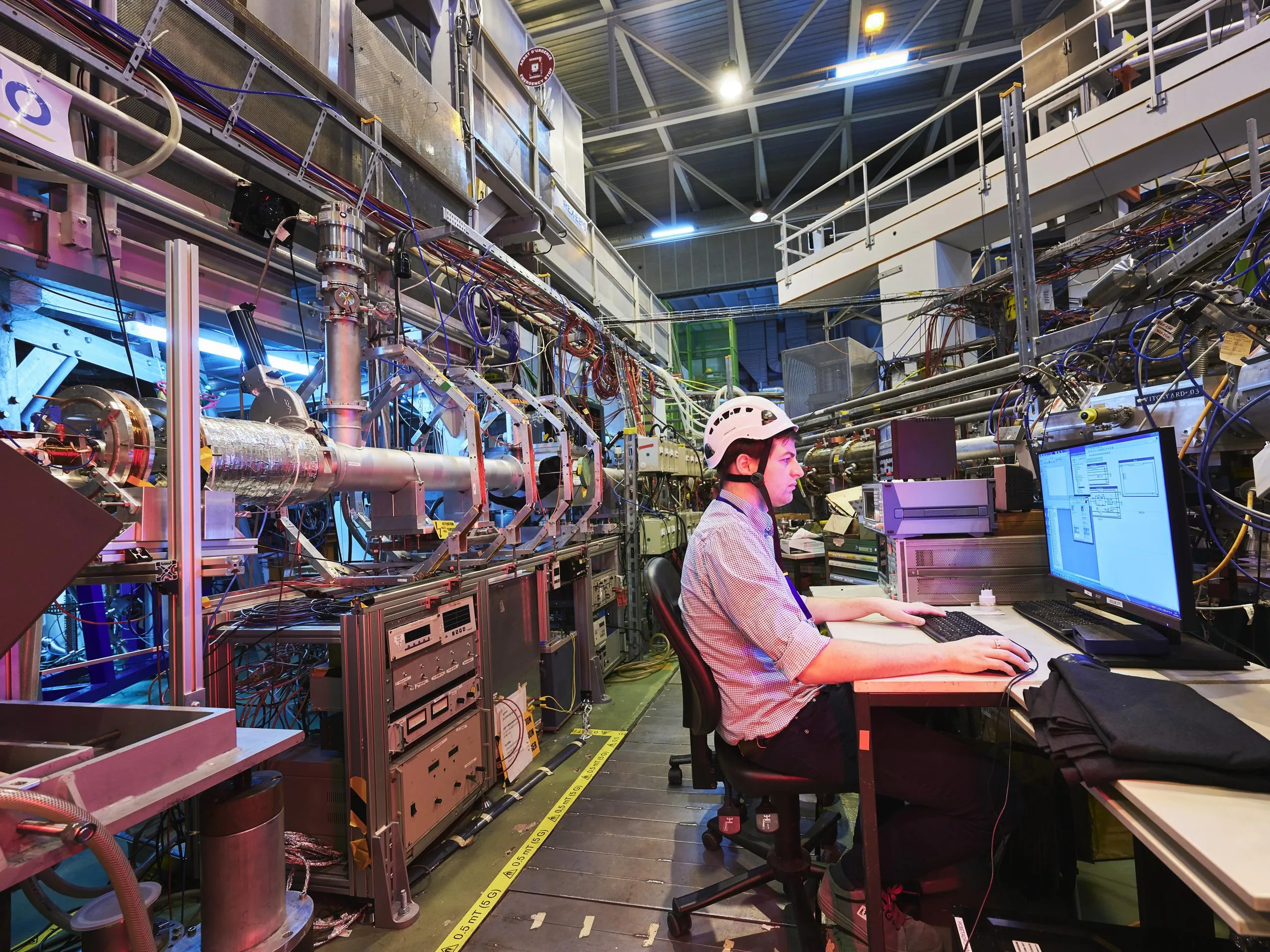
Perturbed angular correlations at ISOLDE Solid state physics and biophysics research has been conducted at ISOLDE-CERN for almost 50 years [JOH2017]. Our role in supporting experimental equipment and manpower has enabled the development of on-site laboratories. This has several advantages, from nuclear physics studies to the applications for society. Being part of the in-house group
-
Breakthrough in the cooling technologies of a single antiproton/proton at the BASE experiment
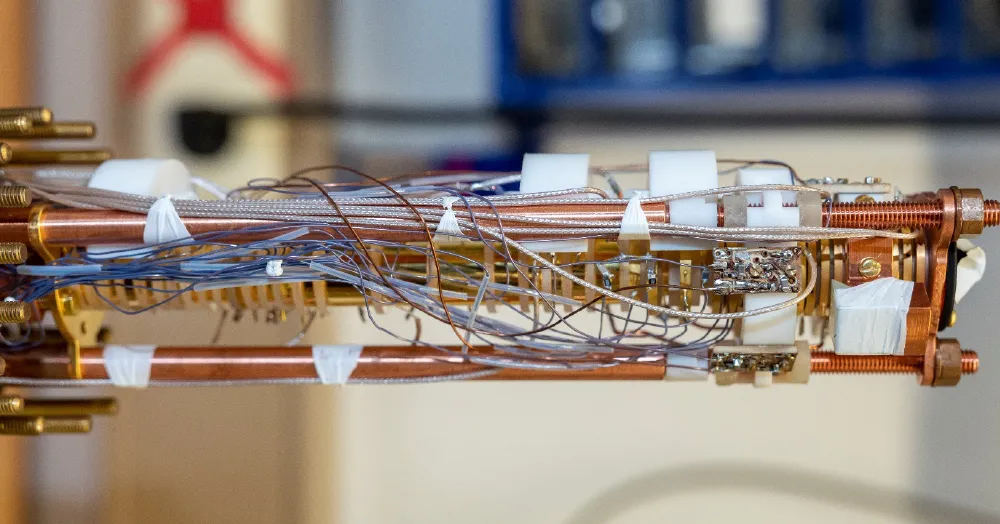
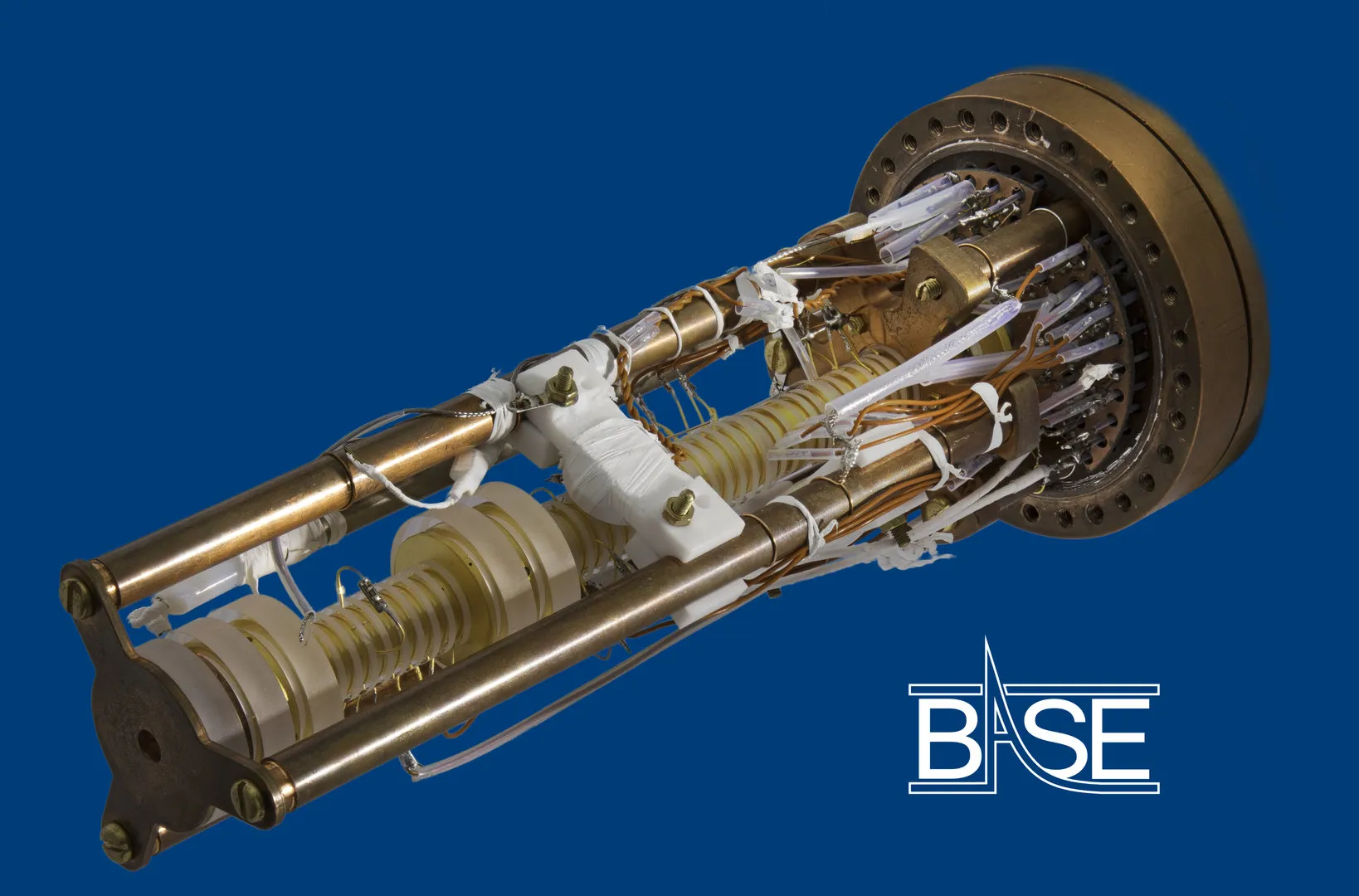
Breakthrough in the cooling technologies of a single antiproton/proton at the BASE experiment The Baryon Antibaryon Symmetry Experiment (BASE) is recognized for performing the most precise measurements of the fundamental properties of antiprotons and protons, such as the 16 p.p.t. precision measurement of the antiproton-to-proton charge-to-mass ratio [1], the 1.5 p.p.b. precision measurement of the
-
AMBER uncovers the universe’s mysteries
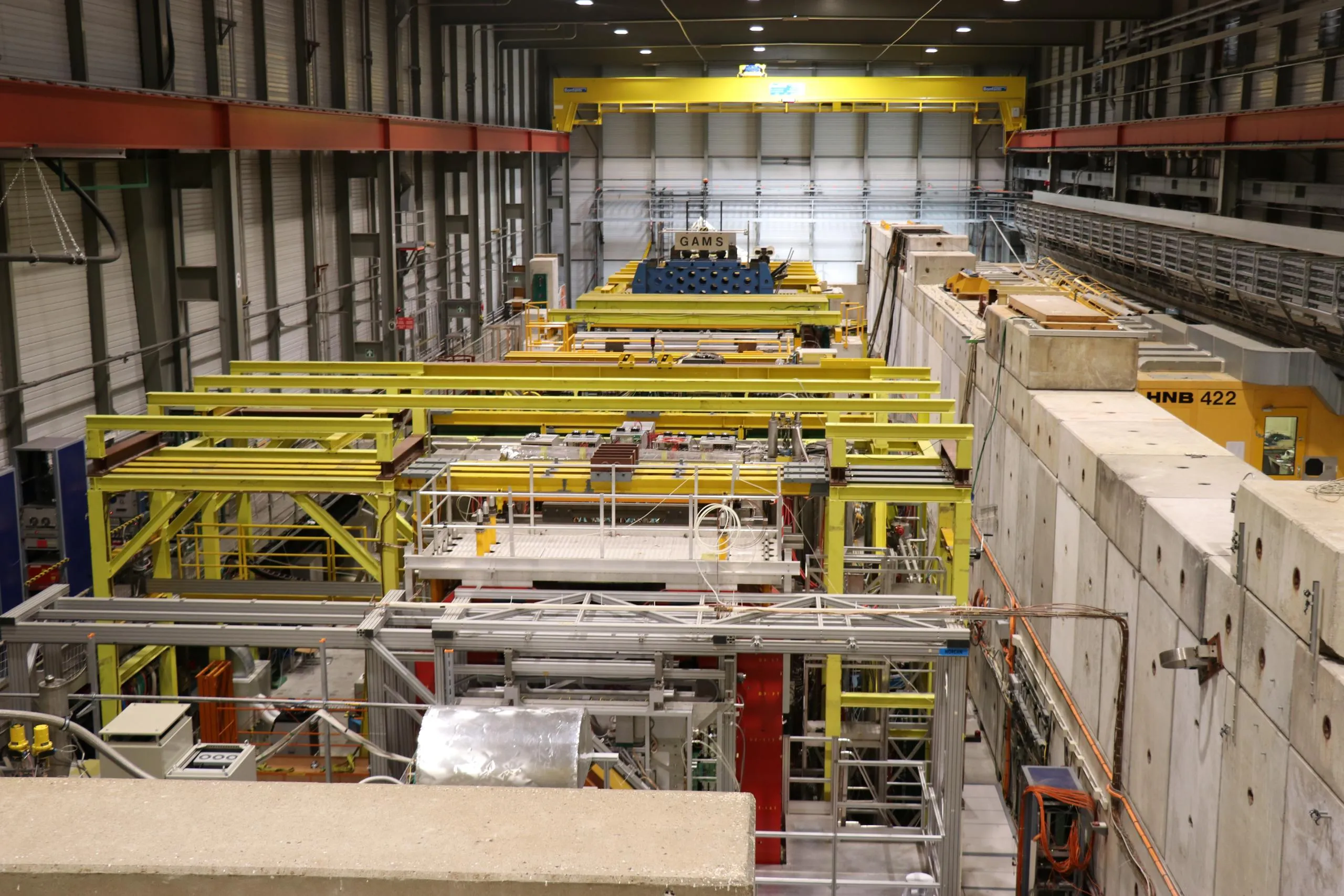
AMBER uncovers the universe’s mysteries The AMBER spectrometer. Credit: K Bernhard-Novotny/A Sargsyan Despite our extensive knowledge, the universe remains mysterious in many ways. To this day, questions prevail about the origin of the matter-antimatter asymmetry. The exact sources of antiprotons in our galaxy are largely unknown. Do they originate from cosmic ray collisions with the
-
ISOLDE’s New Beta-Decay Station Unlocks Advanced Decay-Spectroscopy Experiments with Laser-Polarised Unstable Nuclei
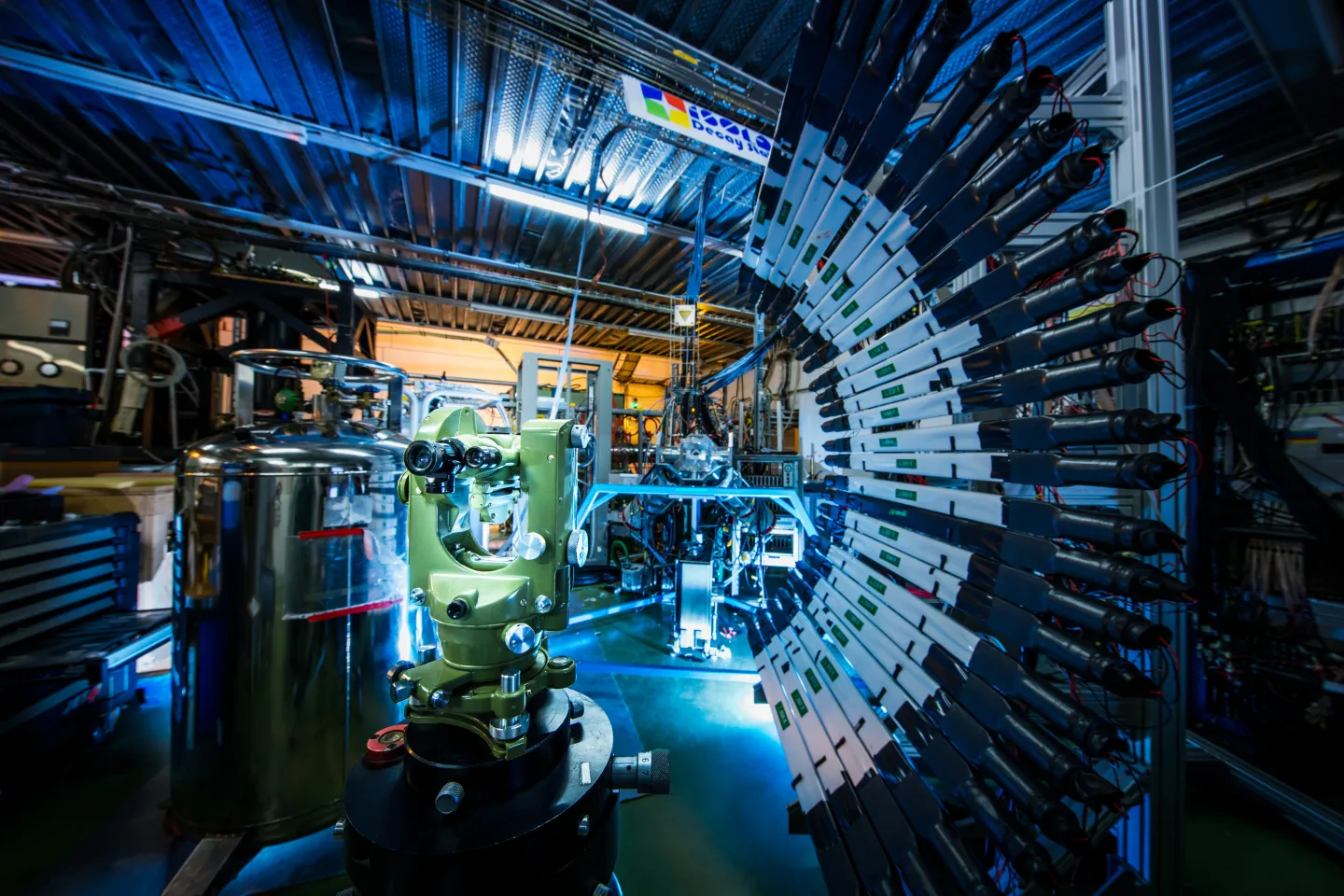
ISOLDE’s New Beta-Decay Station Unlocks Advanced Decay-Spectroscopy Experiments with Laser-Polarised Unstable Nuclei Exciting new opportunities for experiments with beta-decaying atomic nuclei have arisen at the ISOLDE facility with the recently developed new spectroscopy station called DeVITO [1]. The novelty of the setup lies in its integration with the VITO beamline for laser-polarisation of radioactive beams
-
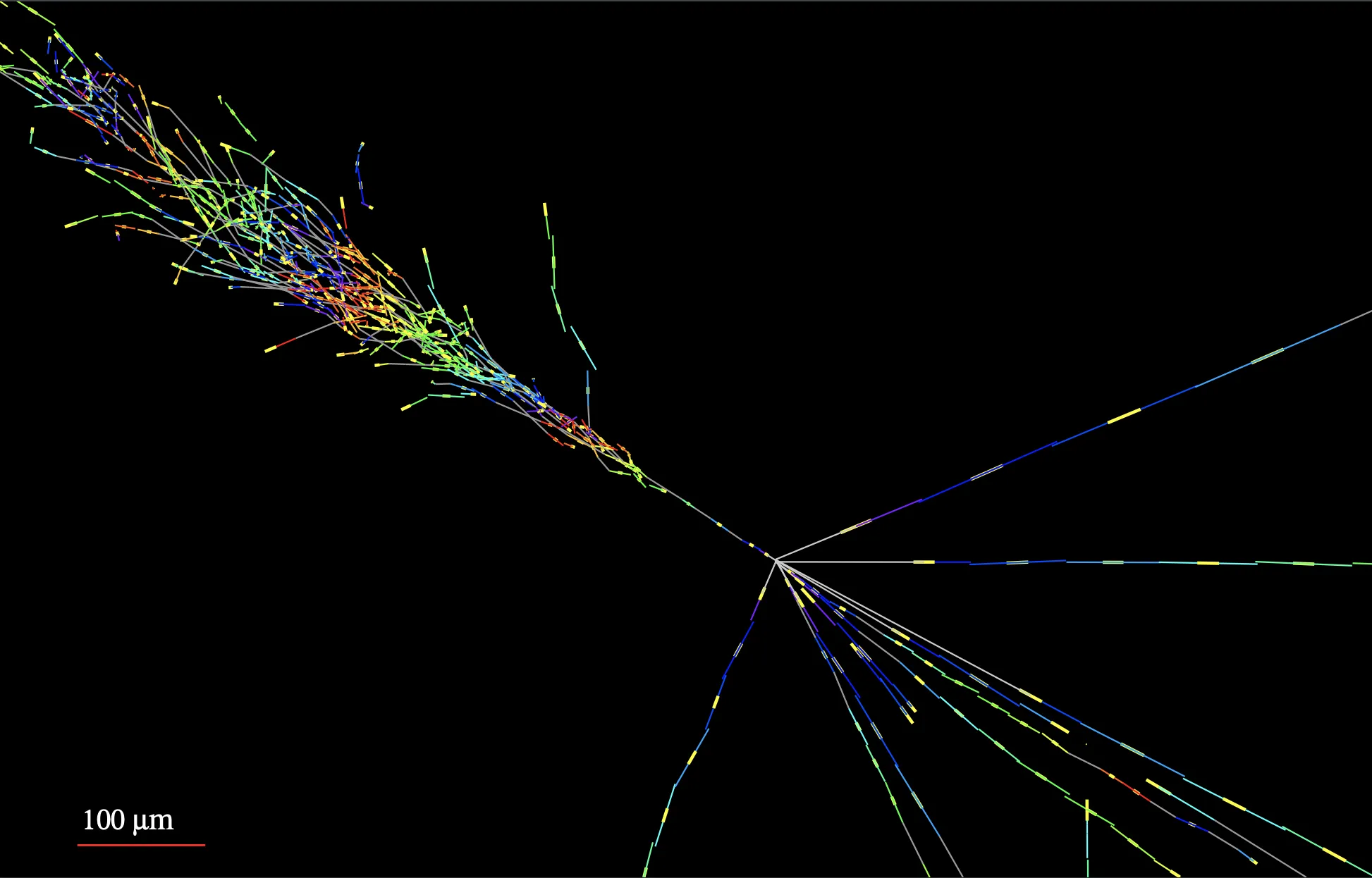
Studying FIPs with FASER – recent news
Studying FIPs with FASER – recent news Feebly Interacting Particles (FIPs) exist within both the Standard Model (SM) and in theories that extend beyond it. The FASER experiment [1] is the first of two experiments approved for data taking in Run 3 aiming to study these elusive particles. Located 480 meters from the ATLAS interaction
-

Highlights from the Alpha Magnetic Spectrometer on the International Space Station
Highlights from the Alpha Magnetic Spectrometer on the International Space Station The Alpha Magnetic Spectrometer, AMS, is a high-energy particle detector performing unprecedented-precision measurements of cosmic rays of rigidity (momentum/charge) ranging from GV to 3 TV on the International Space Station (ISS). AMS has now reached 13 years of continuous operation, and it has collected
-
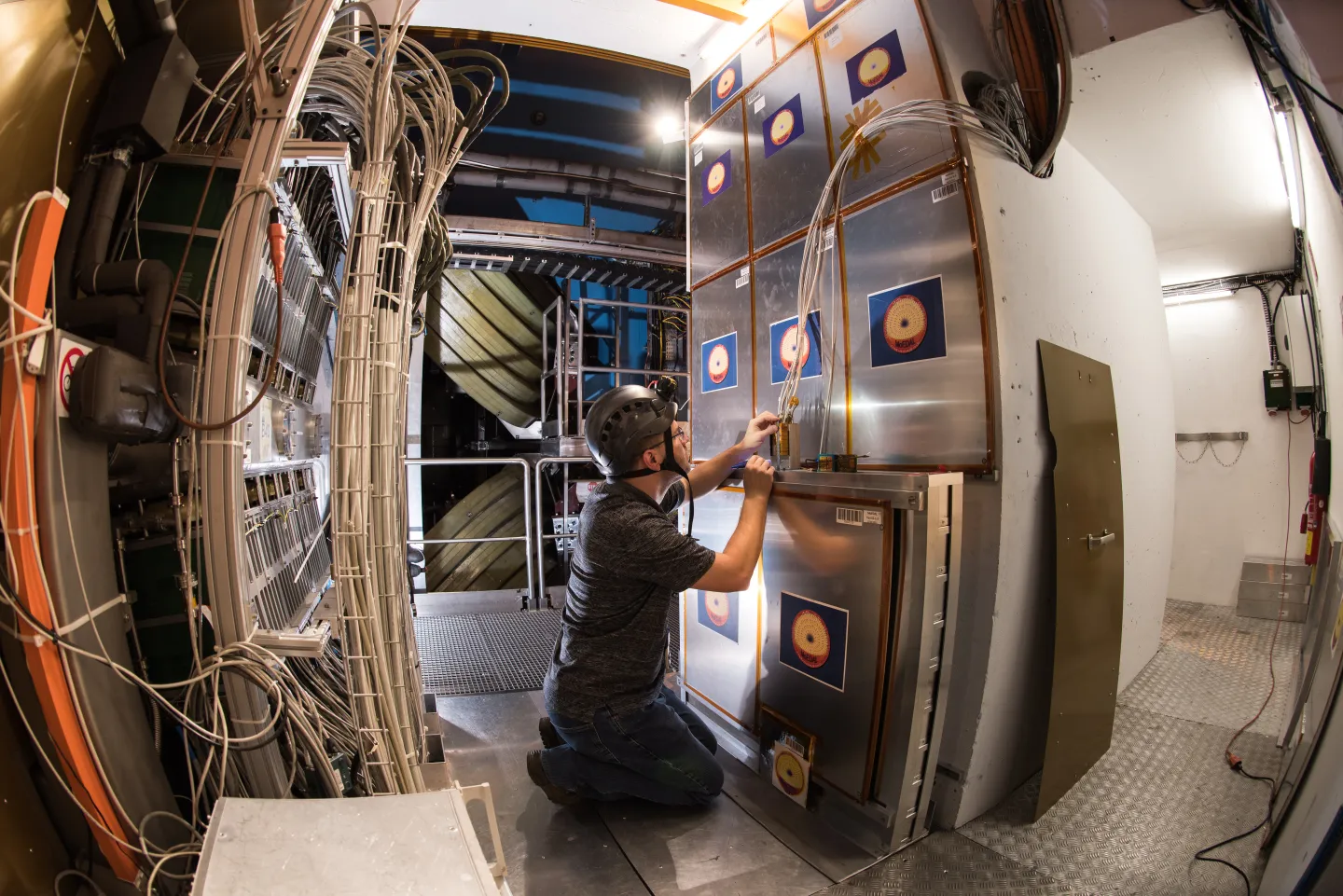
MoEDAL-MAPP Experiment’s Quest for Anomalously Charged Avatars of New Physics
MoEDAL-MAPP Experiment’s Quest for Anomalously Charged Avatars of New Physics Nature, as described by the Standard Model (SM), has decreed that stable or pseudo-stable subnuclear charged particles can only have an observable electrical charge of ±1e, where e is the charge of an electron and that there is no magnetic charge. Thus, searching for anomalously
-
Looking in all directions for long-lived particles at the LHC
Looking in all directions for long-lived particles at the LHC In 1984, Alvaro de Rujula pointed out that the proton-proton collisions at the LHC would produce large fluxes of very high energy neutrinos in the forward direction [1]. In 2023, almost 40 years later, the FASER and SND experiments ushered in the era of collider
-
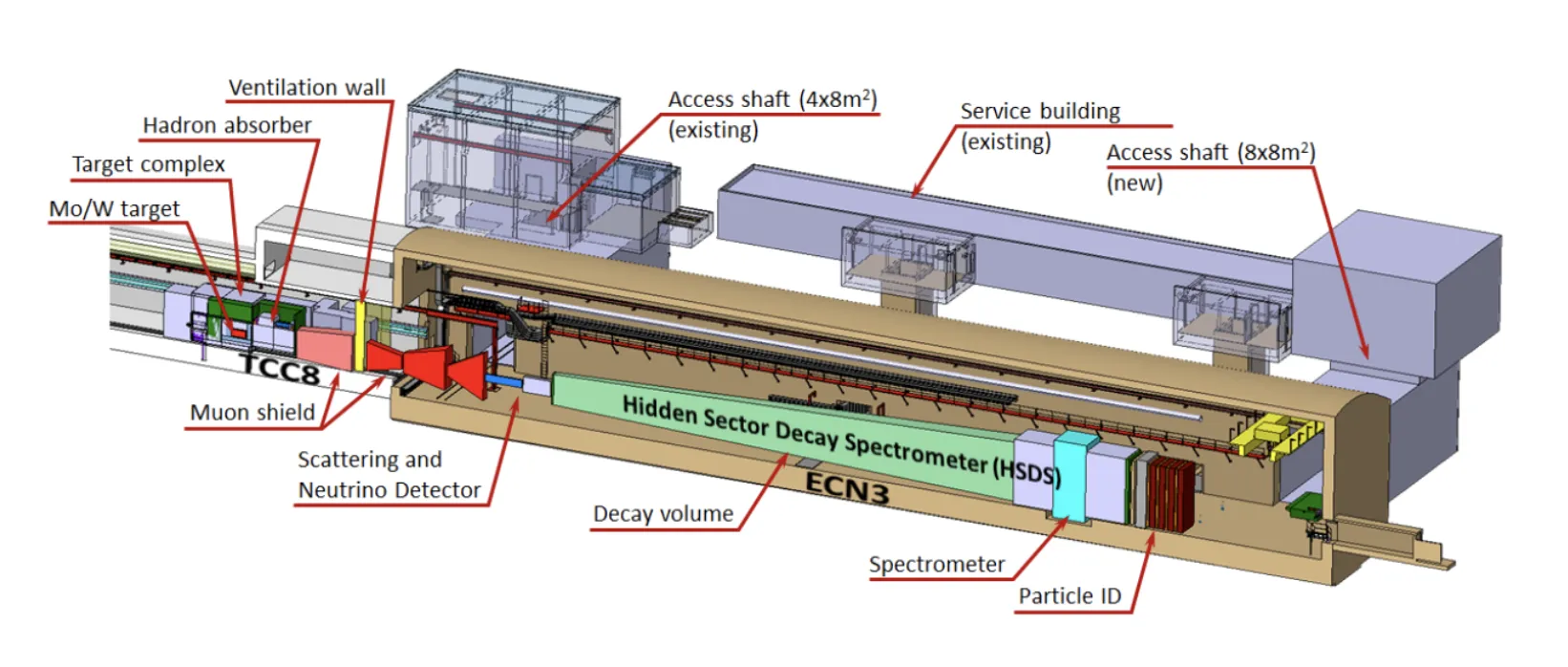
SHiP Experiment: Charting New Territory in Particle Physics
SHiP Experiment: Charting New Territory in Particle Physics Full speed ahead Layout of the SHiP experiment, with the target on the left and the experiment in the ECN3 hall. Credit: SHiP collaboration. In a significant step forward for particle physics, CERN’s Research Board recently approved the SHiP (Search for Hidden Particles) experiment, slated to begin
-
Truly non-destructive: Antimatter under the microscope during the 2024-YETS
Truly non-destructive: Antimatter under the microscope during the 2024-YETS Early in the morning, on the 13th of November 2023, the AD/ELENA facility delivered its final antiproton bunch to the users at the antimatter factory. Most of the particles annihilated a few minutes later in antihydrogen formation and its spectroscopy, and most of the AD/ELENA users