
Tag: April 2024 – June 2024
-
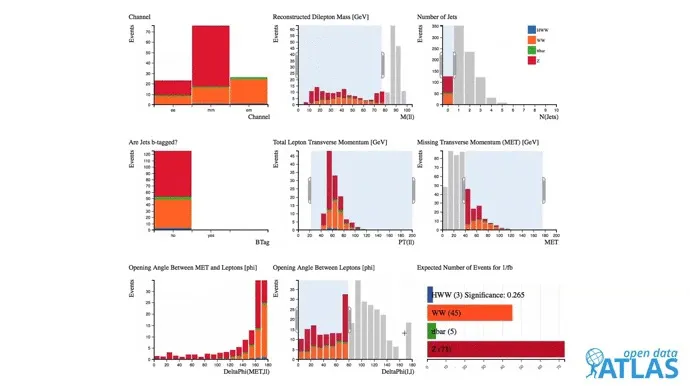
ATLAS Open Data: Ushering in Transparency and Collaboration in Particle Physics Research
ATLAS Open Data: Ushering in Transparency and Collaboration in Particle Physics Research The ATLAS Collaboration at CERN,has been leading efforts to promote transparency and accessibility through its comprehensive open data initiatives. These efforts are designed to benefit researchers, educators, and the public, enhancing both scientific discovery and educational outreach. The sheer volume and complexity of
-

A word from the EP Department Head – June 2024
A word from the EP Department Head – June 2024 Dear colleagues in EP, I hope this message finds you all well. I imagine you are all very busy with the ongoing run, the work towards the upgrades of the experiments, the data analysis and the many other activities you may be involved in. Nevertheless,
-
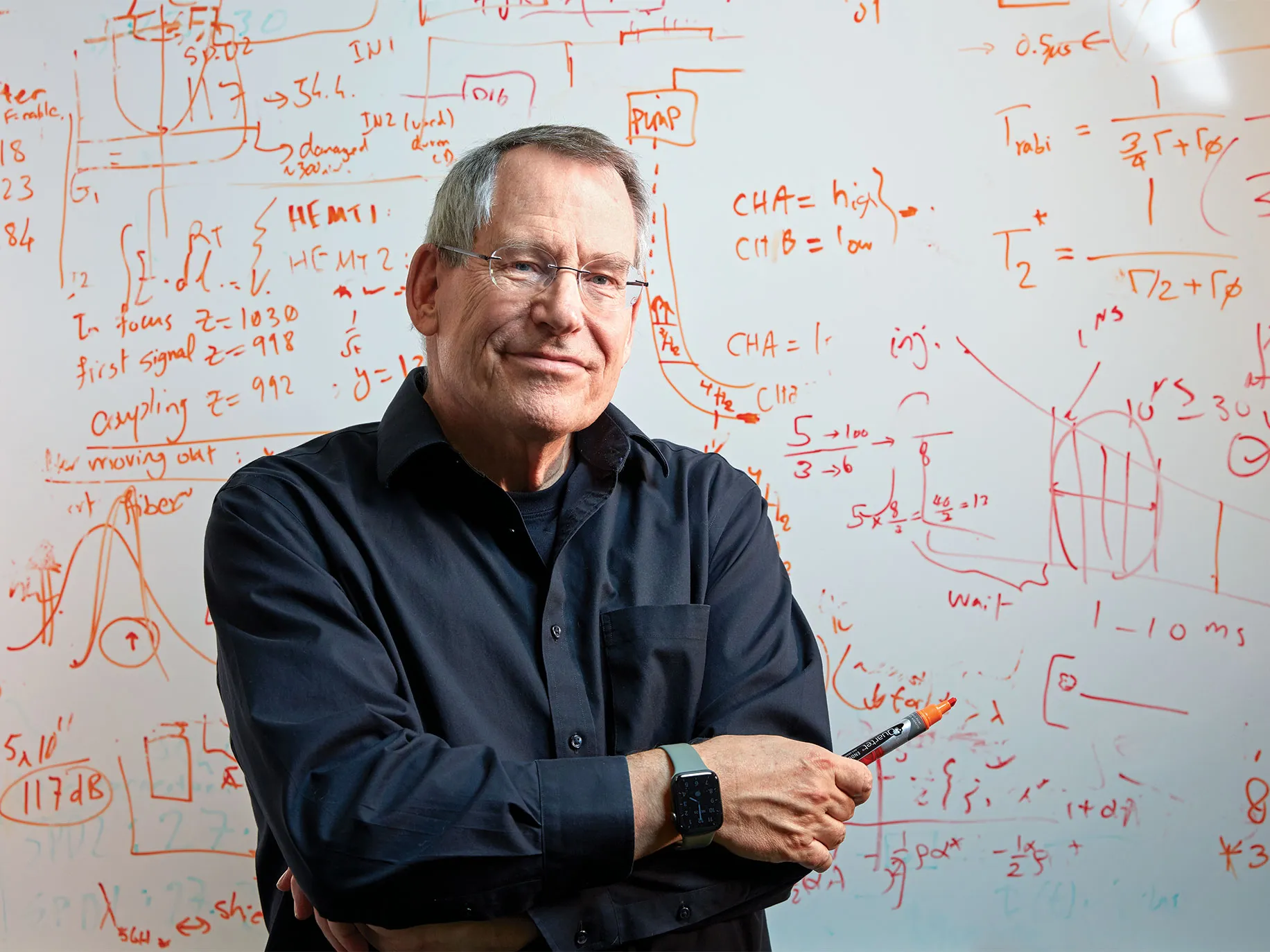
In-Depth Conversation with John Preskill
In-Depth Conversation with John Preskill In this exclusive interview, we sit down with John Preskill, a pioneering physicist and leading expert in quantum computing. As a professor at Caltech and the director of the Institute for Quantum Information and Matter, Preskill has been at the forefront of groundbreaking research that promises to revolutionize technology as
-
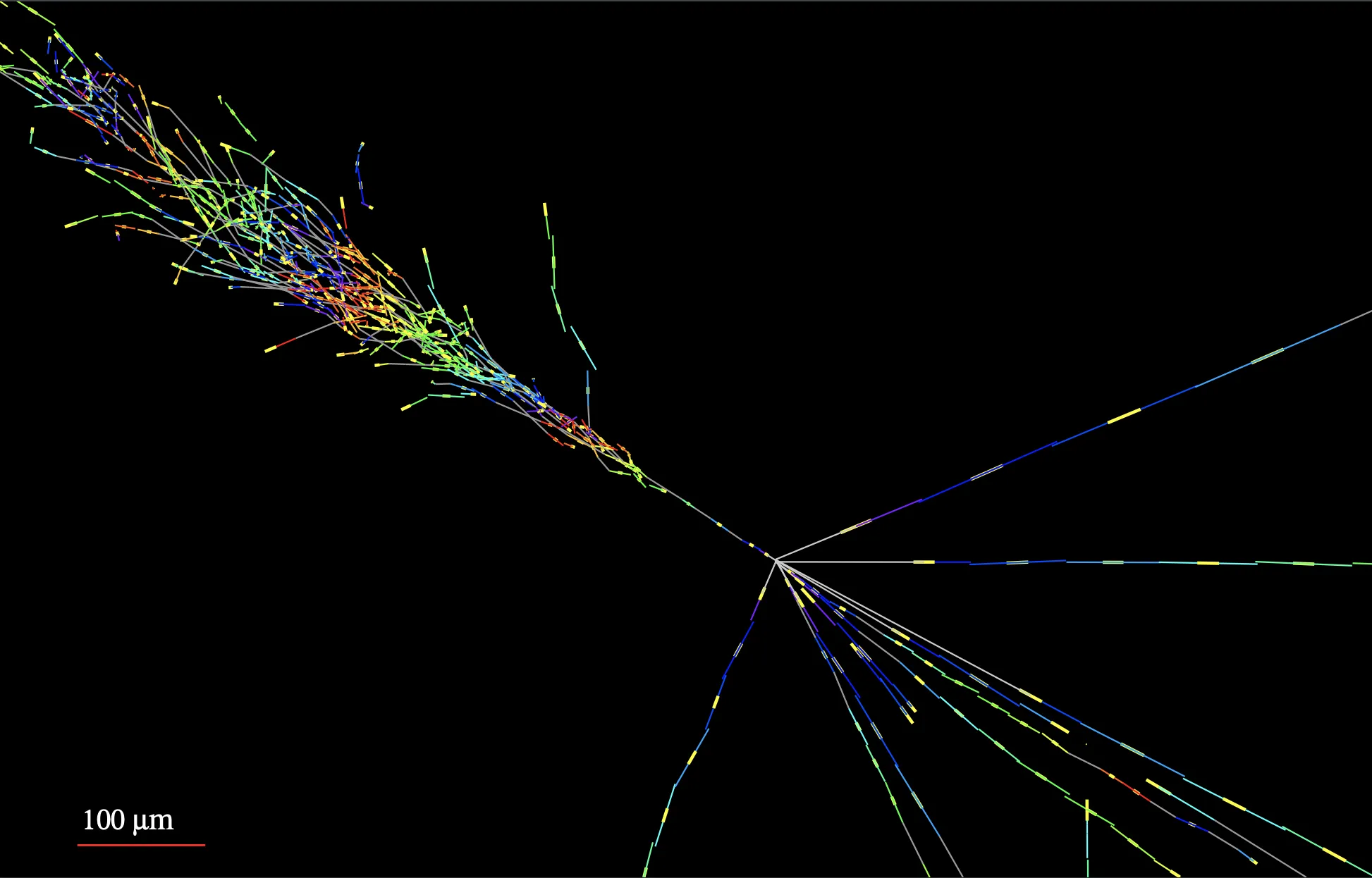
Studying FIPs with FASER – recent news
Studying FIPs with FASER – recent news Feebly Interacting Particles (FIPs) exist within both the Standard Model (SM) and in theories that extend beyond it. The FASER experiment [1] is the first of two experiments approved for data taking in Run 3 aiming to study these elusive particles. Located 480 meters from the ATLAS interaction
-
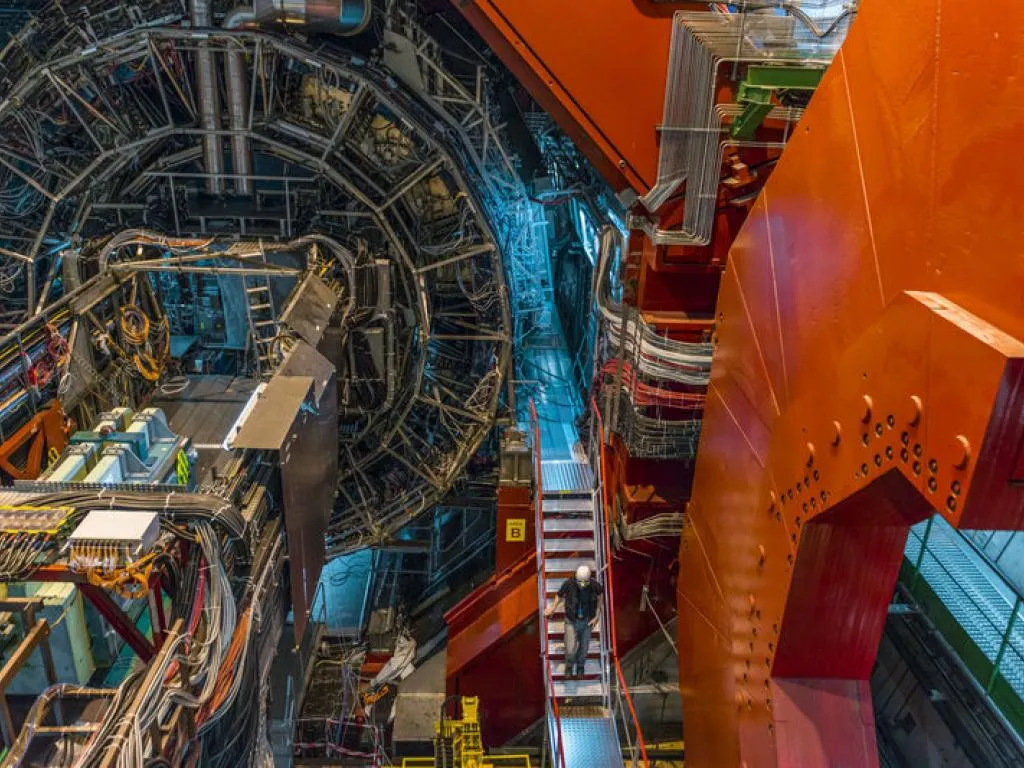
ITS3 and FoCal: Two new subdetectors to extend ALICE’s physics reach
ITS3 and FoCal: Two new subdetectors to extend ALICE’s physics reach The ALICE experiment at the Large Hadron Collider (LHC) is dedicated to studying heavy ion collisions, which recreate the hottest and densest matter ever observed in a lab – the quark-gluon plasma (QGP). By studying this exotic state of matter, scientists aim to understand
-
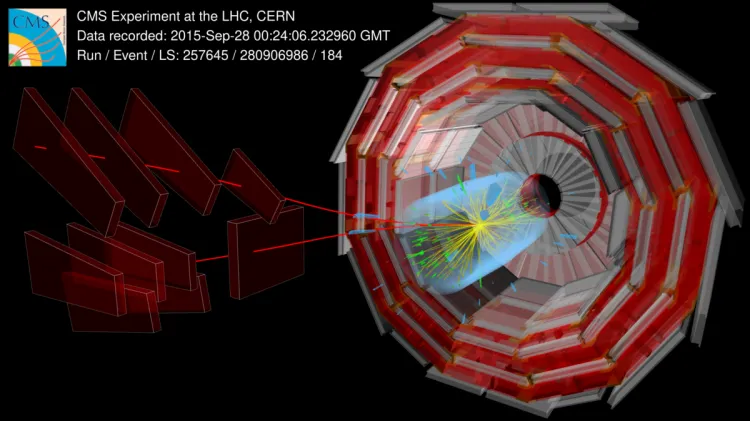
CMS Releases Extensive 13 TeV Collision Data for Open Science
CMS Releases Extensive 13 TeV Collision Data for Open Science The CMS experiment at CERN recently announced the release of 13 TeV proton-proton collision data from 2016. Over 70 TB of collision data and 830 TB of corresponding simulations are now available through the CERN Open Data Portal, marking a significant milestone in open science.
-
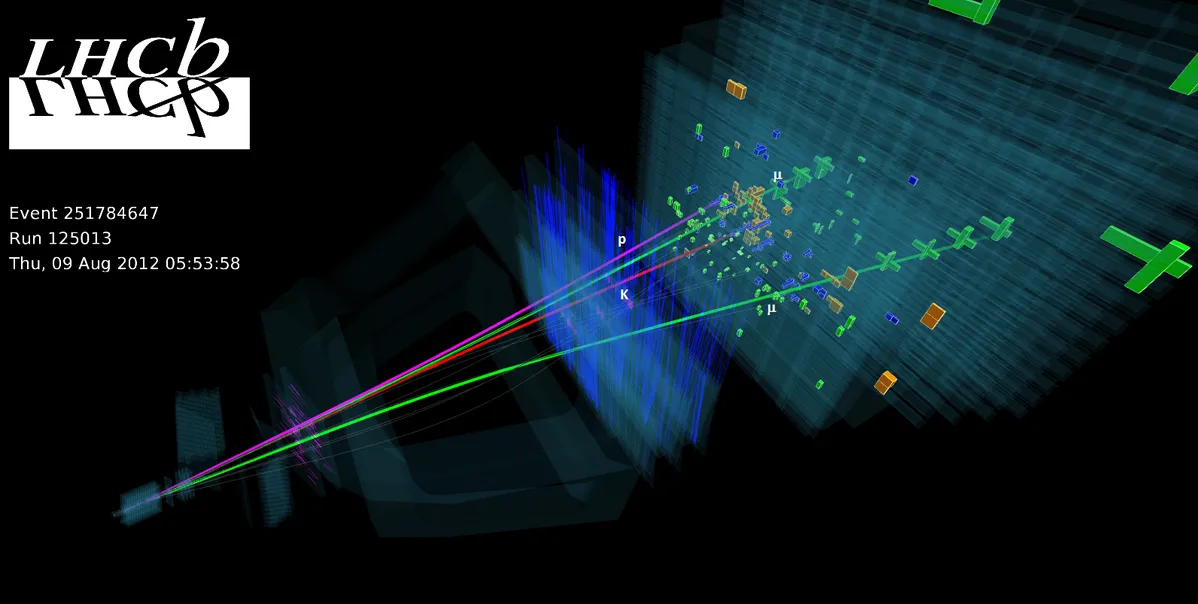
Unlocking New Possibilities: LHCb’s Latest Open Data Releases
Unlocking New Possibilities: LHCb's Latest Open Data Releases The LHCb collaboration at CERN continues to pioneer open science by releasing significant datasets to the public, offering researchers, educators, and enthusiasts around the world unprecedented access to data that fuels new discoveries and deepens our understanding of the universe. In a landmark move on December 20,
-
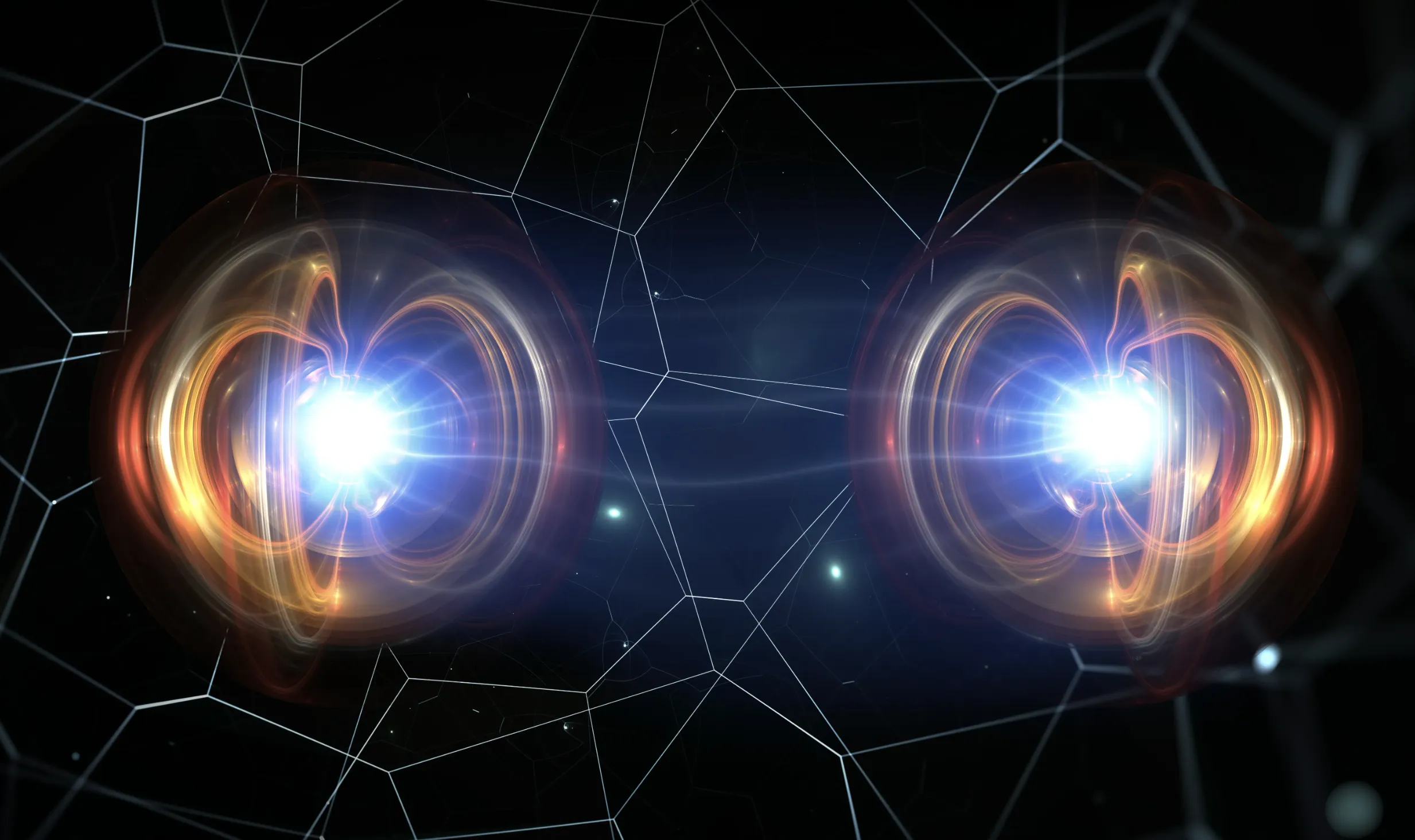
Groundbreaking Observation of Quantum Entanglement in Top Quarks at the LHC
Groundbreaking Observation of Quantum Entanglement in Top Quarks at the LHC Researchers using the ATLAS detector at CERN's Large Hadron Collider (LHC) have achieved a breakthrough: the first observation of quantum entanglement in top quark pairs. This discovery, analyzing proton-proton collisions at incredibly high energies, marks a significant step forward in understanding the quantum world
-

Highlights from the Alpha Magnetic Spectrometer on the International Space Station
Highlights from the Alpha Magnetic Spectrometer on the International Space Station The Alpha Magnetic Spectrometer, AMS, is a high-energy particle detector performing unprecedented-precision measurements of cosmic rays of rigidity (momentum/charge) ranging from GV to 3 TV on the International Space Station (ISS). AMS has now reached 13 years of continuous operation, and it has collected
-
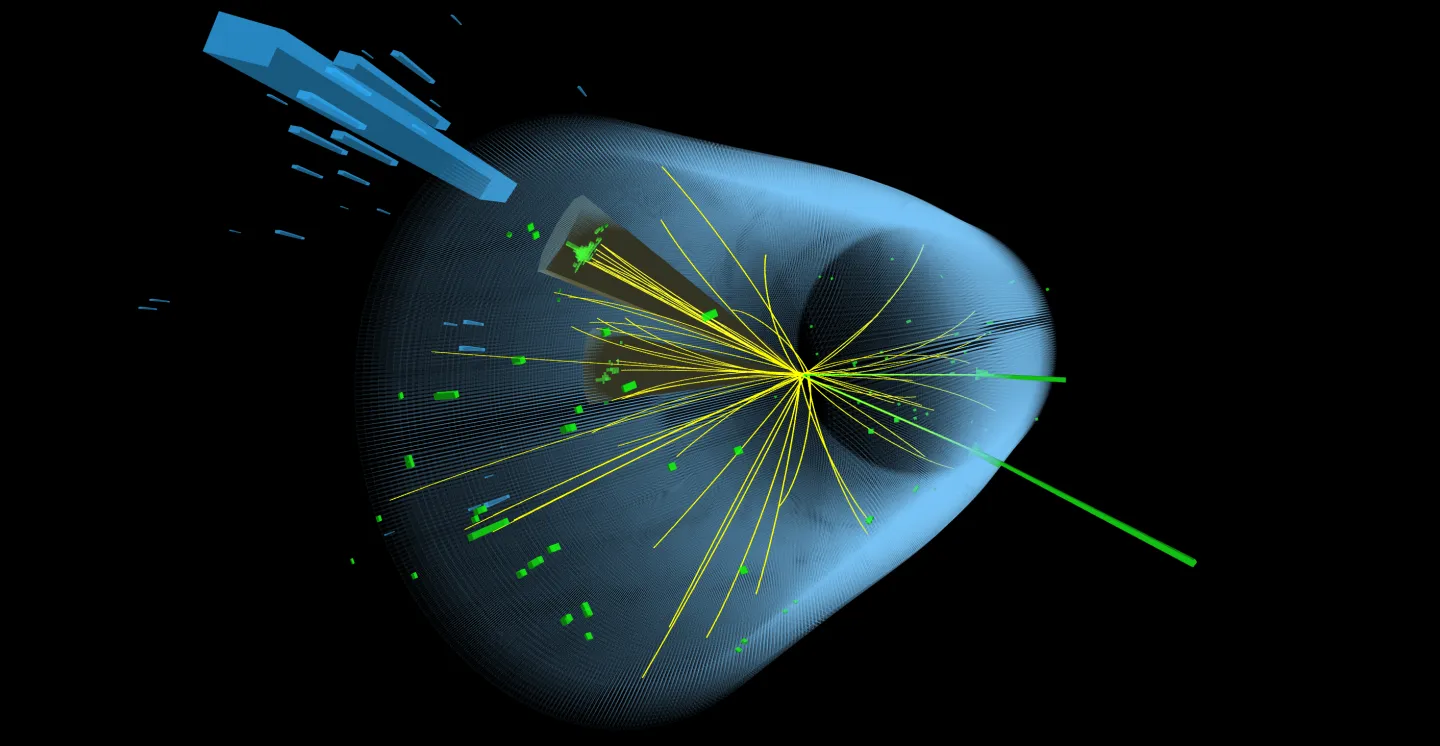
Probing Anomalies: CMS experiment investigates possible hints of new physics
Probing Anomalies: CMS experiment investigates possible hints of new physics For a few years, the work of the LHC community has been split between the exploitation of the LHC Run2 and first Run3 data and the preparation for the High Luminosity (HL) phase. At the HL-LHC, the effort of searching for new physics will be