
Tag: April 2025 – June 2025
-

CMS Inaugurates Its New Control Room
CMS Inaugurates Its New Control Room On 15 May 2025, CMS officially inaugurated its new control room at Point 5 in Cessy, France. The celebration brought together guests from CERN management and representatives of all LHC experiments to mark this significant upgrade to CMS’s operational infrastructure. If CMS were a human body, the control room
-
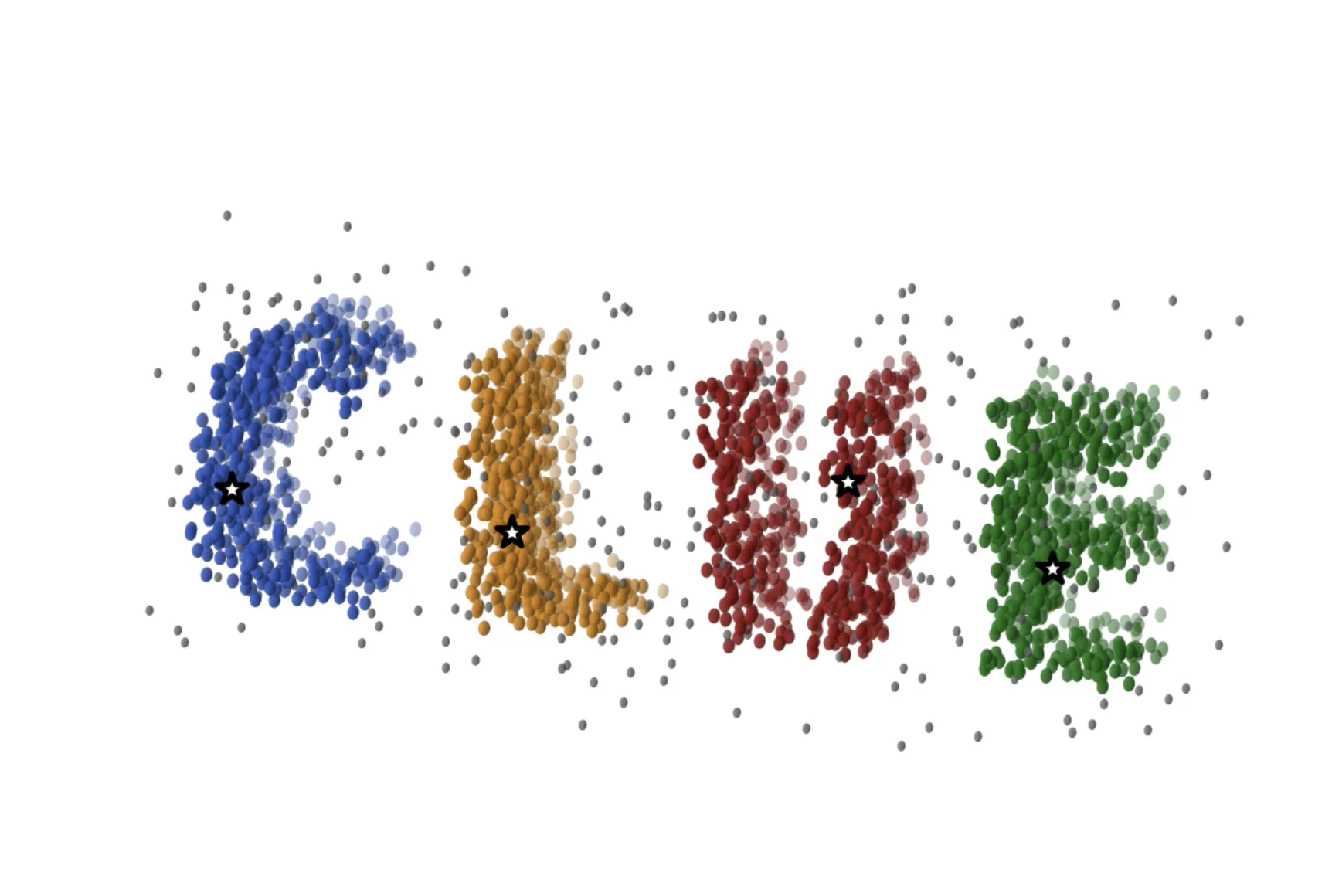
CLUE: A Scalable Clustering Algorithm for the Data Challenges of Tomorrow
CLUE: A Scalable Clustering Algorithm for the Data Challenges of Tomorrow The foreseen increase in luminosity and pileup at the High-Luminosity Large Hadron Collider (HL-LHC) [1] will challenge both the detector hardware and the reconstruction software. With higher pile-up, calorimeter energy reconstruction depends even more on pattern-recognition algorithms. These algorithms have to cluster together deposits
-
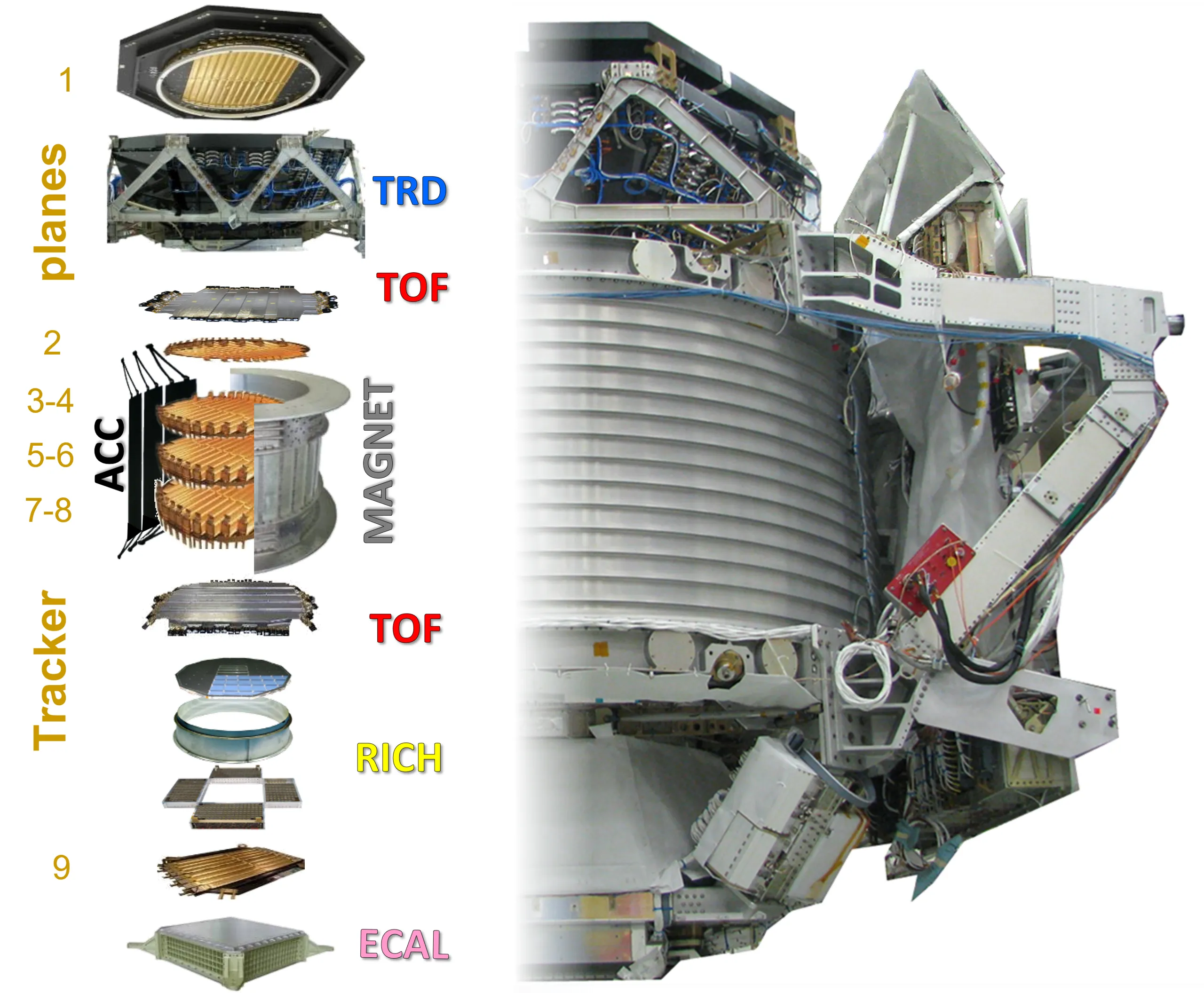
AMS-02: A New Chapter in Orbit to Probe the Nature of Cosmic Rays
AMS-02: A New Chapter in Orbit to Probe the Nature of Cosmic Rays Since its launch aboard the International Space Station (ISS) in May 2011, the Alpha Magnetic Spectrometer (AMS-02) has recorded more than 250 billion cosmic-ray events, offering precision measurements of the composition and energy spectra of protons, nuclei, electrons, and positrons across an
-
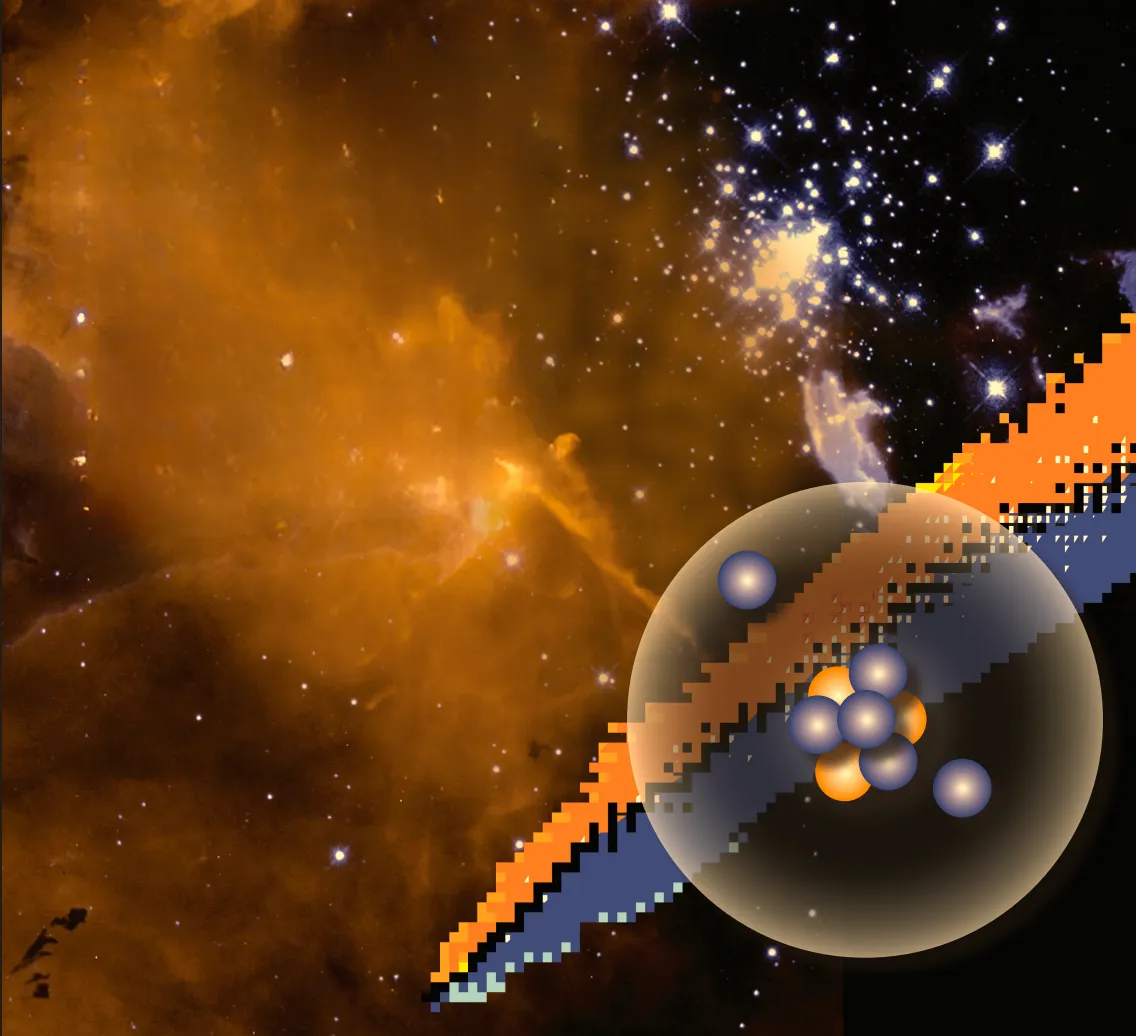
Decoding r-Process Nucleosynthesis: Precision Studies of Exotic Indium Isotopes at ISOLDE
Decoding r-Process Nucleosynthesis: Precision Studies of Exotic Indium Isotopes at ISOLDE How are the chemical elements synthesised in stellar environments? Which processes lead to their creation? What impact does nuclear physics have on their production? Describing the origins of the chemical elements and their observed abundances remains one of the most significant challenges in modern
-
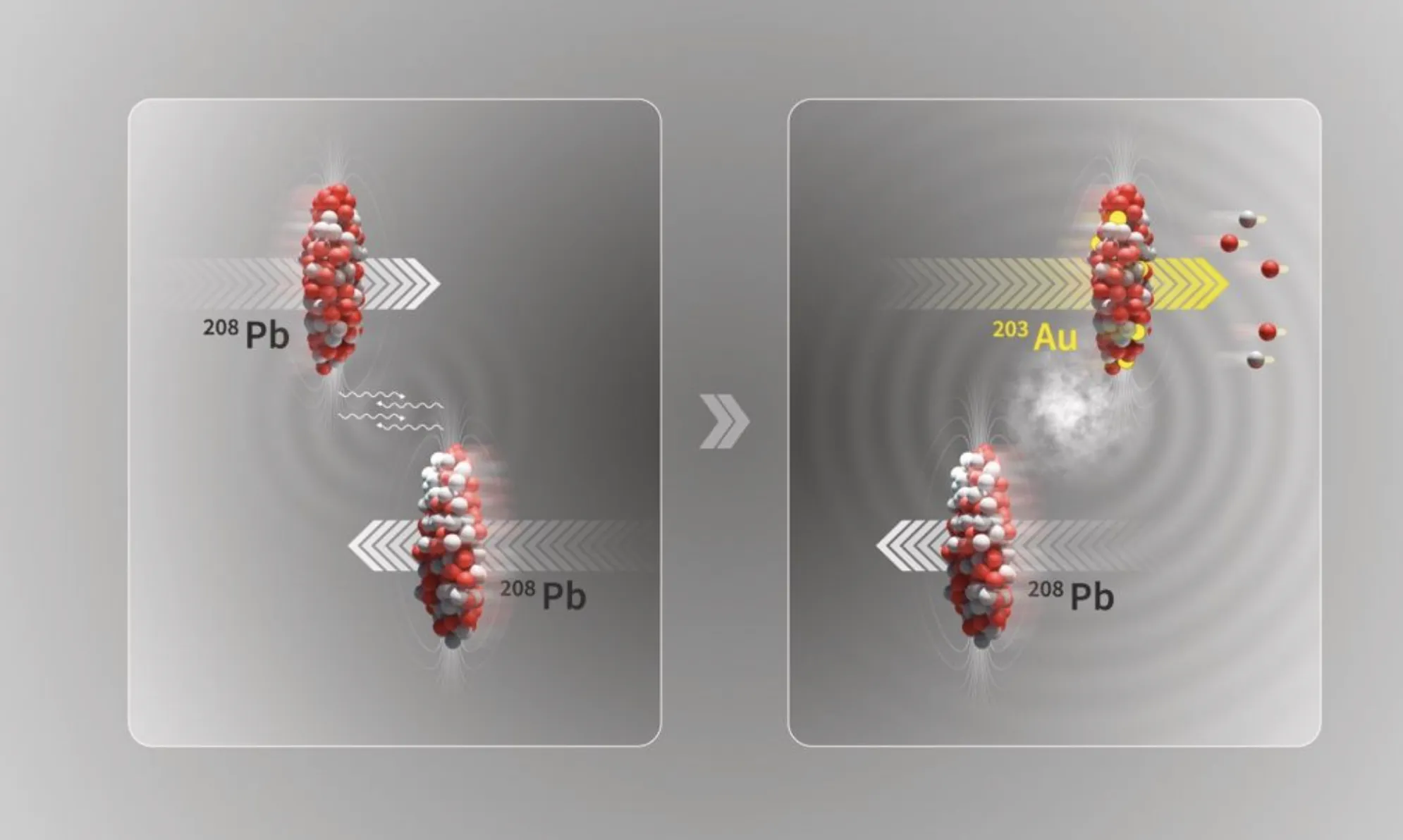
Heavy isotopes production via electromagnetic interactions at the LHC
Heavy isotopes production via electromagnetic interactions at the LHC The ALICE experiment at LHC studies ultra-relativistic heavy-ion collisions to characterize the Quark-Gluon Plasma (QGP) — a state of matter where quarks and gluons are deconfined. This state existed briefly in the early Universe, just a few millionths of a microsecond after the Big Bang. However,
-
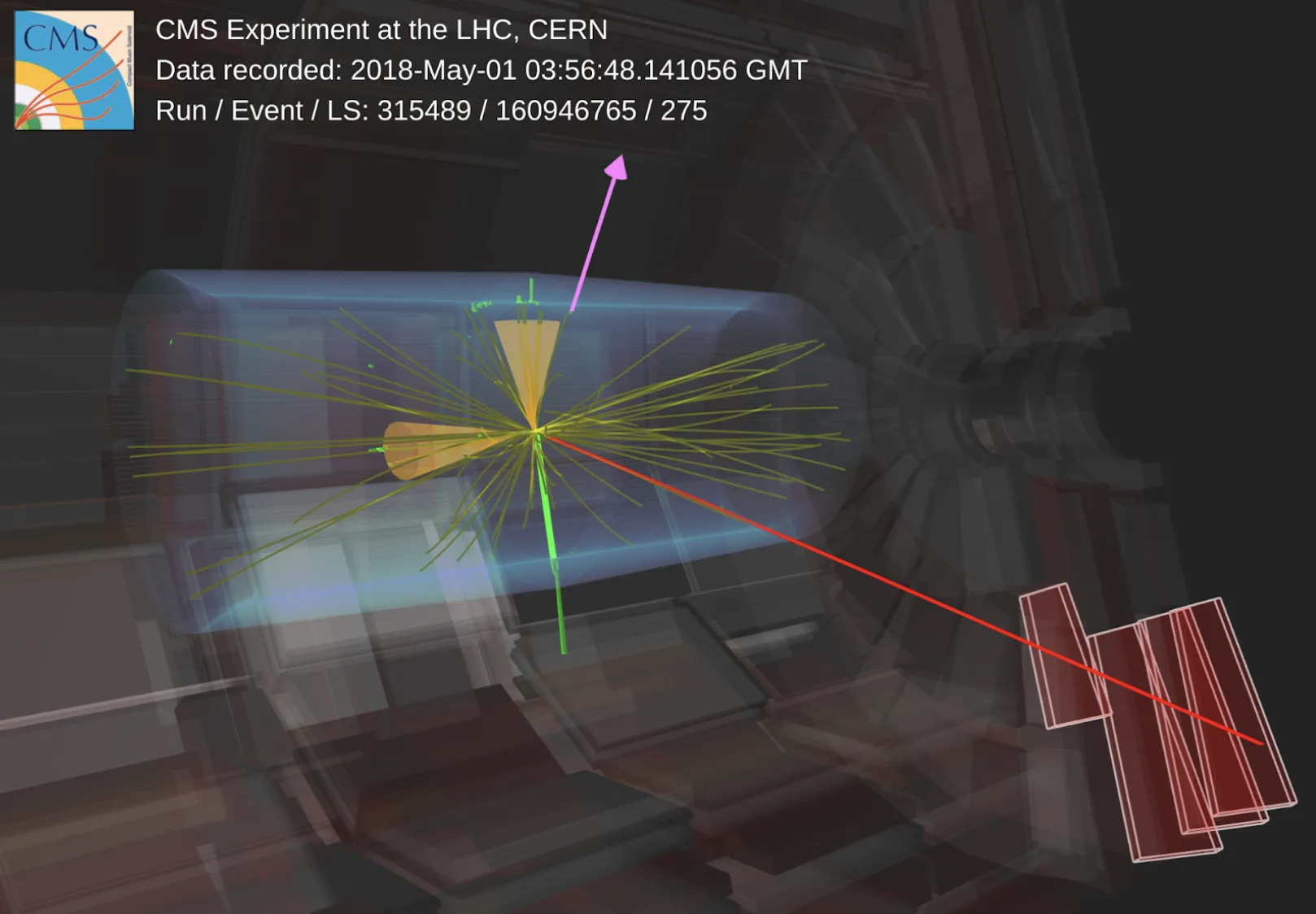
Anomaly at the Threshold: A Closer Look at tt̄ Events in CMS
Anomaly at the Threshold: A Closer Look at tt̄ Events in CMS Some of the most intriguing developments in physics begin not with a discovery, but with an anomaly, subtle, persistent, and difficult to ignore. In 2019, CMS reported a mild excess of around three standard deviations in a search for heavy pseudoscalar (A) or
-
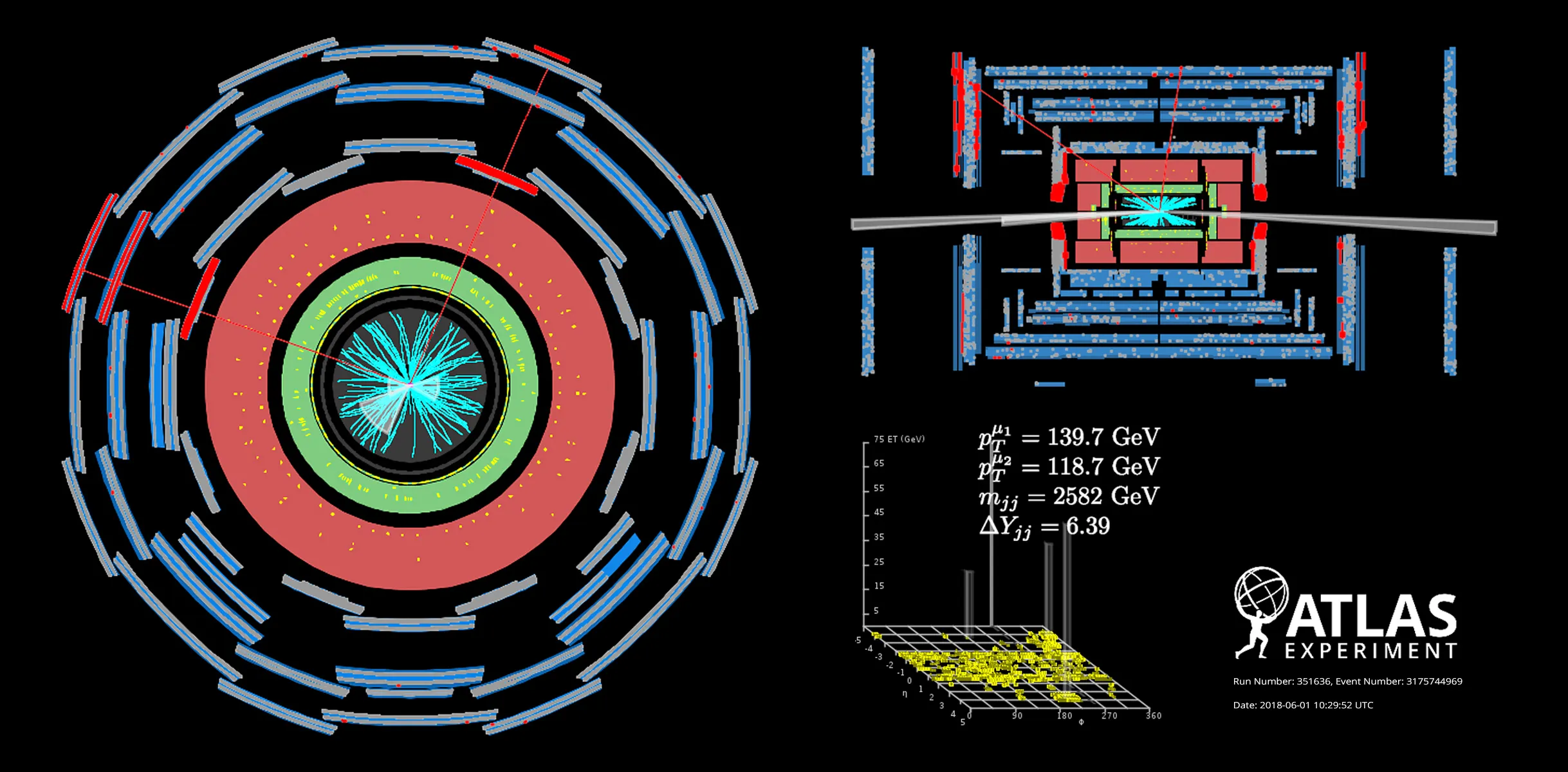
ATLAS Approaching a Breakthrough in Diboson Polarization with Run-3 Data
ATLAS Approaching a Breakthrough in Diboson Polarization with Run-3 Data The study of the polarisation of vector boson scattering (VBS) processes provides a unique test of the Higgs mechanism’s role in taming high-energy electroweak interactions, making it indispensable for fundamental physics for the last decades. As the LHC enters its Run-3 phase, this study is
-
TELMAX: A New Era of Flexibility at CERN’s Antimatter Factory
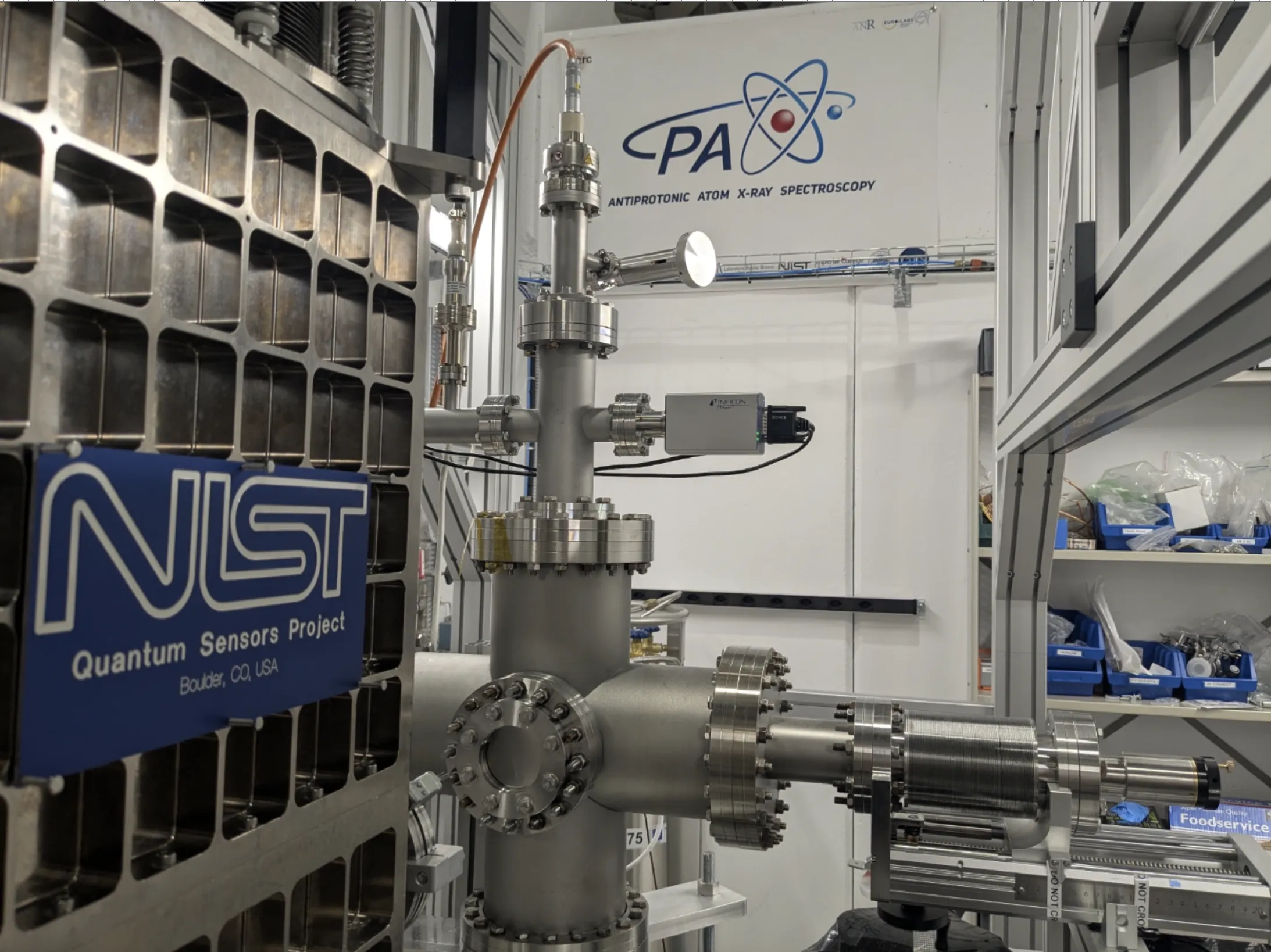
TELMAX: A New Era of Flexibility at CERN's Antimatter Factory PAX UHV test chamber equipped with linear target manipulator and Ti x-ray window. The ADR cryostat containing the TES detector can be seen facing the chamber in its measurement position. X-rays from the antiprotonic atom cascade traverse the Ti window and are measured with the