
Tag: December 2022 – February 2023
-
ATLAS resumes operation after LS2 shutdown
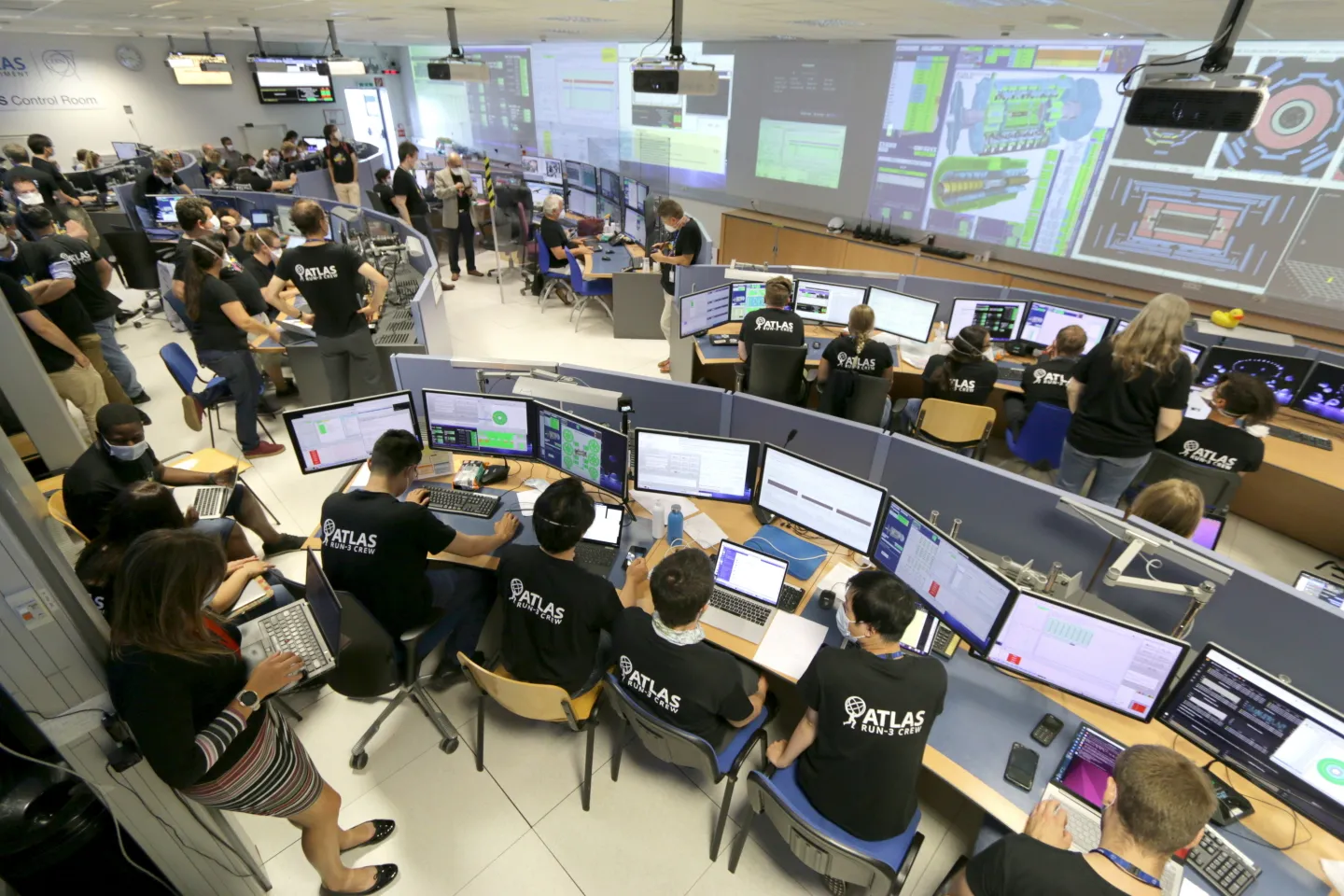
ATLAS resumes operation after LS2 shutdown This year saw the long-anticipated start of the LHC Run 3, and the excitement was tangible in the ATLAS control room during the afternoon of the 5th of July when the LHC proton beams were expected to be brought into stable beam collisions, for the first time at the
-
Upgrading the ATLAS Level-1 Central Trigger
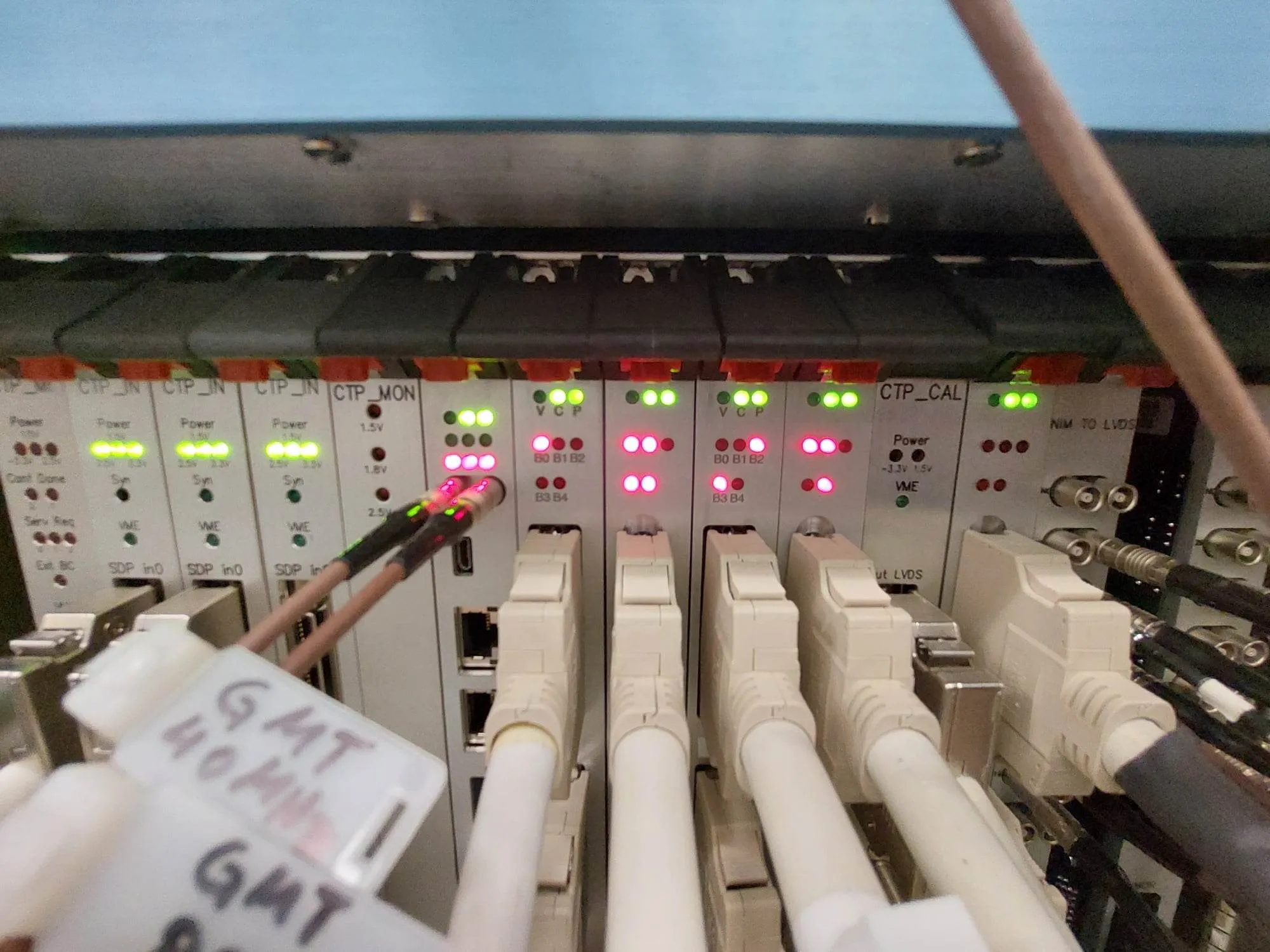
Upgrading the ATLAS Level-1 Central Trigger The ATLAS trigger system consists of a first-level trigger based on custom electronics and firmware, and a high-level software trigger (HLT) running on off-the-shelf hardware. The first level trigger (see Figure 1) uses information from calorimeters, muon and forward detectors which arrives at the bunch crossing rate of 40
-
ALICE records first heavy-ion collisions
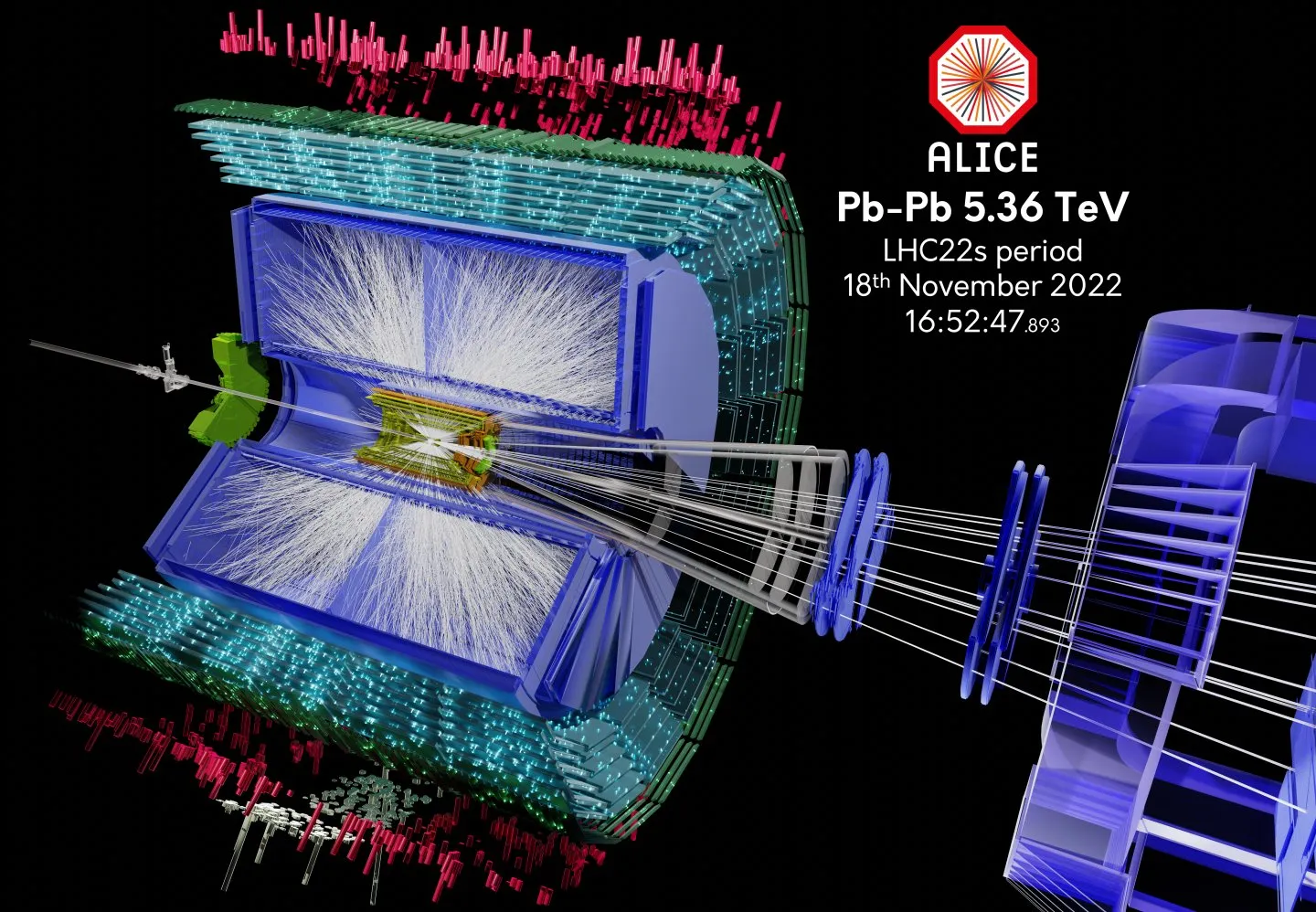
ALICE records first heavy-ion collisions Following an intense period of upgrades, a totally revamped ALICE experiment statred a very challenging period of commissioning with beam and data-taking during the first year of the LHC Run 3. The ALICE detector has undergone a major upgrade during the LHC long shutdown 2. New Inner Tracking System (ITS2,
-

A word from the EP Deputy Department Head – December 2022
A word from the EP Deputy Department Head – December 2022 Dear colleagues, As 2022 draws to a close, we can look back and reflect on a year with many surprises and challenges, first and foremost the ongoing Russian invasion of Ukraine, and the consequent energy and inflation crises. These are challenges for society as
-
The Phase-2 Upgrade of the CMS Data Acquisition system
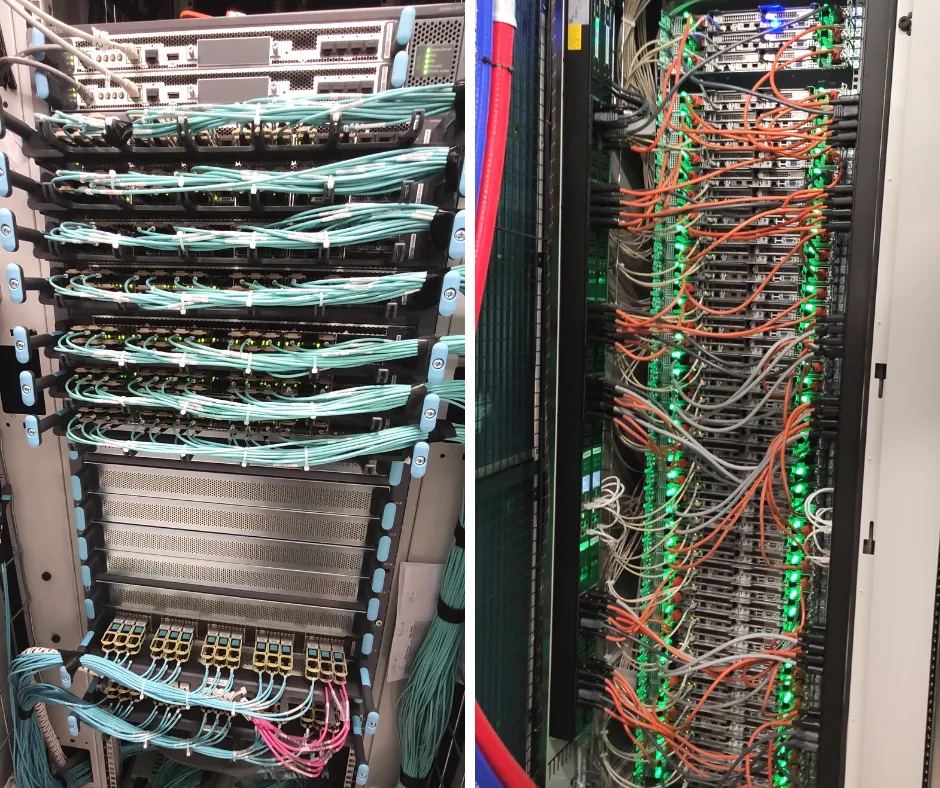
The Phase-2 Upgrade of the CMS Data Acquisition system Even though Run-3 data taking has only just started, the preparations for the next phase of the LHC physics programme are well under way. Just like the LHC, during LS3 many of the LHC experiments will receive significant upgrades. In order to maintain its excellent physics
-

Discussing the physics of feebly-interacting particles
Discussing the physics of feebly-interacting particles FIPs are any kind of beyond-the-Standard Model (BSM) particles with couplings much less than one, consisting of such well-known phenomena as dark matter (DM), axions / axion-like particles (ALPs), heavy neutral leptons (HNLs), and dark photons. While the first edition of the FIPs workshop series, FIPs 2020 [ https://indico.cern.ch/e/FIPs_2020
-
Spotlight on Hybrid Pixel Sensors
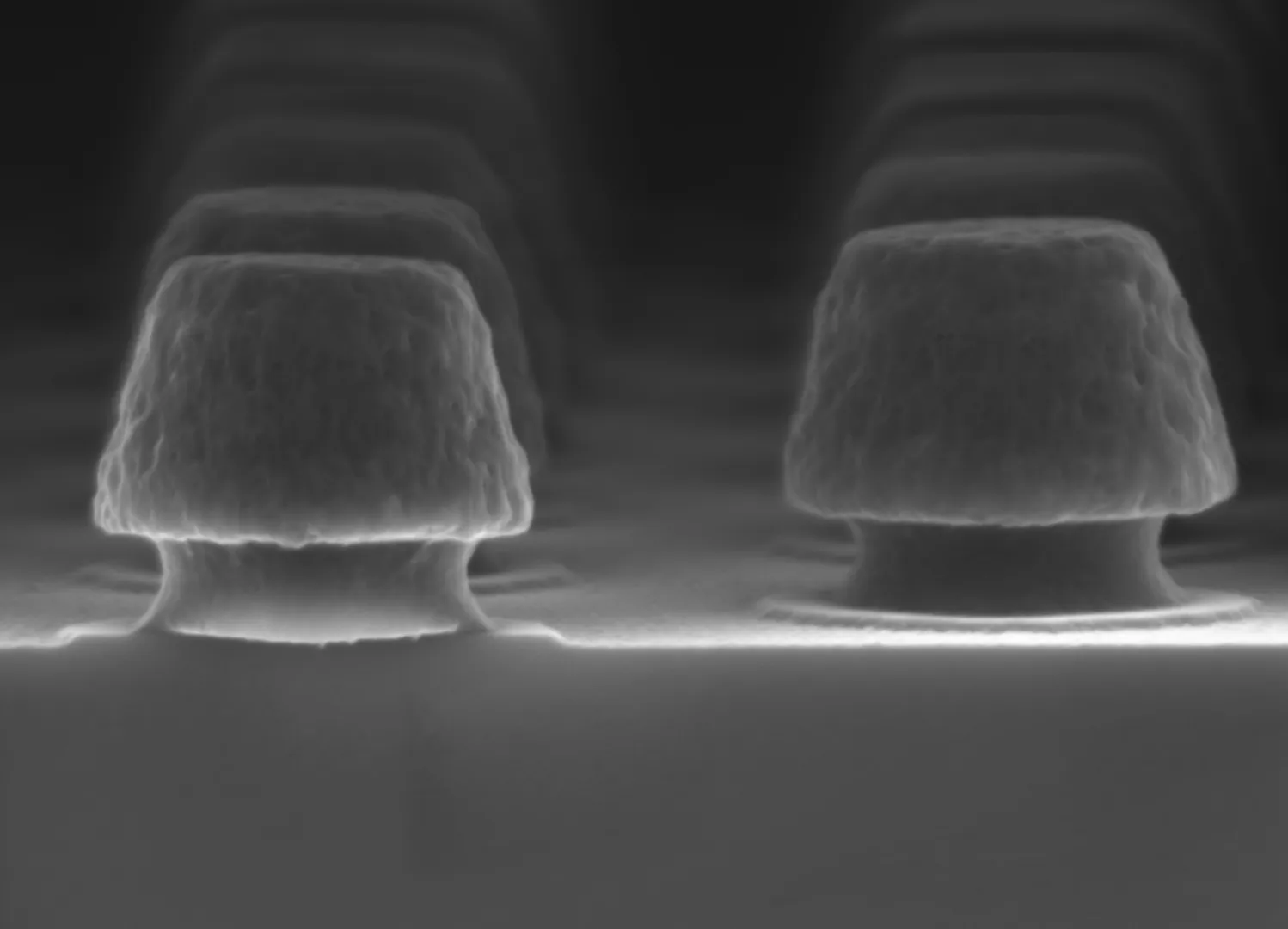
Spotlight on Hybrid Pixel Sensors Prelude Making the next pivotal discovery in particle physics depends on our ability to build new experiments aiming at pushing the boundaries of energy and intensity frontiers. The process of designing and building such apparatuses often originates years before any breakthrough data can be collected. While experimental physicists are busy
-

Celebrating LGBTQ+ in STEM
Celebrating LGBTQ+ in STEM Over the past years, CERN constantly strives to implement inclusive policies for all, including for personnel who identify as LGBTQ+ and who dream to pursue a career in science, engineering and technology. Moreover, given its prestigious role as a world-leading research institute, CERN has a responsibility to lead and to foster
-
CMS sails to explore new undiscovered territories
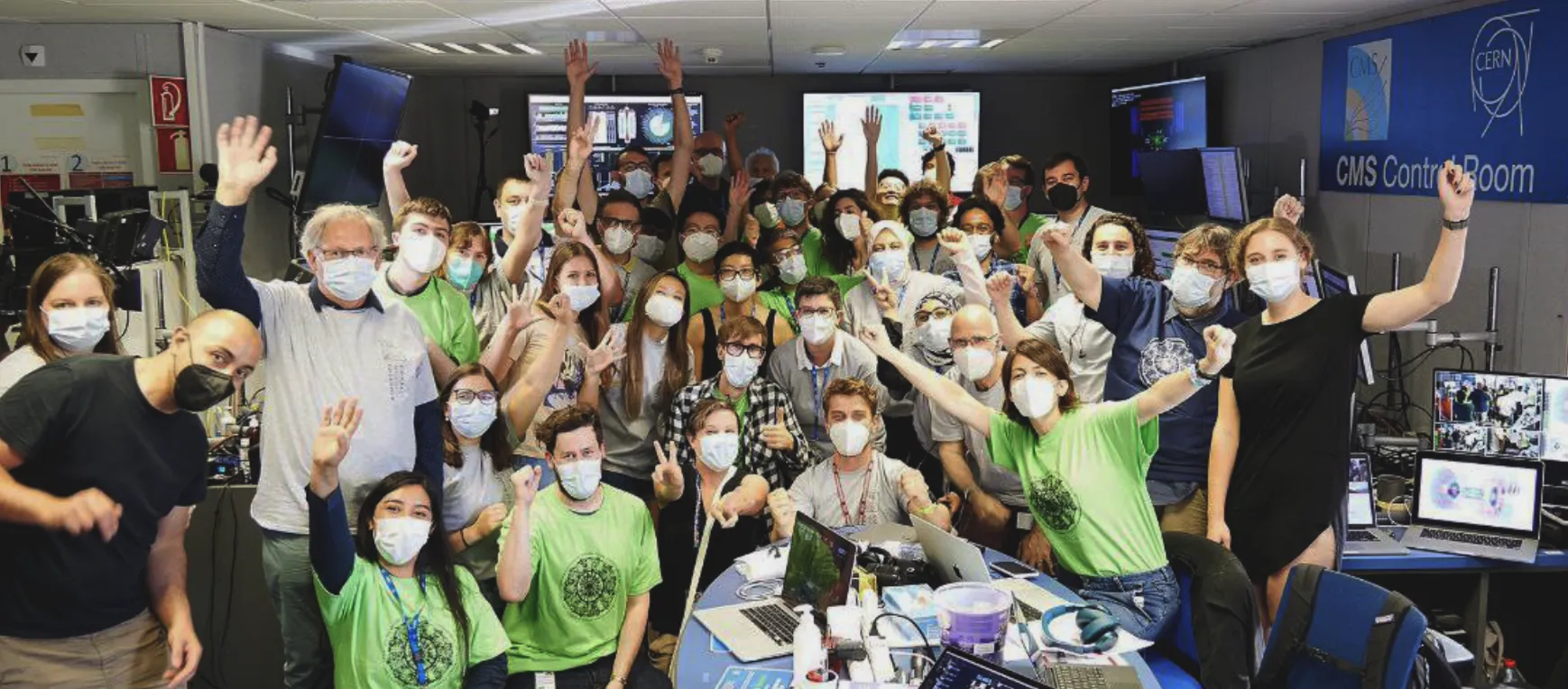
CMS sails to explore new undiscovered territories Run 3 started on July 5, 2022, and paused with the shutdown of the machine on Monday, November 28 at 6 a.m. CMS recorded an integrated luminosity of nearly 40/fb (see Fig. 1, making for a particularly fruitful startup run. Figure 1: Luminosity delivered by LHC and recorded
-
An intense commissioning year at LHCb
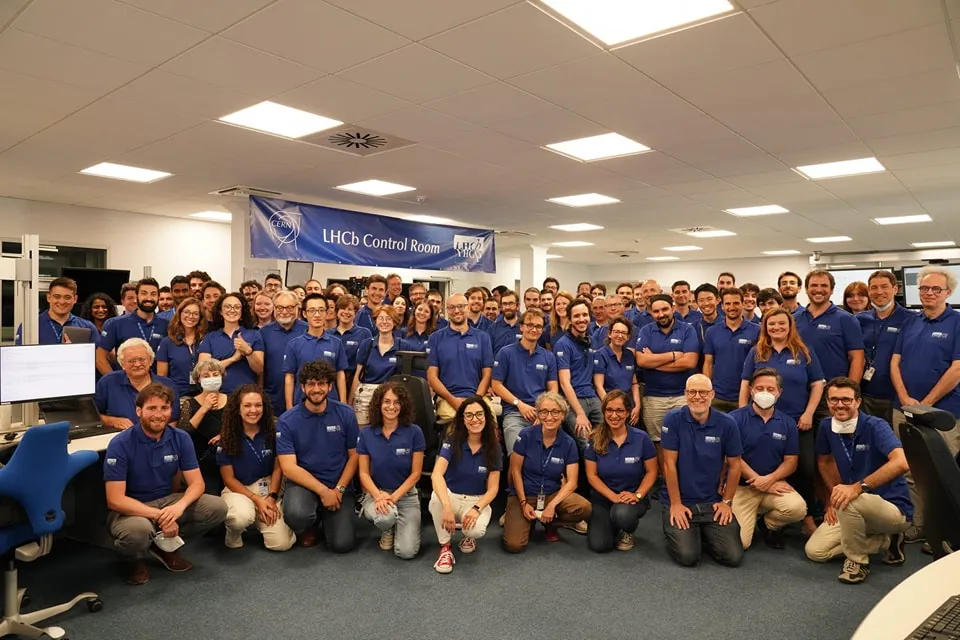
An intense commissioning year at LHCb The restart of data taking in 2022 after the completion of the installation during the Long Shutdown 2 at LHCb marked the first commissioning phase of its new upgraded detector. An impressive amount of work has been achieved throughout the year in the commissioning of the detector, the readout