
Tag: INTERVIEWS
-
In discussion with John Ellis: The Higgs, Patience and Perseverance in Science
In discussion with John Ellis: The Higgs, Patience and Perseverance in Science For John Ellis, the history of the Higgs boson is not a neat, short story that begins with a theory paper and ends with a discovery announcement. It is a long intellectual adventure, beginning in superconductivity, moving through the construction of the electroweak
-
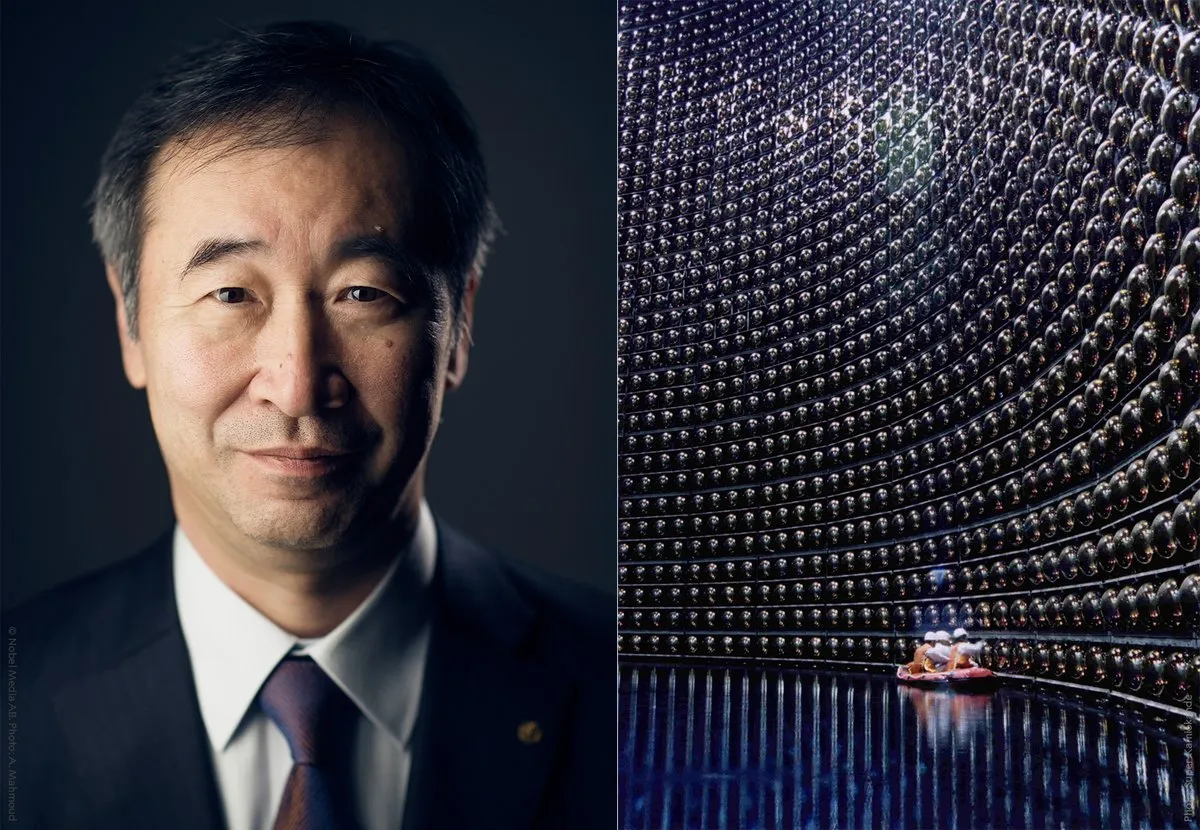
Neutrino Oscillations and Beyond: A Conversation with Takaaki Kajita
Neutrino Oscillations and Beyond: A Conversation with Takaaki Kajita 2015 physics laureate Takaaki Kajita is affiliated with Super-Kamiokande (pictured right) and received the Nobel Prize for his neutrino oscillations research which proves that neutrinos have mass. Few discoveries in modern particle physics have reshaped our understanding of nature as profoundly as the discovery of neutrino
-
Chris Quigg: Grace in All Simplicity and the Unfinished Business of the Standard Model
Chris Quigg: Grace in All Simplicity and the Unfinished Business of the Standard Model Panos Charitos: More than half a century has passed since the “November Revolution” — the 1974 discovery of the J/ψ that reshaped particle physics. In your recent keynote, you revisited that moment. Why is it so vital to remember 1974 today?
-
Riccardo Barbieri: On naturalness, supersymmetry and the unfinished story of the Standard Model
Riccardo Barbieri: On naturalness, supersymmetry and the unfinished story of the Standard Model Riccardo Barbieri has spent more than five decades at the forefront of theoretical particle physics, contributing to key developments in quantum field theory, electroweak precision physics and the exploration of physics beyond the Standard Model. A longtime professor at the Scuola Normale
-
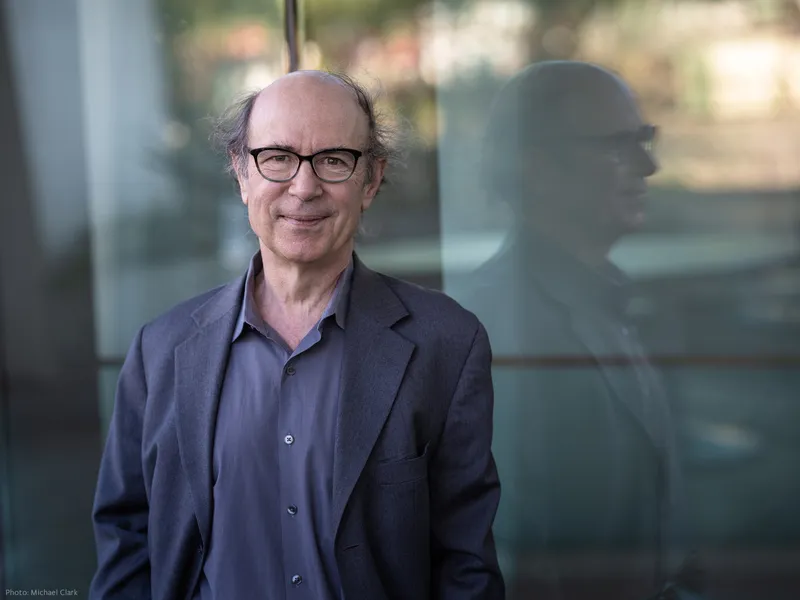
Frank Wilczek in Conversation: The Beauty of Fundamental Physics
Frank Wilczek in Conversation: The Beauty of Fundamental Physics Photo Cretis: Michael Clark In this wide-ranging interview, Nobel Prize–winning physicist Frank Wilczek reflects on the discoveries that shaped his career and the ideas that continue to orient his work. He recalls his collaboration with David Gross and the emergence of quantum chromodynamics; he turns to
-
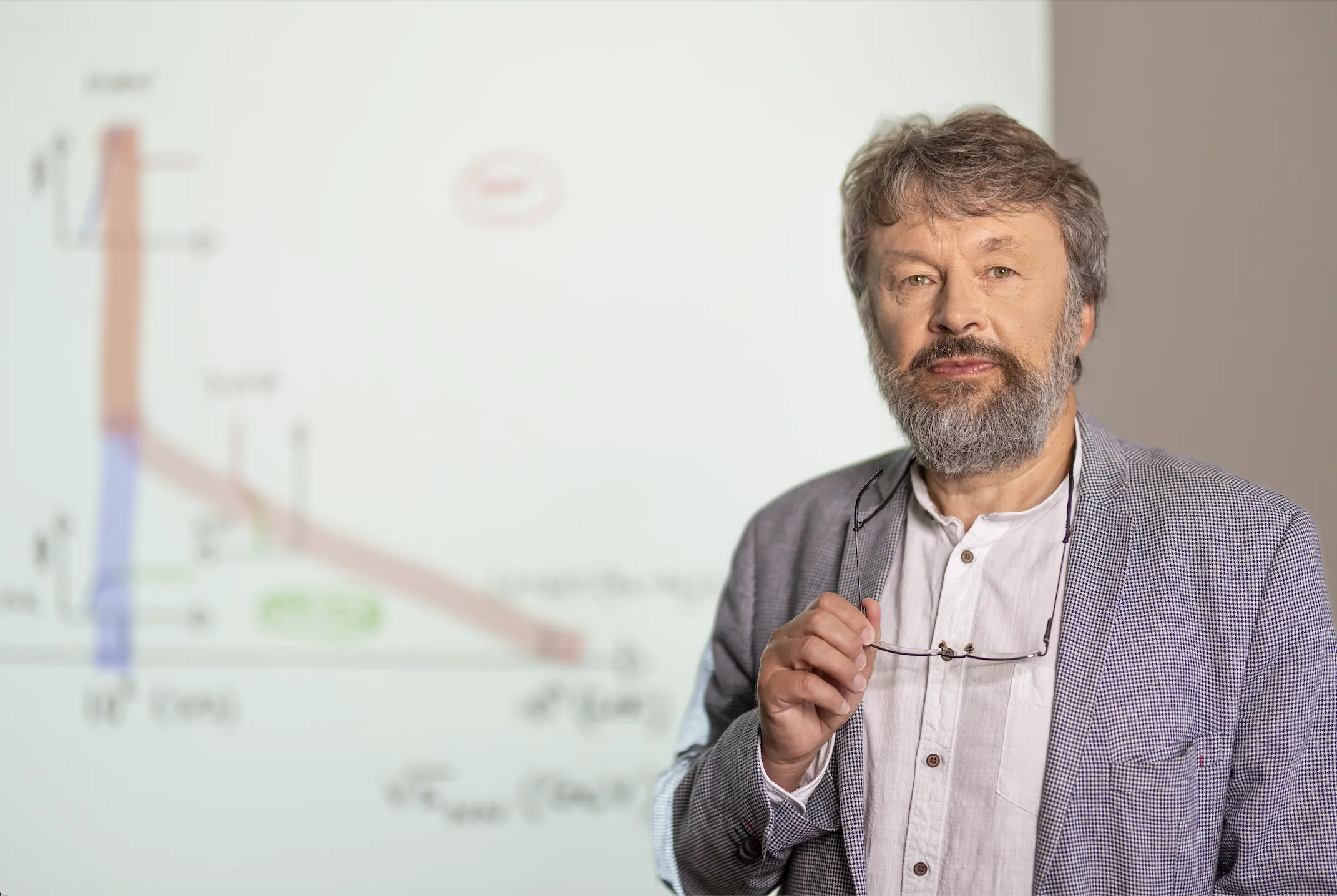
Marek Gazdzicki: Four Decades at the SPS – and Still Surprised by Strong Interactions
Marek Gazdzicki: Four Decades at the SPS – and Still Surprised by Strong Interactions After nearly two decades at the helm of NA61/SHINE, Marek Gazdzicki reflects in this interview on a lifetime at the SPS — from proposing the world’s first two-dimensional scan of nuclear collisions to the unexpected discovery of a large isospin symmetry
-
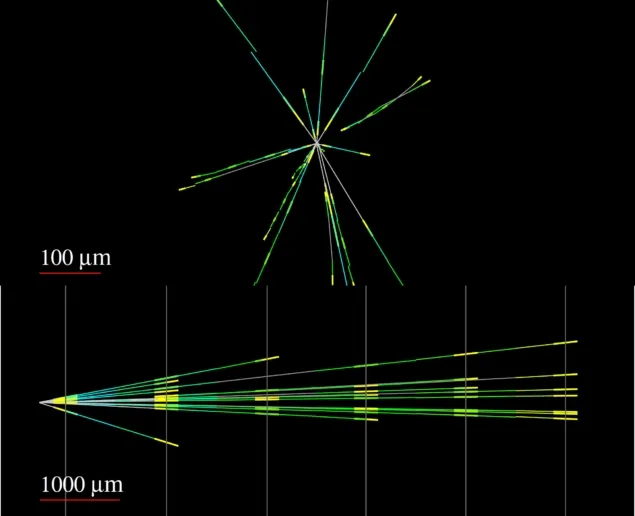
Welcome to the Collider Neutrino Era!
Welcome to the Collider Neutrino Era! Searches for new fundamental particles and interactions at hadron collider experiments such as the SPS, the TeVatron, and the LHC have traditionally focused on heavy and relatively strongly interacting states. The two general-purpose experiments of the LHC, ATLAS and CMS, were for this reason designed to cover the central
-
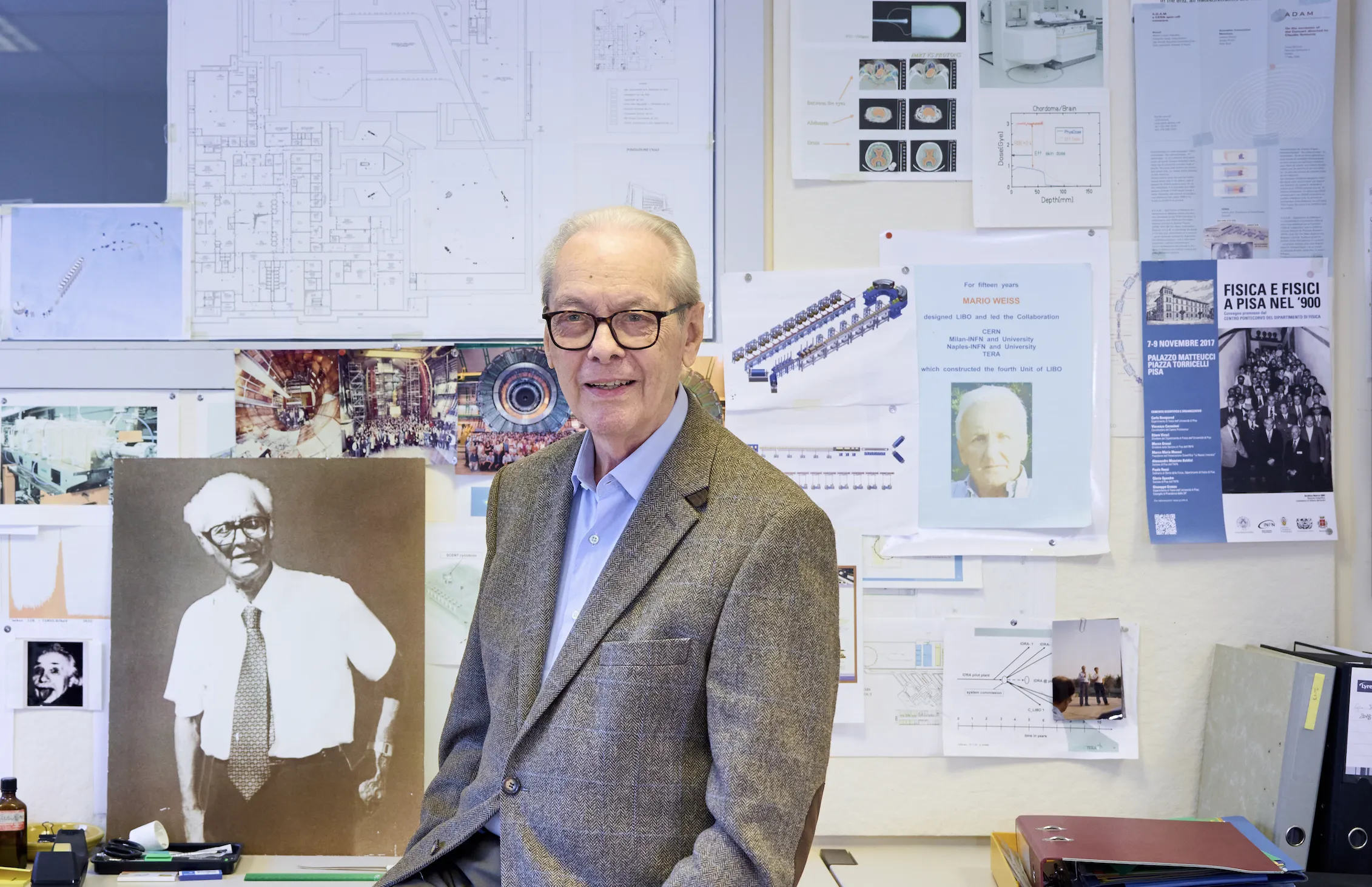
Interview with Ugo Amaldi: Reflections on CERN’s 70-Year Legacy and European Collaboration
Interview with Ugo Amaldi: Reflections on CERN's 70-Year Legacy and European Collaboration Portrait photo of Ugo Amaldi. Credits: Marina Cavazza, Copyright@CERN In the landscape of 20th-century European science, few figures loom as large as Edoardo Amaldi, a pioneering physicist who played a crucial role in establishing some of Europe’s most transformative scientific institutions. His son,
-
All the Objects in the Universe (and Some Questions)
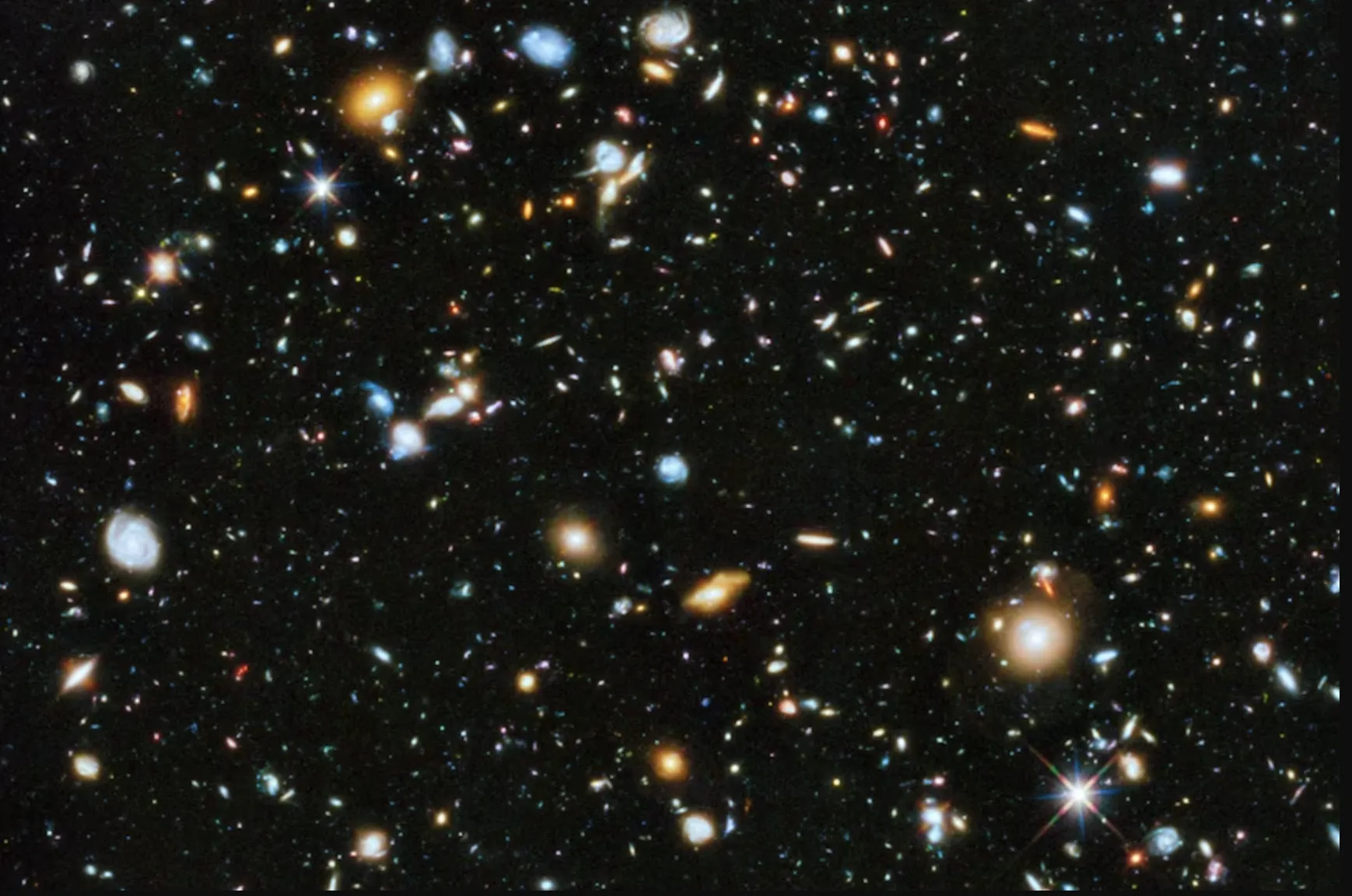
All the Objects in the Universe (and Some Questions) When astronauts look at the Earth from orbit, they are often awed by its beauty and isolation. They speak of the overview effect; a cognitive shift to a new larger perspective that gives context and meaning to their lives. For physicists, a similar, more abstract overview
-
An interview with Michael E. Peskin
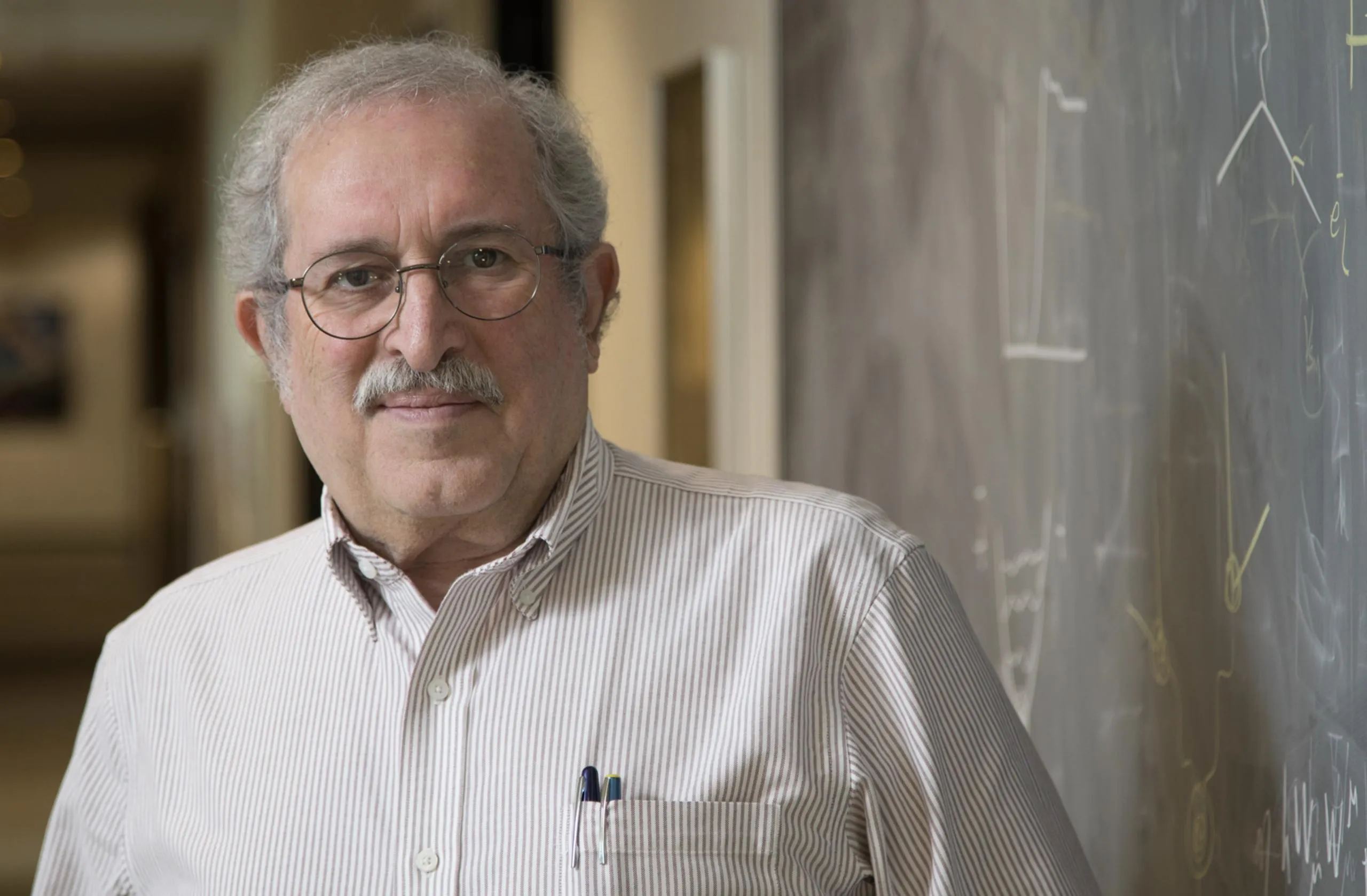
An interview with Michael E. Peskin What drove you into particle physics? I grew up in an environment that was keen on science. Both of my parents were doctors. My father was a well-known academic surgeon who held appointments at the University of Pennsylvania, the University of Chicago, UC San Diego, and Yale. My mother