
Tag: January 2025 – March 2025
-

CMS Launches New Monthly Newsletter: Le Point Cinq
CMS Launches New Monthly Newsletter: Le Point Cinq The CMS collaboration is excited to announce the launch of its new monthly newsletter, "Le Point Cinq." This fresh communication channel will provide regular updates on CMS physics highlights, the progress of upgrade projects, and essential collaboration news. Following a successful internal trial over the past couple
-

A word from the EP Department Head – March 2025
A word from the EP Department Head – March 2025 Dear colleagues in EP, I hope this message finds you all well. The skiing season nears its end and spring is coming. This is also the time when the accelerators and experiments at CERN get ready to start the data-taking period for the year. The
-
Exploring New Frontiers in Light Dark Matter Searches: The Latest NA64 Proposal
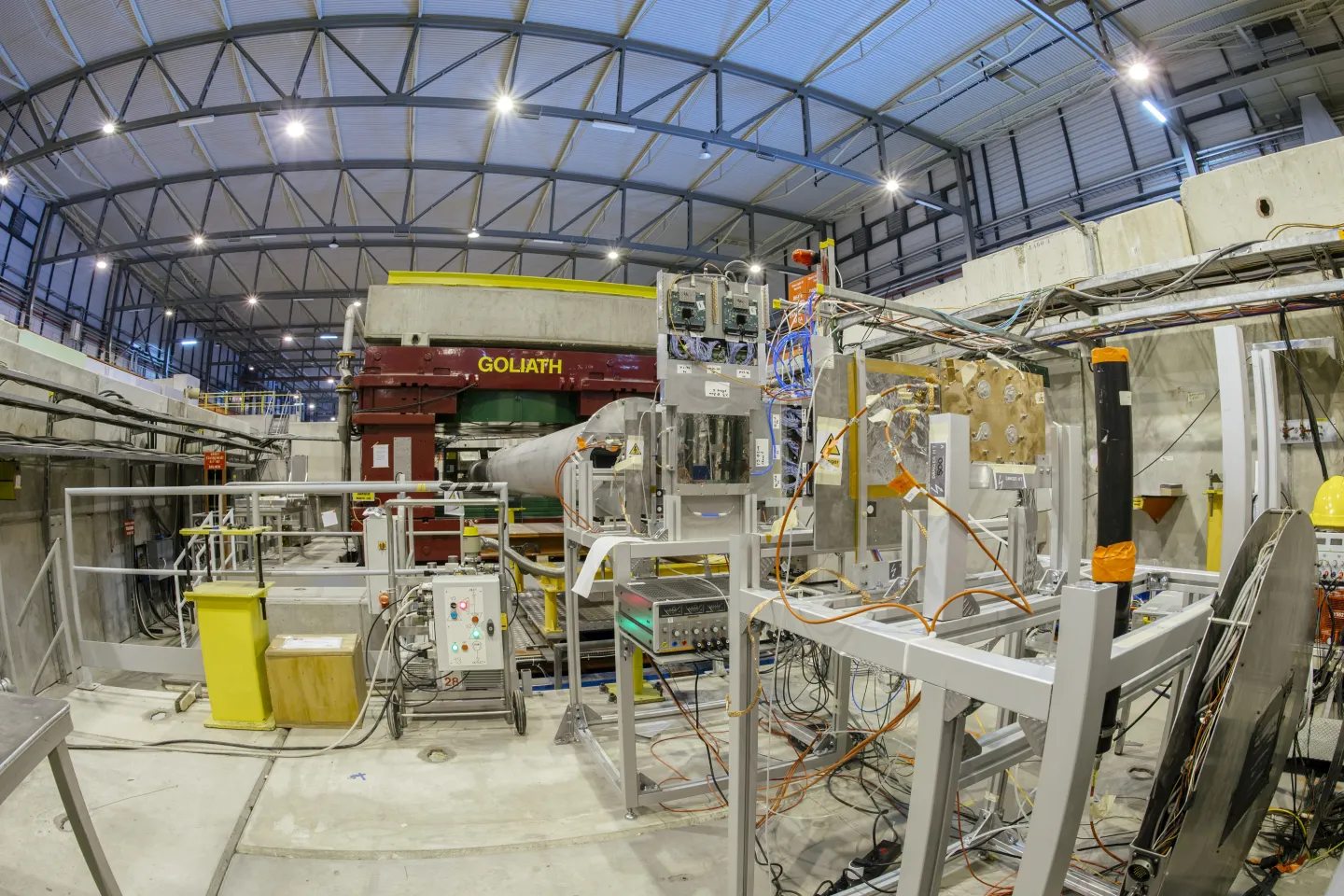
Exploring New Frontiers in Light Dark Matter Searches: The Latest NA64 Proposal The quest to understand the nature of dark matter remains one of the most compelling challenges in modern physics. The NA64 experiment (see Fig. 1) at CERN’s Super Proton Synchrotron (SPS) has been at the forefront of efforts to explore dark sector physics,
-

New Staff Members and Fellows (Spring 2025)
New Staff Members and Fellows (Spring 2025) Rocco Ardino Ciao! I’m an applied physicist from southern Italy working on the Compact Muon Solenoid (CMS) experiment. After earning a PhD in physics from the University of Padua and as part of the CERN Doctoral Student Programme, I have joined the EP department as a fellow. My
-
Probing Noise Sensitivity in FBCM: From ASIC Design to EMC Testing Teaser:
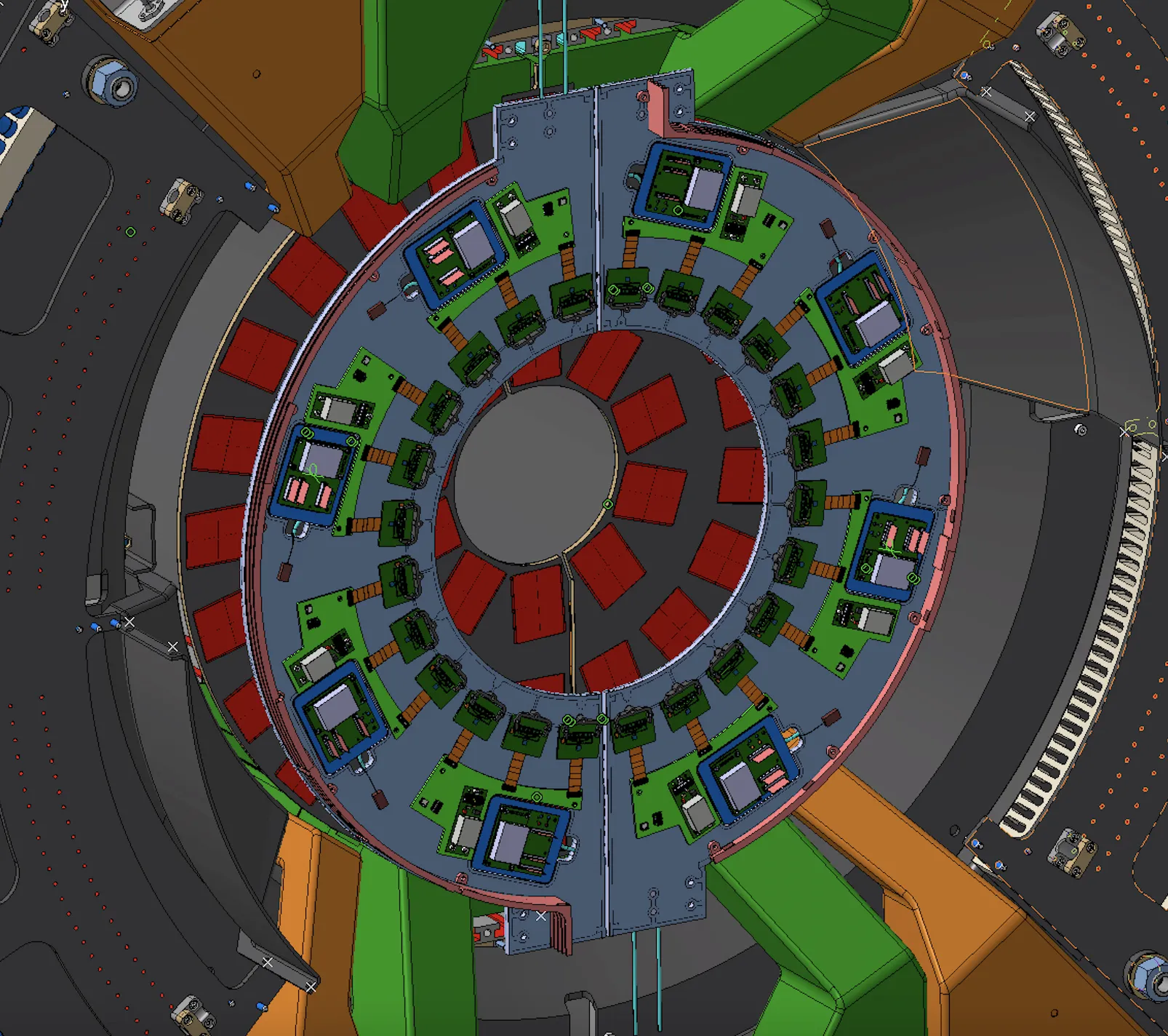
Probing Noise Sensitivity in FBCM: From ASIC Design to EMC Testing Teaser: Sketch of the FBCM location behind the last disk of the inner tracker (left) and a zoom to the two FBCM half discs forming a ring around the beam pipe with a detailed representation of the components on each service quadrant (right). The
-
Pushing the Frontiers of Detector Innovation: EP R&D Programme
Pushing the Frontiers of Detector Innovation: EP R&D Programme The Experimental Physics (EP) R&D programme at CERN continues to serve as a cornerstone for technological innovation in particle physics, developing the next generation of detector systems that will empower future discoveries. Launched in 2020, the programme supports the long-term vision of high-energy physics, contributing to
-
Isolated photon measurements in Pb–Pb collisions with ALICE
Isolated photon measurements in Pb–Pb collisions with ALICE Heavy-ion collisions (AA) at ultrarelativistic energies at the RHIC and LHC have produced during the last 25 and 15 years, respectively, an extremely hot and dense environment, a strongly interacting coloured medium named “quark-gluon plasma” (QGP), a state of matter where quarks and gluons are not confined
-
Gaseous detector technologies for future experiments
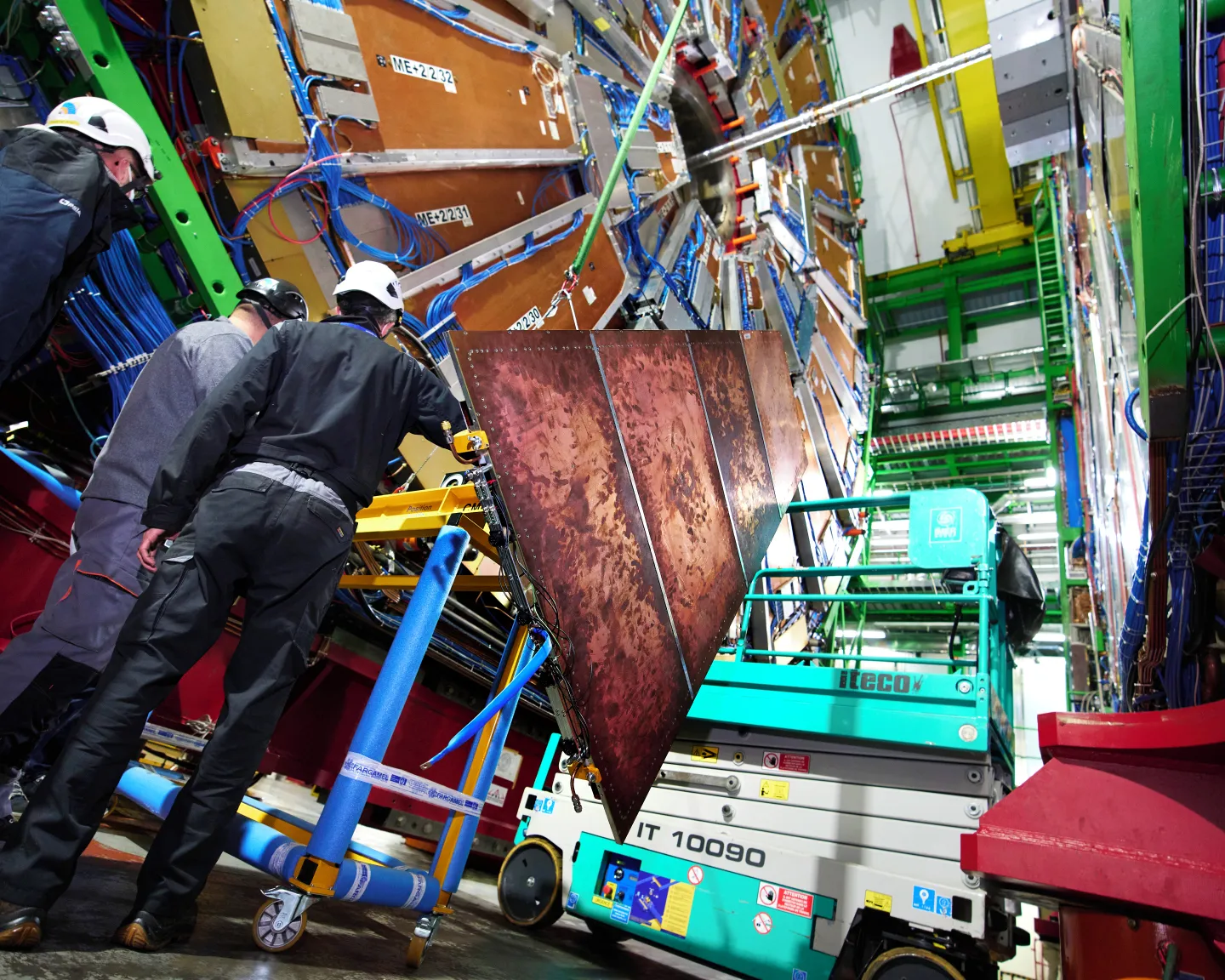
Gaseous detector technologies for future experiments Within the strategic EP R&D programme [1], WP2 covers developments of gaseous detector technologies for addressing the challenging needs of future experiments. The main research lines within WP2 cover the following activities: New structures and large-area gaseous detector systems New detection concepts and structures suitable for large-area gaseous detector
-
Advancing CERN’s Frontiers: The Role of Irradiation Facilities in Experimentation and R&D
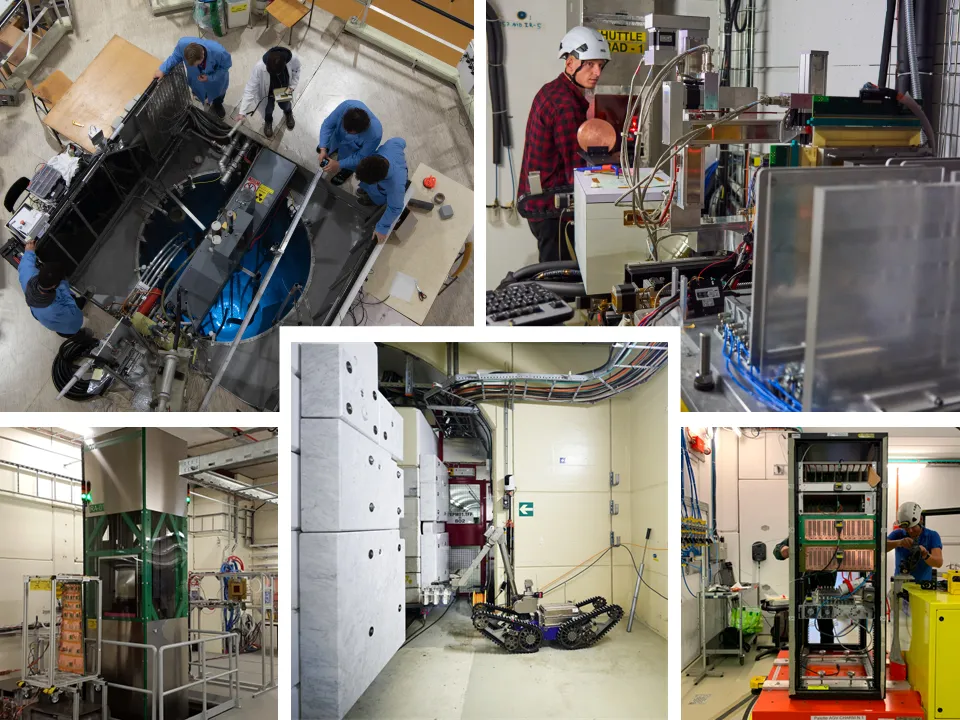
Advancing CERN’s Frontiers: The Role of Irradiation Facilities in Experimentation and R&D Irradiation is the process by which a material sample is exposed to radiation. This broad term encompasses various activities, from systematic qualification of components and materials following international standards to experimental research on particle detector and accelerator technologies aiming to develop devices and
-
Unlocking the Secrets of Antimatter: A journey through low-energy antimatter studies at CERN
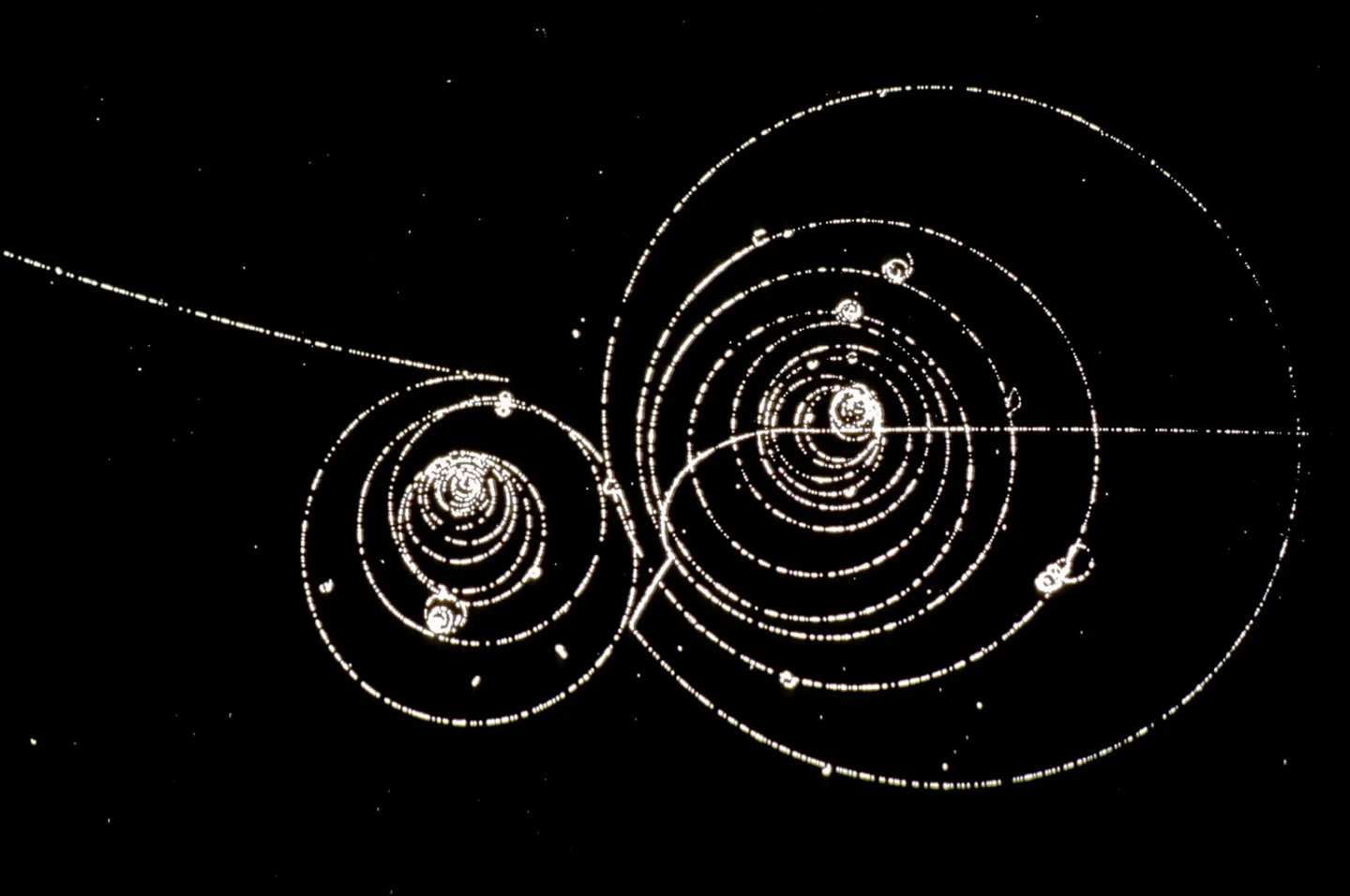
Unlocking the Secrets of Antimatter: A journey through low-energy antimatter studies at CERN The existence of antimatter is a fundamental aspect of our Universe and is predicted by the laws of quantum physics and symmetry principles. However, the theory does not match the experimental observations. According to our models, we would expect to have a