
Tag: July 2024 – September 2024
-
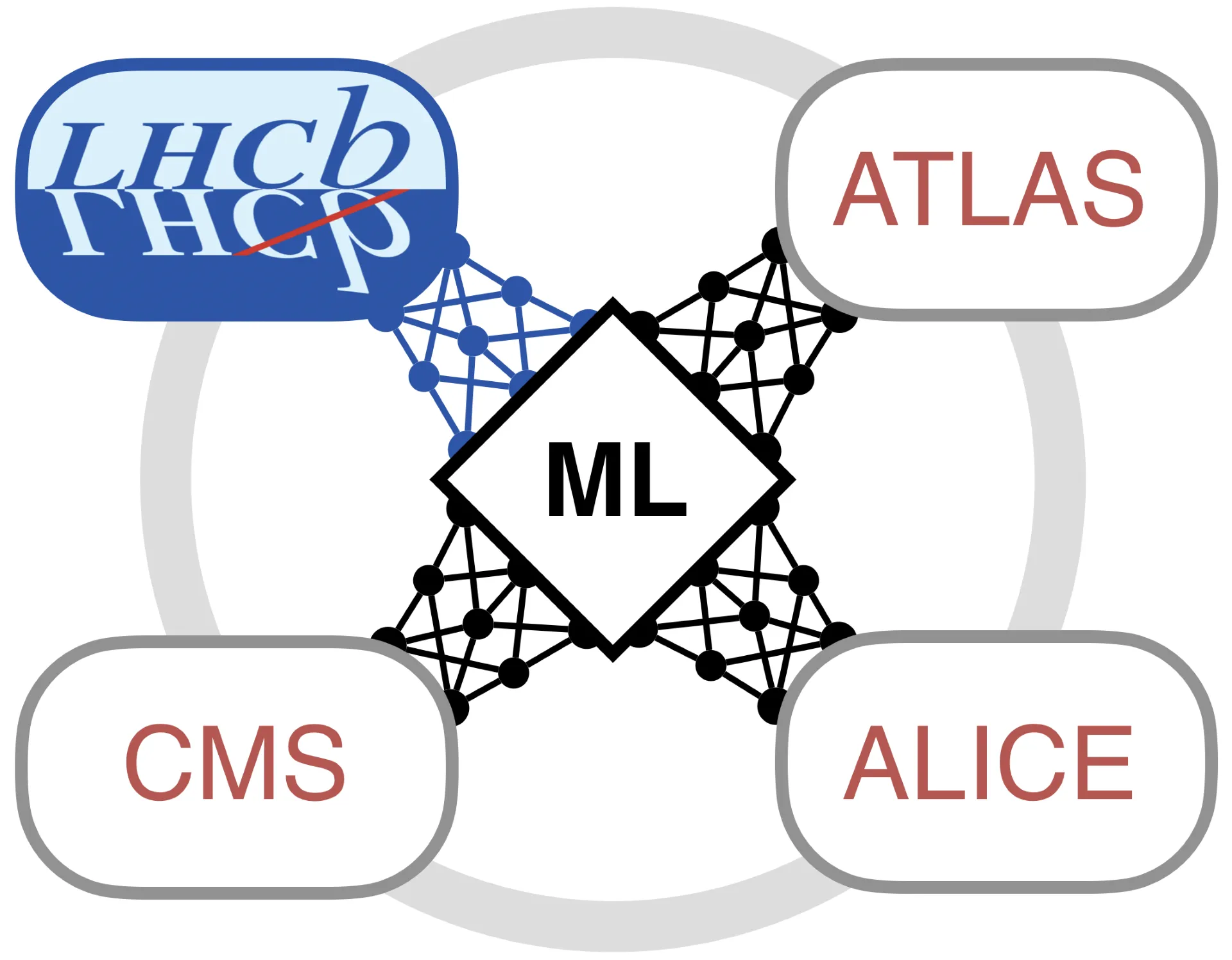
Machine Learning in action: shaping the future of LHCb and fostering cross-experiment collaboration
Machine Learning in action: shaping the future of LHCb and fostering cross-experiment collaboration Common challenges and the democratic nature of ML are building new bridges across experiments. The LHCb experiment is ramping up its R&D efforts in Machine Learning (ML), while also addressing the challenges of deploying ML in production and fostering multi-experiment collaborations. Why?
-
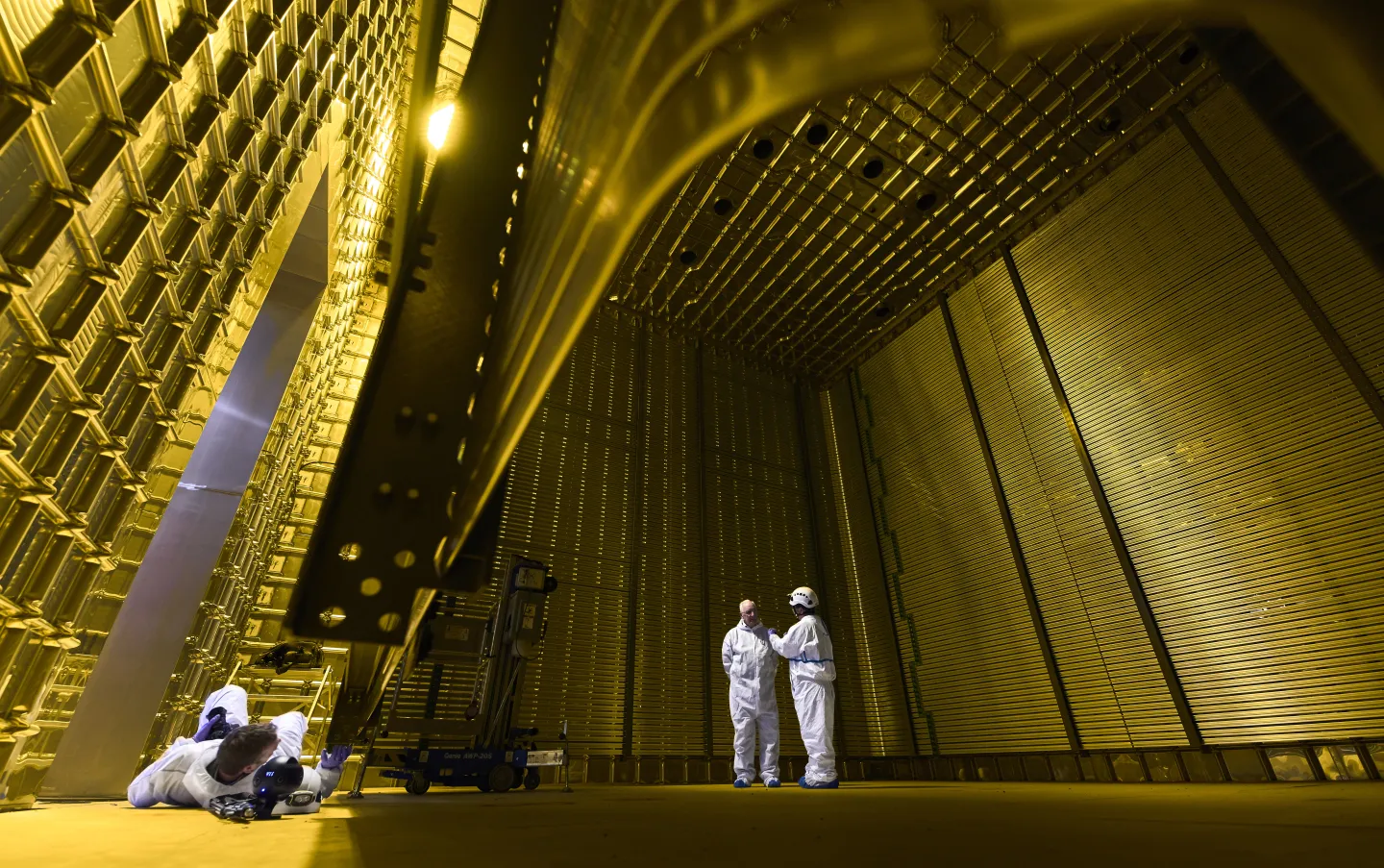
ProtoDUNE: Paving the Way for the Deep Underground Neutrino Experiment
ProtoDUNE: Paving the Way for the Deep Underground Neutrino Experiment The Deep Underground Neutrino Experiment (DUNE) at the Long-Baseline Neutrino Facility (LBNF) is a groundbreaking scientific initiative poised to elucidate the mysteries of neutrinos. Its progress has been marked by remarkable feats of engineering and scientific innovation. In February 2024 LBNF reached a critical milestone
-
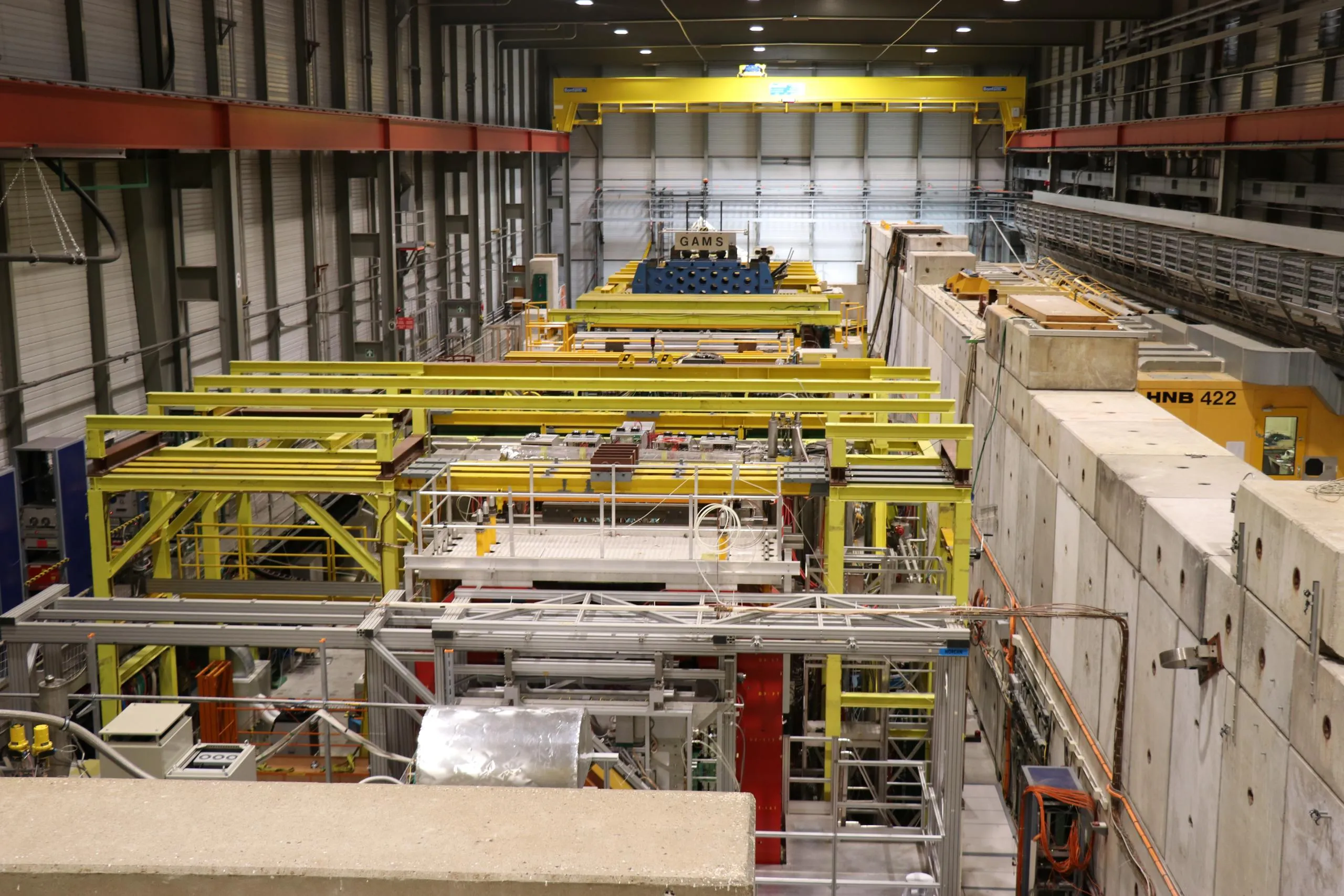
AMBER uncovers the universe’s mysteries
AMBER uncovers the universe’s mysteries The AMBER spectrometer. Credit: K Bernhard-Novotny/A Sargsyan Despite our extensive knowledge, the universe remains mysterious in many ways. To this day, questions prevail about the origin of the matter-antimatter asymmetry. The exact sources of antiprotons in our galaxy are largely unknown. Do they originate from cosmic ray collisions with the
-
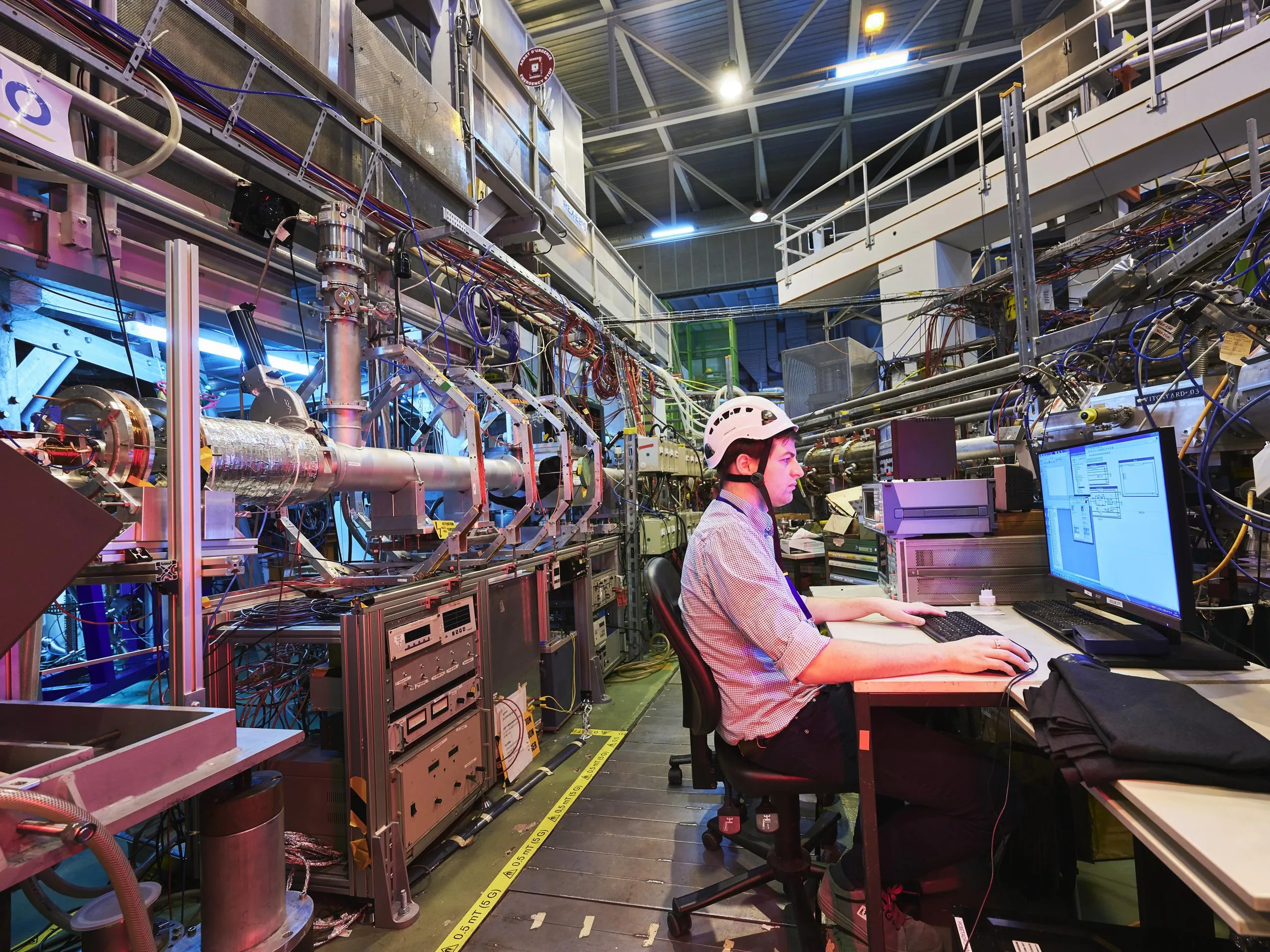
ISOLDE’s New Beta-Decay Station Unlocks Advanced Decay-Spectroscopy Experiments with Laser-Polarised Unstable Nuclei
ISOLDE’s New Beta-Decay Station Unlocks Advanced Decay-Spectroscopy Experiments with Laser-Polarised Unstable Nuclei Exciting new opportunities for experiments with beta-decaying atomic nuclei have arisen at the ISOLDE facility with the recently developed new spectroscopy station called DeVITO [1]. The novelty of the setup lies in its integration with the VITO beamline for laser-polarisation of radioactive beams
-
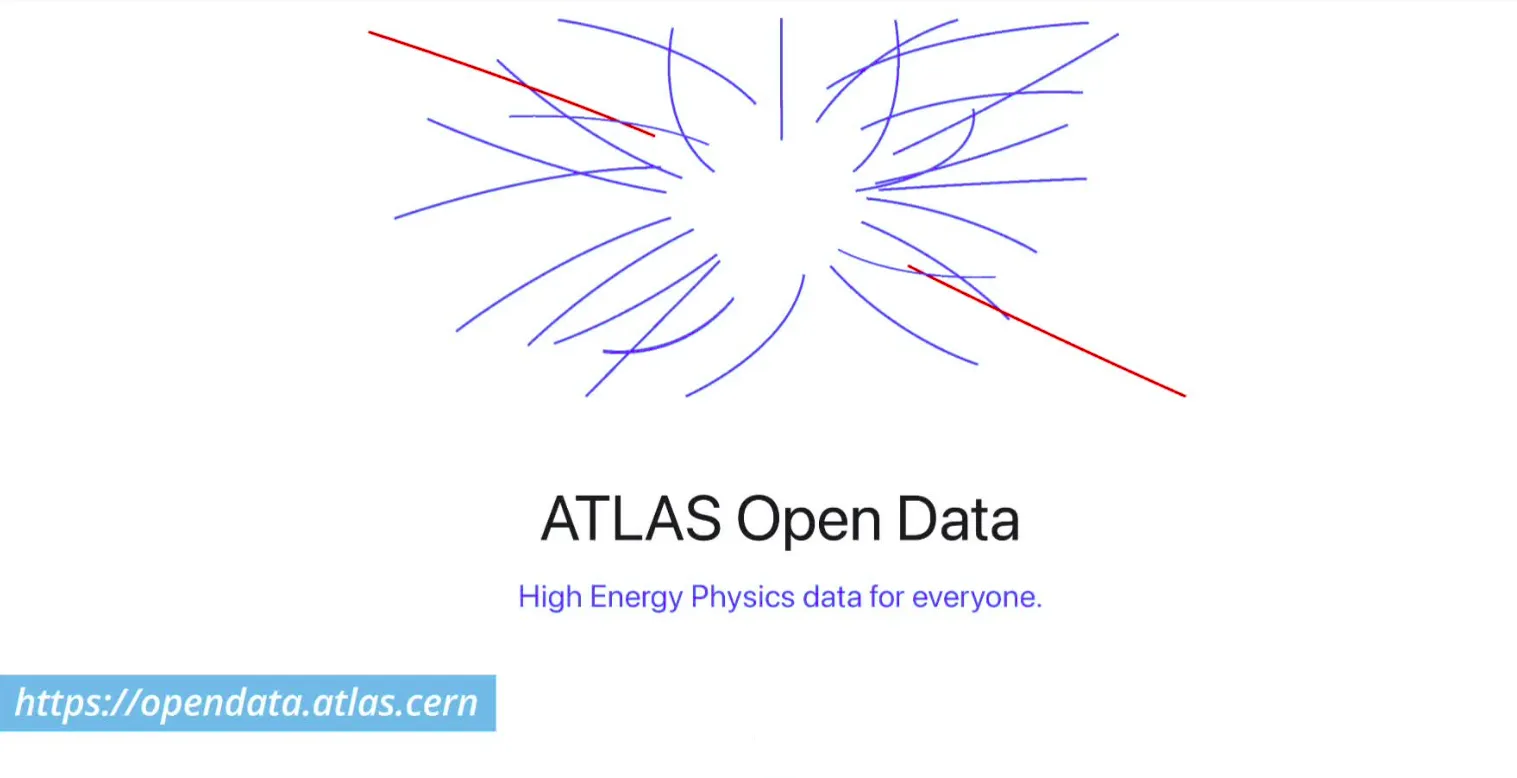
ATLAS releases 2015 and 2016 proton–proton datasets for public research use
ATLAS releases 2015 and 2016 proton–proton datasets for public research use The ATLAS Collaboration has announced the release of 7 billion proton–proton collision events, alongside 2 billion simulated events, in the collaboration’s first release of open data for scientific research. The open data, available through CERN’s Open Data portal, comprise the entire 2015 and 2016
-
Charting the Future of Neutrino Experiments
Charting the Future of Neutrino Experiments The development of next-generation neutrino experiments is underway at CERN, which will shed light on the nature of these elusive particles. While the development of far and near detectors is advancing well, novel identification techniques for neutrino beams are vital to strongly reduce systematic uncertainties on key observables –
-
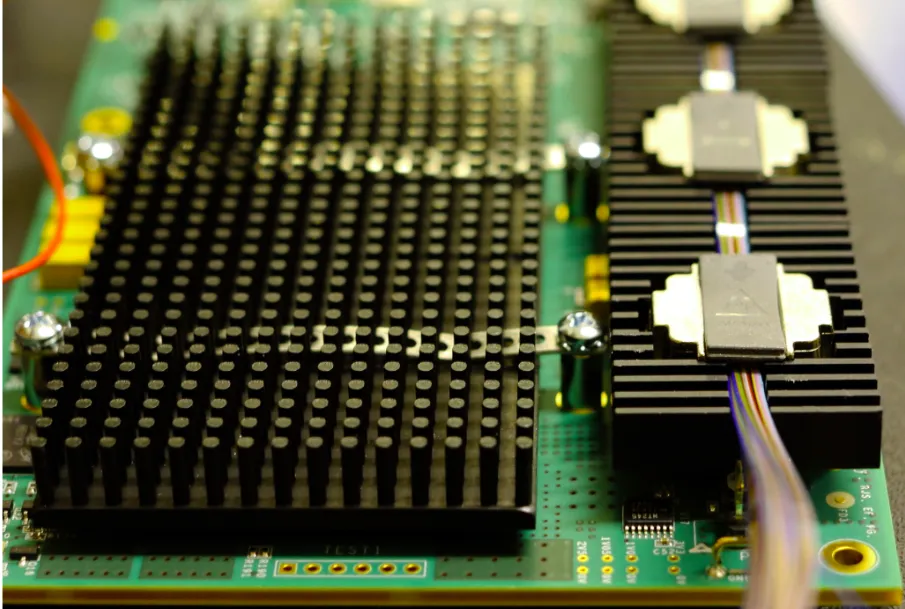
DRD7: An R&D Collaboration Pioneering Electronics for Future Particle Detectors
DRD7: An R&D Collaboration Pioneering Electronics for Future Particle Detectors On June 5, 2024, the CERN Research Board approved the DRD7 Collaboration for an initial three-year period. The collaboration will focus on developing and demonstrating new electronic hardware, firmware, and software concepts. Its main goal is to pursue disruptive and transformative innovations, but it will
-
Unveiling the Power of Software in Science: Inside the EVERSE Network
Unveiling the Power of Software in Science: Inside the EVERSE Network Researchers across all sciences use different types of tools: benches, centrifuges, lasers, weather balloons, seismographs, telescopes… you name it. At CERN, such a “hardware tool” is the LHC, together with all our other accelerator facilities, which are invaluable for exploring the world of particles.