
Tag: March 2021 – May 2021
-
LHC takes on the SMEFT challenge
LHC takes on the SMEFT challenge The quest for new physics at the LHC is entering a new phase: the experiments are designing new strategies to target potential deviations from the Standard Model (SM) predictions in a systematic way, to complement the traditional “bump hunts” and, potentially, extend their sensitivity to mass regions beyond the
-

Colliding Particles meet Gravitational Waves
Colliding Particles meet Gravitational Waves Gravitational waves contain crucial information on the structure and on the history of the Universe. They can give us access to unique insights on particle physics at very high energies and astrophysics in extreme regimes. The detection of gravitational waves and the measurement of their properties is arguably one of
-
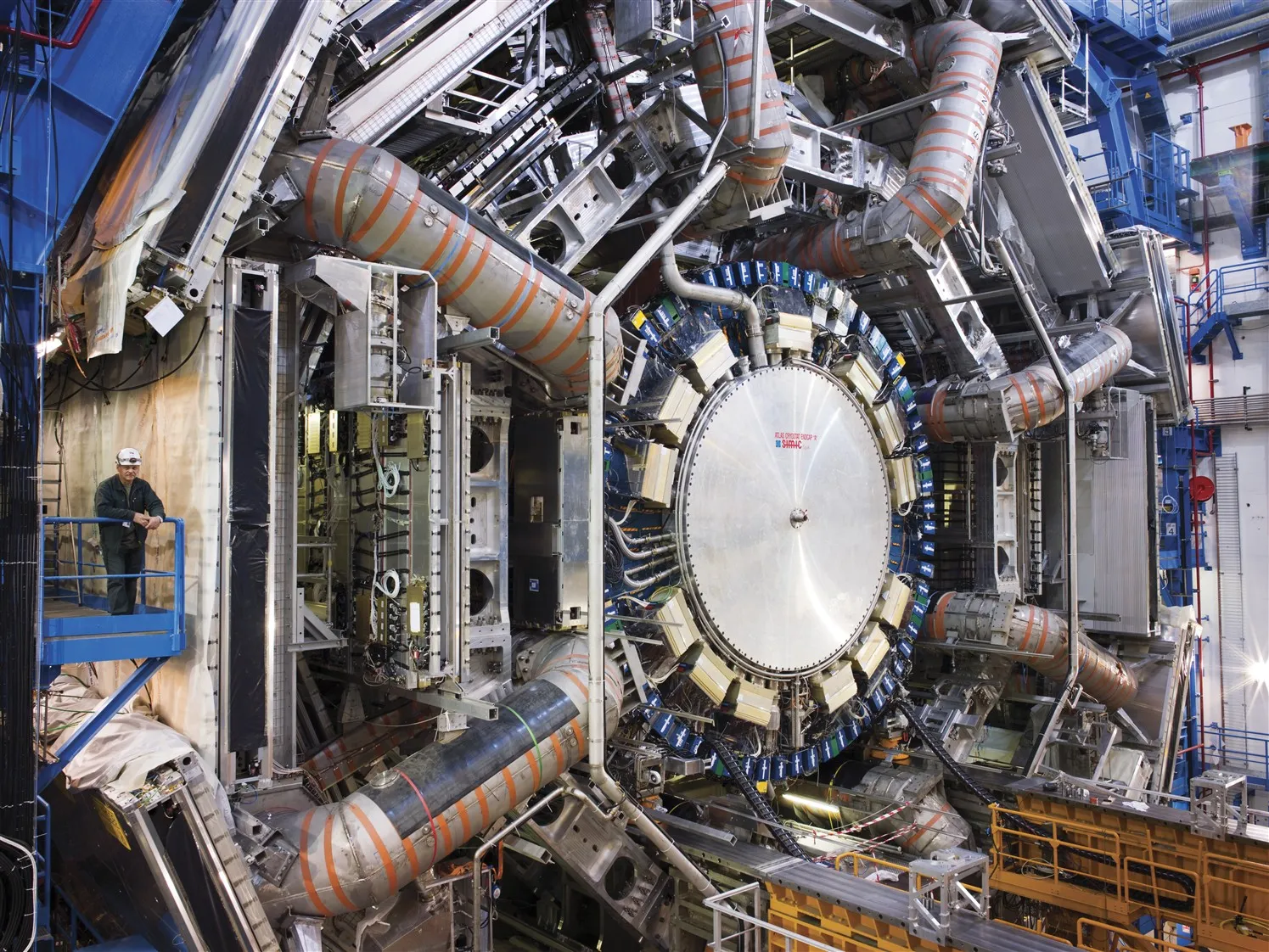
ATLAS faces the challenge of Run 3
ATLAS faces the challenge of Run 3 The ATLAS experiment is a general-purpose particle detector operating at the LHC. It consists of several concentric layers of particle detectors occupying a cylindrical volume 46m long and 25m in diameter. The innermost detectors reconstruct the trajectories of charged particles produced in the beam collisions with high precision.
-
A word from the EP Deputy Department Head – March 2021
A word from the EP Deputy Department Head – March 2021 Dear Colleagues in EP, We are in the second year of a global pandemic. Safety measures and travel restrictions are impacting our work, communication and social life. Despite all the difficulties, the new issue of the EP Newsletter demonstrates that scientific life at CERN
-
Joining CERN’s Alumni Network matters
Joining CERN’s Alumni Network matters It has been almost four years since the launch of the CERN Alumni Network in June 2017 as a strategic objective of the CERN management. It is very easy to lose track of most CERN’s members of personnel and associates after they embark on their various career paths – even
-
ALICE gears up towards a rich Run 3 QCD programme
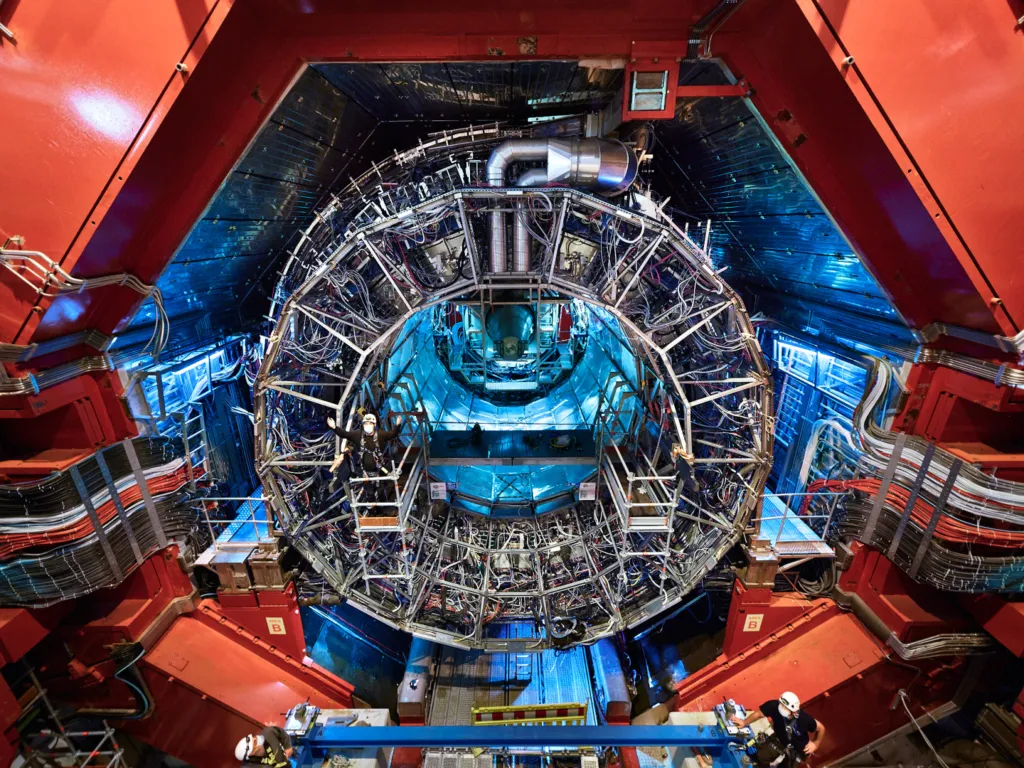
ALICE gears up towards a rich Run 3 QCD programme Quantum Chromodynamics (QCD), the theory of strong interactions, is characterised by a rich phase diagram. The elementary coloured degrees of freedom of the theory, quarks and gluons, under ordinary conditions are confined in colour-neutral hadrons and get free to propagate over distances larger than the
-
CMS experiment prepares for Run 3
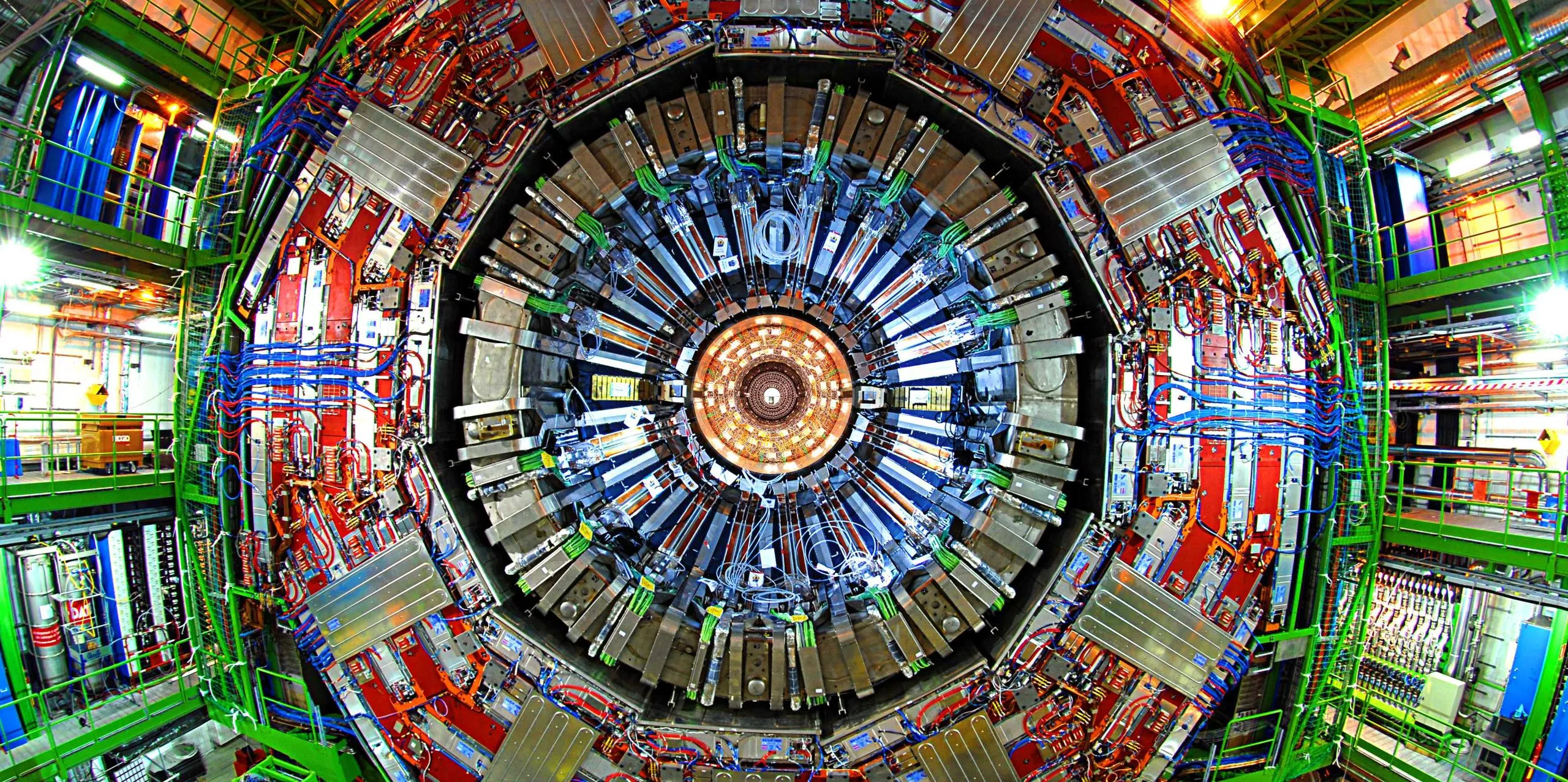
CMS experiment prepares for Run 3 The CMS experiment is one of the four large experiments at the LHC and a detailed description of the detector’s inner and outer layers can be found here. The detector successfully operated with LHC collisions since 2010 leading to the Higgs boson discovery in 2012 by the CMS and
-
LHCb experiment looks forward
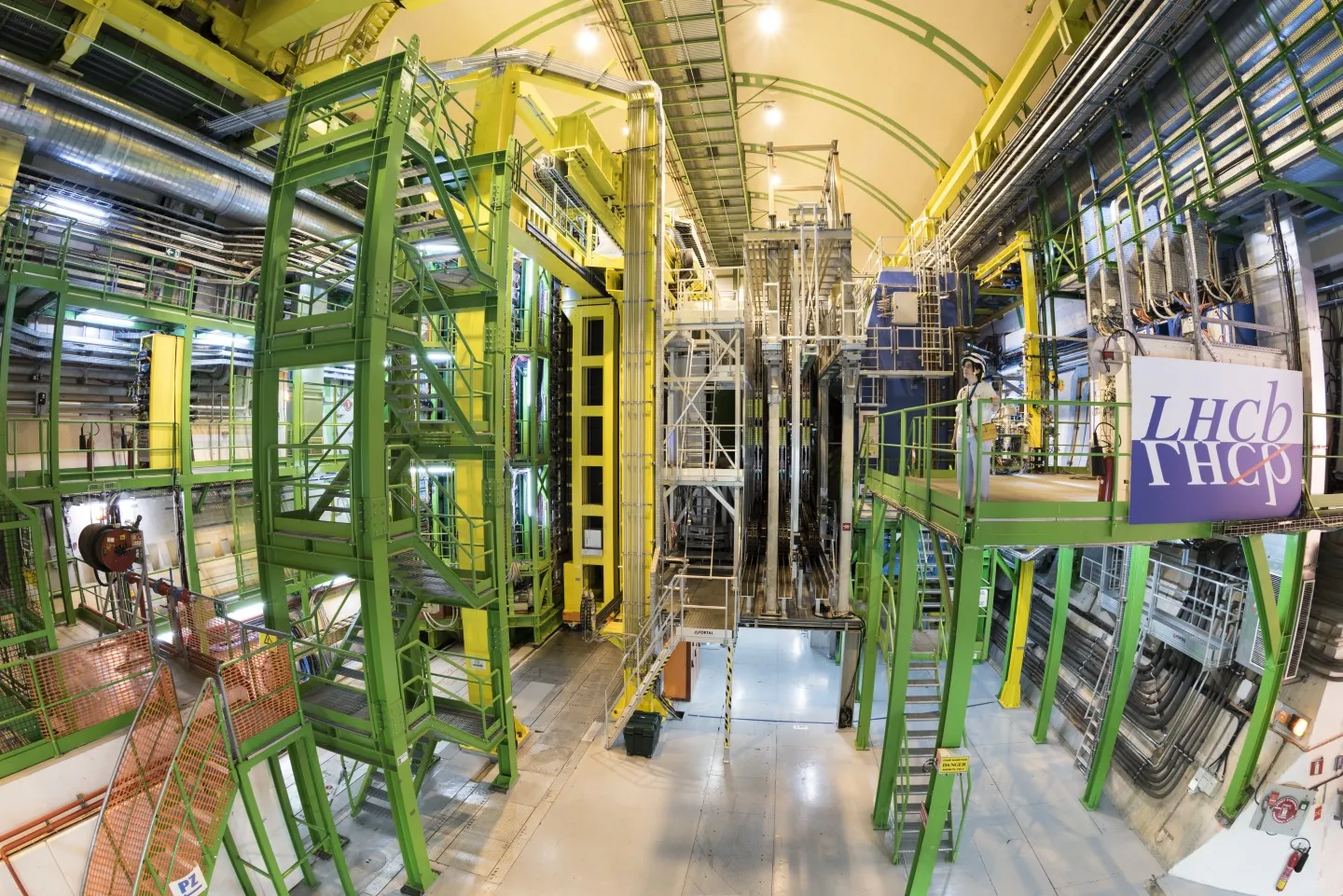
LHCb experiment looks forward The LHCb detector provides unique precision coverage of the forward region at the LHC, enabling world-leading studies of flavour physics and more. The collaboration is currently installing the first major upgrade of the detector. This upgrade will allow proton collisions with an instantaneous luminosity of 2 x 1033 cm-2s-1, an increase
-
AIDAInnova: Tailwind from the EC for concerted detector development
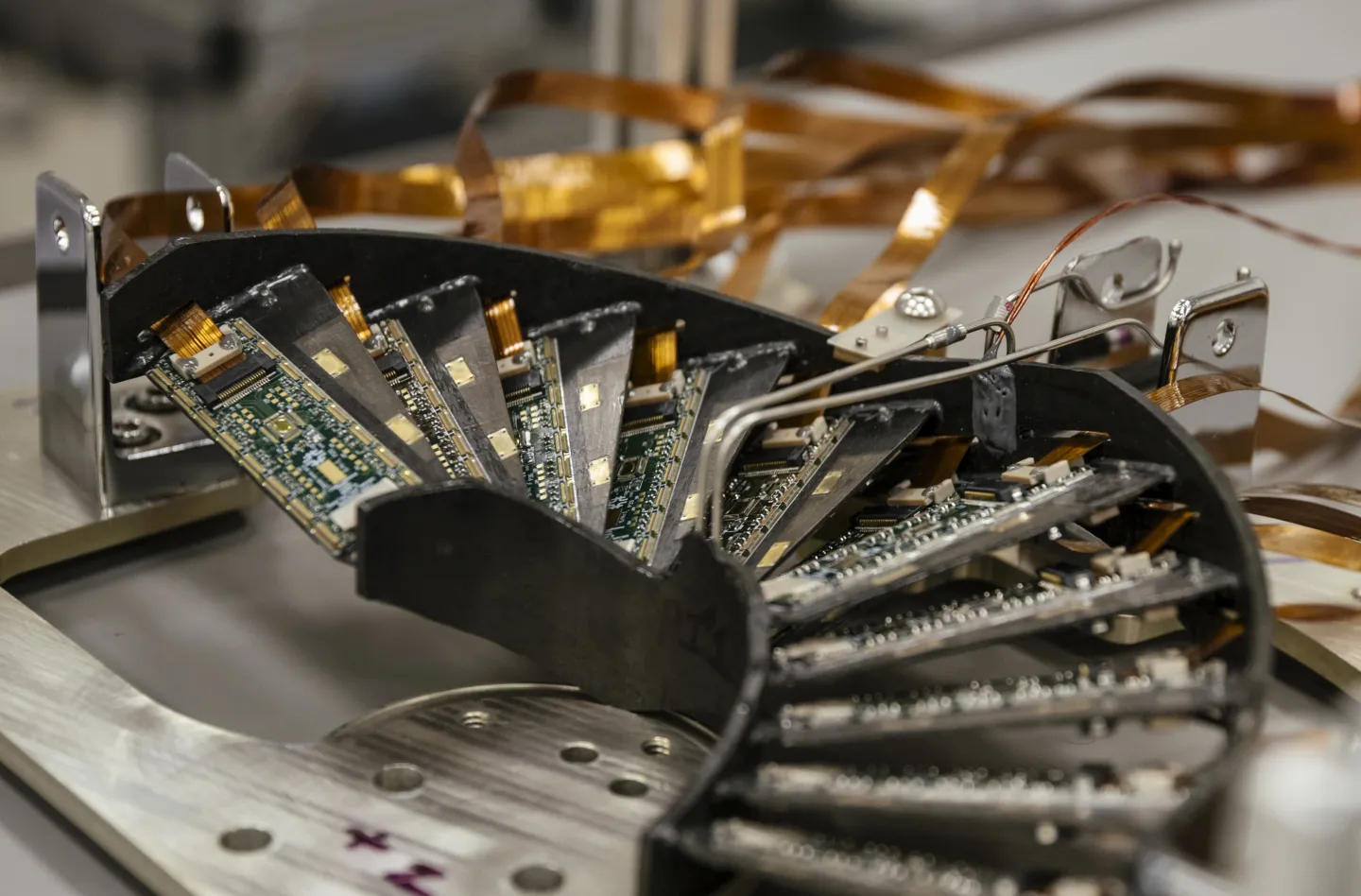
AIDAInnova: Tailwind from the EC for concerted detector development For more than two decades, a number of coordinated initiatives in Europe have targeted the fundamental and technological issues associated with the development and exploitation of the most advanced detectors for particle physics research. From the first type of detectors including photographic plates and bubble chambers
-
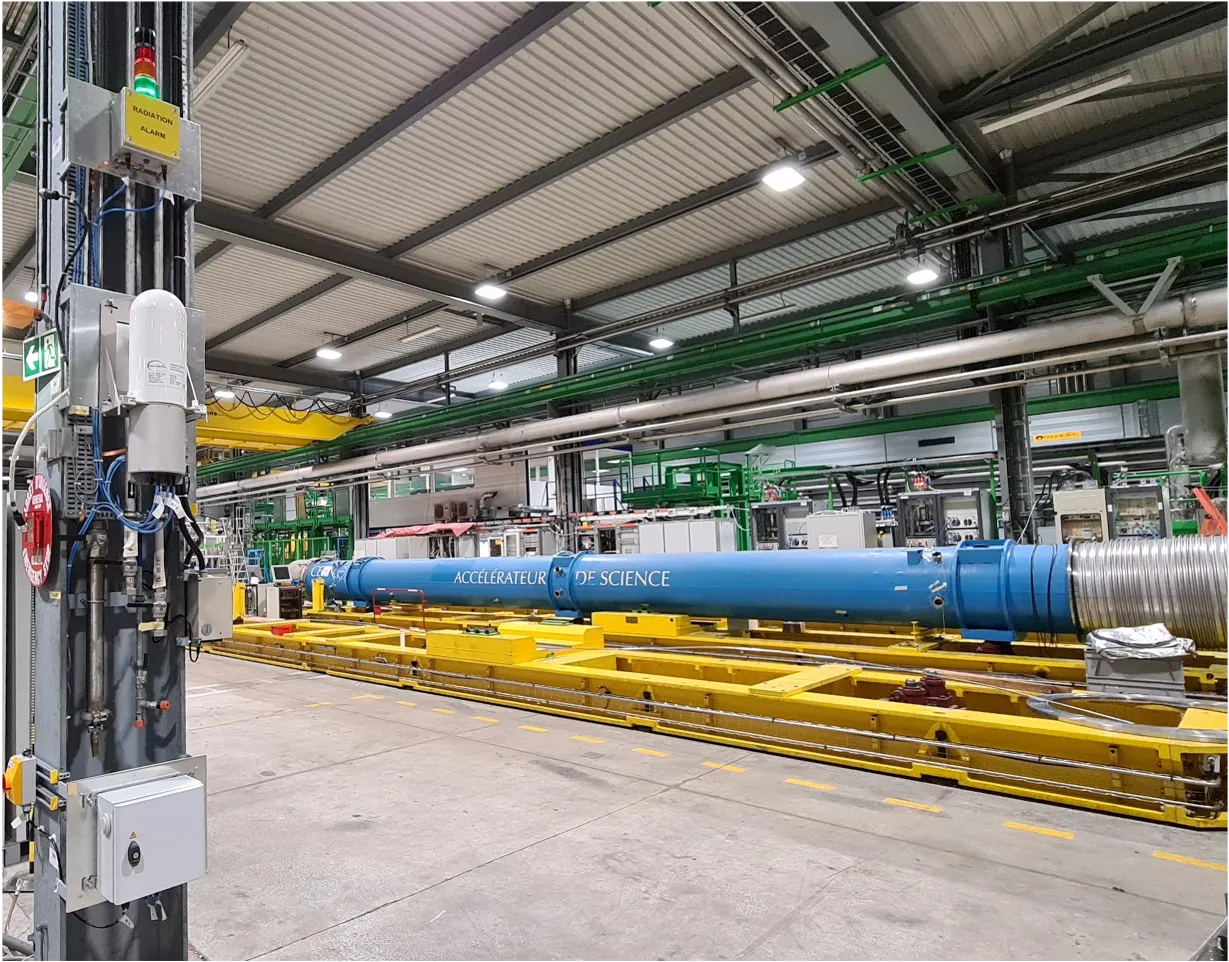
A safety and reliability perspective of the CERN RadiatiOn Monitoring Electronics (CROME).
A safety and reliability perspective of the CERN RadiatiOn Monitoring Electronics (CROME). CERN has the legal obligation to protect the public and the people working on its premises from any unjustified exposure to ionising radiation. In this context, radiation monitoring is one of the main tasks of the Radiation Protection Group. Currently, around 800 radiation