
Tag: March 2024 – June 2024
-

In discussion with Cumrun Vafa
In discussion with Cumrun Vafa In the realm of theoretical physics, few minds are as celebrated as Cumrun Vafa. Cumrun Vafa is the Hollis Professor of Mathematicks and Natural Philosophy in the Physics Department at Harvard University. Throughout his career, he has made groundbreaking contributions to our understanding of the universe, from the nature of
-
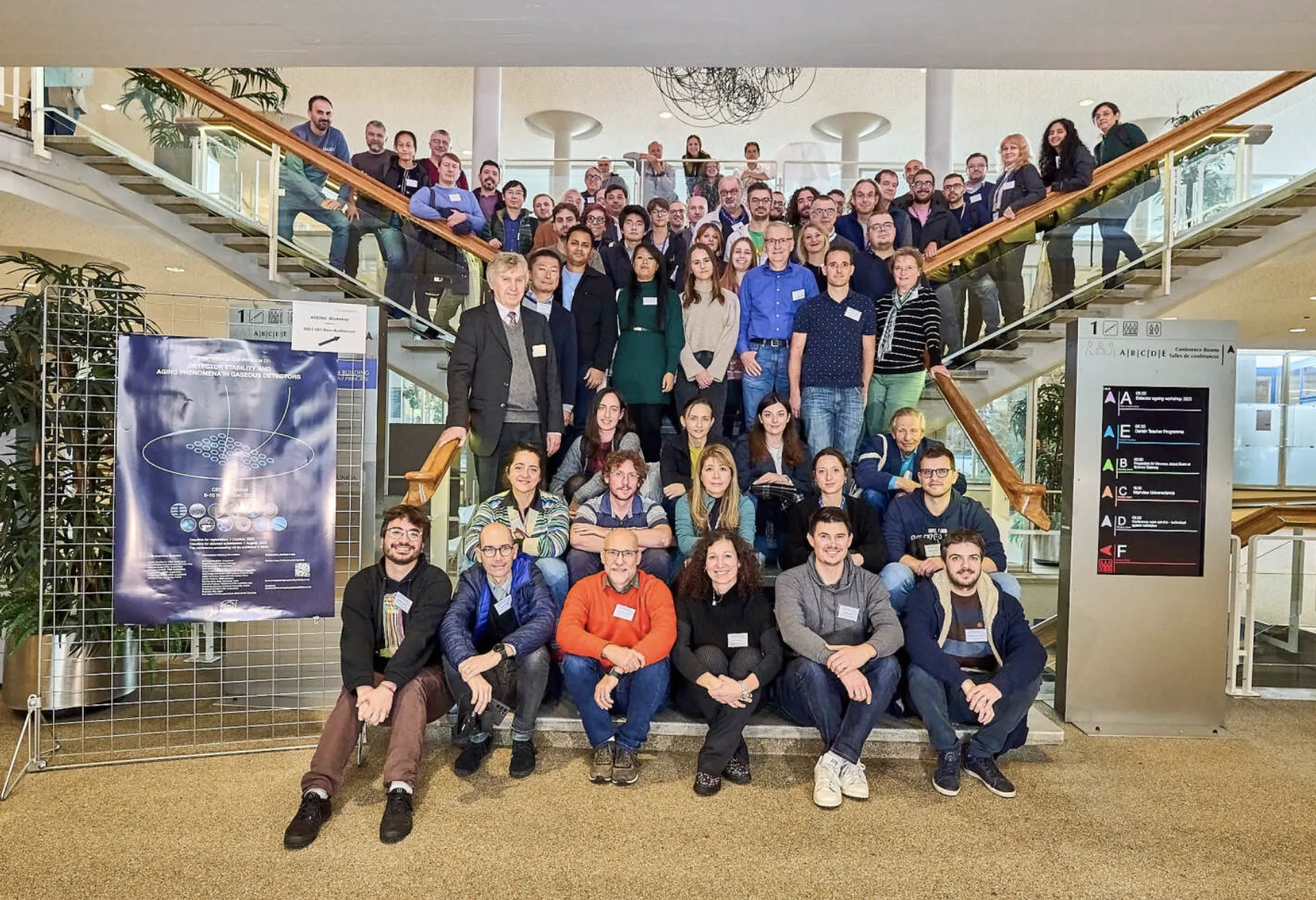
Unveiling the Hidden Foes: Tackling Aging Phenomena in Gaseous Detectors
Unveiling the Hidden Foes: Tackling Aging Phenomena in Gaseous Detectors The Large Hadron Collider (LHC) at CERN smashes particles together at record-breaking energies and intensities, unlocking the secrets of our universe. But lurking beneath the excitement of groundbreaking discoveries lies a constant battle against the inevitable – detector ageing. These colossal detectors, instrumental in capturing
-

The Future of HEP Computing Considered
The Future of HEP Computing Considered We are well-used to long lead times in particle physics. Detectors that are commissioned often rely on technology that was in an R&D phase decades before and now, as the CERN community, we now plan for new accelerators that will still be operational at the end of this century.
-
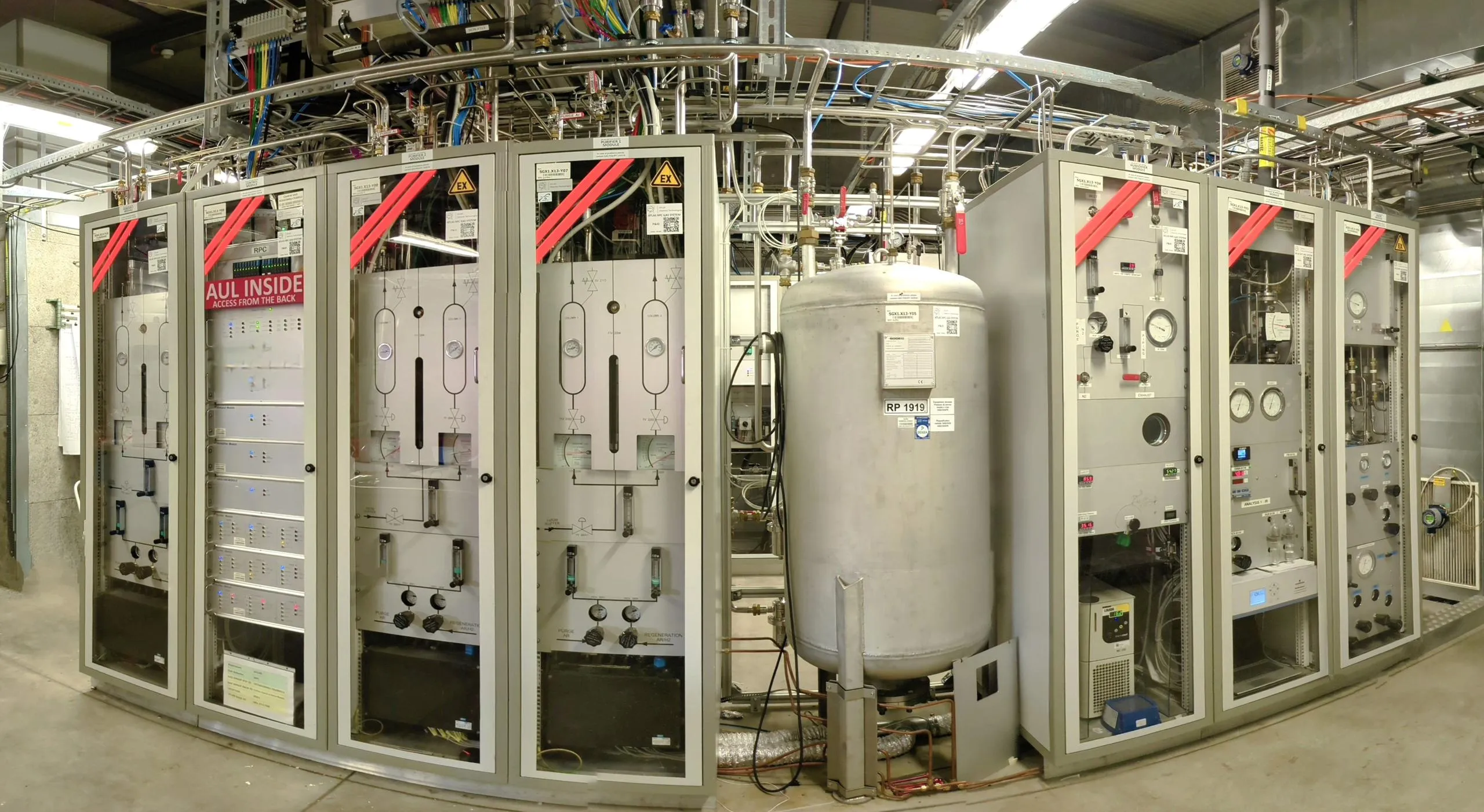
Reducing the greenhouse gas emissions from particle detection systems at CERN: status and perspectives.
Reducing the greenhouse gas emissions from particle detection systems at CERN: status and perspectives. At CERN experiments, some particle detector systems are operated with gas mixtures containing fluorinated gases. These gases are essential for achieving the specific detector performance required for data taking (e.g., long-term stability, time resolution, rate capability). However, these fluorinated gases (tetrafluoromethane
-
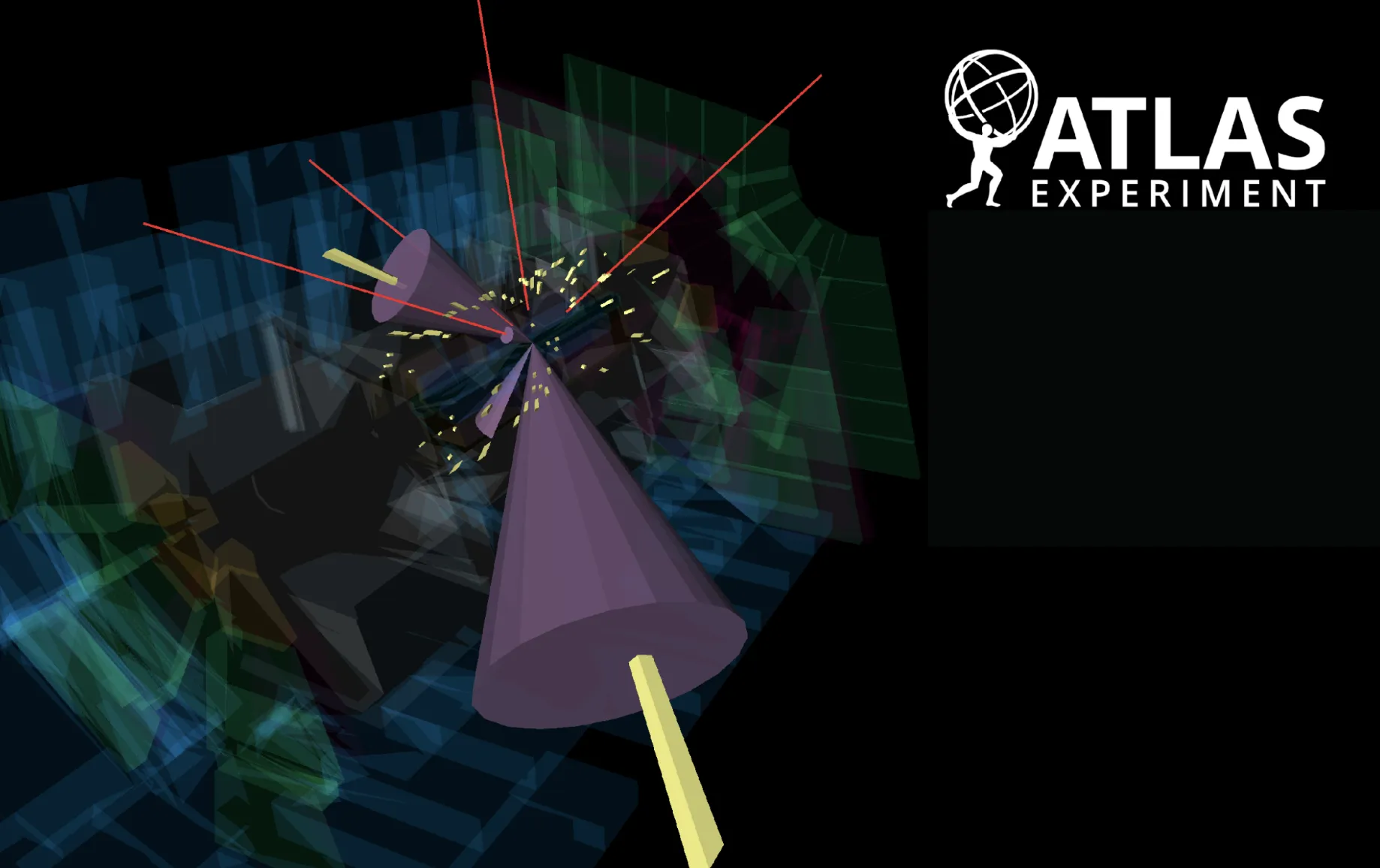
Extending ATLAS Physics Reach with Analysis Reuse Technology
Extending ATLAS Physics Reach with Analysis Reuse Technology In August 2023, the ATLAS Collaboration presented the most comprehensive results to date of searches for electroweak production of supersymmetric particles interpreted within the Phenomenological Minimal Supersymmetric Standard Model (pMSSM) theoretical framework. This result was a tour de force from ATLAS’s supersymmetry physics group, pulling together results
-
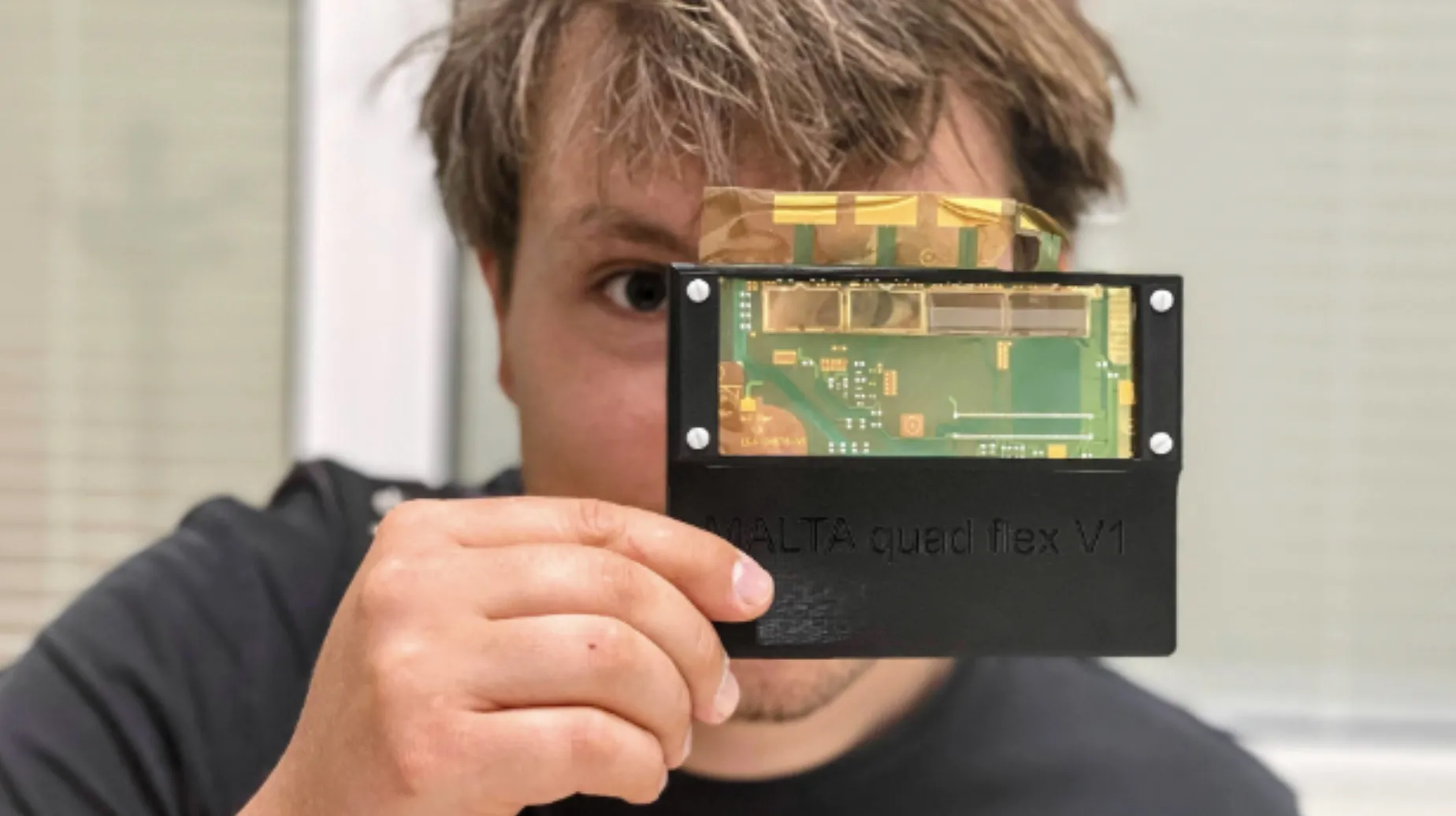
Silicon-detector modules for future experiments
Silicon-detector modules for future experiments The strategic EP R&D programme on technologies for future experiments pursues an ambitious development programme for advanced silicon detectors. Achieving reliable, high-performance, large-area tracking and timing detector systems with minimal material content and affordable cost presents major challenges. These challenges include hybridizing sensors and readout ASICs, as well as integrating
-
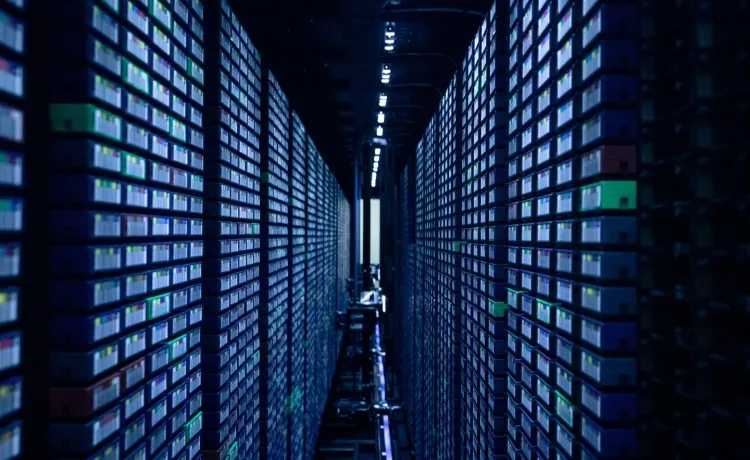
Navigating the Data Tsunami: CMS Prompt Data Processing and Distribution in Run 3
Navigating the Data Tsunami: CMS Prompt Data Processing and Distribution in Run 3 Improvements implemented in the CMS trigger and data acquisition systems before the start of Run 3 LHC in 2022 have enabled an increase in both the event rate and the volume of useful data collected by the CMS detector, thereby broadening its
-
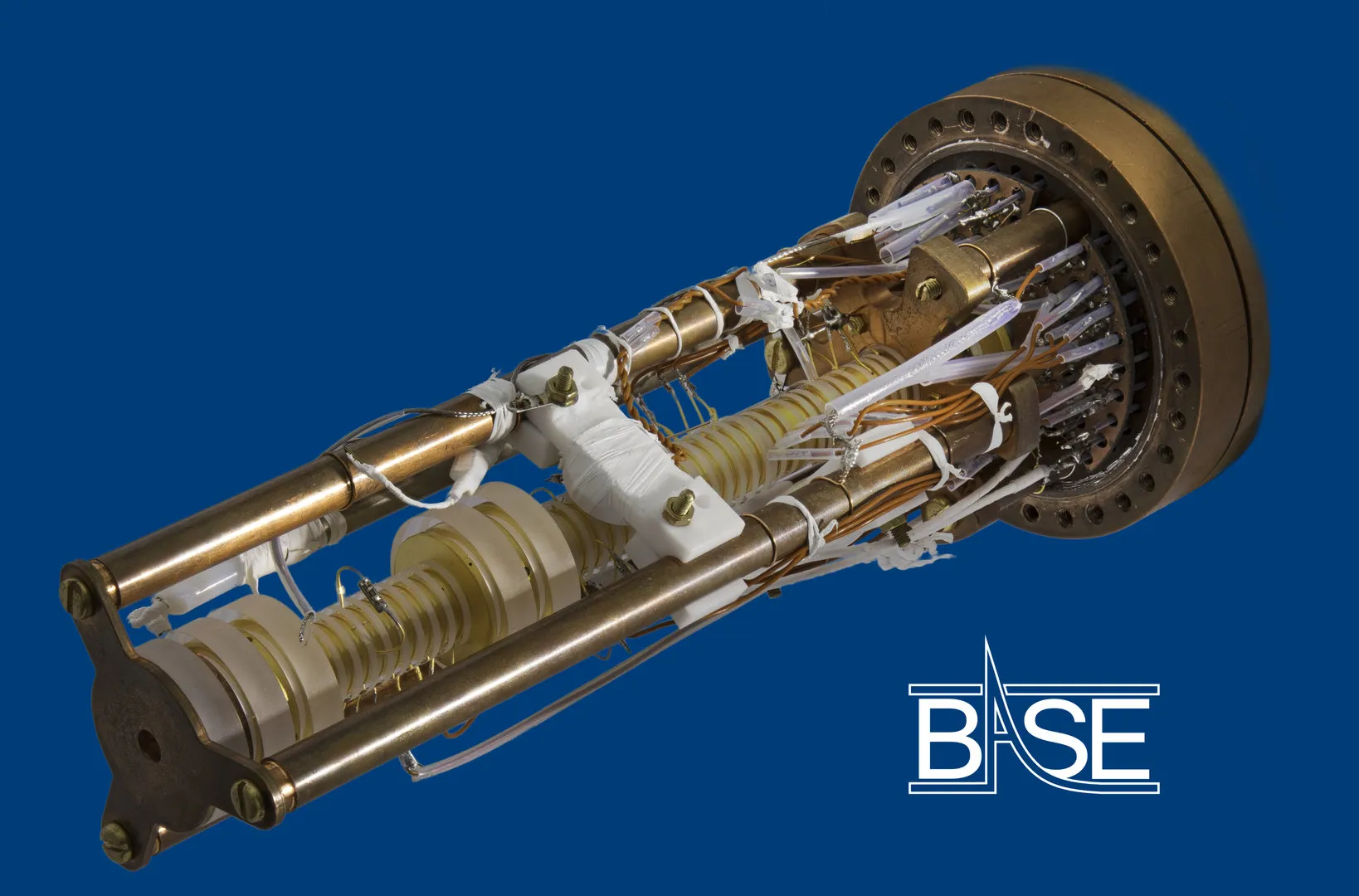
Truly non-destructive: Antimatter under the microscope during the 2024-YETS
Truly non-destructive: Antimatter under the microscope during the 2024-YETS Early in the morning, on the 13th of November 2023, the AD/ELENA facility delivered its final antiproton bunch to the users at the antimatter factory. Most of the particles annihilated a few minutes later in antihydrogen formation and its spectroscopy, and most of the AD/ELENA users
-
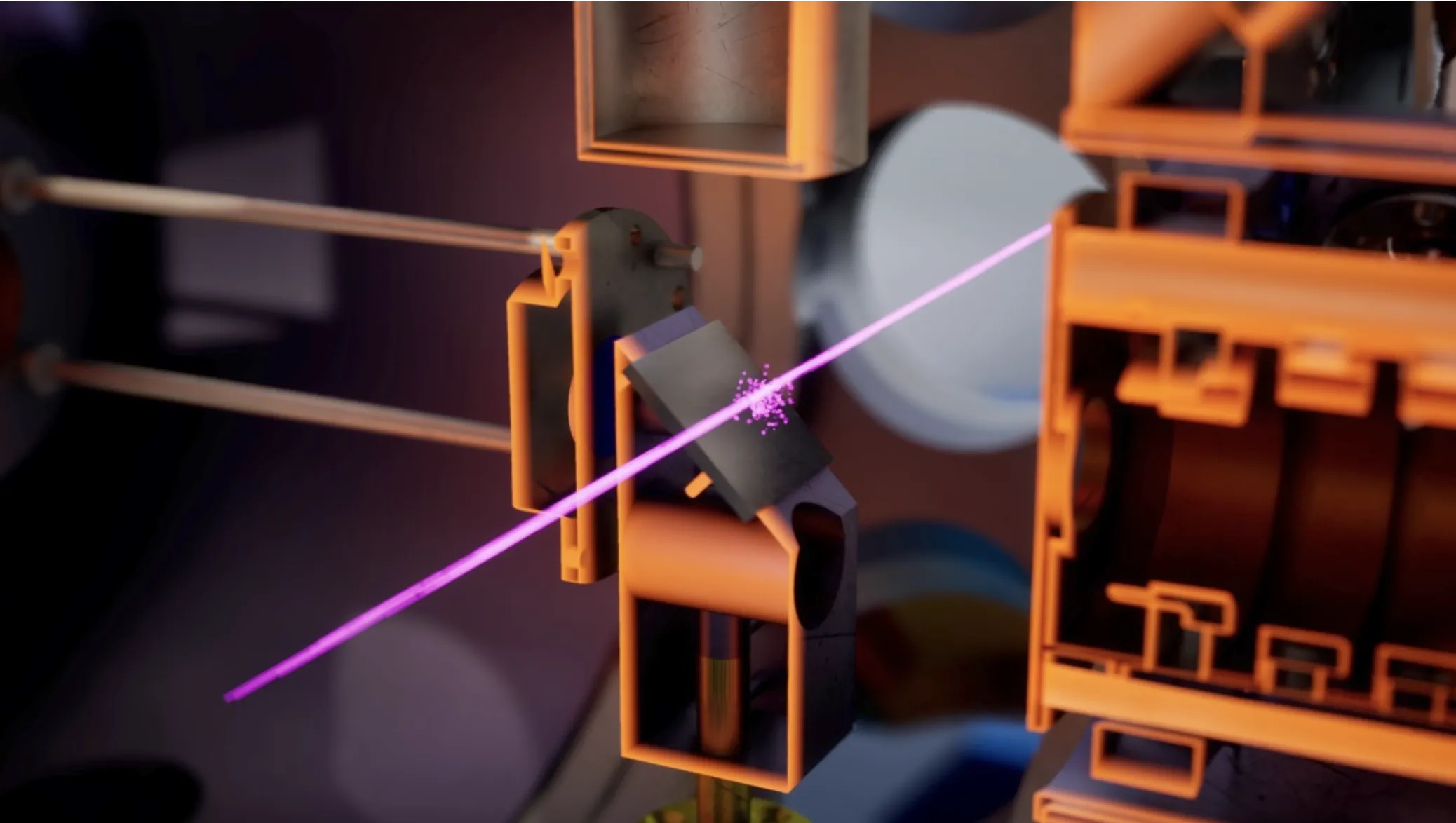
AEgIS Experiment Breakthrough: Laser Cooling Opens Door to New Antimatter Studies
AEgIS Experiment Breakthrough: Laser Cooling Opens Door to New Antimatter Studies A significant breakthrough has been achieved at CERN by the AEgIS experiment. Researchers successfully cooled a sample of positronium using a laser, paving the way for a new era in antimatter research. This accomplishment, reported in Physical Review Letters, holds promise not only for
-
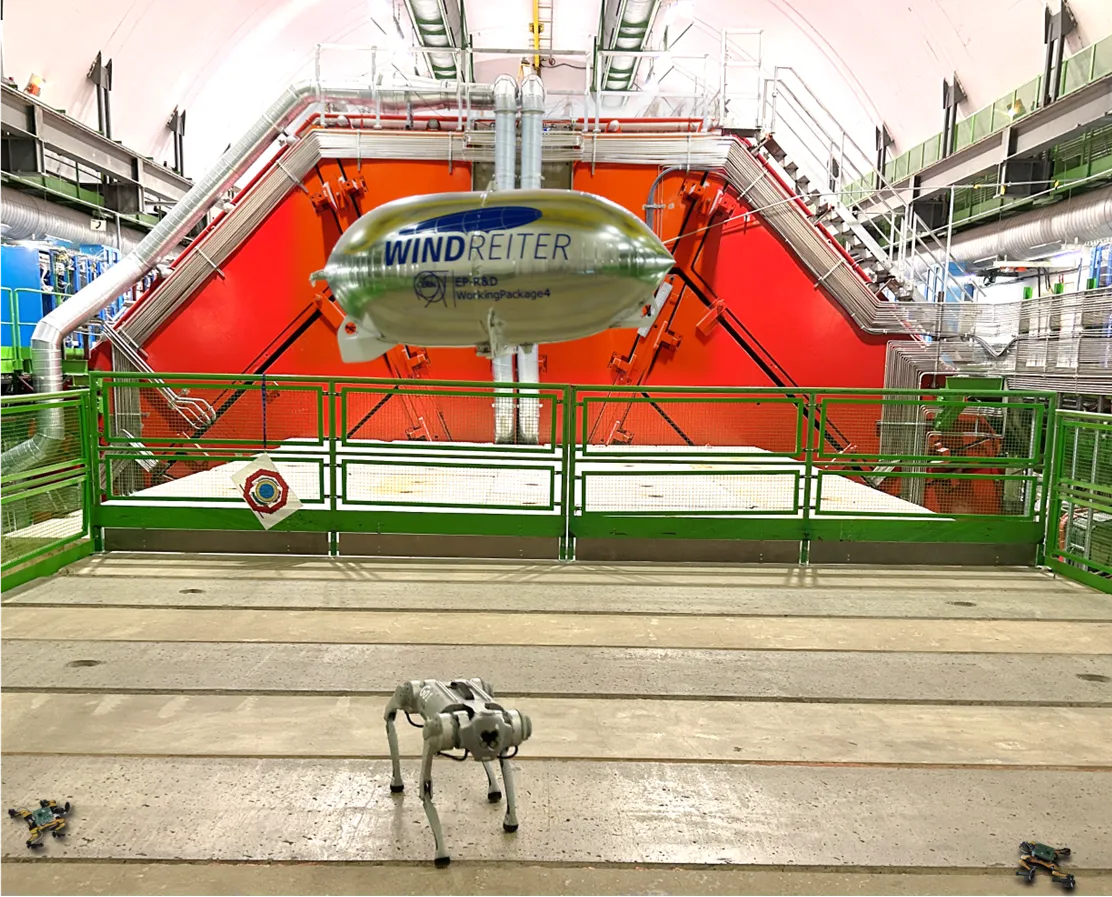
Future Robotic Residents in Experimental Caverns: Advancements in Detector Technology at CERN’s EP Department
Future Robotic Residents in Experimental Caverns: Advancements in Detector Technology at CERN's EP Department In 2020, CERN’s Experimental Physics Department launched an ambitious project of research and development (EP R&D) for future detectors technologies. This comprehensive initiative tackles advancements in various areas, including sensors, electronics, software, and mechanics. As part of this effort, within the