
Tag: March 2024 – June 2024
-

Champion in laser ionisation of unstable nuclei, justice and diversity at work, and climbing.
Champion in laser ionisation of unstable nuclei, justice and diversity at work, and climbing. On January 27th, at the Maison des Amis Montagnards in Geneva, friends, colleagues from CERN, and numerous ISOLDE users said the last goodbye to Bruce Marsh, who has been one of the main innovators of the laser ion sources at ISOLDE
-
Revolutionizing Particle Detection: 3D-Printed Scintillating Detectors for Tracking and Calorimetry
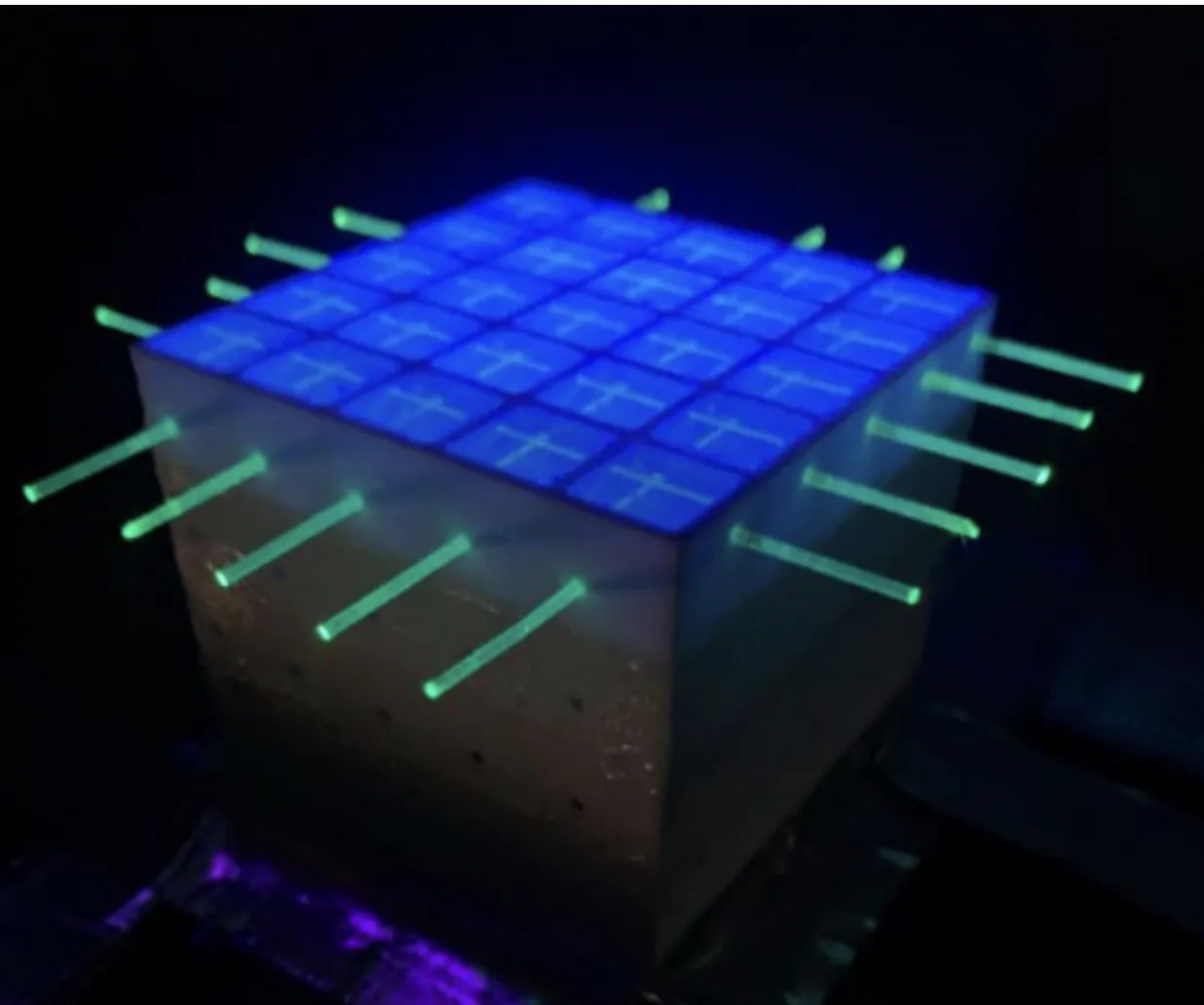
Revolutionizing Particle Detection: 3D-Printed Scintillating Detectors for Tracking and Calorimetry Plastic scintillator detectors, which are cost-effective due to the affordability of plastic materials, are extensively employed in high-energy physics experiments. They play a crucial role in identifying and tracking particles, conducting time-of-flight measurements, and, when combined with dense materials, are used in sampling calorimeters. The
-
ISOLDE: On the frontiers of materials science for a sustainable future
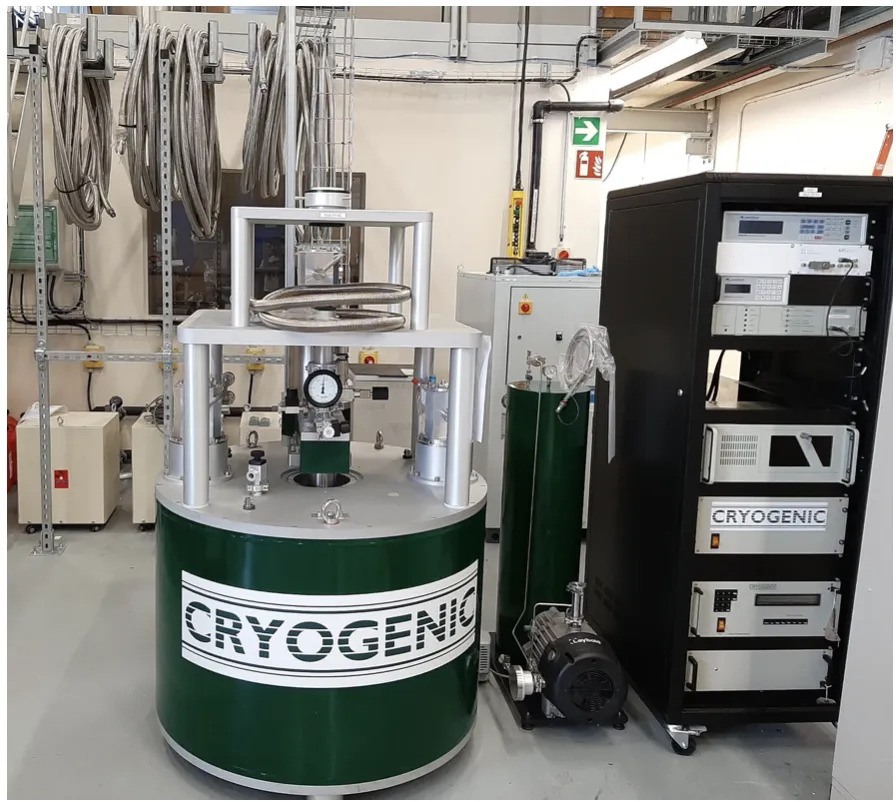
ISOLDE: On the frontiers of materials science for a sustainable future Nowadays, one of the most important issues that human beings are facing is the fact that reducing carbon emission is extremely necessary. New materials for a sustainable future are required for the world to become climate neutral. The huge demand for innovative hard magnetic
-

From Vision to Reality: FCC Feasibility Study completes Midterm Review
From Vision to Reality: FCC Feasibility Study completes Midterm Review The seeds of the Future Circular Collider (FCC) were sown a decade ago at a pivotal meeting of physicists at the University of Geneva in 2013. This gathering responded to a call from the European Strategy for Particle Physics, which highlighted the need for a
-
Scientists Observe a New Way for Heavy Mesons to Decay
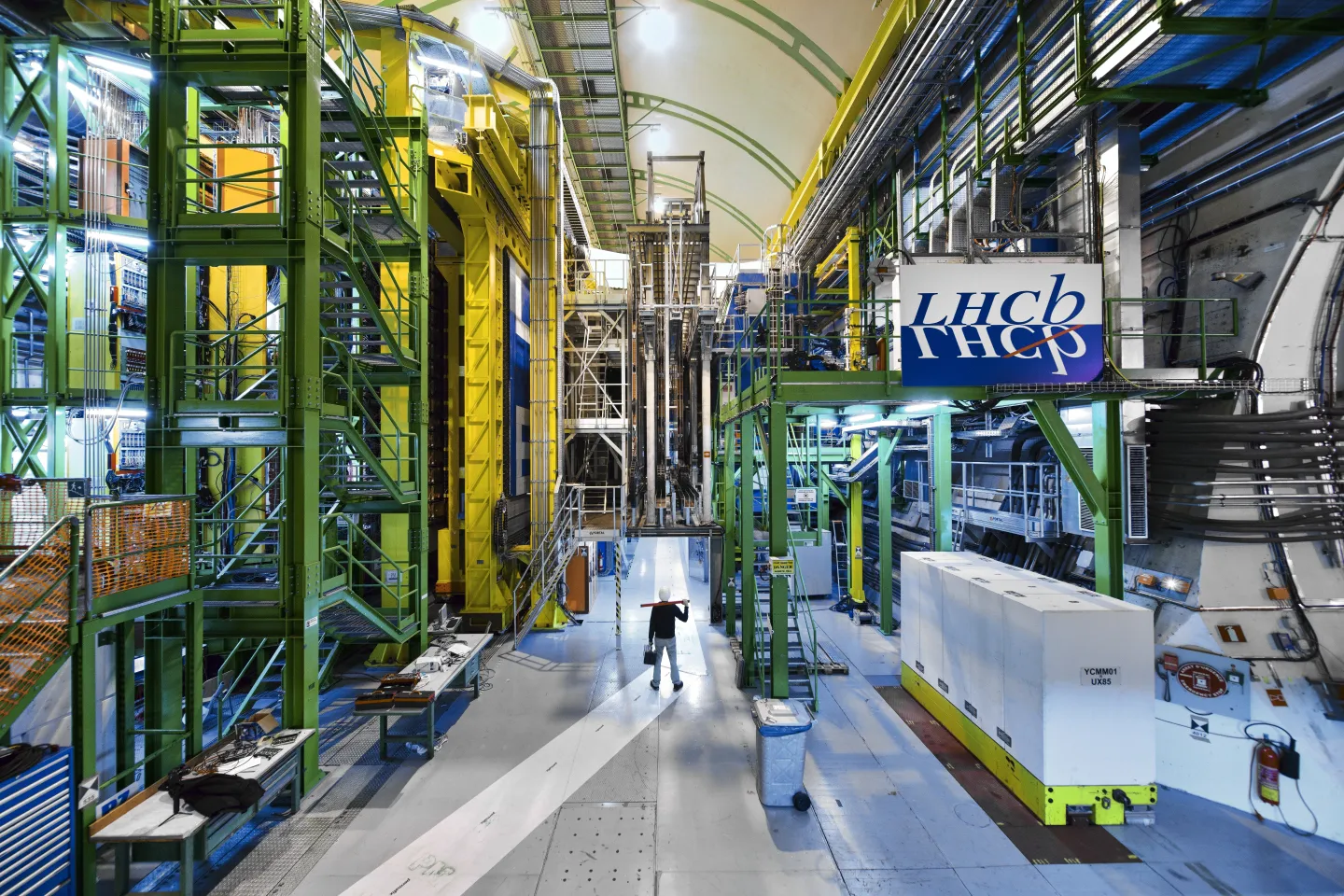
Scientists Observe a New Way for Heavy Mesons to Decay Researchers working on the LHCb experiment at CERN have achieved a breakthrough in understanding a subatomic particle called the Bc+ meson. They have observed, for the first time, a specific way this meson decays, providing valuable insights into the fundamental forces that govern our universe.
-

LHC anomalies hint at possible light Higgs boson signature
LHC anomalies hint at possible light Higgs boson signature In 2012 the ATLAS and CMS collaborations discovered a new particle that – within the present theoretical and experimental uncertainties – is consistent with the predictions for the Higgs boson of the Standard Model (SM) at a mass of about 125 GeV. However, it is also
-
All the Objects in the Universe (and Some Questions)
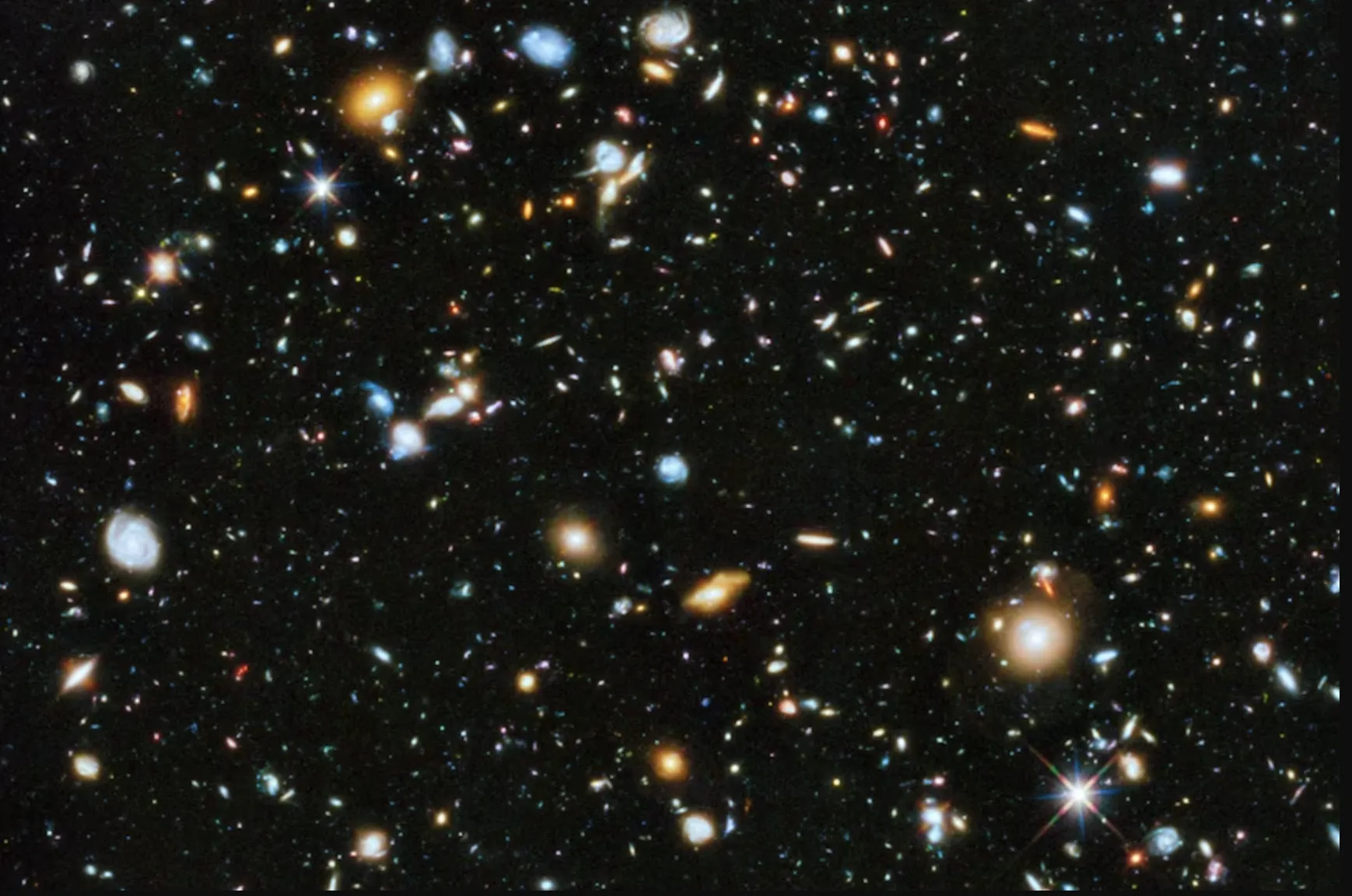
All the Objects in the Universe (and Some Questions) When astronauts look at the Earth from orbit, they are often awed by its beauty and isolation. They speak of the overview effect; a cognitive shift to a new larger perspective that gives context and meaning to their lives. For physicists, a similar, more abstract overview