
Category: Newsletter
-
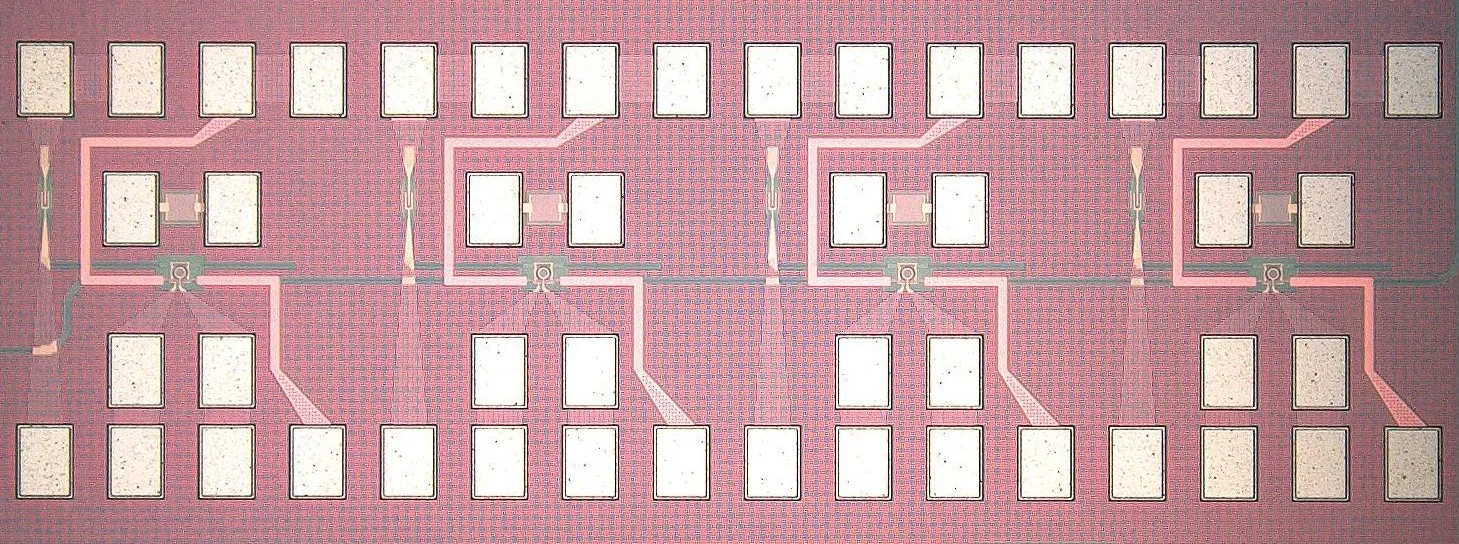
Silicon Photonics Circuits for Integrated Optical Readout of future High Energy Physics detectors
Silicon Photonics Circuits for Integrated Optical Readout of future High Energy Physics detectors Fibre optic links are crucial in High Energy Physics (HEP) experiments, allowing the transmission of large volumes of data from particle detectors operating in harsh radiation environments to radiation-free zones. Silicon Photonics (SiPh) [1] has emerged as a promising optoelectronic technology for
-
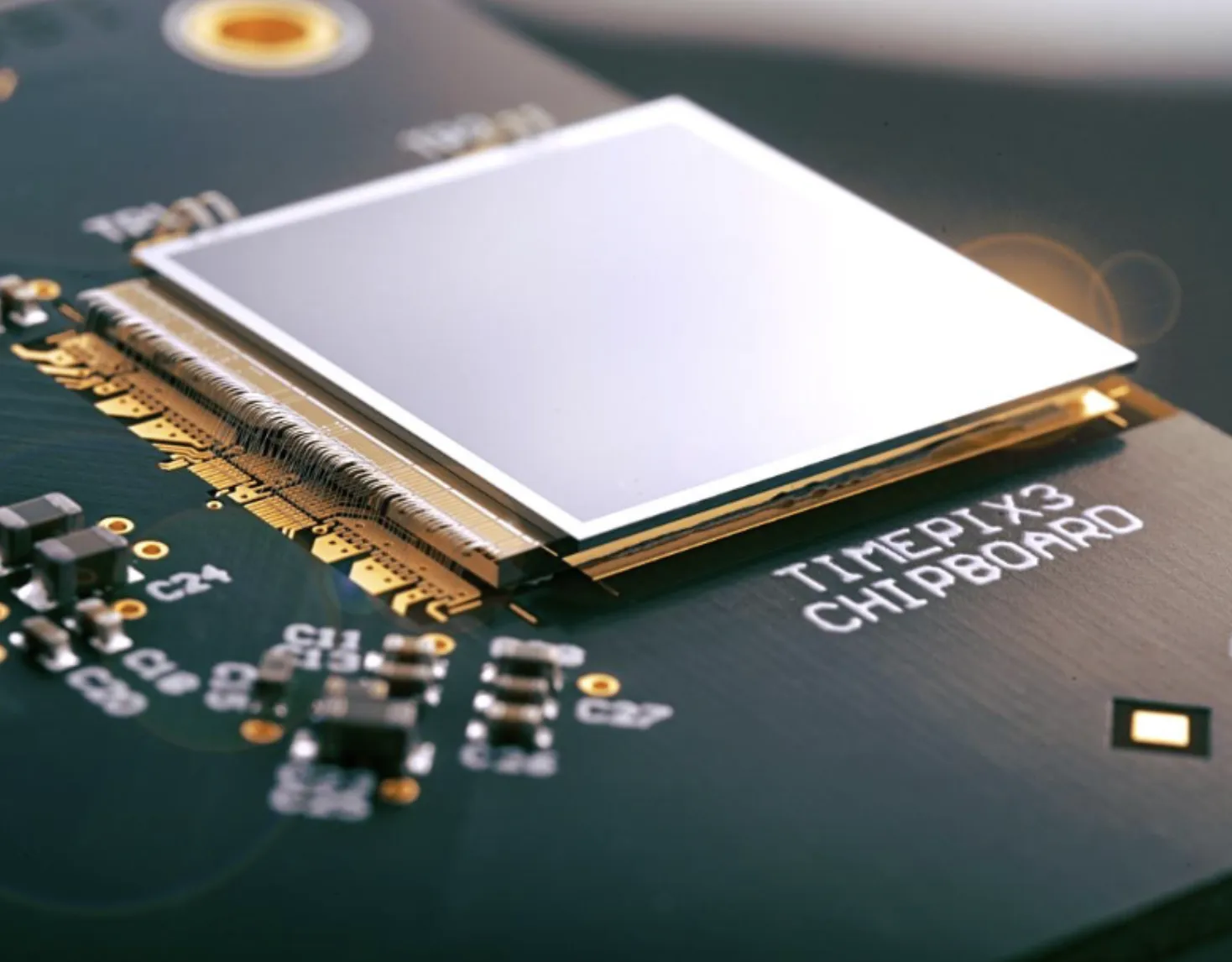
In discussion with Michael Campbell: Unpacking the Medipix/Timepix Revolution
In discussion with Michael Campbell: Unpacking the Medipix/Timepix Revolution The Medipix and Timepix family of hybrid pixel detectors represents one of the most groundbreaking innovations to emerge from CERN’s detector technology. These chips, based on the hybrid pixel technology developed for high-energy physics experiments, have found remarkable applications in diverse fields such as medical imaging,
-
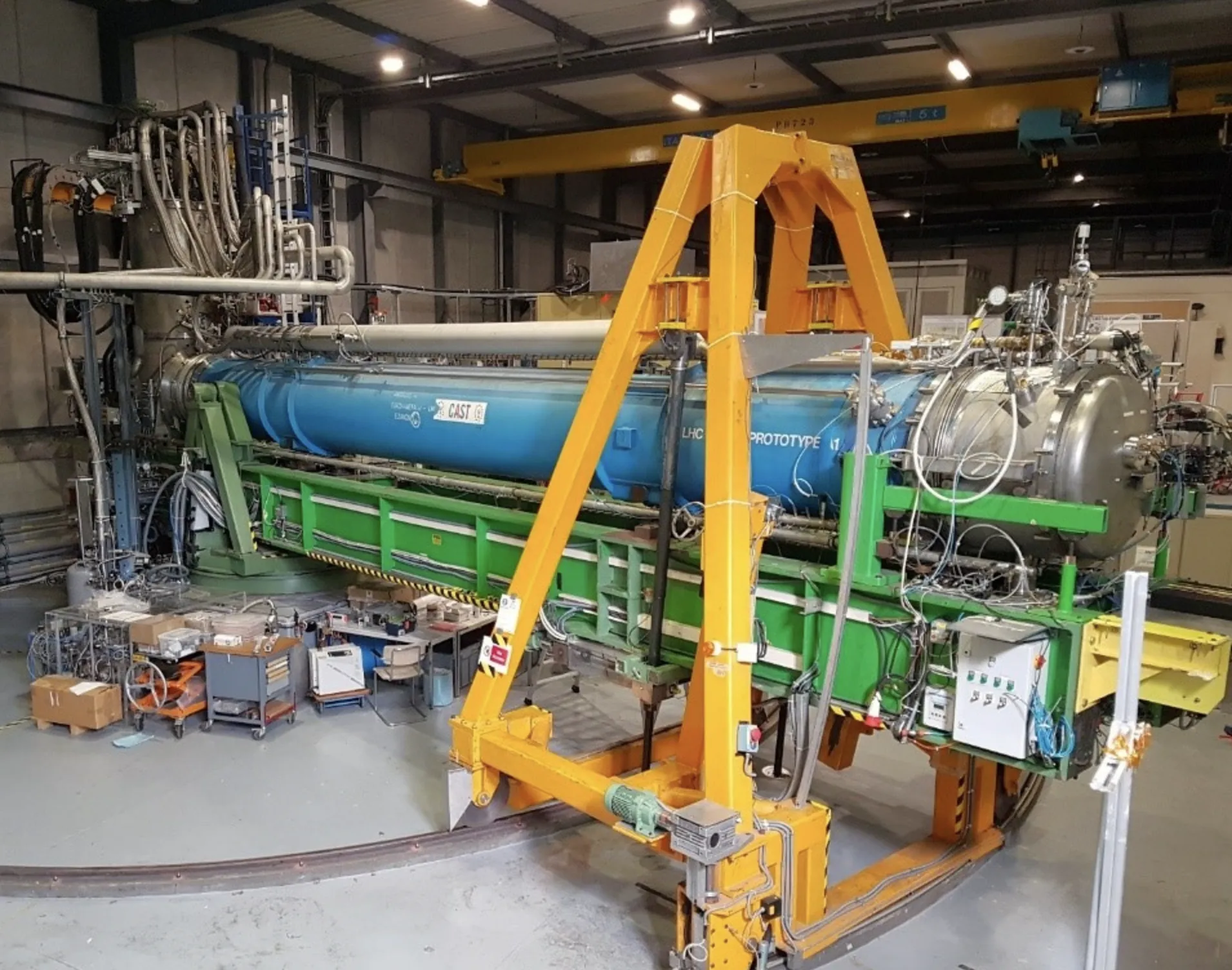
CAST Sets New Benchmarks in the Quest for Axions
CAST Sets New Benchmarks in the Quest for Axions Within the CERN Axion Solar Telescope (CAST) collaboration, scientists from the Center for Astroparticles and High-Energy Physics (CAPA) at the University of Zaragoza led the research that has achieved a significant milestone in the search for axion-like particles (ALPs). Published in Physical Review Letters, their latest
-

Extended Scalar Sectors are considered from all angles at CERN
Extended Scalar Sectors are considered from all angles at CERN It has been more than ten years since the discovery of the first scalar particle at the electroweak scale. This particle was discovered at the LHC in 2012, and it was quickly found to be a scalar that is compatible with the Higgs boson predicted
-
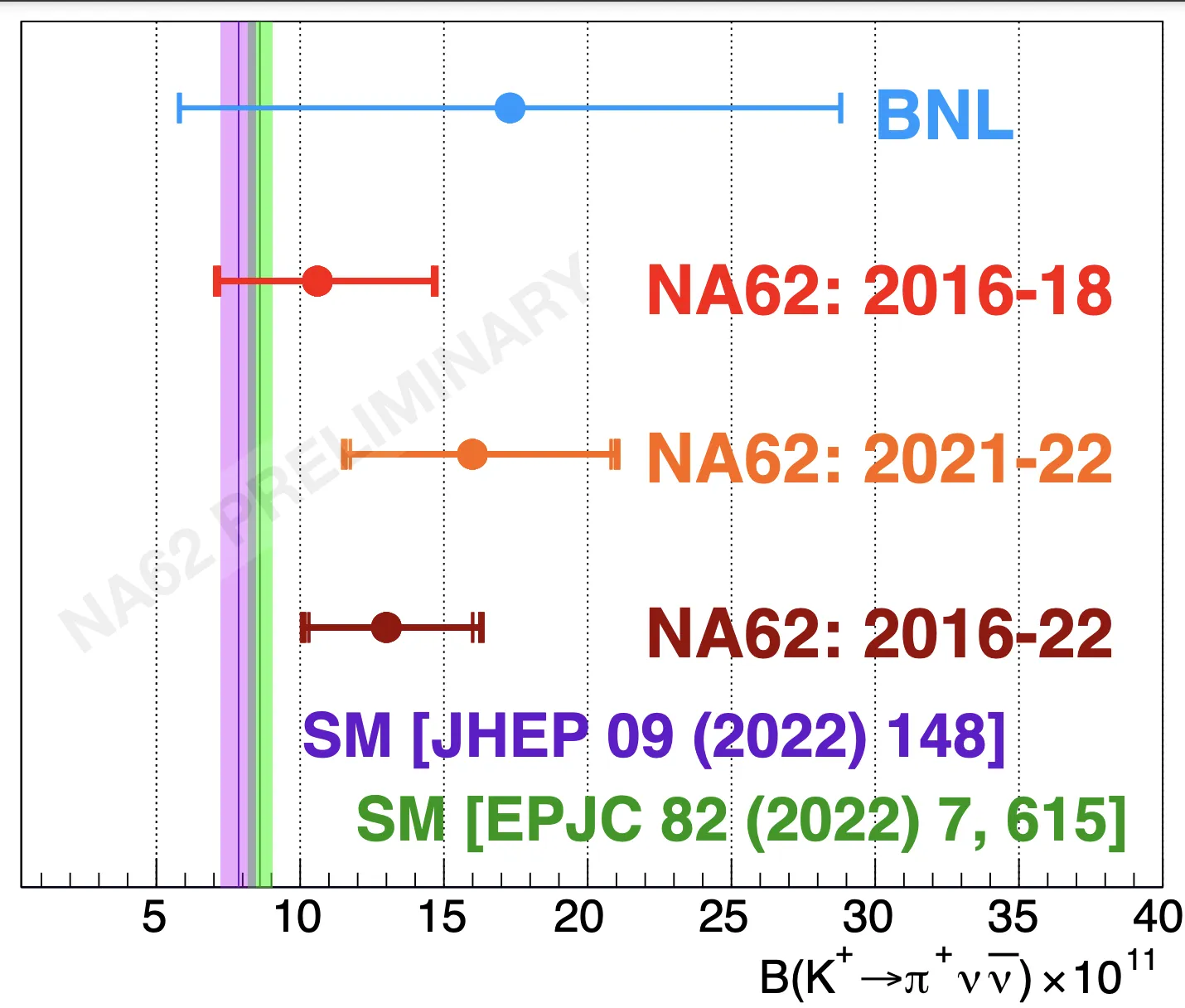
NA62 Observes Ultra-Rare Kaon Decay to Pion and Neutrinos
NA62 Observes Ultra-Rare Kaon Decay to Pion and Neutrinos The NA62 experiment at the CERN north area was built to investigate the ultra-rare K+ → π+νν̄ decay. Measurement of this decay, a golden mode for kaon physics, is considered a key flavour physics objective because it provides both a strong test of the Standard Model
-
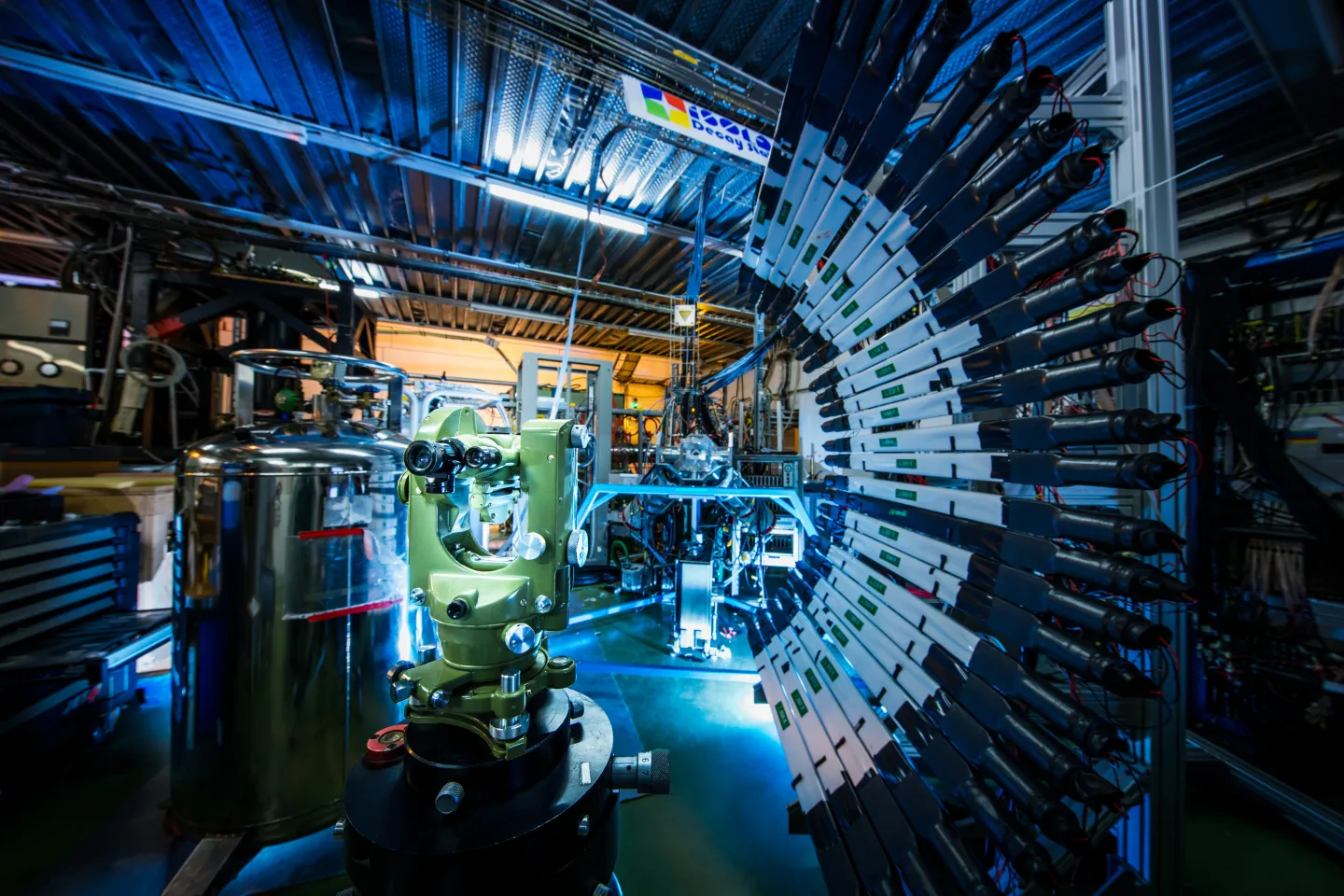
Perturbed angular correlations at ISOLDE
Perturbed angular correlations at ISOLDE Solid state physics and biophysics research has been conducted at ISOLDE-CERN for almost 50 years [JOH2017]. Our role in supporting experimental equipment and manpower has enabled the development of on-site laboratories. This has several advantages, from nuclear physics studies to the applications for society. Being part of the in-house group
-
Development of Radiation Tolerant Silicon Detectors for the LHC and HL-LHC
Development of Radiation Tolerant Silicon Detectors for the LHC and HL-LHC Introduction The potential of semiconductor-based detectors for particle detection in nuclear and high-energy physics (HEP) has been identified as early as 1960. However, it took two more decades of development to transform these detectors into reliable, fully operational systems. Silicon-based tracking detectors made their
-
LHC Run 3: A Marathon of Progress and Perseverance
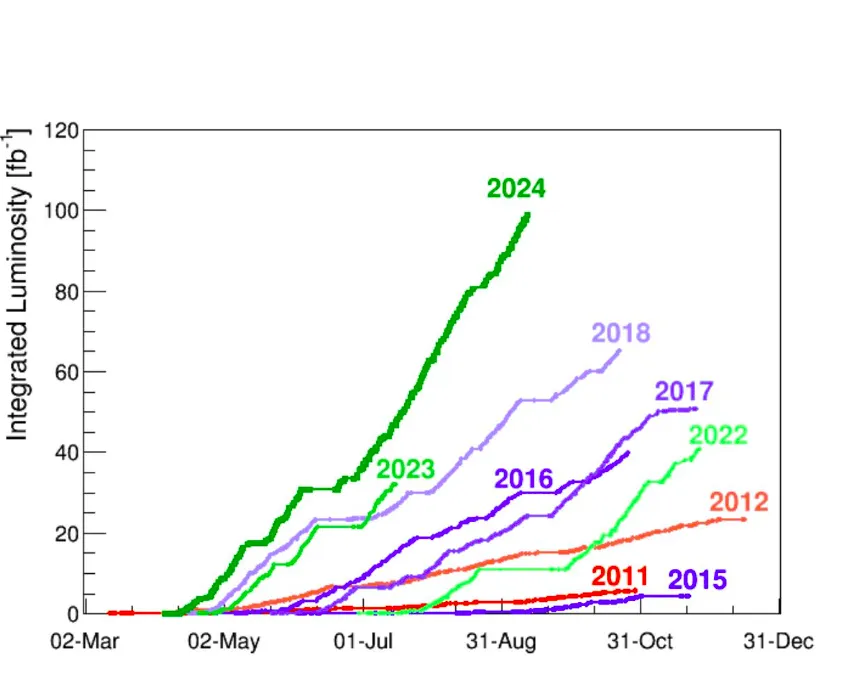
LHC Run 3: A Marathon of Progress and Perseverance Earlier this month, the Large Hadron Collider reached an unprecedented milestone of 100 inverse femtobarns – equivalent to 10 million billion collisions – delivered to the ATLAS and CMS experiments in 2024, with 28 days of proton-proton collisions remaining. This marks a historic first in a
-
ATLAS Operations: Progress and Highlights from 2023/2024
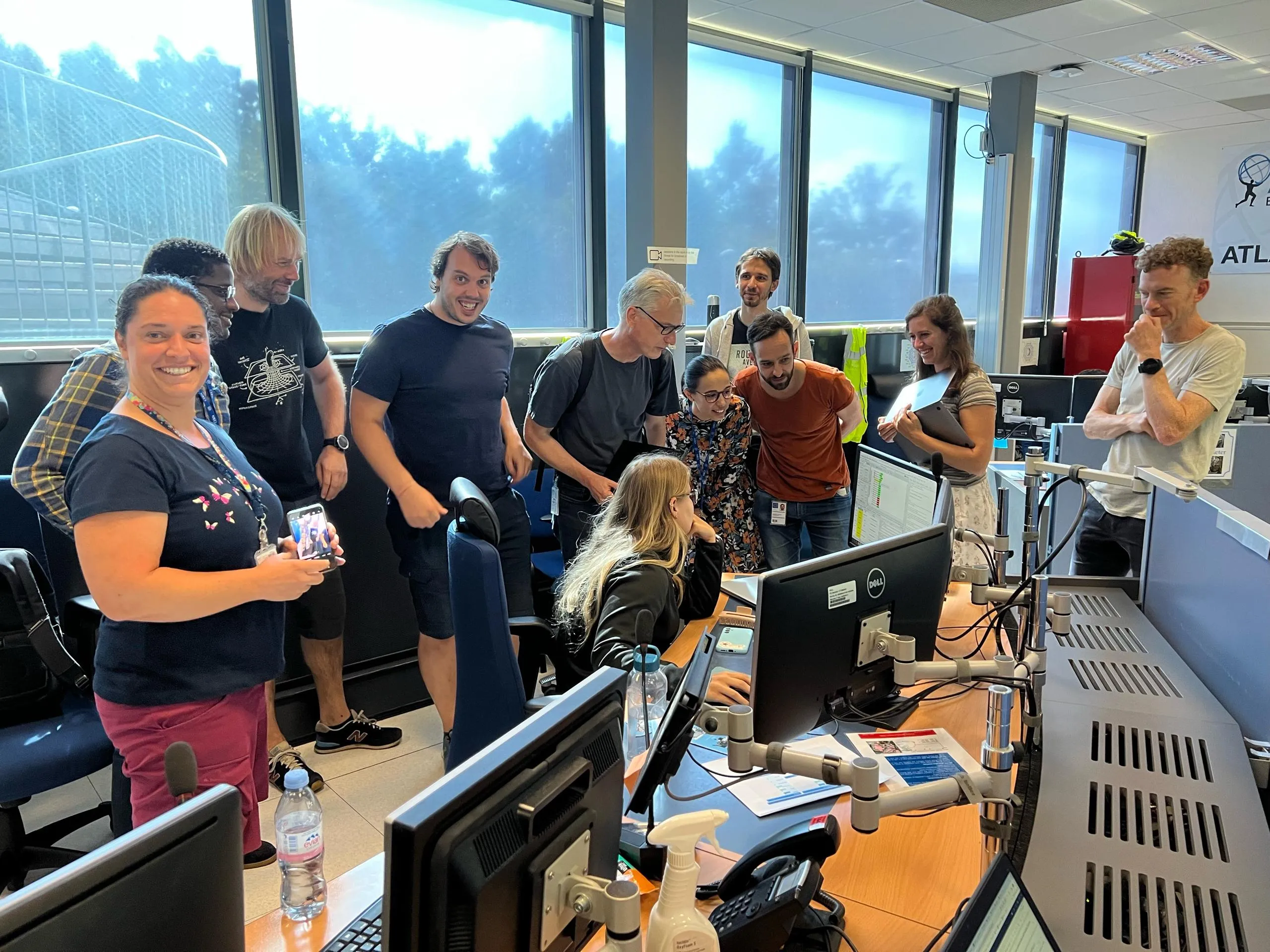
ATLAS Operations: Progress and Highlights from 2023/2024 Great progress has been made in the ATLAS operation since the last EP news article. There we presented the fantastic Phase-I upgrades of the ATLAS detector installed during LS2, described the steps towards their commissioning, and summarized the experience of the first data-taking year of Run 3. What
-
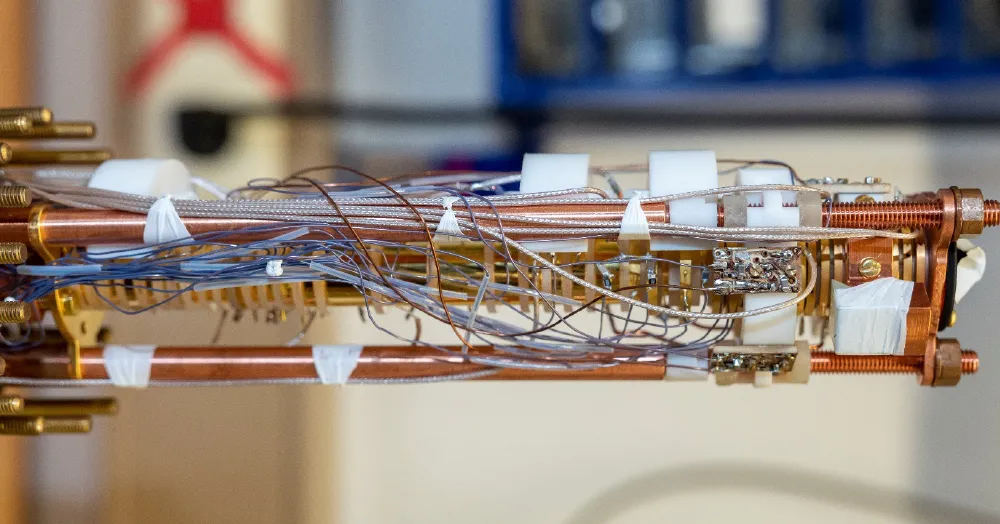
Breakthrough in the cooling technologies of a single antiproton/proton at the BASE experiment
Breakthrough in the cooling technologies of a single antiproton/proton at the BASE experiment The Baryon Antibaryon Symmetry Experiment (BASE) is recognized for performing the most precise measurements of the fundamental properties of antiprotons and protons, such as the 16 p.p.t. precision measurement of the antiproton-to-proton charge-to-mass ratio [1], the 1.5 p.p.b. precision measurement of the