
Category: Newsletter
-
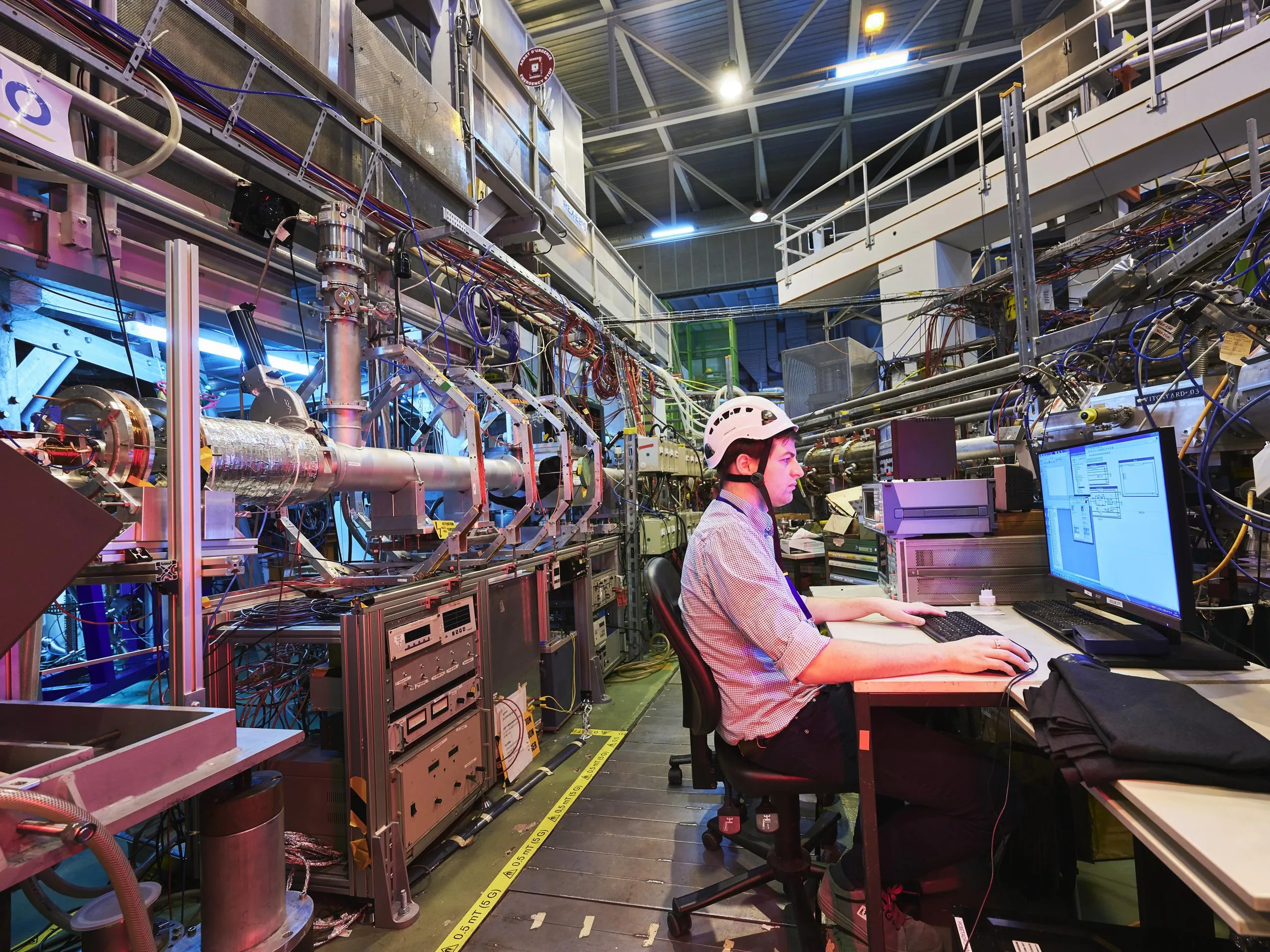
ISOLDE’s New Beta-Decay Station Unlocks Advanced Decay-Spectroscopy Experiments with Laser-Polarised Unstable Nuclei
ISOLDE’s New Beta-Decay Station Unlocks Advanced Decay-Spectroscopy Experiments with Laser-Polarised Unstable Nuclei Exciting new opportunities for experiments with beta-decaying atomic nuclei have arisen at the ISOLDE facility with the recently developed new spectroscopy station called DeVITO [1]. The novelty of the setup lies in its integration with the VITO beamline for laser-polarisation of radioactive beams
-
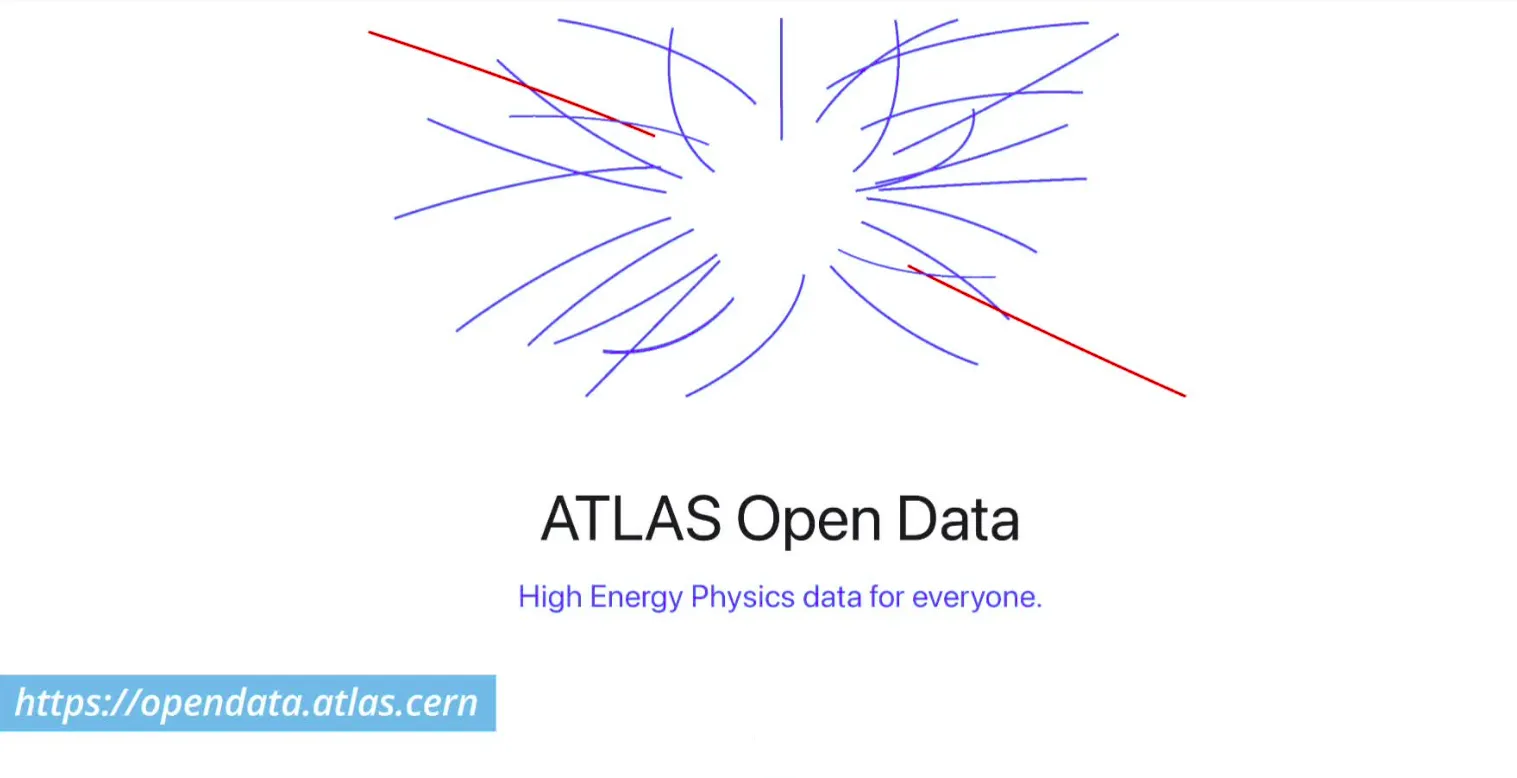
ATLAS releases 2015 and 2016 proton–proton datasets for public research use
ATLAS releases 2015 and 2016 proton–proton datasets for public research use The ATLAS Collaboration has announced the release of 7 billion proton–proton collision events, alongside 2 billion simulated events, in the collaboration’s first release of open data for scientific research. The open data, available through CERN’s Open Data portal, comprise the entire 2015 and 2016
-
Charting the Future of Neutrino Experiments
Charting the Future of Neutrino Experiments The development of next-generation neutrino experiments is underway at CERN, which will shed light on the nature of these elusive particles. While the development of far and near detectors is advancing well, novel identification techniques for neutrino beams are vital to strongly reduce systematic uncertainties on key observables –
-
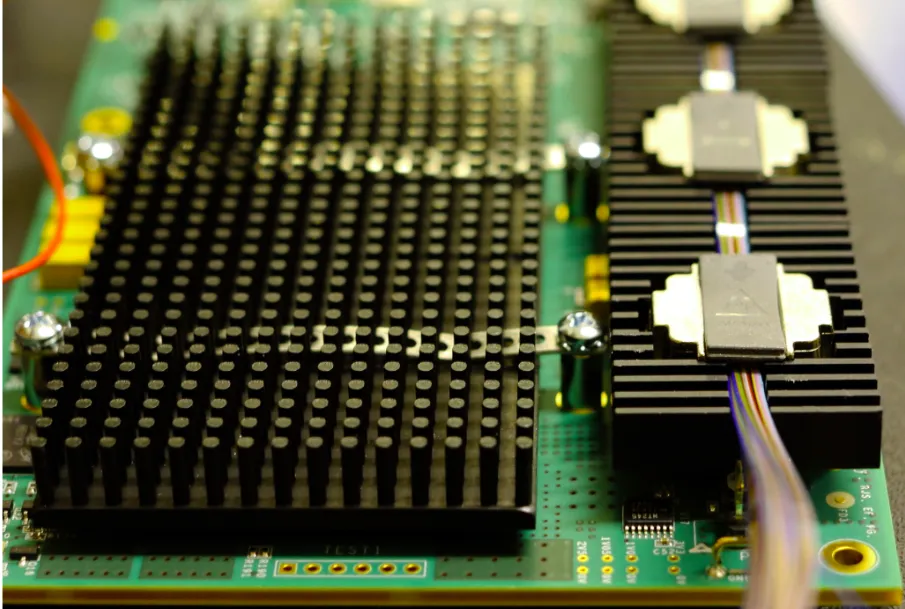
DRD7: An R&D Collaboration Pioneering Electronics for Future Particle Detectors
DRD7: An R&D Collaboration Pioneering Electronics for Future Particle Detectors On June 5, 2024, the CERN Research Board approved the DRD7 Collaboration for an initial three-year period. The collaboration will focus on developing and demonstrating new electronic hardware, firmware, and software concepts. Its main goal is to pursue disruptive and transformative innovations, but it will
-
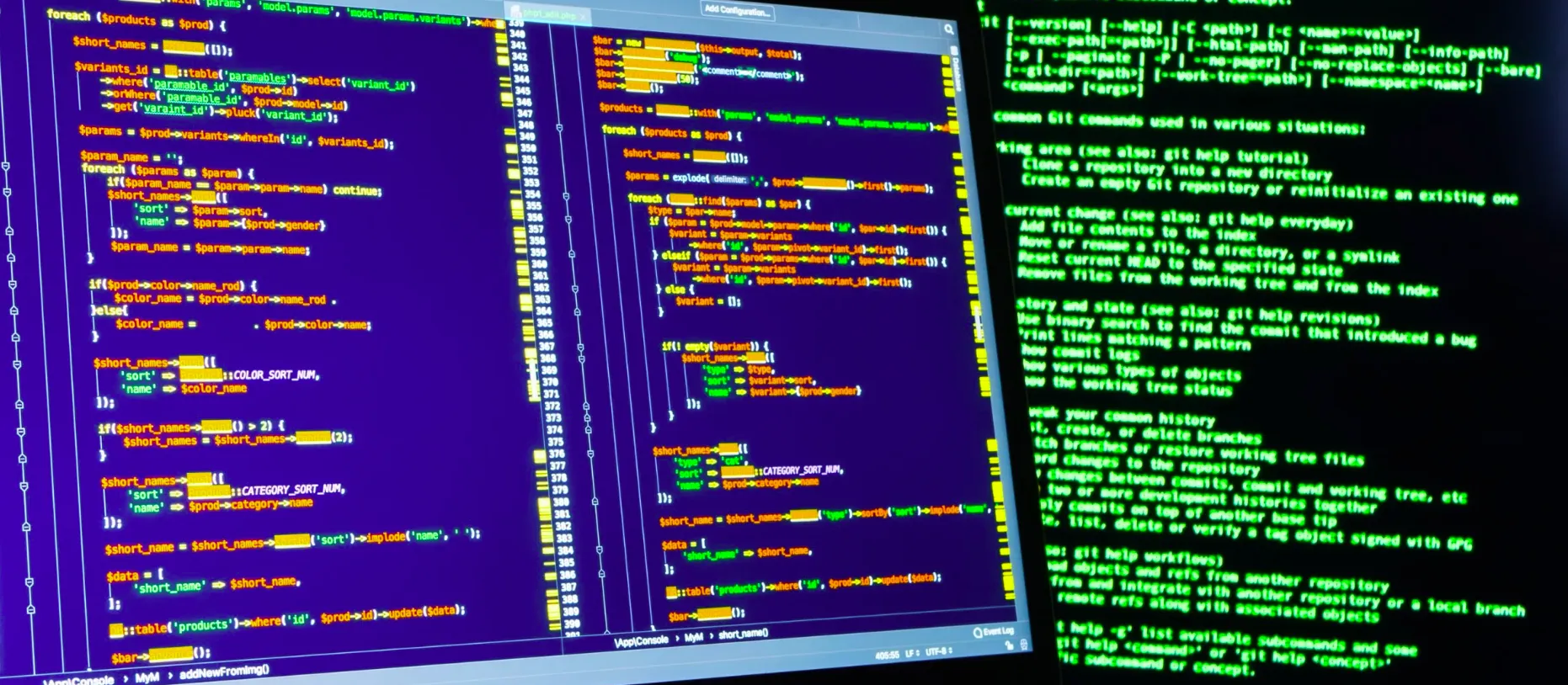
Unveiling the Power of Software in Science: Inside the EVERSE Network
Unveiling the Power of Software in Science: Inside the EVERSE Network Researchers across all sciences use different types of tools: benches, centrifuges, lasers, weather balloons, seismographs, telescopes… you name it. At CERN, such a “hardware tool” is the LHC, together with all our other accelerator facilities, which are invaluable for exploring the world of particles.
-
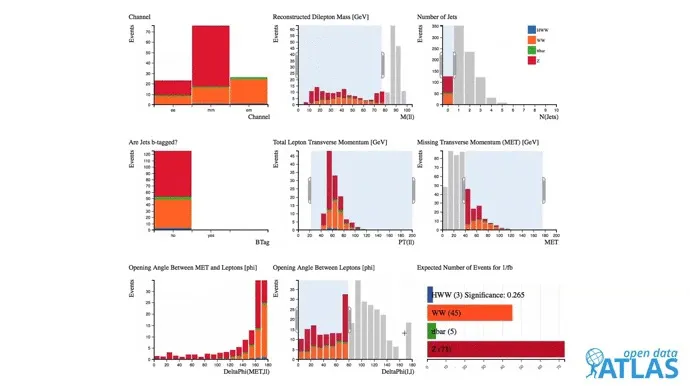
ATLAS Open Data: Ushering in Transparency and Collaboration in Particle Physics Research
ATLAS Open Data: Ushering in Transparency and Collaboration in Particle Physics Research The ATLAS Collaboration at CERN,has been leading efforts to promote transparency and accessibility through its comprehensive open data initiatives. These efforts are designed to benefit researchers, educators, and the public, enhancing both scientific discovery and educational outreach. The sheer volume and complexity of
-

A word from the EP Department Head – June 2024
A word from the EP Department Head – June 2024 Dear colleagues in EP, I hope this message finds you all well. I imagine you are all very busy with the ongoing run, the work towards the upgrades of the experiments, the data analysis and the many other activities you may be involved in. Nevertheless,
-
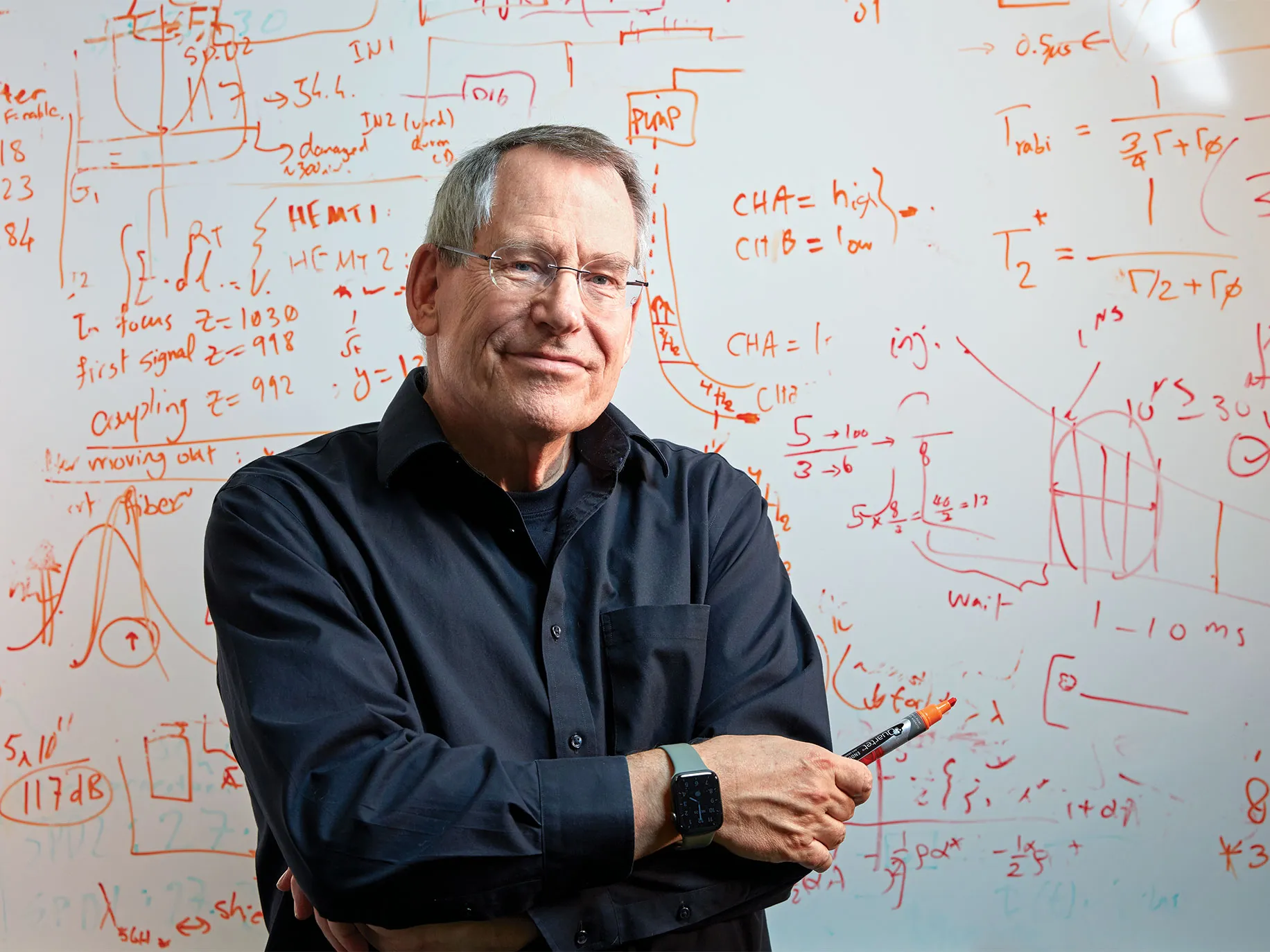
In-Depth Conversation with John Preskill
In-Depth Conversation with John Preskill In this exclusive interview, we sit down with John Preskill, a pioneering physicist and leading expert in quantum computing. As a professor at Caltech and the director of the Institute for Quantum Information and Matter, Preskill has been at the forefront of groundbreaking research that promises to revolutionize technology as
-
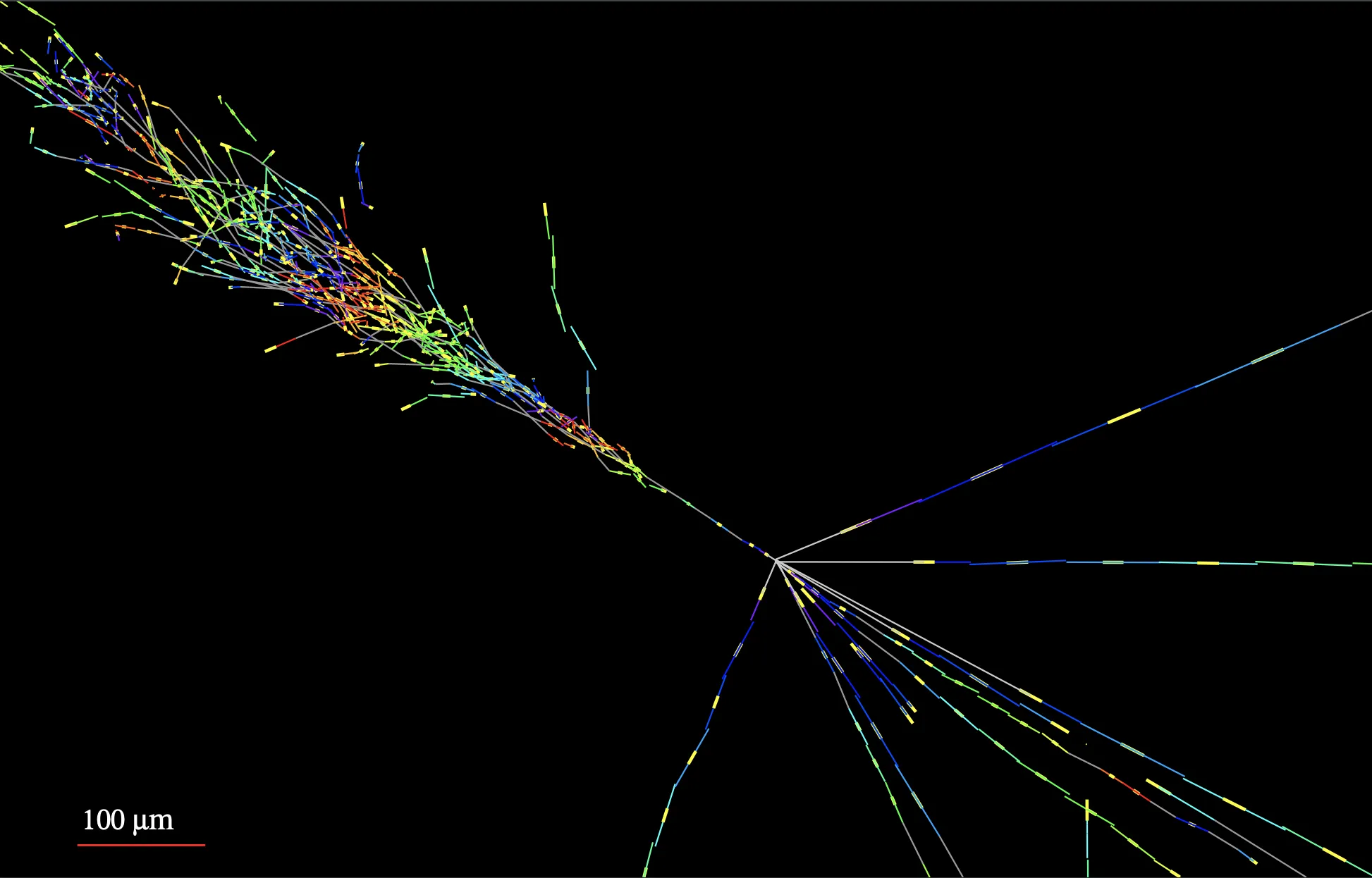
Studying FIPs with FASER – recent news
Studying FIPs with FASER – recent news Feebly Interacting Particles (FIPs) exist within both the Standard Model (SM) and in theories that extend beyond it. The FASER experiment [1] is the first of two experiments approved for data taking in Run 3 aiming to study these elusive particles. Located 480 meters from the ATLAS interaction
-
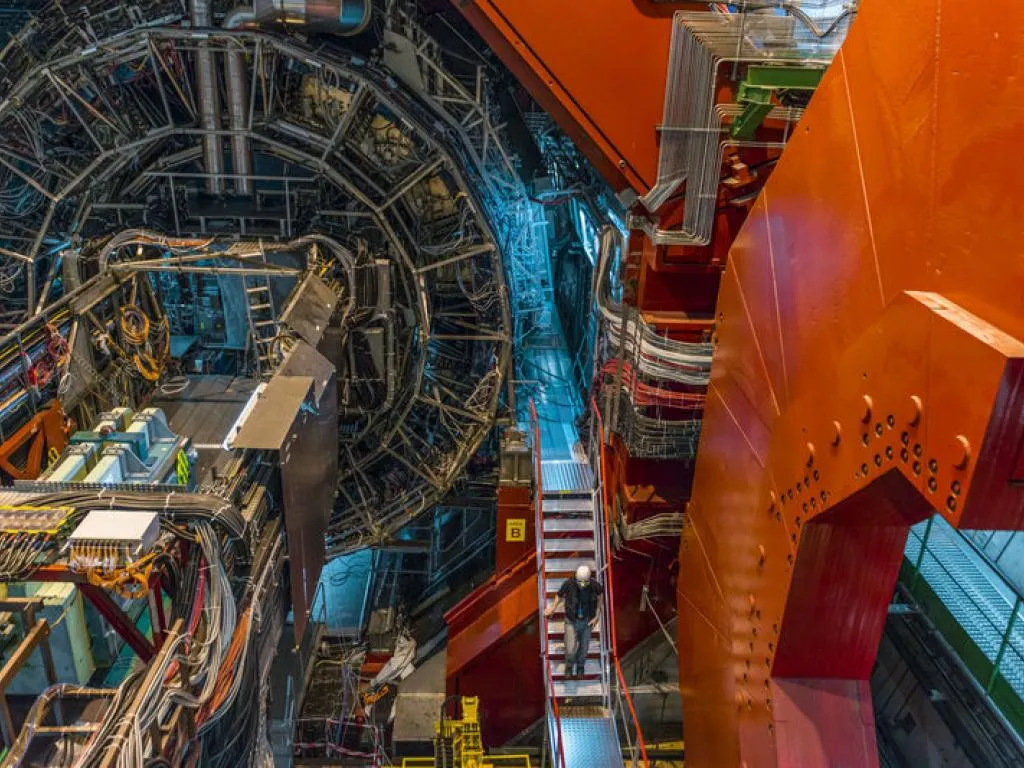
ITS3 and FoCal: Two new subdetectors to extend ALICE’s physics reach
ITS3 and FoCal: Two new subdetectors to extend ALICE’s physics reach The ALICE experiment at the Large Hadron Collider (LHC) is dedicated to studying heavy ion collisions, which recreate the hottest and densest matter ever observed in a lab – the quark-gluon plasma (QGP). By studying this exotic state of matter, scientists aim to understand