
Category: Newsletter
-
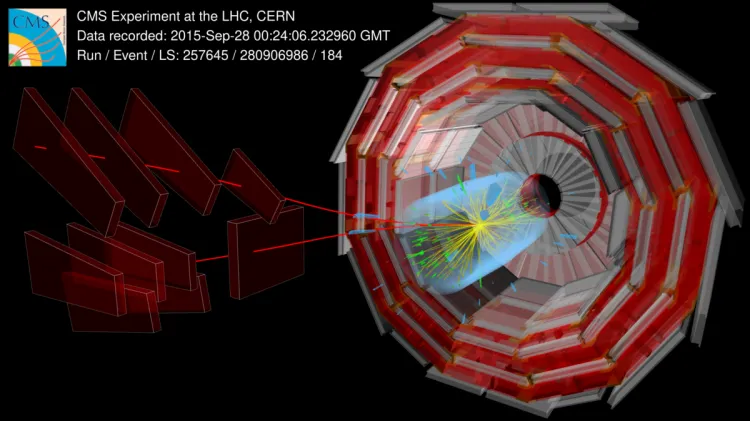
CMS Releases Extensive 13 TeV Collision Data for Open Science
CMS Releases Extensive 13 TeV Collision Data for Open Science The CMS experiment at CERN recently announced the release of 13 TeV proton-proton collision data from 2016. Over 70 TB of collision data and 830 TB of corresponding simulations are now available through the CERN Open Data Portal, marking a significant milestone in open science.
-
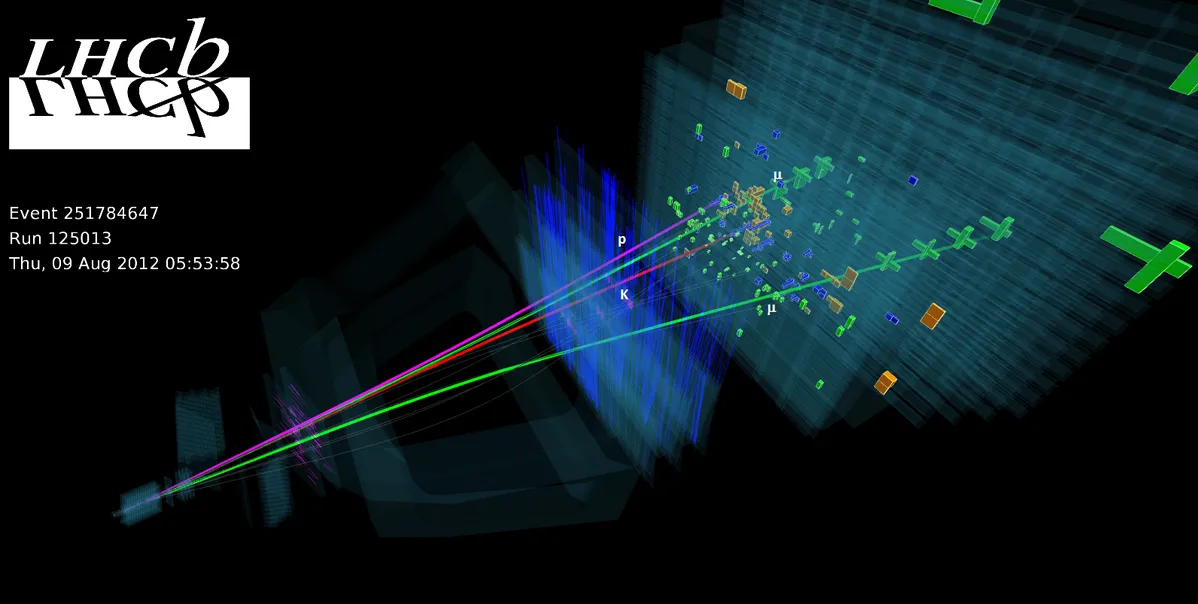
Unlocking New Possibilities: LHCb’s Latest Open Data Releases
Unlocking New Possibilities: LHCb's Latest Open Data Releases The LHCb collaboration at CERN continues to pioneer open science by releasing significant datasets to the public, offering researchers, educators, and enthusiasts around the world unprecedented access to data that fuels new discoveries and deepens our understanding of the universe. In a landmark move on December 20,
-
Groundbreaking Observation of Quantum Entanglement in Top Quarks at the LHC
Groundbreaking Observation of Quantum Entanglement in Top Quarks at the LHC Researchers using the ATLAS detector at CERN's Large Hadron Collider (LHC) have achieved a breakthrough: the first observation of quantum entanglement in top quark pairs. This discovery, analyzing proton-proton collisions at incredibly high energies, marks a significant step forward in understanding the quantum world
-

Highlights from the Alpha Magnetic Spectrometer on the International Space Station
Highlights from the Alpha Magnetic Spectrometer on the International Space Station The Alpha Magnetic Spectrometer, AMS, is a high-energy particle detector performing unprecedented-precision measurements of cosmic rays of rigidity (momentum/charge) ranging from GV to 3 TV on the International Space Station (ISS). AMS has now reached 13 years of continuous operation, and it has collected
-
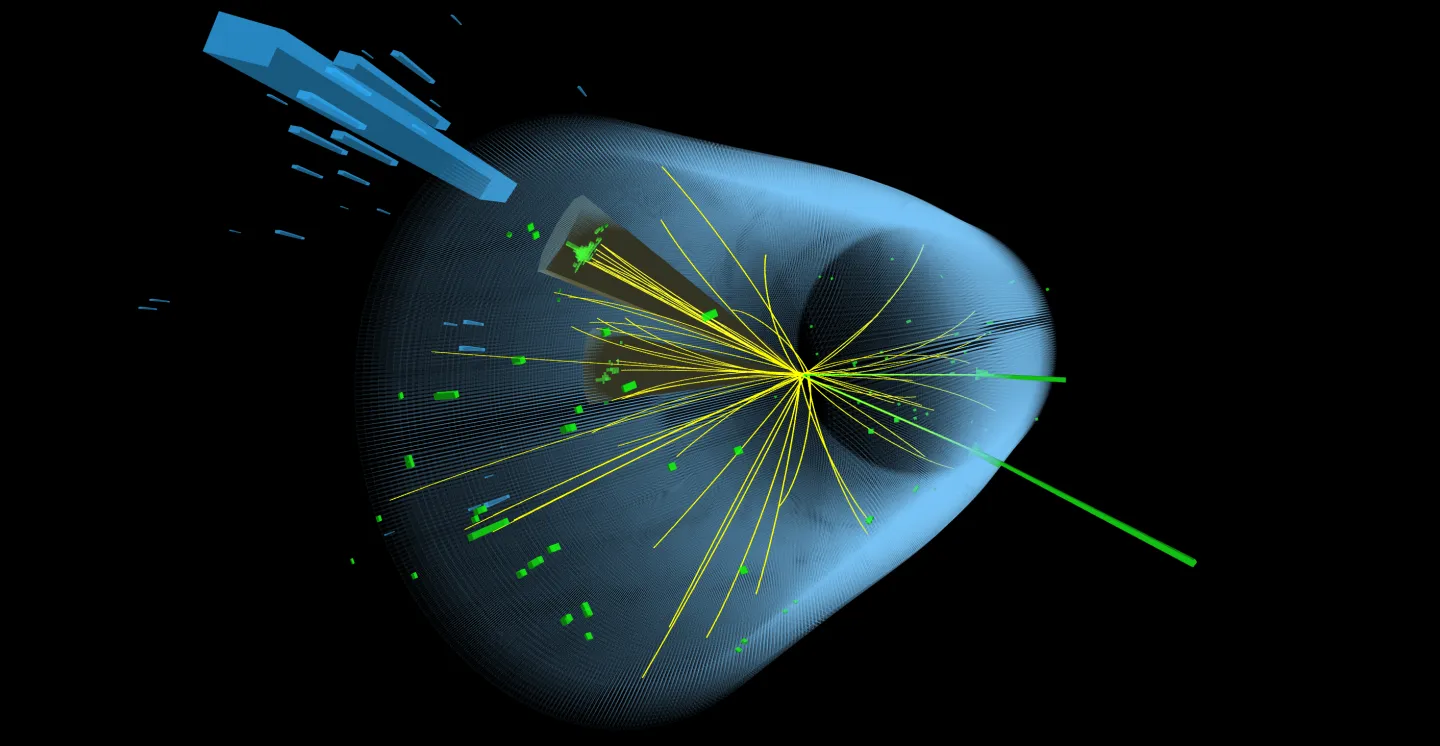
Probing Anomalies: CMS experiment investigates possible hints of new physics
Probing Anomalies: CMS experiment investigates possible hints of new physics For a few years, the work of the LHC community has been split between the exploitation of the LHC Run2 and first Run3 data and the preparation for the High Luminosity (HL) phase. At the HL-LHC, the effort of searching for new physics will be
-
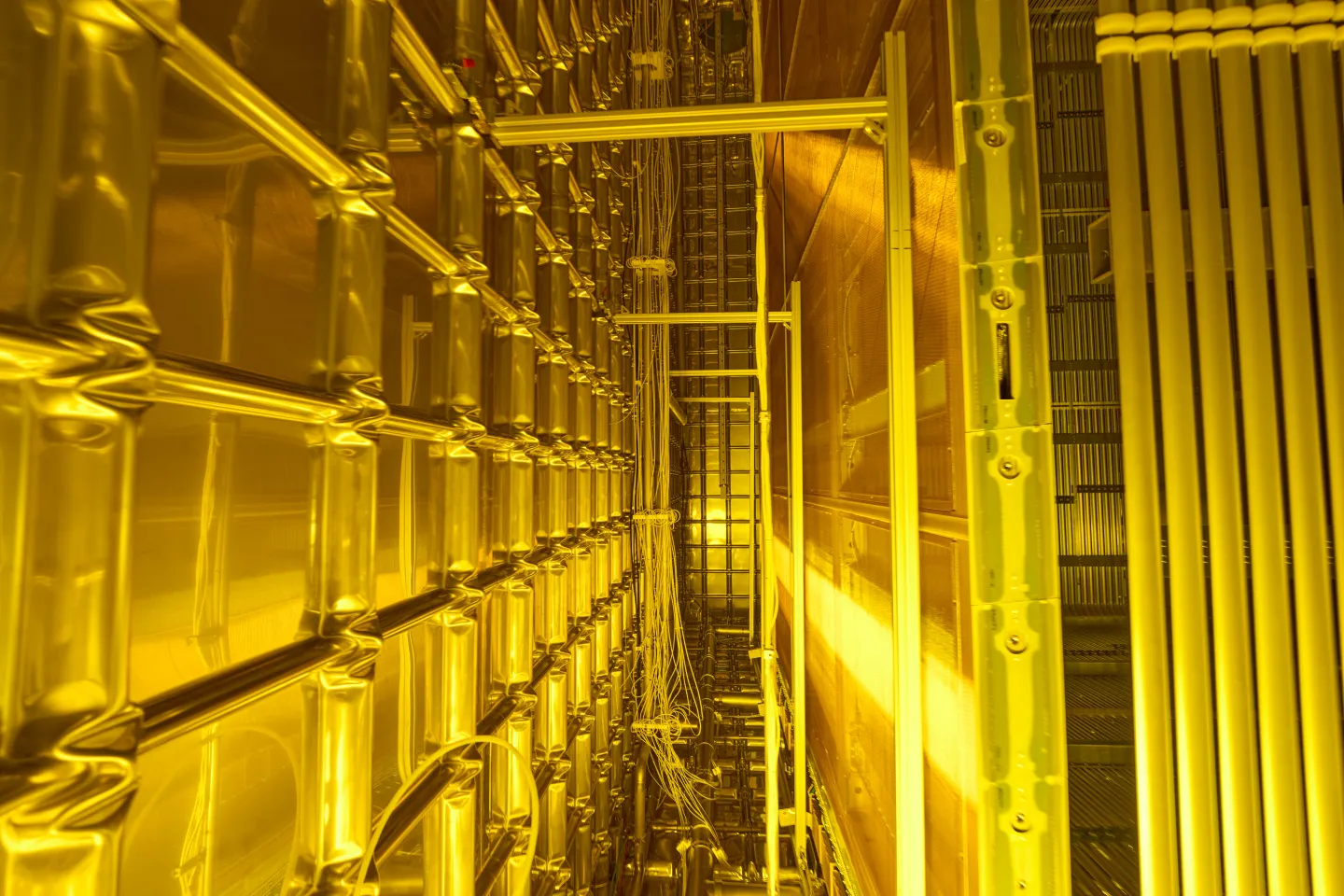
Discover how CERN’s innovative cryostat technology is advancing neutrino physics
Discover how CERN's innovative cryostat technology is advancing neutrino physics As stated in the 2020 Update of the European Strategy for Particle Physics, the existence of non-zero neutrino masses is a compelling sign of new physics. The worldwide neutrino physics program explores the full scope of the rich neutrino sector and commands strong support in
-
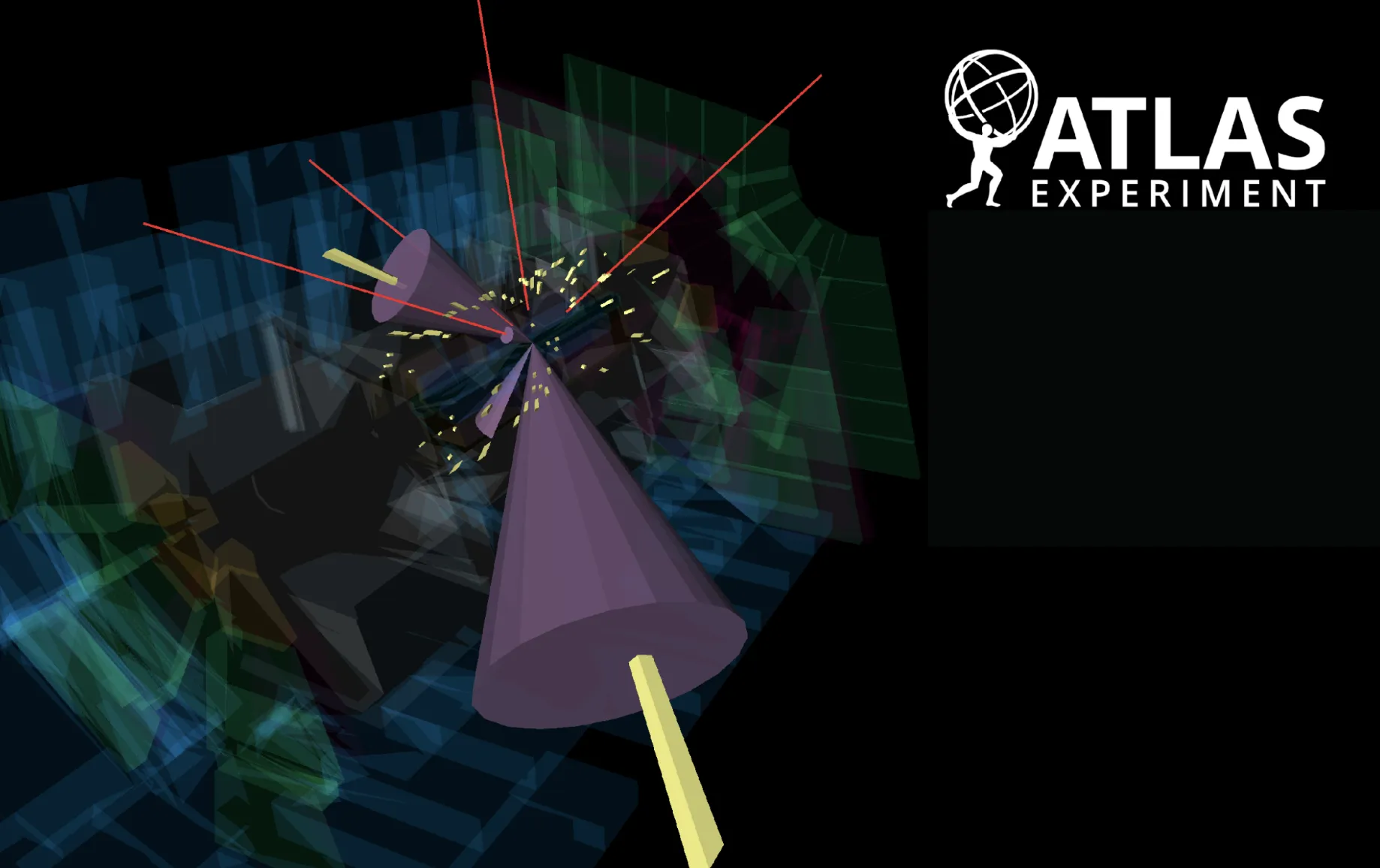
A high-dimensional jet-powered measurement of the strong force
A high-dimensional jet-powered measurement of the strong force Top image: An event display of a high-momentum Z boson event in the ATLAS detector associated with a number of “jets”, which are complex clusters of particles created via interactions mediated by the strong force. Precise measurements of fundamental particles at the Large Hadron Collider (LHC) are
-
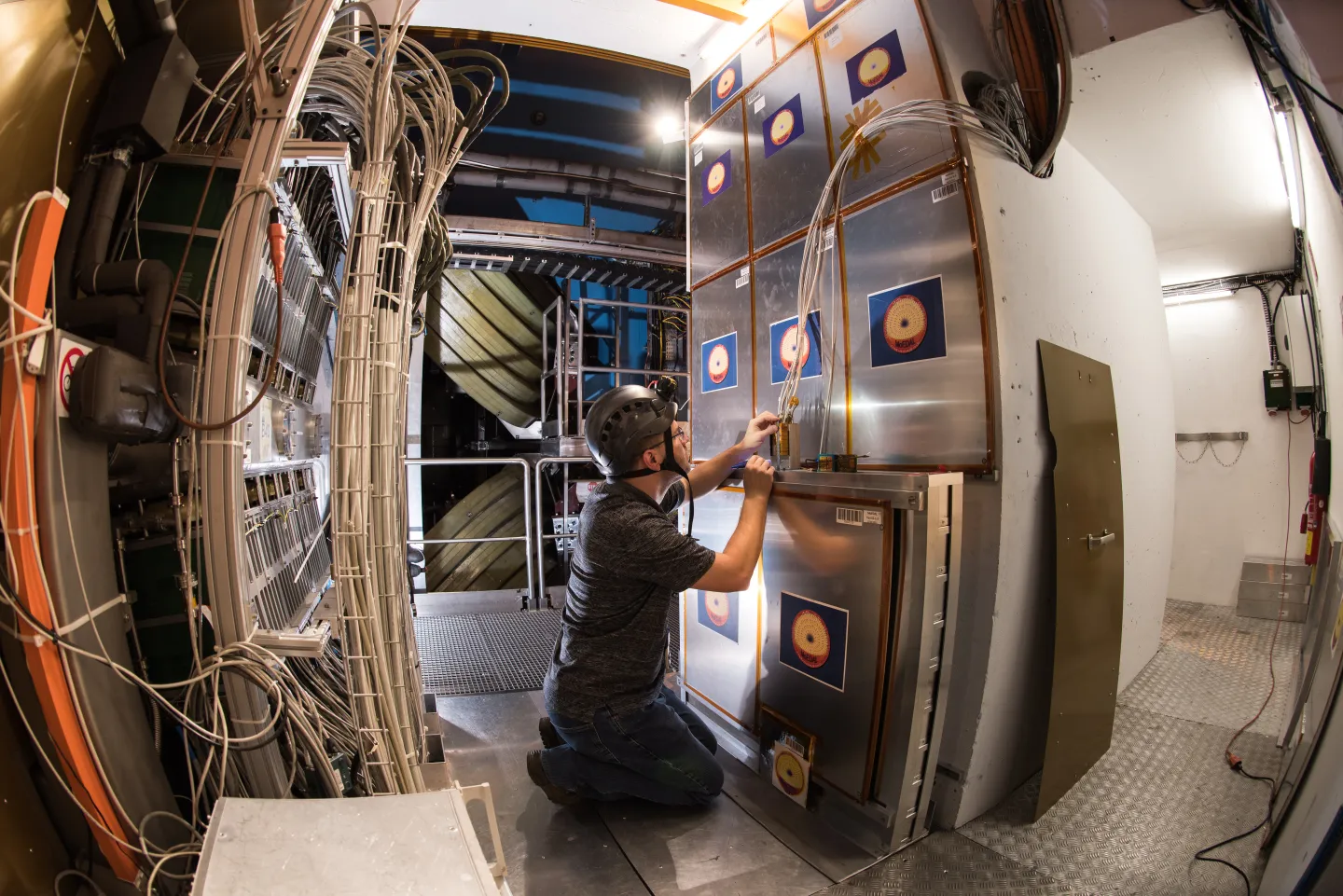
MoEDAL-MAPP Experiment’s Quest for Anomalously Charged Avatars of New Physics
MoEDAL-MAPP Experiment’s Quest for Anomalously Charged Avatars of New Physics Nature, as described by the Standard Model (SM), has decreed that stable or pseudo-stable subnuclear charged particles can only have an observable electrical charge of ±1e, where e is the charge of an electron and that there is no magnetic charge. Thus, searching for anomalously
-

Exploration with LHCb: from unseen to rare
Exploration with LHCb: from unseen to rare Flavour physics, even at low-energy scales, offers a glimpse at energy scales far higher than those reachable directly thanks to the quantum loop effects, which are present in the quark transitions. The rarer or more suppressed a given transition is within the standard model (SM) of particle physics,
-
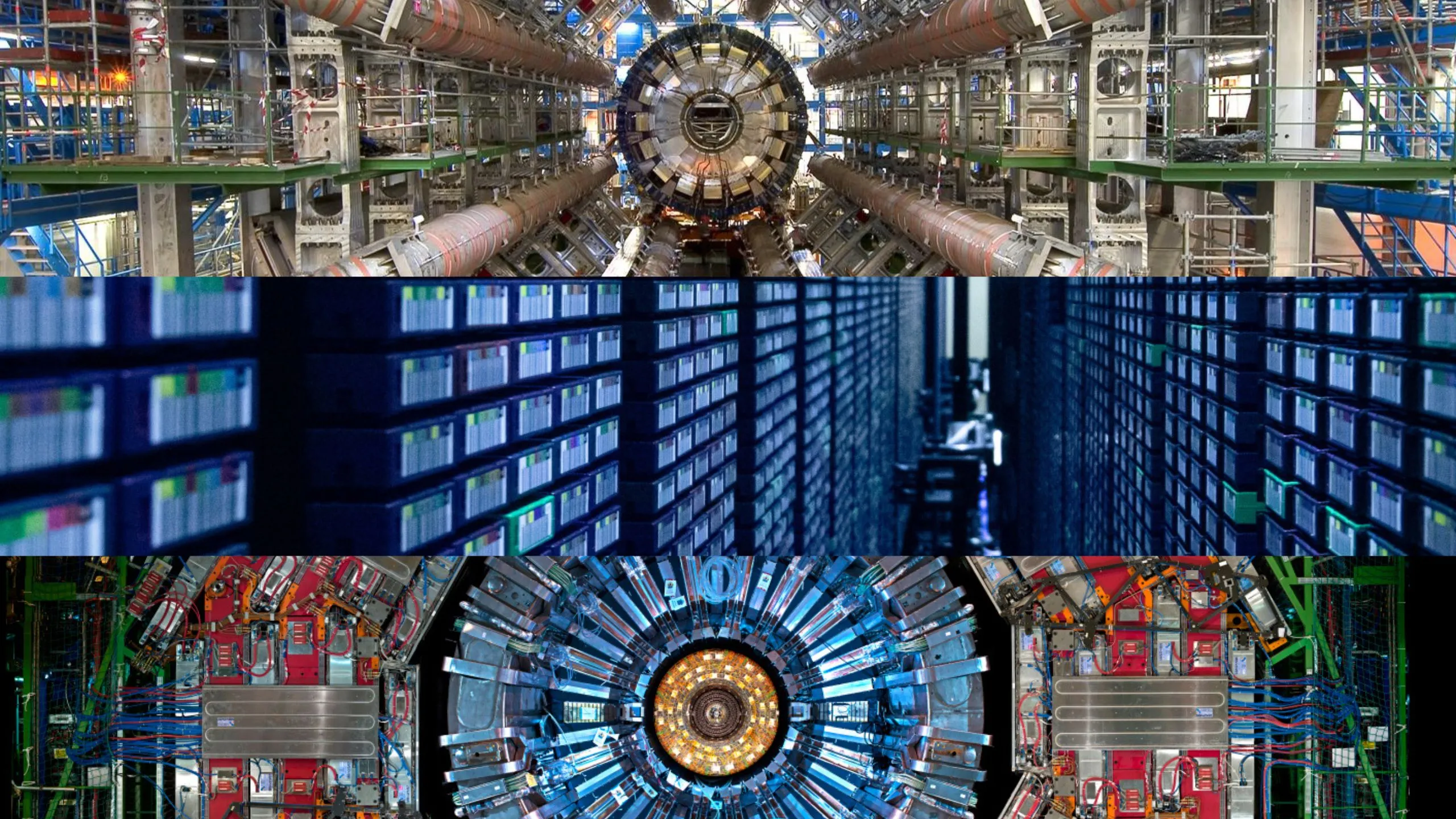
NextGen Triggers: Pioneering R&D for HL-HC Data Acquisition and Event Processing
NextGen Triggers: Pioneering R&D for HL-HC Data Acquisition and Event Processing The High-Luminosity LHC upgrade will provide an unprecedented challenge to the data acquisition and online event processing capabilities of ATLAS and CMS. Both experiments are currently undergoing major upgrades to prepare their detectors to cope with the expected threefold increase in event level pile-up