
Category: Newsletter
-
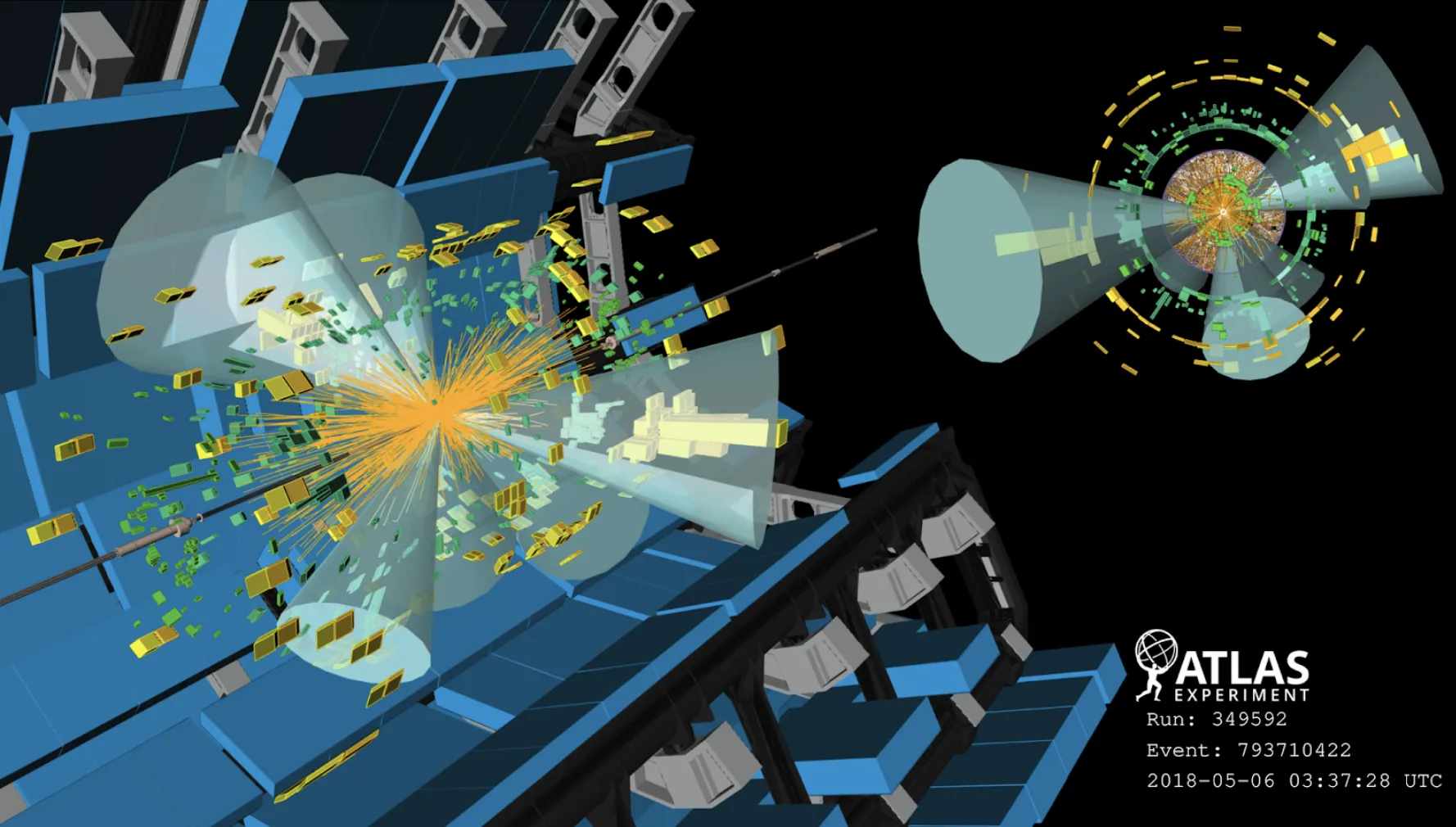
Triple Higgs Frontiers: Mapping the Higgs self-couplings at the 2025 HHH workshop
Triple Higgs Frontiers: Mapping the Higgs self-couplings at the 2025 HHH workshop More than a decade after the discovery of the Higgs boson, attention is shifting from finding the Higgs to mapping its self-interactions. These self-couplings determine the shape of the Higgs potential, and with it the stability of our vacuum and the early Universe.
-
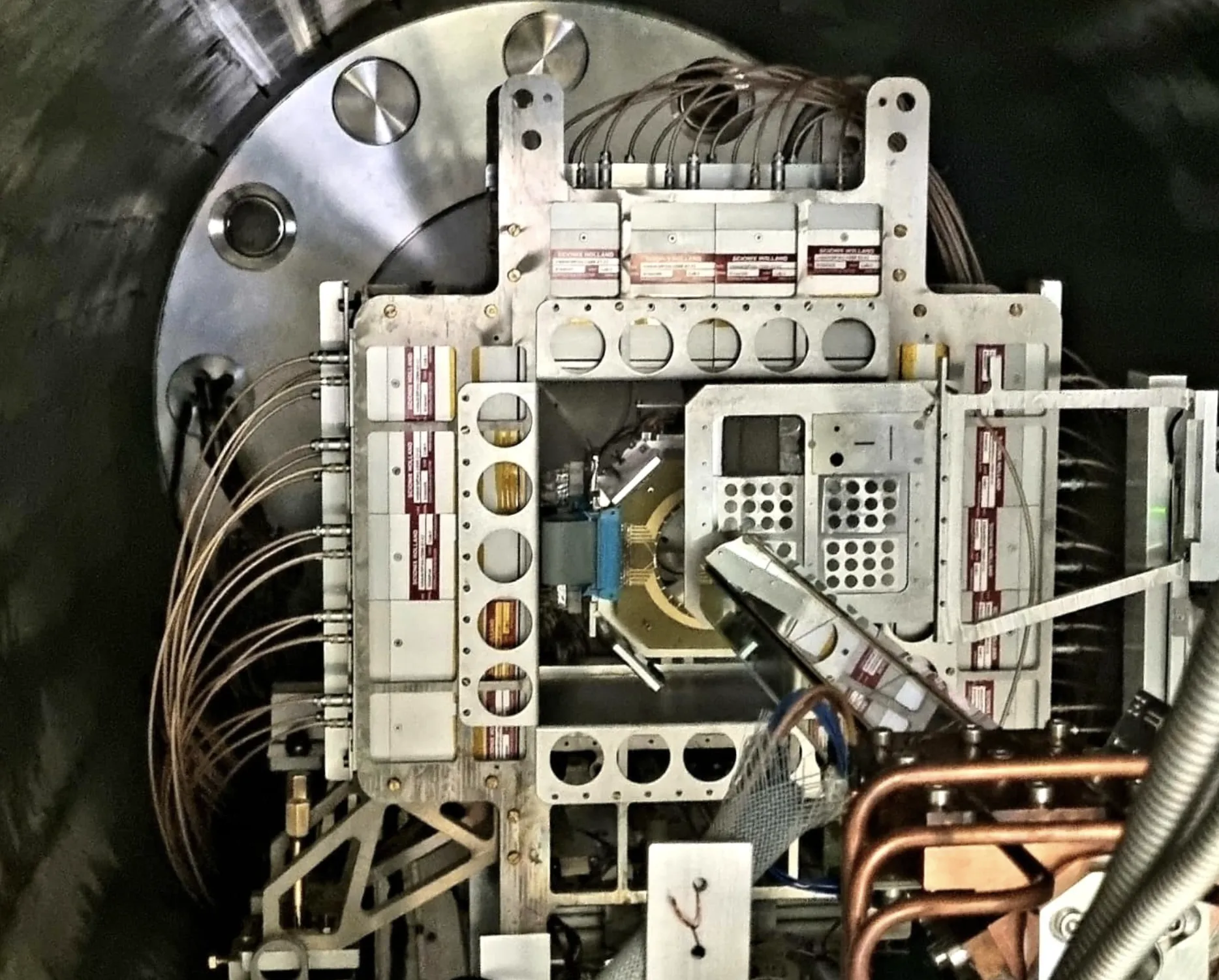
Transfer-induced fission at the ISOLDE Solenoidal Spectrometer
Transfer-induced fission at the ISOLDE Solenoidal Spectrometer How are the heaviest elements in the Universe formed? Looking at the periodic table, we know where the lightest elements come from. Hydrogen and helium were forged in the primordial nucleosynthesis that took place just moments after the Big Bang. Elements such as lithium, beryllium, and boron are
-
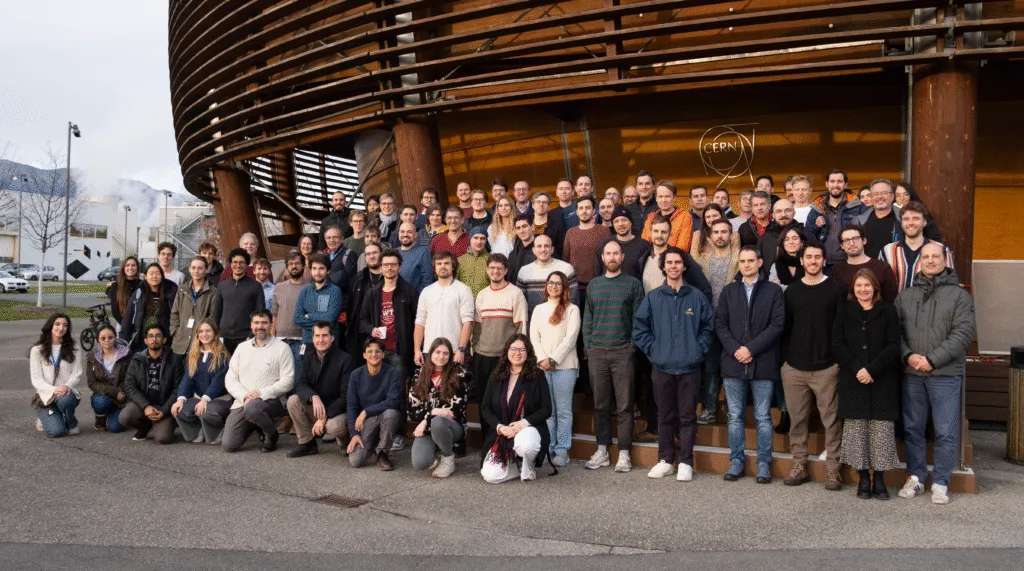
Highlights from the 2nd NGT Technical Workshop
Highlights from the 2nd NGT Technical Workshop Participants of the 2nd Next Generation Triggers Technical Workshop at the Globe of Science and Innovation. Picture: Mariana Velho From 19 to 21 November 2025, the Next Generation Triggers (NGT) project held its 2nd Technical Workshop at CERN’s Globe of Science and Innovation, welcoming more than one hundred
-
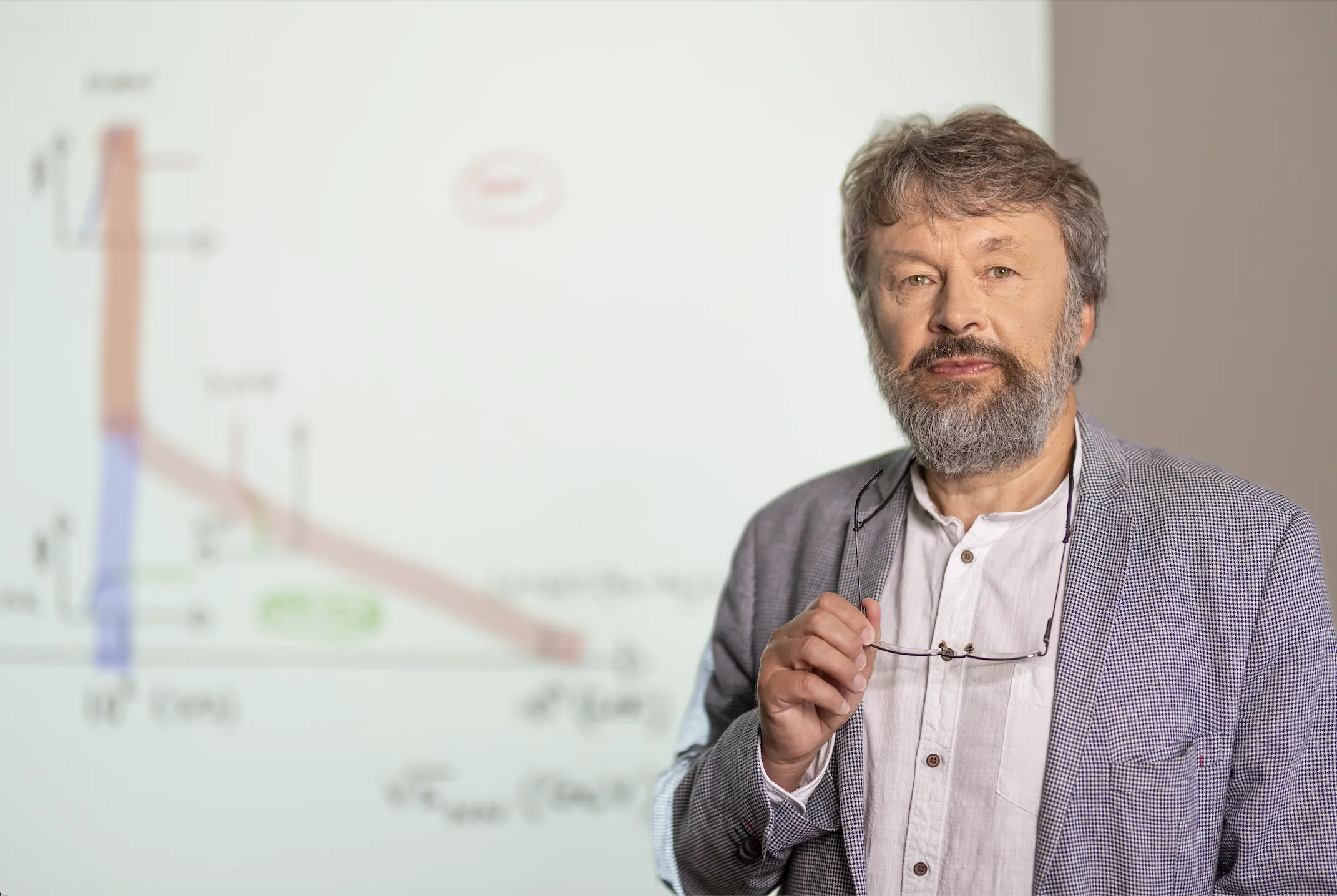
Marek Gazdzicki: Four Decades at the SPS – and Still Surprised by Strong Interactions
Marek Gazdzicki: Four Decades at the SPS – and Still Surprised by Strong Interactions After nearly two decades at the helm of NA61/SHINE, Marek Gazdzicki reflects in this interview on a lifetime at the SPS — from proposing the world’s first two-dimensional scan of nuclear collisions to the unexpected discovery of a large isospin symmetry
-
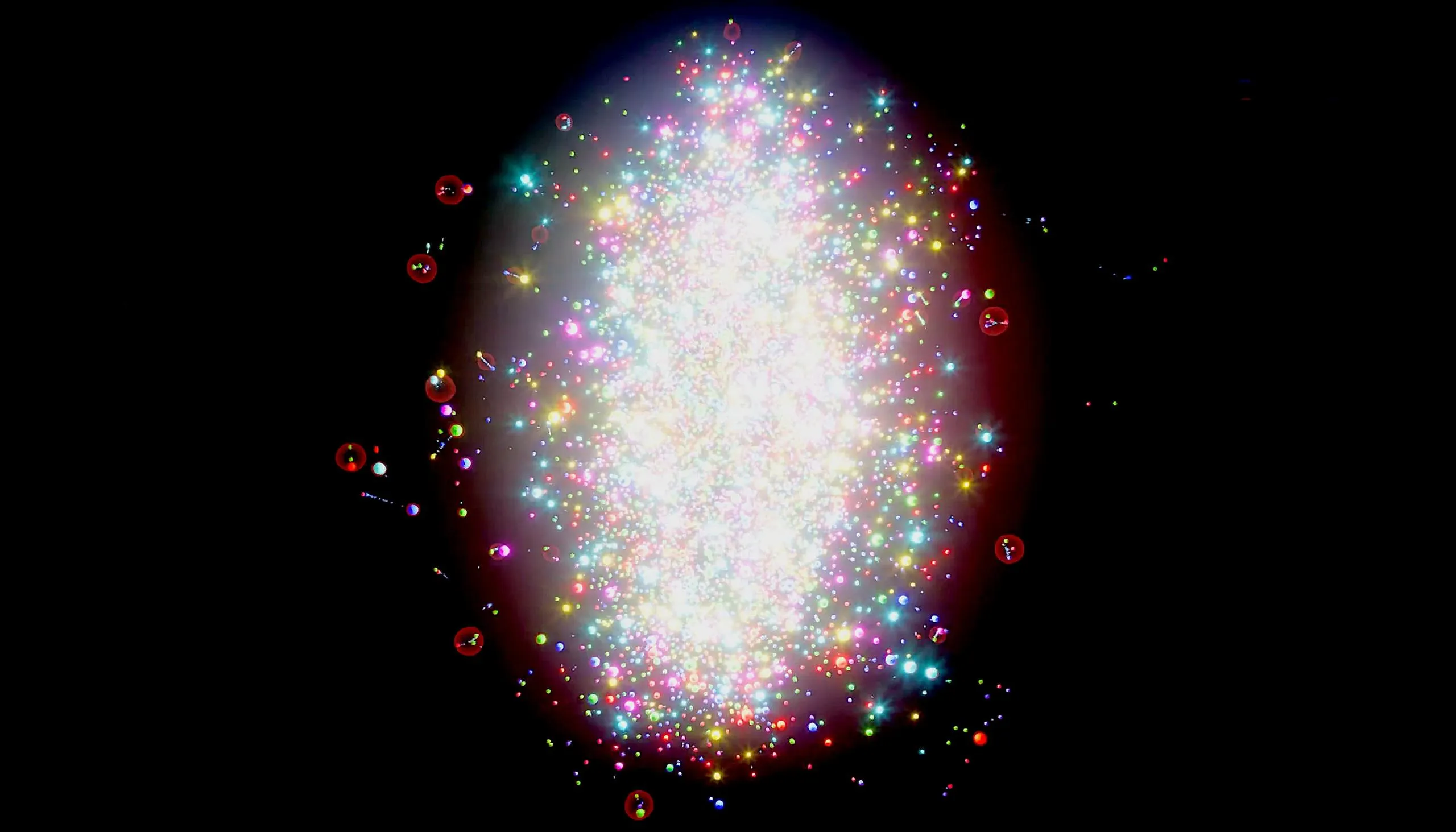
Light ions at the LHC: first results from oxygen–oxygen and neon–neon collisions
Light ions at the LHC: first results from oxygen–oxygen and neon–neon collisions This summer, the Large Hadron Collider (LHC) delivered its first-ever collisions between light ions, opening a new chapter in the study of nuclear structure and the quark–gluon plasma (QGP) – the extreme state of matter that existed in the first instants of the
-
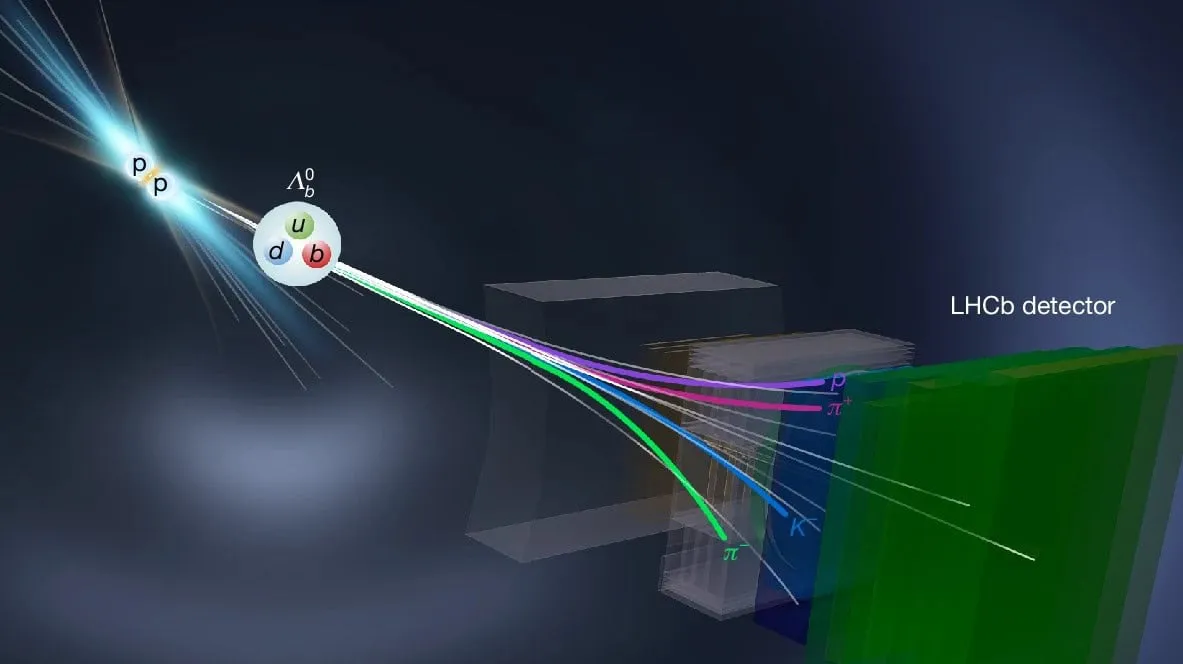
The Asymmetry of the Universe: First Observation of CP Violation in Baryons
The Asymmetry of the Universe: First Observation of CP Violation in Baryons “What is that which always is and has no becoming, and what is that which becomes and never is?” — Plato, Timaeus 27d–28a It may sound like pure philosophy, yet for physicists it speaks to one of the most profound mysteries in physics:
-

Physics Briefing Book Released: A Key Step Toward the 2026 Update of the European Strategy for Particle Physics
Physics Briefing Book Released: A Key Step Toward the 2026 Update of the European Strategy for Particle Physics The Physics Briefing Book, a cornerstone document guiding the 2026 Update of the European Strategy for Particle Physics (ESPP), has been released by the Physics Preparatory Group (PPG) and is now available online. 🔗 Read the Physics
-
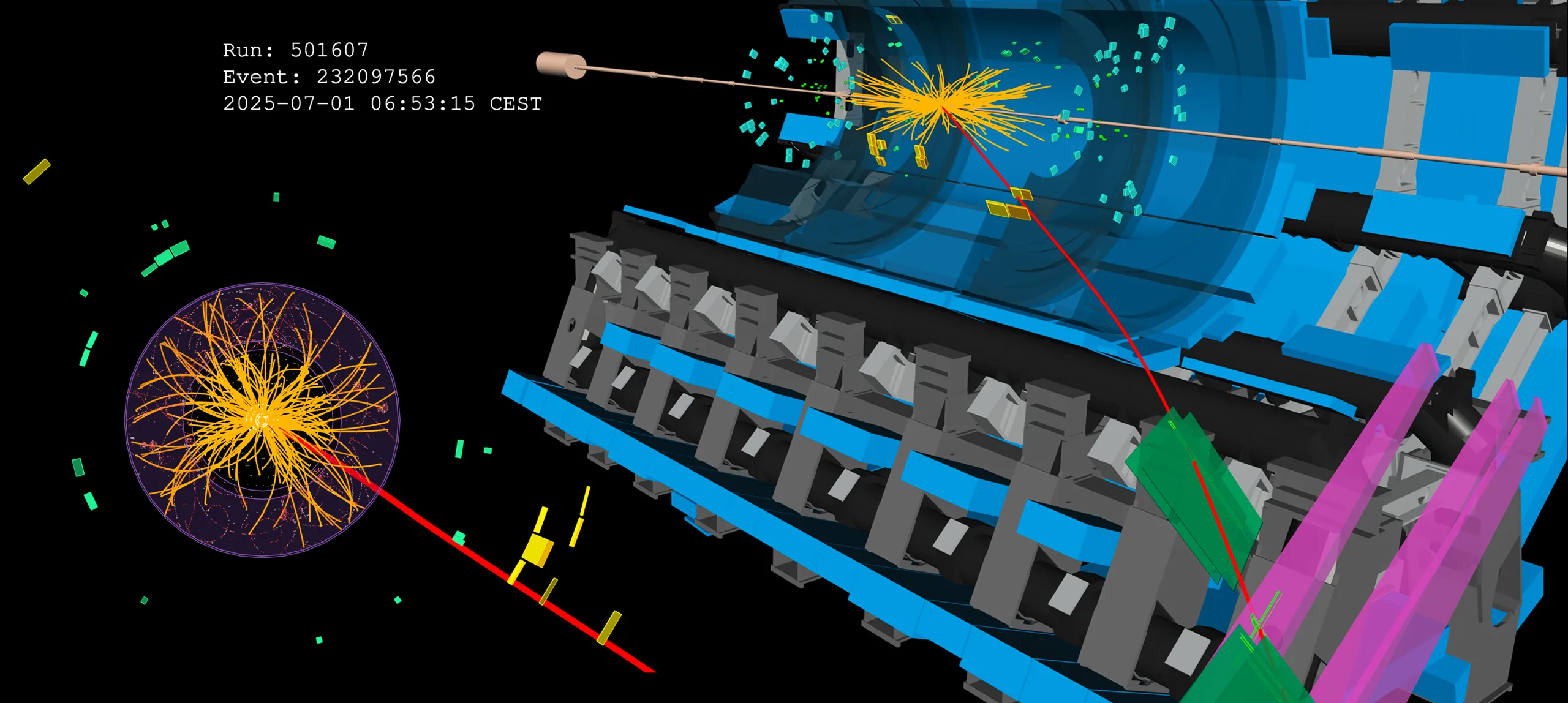
ATLAS explores the quark–gluon plasma with light-ion collisions
ATLAS explores the quark–gluon plasma with light-ion collisions In July 2025, ATLAS recorded the first-ever collisions of light ions at the LHC — oxygen–oxygen (O–O) and neon–neon (Ne–Ne) — marking a new phase in the study of strongly interacting matter. These short, intense runs provided a unique opportunity to explore the transition between conventional hadronic
-
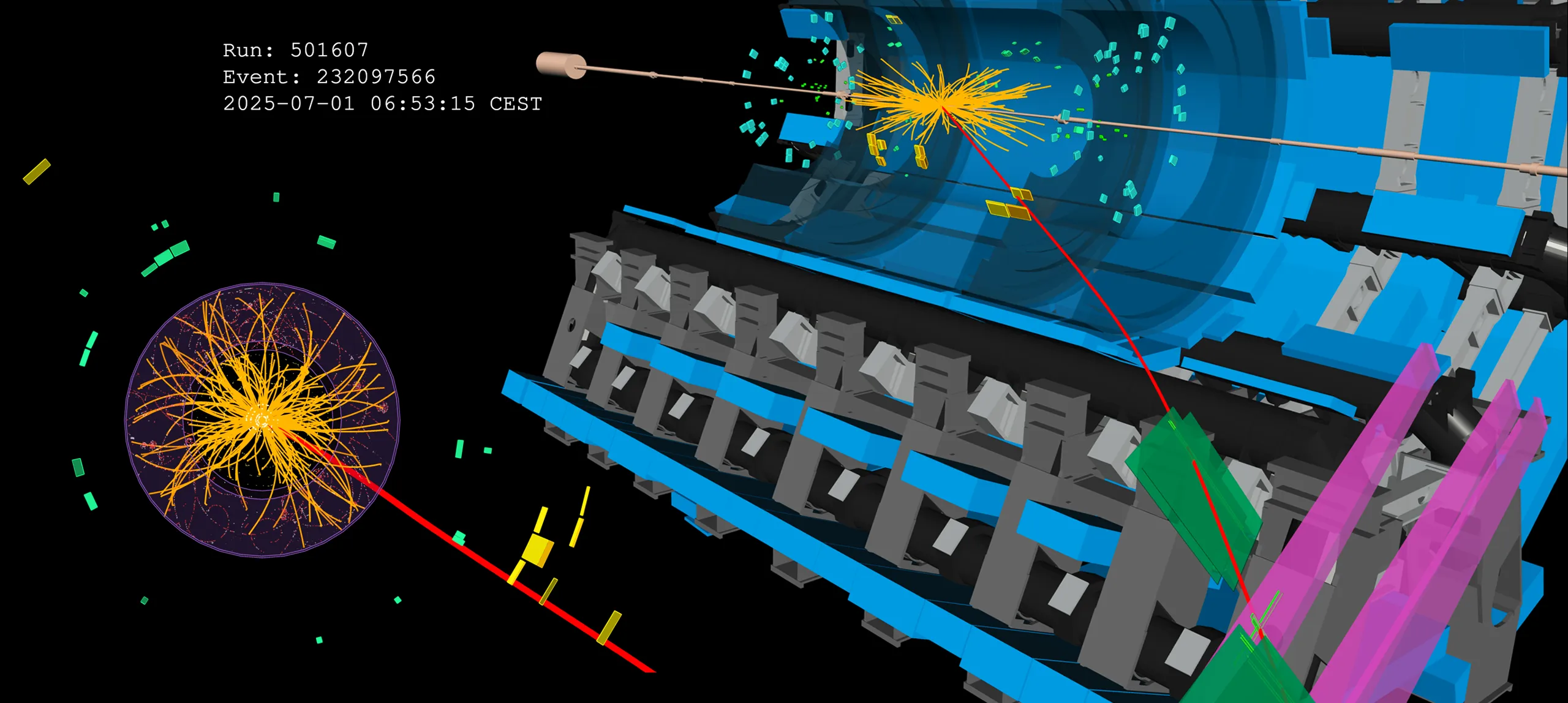
ATLAS explores the quark–gluon plasma with light-ion collisions
ATLAS explores the quark–gluon plasma with light-ion collisions In July 2025, ATLAS recorded the first-ever collisions of light ions at the LHC — oxygen–oxygen (O–O) and neon–neon (Ne–Ne) — marking a new phase in the study of strongly interacting matter. These short, intense runs provided a unique opportunity to explore the transition between conventional hadronic
-
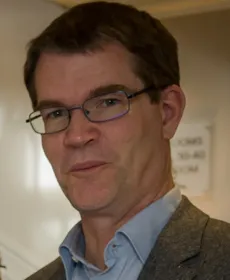
A word from the EP Deputy Department Head – October 2025
A word from the EP Deputy Department Head – October 2025 It is my pleasure to introduce this latest issue of the EP newsletter, full of fascinating articles drawn from the breadth of activities going on in the CERN EP department and beyond. As the weather turns colder and we begin to look towards the