
Category: Newsletter
-
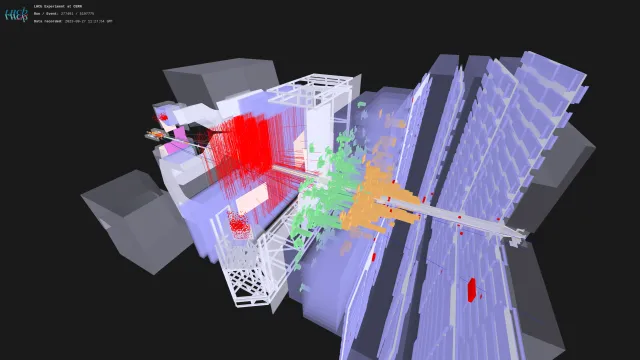
LHCb explores new physics in special light-ion LHC runs
LHCb explores new physics in special light-ion LHC runs The LHC carried out a special run programme early summer. First results were reported by the ALICE, ATLAS, CMS and LHCb experiments at the Initial Stages of High-Energy Nuclear Collisions conference. These results were also presented at a CERN seminar and reported in a CERN news.
-
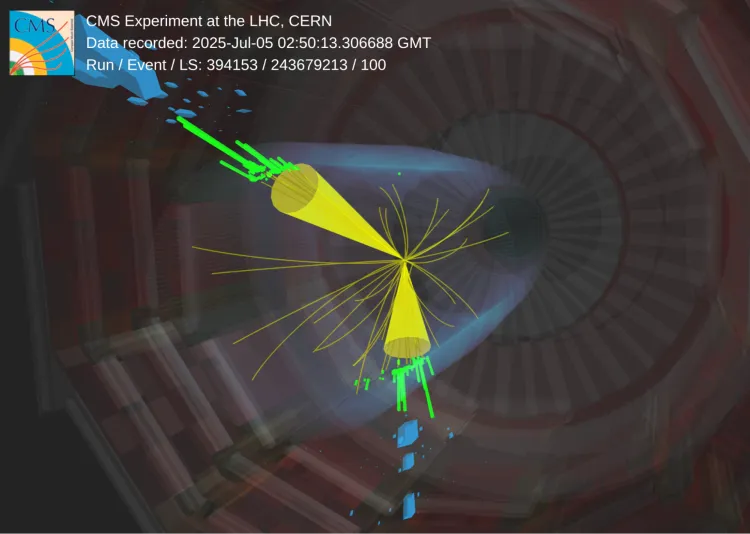
CMS explores light-ion collisions: suppression, scaling, and collectivity
CMS explores light-ion collisions: suppression, scaling, and collectivity The CMS experiment has reported first results from the LHC’s dedicated oxygen–oxygen (O–O) and neon–neon (Ne–Ne) collision run, offering an unprecedented look at quark–gluon plasma (QGP) formation in light-ion systems. These studies address long-standing questions about the minimal conditions required for QGP droplets to form and how
-
EDIT Instrumentation Schools: Preparing the Next Generation of Detector Experts
EDIT Instrumentation Schools: Preparing the Next Generation of Detector Experts The Excellence in Detector and Instrumentation Technologies (EDIT) Schools are an established series of international training events dedicated to young researchers – graduate students and early-career postdocs – who want to deepen their knowledge of detector technologies and instrumentation for particle physics. Rotating between Europe,
-
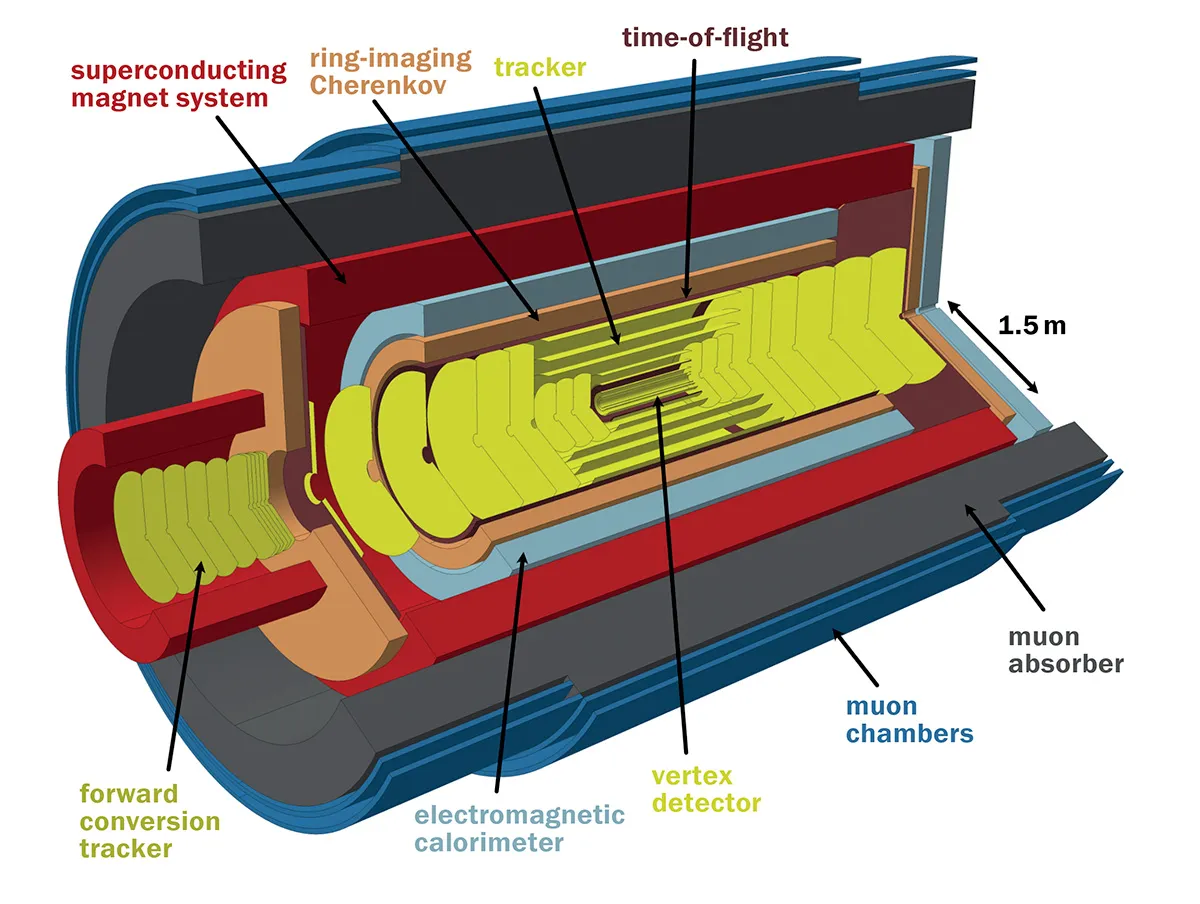
Aerogel RICH detector for the future ALICE 3 PID system at LHC
Aerogel RICH detector for the future ALICE 3 PID system at LHC For the LHC Runs 5, starting in 2036, the ALICE collaboration is proposing a new apparatus, ALICE 3 (CDS record), to further investigate the properties of Quark–Gluon Plasma (QGP) following the physics measurement campaign of LHC Runs 3 and 4. Despite significant progress,
-
G4HepEm: accelerated electromagnetic shower simulation for the HL–LHC
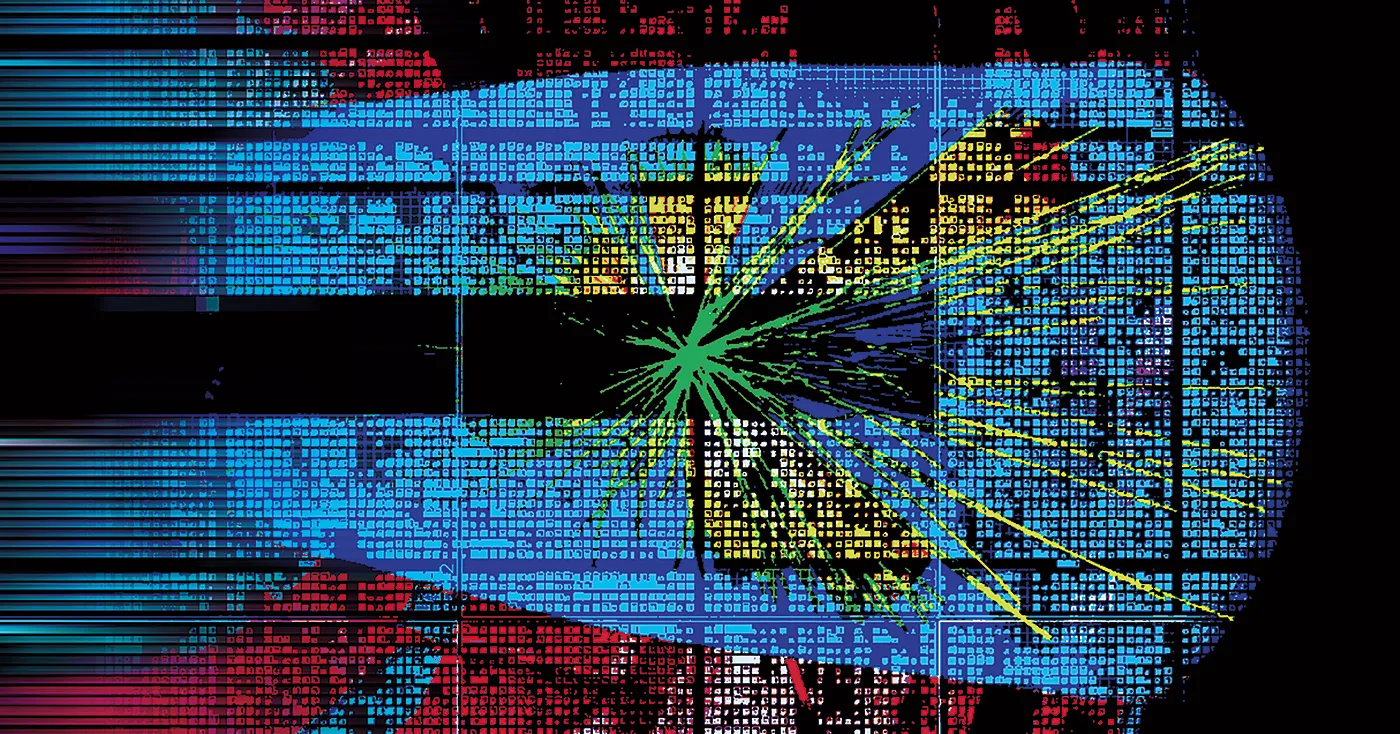
G4HepEm: accelerated electromagnetic shower simulation for the HL–LHC When the High–Luminosity LHC (HL–LHC) starts delivering data, the volume of simulated events required to control systematic uncertainties will rise sharply. In ATLAS, detailed detector simulation already consumes a large fraction of the computing budget; in CMS, it is expected to grow substantially with the Phase-2 upgrade,
-
ISOLDE charts the shores of the islands of inversion
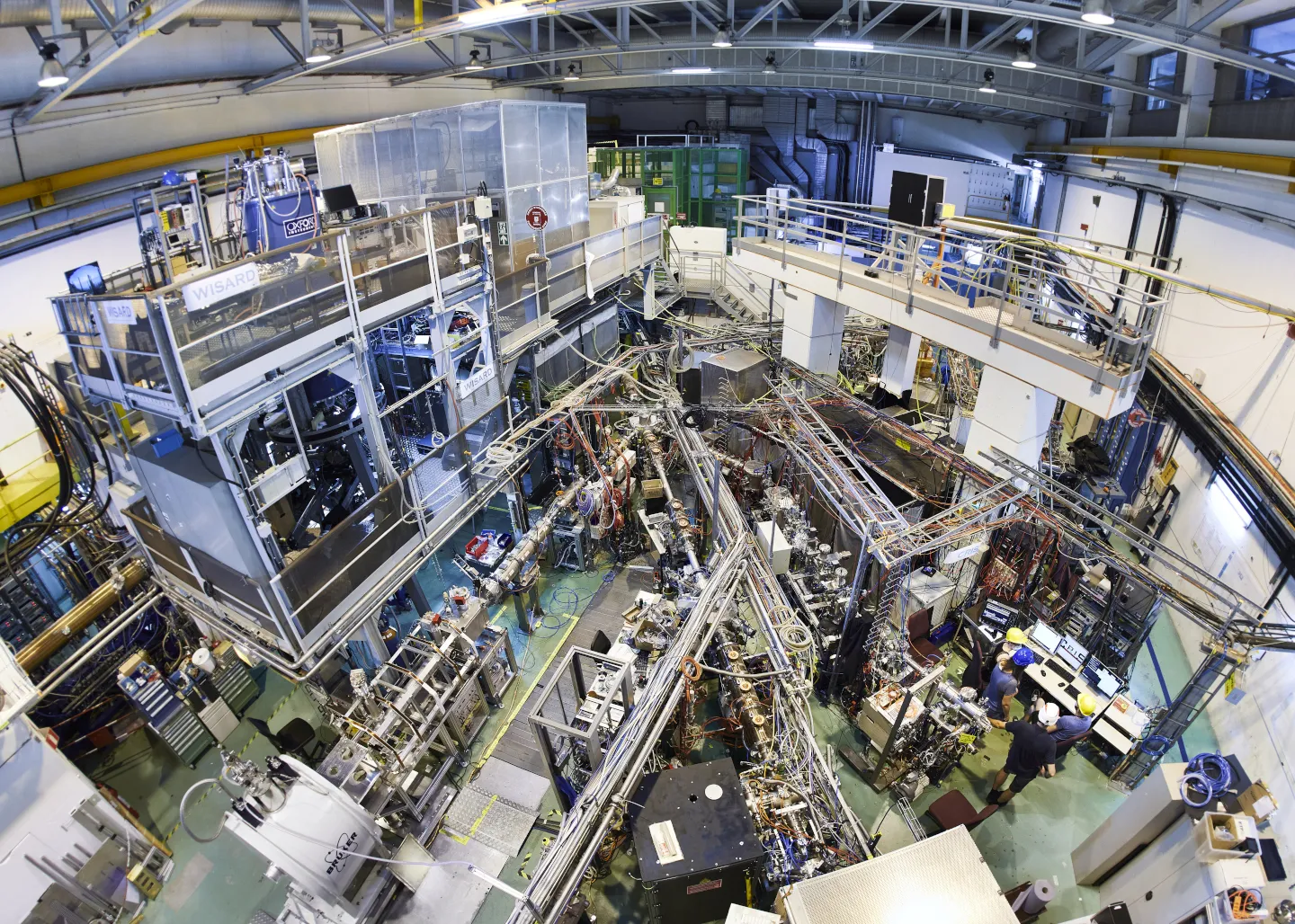
ISOLDE charts the shores of the islands of inversion For decades, CERN’s ISOLDE (Isotope Separator On-Line Device) facility has been a global leader in exploring the behaviour of exotic nuclei far from stability. By delivering beams of short-lived isotopes and enabling their study with advanced spectroscopic techniques, ISOLDE has expanded our view on nuclear structure
-
Breakthrough: Coherent Spectroscopy with a Single Antiproton Spin
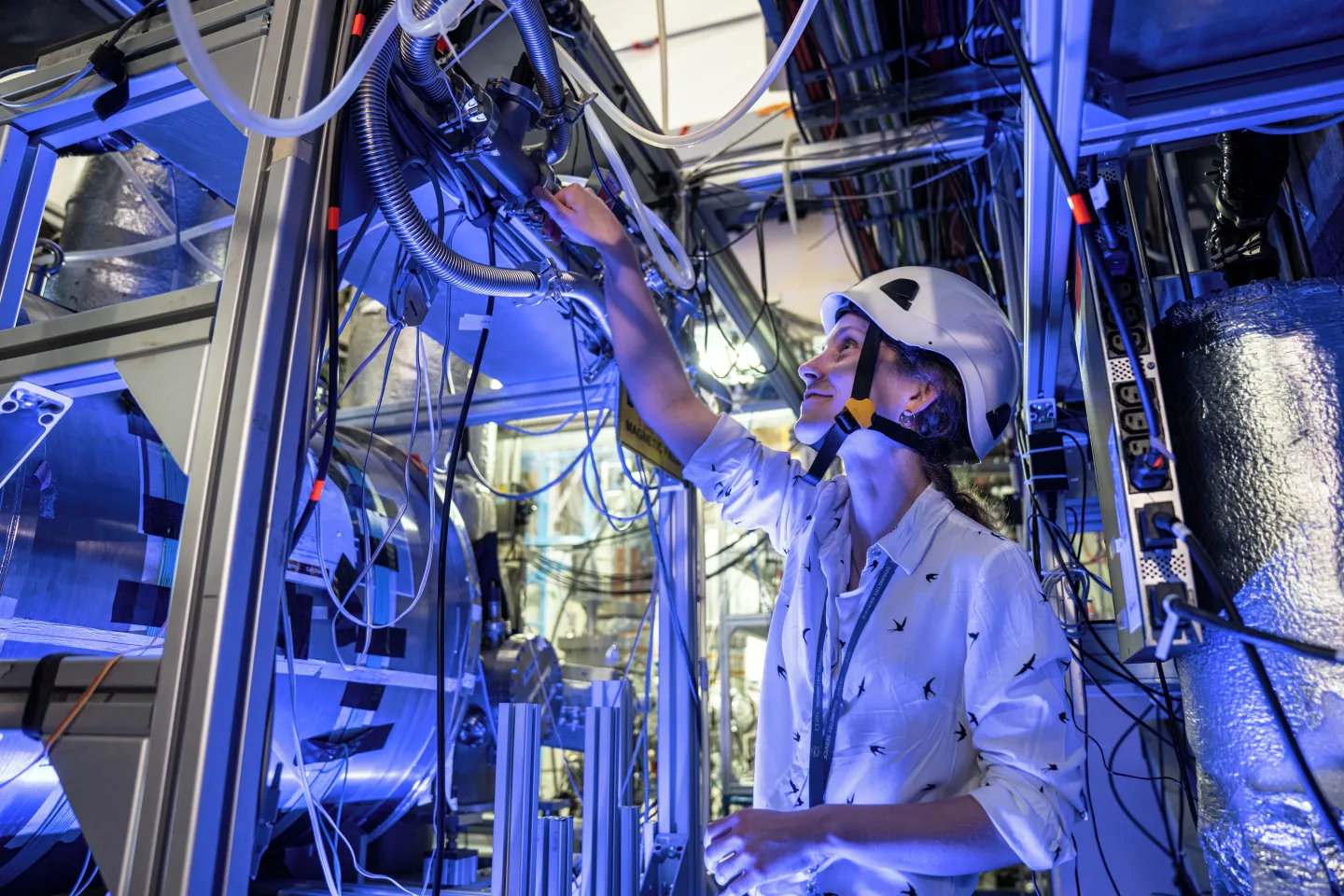
Breakthrough: Coherent Spectroscopy with a Single Antiproton Spin BASE physicist Barbara Latacz in front of the experiment’s cryostat. This cylinder, which is kept at 4 kelvins (-269°C), houses the system of traps that cool and measure the antiprotons and a very strong magnet. (Image: CERN) In a significant breakthrough for precision physics and antimatter research,
-
Welcome to the Collider Neutrino Era!
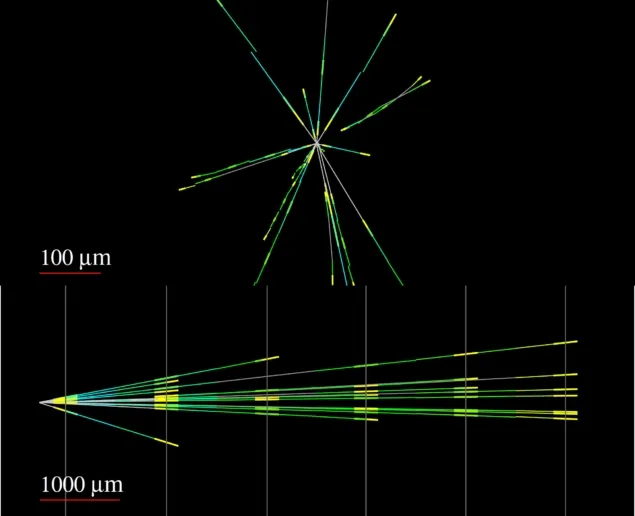
Welcome to the Collider Neutrino Era! Searches for new fundamental particles and interactions at hadron collider experiments such as the SPS, the TeVatron, and the LHC have traditionally focused on heavy and relatively strongly interacting states. The two general-purpose experiments of the LHC, ATLAS and CMS, were for this reason designed to cover the central
-
OLC-R / OLC-1 refurbishment in a Nutshell
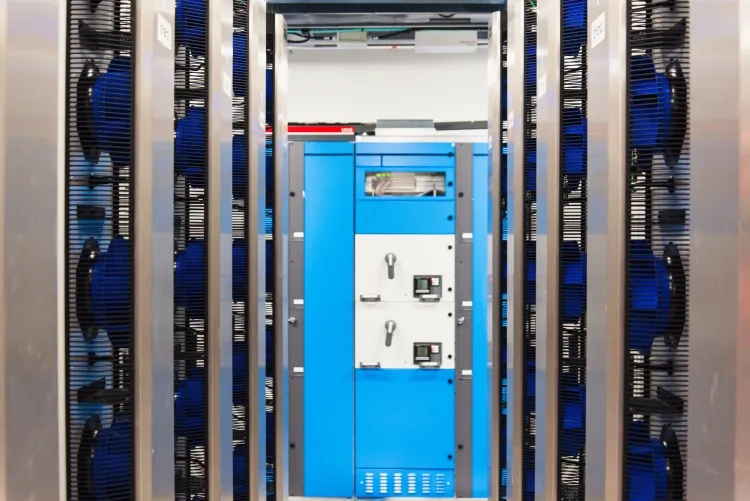
OLC-R / OLC-1 refurbishment in a Nutshell For Phase-2, CMS DAQ will undergo a major increase of its capacities to match HL-LHC performance and the related CMS physics program. Compared to the present situation (Run3), the post-trigger data throughput will increase from 2 Tb/s today to 50 Tb/s for Run4 and the processing power needed
-
The ATLAS High Granularity Timing Detector
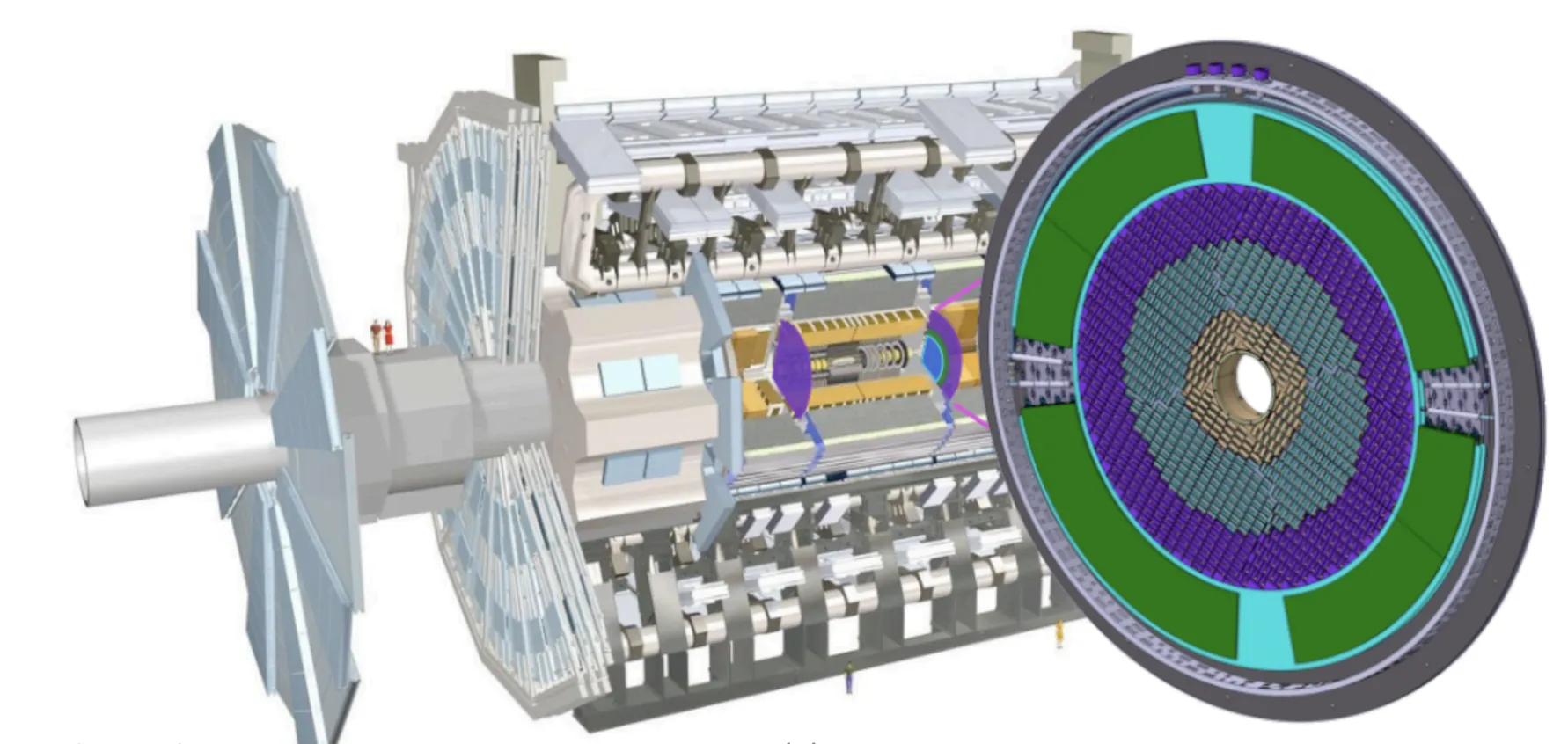
The ATLAS High Granularity Timing Detector Introduction Given the challenging conditions posed by the HL-LHC, ATLAS is currently in the process of constructing a novel precision-timing silicon detector, the High-Granularity Timing Detector (HGTD), which provides a time resolution of 30 to 50 ps for charged particles [ATLAS-TDR-31]. The detector covers a pseudorapidity range of 2.4