
Tag: CMS
-
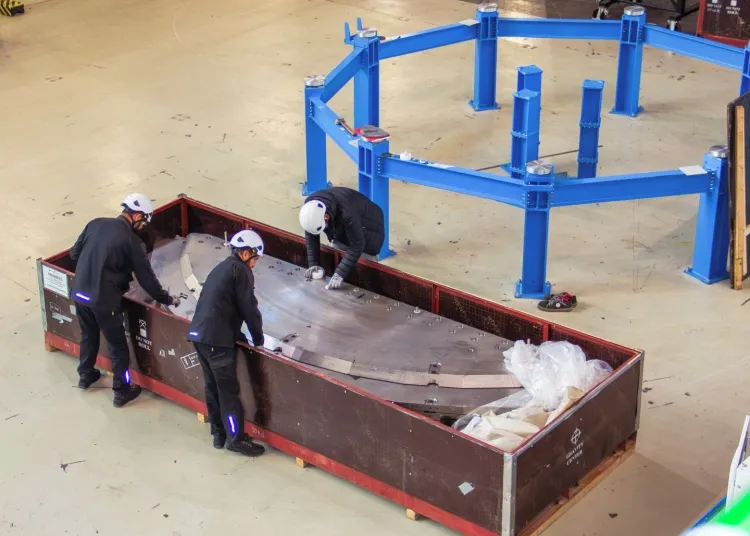
First HGCAL absorber structure delivered to CERN for assembly
First HGCAL absorber structure delivered to CERN for assembly After an eight-week journey, the first HGCAL absorber structure (CE-H1) was delivered to CERN and is ready to be assembled, just 100 metres above the location where the detector will eventually be installed. Seventeen enormous boxes were delivered at the CMS experimental site at the beginning
-
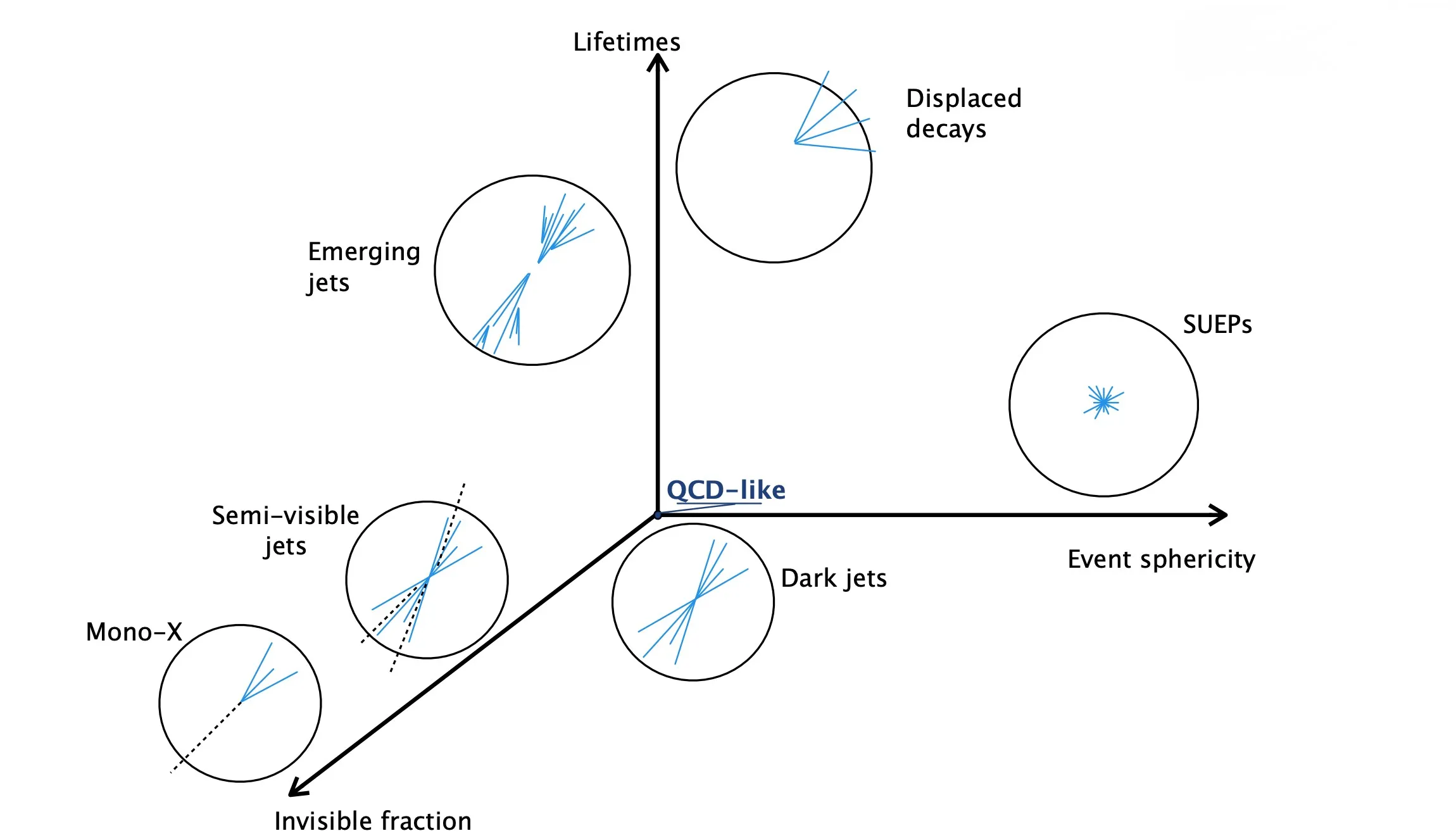
Dark Showers at the LHC: from benchmarks to Run-3 readiness
Dark Showers at the LHC: from benchmarks to Run-3 readiness The search for new physics at the LHC increasingly pushes beyond traditional signatures. Among the most intriguing possibilities are dark showers—complex cascades of particles emerging from dark-sector dynamics, capable of producing rich, unconventional final states. These scenarios naturally arise in models where dark matter interacts
-
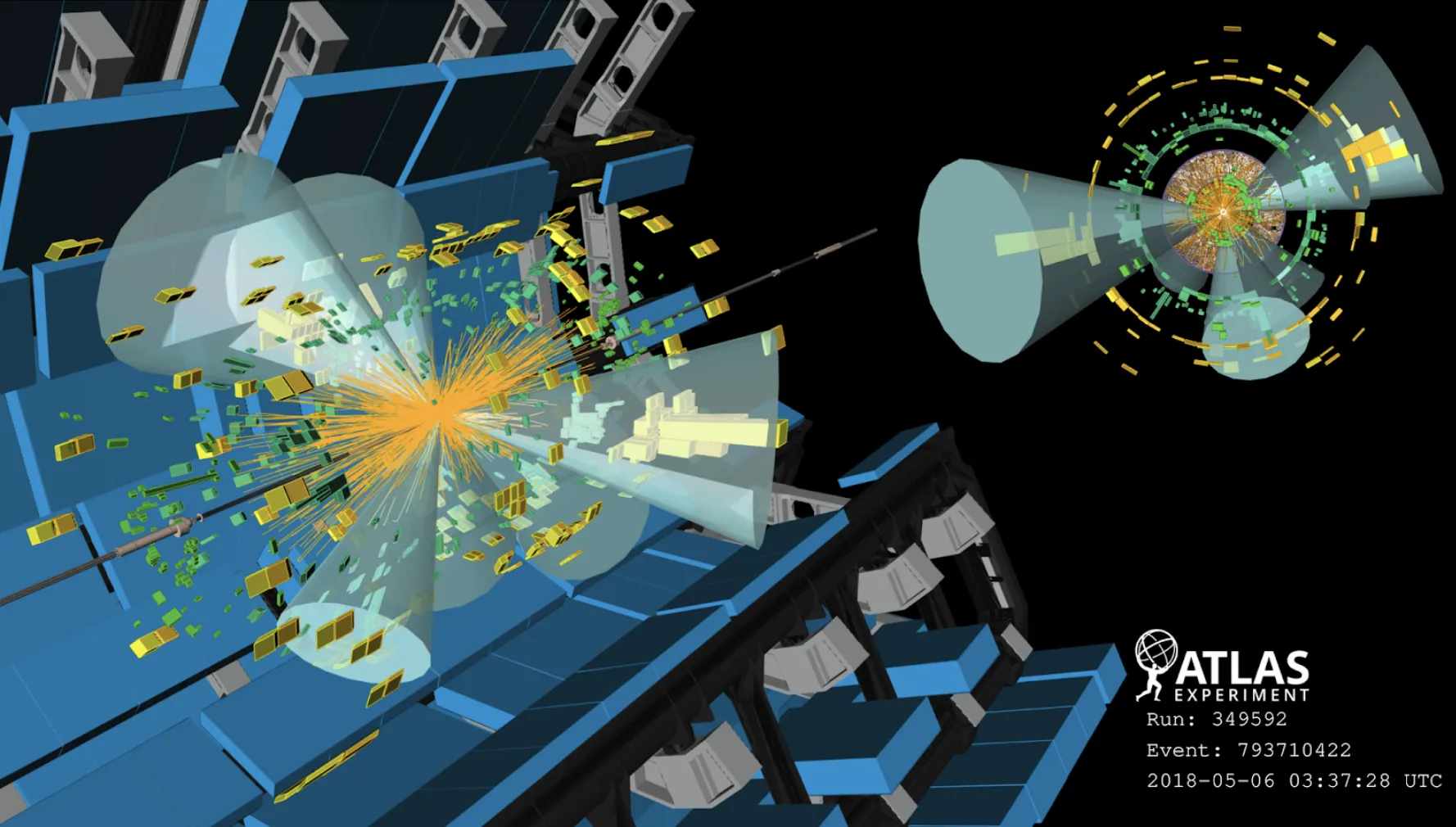
Triple Higgs Frontiers: Mapping the Higgs self-couplings at the 2025 HHH workshop
Triple Higgs Frontiers: Mapping the Higgs self-couplings at the 2025 HHH workshop More than a decade after the discovery of the Higgs boson, attention is shifting from finding the Higgs to mapping its self-interactions. These self-couplings determine the shape of the Higgs potential, and with it the stability of our vacuum and the early Universe.
-
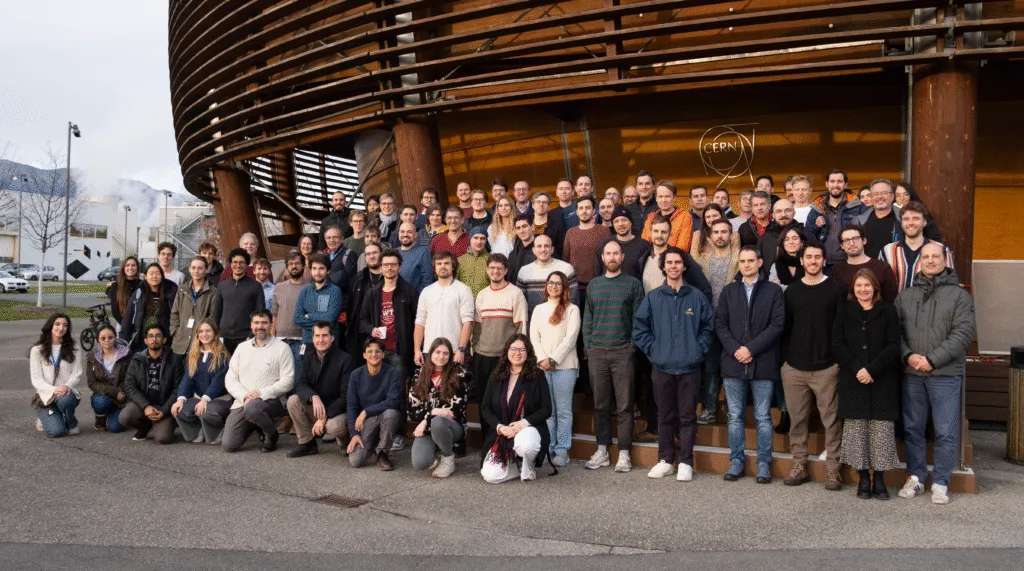
Highlights from the 2nd NGT Technical Workshop
Highlights from the 2nd NGT Technical Workshop Participants of the 2nd Next Generation Triggers Technical Workshop at the Globe of Science and Innovation. Picture: Mariana Velho From 19 to 21 November 2025, the Next Generation Triggers (NGT) project held its 2nd Technical Workshop at CERN’s Globe of Science and Innovation, welcoming more than one hundred
-
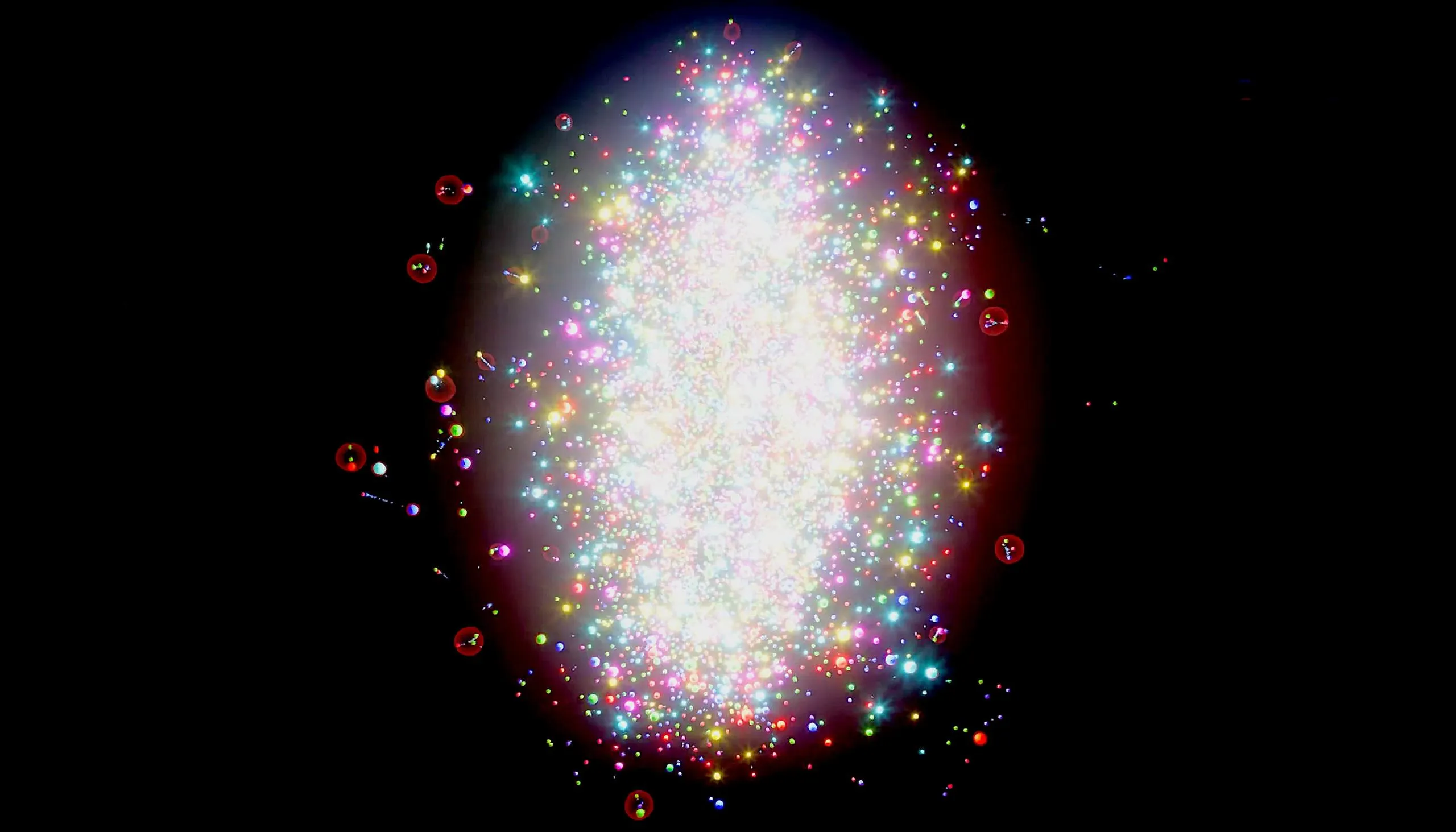
Light ions at the LHC: first results from oxygen–oxygen and neon–neon collisions
Light ions at the LHC: first results from oxygen–oxygen and neon–neon collisions This summer, the Large Hadron Collider (LHC) delivered its first-ever collisions between light ions, opening a new chapter in the study of nuclear structure and the quark–gluon plasma (QGP) – the extreme state of matter that existed in the first instants of the
-
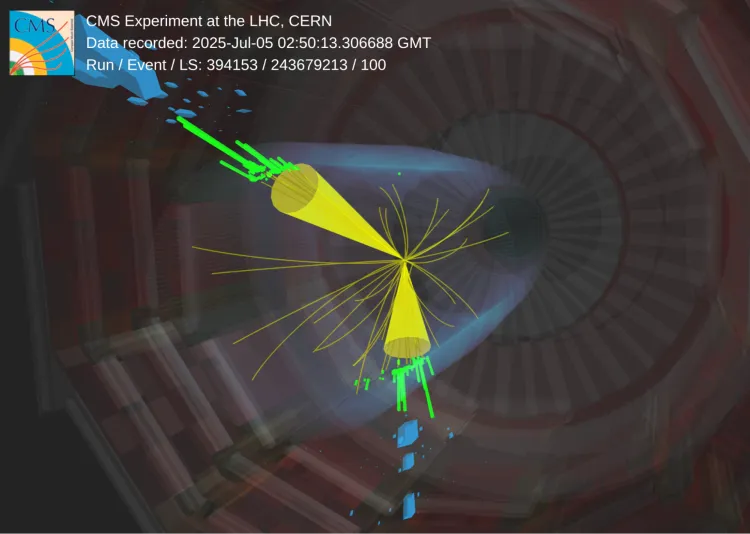
CMS explores light-ion collisions: suppression, scaling, and collectivity
CMS explores light-ion collisions: suppression, scaling, and collectivity The CMS experiment has reported first results from the LHC’s dedicated oxygen–oxygen (O–O) and neon–neon (Ne–Ne) collision run, offering an unprecedented look at quark–gluon plasma (QGP) formation in light-ion systems. These studies address long-standing questions about the minimal conditions required for QGP droplets to form and how
-
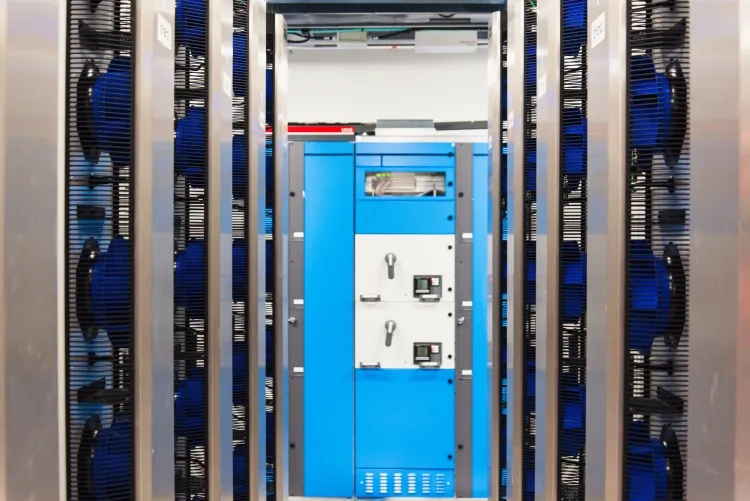
OLC-R / OLC-1 refurbishment in a Nutshell
OLC-R / OLC-1 refurbishment in a Nutshell For Phase-2, CMS DAQ will undergo a major increase of its capacities to match HL-LHC performance and the related CMS physics program. Compared to the present situation (Run3), the post-trigger data throughput will increase from 2 Tb/s today to 50 Tb/s for Run4 and the processing power needed
-
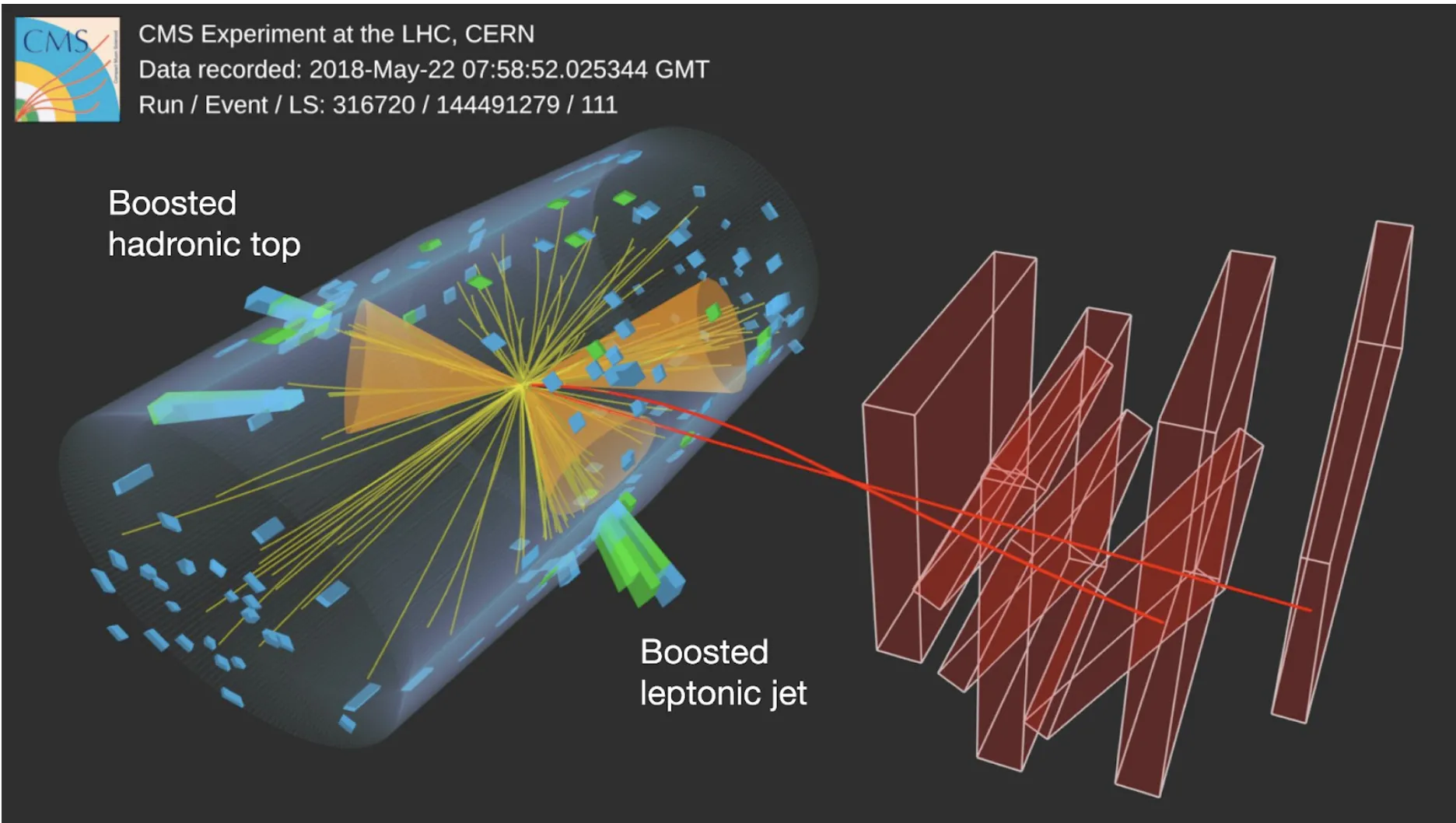
An all-round boosted chase for supersymmetry
An all-round boosted chase for supersymmetry It is rare for a theory to inspire as much experimental attention as supersymmetry has. CMS completed more than 40 SUSY searches in Run 2 alone, reflecting how compelling this framework remains in the quest for new physics. SUSY proposes that every known particle has a heavier partner, a
-
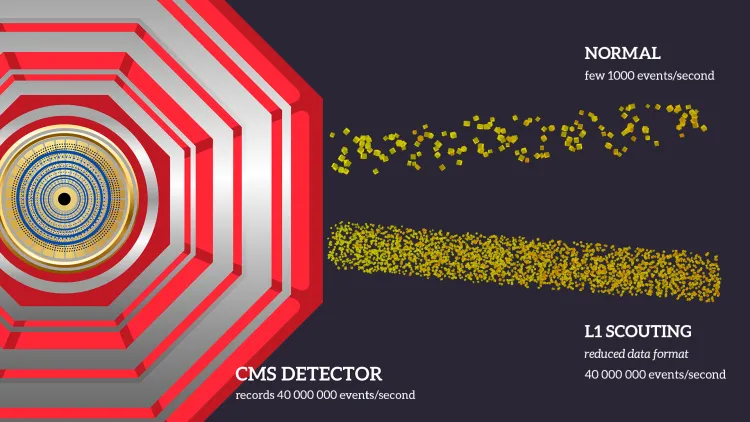
How CMS records all 40 million events per second
How CMS records all 40 million events per second Traditional data taking workflows at the LHC experiments rely on a filtering step – called Level-1 trigger – that reduces the amount of data to a manageable level. The Level-1 trigger is implemented in hardware, takes only a few microseconds, and gets rid of more than
-
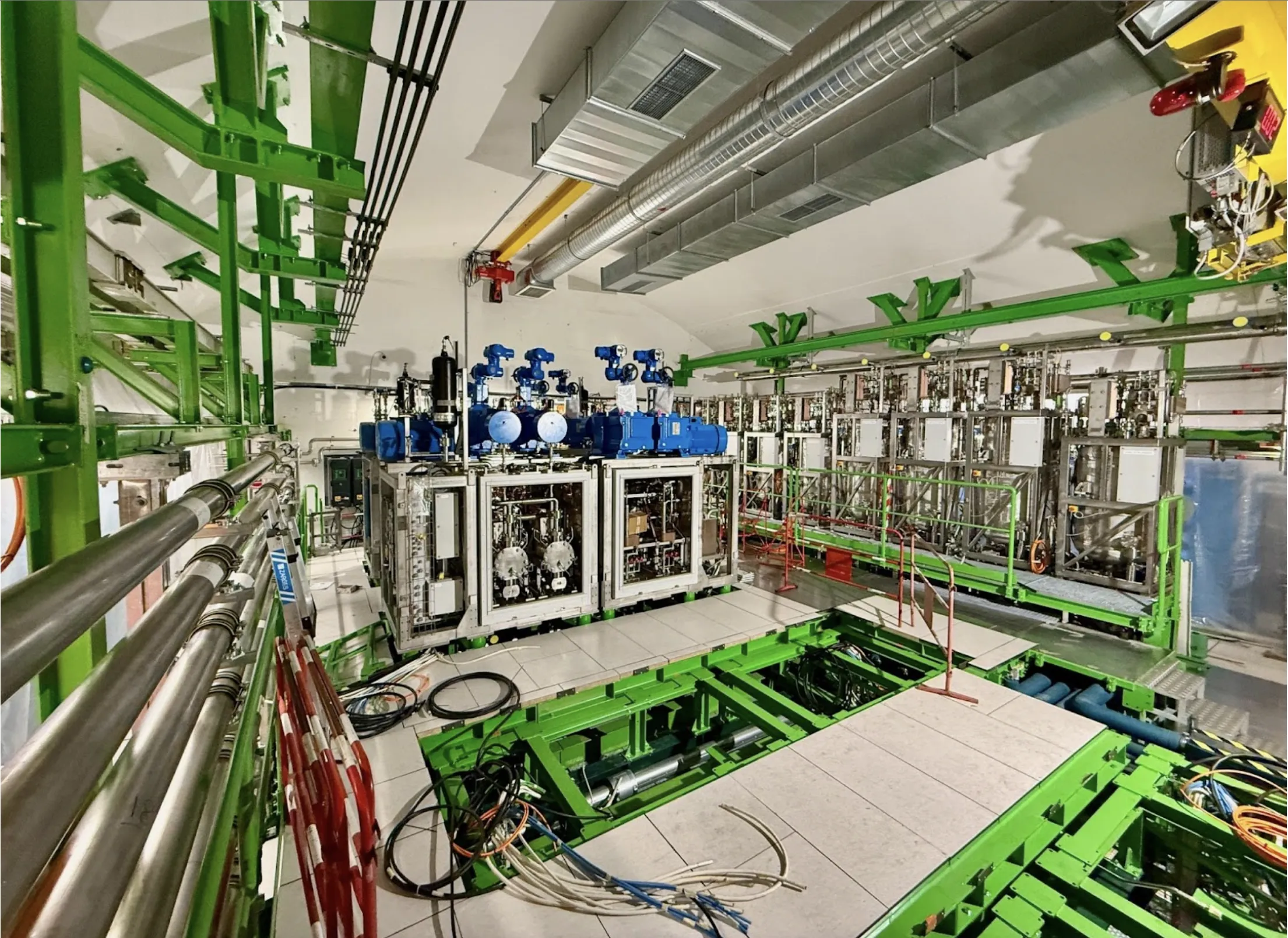
Next-Generation CO₂ Cooling Systems Powering the Future of ATLAS and CMS
Next-Generation CO₂ Cooling Systems Powering the Future of ATLAS and CMS Four CO2 cooling plants and accumulators in the service cavern of CMS in May 2025. (Photo by Jérôme Daguin) During recent shutdown periods, CERN engineers and technicians — in collaboration with the ATLAS and CMS teams — began installing the first units of next-generation