
Tag: CMS
-
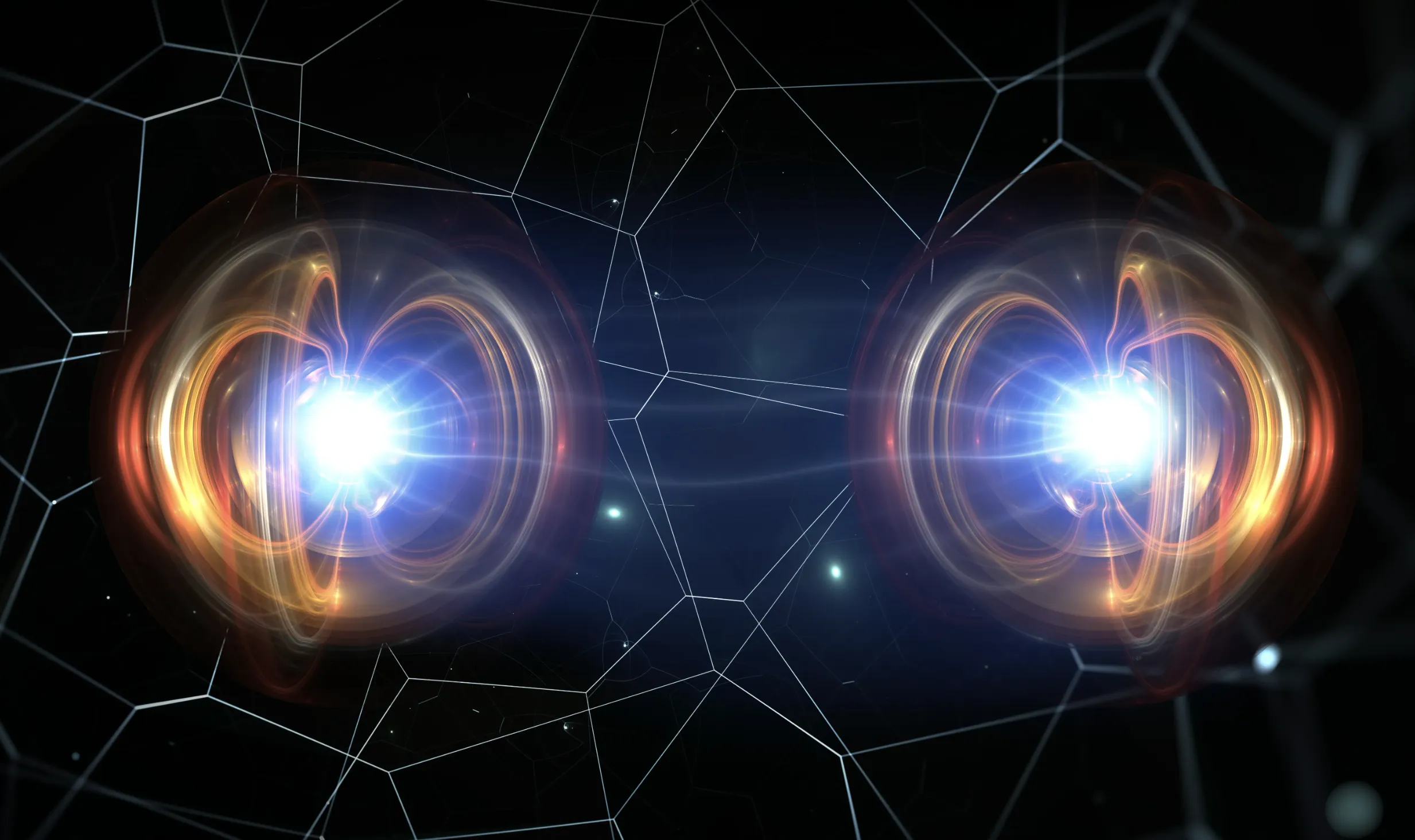
Groundbreaking Observation of Quantum Entanglement in Top Quarks at the LHC
Groundbreaking Observation of Quantum Entanglement in Top Quarks at the LHC Researchers using the ATLAS detector at CERN's Large Hadron Collider (LHC) have achieved a breakthrough: the first observation of quantum entanglement in top quark pairs. This discovery, analyzing proton-proton collisions at incredibly high energies, marks a significant step forward in understanding the quantum world
-
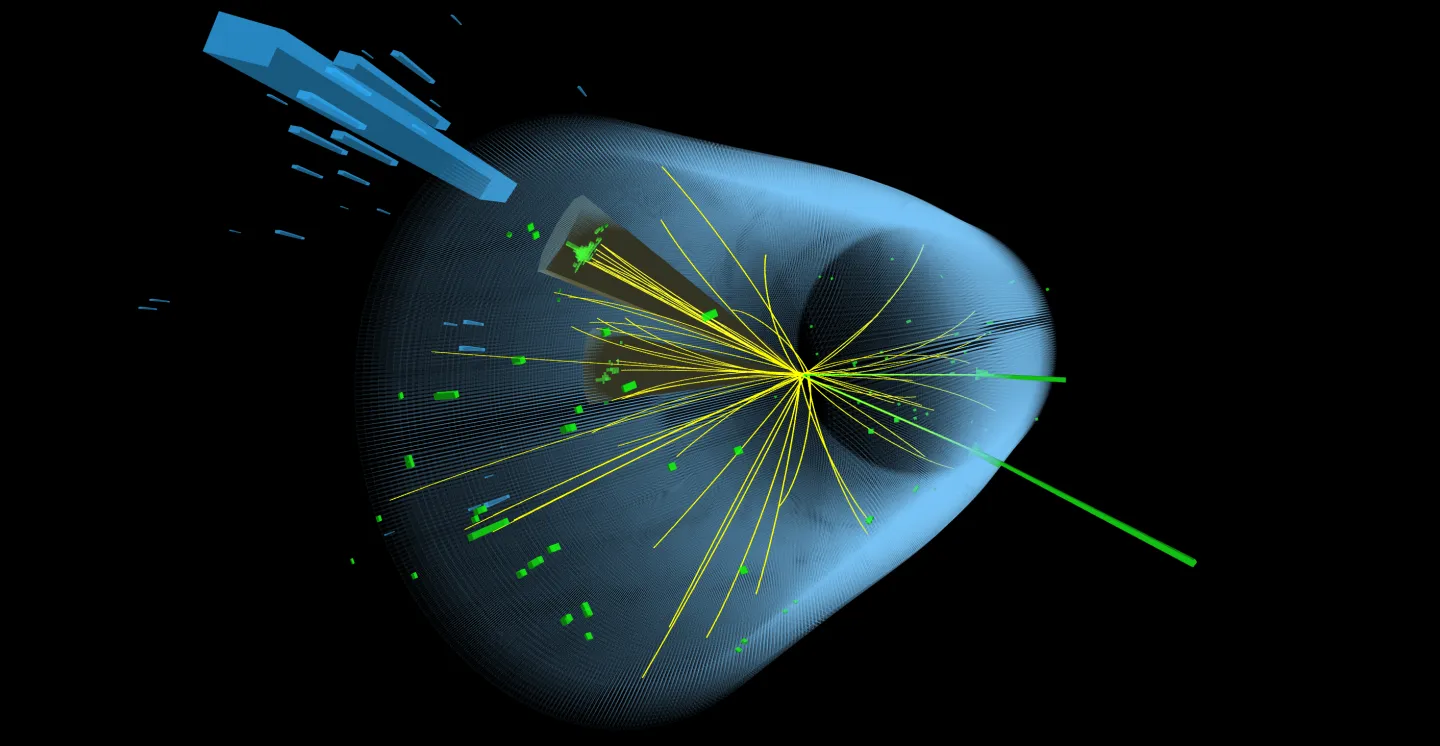
Probing Anomalies: CMS experiment investigates possible hints of new physics
Probing Anomalies: CMS experiment investigates possible hints of new physics For a few years, the work of the LHC community has been split between the exploitation of the LHC Run2 and first Run3 data and the preparation for the High Luminosity (HL) phase. At the HL-LHC, the effort of searching for new physics will be
-
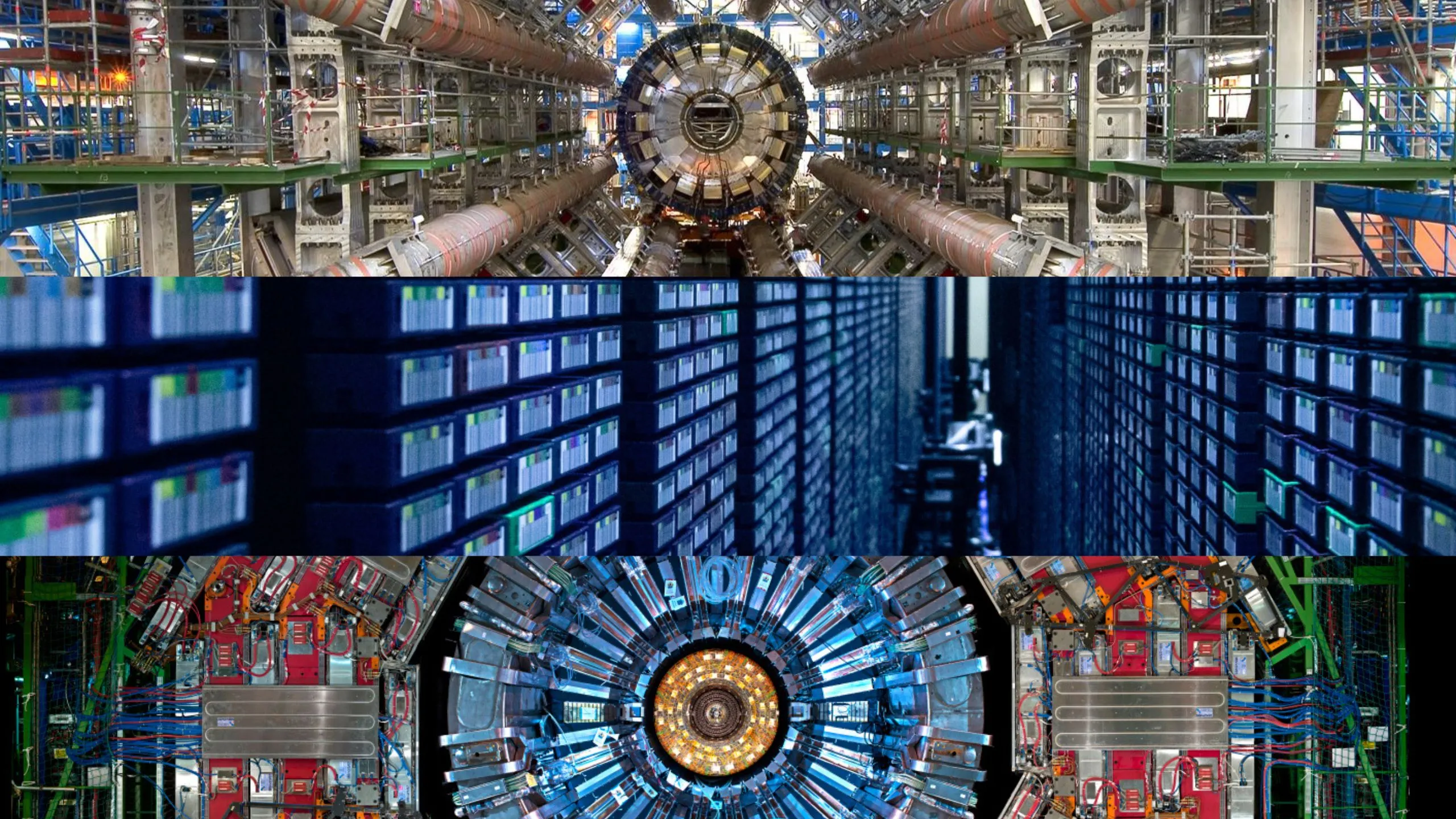
NextGen Triggers: Pioneering R&D for HL-HC Data Acquisition and Event Processing
NextGen Triggers: Pioneering R&D for HL-HC Data Acquisition and Event Processing The High-Luminosity LHC upgrade will provide an unprecedented challenge to the data acquisition and online event processing capabilities of ATLAS and CMS. Both experiments are currently undergoing major upgrades to prepare their detectors to cope with the expected threefold increase in event level pile-up
-
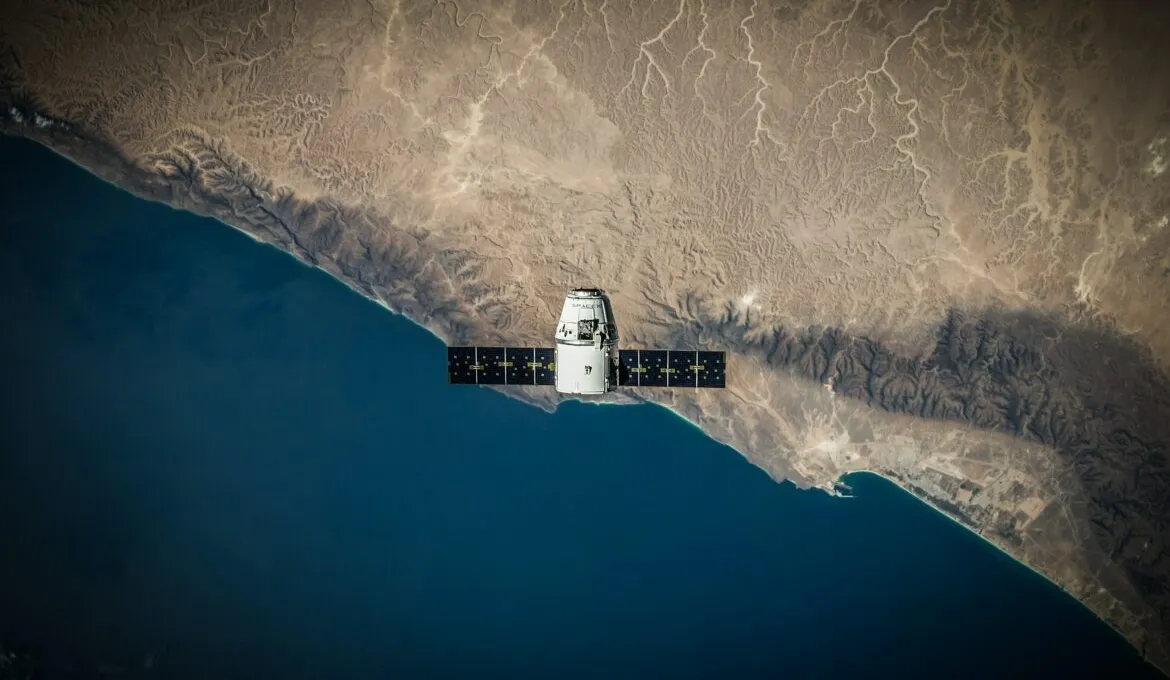
Edge SpAIce: Leveraging CERN’s AI for Real-Time Ocean Plastic Tracking from Space
Edge SpAIce: Leveraging CERN's AI for Real-Time Ocean Plastic Tracking from Space Earth Observation (EO) and particle physics research have more in common than you might think. In both environments, whether capturing fleeting particle collisions or detecting transient traces of ocean plastics, rapid and accurate data analysis is paramount. We are excited to present a
-
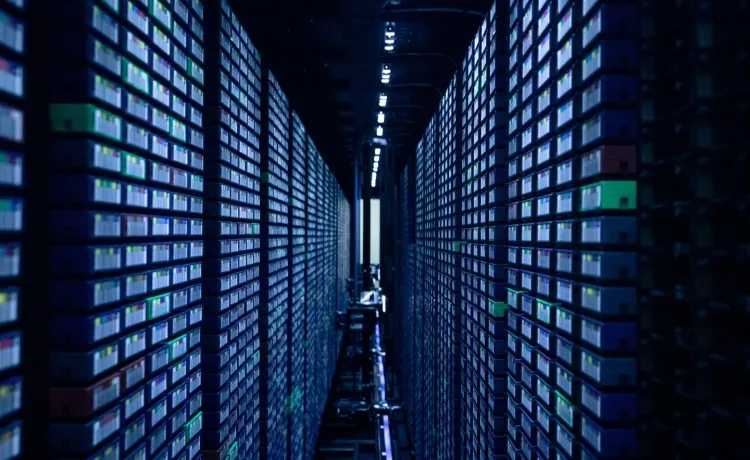
Navigating the Data Tsunami: CMS Prompt Data Processing and Distribution in Run 3
Navigating the Data Tsunami: CMS Prompt Data Processing and Distribution in Run 3 Improvements implemented in the CMS trigger and data acquisition systems before the start of Run 3 LHC in 2022 have enabled an increase in both the event rate and the volume of useful data collected by the CMS detector, thereby broadening its
-
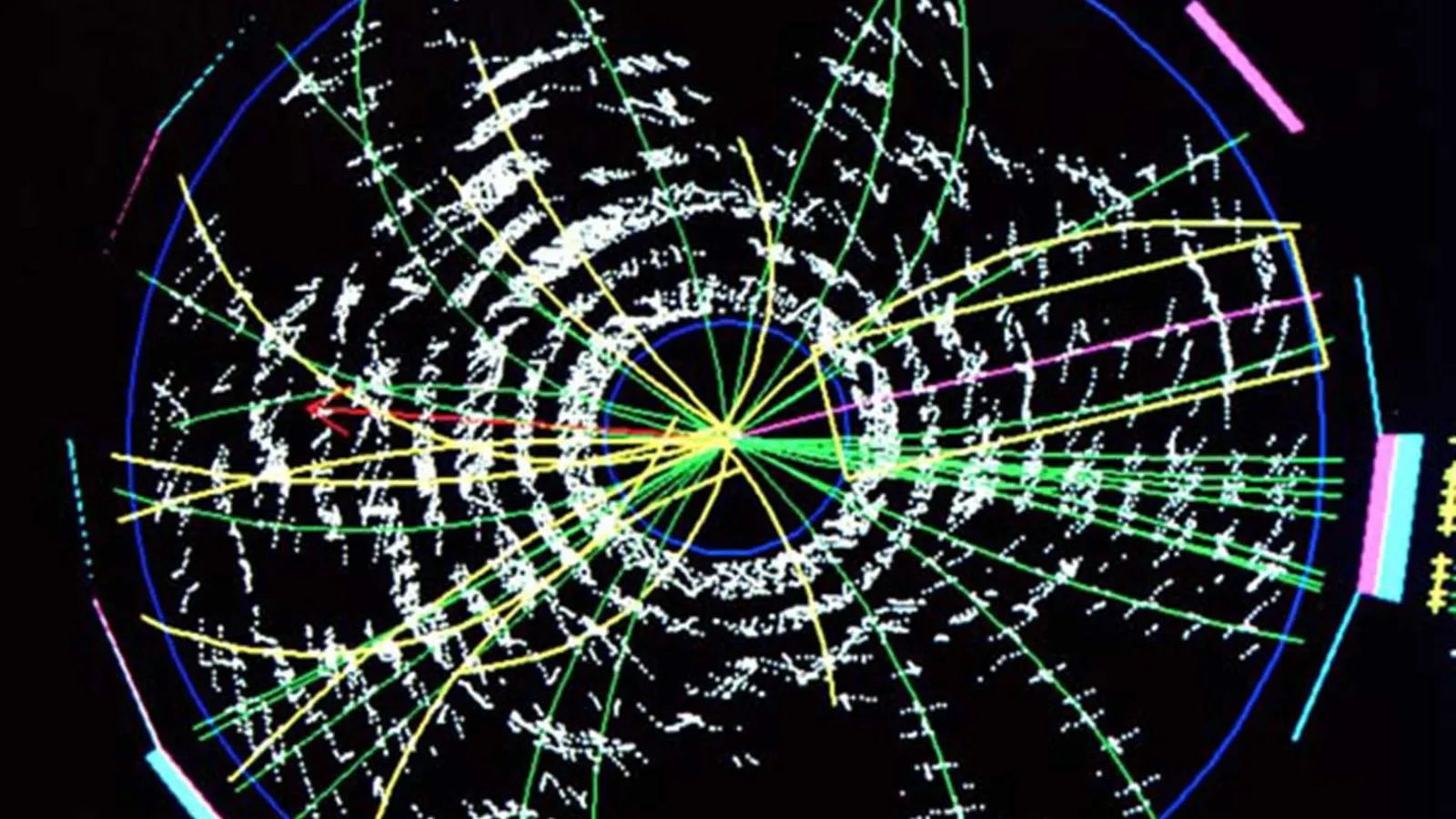
ATLAS and CMS unite to weigh in on the top quark
ATLAS and CMS unite to weigh in on the top quark The ATLAS and CMS Experiments at CERN have just released a new measurement of the mass of the top quark. The new result combines 15 previous measurements to give the most precise determination of the top-quark mass to date. Among the known fundamental particles
-
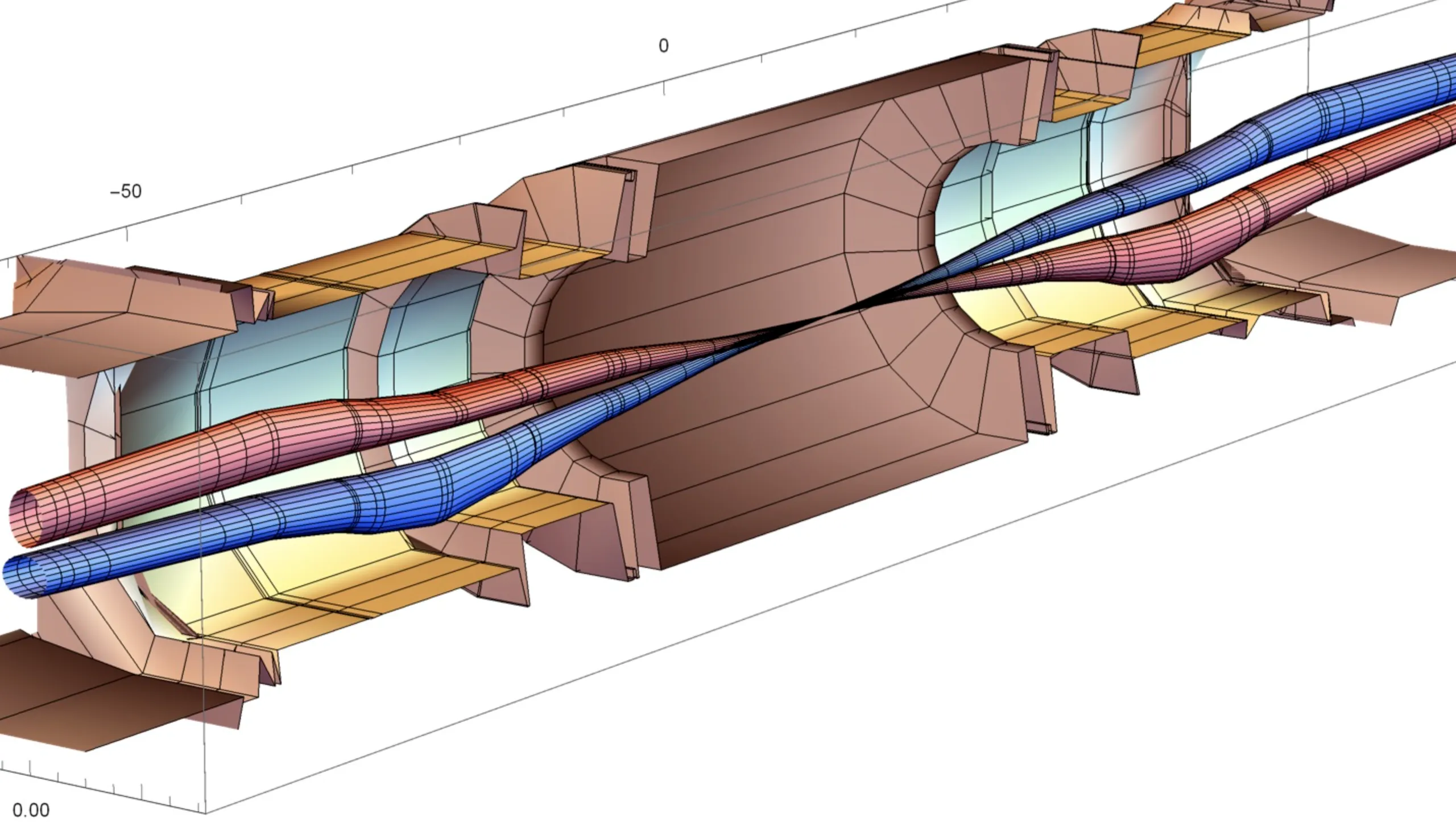
Ending the 2023 LHC run with heavy-ion collisions
Ending the 2023 LHC run with heavy-ion collisions The LHC schedule for 2023 has been revised following the emergence of a leak in mid-July. The decision was to stop the regular proton running this year and focus on the heavy ion physics that was already scheduled for the year-end. This was complemented by relatively brief
-
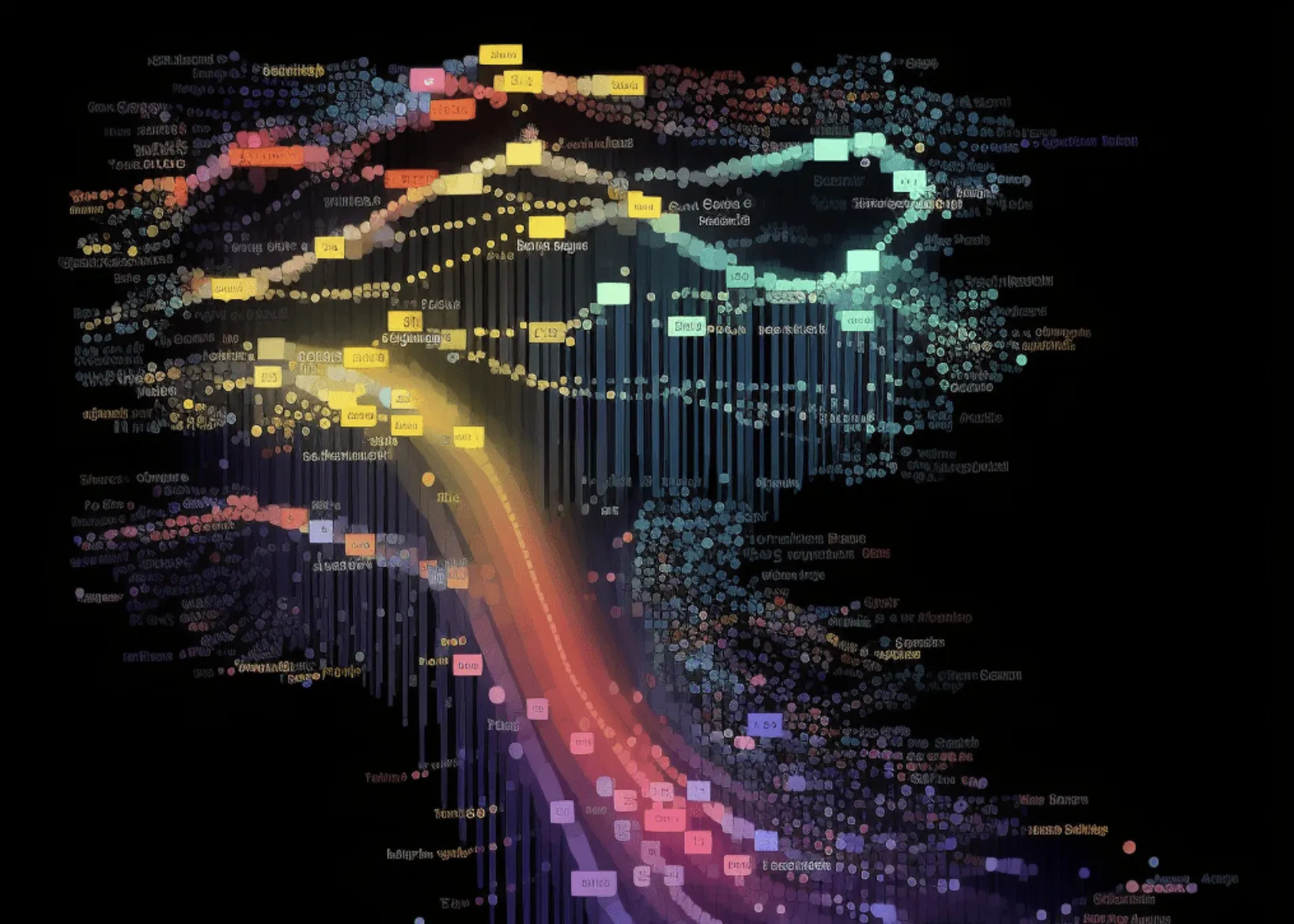
The CMS Trigger System for Run 3
The CMS Trigger System for Run 3 Before the start of the LHC Run 3, CMS improved many aspects of its trigger system in order to boost the physics reach of the experiment. To select events of potential physics interest, the CMS trigger system divides the processing into two levels: the Level-1 trigger (L1T), implemented
-
A word from the DIRAC and Rucio Workshop 2023
A word from the DIRAC and Rucio Workshop 2023 DIRAC and Rucio are two software projects used for scientific computing. Both projects are led by CERN, and the EP department is one of the major contributors to both. DIRAC is used by CERN experiments such as LHCb, CLIC, FCC, NA62, and non-CERN experiments like Belle
-
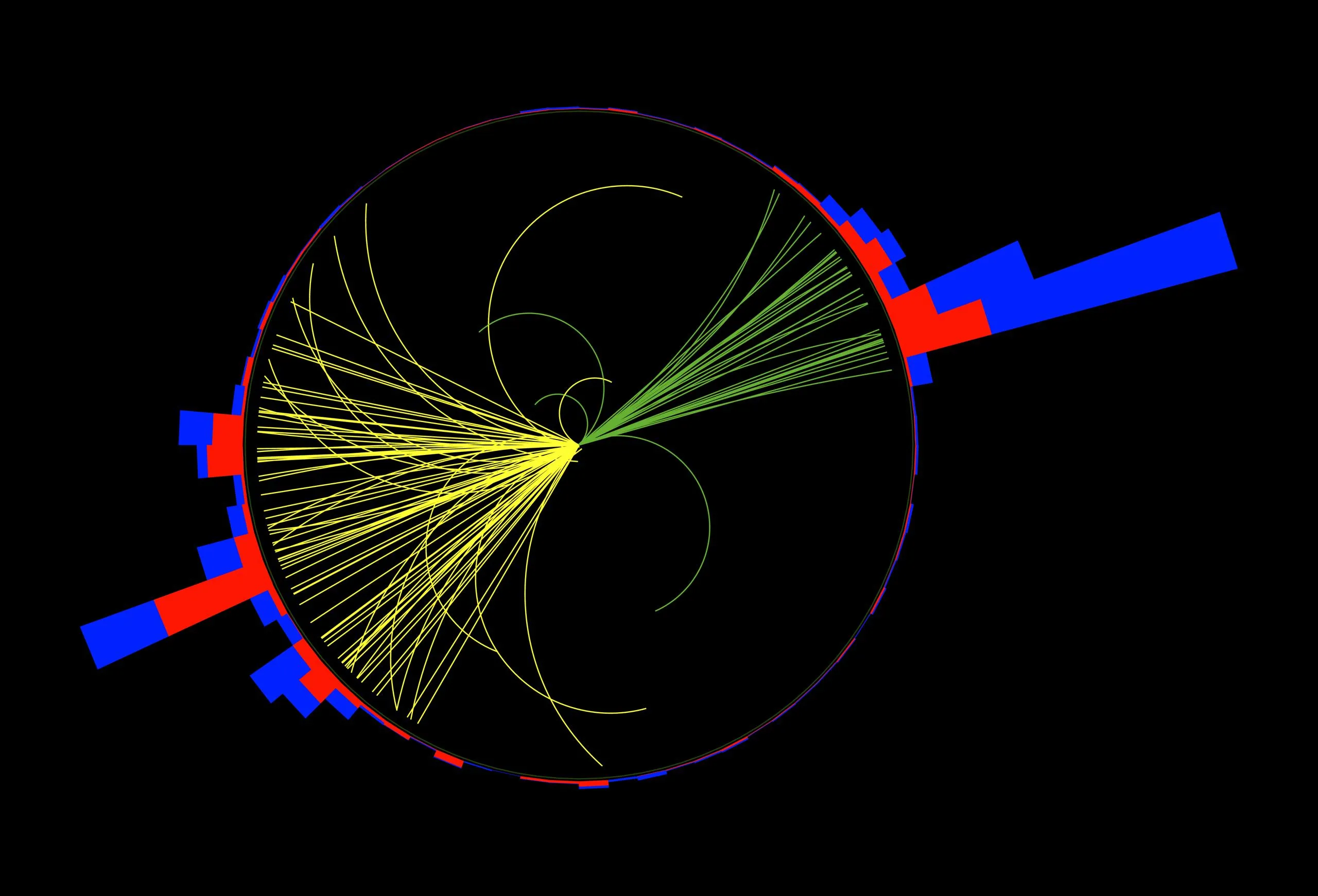
Jet Substructure as a powerful probe of Quantum Chromodynamics
Jet Substructure as a powerful probe of Quantum Chromodynamics Jet substructure (JSS) has emerged as a powerful framework for studying the Standard Model (SM) and provides a key set of tools for probing nature at the highest energy scales accessible by terrestrial experiments. While not an experimental or theoretical consideration of the design of the